Importance of High-Quality Real Estate Photos
In the competitive Miami real estate market, the visual presentation of a property plays a crucial role in attracting potential buyers and closing deals efficiently. Well-crafted, high-quality real estate photos serve as the first impression for online listings, where most buyers begin their property search. These images are more than just visual aids; they are strategic tools that communicate a property’s unique features, size, and ambiance, directly impacting a buyer’s perception and engagement. Effective real estate photography helps showcase the property's best attributes while minimizing any potential weaknesses. When buyers scroll through listings filled with crisp, professionally captured images, they are more likely to invest their time in viewing detailed descriptions and scheduling viewings. Conversely, poor-quality photos can deter interest, leading to reduced inquiries and longer time on the market. Professional images evoke a sense of trust and credibility, emphasizing attention to detail and quality. Buyers tend to associate high-quality visuals with accurate representations of the property, which fosters confidence and accelerates the decision-making process. Moreover, visually compelling photos elevate online listings amidst saturated markets, ensuring properties stand out in search results and social media platforms. Properties with high-quality photos often command higher perceived value, facilitating smoother negotiations and potentially higher offers. Real estate professionals recognize that investing in professional photography is an effective strategy to boost listing visibility, improve marketing ROI, and achieve faster sales. In regions like Miami, where luxury and aesthetic appeal are highly valued, compelling imagery is indispensable for capturing the allure of upscale properties and coastal homes. Overall, professional property photos are an essential element in a comprehensive real estate marketing strategy. They influence buyer perception, increase online engagement, and ultimately contribute to successful property transactions, making them a vital investment for sellers and agents alike.
Best Practices for Photography Equipment and Techniques
Utilizing the right equipment and techniques is fundamental to capturing compelling real estate property photos that resonate with prospective buyers. High-quality cameras with full-frame sensors are preferred, as they can record detailed images with accurate color reproduction and broad dynamic range. Investing in a wide-angle lens—typically between 14mm and 24mm—allows photographers to showcase spacious interiors and exteriors without distortion, providing viewers with a realistic sense of scale.
Tripods are essential for ensuring stability and sharpness, especially in indoor settings where lower light conditions necessitate longer exposure times. Proper camera settings, including a balanced ISO, aperture, and shutter speed, help optimize image clarity and depth of field. For interiors, an aperture of f/8 to f/11 maintains sharp focus across the scene, highlighting key architectural elements.
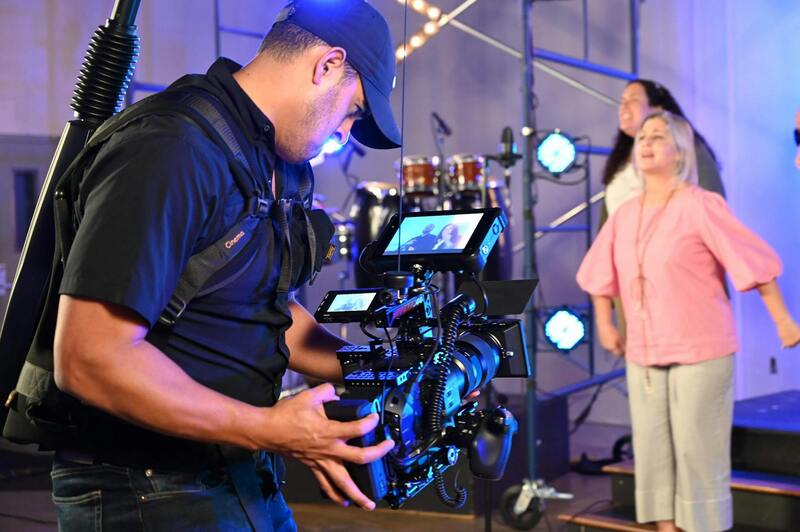
Mastering shooting techniques, such as shooting during the golden hour—shortly after sunrise or before sunset—can imbue images with warm, inviting light that enhances the property’s appeal. Bracketing exposures and combining them through high dynamic range (HDR) processing can prevent glare in bright windows while revealing details in darker areas, creating balanced images that reflect real-world lighting conditions.
For outdoor shots, employing a tripod and a polarizing filter minimizes reflections on glass surfaces and enhances sky contrast, ensuring attractive visuals that draw interest. Consistent framing and careful attention to vertical lines help maintain professional standards, making the property appear well-maintained and inviting.
Staging and Preparing Properties for Photoshoots
Effective staging is crucial to showcase a property's full appeal. Clear clutter, depersonalize spaces by removing personal artifacts, and arrange furniture to maximize space perception. Highlight key features, such as fireplaces, scenic views, or architectural details, by positioning furniture and decor to draw attention.
Natural light should be maximized whenever possible; opening curtains and blinds before the shoot ensures rooms are bright and welcoming. Neutral tones and subtle accents help create a clean, modern aesthetic that appeals to a broad audience.
Attention to details such as freshly laundered linens, tidy surfaces, and appropriately styled vignettes enhances the visual narrative. When areas are well-organized and thoughtfully arranged, the resulting images authentically communicate the property’s potential and aesthetic value.
Post-Processing and Image Editing Tips
Post-processing enhances visual appeal and ensures images accurately represent the property. Adjustments in brightness, contrast, and saturation can make photos more vibrant and inviting. Correcting lens distortion and perspective issues, especially in wide-angle shots, helps maintain realistic proportions.
Sky replacement and masking techniques can improve outdoor lighting and ambiance, adding to the overall attractiveness. It is essential to retain the natural look of the property, avoiding over-editing that can mislead viewers or create unrealistic expectations.
Cropping should be used to eliminate distractions and focus the viewer’s attention on key features. Consistent editing styles across all images create a cohesive and professional listing, reinforcing trust and credibility.
Choosing a Miami Production Agency for Property Photos
Partnering with a specialized Miami-based real estate photography service ensures high-quality visuals tailored to the local market. These agencies possess a deep understanding of regional styles, property types, and buyer preferences. They leverage advanced equipment, professional staging consultations, and expert editing to deliver images that highlight property strengths.
Local agencies also offer quick turnaround times, flexible scheduling, and insights into current market trends, making them a strategic partner in the property marketing process. Their familiarity with Miami’s diverse neighborhoods and luxury markets adds value to images, projecting properties as highly desirable.
Optimizing Photos for Online Listings and Marketing
High-resolution images should be compressed appropriately to ensure fast loading speeds without sacrificing quality. Hover states or zoom features allow online viewers to examine details closely, enhancing engagement.
Implementing a consistent branding style—such as watermarking or branded borders—can reinforce professionalism. Ensuring photos are correctly sized and formatted for various platforms, from MLS listings to social media, maximizes visibility and impact.
Captivating thumbnail images are critical, as they form the first impression in search results. Using compelling shots that showcase the property’s best features encourages clicks and subsequent inquiries.
Investing in Professional Equipment and Techniques
When capturing real estate property photos, the choice of equipment and shooting techniques significantly influences the final image quality, thus impacting potential buyer engagement. High-end cameras equipped with full-frame sensors are preferred as they capture more detail and deliver clearer, sharper images that accurately depict property features. Wide-angle lenses are particularly essential, enabling photographers to showcase entire rooms and spaces in one shot, which helps potential buyers visualize the scale and layout effectively.
Proper lighting is crucial for producing inviting and true-to-life images. Natural daylight is often preferred, as it brings out the warm tones and enhances the ambiance of each room. However, supplementary lighting, such as flash or continuous lights, can be strategically used to eliminate shadows and highlight specific features, especially in darker or enclosed areas.

Using tripod stabilization ensures sharp images and allows for longer exposure times when necessary, which is especially useful in low-light conditions. Utilization of HDR (High Dynamic Range) imaging techniques helps balance exposure between overly bright and shadowed areas within a single shot, resulting in images that accurately reflect the property's appearance under various lighting conditions.
Implementing these equipment standards and techniques is about more than technical proficiency; it’s about creating a visual story that resonates with prospective buyers. An expertly shot property not only highlights the home's best features but also conveys a sense of quality and professionalism that can influence buying decisions.
Staging and Preparing Properties for Photoshoots
Effective staging plays an integral role in producing compelling real estate photos. Clear, clutter-free spaces with thoughtfully arranged furniture and decor help accentuate the property's best assets, making rooms appear more inviting and spacious. It's important to remove personal belongings and excess clutter, which can distract viewers and diminish perceived value.
Prior to the photoshoot, ensure all lights are functioning properly and turn on all necessary fixtures to showcase lighting features. Open curtains and blinds to maximize natural light, and consider adding fresh flowers or tasteful decor elements to enhance visual appeal.
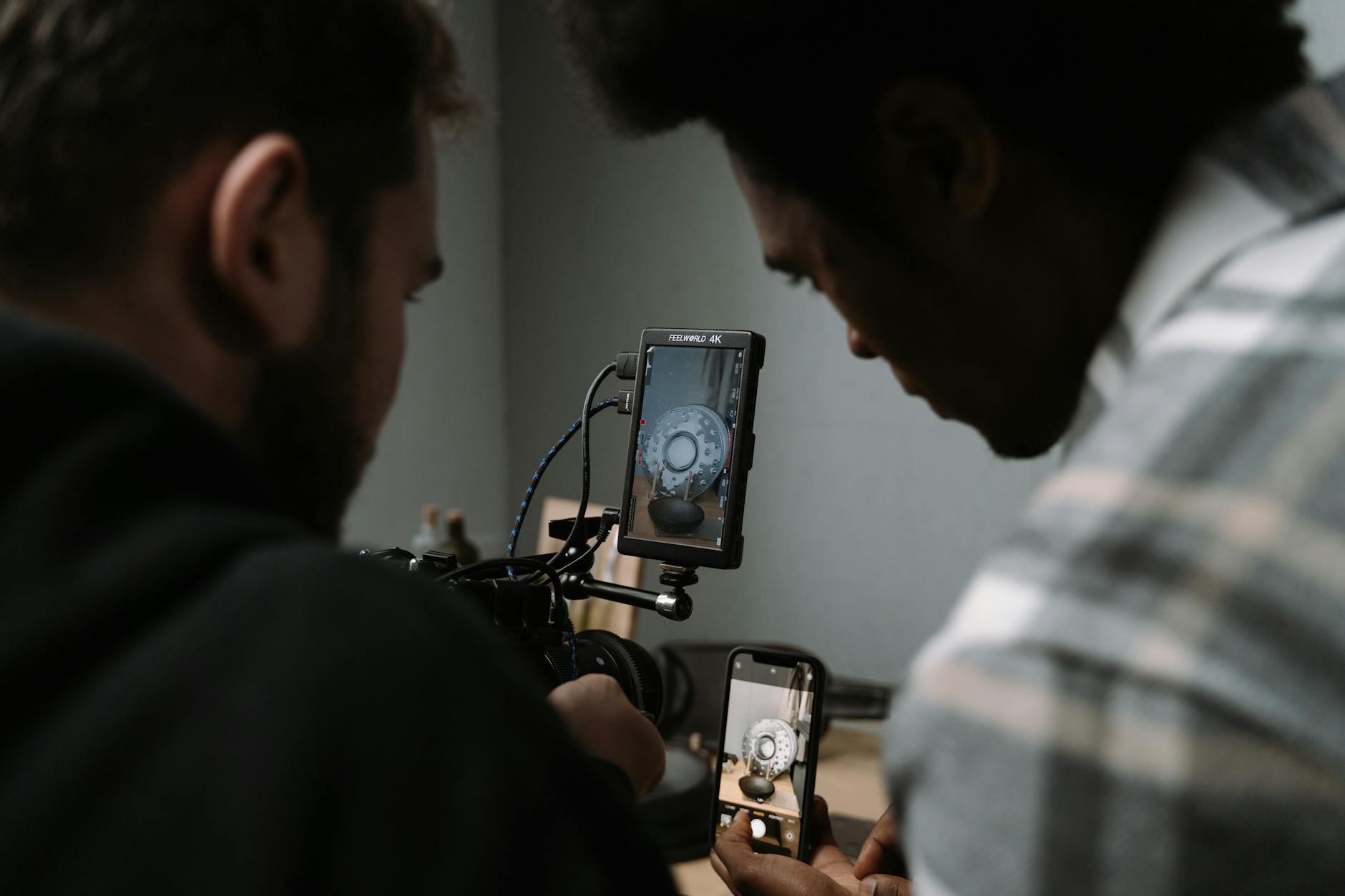
Addressing minor repairs such as fixing squeaky hinges, patching holes, or repainting touched-up areas can significantly improve the overall look of the property. The object is to create an environment that looks both welcoming and well-maintained, which can be achieved through strategic staging and meticulous cleaning.
Post-Processing and Image Editing Tips
Post-processing is vital for refining photos and ensuring they meet high-quality standards. Basic adjustments include correcting brightness, contrast, and color balance to accurately depict the property's appearance. Enhancing sharpness and removing minor imperfections, such as dust particles or reflections, can make images more polished.
Utilizing architectural perspective correction tools helps straighten lines and correct distortions caused by wide-angle lenses, resulting in more professional and aesthetically pleasing images. Additionally, subtle adjustments to highlight or shadow areas can bring depth and dimension to the visuals.
Care should be taken to retain authenticity; over-editing can mislead viewers and reduce credibility. Consistent editing styles reinforce branding and ensure a uniform look across a portfolio of property photos.
Partnering with Miami-Based Photography Experts
Collaborating with experienced, local real estate photographers guarantees access to advanced equipment, industry-specific techniques, and a nuanced understanding of Miami’s diverse markets. These professionals are adept at capturing the unique character of different neighborhoods, from luxury waterfront properties to urban condominiums.
Their familiarity with regional market trends ensures photos are optimized for maximum impact across digital platforms, appealing to target audiences and increasing engagement. Moreover, quick turnaround times and flexible scheduling help maintain momentum in property marketing campaigns.
Optimizing Images for Digital Platforms
To achieve optimal online visibility, high-quality images need appropriate compression to ensure rapid webpage loads without compromising visual clarity. Adaptive sizing and formatting tailored to specific platforms, such as MLS listings, social media, and property websites, expand reach and engagement.
Attractive thumbnails serve as the digital storefront, so selecting the most compelling images that highlight significant features can increase click-through rates. Additionally, incorporating branding elements like watermarks can improve professional recognition and protect image integrity.
Legal and Ethical Considerations in Real Estate Photography
Maintaining professionalism and transparency in real estate property photos is paramount for establishing trust with potential buyers and stakeholders. Accurate representation of the property's condition, features, and surroundings ensures that the visuals align with the actual space, fostering credibility. Photographers should avoid manipulating images in ways that significantly alter the property's appearance, as this can lead to misunderstandings and dissatisfaction among clients.
Adhering to strict standards around ethical practices includes obtaining proper permissions for shooting within private spaces, respecting privacy boundaries, and ensuring that no misleading enhancements are made. For example, using filters or editing techniques should enhance clarity and color accuracy without creating false impressions of size, space, or amenities.
Furthermore, comprehensive documentation of the photography process can serve as a record of the images' authenticity and integrity. Engaging in transparent communication with clients about editing practices and image adjustments further reinforces professionalism.
In terms of compliance, it is important to ensure that the portrayal of the property meets all regional advertising standards and guidelines. This not only avoids any misconceptions but also aligns with best practices for responsible real estate marketing.
Another critical aspect involves avoiding the use of stock or generic images that do not accurately reflect the specific property being sold or leased. Authentic images derived from a dedicated photoshoot provide prospective buyers with a sincere preview, thereby improving engagement and reducing mismatched expectations.
Lastly, photographers and real estate professionals should stay informed about evolving industry standards and best practices. This ongoing commitment to integrity ensures that the visual marketing efforts continue to uphold the reputation of the agency or individual, promoting a healthy, transparent marketplace.
Proper Lighting Techniques to Showcase Property Features
Effective lighting is essential for capturing compelling real estate property photos that truly represent a space’s character and appeal. Natural light, when available, should be utilized to highlight the property's best features and create a welcoming atmosphere. Shooting during daylight hours, especially in the early morning or late afternoon, allows for softer, more flattering light that diminishes harsh shadows and glares.
Supplementing natural light with professional lighting equipment can further enhance the quality of images, particularly in rooms with limited windows or interior spaces that require balanced illumination. Diffused light sources help to eliminate uneven shadows and bring out details in darker areas without overexposing brighter sections.

Furthermore, consistent lighting throughout a series of photos ensures a cohesive visual narrative. Conducting the shoot with a clear plan for how to light each room not only elevates the overall quality but also provides viewers with an accurate, inviting view of the property.
Mastering Composition for Eye-Catching Property Photos
A well-composed photograph captures the essence and flow of a space, making rooms appear more expansive and inviting. Achieving this involves careful consideration of angles, framing, and focal points. Shooting at eye level generally offers a natural perspective that potential buyers can relate to, while high or low angles can emphasize space or architectural details.
Leading lines, symmetry, and rule of thirds are compositional tools that add visual interest and direct the viewer’s eye through the image. Ensuring that clutter and distractions are minimized within each shot helps maintain focus on the property's desirable features.

Lighting and composition work hand-in-hand to produce photographs that not only showcase a property authentically but also appeal to prospective buyers’ aspirations. Using these principles diligently ensures that each image serves as a compelling visual invitation, encouraging viewers to explore the property further.
Optimizing Photos for Online Listings and Marketing
Effective editing and optimization of real estate property photos are essential to attract and engage potential buyers on online platforms. Proper optimization involves balancing image quality with fast loading times to ensure the photos display well across multiple devices and internet speeds. High-resolution images are crucial for showing detail; however, resizing and compressing images without loss of clarity help prevent slow page load times that could deter viewers. Using descriptive, keyword-rich filenames and relevant alt text for each image enhances visibility in search engine results, making properties easier to find by prospective clients.
Strategically selecting the images showcased in listings plays a significant role in marketing success. Lead with the most compelling and spacious shots of key living areas, exterior views, and unique features. A curated gallery that tells a visual story about the property encourages viewers to engage further with the listing. Consistency in style, lighting, and perspective across all images builds a cohesive visual narrative, strengthening the property's appeal.
Embedding virtual tours and 360-degree photos within online listings provides an immersive experience, allowing potential buyers to navigate through the property remotely. This interactive approach not only enhances buyer interest but also reduces the need for initial in-person visits, saving time for both buyers and sellers. Additionally, incorporating a video walkthrough can highlight the flow of space and architectural details vividly, creating a more engaging presentation.

Legal and Ethical Considerations in Real Estate Photography
While pursuing the highest visual standards, it is important to adhere to ethical practices that respect property rights and maintain truthful representation. All images used in marketing should accurately depict the property’s features without exaggeration or omission. Alterations like digital enhancements should be limited to color correction and minor adjustments that do not mislead potential buyers. Deceptive editing, such as removing clutter or artificially enlarging spaces, can undermine trust and complicate transactions.
Photographers and real estate professionals should obtain necessary permissions before capturing images, particularly in private or restricted areas. Ensuring the privacy of tenants or residents within the property is essential, and any identifiable individuals should be appropriately informed or asked for consent.
Maintaining transparency about the use of images fosters integrity in marketing efforts and helps uphold industry standards. Clear disclosures regarding image modifications or virtual staging are recommended, aligning with best practices for honest communication. This transparency builds credibility with prospective buyers, establishing a reputation for trustworthiness that benefits all parties involved.
Importance of High-Quality Real Estate Photos
Investing in high-quality real estate property photos is fundamental to attracting prospective buyers and tenants in today’s competitive market. Clear, well-composed images serve as the first impression for online listings, capturing the essence of a property and enticing viewers to explore further. High-resolution photographs allow potential clients to perceive the space accurately, highlighting details such as natural lighting, interior design, and architectural features. These visuals facilitate emotional connections, helping buyers envision themselves living there, which often accelerates decision-making processes. Moreover, polished images reduce the need for multiple viewings, saving time and resources during the sales cycle. Leveraging professional photography ensures that listings stand out in crowded digital platforms, boosting visibility, engagement, and ultimately, closing deals more efficiently.
When real estate photos are subpar—blurry, poorly lit, or cluttered—they may deter interest and diminish perceived value. Conversely, professional images elevate the property’s appeal, emphasizing spaciousness, modern updates, and unique selling points. Optimized photos also align better with platform algorithms, improving search rankings and visibility on real estate websites and social media. This synergy between quality visuals and strategic online presentation positions properties more favorably in the marketplace, leading to increased inquiries, faster sales, and higher offers.
Key Elements of Attractive Real Estate Photos
- Lighting: Use natural light to illuminate interiors, avoiding harsh shadows or overexposure. Proper lighting enhances color accuracy and makes spaces look inviting.
- Composition: Frame each shot intentionally, highlighting architectural features and creating a balanced perspective. Avoid clutter and ensure key areas are visible and unobstructed.
- Angles: Capture images from strategic viewpoints, typically eye level or slightly above, to showcase room layouts effectively. Wide-angle lenses can help demonstrate spaciousness without distortion.
- Staging: Present each room with minimal, tasteful decor that appeals to a broad audience. Remove personal items and unnecessary clutter to keep the focus on the space itself.
- Details: Highlight unique features such as fireplaces, crown molding, or premium appliances through close-up shots that add visual interest and distinguish the property.
Best Practices for Photography Equipment and Techniques
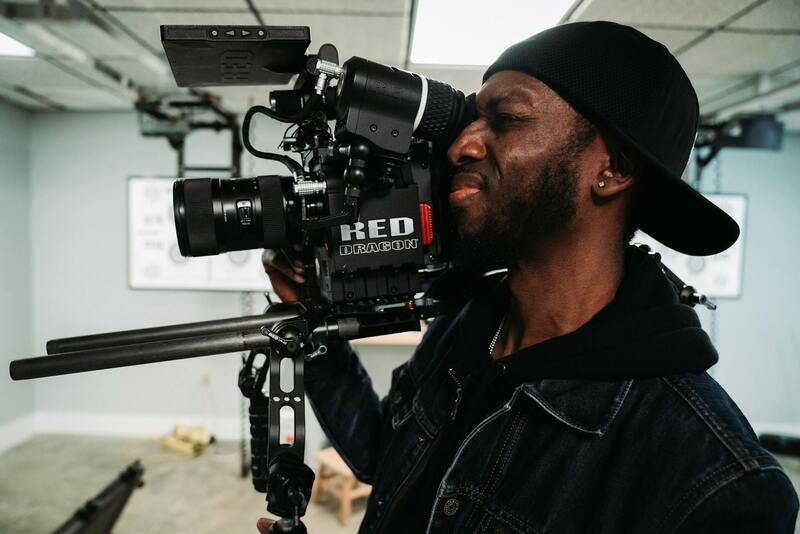
- Camera Equipment: Utilize a digital camera with high-resolution capabilities, preferably a full-frame sensor, to capture fine details and deliver sharp images. A wide-angle lens (typically 10-24mm) is essential for interior shots, providing expansive perspectives that make rooms appear larger.
- Tripod Use: Stabilize the camera with a tripod to ensure clarity, especially in low-light conditions where longer exposures are necessary. This prevents blurring and maintains consistent framing across shots.
- HDR Imaging: Implement High Dynamic Range (HDR) techniques to balance lighting extremes within rooms. This involves capturing multiple exposures and blending them to produce well-lit, vibrant images that accurately reflect real-life conditions.
- Lighting Equipment: Supplement natural light with professional lighting setups if needed. Use softboxes or diffusers to avoid harsh shadows and create even illumination.
- Camera Settings: Adjust ISO, aperture, and shutter speed to optimize image quality. Keep ISO low to prevent noise, and set a narrower aperture (f/8 to f/11) for greater depth of field.
Staging and Preparing Properties for Photoshoots
Effective staging transforms the property into an inviting environment that appeals to prospective buyers. Prior to photography, ensure all spaces are thoroughly cleaned and decluttered, removing personal items, excess furniture, and unnecessary accessories. Consider rearranging furniture to emphasize the room’s functionality and flow, creating an open and airy atmosphere. Neutral color schemes and minimal decor can help appeal to a wider audience, emphasizing the space's potential. Open blinds and curtains to maximize natural light, and turn on all interior lights to create a warm, welcoming glow. Pets should be kept out of sight to avoid distractions, and minor repairs or touch-ups—such as repainting scuffed walls or fixing squeaky doors—should be completed beforehand. Proper preparation ensures that each shot reflects the property at its best, conveying value and lifestyle potential.
Post-Processing and Image Editing Tips
Post-processing is a crucial step in creating polished real estate photos that stand out online. Begin with high-resolution images, and use professional editing software to enhance overall quality. Adjust brightness and contrast to ensure images are vibrant without appearing unnatural. Correct color imbalances to reflect true hues accurately. Cropping can improve composition by removing distractions from the frame, while straightening lines ensures architectural elements remain aligned. Use subtle noise reduction techniques to smooth out grainy areas, especially in low-light shots. Virtual staging can also be employed to showcase potential furniture layouts, but this should be clearly disclosed to maintain transparency. Avoid over-editing, as excessively stylized images risk misleading viewers and undermining trust. Strive for a balanced approach that enhances realistic features without distorting the property’s true appearance.
Choosing a Miami Production Agency for Property Photos
Selecting a reputable Miami-based visual content provider ensures your property listings are optimized with high-quality imagery that aligns with industry standards. Experienced agencies possess advanced equipment and technical expertise, enabling them to capture the intricacies of each property vividly. They often provide comprehensive services, including staging consultation, professional photography, and post-production editing, creating a seamless experience from concept to final images. Local agents have insight into Miami’s real estate market dynamics and aesthetic preferences, allowing them to craft visuals that resonate with regional buyers. Working with licensed professionals also affirms adherence to ethical practices in property representation, fostering trust with clients and stakeholders. An agency with proven credentials, stellar portfolio, and positive client feedback is an invaluable partner in elevating your property marketing efforts and ensuring the most compelling presentation of your listings.
Legal and Ethical Considerations in Real Estate Photography
Ensuring that property images are captured and displayed responsibly reflects a commitment to integrity and transparency in the real estate industry. When conducting property photoshoots, professionals must be mindful of the rights associated with the images, including intellectual property rights over the photographs themselves. Securing appropriate permissions from property owners before taking or publishing photos is essential to prevent misunderstandings or disputes that could compromise the marketing efforts.
Respecting privacy is paramount, especially when capturing wide-angle shots that may inadvertently include neighbors, sensitive areas, or personal belongings. It is best practice to exclude or blur Elements that could infringe on the privacy of others or reveal confidential information, thereby maintaining trust and adhering to ethical standards.
Adherence to best practices includes transparent communication with clients about how images will be used, stored, and distributed. This transparency extends to ensuring that images accurately represent the property without exaggerations or misleading enhancements that might deceive prospective buyers. Photographers should avoid techniques that could distort scale, perspective, or true color representation, preserving the authenticity of the visual content.
In addition, licensing agreements should be clearly established when utilizing third-party services or stock images to avoid copyright infringements. Using licensed or original content not only enhances credibility but also safeguards marketing campaigns from potential legal complications.
Finally, staying informed about industry standards and regional regulations regarding property advertising reinforces ethical marketing. Regular training for photographers and marketing teams ensures everyone understands their responsibilities and the importance of professional integrity throughout the visual presentation process.