Role of a Realtor Videographer
A realtor videographer plays a vital role in the modern real estate marketing landscape by producing high-quality visual content that highlights the unique features of a property. These professionals are responsible for capturing property videos that enhance a listing’s appeal through professional filming and editing techniques. Their work involves understanding the intricacies of real estate visuals, including the importance of lighting, composition, and aerial shots if necessary. Their primary goal is to create engaging, accurate, and compelling videos that resonate with potential buyers and generate increased interest.
A realtor videographer collaborates closely with real estate agents and agencies to understand the key selling points of a property. They tailor their filming approach to emphasize the property's best aspects, whether it's a spacious backyard, modern kitchen, or panoramic mountain views. This process requires a deep understanding of the residential or commercial market, current buyer preferences, and effective storytelling through visuals.
Furthermore, these professionals often handle various post-production processes such as color grading, sound editing, and incorporating branding elements with finesse. By doing so, they help realtors present a polished and professional image that distinguishes their listings in a competitive market.
The importance of a realtor videographer extends beyond simple recording. Their expertise ensures that each video is optimized for digital platforms, making properties accessible to a broader audience. They stay updated with the latest filming techniques and equipment to deliver crisp, smooth, and immersive visuals that command attention on social media, property listing websites, and virtual tours.
Ultimately, a realtor videographer enhances the marketing strategy of real estate professionals. Their work facilitates quicker sales cycles, attracts qualified buyers, and builds a trustworthy image for the listings. As the industry continues to evolve with technology, the role of professional videography becomes increasingly indispensable for delivering a competitive edge.
Types of Videos for Real Estate Marketing
Realtor videographers employ a diverse array of video formats to effectively showcase properties and engage potential buyers. Each format serves a specific purpose, enabling real estate professionals to highlight various aspects of a listing and appeal to different audience segments.
- Listing Tour Videos: These comprehensive walkthroughs present the property in its entirety, allowing viewers to experience the layout, flow, and space as if they were touring in person. High-quality listing tour videos are essential for capturing the attention of online buyers who prioritize visual information before scheduling physical visits.
- Drone Footage: Aerial shots captured through drone videography provide an expansive view of the property and its surroundings. Drone footage is particularly beneficial for showcasing large estates, farms, commercial sites, or properties with unique outdoor features. It adds a cinematic quality and offers prospective buyers a context of the property's position within the neighborhood and landscape.
- Virtual Walkthroughs: These videos simulate an in-person tour using a combination of camera movement and detailed narration. They can include interactive elements and are especially useful for remote or international buyers who may not have the opportunity to visit physically. Virtual walkthroughs are often integrated with virtual reality to enhance immersion.
- Highlight Reels and Teasers: Short, engaging videos designed to generate excitement and interest about a listing. They typically feature quick cuts of the property's best features, emphasizing key selling points in a dynamic format suitable for social media platforms.
 igure>
Incorporating these varied video formats allows real estate professionals to craft comprehensive marketing campaigns that target prospective buyers across multiple digital channels. Properly executed videos not only improve visibility but also foster trust and confidence in the listing, ultimately accelerating the sales process by providing a transparent, engaging view of the property.
Successful real estate videos hinge on selecting the right mix of formats tailored to the target market, property type, and marketing goals. A seasoned realtor videographer understands these nuances and leverages their technical expertise to produce content that aligns with current market demands and enhances overall property appeal.
Role of a Realtor Videographer
A realtor videographer plays a crucial role in the modern real estate industry by creating compelling visual content that showcases properties at their best. Their expertise bridges the gap between traditional property marketing and digital innovation, providing real estate professionals with a powerful tool to attract and engage potential buyers. These professionals are skilled storytellers who understand how to highlight key features of a property through careful framing, lighting, and editing. By leveraging their technical prowess, a realtor videographer ensures that each video not only captures the property's aesthetics but also communicates its unique value proposition effectively.
Beyond the technical aspects, a realtor videographer must possess a keen understanding of real estate trends and buyer psychology. This knowledge allows them to craft narratives that resonate with target audiences, emphasizing aspects that appeal to specific demographics. For instance, a waterfront property might benefit from aerial footage to showcase the scenery, while a city-center apartment may require dynamic interior shots that highlight its modern design. Collaboration with real estate agents and agencies enables the videographer to align video content with marketing strategies, optimizing the exposure and appeal of each listing.
In addition, a realtor videographer often provides consultation on the most effective ways to present a property, suggesting staging tips or complementary shots that enhance the overall presentation. Their role extends to editing, where they streamline footage into polished videos tailored for various platforms—from MLS listings to social media campaigns. Ultimately, a professional videographer enhances a property’s visibility, streamlines the buyer’s journey, and contributes significantly to closing deals more swiftly.
Types of Videos for Real Estate Marketing
Utilizing a range of video formats helps real estate professionals reach diverse audiences and meet various marketing goals. Each type serves a specific purpose and leverages unique advantages, ensuring comprehensive coverage of the property’s appeal.
- Listing Videos: These are comprehensive videos that offer viewers a virtual tour of the property. They combine interior and exterior shots, focusing on flow, layout, and key features to provide an immersive experience that encourages further inquiry.
- Neighborhood and Community Videos: Highlighting the surrounding area, local amenities, schools, parks, and transportation options helps potential buyers understand the lifestyle associated with a property.
- Virtual Walkthroughs: These simulate an in-person tour, using smooth camera movement and narrated descriptions to guide viewers through the space. Often integrated with virtual reality technology, they provide an engaging experience for remote or international buyers.
- Highlight Reels and Teasers: Short, energetic clips designed for social media dissemination. They focus on the most attractive features of a property—like a modern kitchen or scenic backyard—to generate buzz and attract viewers to the full listing.
Incorporating diverse video formats enables a more robust marketing approach, allowing real estate professionals to target a broader audience through multiple digital channels. Well-crafted videos not only increase property visibility but also foster trustworthiness by providing transparent, engaging insights into the property. Tailoring video content to match the preferences and expectations of prospective buyers is essential for maximizing marketing impact.
Legal Considerations and Best Practices
In the realm of real estate videography, adhering to established standards and ethical practices is crucial for maintaining professionalism and ensuring a seamless collaboration between realtors and videographers. Proper authorization and respectful use of property are fundamental, especially when capturing footage of private residences, commercial properties, or rental units. To avoid any misunderstandings, detailed agreements should outline rights to the footage, the scope of filming, and permissible use cases.
Permissions from property owners or authorized representatives are essential prior to filming. This includes obtaining consent for any recognizable individuals present during the shoot, such as residents or visitors, to prevent privacy infringements. Clear communication about the purpose of the footage, how it will be used, and the duration of usage helps foster trust and transparency.
Moreover, videographers should be aware of local regulations regarding drone usage when aerial shots are involved. Many jurisdictions require specific permits or certifications for flying drones in residential or commercial areas. Adhering to altitude restrictions and respecting no-fly zones ensures safety and compliance with legal parameters.
Standardized best practices include accurately representing the property without deceptive enhancements or misleading perspectives. The use of editing techniques must preserve the integrity of the listing, avoiding overly manipulated visuals that could misguide potential buyers. Honest and transparent presentation establishes credibility and fosters confidence among clients.
In addition to visual accuracy, maintaining confidentiality and privacy is paramount. Sensitive information or features that are not intended for public view should be omitted or blurred, especially in listings that involve rental properties or confidential commercial spaces. This ensures that all content complies with privacy expectations and contractual obligations.
Finally, professional videographers and real estate agents should stay updated with industry standards and technological advancements. Participating in workshops, industry seminars, and certification programs enhances knowledge of best practices and innovative methods. Such continuous education ensures that the content produced remains relevant, ethical, and of high quality, thereby supporting the reputation and success of all involved stakeholders in real estate marketing efforts.
Role of a Realtor Videographer
A realtor videographer plays a pivotal role in the modern real estate marketing landscape by creating compelling visual content that captures the essence of a property. Their expertise goes beyond simple filming; it involves crafting narratives through visuals that resonate with potential buyers and investors. A professional videographer understands the significance of showcasing a property’s unique features, layout, and environment, ensuring that each shot aligns with the overall marketing strategy.
Realtor videographers often collaborate closely with real estate agents to understand the key selling points of a property. They utilize specialized techniques, including aerial drone footage, 3D walkthroughs, and cinematic videography, to produce engaging visualizations. Their ability to highlight the property's best attributes can significantly influence buyer interest and accelerate the sales process. By adhering to established filming standards and maintaining strict attention to detail, they produce content that not only attracts viewers but also builds credibility for the listing.
The role extends to ensuring that all visual content complies with privacy standards and accurately represents the property. This responsibility includes capturing the property’s interior and exterior in a manner that provides transparency, avoiding deceptive angles or overly edited visuals that could mislead viewers. A experienced realtor videographer also keeps abreast of technological advancements, integrating new methods into their workflow to enhance the quality and effectiveness of their videos.
Types of Videos for Real Estate Marketing
Effective real estate marketing employs a variety of video formats, each suited to different goals and target audiences. Understanding these types allows realtor videographers to tailor their content for maximum engagement and impact.
- Property Walkthrough Videos: These 3-5 minute videos provide a comprehensive tour of the property, highlighting its features, layout, and flow. They are ideal for online listings and digital marketing campaigns.
- Localized Neighborhood Tours: Videos that showcase the amenities, parks, schools, and surrounding community help buyers visualize the lifestyle associated with the property, fostering emotional connection.
- Drone Footage: Aerial shots provide unique perspectives of the property’s exterior, landscaping, and neighborhood context, adding a cinematic quality to the marketing content.
- Virtual Open Houses: Live or pre-recorded videos presenting the property to a remote audience, allowing for interactive engagement and broader outreach.
- Highlight Reels: Short, compelling videos emphasizing key selling points or recent renovations, perfect for social media platforms.
Each video type requires specific skills and equipment. Proper planning, scripting, and post-production editing are critical elements that determine the success of these visual marketing tools.
Key Skills and Equipment for Realtor Videographers
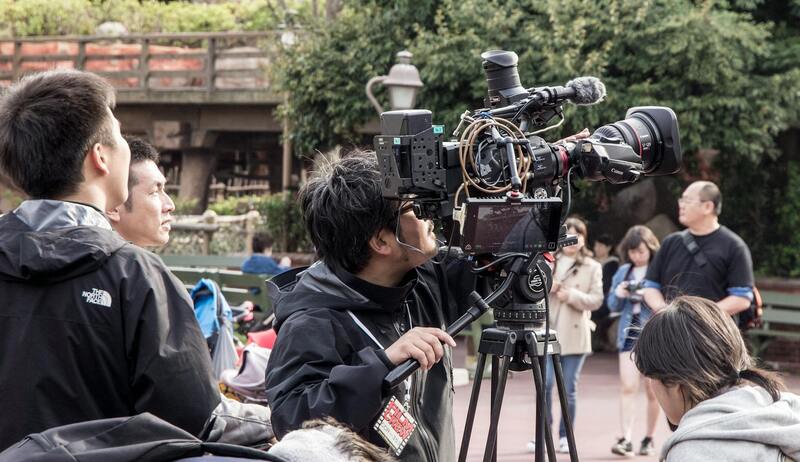
Producing high-quality real estate videos demands a combination of technical skills, artistic sensibility, and professional equipment. A proficient realtor videographer excels in both aspects to deliver content that meets industry standards and client expectations.
Core skills include:
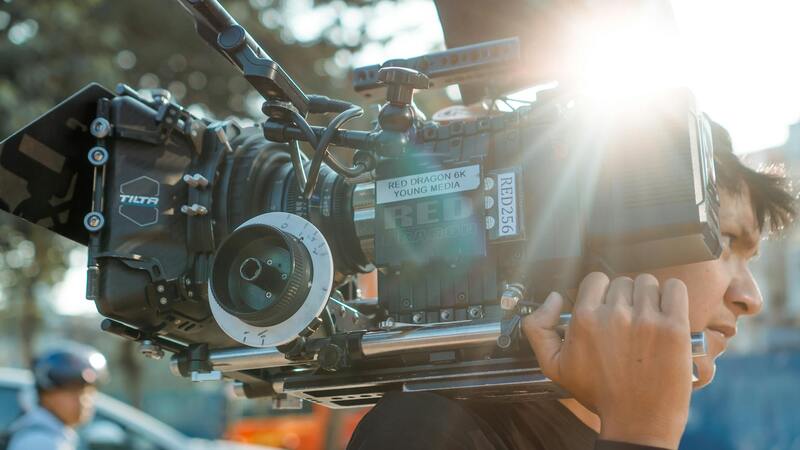
- Technical proficiency: Expertise in operating high-definition cameras, stabilizers, and lighting equipment to produce clear, steady visuals.
- Composition and framing: Understanding the principles of aesthetics and how to best showcase a property’s space and features.
- Editing and post-production: Ability to use editing software to enhance visuals, correct color, and add branding or informational overlays when necessary.
- Knowledge of industry standards: Familiarity with the latest trends, regulations, and best practices ensures videos are effective and compliant.
Essential equipment for a realtor videographer includes:
- High-resolution cameras capable of capturing intricate details in various lighting conditions.
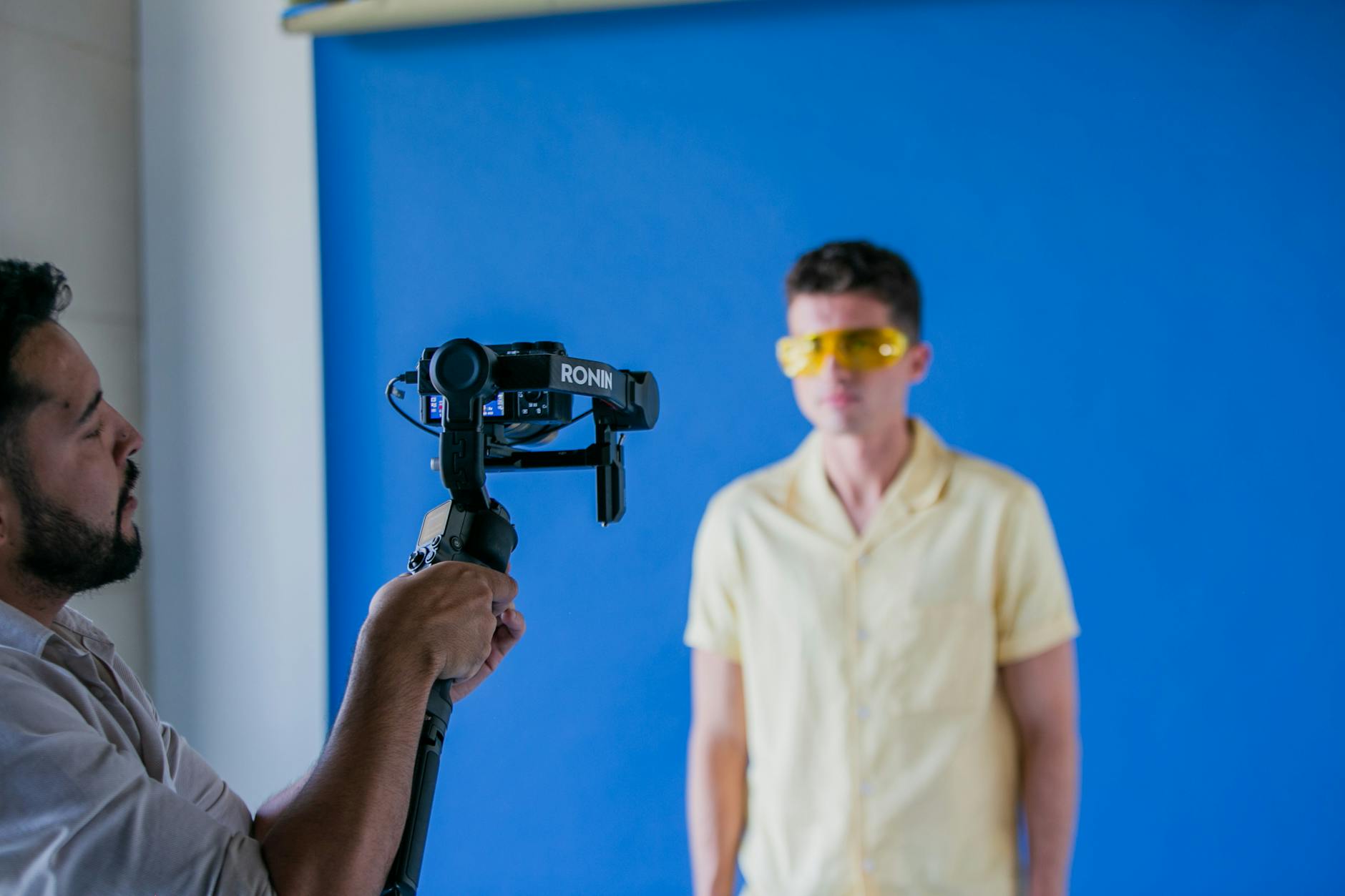
- Gimbals and stabilizers for smooth footage in dynamic environments.
- Drone systems for aerial shots, subject to operational certifications.
- Proper lighting gear to illuminate interior spaces effectively.
- Editing software that supports color grading, stabilization, and special effects.
Investing in quality equipment and honing technical capabilities ensures that each property is presented in the best possible light, ultimately supporting the success of real estate marketing efforts.
Legal Considerations and Best Practices
Maintaining professionalism and adhering to industry standards are fundamental in realtor videography to ensure that videos serve their purpose effectively while respecting all parties involved. Properly securing permissions before filming is essential; this includes obtaining consent from property owners, tenants, or other stakeholders to avoid any potential misunderstandings or conflicts. It is advisable to have written agreements that clearly outline the scope, timeline, and deliverables of the project, providing clarity and protection for both the videographer and the client. When incorporating external elements such as drone footage, be aware of the regional regulations governing airspace usage. Using drone technology responsibly includes adhering to altitude restrictions, privacy laws, and operational guidelines to prevent violations that could disrupt the workflow or lead to legal complications. It's also beneficial to familiarize oneself with copyright laws related to music, images, and other media used in videos. Ensuring that all content is properly licensed or belongs to the videographer prevents infringement issues and maintains a professional standard. Implementing best practices for data management enhances the integrity of the project. This involves secure storage of original footage and edited videos, as well as transparent communication about rights and usage agreements regarding the final product. Furthermore, understanding advertising regulations related to real estate marketing helps craft videos that are not only engaging but also compliant with industry standards. This includes accurate property representations, avoiding misleading claims, and disclosing pertinent information clearly within the content. By aligning with these guidelines, realtor videographers build trust with clients, ensure the seamless delivery of projects, and uphold their reputation within the industry.
Legal Considerations and Best Practices
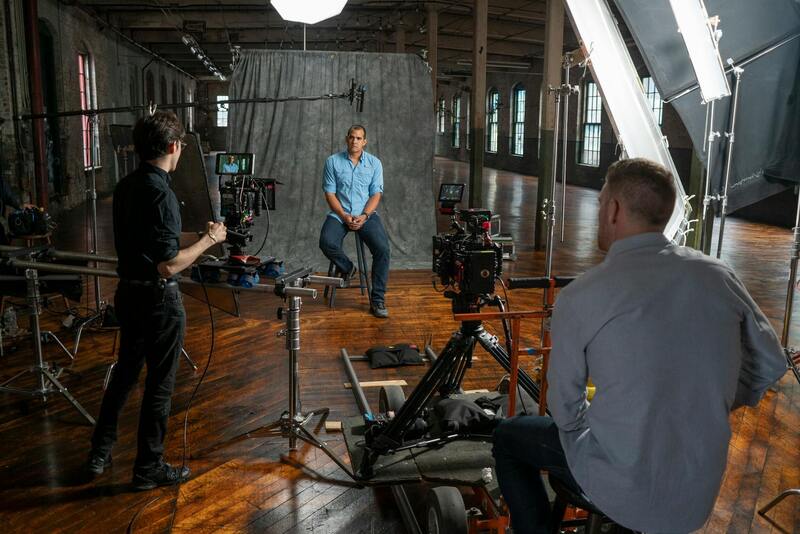
Realtor videographers must navigate a range of legal considerations to ensure their work is compliant and professional. Securing explicit permission before filming on private property is essential, as it prevents potential disputes and maintains smooth project progression. This involves obtaining consent from property owners or authorized representatives, especially when capturing extensive footage that may include neighboring properties or private features.
When using drone technology for aerial shots, it is crucial to adhere to regional airspace regulations. This includes obtaining necessary permits, respecting no-fly zones, and maintaining heights that conform to established guidelines. These measures not only safeguard the safety and privacy of individuals but also fortify the videographer’s reputation for responsibility.
Copyright considerations also play a vital role. It is important to use licensed music, images, and other media to avoid infringement issues. Utilizing royalty-free assets or obtaining proper licensing guarantees the content's legitimacy and prevents costly disputes. Transparency regarding rights and usage rights with clients is equally important, fostering trust and clarity.
Data security practices involve the safe storage of raw footage and edited videos, ensuring that client projects are protected from unauthorized access or breaches. Clear agreements about the scope of usage, distribution rights, and ownership help streamline the process and minimize misunderstandings.
Adherence to Advertising and Industry Standards
Real estate marketing videos should also comply with advertising regulations, which include accurate representations of properties, clear disclosures, and truthful claims. Avoiding exaggeration and providing transparent information about property features enhance credibility with potential buyers.
Developing familiarity with these guidelines enables videographers to deliver content that is both engaging and ethically sound. Maintaining high standards in legal compliance not only reduces risks but also strengthens client trust and professional standing in a competitive market.
Legal Considerations and Best Practices for Realtor Videographers
Ensuring compliance with relevant regulations and industry standards is fundamental for any professional involved in real estate videography. This includes meticulous attention to licensing, permits, and permissions related to the use of equipment such as drones, as well as respecting property boundaries and privacy concerns. Properly acquired permits for drone flights, especially in populated or restricted airspace, demonstrate responsibility and adherence to regional aviation guidelines. Using well-maintained equipment that meets technical standards is essential for safety and quality, thereby protecting both the videographer and clients from potential liabilities.

In addition to legal compliance, establishing clear contractual agreements with clients and property owners mitigates risks and clarifies rights concerning footage use, editing rights, and distribution. These contracts should specify permitted uses, rights to alter or reproduce content, and durations of usage rights. Transparency about these terms helps foster trust and aligns expectations, which is crucial given the competitive nature of real estate marketing.
Copyright laws govern the use of music, images, and third-party media incorporated into real estate videos. Utilizing licensed content and documenting rights to all media elements ensures that promotional materials are legitimate and protected against infringement claims. Employing royalty-free assets or properly licensed media safeguards the integrity of the content and supports professional standards.
Best Practices for Ethical and Responsible Videography
- Obtain necessary permits before drone operation, especially for aerial shots over private or restricted areas
- Secure permissions from property owners or authorized representatives for filming on private property
- Use licensed or original media content to avoid copyright issues
- Maintain accurate representations of properties, avoiding exaggerations or misleading claims
- Disclose any alterations or virtual staging methods used within the videos
- Secure data storage and privacy protocols to protect raw footage and final content from unauthorized access
- Include appropriate disclosures when required by industry regulations and advertising standards
Training and Continuing Education
Staying informed about evolving legal standards and technological advances is vital for maintaining high-quality and compliant content creation. Many organizations and industry bodies offer workshops and certification programs that provide updated knowledge on drone operation, copyright law, and marketing regulations. Engaging in ongoing education ensures that videographers remain current and competent, further cementing their reputation for professionalism and responsibility.
By integrating these practices into daily operations, realtor videographers can foster a trustworthy relationship with clients and uphold the integrity of real estate marketing efforts. Ultimately, responsible, and legally compliant videography not only protects all parties involved but also elevates the standard for quality and credibility in the industry.