Overview of Virtual Real Estate Photography
Virtual real estate photography has revolutionized the way properties are showcased in the modern real estate market. This innovative approach involves capturing high-quality, immersive images and videos of a property's interior and exterior features, often culminating in detailed virtual tours that potential buyers can explore online. As digital engagement continues to grow, virtual real estate photography has become an essential tool for real estate agents and sellers aiming to reach a broader audience and facilitate more informed purchasing decisions.
In the competitive Miami property landscape, virtual tours not only provide a comprehensive view of homes but also help to attract serious buyers remotely. This method effectively saves time by allowing prospects to evaluate properties without the immediate need for physical visits, which can be especially valuable in the busy Miami market where listings receive high visibility and quick turnover. The visual richness and accessibility of virtual real estate photography serve as a bridge between traditional listing methods and the digital age, ensuring properties stand out in a crowded marketplace.
Growth and Significance in Miami
Miami's vibrant real estate scene benefits greatly from virtual photography, especially given its diverse and international clientele. Buyers from around the world can explore Miami properties in detail without the need for immediate travel. This accessibility accelerates decision-making processes and broadens market reach for local agents. Additionally, the ease of sharing high-quality virtual tours across digital platforms enhances the visibility of listings, attracting more qualified leads and reducing the time a property spends on the market.
The integration of virtual real estate photography into Miami’s sales strategies reflects the evolving landscape of property marketing, where digital content is essential for successful transactions. As technology advances, the importance of professional-grade virtual visualizations continues to grow, underscoring their role in creating compelling, market-ready property presentations that resonate with today's digital-first consumers.
Key Equipment and Software Used
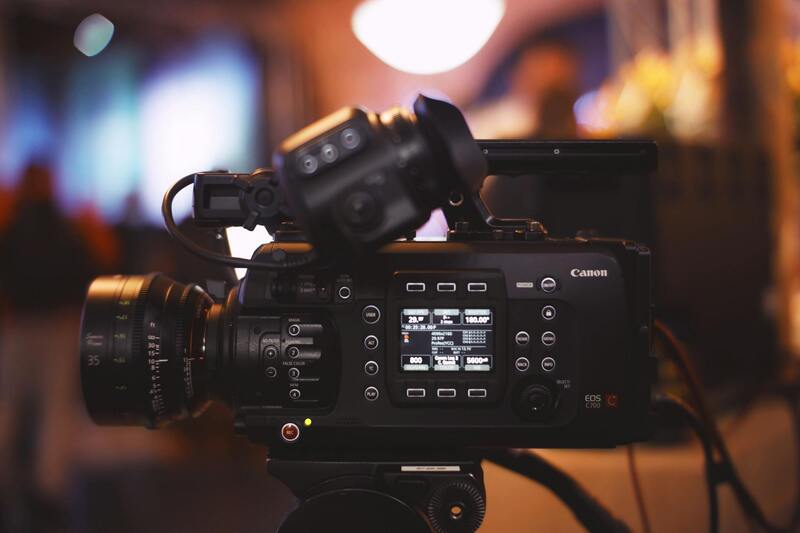
Producing high-quality virtual real estate photography relies heavily on specialized equipment and advanced software to capture, process, and present captivating property visuals. The core of any successful virtual tour begins with the right hardware, which ensures that every detail of a property is accurately depicted with crisp clarity and vibrant colors. High-resolution digital cameras equipped with wide-angle lenses are fundamental for capturing expansive room visuals that provide viewers with a comprehensive understanding of the space. These cameras often feature advanced sensors capable of capturing multiple images in a single shot, allowing for seamless stitching during the editing process.
In addition to cameras, 3D imaging software has revolutionized virtual property presentations. Platforms like Matterport, iGuide, and Cupix facilitate the creation of immersive 3D models and walkthroughs. These tools enable professionals to generate interactive floor plans, panoramic views, and virtual walkthroughs that simulate an in-person inspection. The software often includes features for aligning multiple images, correcting distortions, and creating cohesive navigable experiences that entice potential buyers.
Post-production editing is equally important. Advanced editing platforms such as Adobe Photoshop, Lightroom, and specialized virtual tour editing software improve image quality, adjust lighting, enhance color balance, and remove unwanted elements. These enhancements help portray properties in their best light, crucial for attracting online viewers who often make instant judgments based solely on visual appeal.
Furthermore, the integration of drone technology has become increasingly prevalent in virtual real estate photography. Aerial shots captured via drones add a dynamic perspective to listings, showcasing property exteriors and surrounding amenities from above. These angles are particularly appealing in a market like Miami, where waterfront views and luxury estates thrive. Use of stabilized drone cameras ensures smooth footage, which, when combined with the software suite, creates mesmerizing virtual experiences that stand out.
Quality control begins during the shoot, with professional equipment providing raw materials that meet the rigorous standards of digital marketing. The combination of high-end hardware, sophisticated software, and skilled editing results in virtual tours that not only appeal visually but also foster trust and credibility among prospective buyers. Selecting the right tools tailored to specific property types and marketing goals leads to more engaging, professional virtual real estate presentations in Miami’s competitive market.
Step-by-Step Process of Creating Virtual Tours
Developing compelling virtual real estate experiences involves a systematic approach that ensures accuracy, visual appeal, and viewer engagement. The process begins with meticulous planning and site preparation. Ensuring the property is clean, well-lit, and uncluttered is fundamental, as the visual clarity significantly influences the virtual tour’s effectiveness. Scheduling a photography session during daylight hours maximizes natural light, highlighting the property’s features authentically.
Next, high-resolution images are captured using professional-grade cameras, often complemented by specialized 3D scanning equipment. These technologies allow for the creation of detailed, immersive environments that mirror walking through the actual space. For indoor shots, lenses with wide angles are preferred to capture as much of the room as possible, minimizing distortion and providing a realistic perspective.
After capturing the images and scans, the editing phase begins. Post-production enhances the visuals, correcting color imbalance, ensuring consistent lighting, and removing any distracting elements. This step is crucial for presenting the property in the best possible light and creating a seamless experience for viewers. Advanced editing software facilitates the addition of virtual staging, animations, and interactive hotspots, enriching the virtual tour's storytelling capabilities.
Once editing is complete, all components are assembled into a cohesive virtual walkthrough. This involves integrating 3D models, panoramic images, and navigation points to construct an interactive environment. The final product allows users to explore different rooms, examine details, and get a sense of spatial relationships—all from their devices, whether desktop, tablet, or smartphone.
Quality assurance ensures that each element functions correctly, with particular attention to load times and user interface. Testing on various devices confirms accessibility and responsiveness, optimally positioning the virtual tour for maximum reach and engagement in the Miami market.
Legal and Ethical Considerations
When developing and distributing virtual real estate photography, it is essential to adhere to established standards that promote transparency and honesty. Accurate representations of property conditions, dimensions, and amenities are fundamental to fostering trust between clients and viewers. Ensuring that all images and virtual tours reflect the true layout and features of a property helps prevent misconceptions and aligns with best practices in the industry. Maintaining clear communication about what viewers can expect when visiting the property in person is crucial. Disclosures related to virtual staging, any digital enhancements, or modifications in the images should be made evident to avoid misrepresentations. This transparency supports a positive reputation for real estate professionals and respects the rights of property owners. Furthermore, securing appropriate permissions for capturing images within private spaces and ensuring that all content complies with intellectual property guidelines safeguards against potential conflicts. Regularly updating equipment, software, and editing protocols to meet industry standards ensures that virtual real estate presentations remain credible and professional. In the digital landscape of Miami’s vibrant real estate market, these practices uphold the integrity of virtual property marketing, ultimately contributing to a more trustworthy and efficient transaction process for all parties involved.
Legal and Ethical Considerations in Virtual Real Estate Photography
In the realm of virtual real estate photography, adherence to established guidelines and ethical standards is vital for maintaining trust and professional integrity. High-quality visuals serve as a foundation for honest property representation, ensuring that potential buyers receive an accurate impression of what the property entails. This involves precise framing, appropriate lighting, and truthful depiction of spaces without exaggeration or digital manipulation that could mislead viewers.
Proper disclosure is a critical component of responsible virtual real estate marketing. Any digital enhancements such as virtual staging or editing should be transparently communicated to avoid misunderstandings. When virtual staging is used, it is important to clarify that images are digitally rendered to enhance appeal rather than actual furnishings or décor, maintaining honesty in advertising.
Photographers and real estate professionals must also secure necessary permissions before capturing images within private or restricted areas. Respecting the rights of property owners and tenants by obtaining consent helps prevent conflicts and upholds professional standards. It is equally important to comply with intellectual property rights, including respecting copyright laws for any third-party content integrated into virtual tours.
Maintaining data privacy is another ethical aspect in virtual real estate photography. When capturing and sharing virtual tours, personal information or private details should be handled carefully, with any sensitive content properly anonymized or omitted. Adhering to privacy guidelines fosters client trust and reinforces reputation within the industry.
As technology advances, staying informed about emerging practices and industry standards is essential. Regularly updating skills, equipment, and editing procedures to reflect the latest in virtual real estate photography helps professionals deliver credible, high-quality virtual tours. This commitment to quality and transparency not only benefits individual agents and sellers but also elevates the overall reputation of virtual property marketing within Miami’s dynamic real estate landscape.
Step-by-Step Process of Creating Virtual Tours
Developing a high-quality virtual real estate tour involves a systematic approach to ensure cinematic realism, precision, and user engagement. The process begins with site assessment, where a photographer surveys the property, noting key angles and features that highlight its best aspects. Planning the shooting route ensures that the tour flows seamlessly, providing viewers with an intuitive experience as they navigate through different rooms and spaces.
Next, the actual image capture phase requires professional-grade equipment, including 360-degree cameras capable of capturing panoramic views in high resolution. Skilled photographers optimize camera settings for lighting conditions, minimizing distortions and ensuring true-to-life colors. When shooting, emphasis is placed on including key architectural details, spaciousness, and contextual surroundings that enhance the property's appeal.
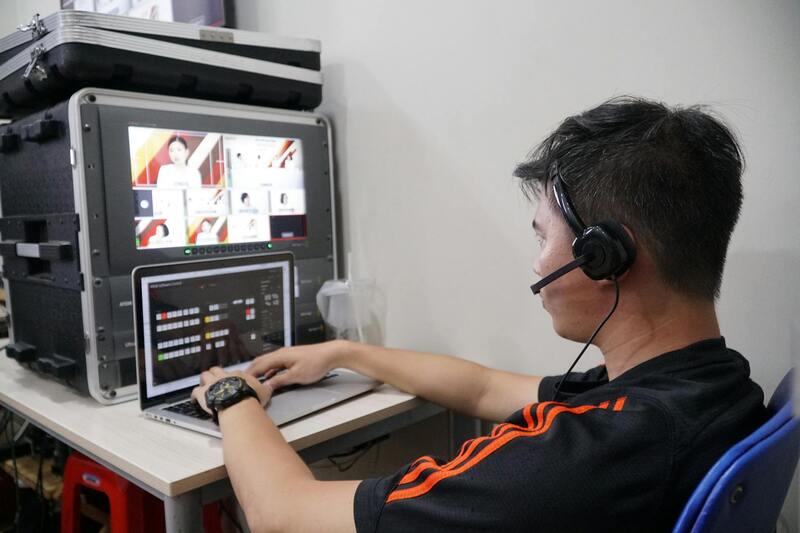
After the image acquisition, the editing process begins. High dynamic range (HDR) techniques are utilized to balance exposure levels, ensuring that bright areas are not washed out while shadows retain detail. Stitching software combines individual images into seamless panoramic views, creating fluid, immersive scenes. Post-processing also involves touch-ups to correct minor distortions, adjust brightness, contrast, and remove any distracting elements.
Finally, specialized virtual tour software integrates these scenes into an interactive format. This allows potential buyers or renters to explore the property at their own pace, with clickable hotspots providing additional information, such as property features or descriptive details. The finished virtual tour should be optimized for various devices, ensuring smooth functionality across desktops, tablets, and smartphones.
Advantages for Miami Real Estate Agents and Sellers
High-quality virtual real estate photography offers numerous benefits tailored to the Miami market’s vibrant and competitive landscape. For agents, virtual tours serve as an effective marketing tool, significantly increasing online engagement and attracting a broader audience both locally and internationally. This is especially crucial in Miami, where buyers often originate from diverse regions and countries.
Sellers benefit from faster property turnover since virtual tours provide an accurate, comprehensive view of their homes, reducing the need for in-person showings initially. This saves time during negotiations and helps filter serious buyers who have thoroughly researched the property beforehand.
Additionally, virtual real estate photography enhances the property's perceived value. A professionally crafted virtual tour signals a serious, detail-oriented seller, elevating trust among prospective buyers and reinforcing the property's premium status in the market. For Miami’s luxury and waterfront properties, immersive virtual experiences create an enticing preview that can heighten desirability.
Optimizing Virtual Tours for Online Listings
To maximize the impact of virtual real estate photography, it is essential to integrate these visuals strategically within online listings. High-resolution images should be organized to tell a compelling visual story, beginning with exterior shots that establish location context, followed by interior images that highlight space, light, and unique features.
- Include a floor plan alongside virtual tours to provide spatial orientation.
- Embed interactive elements, such as hotspots for detailed descriptions about specific features, to enrich the user experience.
- Writing concise, keyword-rich descriptions accompanying images enhances SEO, making listings more discoverable in search results.
- Ensure that virtual tours load swiftly by optimizing file sizes without sacrificing quality, especially important for mobile users.
- Leverage social media platforms and real estate aggregators with embedded virtual tours, broadening reach and attracting more potential clients.
Legal and Ethical Considerations in Virtual Real Estate Photography
When engaging in virtual real estate photography, adhering to established practices ensures that the visual content accurately represents the property and maintains transparency with prospective buyers. Credible virtual photography services focus on capturing authentic images that reflect the property's true condition and features, avoiding the temptation to enhance or manipulate visuals in a manner that could mislead viewers.
It is essential to obtain proper permissions before photographing a property, especially in sensitive or restricted areas within the estate. Ensuring that all images are captured with consent and that they respect the privacy of previous occupants or neighbors enhances the integrity of the marketing process.
Moreover, virtual tour creators should be transparent about their editing processes. Clearly distinguishing between original images and post-processing adjustments fosters trust with clients and viewers alike. Documenting the editing techniques employed provides clarity and showcases a commitment to honest representation.
Maintaining consistent quality standards across all virtual content supports a professional image and discourages the use of quick, low-quality visuals that could damage the property's presentation. When virtual tours are based solely on truthful, high-quality imagery, they serve as effective tools that facilitate informed decision-making by prospective buyers.
Future Trends in Virtual Real Estate Photography
Advancements in technology continue to shape the landscape of virtual real estate photography, opening new avenues for immersive property marketing. One notable development is the integration of augmented reality (AR) and virtual reality (VR) platforms, enabling prospective buyers to explore properties in a highly interactive and realistic manner. These immersive experiences can simulate walking through a property, providing a sense of space and layout that static images or traditional virtual tours may not fully convey.
High-dynamic-range (HDR) imaging and 3D modeling techniques are becoming standard practices to enhance visual fidelity. HDR processing ensures that images accurately reflect both the brightest and darkest areas within a space, creating a more true-to-life appearance. Meanwhile, 3D models allow agents and developers to construct comprehensive representations of properties, which can be explored from multiple angles and customized with different design elements.
Artificial intelligence (AI) is also playing an increasing role in virtual photography workflows. AI-driven tools assist in optimizing images, automating editing processes, and even generating virtual staging options. Virtual staging, through AI algorithms, can digitally furnish empty properties at a fraction of traditional costs, providing prospective buyers with visual cues of how space could be utilized, without physical staging or furniture rentals.
Furthermore, data analytics and personalized virtual tours are becoming vital components in engaging potential buyers. By analyzing user interactions with virtual content, agencies can tailor subsequent marketing efforts, presenting the most relevant features or properties based on user preferences. This targeted approach enhances the overall efficiency of the sales process and improves client engagement.
As these technological trends evolve, the importance of maintaining aesthetic quality and authentic representation remains paramount. Combining advanced tools with professional skillsets ensures virtual tours are not only captivating but also trustworthy and useful for decision-making. Embracing these innovations will enable real estate professionals in Miami and beyond to meet future demands for engaging, high-quality virtual property presentations.