Introduction to 3D House Photography
3D house photography represents a significant advancement in real estate imaging, providing virtual walkthroughs and immersive visual experiences for potential buyers. Unlike traditional photographs, which capture static images from limited perspectives, 3D visualization allows viewers to explore a property as if they were physically present. This technology integrates complex imaging techniques and advanced software to create a comprehensive, interactive digital representation of a home.
The primary goal of 3D house photography is to enhance the presentation of properties online, making listings more engaging and informative. It helps prospective buyers assess space, layout, and features more effectively than static images alone. This method is particularly beneficial for remote buyers or clients unable to visit a property in person, enabling extensive exploration through digital platforms.
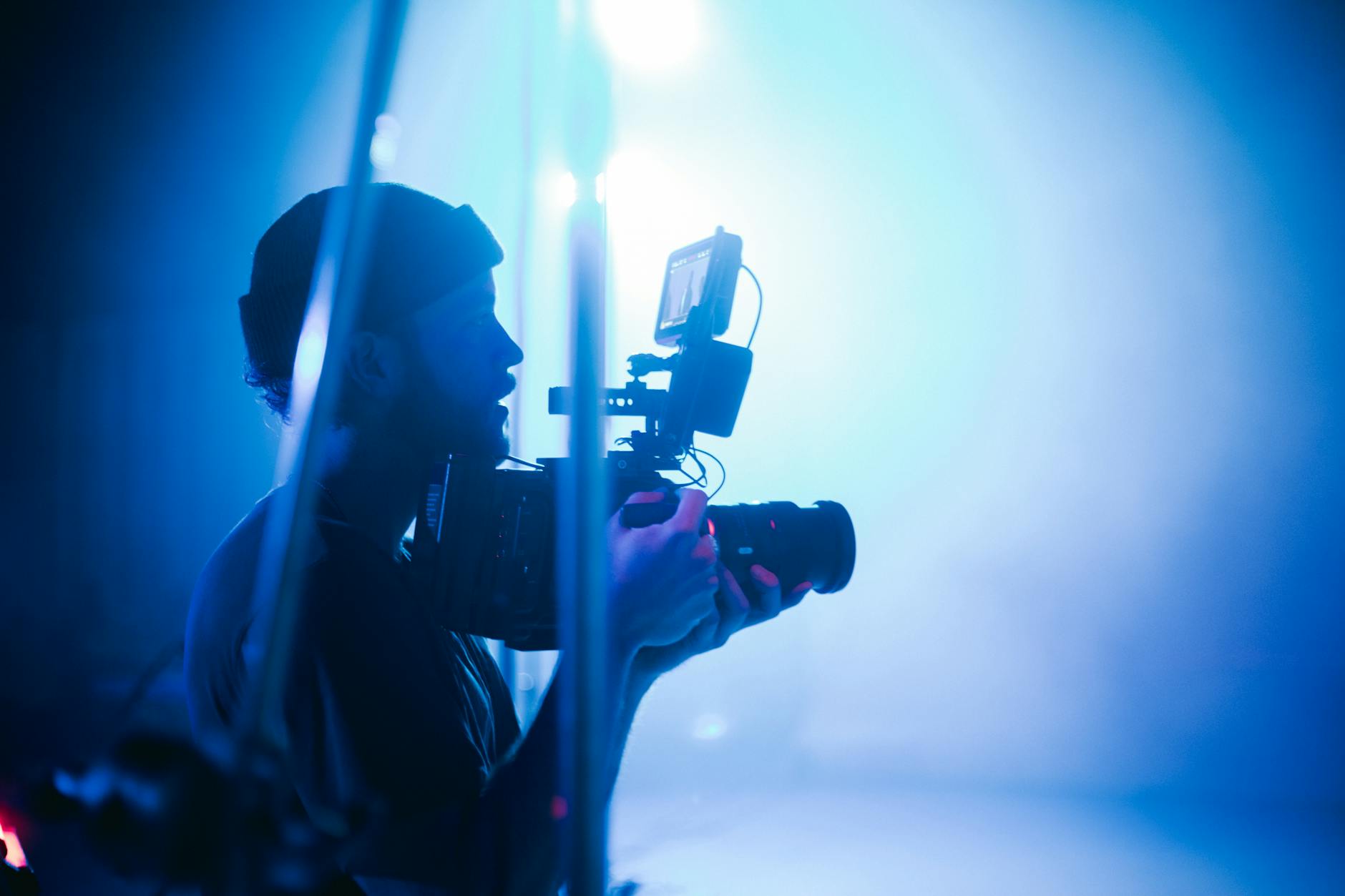
Compared to traditional real estate images, 3D house photography offers a dynamic viewing experience that accurately depicts a property's spatial relationships. It leverages cutting-edge technology such as laser scanning, high-definition imaging, and sophisticated rendering techniques to produce detailed, realistic digital models. These models can be navigated interactively, providing a thorough understanding of the property's interior and exterior aspects.
Implementing 3D house photography requires specialized equipment, technical expertise, and precise planning. It has become an essential tool for real estate professionals aiming to stand out in competitive markets, attract more interested buyers, and facilitate faster sales. As digital engagement continues to grow, the adoption of 3D visualization techniques is transforming how properties are marketed and sold.
Types of 3D House Visualization Techniques
Among the most prevalent methods for generating immersive 3D house visuals, several techniques stand out due to their effectiveness and realism. Each technique employs a specific set of tools and processes to produce highly detailed digital representations that enhance property marketing efforts.
- Laser Scanning (LiDAR): This technique utilizes laser scanners to capture millions of precise data points from a property's interior and exterior. The collected point cloud data forms the foundation for detailed 3D models, accurately representing spatial relationships, dimensions, and structural details. Laser scanning is particularly useful in complex properties where accuracy is critical.
- Photogrammetry: Photogrammetry involves capturing multiple overlapping photographs from various angles using high-resolution cameras. Specialized software then processes these images to generate textured 3D models. This method is cost-effective and well-suited for creating visually stunning renders that closely mimic real-life appearances.
- Real-Time 3D Modeling: This approach leverages interactive software that allows real-time creation and editing of 3D models during the planning or design phase. It facilitates immediate visualization and modification, making it ideal for client consultations and design refinements.
- Virtual Tour Integration: Combining 3D models with virtual tour pathways creates an interactive experience where potential buyers can navigate through the property digitally. This integration enhances user engagement and provides a seamless exploration of the home's layout.
 igure>
The Process of Creating 3D House Photos
Transforming physical spaces into compelling 3D visualizations involves a systematic process that ensures consistency, accuracy, and visual appeal. The workflow can be broken down into several key stages:
- Site Preparation and Planning: Before capturing images or scanning, assess the property’s lighting, cleanliness, and accessibility. Establish the best angles and scope for coverage to optimize the data collection process.
- Data Acquisition: Depending on the chosen technique, this step involves either operating laser scanners to gather point cloud data or photographing the space from multiple angles. Ensuring comprehensive coverage minimizes blind spots and enhances model detail.
- Data Processing: The collected data is imported into specialized software where it is refined, cleaned, and aligned. For photogrammetry, images are stitched together, and textures are generated. Laser data is converted into detailed 3D meshes.
- Model Construction and Rendering: The processed data forms the basis for building detailed digital models. Texture mapping, lighting adjustments, and finishing touches are added to enhance visual realism.
- Interactive Integration: The final models are optimized for online viewing, often integrated into virtual tour platforms or embedded within property listings to support interactive exploration.
 igure>
The Equipment and Software Used in 3D House Photography
Successful 3D house photography relies heavily on a combination of advanced equipment and specialized software. The primary hardware tools include high-resolution digital cameras, 360-degree capture devices, laser scanners, and stabilizing mounts. Digital cameras are vital for capturing multiple images from various angles, forming the basis for photogrammetric reconstructions. 360-degree cameras facilitate immersive virtual tours by capturing panoramic views in a single shot, reducing the time required for comprehensive coverage.
Laser scanners, often used in conjunction with traditional photography, produce detailed point cloud data that accurately reflect spatial dimensions and surface textures. When properly calibrated, these devices ensure precise measurements vital for creating realistic and scalable 3D models.
On the software front, a variety of tools are employed throughout the entire workflow. Photogrammetry software like Agisoft Metashape or RealityCapture processes dozens to hundreds of images to generate accurate textured 3D models. For laser scan data, software such as Autodesk ReCap enables the import, clean-up, and alignment of point clouds.
3D modeling and rendering programs—like SketchUp, Blender, or 3ds Max—are used to refine the digital models, add realistic textures, and adjust lighting to match the actual environment. Virtual tour platforms often incorporate these models, providing interactive experiences for potential buyers or renters.
Integrating high-end hardware with robust software solutions ensures that 3D representations are not only visually stunning but also provide accurate spatial data. This synergy is crucial in delivering a seamless virtual experience that enhances property marketing efforts.
Best Practices for Shooting 3D House Visualizations
- Ensure consistent lighting and avoid clutter to improve image quality and modeling accuracy.
- Cover all areas systematically, capturing multiple perspectives—both wide-angle and close-up—to reduce blind spots.
- Use calibrated equipment to maintain color consistency, which simplifies the texturing process during the software phase.
- Maintain steady camera movements and stable positioning, especially when using handheld devices, to ensure sharp, usable images.
- Adopt a planned workflow to sequence the data collection efficiently, especially for larger properties.
Equipment and Software Used in 3D House Photography
Implementing effective 3D house photography relies on specialized equipment and advanced software solutions designed to capture, process, and render detailed digital representations of properties. The quality of the final output is directly influenced by the tools employed throughout the workflow, from initial data collection to post-processing and visualization.
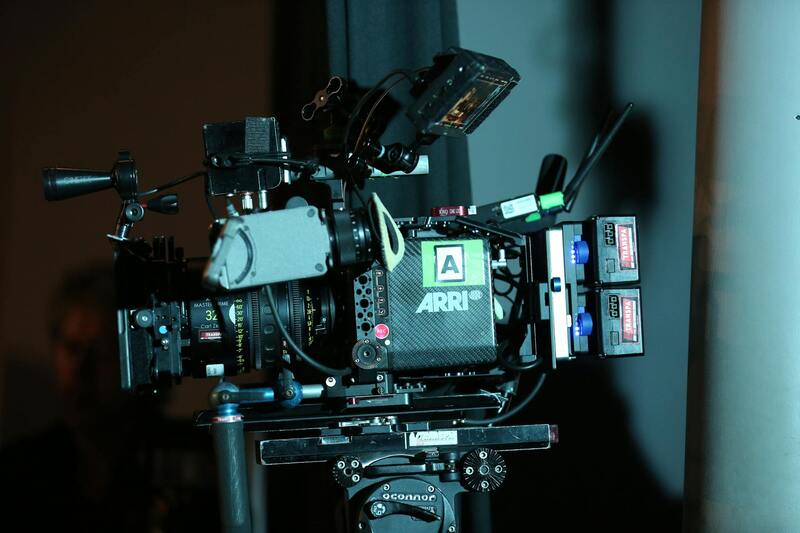
High-quality 3D imaging begins with precise data acquisition, often utilizing laser scanning devices such as terrestrial laser scanners or handheld 3D cameras. Devices like the Leica BLK360 or Faro Focus series are popular choices for commercial and residential property imaging because they provide rapid data collection with high accuracy. These scanners generate dense point clouds that serve as the backbone of detailed, textured 3D models.
Complementing laser scanners, photogrammetry tools—such as high-resolution digital cameras coupled with drone technology—can capture multiple images from various angles. These images are processed through sophisticated software to generate dense point clouds or textured 3D models, offering a cost-effective alternative or supplement to laser scanning.
Post-capture, the raw data undergoes processing using specialized software platforms. For point cloud data, software like Autodesk ReCap and CloudCompare enables editing, cleaning, and aligning scans. These tools facilitate the removal of noise and unneeded points, ensuring the model's accuracy and clarity.
Once the point cloud is refined, 3D modeling and rendering software such as SketchUp, Blender, or 3ds Max come into play. These programs allow for the creation of detailed, textured virtual models by overlaying real-world textures, adjusting lighting conditions, and fine-tuning geometries for realism.

Additionally, virtual tour platforms like Matterport or iStaging integrate these models to develop interactive experiences. These platforms simplify user navigation through the digital property, enabling viewings and walkthroughs without physical presence. Document management systems and rendering engines also support the efficient delivery of high-quality visuals that meet customer expectations.
In essence, the combination of precise capture devices and dedicated software tools ensures that every aspect of the 3D house visualization is meticulously crafted, resulting in immersive, accurate, and attractive digital property presentations.
Implementing 3D House Photography in Marketing Strategies
To maximize the benefits of 3D house photography, real estate professionals must adopt a systematic approach that seamlessly integrates this technology into their broader marketing efforts. This involves not only capturing high-quality 3D imagery but also strategically deploying these visuals across various digital channels to reach a wider audience.
One of the most effective methods is to embed interactive 3D models within online property listings. These models enable prospective buyers to explore the residence remotely, offering a near-physical experience that can significantly influence their decision-making process. Crafters of such virtual representations should ensure the models are detailed, textured, and accurately scaled to reflect real-world dimensions.
In addition to listings, incorporating 3D visuals into social media campaigns amplifies engagement. Platforms like Facebook, Instagram, and specialized real estate sites allow for the sharing of virtual tours and immersive walkthroughs, capturing the attention of diverse audiences. Immersive videos combined with 3D models can produce compelling content that encourages viewers to spend more time engaging with a property.
Furthermore, integrating 3D house photography with virtual reality (VR) platforms creates an even more immersive experience. Prospective buyers equipped with VR headsets can virtually 'walk through' properties as if they were physically present. This approach is especially valuable for luxury listings, remote buyers, or during situations that limit physical visits.
Professional staging is another aspect to consider. Using 3D visualization software, agents can virtually furnish and decorate spaces, allowing potential buyers to envision the full potential of each room. This ability to customize virtual interiors offers a tailored experience, which can be a decisive factor for clients.
When deploying this technology, consistency and quality control are crucial. All visuals should be optimized for quick loading times and compatibility across devices to ensure accessibility. High-resolution rendering, accurate textures, and realistic lighting are essential components to deliver a convincing virtual environment.
Lastly, training staff and clients on navigating and interpreting 3D models can enhance the effectiveness of this marketing tool. Providing comprehensive guides or tutorials about interacting with virtual tours empowers users to fully appreciate the visualizations, ultimately increasing the likelihood of closing sales.
Properly implemented, 3D house photography transforms traditional real estate marketing into an engaging, informative, and highly accessible experience. It stands as a powerful asset that highlights properties’ best features while offering prospective buyers a detailed, realistic preview from anywhere in the world.
Best Practices for Shooting 3D House Visualizations
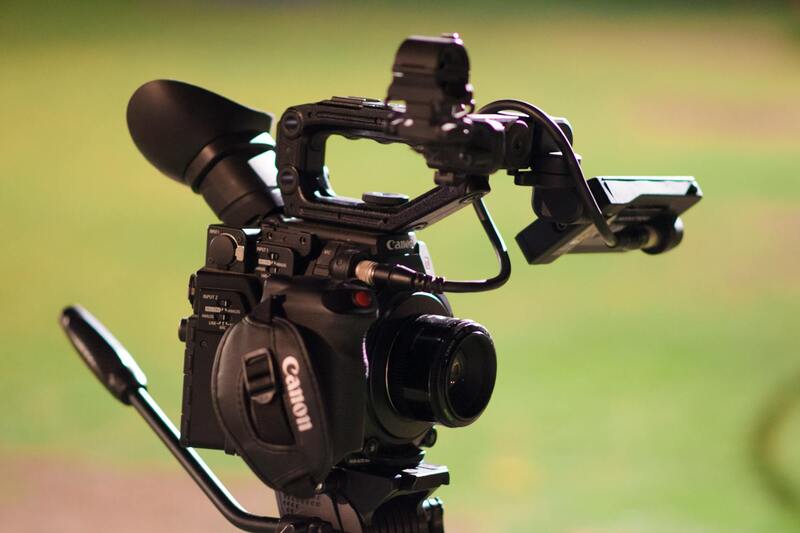
Achieving high-quality 3D house photography requires adherence to specific techniques that maximize visual clarity, realism, and viewer engagement. Proper planning and execution are crucial during the capture phase to ensure the final output meets professional standards and effectively showcases the property's features.
Optimal Capturing Techniques
- Consistent Overlap and Coverage: When capturing images or scans, ensure sufficient overlap between shots to facilitate seamless stitching and rendering. This overlap typically ranges between 20-30%, allowing software to accurately align and merge images.
- Use of a Steady Tripod: Stabilizing your camera or scanner is essential to prevent blurriness and misalignments. A tripod ensures consistent framing and reduces motion blur, which is particularly important in capturing interior details.
- Low to Neutral Perspective: Capture images from eye-level angles to offer a natural and inviting view. Avoid exaggerated angles that can distort space perception or create optical illusions.
- Multiple Shooting Positions: For comprehensive coverage, position the camera or scanner at various points throughout the property, including each room's corners and central areas. This approach captures the entire space accurately for effective 3D modeling.
Lighting Conditions
- Even and Controlled Lighting: Adequate lighting is crucial for detailed and bright visualizations. Use natural light when available and supplement with professional lighting equipment to eliminate shadows and uneven illumination.
- Avoid Overexposure and Harsh Shadows: Balance light sources to prevent washed-out areas or deep shadows that could compromise detail in the 3D renderings.
- Time of Day Selection: Shoot during times with optimal natural lighting, such as late morning or early afternoon, to enhance interior brightness without introducing glare or color distortion.
Client Collaboration and Technical Coordination
Close communication with clients ensures the shooting aligns with their expectations and marketing goals. Clarify which features should be highlighted and discuss preferred angles or stylistic preferences.
Technical coordination includes scheduling shoots when the property is clean and well-prepared. Inform clients about the importance of decluttering and staging to maximize visual appeal. Additionally, discussing the desired pacing and navigation flow for virtual tours helps tailor the final 3D visualization to prospective buyers' browsing habits.
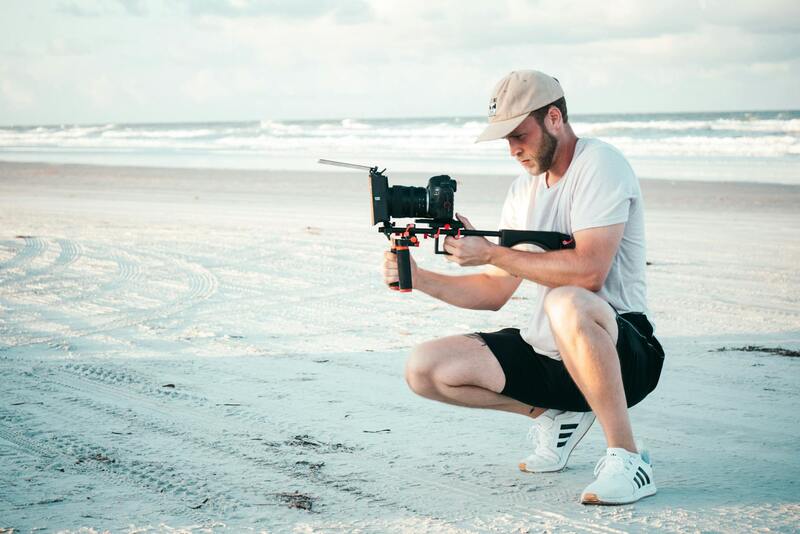
Integrating 3D House Photography into Real Estate Listings
Implementing 3D house photography within online real estate listings enhances the viewing experience and attracts more potential buyers. To optimize engagement, property listings should incorporate high-quality 3D visualizations prominently, ideally featuring interactive virtual tours or embedded 3D models that allow viewers to navigate through spaces seamlessly.
Smart placement of 3D content is essential; it should be accessible early in the listing to capture interest immediately. Presenting a compelling 3D walkthrough alongside traditional photos offers a comprehensive perspective that caters to diverse browsing preferences. This multi-layered approach helps prospective buyers visualize the property's flow, spatial relationships, and scale accurately, fostering a deeper connection with the space before scheduling physical visits.
Furthermore, utilizing dedicated sections within digital listings for 3D visualizations can improve SEO performance by integrating relevant keywords seamlessly. Incorporating descriptive captions and engaging call-to-actions encourages users to interact further with the content, leading to increased inquiries and showings.

In addition to real estate portals, real estate agents and agencies should consider integrating 3D visual content into their official websites and social media marketing strategies. Sharing engaging snippets or virtual tour previews can generate buzz and organic interest, extending reach across multiple platforms.
Careful attention should be paid to maintaining high visual quality and load times, as sluggish or blurry renderings can diminish perceived value and discourage interaction. Regular updates with new 3D content, such as seasonal staging or renovated spaces, keep the listings dynamic and inviting, supporting ongoing marketing efforts.

To maximize the impact of 3D visualizations, consistent branding and professional presentation are critical. This includes uniform formatting, high-resolution images, and clear navigation cues. Providing optional informational overlays or annotations within the 3D tour can highlight key features or unique selling points, guiding potential buyers and emphasizing the property's strengths.
Overall, seamlessly integrating 3D house photography into digital marketing strategies transforms traditional property listings into immersive, interactive experiences. This approach not only elevates the property's perceived value but also streamlines the decision-making process for prospective buyers, making it an indispensable tool in modern real estate marketing.
Legal and Ethical Standards for 3D House Photography
Implementing 3D house photography within real estate marketing necessitates adherence to established professional practices and standards that prioritize accuracy, transparency, and respect for all parties involved. Professional 3D visualization service providers employ state-of-the-art equipment, advanced software, and verified methods to ensure that the digital representations of properties are both detailed and trustworthy. These methods involve meticulous planning, precise measurements, and rigorous quality checks to guarantee that the virtual models reflect the actual spaces with fidelity.
During the creation of 3D visual content, it is essential to secure proper permissions from property owners and ensure that all imagery and data collection comply with applicable guidelines. This process often involves obtaining consent for capturing interior and exterior photographs, particularly in scenarios involving sensitive areas or restricted access zones. Providers aim to produce visuals that give a truthful and comprehensive view of the property without exaggeration or misrepresentation, thereby supporting ethical marketing practices.
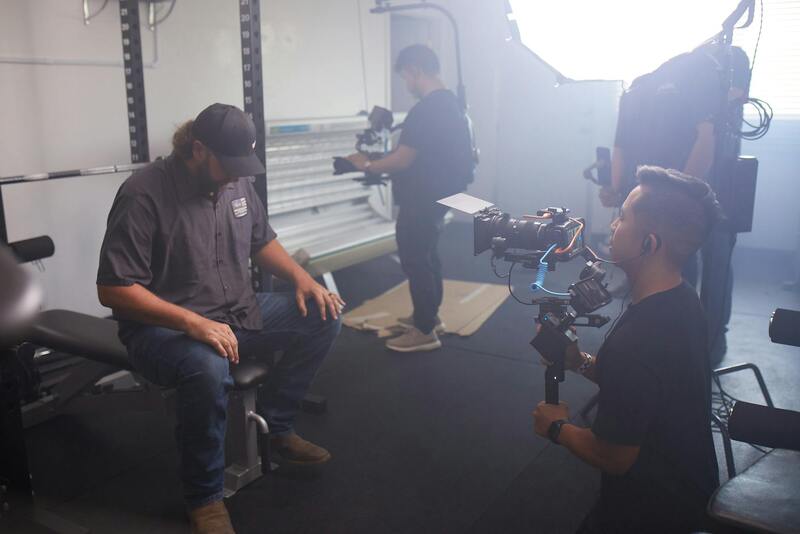
Furthermore, the integration of 3D house visuals into online listings and promotional materials calls for careful consideration of intellectual property rights. Digital assets created by professional firms are typically protected under copyright laws, which govern their use and distribution. Real estate agents and marketers should ensure they have appropriate permissions and licensing agreements to utilize these visualizations across various platforms.
It is also vital to implement secure storage and transfer protocols for digital files, safeguarding proprietary content against unauthorized access or misuse. Maintaining professional standards encompasses ongoing updates to visual content, reflecting any property modifications or staging changes, and ensuring that all representations remain current and accurate.
In all stages—from capturing data, processing images, to displaying the final product—transparency and accuracy are at the core of ethical 3D house photography. By upholding these principles, industry professionals foster trust with clients and prospective buyers, promoting a positive reputation for their services. As technology advances and regulations evolve, staying informed about best practices ensures continuous compliance and elevates the standard of digital real estate marketing.