Definition and Importance of a Certified Real Estate Photographer
A certified real estate photographer is a professional who has undergone specialized training and obtained certification to demonstrate expertise in capturing high-quality images that effectively showcase properties. These photographers possess advanced skills in lighting, composition, and editing, ensuring that each property is presented in its best light. Certification often signifies a commitment to maintaining industry standards, staying updated with the latest techniques, and delivering consistently exceptional results.
The significance of having a certified photographer for real estate marketing cannot be overstated. High-quality images serve as the first impression for potential buyers and renters browsing online listings. Well-executed visuals attract more interest, increase engagement, and can significantly influence a viewer’s decision-making process. Certified real estate photographers bring a professional edge that elevates the listing’s overall presentation, helping properties stand out in a competitive market.
A professional certification also assures clients and real estate agents of the photographer’s dedication to their craft and adherence to established standards. This trust fosters long-term collaborations, ensuring a reliable partnership in showcasing properties effectively and efficiently. For property owners, leveraging the skills of a certified photographer can lead to faster sales and potentially higher sale prices, as the visual appeal of listings directly correlates with buyer interest and perceived value.
Criteria and Certification Process
The pathway to becoming a certified real estate photographer involves meeting specific criteria and completing a rigorous certification process. Candidates typically need to demonstrate a portfolio of work that showcases their technical skills and artistic sensibility. In addition, they may be required to pass examinations that test their knowledge of photography techniques, lighting, equipment, and editing software.
Educational programs and workshops offered by reputable industry organizations provide the foundational training needed for certification. These courses often cover advanced camera settings, drone photography, virtual staging, and post-production editing. After fulfilling the prerequisites, applicants submit their portfolio for review. Certification is awarded upon successful assessment, signifying that the photographer meets or exceeds the industry’s highest standards.
Maintaining certification usually involves ongoing education, attending workshops, or participating in industry seminars to stay abreast of emerging technologies and best practices. This continual learning ensures that certified professionals can adapt to evolving market demands and technological advancements.
Technical Skills and Equipment
To excel as a certified real estate photographer, possessing advanced technical skills is essential. These skills encompass a comprehensive understanding of camera settings, lighting, composition, and editing techniques that elevate property images to attract potential buyers effectively. Certified photographers are well-versed in managing various lighting conditions to ensure each room is presented in the most appealing manner, whether through natural light optimization or artificial lighting setups.
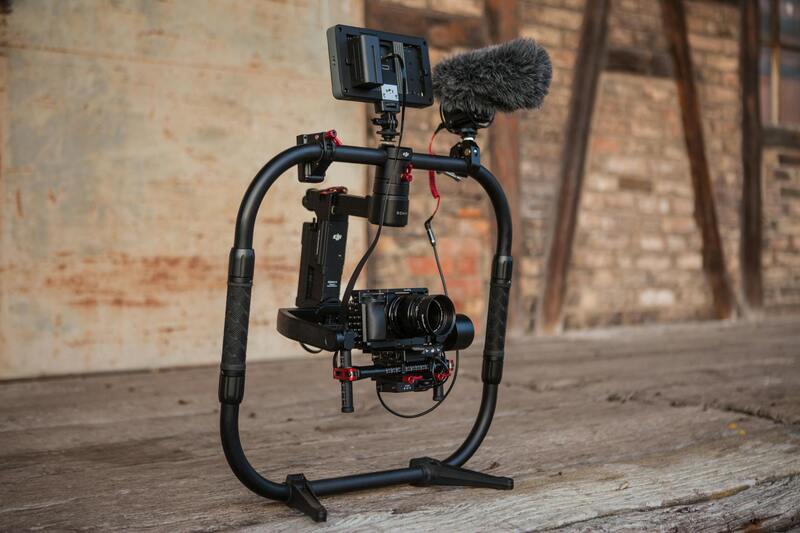
Utilizing high-quality equipment is equally important. Professional-grade DSLR or mirrorless cameras with wide-angle lenses are standard tools for capturing the spatial dimensions of a property accurately. Tripods and stabilization gear help achieve sharp images, while drones equipped with high-resolution cameras enable stunning aerial shots that showcase larger properties or surrounding landscapes.
Post-processing software such as Adobe Lightroom and Photoshop forms an integral part of the editing process. Certified photographers demonstrate proficiency in color correction, perspective adjustments, and retouching to ensure a polished final product. In addition, emerging technologies, such as 3D virtual tour creation and HDR photography, are increasingly included in a certified professional's skill set to enhance property marketing efforts.
Criteria and Certification Process
Becoming a certified real estate photographer involves a comprehensive process designed to validate skills, technical knowledge, and industry understanding. This process typically begins with specialized training programs that focus on real estate photography techniques, equipment handling, and post-production editing. These courses are often offered by industry associations or accredited training providers who emphasize practical skills and current market standards.
Participants are usually required to demonstrate proficiency through a combination of coursework, portfolio reviews, and practical assessments. This ensures that the photographer can not only operate professional-grade equipment but also produce images that comply with the aesthetic and informational needs of real estate marketing. Certification programs often include modules on lighting, composition, staging, and the use of advanced tools such as HDR imaging and virtual tours.
Upon successful completion of the training and assessment phases, photographers receive official credentials recognized within the industry. These certifications serve as a formal acknowledgment of their expertise and commitment to maintaining high standards. Many certification bodies also offer periodic recertification or continuing education opportunities to ensure professionals stay current with technological developments and evolving marketing strategies.
This structured approach to certification not only elevates individual professionalism but also provides clients with confidence in the expertise and quality they can expect. Especially within competitive markets like Miami, having verified credentials can differentiate a photographer from competitors who lack formal verification of their qualifications.
Choosing a professional who has completed a recognized certification pathway ensures adherence to best practices, industry standards, and a thorough understanding of real estate marketing needs. Such credentials often become a mark of trust, professionalism, and a commitment to continual improvement, making them a valuable asset for real estate agents, property developers, and homeowners seeking impactful visual presentations of their properties.
Technical Skills and Equipment
Achieving excellence as a certified real estate photographer requires mastery of various technical skills and the use of specialized equipment. A thorough understanding of camera settings, lighting techniques, and post-processing methods is essential to capture compelling property images that highlight the best features of each scene. These technical proficiencies enable photographers to produce consistently high-quality visuals that meet the demands of real estate marketing.
High-end DSLR or mirrorless cameras are the backbone of professional real estate photography, offering the resolution and flexibility needed for detailed interior and exterior shots. Lenses with wide angles are preferred to encapsulate entire rooms or facades, providing viewers with a comprehensive perspective of the property. Tripods ensure stability and sharpness, especially during low-light conditions or long exposure shots.
Lighting plays a crucial role; photographers often utilize external flash units, diffusers, and natural light management techniques to eliminate shadows and evenly illuminate spaces. Mastery of HDR (High Dynamic Range) imaging allows for capturing details in both bright and dark areas, producing balanced images that reflect real-world conditions accurately.

Post-processing skills are also integral to professional real estate photography. Adjustments in brightness, contrast, and color calibration enhance visual appeal without exaggeration. Advanced editing software enables seamless corrections, virtual staging, and the addition of virtual tours and 360-degree views, creating immersive experiences for potential buyers.
For those committed to maintaining the highest standards, ongoing education in the latest technological advances and editing techniques is crucial. Many certification programs incorporate training modules that cover emerging tools and methods, ensuring photographers remain at the forefront of industry innovations.
Having access to state-of-the-art equipment and a commitment to technical excellence clearly distinguish a certified real estate photographer from amateurs or less experienced professionals, reinforcing their role as trusted experts capable of producing persuasive property visuals.
Technical Skills and Equipment
For a certified real estate photographer, mastery over a diverse set of technical skills and the use of advanced equipment are fundamental. The ability to produce high-resolution images with precise focus is essential, particularly when capturing details that can influence buyer interest. Photographers often employ professional-grade DSLR or mirrorless cameras with full-frame sensors to achieve superior image quality, ensuring that each photograph accurately represents the property.
Understanding camera settings such as aperture, shutter speed, ISO, and white balance allows photographers to adapt to varying lighting conditions and space dimensions. This technical proficiency ensures clarity and depth, making images more appealing and true-to-life.
High-quality lenses are vital for capturing wide-angle views that showcase entire rooms or exteriors without distortion. Tilt-shift lenses can be utilized to correct perspective distortions, especially in interior shots where ceiling and wall lines need straightening. Tripods and remote shutters aid in achieving stability for long exposure shots, particularly in low-light environments or indoor settings.
Lighting equipment also plays a crucial role. External flash units, diffusers, and reflectors help manage natural and artificial light sources, reducing shadows and evenly illuminating areas. Photographers skilled in lighting techniques can highlight a property's best features, creating a welcoming atmosphere.

Technical Skills and Equipment
A certified real estate photographer must possess a comprehensive set of technical skills that go beyond basic photography. Mastery of camera settings—including aperture, shutter speed, ISO, and white balance—is essential for capturing images with optimal clarity and color accuracy. Understanding how to leverage natural and artificial lighting ensures that interiors appear bright, inviting, and true to life. This skill is vital in environments with challenging lighting conditions, such as low-light interiors or spaces with high contrast between highlights and shadows.
Equipping oneself with professional-grade gear is equally critical. Wide-angle lenses enable capturing expansive room views while maintaining sharpness across the frame. Tripods provide stability, reducing blurriness, especially in indoor settings where longer exposures may be necessary. Drone cameras open new perspectives from above, showcasing a property’s exterior and surroundings in immersive detail. Advanced photographers also use high-dynamic-range (HDR) imaging to combine multiple exposures, producing images with balanced exposure levels that highlight both interior and exterior features effectively.
Figure placement, framing, and composition—as fundamental elements of photography—are intricately refined through training and experience. Certified professionals utilize these techniques to guide viewers' eyes toward key property features, such as spacious kitchens, outdoor living areas, or striking architectural details. Post-processing skills, involving high-end software like Adobe Lightroom and Photoshop, allow photographers to enhance images further. Adjustments in brightness, contrast, and color balance ensure visuals are vibrant yet realistic. Techniques like virtual staging or removing clutter can be employed to present a property in its best light without misrepresenting its features.
Staying updated with emerging technologies is a hallmark of certified photographers. Innovations such as 3D virtual tours, 360-degree panoramic photos, and drone videography are now standard offerings. Training programs focus on mastering these tools, expanding service scope, and increasing client satisfaction. For instance, drone photography can showcase a property’s landscape and proximity to amenities, providing potential buyers with a comprehensive visual experience that static images cannot deliver.
Impact of Certification on Professional Credibility
Certification acts as a formal acknowledgment of an individual’s expertise, training, and commitment to excellence in real estate photography. It provides reassurance to clients that the photographer has met industry standards and possesses specialized knowledge essential for producing compelling property visuals. Certified photographers are often recognized for their ability to adapt to varied property types, lighting conditions, and client preferences, which boosts their reputation in a competitive market.
Employing certified professionals can lead to more consistent results, higher-quality images, and an enhanced marketing strategy. Investors and real estate agents tend to favor photographers with verified credentials because they are perceived as trustworthy and skilled. Certifications often reflect ongoing education efforts, ensuring that the photographer stays current with the latest industry trends and technological advancements. This continual learning process not only benefits the photographer's skill set but also translates into superior service and visibility for their clients.
Additionally, a certified real estate photographer adheres to a code of conduct emphasizing professionalism and integrity. This commitment assures clients of a dependable partnership capable of delivering timely, high-standard visual content that aligns with marketing objectives. As a result, property listings are more attractive, generating increased engagement and faster sales conversions.
Technical Skills and Equipment
Achieving certification as a real estate photographer requires mastery of advanced technical skills and familiarity with state-of-the-art equipment. Certified professionals must demonstrate proficiency in composing images that highlight a property's best features while maintaining a true-to-life representation. This involves knowledge of effective framing techniques, proper use of focal lengths, and the skill to balance interior and exterior lighting for seamless image quality.
Proficiency in HDR (High Dynamic Range) imaging is essential for capturing scenes with contrasting light levels, such as interiors with large windows and shadowed areas. Certified photographers also need to be adept at perspective correction and image stitching to produce wide-angle shots that provide comprehensive views of a property.
The equipment used by certified real estate photographers typically includes high-resolution DSLR or mirrorless cameras, wide-angle lenses, tripod stabilizers, and advanced lighting gear. Drones are increasingly incorporated for aerial shots, providing unique vistas that enhance property presentations. Using stabilization tools and advanced editing software further refines images, ensuring they meet industry standards.
A certified professional continually updates their technical toolkit to incorporate emerging technologies such as 3D virtual tours, augmented reality integrations, and real-time image editing. This commitment to technical excellence guarantees high-quality visuals that meet the precise needs of the real estate market.
Understanding the Role and Value of Certification in Real Estate Photography
Certification in real estate photography serves as a significant indicator of professional mastery and adherence to industry standards. Unlike amateur or casual photographers, those with certified status have demonstrated a thorough understanding of specialized techniques that are crucial for capturing properties effectively. This recognition elevates their credibility among clients, real estate agents, and property owners, as it signifies a commitment to quality and consistency in visual presentation.
Establishing and Maintaining Certification Standards
Achieving certification typically involves a comprehensive evaluation process that assesses a photographer’s technical expertise, understanding of property presentation, and ability to produce images that facilitate effective marketing. Certification programs often include rigorous testing, review of a portfolio, and ongoing educational requirements to ensure professionals stay current with evolving technology and market trends.
Many industry-recognized programs stipulate adherence to specific benchmarks for image resolution, color accuracy, composition, and lighting, ensuring all certified photographers meet a uniform standard of excellence. Regular recertification or continued education mandates further reinforce their commitment to maintaining high standards over time.
Technical Skills and Equipment
Certified real estate photographers are well-versed in advanced photographic techniques that enhance the visual appeal and informational accuracy of property images. Mastery of HDR imaging, precise perspective correction, and the use of wide-angle lenses allows them to capture spacious, well-lit interiors and inviting exteriors without distortion. They also utilize stabilizers like tripods and advanced editing software to refine images, ensuring they accurately reflect the property’s true features.
Leading professionals often incorporate the latest technology, such as drone photography for aerial shots that provide unique property perspectives, 3D virtual tours for immersive viewing experiences, and augmented reality integrations to attract prospective buyers. Their equipment arsenal includes high-resolution cameras, specialized lighting, and image stitching tools, all contributing to high-quality output.
The Impact of Certification on Professional Credibility
Certification distinguishes a real estate photographer as a trusted expert capable of delivering consistent, high-quality visuals. This recognition can open key opportunities, such as collaborations with top real estate agencies and property developers, and enable differentiation in a competitive market. Clients are more likely to rely on certified professionals to showcase their properties because this credential signifies a reliable track record of excellence and professionalism.
Best Practices for Real Estate Photography
- Thoroughly prepare the property by ensuring it is clean, decluttered, and well-lit before shooting.
- Utilize proper framing techniques to highlight the property’s best features and create a welcoming atmosphere.
- Implement consistent lighting protocols, balancing interior and exterior illumination for natural-looking images.
- Capture multiple angles and perspectives to provide comprehensive views of the property’s interior and exterior.
- Leverage editing skills to correct distortions, enhance brightness and contrast, and ensure color accuracy without over-processing.
- Adopt aerial photography and virtual tour options to offer prospective buyers immersive experiences of the property layout and surroundings.
Role in Property Marketing and Sales
High-quality, certified real estate photography plays a crucial role in shaping first impressions for prospective buyers. Visually appealing images attract more online views, generate increased engagement, and facilitate quicker transactions. Recognizable certification assures clients that every image meets the highest standards, reflecting positively on their property listings. Furthermore, professional visuals help communicate the property’s unique selling points clearly and attractively, translating into higher perceived value and sales potential.
Industry Trends and Continuing Education
Staying ahead in real estate photography requires ongoing education to adopt and master emerging technologies such as 3D imaging, virtual reality integration, and real-time editing. Certified photographers often participate in workshops, webinars, and industry conferences to refine their skills and keep pace with market innovations. This continuous learning not only enhances technical proficiency but also ensures their services remain aligned with evolving client expectations and industry standards.