Understanding the Importance of Creative Real Estate Photography
In the highly competitive Miami real estate market, the visual presentation of a property can significantly influence a buyer’s decision-making process. Creative real estate photography involves more than just capturing images of a property; it encompasses the strategic use of lighting, angles, and post-processing to craft compelling visuals that tell a story. High-quality images can make a listing stand out in a crowded marketplace, attract more views, and generate increased interest from potential buyers.
Property listings featuring creatively styled photographs tend to garner higher engagement online. They evoke an emotional response and help viewers envision themselves living in the space. For real estate brands operating within Miami’s vibrant market, investing in innovative photography strategies allows them to differentiate their properties, attract a broader audience, and ultimately expedite the sales process. Well-executed visuals serve as a reflection of professionalism, attention to detail, and a commitment to showcasing properties in the most appealing manner.
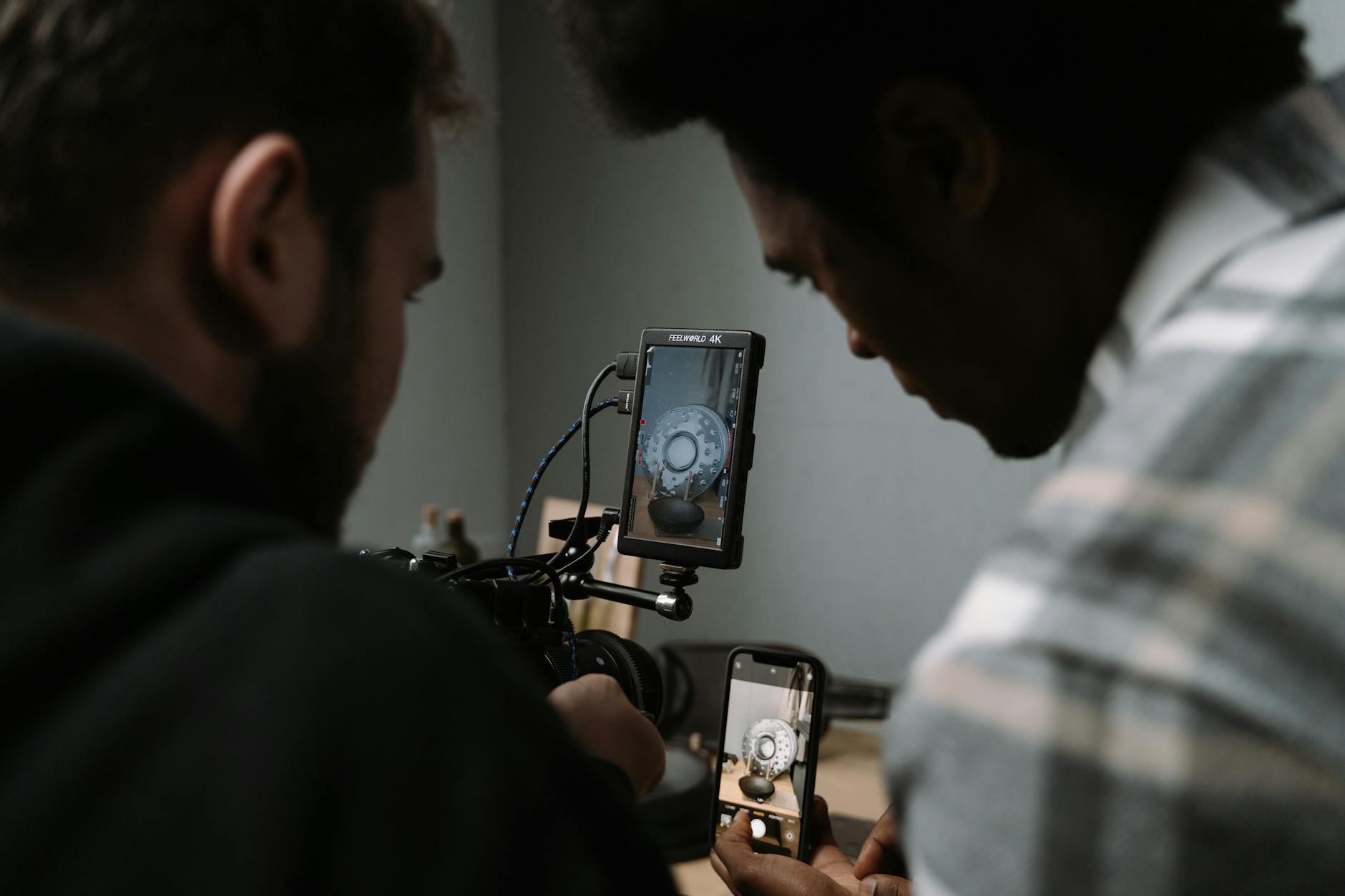
Furthermore, creative real estate photography often involves the use of specialized techniques and equipment that capture the essence of a property’s unique features. This approach not only highlights the physical attributes but also conveys the lifestyle and ambiance associated with the property. When executed effectively, these images serve as a powerful marketing tool that influences viewers’ perceptions and encourages them to take the next step towards a purchase.
In Miami's diverse real estate environment, where luxury properties, waterfront homes, and modern condos coexist, compelling visuals help tailor marketing strategies to emphasize what makes each property exceptional. Whether through dramatic angles, dynamic compositions, or creative lighting, photographers can craft images that resonate with targeted audiences, increasing the likelihood of conversions.
Tools and Equipment for Creative Photography
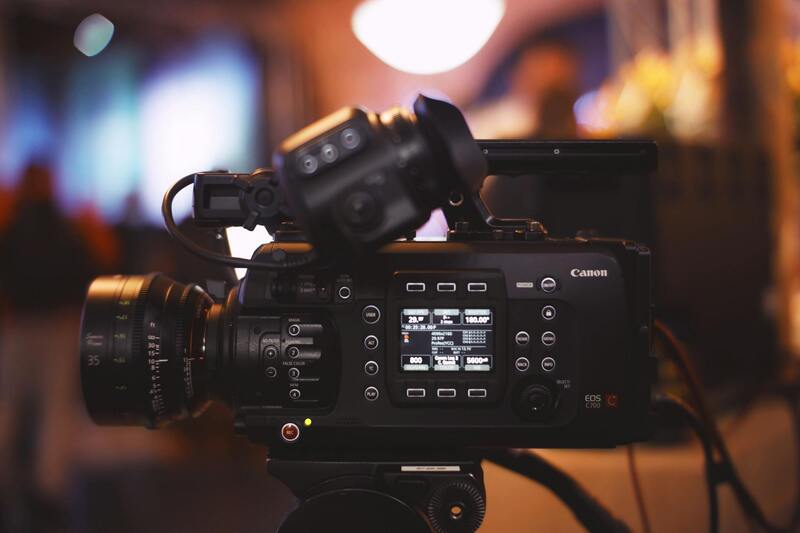
Creating captivating and distinctive real estate images requires the use of specialized tools and equipment that enable photographers to push the boundaries of traditional photography. High-quality cameras with adjustable settings such as full-frame sensors and high-resolution capabilities are fundamental, enabling detailed and sharp images that serve as a solid foundation for creative edits. Wide-angle lenses are particularly valuable in real estate photography; they allow for capturing expansive interior spaces, giving potential buyers an immersive experience that highlights the property's features without distortion.
Alongside cameras and lenses, advanced stabilizers like gimbals or tripods are essential for producing steady shots, especially when capturing dynamic angles or shooting in low-light conditions. Drones have become increasingly popular for real estate photography, allowing for striking aerial perspectives that showcase property exteriors and surrounding landscapes in a dramatic and engaging manner. When used correctly, drones can add a compelling perspective that is difficult to achieve through traditional means.
Lighting equipment also plays a crucial role. Portable flash units, diffusers, and reflectors help manipulate natural light and control shadows, enhancing the image's mood and appeal. For interior shots, professional lighting sets can eliminate harsh shadows and produce evenly illuminated spaces, emphasizing architectural details and the ambiance viewers seek.
Post-processing tools such as Adobe Lightroom and Photoshop further expand creative possibilities. These software programs enable photographers to adjust color balance, remove imperfections, and incorporate creative effects that accentuate a property’s distinctive features. Advanced techniques like HDR imaging, panoramas, and layered composites are commonly employed to create compelling visuals that stand out in competitive markets.
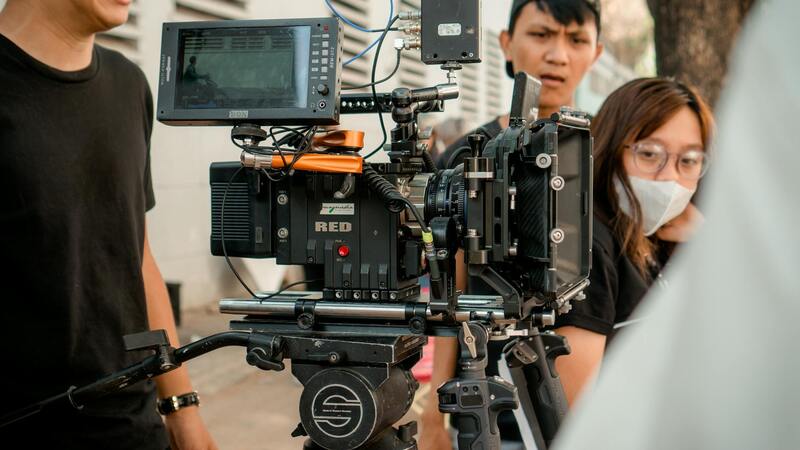
Using these tools with precision and skill allows photographers to craft images that are both technically perfect and visually captivating. When paired with an understanding of architectural aesthetics and market specifics, these equipment choices significantly elevate the quality and impact of each property showcase.
Tools and Equipment for Creative Photography
To achieve captivating and innovative real estate images, professionals rely on a curated selection of advanced tools and equipment. High-resolution digital cameras, often mirrorless or DSLR models, form the foundation of high-quality imagery, offering exceptional clarity, color accuracy, and versatility. Prime lenses with wide apertures facilitate sharp, detailed interior shots by capturing more light and creating a pleasing depth of field, emphasizing key architectural features.
In terms of specific gear, wide-angle lenses are indispensable for showcasing entire rooms and spacious exteriors, allowing viewers to grasp the full scale and layout of a property. Telephoto lenses are effective for capturing distant details or compressing perspectives to highlight proximity between features, such as landscaping elements or neighboring structures. For capturing movement or broad landscapes, panoramic and tilt-shift lenses expand creative options.

Drone technology has emerged as a critical asset in creative real estate photography. Employing aerial shots provides unique perspectives that ground-based cameras cannot replicate. Advanced drones equipped with high-definition cameras allow for sweeping views of property exteriors, surrounding landscapes, and neighborhood contexts. Maneuvering drones with stability and precision ensures smooth, professional footage, adding a dynamic element to property showcases.
Proper lighting equipment elevates image quality by controlling natural and artificial light sources. Portable flash units, coupled with diffusers and reflectors, help soften harsh sunlight and fill shadows, ensuring even illumination of indoor spaces. For interior shots, professional lighting kits, including softboxes and LED panels, combat dimness and create a warm, inviting atmosphere. The ability to manipulate light sources on-site enables photographers to dramatize or evoke specific moods, making properties more appealing.
Post-processing software plays a vital role in refining images and adding creative enhancements. Adobe Lightroom and Photoshop are industry standards for adjusting color balance, correcting distortions, removing distractions, and applying creative effects. Techniques such as High Dynamic Range (HDR) imaging, panoramas, and layered compositions allow for the presentation of detailed, vibrant visuals that attract potential buyers and distinguish listings in competitive markets.
Techniques for Enhancing Visual Appeal
Creative real estate photography employs a variety of techniques to captivate viewers and demonstrate the full potential of a property. Composition strategies such as the rule of thirds, leading lines, and symmetry guide the viewer’s eye through an image, emphasizing focal points and spatial relationships. Strategic use of vertical and horizontal lines can also create a sense of balance and harmony that appeals emotionally to prospective buyers.
Lighting manipulation remains central to enhancing visual appeal. Utilizing natural light during the golden hours—shortly after sunrise and before sunset—adds warmth and softness to images, making spaces look more inviting. Supplemental artificial lighting ensures consistent illumination, especially in interiors with limited daylight or complex architectural features. Balancing interior and exterior exposures through techniques like HDR ensures that both bright and shaded areas are represented accurately.
In addition to technical skills, creative photographers often incorporate staging elements—such as tasteful decor and well-placed furniture—to accentuate a space’s best features. Post-processing can also be used to increase vibrancy, correct color inconsistencies, and add subtle enhancements that boost the visual impact. Layered compositions or composite images can portray a property’s interior and exterior shots cohesively, providing a comprehensive view that entices viewers.
Techniques for Enhancing Visual Appeal
Implementing advanced techniques in creative real estate photography involves more than just capturing images; it requires meticulous attention to detail and a deep understanding of visual storytelling. Composition remains a cornerstone, with techniques such as the utilization of leading lines to guide the viewer’s eye toward key features of the property. Symmetry can emphasize architectural harmony, while the rule of thirds helps in positioning focal points effectively, creating balanced and engaging images.
Color correction plays a vital role in maintaining authenticity while enhancing visual impact. Adjusting white balance ensures that colors appear natural and inviting, avoiding the overly saturated or washed-out effects that can distort an impression of the space. Post-editing software allows for subtle enhancements, like increasing vibrancy and contrast, to make spaces feel lively yet realistic. This careful editing helps in highlighting the property’s highlights and minimizing distractions, thereby directing the viewer’s attention to the most appealing aspects.
Virtual staging is another innovative technique employed in creative real estate photography. By digitally adding furniture and decor, photographers can showcase a property's potential to prospective buyers and renters without the physical effort or cost of traditional staging. This method enables customization of the space to match different target markets or aesthetic preferences, creating a more personalized and compelling visual narrative.
Advanced editing methods such as high dynamic range (HDR) imaging combine multiple exposures to produce images that accurately portray both interiors and exteriors, even in challenging lighting conditions. This technique ensures that details in shadows and highlights are preserved, delivering a balanced and captivating image. When combined with perspective correction and perspective stacking, HDR helps to convey a clear and true-to-life representation of the property, capturing its full visual story without distortion.
By integrating these methods—careful composition, accurate color correction, virtual staging, and sophisticated editing—real estate photographers can create visually striking images that stand out in competitive markets. These techniques allow properties to be showcased in their best light, helping prospective buyers visualize living in the space while emphasizing the property's unique architectural features and ambiance.
Techniques for Enhancing Visual Appeal
To maximize the impact of creative real estate photography, professionals utilize a variety of advanced techniques that highlight a property's distinctive features and create compelling visuals. One of the cornerstone methods is the mastery of lighting. Proper lighting setup, whether through natural light, artificial lighting, or a combination of both, dramatically influences the mood and perception of a space. Consistent, balanced lighting helps emphasize architectural details and textures while minimizing undesirable shadows and glare.
Perspective and composition are vital in directing viewers’ attention to key areas within a property. Techniques such as wide-angle lens usage allow for capturing expansive rooms, making spaces appear larger and more inviting. However, it is essential to control distortion caused by wide-angle lenses through perspective correction tools, ensuring images remain true to reality. Leading lines, symmetry, and framing are compositional elements that guide the eye across the scene, drawing focus to focal points like fireplaces, large windows, or modern kitchen features.
Color consistency and accurate rendering are achieved through meticulous color correction, which eliminates unnatural hues and ensures that the images reflect the actual appearance of the property. Post-production editing plays a pivotal role in refining these visuals, allowing for adjustments in brightness, contrast, and clarity. High dynamic range (HDR) photography, combining multiple exposures, ensures that details are preserved in both brightly lit and shadowed areas, creating well-balanced images that showcase the property’s full potential.
Incorporating virtual staging tools can further enhance property appeal by digitally adding furniture and decor, allowing viewers to envision the space’s use. This technique can be tailored to match different target audiences and aesthetic preferences, providing a customized experience without the need for physical staging. When executed with professionalism, these enhancements maintain authenticity and augment visual storytelling.
Post-processing also includes perspective stacking techniques to capture sharp images across different depths of a scene, ensuring the entire space remains in focus. These methods, coupled with precise editing, culminate in striking photographs that stand out in competitive real estate markets.
Legal and Ethical Considerations in Creative Real Estate Photography
Engaging in creative real estate photography demands a foundation of responsible practices, especially when it comes to respecting property rights and truthful representation. Ensuring transparency during the capturing and editing process is essential to maintain trust with clients and uphold professional standards. Photographers should always obtain explicit permission from property owners before scheduling shoots, and clearly communicate the intended use of the images. This not only fosters a cooperative relationship but also ensures that all parties are aligned on the scope of the project.
Accurate depiction of spaces remains critical, even when employing creative methods. Alterations that significantly misrepresent a property's features or scale can mislead potential buyers or tenants, leading to misinformed decisions. Photographers must strike a balance between artistic enhancement and faithful representation, avoiding exaggerations that distort reality. Proper post-processing techniques, such as color correction, perspective adjustments, and lighting enhancements, should be applied judiciously to enhance the visual appeal without compromising integrity.
When utilizing advanced editing tools like virtual staging, it’s important to clearly disclose that images have been digitally enhanced or staged. This transparency ensures prospective buyers and viewers understand which elements are virtual additions, preserving trust in the marketing process. Misleading practices, such as digital manipulation that alters the size or condition of the property beyond realistic portrayal, can diminish credibility and potentially lead to disputes.
Compliance with local regulations surrounding real estate advertising is also a proactive measure. Photographers should familiarize themselves with specific guidelines related to property marketing in Miami, ensuring all images adhere to industry standards and legal requirements. This proactive approach not only promotes ethical professionalism but also mitigates risks associated with misrepresentation claims.
Furthermore, photographing private properties requires sensitivity to residents' privacy. When shooting interiors or exteriors of occupied homes, obtain consent from occupants and respect their privacy boundaries. Avoid invasive shots or revealing private details that could compromise personal security. Incorporating these considerations into the photography process helps uphold respect, professionalism, and ethical standards within the real estate industry.
Legal and Ethical Considerations in Creative Real Estate Photography
When engaging in creative real estate photography within Miami's dynamic real estate market, adhering to established legal and ethical standards is paramount. This practice not only upholds the integrity of the marketing process but also enhances trust between photographers, real estate agents, property owners, and prospective buyers. Any deviation from these standards can lead to misunderstandings, misrepresentation, or even disputes that may impact professional reputation and business sustainability.
One of the foundational aspects of ethical real estate photography involves transparency in the editing and enhancement process. Digital tools such as virtual staging, color correction, or perspective adjustments should be used responsibly. Clear disclosure of such modifications ensures that prospective buyers obtain an accurate understanding of the property's actual condition and appearance. For instance, virtual staging can help visualize a property's potential but should be communicated explicitly to prevent false impressions.
Respect for privacy and consent is equally critical, especially when photographing occupied properties. Photographers must obtain explicit permission from residents before capturing interior images or specific exterior shots that reveal private spaces. It is essential to avoid intrusive shots that could compromise personal security or privacy, such as revealing private entrances, security systems, or personal belongings. These considerations demonstrate professionalism and respect for clients, fostering long-term relationships and positive reputation.
Adherence to advertising standards and local regulations is also a key aspect. All marketing materials, including photographs used in online listings, social media campaigns, or virtual tours, should comply with industry guidelines. For example, Miami's real estate marketing might have specific requirements about truthfulness and accuracy, ensuring that all visual representations reflect the actual property features without exaggeration. Staying informed about these requirements helps agents and photographers avoid inadvertent misrepresentation claims and promotes fair, honest advertising.
In addition to regulatory compliance, ethical photography emphasizes honesty over sensationalism. Highlighting a property's best features through creative techniques should never distort its true nature. For example, wide-angle lenses or HDR techniques should be used judiciously to prevent creating illusions of space or lighting that do not reflect reality. This balanced approach ensures that prospective buyers receive an accurate impression, ultimately benefitting everyone's interests.
Finally, respecting copyright and intellectual property rights in photographic content is essential. Photographers should retain ownership rights or secure appropriate licenses for any images or creative elements used in their projects. Proper attribution and licensing mitigate potential legal issues and safeguard the creative work of photographers, contributing to a respectful and professional industry environment.

Legal and Ethical Considerations in Creative Real Estate Photography
Engaging in creative real estate photography requires a firm understanding of the frameworks governing image rights, usage, and authenticity. Photographers must secure proper permissions or licenses for any proprietary elements incorporated into their work, including branded signage, artworks, or proprietary architectural features. Respect for copyright laws is essential, ensuring that all creative contributions are appropriately credited and licensed, especially when utilizing stock images or third-party creative elements.
In addition to intellectual property rights, maintaining accuracy and honesty in visual representations is fundamental in preserving trust within the real estate market. Techniques such as high dynamic range (HDR) imaging, wide-angle lenses, and advanced post-processing should enhance the property’s appeal without distorting its actual appearance. Misrepresenting a property through exaggerated visuals can lead to a mismatch between expectations and reality, potentially attracting unfavorable reviews and undermining credibility.
When employing creative approaches, it’s crucial to balance innovation with factual integrity. For example, while drone photography can dramatically showcase a property's location and surrounding environment, it should accurately depict the terrain and external features without embellishment. Proper framing, lighting, and editing should aim to highlight genuine property strengths rather than creating illusions of grandeur or inadequacy.
Ensuring compliance with regional advertising standards and industry guidelines helps avoid misleading representations. This includes avoiding the use of misleading angles or lighting that could artificially inflate or diminish perceived property size or condition. Transparency in showcasing the real-state features through ethically guided creative photography fosters a trustworthy relationship between photographers, real estate professionals, and prospective buyers.
Ultimately, respecting privacy rights is paramount. Photographers should obtain explicit permission before photographing private spaces or features that might infringe on individual privacy. This respect not only aligns with best practices but also upholds a professional standard essential for maintaining positive industry relationships.
Incorporating creative elements into real estate photography should serve to highlight the authentic appeal of a property while adhering to the highest standards of ethical and legal practice. Such a balanced approach enhances credibility, attracts genuine interest, and builds a reputable professional standing across Miami’s competitive real estate landscape.