Importance of High-Quality Property Photography
In the competitive real estate market, the presentation of a property can significantly influence its sale prospects. High-quality property photography is a vital component in creating compelling listings that capture the attention of prospective buyers. Professionally captured images serve to highlight the unique features and strengths of a property, making it stand out among numerous listings. When estate agents invest in expert photography, they tap into the power of visual storytelling, enabling potential buyers to envision themselves living in the space prior to an in-person visit.
Effective property images can also accelerate the sales cycle by drawing qualified interest and reducing the time a property remains on the market. Listings that feature sharp, well-composed photos tend to generate more online views and inquiries. This heightened visibility translates into increased foot traffic to viewings, ultimately leading to quicker sales sequences. Additionally, high-quality imagery reinforces an agent’s professional reputation, fostering trust and credibility among clients.
In digital channels, where potential buyers are influenced by first impressions, professional photographs ensure that listings appear polished and inviting. The visual appeal encourages users to engage more deeply with the property details, thereby increasing the chances of a successful transaction. As the real estate industry evolves, the importance of investing in skilled property photography becomes clear — it is not merely an aesthetic choice but a strategic business move that can significantly impact sale outcomes.
Preparation and Staging for Photography
Effective property photography begins long before the camera clicks. Proper preparation and staging are vital to ensure the space appears at its best and communicates its full potential to prospective buyers. Agents should start by de-cluttering each room, removing personal items, and ensuring that surfaces are clean and tidy. This minimization allows viewers to focus on the space itself rather than extraneous visual distractions.
Strategic staging involves arranging furniture to highlight the property's best features and create a welcoming atmosphere. For instance, placing a cozy sofa with accent pillows can make living rooms feel inviting, while adding fresh linens and greenery enhances bedrooms and kitchens. The goal is to evoke an emotional response that helps viewers envision themselves living there. Employing neutral tones and simple decorations prevents the space from appearing overly personalized, broadening its appeal.
Lighting is another critical factor in staging. Natural light should be maximized by opening curtains and blinds, especially during the shoot. If necessary, supplementary lighting can be added to eliminate dark corners or shadows, ensuring the images are evenly lit and vibrant.
Thoughtful staging combined with thorough preparation results in compelling images that accurately and attractively showcase the property. High-quality photographs that highlight these well-arranged and well-lit spaces can significantly influence potential buyers’ impressions, making the property more memorable and compelling in a crowded market.
Technical Aspects of Property Photography
Mastery over technical elements is fundamental for capturing professional-grade property images. A key aspect involves using appropriate camera settings to achieve correct exposure, sharpness, and color balance. HDR (High Dynamic Range) photography is often employed to balance the bright windows and darker interior spaces, ensuring all details are visible and vibrant.
Another crucial consideration is lens selection. Wide-angle lenses are favored in property photography because they can capture expansive rooms and create a sense of space. However, they must be used carefully to prevent distortion that can misrepresent the property's true proportions.
Stability during shooting is achieved through tripods, which prevent camera shake and allow for sharper images, particularly in low-light conditions. Consistent focus, proper framing, and leveling the camera ensure a professional appearance across all images. For estate agents aiming to present their listings with precision and clarity, understanding and executing these technical fundamentals is essential.
Post-Processing and Image Editing
Post-processing is the step where raw images are refined to enhance their visual impact. Adjustments in brightness, contrast, and saturation help produce images that are both true to life and visually appealing. It’s important that editing maintains the integrity of the property’s features, avoiding overly dramatic enhancements that could mislead viewers.
Techniques such as lens correction, color balancing, and removal of minor imperfections (like dust spots or reflections) contribute to polished, professional images. Advanced editing may also include background enhancement or sky replacement to enhance exterior shots. High-quality post-processing ensures images look crisp, balanced, and compelling, driving engagement and interest from prospective buyers.
Incorporating Virtual Tours and Drone Shots
Beyond static images, virtual tours offer immersive experiences that allow potential buyers to explore properties remotely, providing a comprehensive view of the layout and flow of spaces. Utilizing 3D virtual tours, which often involve 360-degree photography, can significantly elevate a listing’s appeal by offering a more interactive presentation.
Drone photography adds a dynamic perspective to property marketing by capturing aerial shots that showcase the surrounding landscape, proximity to amenities, and the property's overall scale. Aerial views can highlight features such as large gardens, waterfront access, or unique architectural elements, helping to paint a complete picture of the property’s appeal.
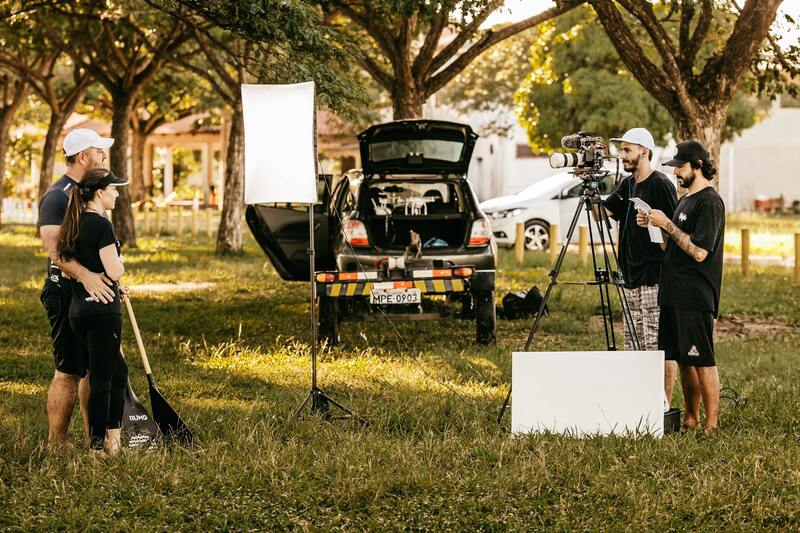
Incorporating these advanced visual tools involves careful planning and adherence to best practices, but the payoff is a more engaging, comprehensive presentation that can set a property apart in Miami’s competitive real estate market.
Technical Aspects of Property Photography
Achieving exceptional property images begins with mastering the technical fundamentals that underpin professional photography. Precise control over camera settings, such as aperture, shutter speed, and ISO, allows photographers to capture images with optimal exposure and clarity, ensuring that every detail is visible and compelling. Proper use of a tripod enhances stability, preventing blurriness and maintaining consistent framing across shots.
Lens selection plays a crucial role in depicting spaces accurately. Wide-angle lenses are typically favored in property photography for their ability to encompass more of a room within a single frame, making smaller spaces appear larger and more inviting. However, it’s vital to avoid distortion that can misrepresent the property's actual proportions. Corrective lens techniques and post-processing help maintain a natural perspective, preserving the integrity of the property’s appearance.
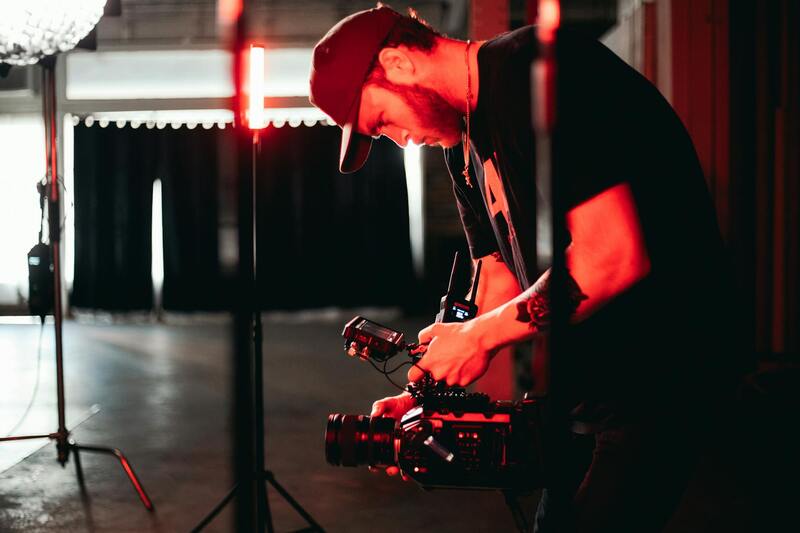
Lighting conditions significantly influence image quality. Natural light is preferred for interior shots, as it produces warm, inviting tones. Photographers often time shoots during daylight hours and manipulate curtains or blinds to control light influx. In interior spaces where natural light is limited, supplementary lighting, such as soft boxes or LED panels, can be employed to evenly illuminate rooms without creating shadows.
Posture and camera angle also impact the visual appeal of property photographs. Shooting from eye level and using a high vantage point for certain rooms can add depth and dimension, drawing viewers into the space. Attention to symmetry and avoiding clutter or distracting objects in the frame ensures that the focus remains on the property’s best features.
Correct color balance and white point adjustment are essential to produce true-to-life images that accurately represent property colors. Minor adjustments during post-processing, including contrast and sharpening, help elevate the overall crispness and vibrancy of the photos. The goal is to create images that are visually striking yet authentic, fostering trust with potential buyers and tenants.
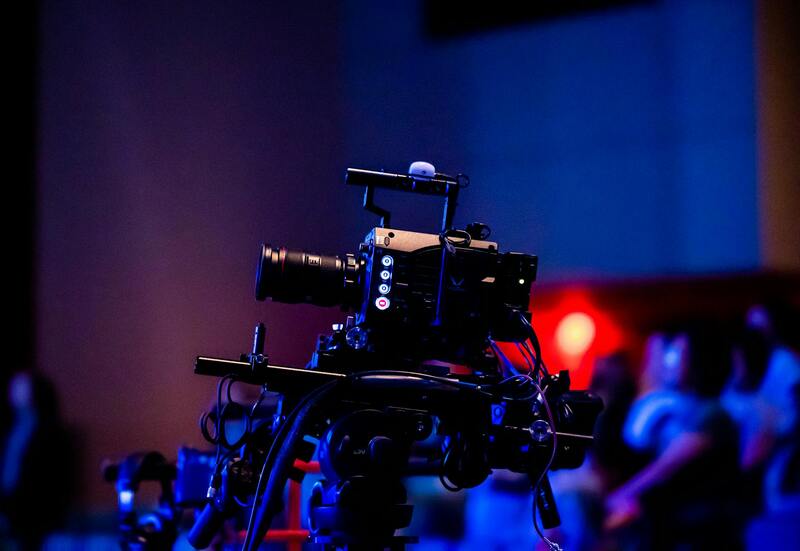
Combining these technical considerations with the right equipment and methodical shooting practices ensures high-quality property presentations. Properly executed, technical proficiency transforms straightforward images into compelling visual narratives that effectively highlight the property's value and features.
Technical Aspects of Property Photography
Achieving exceptional property images requires mastery of various technical elements that influence the final visual quality. Camera settings should be optimized for each shot to ensure clarity, depth, and accurate color representation. A low ISO setting minimizes noise, especially in well-lit environments, while a narrow aperture (higher f-number) enhances depth of field, keeping both foreground and background in sharp focus. Adjusting shutter speed accordingly prevents motion blur, which is particularly important when capturing images with natural light or when a tripod is used to stabilize the camera.
Opting for the right equipment significantly impacts the quality of property photos. Wide-angle lenses are preferred in interior photography as they allow capturing more of a room in a single shot, providing a spacious and inviting perspective. However, care must be taken to avoid distortion, which can misrepresent a space’s true proportions. Tripods are essential to maintain stability during shots, ensuring crisp images especially in lower-light settings.
Dynamic techniques such as High Dynamic Range (HDR) photography can significantly enhance the visual appeal of property images. HDR involves capturing multiple exposures and blending them to retain detail in both shadowed and brightly lit areas, resulting in well-balanced images. This approach is particularly useful in scenes with contrasting lighting conditions, such as window-lit rooms or exterior shots with bright skies.
Employing a tripod and remote shutter release or timer ensures sharpness and consistency across shots. Bracketing exposures for HDR and using proper white balance settings further contribute to the authenticity and professional appearance of the images. Overall, integrating these technical principles aids in producing polished, high-impact property photographs tailored for real estate marketing.
Legal Considerations and Best Practices
Ensuring that property photography complies with established standards and best practices is vital for estate agents aiming to present their listings effectively. The process involves more than just capturing appealing images; it also encompasses adhering to guidelines that safeguard the integrity and professionalism of the marketing materials. High-quality property photos serve as a reflection of the property's true condition and features, making accuracy and authenticity paramount.
Estate agents should prioritize obtaining proper permissions before photographing private or restricted areas within a property. This includes securing consent from homeowners or tenants and confirming that no confidential or sensitive information is inadvertently included in images. Clear communication with property owners about the scope of the photography session helps prevent misunderstandings and ensures respectful collaboration.
For outdoor shots, it is essential to highlight the property's best features while maintaining honest representations. Avoiding excessive editing or manipulation that could distort the property’s appearance preserves trust with prospective buyers and maintains transparency in marketing efforts.
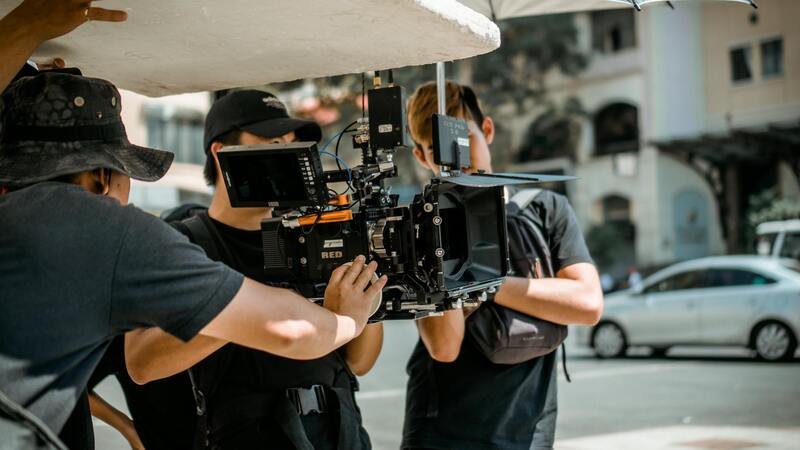
Utilizing professional photography practices also involves selecting appropriate times of day for shooting, such as during natural daylight hours, to showcase the property under optimal conditions. Additionally, maintaining consistency in photographic style across multiple listings enhances brand recognition and showcases professionalism.
Estate agents should develop and adhere to internal guidelines that outline standards for image quality, necessary perspectives, and ethical practices. These protocols ensure that all property photos not only attract potential buyers but also uphold the estate agency’s reputation.
Furthermore, understanding regional regulations related to public spaces and private property rights can help mitigate risks associated with unauthorized photography, particularly when capturing drone footage or exterior shots from neighboring areas. Following these principles ensures that property marketing remains respectful, accurate, and aligned with industry best practices.
Technical Aspects of Property Photography
Achieving high-quality property images requires a solid understanding of technical elements that influence the final output. Proper camera settings, such as aperture, shutter speed, ISO, and white balance, are fundamental to capturing sharp, vibrant images that accurately reflect the property’s features. For interior shots, a wide-angle lens is commonly used to encompass more of the space, giving prospective buyers a realistic sense of scale and layout. Using a tripod helps stabilize the camera, especially in low-light conditions, preventing blurring and ensuring consistent framing throughout the shoot.
Lighting plays a pivotal role in property photography. Natural light, often the most flattering, should be utilized during daytime hours when the property is bathed in sunlight. Windows should be kept unobstructed to maximize this effect. When natural light is insufficient, professional lighting equipment, such as softboxes or reflectors, can be employed to reduce shadows and evenly illuminate key areas. Proper exposure adjustments prevent overexposed highlights or underexposed shadows, preserving details within every part of the image.
Camera angles and composition also influence the viewer’s perception. Shooting from eye level or slightly above helps showcase the space without distortions or exaggerated perspectives. Including elements like furniture or décor can provide context and demonstrate potential uses of the space, but clutter should be minimized. Vertical lines, such as walls and door frames, must remain straight to avoid skewed images, which can reduce professionalism and trustworthiness.
Post-production processes are vital for refining images and ensuring they meet high standards. Adjustments to brightness, contrast, and color balance help replicate real-life conditions more accurately. Attention to detail in editing can correct lens distortions and remove distracting elements, presenting a clean and inviting image that captures the property’s true essence. Consistent application of editing standards across all photographs maintains a cohesive look and reinforces the estate agency's branding.
Overall, mastery of technical photography aspects results in compelling visuals that attract viewers, facilitate meaningful engagement, and provide an honest representation of the property. Estate agents who invest in understanding these principles can significantly enhance their marketing success and foster greater trust among prospective buyers.
Legal Considerations and Best Practices
When engaging in property photography for estate agents, adhering to established standards and respecting legal frameworks is crucial to maintaining professionalism and trust. Securing appropriate permissions from property owners before conducting photoshoots ensures clarity regarding usage rights and protects all parties involved. Clear communication about how images will be used, stored, and shared helps establish transparency and prevents misunderstandings.
Covering privacy considerations is equally vital. Photographers and agents must be mindful of neighboring properties, individuals, and other private spaces captured inadvertently. It is advisable to obtain consent from residents or occupants when their presence might be visible or identifiable within the images. Respecting privacy not only aligns with best practices but also enhances the estate agent's reputation for integrity and respect for client confidentiality.
Standards for property photography extend to proper depiction of the property’s condition without exaggeration or misrepresentation. Accurate representation builds trust with potential buyers or tenants and reduces the risk of disputes or misunderstandings later in the process. It’s important to avoid the use of filters or editing techniques that significantly alter the property’s appearance, as this can mislead viewers and undermine credibility.
Operational procedures should also include detailed record-keeping of permissions and photo sessions. Maintaining documentation of consent and communication can serve as valuable references if questions about the authenticity of images or rights arise later. Implementing consistent protocols ensures that all property photography activities align with industry best practices and uphold the estate agency’s reputation.
Additionally, it’s recommended to stay informed about any local regulations or industry guidelines specific to property marketing in Miami or relevant jurisdictions. While technical professionalism is essential, understanding the broader context of legal and ethical standards helps foster a responsible approach that benefits both clients and agency operations.
Ultimately, integrating these best practices into daily operations not only ensures compliance but also reinforces the estate agency’s dedication to ethical marketing, fostering long-term relationships with clients and prospective buyers alike.
Legal Considerations and Best Practices in Property Photography
Adhering to established legal standards and ethical practices in property photography is fundamental for estate agents aiming to uphold their professional integrity and foster trust with clients and prospective buyers. Implementing comprehensive operational procedures ensures that every photographic session is conducted responsibly, with due regard for property rights, privacy, and consent.
Clear documentation plays a pivotal role in this process. Maintaining detailed records of permissions obtained from property owners and any individuals appearing in photographs mitigates potential misunderstandings. These records should include signed consent forms, dates of photo sessions, and specific instructions regarding image use. Such meticulous record-keeping not only facilitates smooth marketing workflows but also demonstrates transparency and accountability.
Staying informed about regional regulations related to property advertising and privacy is instrumental in guiding ethical photography practices. While technical mastery is essential, understanding the broader framework of industry standards helps estate agents navigate complex situations effectively. For instance, in Miami specifically, being aware of state and local guidelines ensures compliance and upholds the agency’s reputation for responsible marketing.
Quality assurance is another key component. All images should accurately represent the property, avoiding any manipulations that could distort its true appearance. This approach bolsters credibility and helps maintain trust between the agency, clients, and buyers.
Further, estate agents should establish and follow standardized protocols for all photography-related activities. These procedures can include guidelines for obtaining permissions, setting photo shoot schedules, and vetting images before publication. Consistency in these practices reinforces professional standards and minimizes risks of inadvertent errors or misrepresentations.
Engaging with reputable photography service providers often provides additional assurances of adherence to best practices. Such partners are typically familiar with industry standards and local regulations, ensuring that their services align with legal and ethical expectations. By fostering strong collaborations, estate agents can integrate high-quality visual content into their marketing strategies responsibly and confidently.