Importance of High-Quality Real Estate Photography
In the competitive landscape of real estate, the significance of high-quality photography cannot be overstated. Professionally captured images serve as the first point of contact between a property and potential buyers. Well-composed, clear, and vibrant photographs not only showcase a property's best features but also establish trust and credibility with viewers. They create an emotional connection that encourages viewers to explore further, increasing the likelihood of inquiries and viewings.
The impact of superior real estate photography extends beyond initial attraction. Listings with high-quality images tend to stand out in online platforms, drawing more traffic and garnering higher engagement rates. This heightened visibility often translates into faster sales, as professionally presented properties are perceived as more desirable. Additionally, quality images can help reduce the time a property remains on the market by attracting serious buyers from the outset.
Real estate photography, when executed with skill and precision, captures the essence of a property’s layout, ambiance, and unique selling points. It allows potential buyers to virtually tour a home, reducing the need for multiple physical visits and streamlining the decision-making process. Consequently, properties presented with high-caliber images often see a significant increase in viewing appointments and offers, making effective photography a critical component of successful property marketing campaigns.
Furthermore, high-quality imagery contributes to a positive perception of the property's value. Buyers are more inclined to invest in a property that appears well-maintained and professionally presented online. This perception can influence negotiations, often leading to better sale prices and terms for sellers. As the real estate industry continues to evolve with technological advancements, the importance of professional photography remains central to attracting serious buyers, building trust, and closing deals efficiently.
Key Elements of Effective Real Estate Photography
To produce compelling real estate images, certain essential elements must be incorporated into the photography process. These elements ensure the photos accurately depict the property while appealing to prospective buyers.
- Lighting: Proper lighting highlights the property's features and creates an inviting atmosphere. Natural light, supplemented with professional lighting equipment, reduces shadows and emphasizes space.
- Staging: Arranging furniture and decor to showcase each room's potential enhances visual appeal. Minimizing clutter and ensuring cleanliness are paramount.
- Composition: Framing shots effectively, using the rule of thirds, and capturing each room from optimal angles help communicate the property's layout.
- Detail Shots: Including close-ups of unique features, appliances, and finishes adds depth and variety to the listing.
- Consistency: Maintaining a uniform style across the photos ensures a professional and cohesive presentation.
Effective real estate photography integrates these core elements to produce images that not only attract attention but also convey the true essence of the property. These high-quality visuals decisively influence the perception of value, helping sellers to market their properties more effectively and guiding buyers through a seamless virtual exploration of their future home.
Choosing the Right Equipment and Techniques
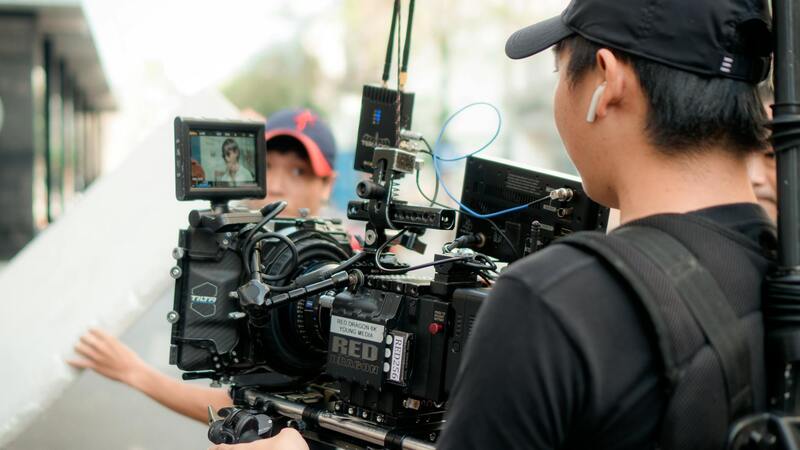
For creating compelling real estate images, selecting appropriate equipment and employing effective techniques are fundamental. A professional photographer invests in high-quality cameras capable of capturing detailed, high-resolution images that accurately reflect the property's features. DSLR or mirrorless cameras with wide-angle lenses are preferred, as they allow for comprehensive room views without distortion, ensuring prospective buyers receive a true sense of space.
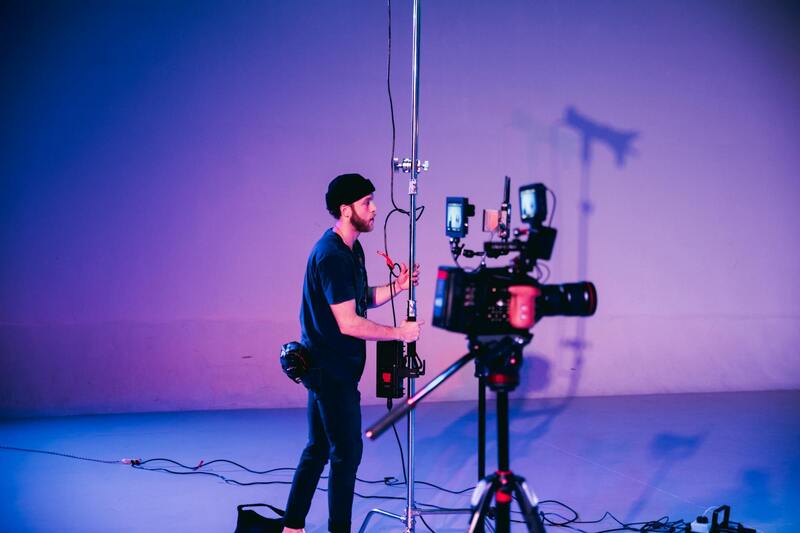
Tripods are essential to maintain stability and achieve sharp images, especially in challenging lighting conditions. Additionally, drones equipped with cameras are increasingly used to capture expansive exterior shots and aerial views, providing unique perspectives that enhance the property's visual presentation.
Techniques such as HDR (High Dynamic Range) imaging enable the photographer to balance exposures across different lighting zones within a space, preventing overexposure of windows and dark shadows. Bracketing multiple shots and blending them during post-processing results in well-lit, vibrant images that showcase both interior and exterior details effectively.
Employing proper shooting techniques involves careful consideration of angles and perspectives. For interior shots, eye-level angles from the doorway or corner of a room provide a natural and inviting view. Emphasizing symmetry and framing each shot to include key features or focal points guides viewers' attention and conveys clarity in layout.
For exterior photography, shooting during the golden hour—the period shortly after sunrise or before sunset—can add warmth and appeal to the property visuals. Using a tripod ensures consistency across shots, especially when capturing images with slow shutter speeds or multiple exposures.
Additionally, utilizing a tilt-shift lens can correct perspective distortions that often occur when photographing tall structures or closely framing building facades. This level of attention to detail ensures the final images accurately represent the property and avoid misleading perspectives.
Best Practices for Shooting Residential Properties
- Prepare the Property: Ensure the space is clean, decluttered, and well-staged to look inviting.
- Optimize Lighting: Shoot during daylight hours with ample natural light and supplement with professional lighting if necessary.
- Use Wide-Angle Lenses: Capture expansive views that showcase the full scope of rooms and exterior spaces.
- Choose the Right Angles: Position yourself to highlight the best features and layouts, avoiding distortions.
- Maintain Consistency: Follow a systematic approach to shooting different rooms to ensure cohesive visuals.
Choosing the Right Equipment and Techniques
Optimizing the tools and methods used in real estate photography is vital for producing images that truly represent a property’s potential. High-resolution digital cameras form the foundation of professional real estate imagery, enabling capturing fine details and textures that appeal to prospective buyers. A camera with a full-frame sensor is preferred, as it excels in low-light conditions and provides better depth of field, ensuring each shot is sharp and vibrant.
Lens selection plays a crucial role; wide-angle lenses, typically ranging from 10mm to 24mm, allow photographers to encompass more of a room or exterior in a single frame. This broad perspective helps demonstrate spatial relationships and room dimensions accurately. When using wide-angle lenses, it’s important to avoid distortion by maintaining proper shooting angles—placing the camera level and not excessively close to walls or furniture.
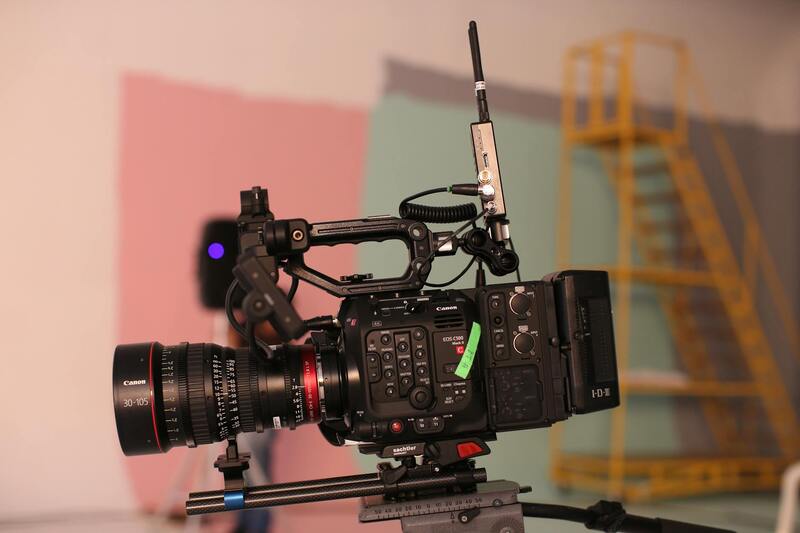
White balance settings should be adjusted for consistent color temperatures, especially when combining interior and exterior shots taken under different lighting conditions. Using a tripod is essential for stability, especially in low-light environments or when achieving multiple exposures for HDR (High Dynamic Range) imaging. HDR techniques combine several images shot at different exposures to produce well-lit pictures with balanced highlights and shadows, which are common in real estate photography due to contrasting interior and exterior lighting.
Lighting techniques significantly influence image clarity and ambiance. Whenever possible, schedule shoots during natural daylight hours to benefit from abundant, soft light. Supplement with professional lighting equipment like softboxes or reflectors to fill shadows and highlight architectural features uniformly. For high-end properties, professional lighting setups can be meticulously controlled to produce consistent, appealing results.
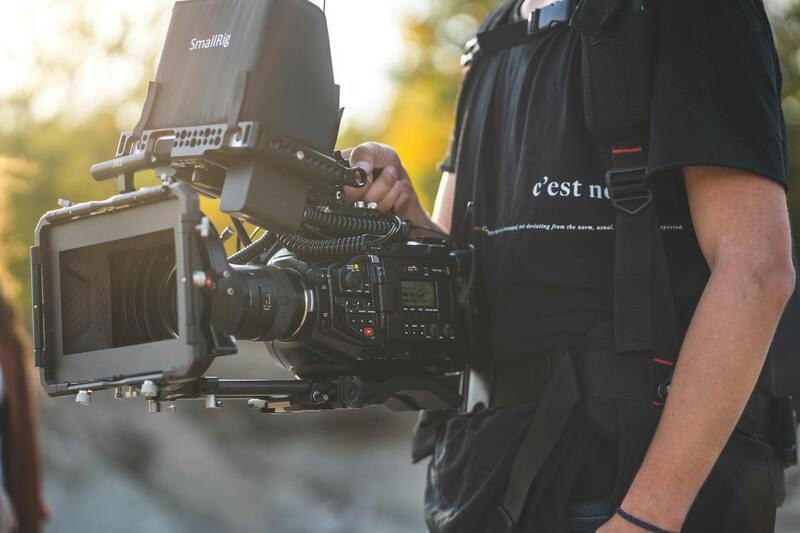
Proper exposure settings, along with techniques like bracketing and focus stacking, can further enhance image detail, especially in challenging lighting conditions or highly detailed interiors. Maintaining consistency in camera settings across multiple shots facilitates seamless editing and ensures a cohesive visual presentation of the property.
Best Practices for Shooting Residential Properties
- Prepare the Property: Prioritize cleaning, decluttering, and staging spaces to showcase the property's best features.
- Optimize Lighting: Use natural light whenever possible, complemented by professional lighting to eliminate shadows and highlight key areas.
- Use Wide-Angle Lenses: Capture more of each room to convey spaciousness and layout accurately.
- Choose the Right Angles: Position yourself to emphasize architectural strengths while avoiding exaggerated perspectives.
- Maintain Consistency: Develop a systematic approach for photographing different rooms and exterior shots for uniformity across the listing.
Employing skilled techniques and suitable equipment directly influences the eye-catching quality of real estate images, making listings stand out in competitive markets.
Legal Considerations and Best Practices
Executing high-quality real estate photography involves adhering to established practices that respect both property rights and industry standards. While the focus remains on using legitimate methods, understanding the essential guidelines ensures consistency, professionalism, and optimal results in property listings.
Ensuring clarity in property ownership and rights to photograph the property is fundamental. Clear agreements with property owners or managers prevent misunderstandings and protect all parties involved. When capturing exterior shots, it is crucial to obtain permission if photographing private properties, especially to comply with privacy standards and respect personal boundaries.
Using official and authorized equipment maintains quality and complies with industry benchmarks. Always opt for professional-grade cameras, lenses, and lighting tools certified for commercial use. This guarantees images meet the high standards expected by prospective buyers or tenants and are suitable for various marketing channels.
Adhering to regional regulations regarding drone photography is essential, particularly when capturing aerial views. Permits and licenses may be required to operate drone equipment legally. Working with licensed drone operators ensures compliance with safety guidelines and reduces liability issues.
Maintaining transparency throughout the process involves accurate representations of the property’s condition, features, and space. Avoiding manipulative editing or over-retouching helps preserve the authenticity of the visuals, fostering trust with potential clients.
In addition, documentation of the photography process, including consent forms and property access permissions, reinforces a professional approach and aligns with best practices. These steps ensure the photography endeavor remains compliant with recognized industry standards, thus delivering reliable, impactful images that serve clients effectively.
Legal Considerations and Best Practices
Ensuring compliance with legal standards is essential in real estate photography, particularly when working with private properties and sensitive content. The use of authorized equipment, such as licensed drones and professional-grade cameras, is fundamental in maintaining high-quality visual documentation while respecting property rights. Working with certified operators and verified tools guarantees adherence to established industry protocols, facilitating smooth operations and minimizing potential disputes.
Another critical aspect involves securing proper permissions prior to conducting photography sessions. This includes obtaining explicit consent from property owners or authorized representatives, particularly when images capture interior spaces, personal belongings, or restricted areas. Documented consent helps in establishing a clear record of authorization, thereby safeguarding all parties involved and promoting transparency.
When utilizing advanced techniques, such as aerial photography or virtual reality integrations, adherence to local regulations is paramount. This might involve acquiring specific permits or licences for drone operations or 3D imaging, ensuring all activities align with regional guidelines. Collaborating with licensed professionals not only streamlines the process but also mitigates risks associated with unauthorized usage.
Maintaining transparency with clients by accurately representing property features and conditions is a key ethical standard. Avoiding manipulative editing or selective exaggeration fosters trust and supports honest marketing efforts. Conveying an authentic view of the property helps prospective buyers make informed decisions and aligns with industry credibility.
Additionally, maintaining comprehensive documentation—including consent forms, property access permissions, and details of the photographic process—reinforces a professional workflow. This documentation provides clarity on the scope of work and ensures that all activities are conducted within agreed parameters.
Implementing these official and legitimate practices within real estate photography not only enhances the quality and trustworthiness of the images but also streamlines compliance with operational standards. As a result, property representations are both visually compelling and legally compliant, enabling effective marketing while upholding professional integrity.
Legal Considerations and Best Practices
Adhering to established standards in real estate photography is essential to maintain professional integrity and ensure the effective marketing of properties. A structured approach involves comprehensive planning, proper documentation, and ethical conduct, all aligned with regional regulations and industry norms.
One of the foundational steps is securing appropriate permissions from property owners or authorized representatives before commencing any photographic work. This process typically involves formal consent that clearly defines the scope of the project, including areas to be photographed and the intended use of images. Such documentation not only facilitates smooth operations but also safeguards all parties involved.
Maintaining transparency is crucial—accurately representing the property without exaggeration or manipulation preserves trust with clients and prospective buyers. This entails providing an honest portrayal of space, features, and condition, avoiding the use of techniques that might distort perceptions. When editing images, subtle adjustments to lighting and color balance are acceptable, but over-editing that alters the property's appearance should be avoided.
Compliance and Ethical Conduct
- Respect Property Boundaries: Ensure that photography is conducted with the property owner's permission, respecting privacy and boundary guidelines established by local zoning and property rights.
- Obtain Necessary Permits: For drone photography or aerial shots, acquire appropriate permissions according to regional regulations. This is crucial for lawful aerial imaging and avoids potential infringements.
- Use Licensed Equipment: Employ certified and well-maintained camera and drone equipment to meet safety standards and achieve high-quality imagery.
- Avoid Manipulative Editing: Keep post-processing honest by solely enhancing image clarity and lighting without altering the true appearance of the property.
- Document the Process: Record details of the photography session, including permissions, access times, and any special considerations, to maintain transparency and accountability.
Implementing these principles not only enhances the professionalism of the real estate marketer but also ensures that the images serve their purpose effectively. By upholding high standards, real estate photography supports clear, honest property representation—an approach that fosters trust among clients and buyers alike.
Incorporating these practices within your workflow guarantees that your visual content remains compliant with regional operational standards and aligns with the broader objectives of ethical real estate marketing.
Legal Considerations and Best Practices
Understanding Permission and Consent
When conducting real estate photography, obtaining explicit permission from property owners is a fundamental step. This facilitates transparent cooperation, ensuring that all parties are aware of the photography, its intended use, and distribution channels. Proper consent documentation, such as signed agreements or permissions, can prevent potential misunderstandings or disputes. Additionally, respecting tenants' rights and privacy is crucial, especially in multifamily or leased properties.
Adhering to Regional Regulations for Aerial and Drone Photography
Many jurisdictions impose specific requirements for aerial imagery, particularly when using drones. Securing applicable permits and licenses before capturing aerial shots not only complies with regional standards but also promotes safety and ethical standards in the industry. It's essential to stay updated on local airspace rules, restriction zones, and privacy laws that may impact aerial photography operations.
Maintaining Honesty in Image Representation
Post-processing adjustments should enhance the clarity, lighting, and color accuracy of photographs without misrepresenting the property's true features. Virtually altering structures, enlarging rooms, or modifying the landscape can mislead prospective buyers and diminish the integrity of the marketing effort. Maintaining honesty ensures that clients receive a truthful portrayal, fostering trust and reducing the risk of disputes post-listing.
Documentation and Transparency
Thorough record-keeping is essential for demonstrating compliance with legal and ethical standards. Document every phase of the photography process, including permissions secured, access times, and any special instructions or limitations. This documentation provides accountability and can be invaluable if questions about the images' authenticity or legality arise later.
Data Privacy and Sensitive Information
Photographers should be cautious to exclude or obscure sensitive information captured incidentally, such as license plates, identifying features, or personal belongings visible in the shots. Respecting privacy aspects not only protects individuals' rights but also aligns with broader data protection principles.
Implementing Ethical Marketing Standards
Adhering to strict ethical practices in real estate photography enhances the credibility of the marketing campaign. This involves honest image representation, transparent communication with clients about the capabilities of the visual media, and compliance with all regional guidelines. Employing official methods and verified equipment guarantees the production of professional-quality images that meet industry standards and client expectations.
Advanced Techniques for Authentic Real Estate Imagery
Achieving compelling real estate imagery extends beyond basic photography skills. Incorporating advanced techniques and adhering strictly to official procedures enhances the overall quality and reliability of the visuals presented to prospective buyers. Utilizing professional-grade equipment, such as high-resolution cameras and calibrated lenses, ensures sharpness and accurate color reproduction, crucial for accurately representing property interiors and exteriors. Proper lighting setup, whether natural or supplemental, plays a vital role in showcasing a property's best features without misleading viewers. Techniques like HDR (High Dynamic Range) imaging can balance exposure levels in scenes with contrasting light conditions, ensuring details are visible in both the shadows and highlights.
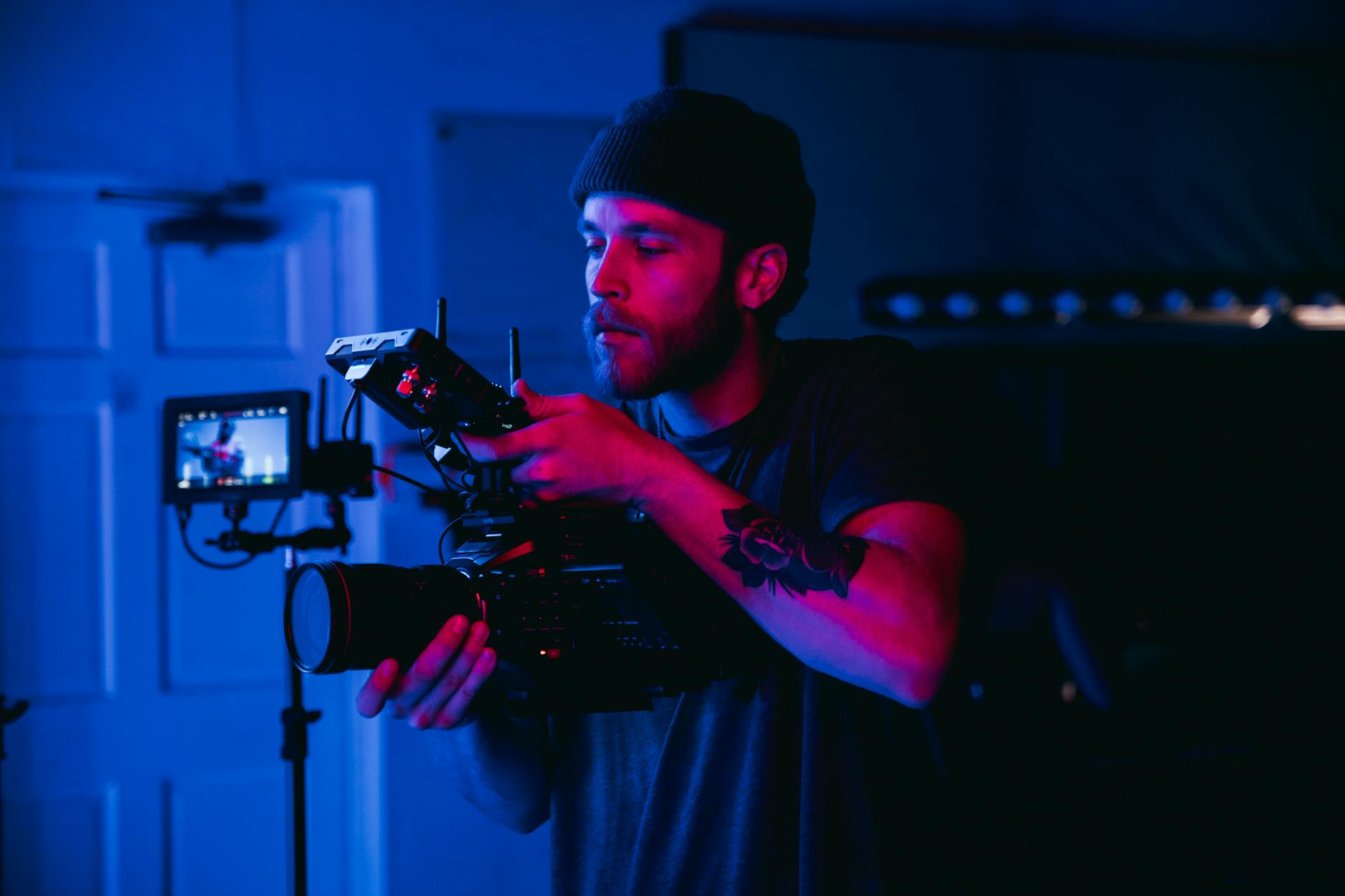
In addition to technical expertise, following standardized methods for composition—such as the strategic use of leading lines, framing, and the rule of thirds—can guide the viewer's eye naturally through the space. Using official drone photography, where applicable and permitted, provides a comprehensive aerial perspective that adds depth and context to a property listing. These professional practices not only enhance visual appeal but also maintain adherence to industry standards, reinforcing trust among clients and stakeholders.
Implementing Compliance in Creative Processes
- Securing Proper Permissions: Always obtain necessary authorizations before entering private property or capturing images, preventing potential legal issues and respecting owners' rights.
- Respecting Privacy: Be mindful to exclude or obscure sensitive details, ensuring that personal or confidential information isn't inadvertently disclosed through imagery or metadata.
- Using Approved Equipment and Techniques: Rely on officially sanctioned tools that meet regional standards for safety and quality, avoiding unverified or unauthorized methods that could compromise image integrity.
- Maintaining Accurate Documentation: Keep comprehensive records of permissions, dates, and specific instructions related to each photography session, to support transparency and accountability.
Enhancing Visual Content with Non-Disruptive Elements
Incorporating elements like tasteful decorations, well-placed furniture, and natural light during shoots adds warmth and context to images. These enhancements should be executed within the boundaries of official protocols, ensuring that they reflect the property's true condition without exaggeration. The use of professional editing software should be limited to adjustments that improve clarity, color balance, and exposure, avoiding any alterations that could mislead viewers.
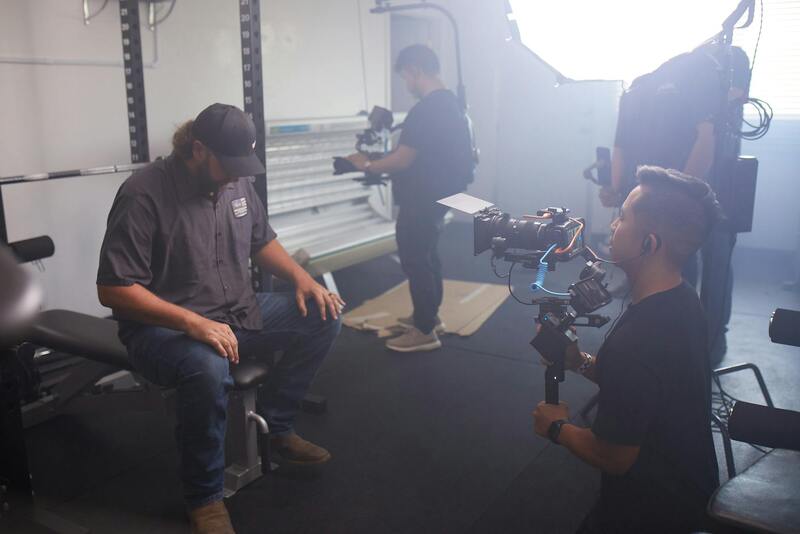
Employing these professional and compliant methods in real estate photography not only elevates the visual appeal but also fosters a genuine connection with potential buyers. Such integrity in visual representation supports a transparent and trustworthy marketing environment, essential for building confidence in the property and the listing process.