Role of a Yacht Photographer in the Marine Industry
Within the marine industry, the role of a yacht photographer is vital for accurately capturing the essence, luxury, and intricate details of high-end vessels. These professionals serve as visual storytellers, portraying yachts not only as modes of transportation but as symbols of status, craftsmanship, and innovation. Their photographs are pivotal in multifaceted applications such as marketing campaigns, promotional materials, distribution to potential buyers, and documentation of yacht features for maintenance and safety records.
Yacht photographers are responsible for creating compelling images that highlight a vessel’s exterior design, interior elegance, and unique features. They must possess a keen eye for detail to showcase the fine craftsmanship, luxurious amenities, and innovative technology integrated into modern yachts. Their work supports yacht brokers, manufacturers, and charter companies in attracting discerning clients who prioritize exclusivity, comfort, and style.
Beyond aesthetics, yacht photographers contribute to the documentation process—producing high-resolution images for maintenance records, insurance purposes, and regulatory compliance. Their expertise ensures that every shot maintains technical accuracy and visual appeal, which is crucial when presenting a vessel’s condition or highlighting specific features for prospective clients.
The importance of a skilled yacht photographer extends into brand building as well. A well-curated portfolio with striking images can elevate a company's profile, attract high-net-worth individuals, and establish a reputable visual identity within the competitive luxury marine market. Their work can also influence the perception of a yacht’s value, making professional photography an indispensable tool for success.
In the context of the marine industry, the role of a yacht photographer is multi-dimensional. It balances artistic vision with technical proficiency, environmental awareness, and an understanding of the luxury market’s demands. The quality and impact of these images directly contribute to a yacht’s appeal and the overall reputation of the brands behind them, emphasizing the integral role professional photography plays in the marine industry landscape.
Understanding Yacht Features and Marine Environments
Successful yacht photography hinges on a comprehensive understanding of the vessel's distinctive features and the surrounding marine environment. Photographers specializing in this niche must be familiar with the technical aspects of yacht design, including deck layouts, hull shape, superstructure details, and interior elements that contribute to the vessel’s luxury appeal. Recognizing these features allows photographers to highlight the yacht’s unique attributes in the most flattering and accurate manner.
Equally important is an expert knowledge of marine environments, including lighting conditions, weather patterns, and water reflections. Outdoor yacht shoots require adaptability to fluctuating natural light, wind, and tide changes, which can significantly influence image quality. Photographers must be prepared to utilize environmental factors creatively, turning challenging conditions into opportunities for compelling visual storytelling. In addition, understanding local marine settings—such as marinas, open sea, or coastal backdrops—enables optimal selection of locations that enhance the yacht's aesthetic appeal and marketability.
Precision in capturing the yacht’s key features not only helps in marketing but also serves functional purposes like detailed documentation for maintenance or insurance assessments. Many yacht photographers employ a combination of wide-angle shots for grandeur and macro photography for intricate details, ensuring potential clients and stakeholders receive a comprehensive visual account of the vessel’s condition and craftsmanship.
Location and Timing for Optimal Yacht Photography
The selection of location and timing plays a crucial role in the impact of yacht images. Photographers must carefully plan sessions during times of ideal natural lighting—typically during golden hour, shortly after sunrise or before sunset—when warm tones and softer shadows enhance the vessel’s appearance. Additionally, the choice of location impacts the background, lighting, and overall mood of the images.
Strategic positioning at well-lit marinas, scenic coastlines, or open waters ensures that reflections and water surface conditions complement the yacht's lines and design. Wind conditions are also vital; calm days minimize water ripple effects and help achieve mirror-like reflections, which are highly desirable in luxury yacht photography. Photographers often visit locations beforehand to assess lighting angles, tidal schedules, and environmental conditions, ensuring that every shot maximizes visual impact and authenticity.
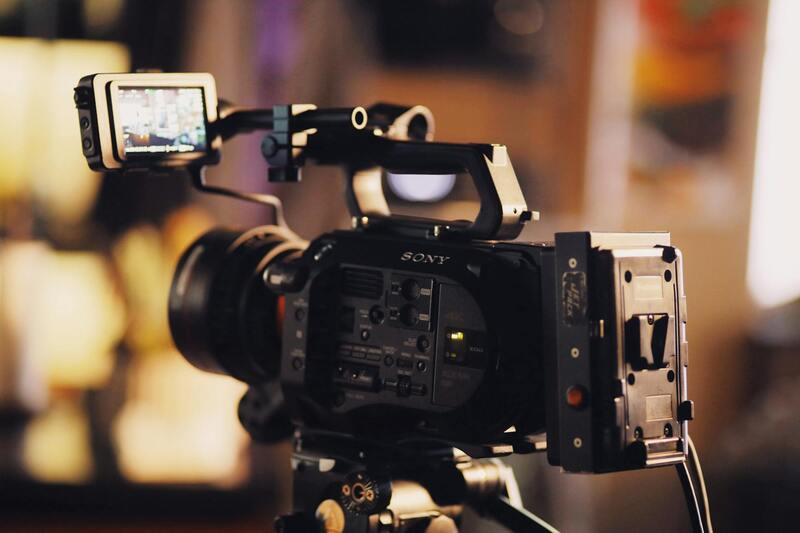
Coordinating these elements allows for creating a polished portfolio that demonstrates the yacht’s elegance and the photographer’s professionalism. This meticulous planning ensures that the images not only captivate viewers but also meet the technical standards required for marketing, branding, and documentation purposes.
Understanding Yacht Features and Marine Environments
To excel as a yacht photographer, a comprehensive understanding of yacht features and marine environments is essential. This knowledge allows for capturing images that truly represent the vessel’s elegance, craftsmanship, and unique design elements. Familiarity with the various styles of yachts, from sleek sport cruisers to opulent superyachts, enables photographers to tailor their approach to each vessel’s distinct features.
Effective yacht photography also depends heavily on understanding the operational and environmental conditions in marine settings. For instance, knowledge of tidal patterns, water currents, wind conditions, and lighting variations helps in planning the best times and angles for shooting. Such insights assist in controlling water surface reflections, minimizing water ripple effects, and capturing the yacht’s lines and surfaces accurately. Weather considerations, such as cloud cover or humidity, can alter lighting conditions, requiring adaptive techniques to ensure that the vessel's aesthetic is preserved and accentuated.
Moreover, understanding common marine hazards, such as water spray or debris, enables photographers to protect their equipment, maintain safety, and avoid damaging shots. When equipped with this awareness, photographers can anticipate environmental challenges and adapt their shooting strategies accordingly, resulting in consistently high-quality images that convey the yacht’s grandeur and craftsmanship.
Leveraging Camera Techniques for Effective Yacht Photography
Mastering advanced camera techniques is fundamental for producing striking yacht images that serve commercial and promotional purposes. Wide-angle lenses are often employed to emphasize the spaciousness and sleek lines of a vessel, creating an immersive experience for viewers. When using wide-angle lenses, it’s important to manage distortion and ensure that the yacht’s proportions are accurately represented.
Utilizing polarizing filters can significantly improve image quality by reducing water glare and reflections, allowing for clearer views of the yacht’s surfaces and water surroundings. This is particularly beneficial when photographing yachts in bright sunlight or over reflective water surfaces. Long exposure shots are effective for capturing tranquil water reflections and smooth water surfaces, which add a luxurious ambiance to the imagery.
Proper aperture choices, along with controlled shutter speeds, ensure sharpness and clarity throughout the vessel, from bow to stern. Techniques such as HDR imaging can be used to balance the exposure between the bright sky and shaded areas of the yacht, resulting in images that are evenly lit and visually balanced. These technical skills, combined with a keen eye for detail and composition, enable yacht photographers to create compelling visuals that highlight the vessel's design, craftsmanship, and situational context.
Understanding Yacht Features and Marine Environments
Mastering yacht photography requires an in-depth knowledge of the vessel’s intricate design elements and the surrounding marine environment. This understanding allows photographers to highlight the yacht's unique features and showcase its luxury and sophistication.
Yacht features such as sleek hull lines, polished finishes, intricate rigging, and luxurious interiors are focal points that demand careful attention. Recognizing how light interacts with glossy surfaces and reflective materials is essential for capturing images that emphasize the craftsmanship and elegance of the vessel. Photographers should be familiar with the different parts of a yacht, including the bridge, galley, deck areas, and cabins, to tailor compositions that accentuate these components effectively.
Marine environments pose both opportunities and challenges for yacht photography. The changing tide levels, wave patterns, and water reflections significantly influence the final image quality. Photographers need to anticipate how these elements will interact with lighting conditions and the yacht’s positioning. The presence of marine fauna, local flora, and scenic backdrops such as Miami’s iconic skyline or natural coastlines can enhance the story told through images, creating a vivid sense of place and context.
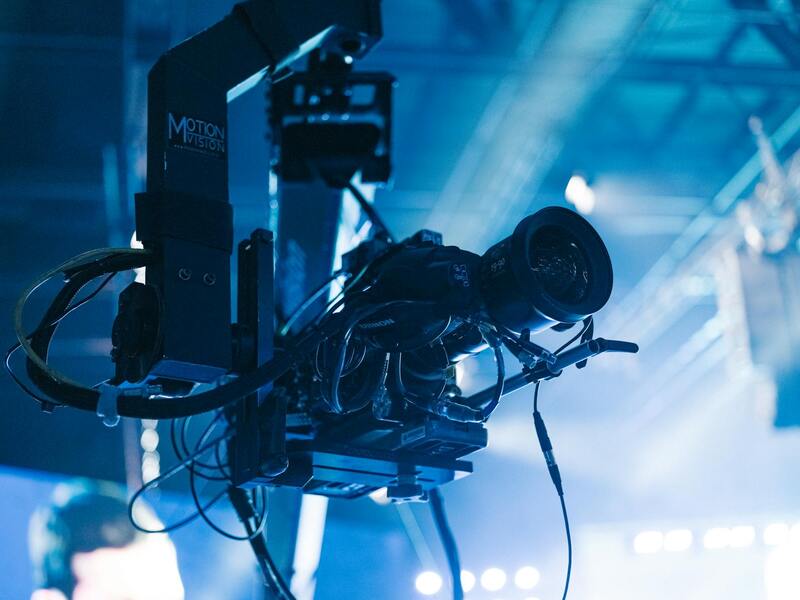
Effective yacht photography also involves understanding the operational aspects of a vessel. Knowing how yachts are used, whether for leisure, charter, or racing, helps tailor photos to meet clients’ branding requirements. For instance, photographing a sleek racing yacht in action on Miami’s waters requires different techniques compared to capturing a luxurious motor yacht docked in a marina setting.
This comprehensive awareness allows the photographer to craft images that not only highlight the yacht’s physical attributes but also evoke a sense of adventure, exclusivity, or tranquility, depending on the intended message. Furthermore, familiarity with safety protocols and the technical specifications of marine photography ensures smooth execution in dynamic sea environments, ultimately leading to high-quality, compelling visuals that distinctly stand out in the competitive market.
Composition and Artistic Approaches in Yacht Photography
Effective yacht photography transcends mere documentation; it is an art form that captures the essence of luxury, power, and elegance inherent in these marine vessels. A seasoned yacht photographer in Miami employs a variety of composition techniques to create visually compelling images that appeal to high-end clients and marine enthusiasts alike.
One fundamental approach involves the use of leading lines and framing to direct viewers’ attention towards key features of the yacht, such as sleek hull lines, expansive decks, and intricate superstructures. By positioning the camera to emphasize these elements, photographers can highlight the vessel’s architectural sophistication and dynamic design.
Angles also play a crucial role in enhancing the yacht’s grandeur. Low-angle shots can make the yacht appear more imposing and impressive, emphasizing its size and stature against the backdrop of Miami’s skyline or open water. Conversely, high-angle perspectives may showcase the yacht’s layout and surrounding marina environment, providing context and scale.
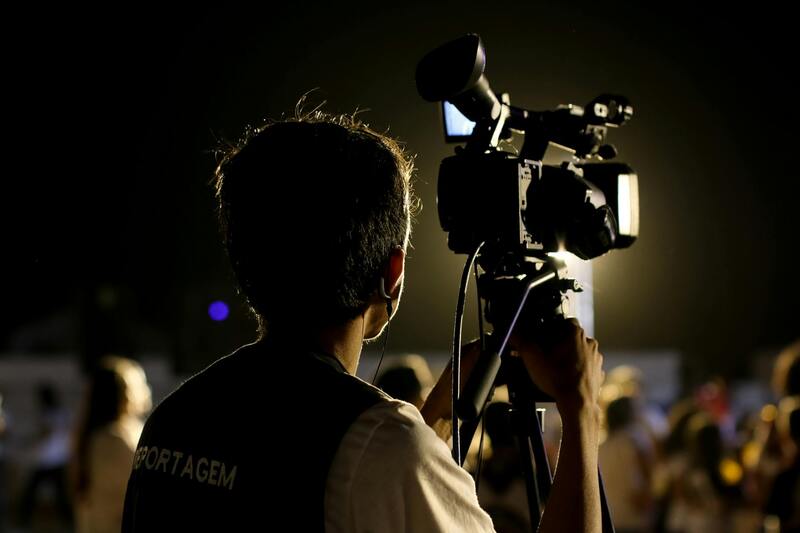
Creative approaches include utilizing reflections on the water surface to add depth and dimension, capturing the glittering lights of Miami at dusk to evoke a sense of opulence, and experimenting with motion blur to suggest speed and excitement during yacht races or watersports activities. These techniques help portray not only the physicality but also the lifestyle associated with yacht ownership and marine leisure.
Lighting is another pivotal element. Golden hour provides warm, flattering light that enhances the yacht’s curves and glass surfaces, while twilight offers a dramatic ambiance enhanced by artificial lighting and cityscape backgrounds. A knowledgeable photographer also considers weather conditions, using cloudy days to diffuse harsh sunlight or early morning fog to add mystique and exclusivity to the images.
When photographing yacht interiors, attention to detail becomes paramount. Wide-angle lenses can showcase spacious cabins and luxurious amenities, but careful composition ensures that no clutter distracts from the vessel’s aesthetic appeal. Highlighting bespoke furnishings, modern technology, and bespoke craftsmanship communicates the yacht’s unique luxury. By blending technical skill with artistic sensibility, a yacht photographer in Miami can craft images that tell compelling stories of sophistication and adventure, tailored to client branding and marketing needs.
Role of a Yacht Photographer in the Marine Industry
Within the marine industry, a yacht photographer plays a vital role in showcasing vessels for marketing, sales, and promotional purposes. Their expertise transcends basic photography, requiring a nuanced understanding of both vessel features and marine environments. These professionals are responsible for capturing the yacht’s aesthetic appeal, functional design, and lifestyle allure, helping brokers, manufacturers, and private owners elevate their branding. An accomplished yacht photographer in Miami not only highlights the vessel’s exterior beauty but also emphasizes the luxurious interior spaces, technological innovations, and unique craftsmanship that distinguish each yacht. High-quality imagery produced by these specialists is essential for creating compelling listings, brochures, and advertising campaigns that attract discerning clients and enthusiasts alike.
Key Skills and Equipment for Yacht Photography
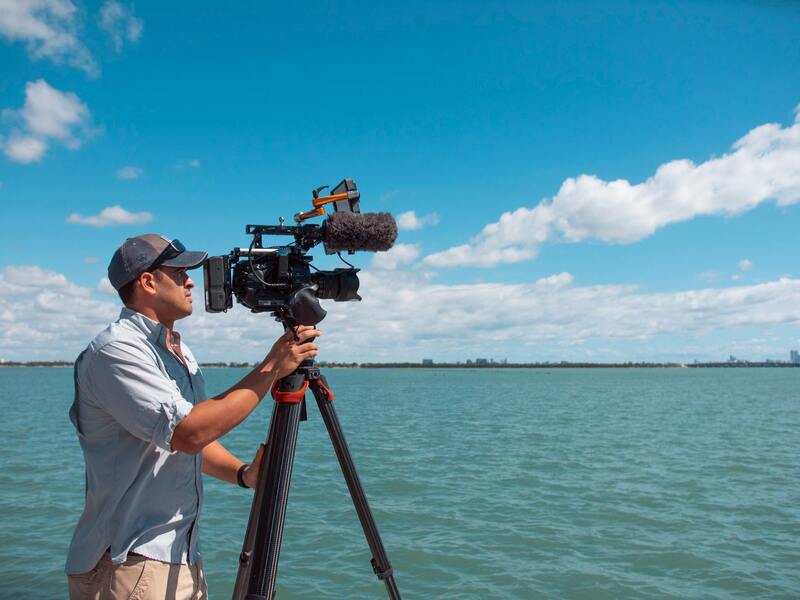
Effective yacht photography demands a blend of technical proficiency, artistic sensibility, and industry knowledge. Professionals must possess advanced camera skills, including mastery of various lenses, lighting techniques, and composition principles. Equipment choices are crucial; high-resolution DSLR or mirrorless cameras paired with wide-angle, telephoto, and tilt-shift lenses allow for versatile shot options. Drones are increasingly used to obtain aerial perspectives that showcase the yacht’s profile and dockside setting from a dramatic vantage point. Stabilization gear, such as gimbals and tripods, ensures clarity during handheld shots or in challenging conditions.
Post-processing skills are equally important. Photo editing software enables fine-tuning of color balance, contrast, and sharpness to produce images that accurately represent the vessel’s luxury and craftsmanship. Such attention to detail ensures that each image aligns with the brand’s aesthetic and marketing objectives, making the yacht stand out in a competitive marketplace.
Understanding Yacht Features and Marine Environments
Knowledge of yacht construction, onboard amenities, and typical layouts inform a photographer’s approach to capturing the vessel. Familiarity with exterior features such as hull design, decks, and superstructure enables highlighting key selling points. When photographing interiors, awareness of bespoke furnishings, lighting fixtures, and technological systems ensures that details are accentuated without distraction.
Marine environments also influence shot selection and technique. Photographers must adapt to changing weather conditions, lighting, and water reflections. Understanding how to use natural light, whether during the golden hour or twilight, enhances visual appeal and mood. Additionally, recognizing the key vantage points around marinas, docks, and open waters allows for strategic positioning that showcases the yacht’s length, scale, and surrounding scenery.
Location and Timing for Optimal Yacht Photography
Choosing the right location and timing is critical in yacht photography. Prime locations such as Miami’s bustling marinas, scenic waters, and iconic waterfronts provide exceptional backdrops that complement the vessel’s luxury image. Early mornings and late afternoons offer optimal natural lighting, casting warm hues and reducing harsh shadows. Conversely, overcast days can diffuse bright sunlight, resulting in softer, more evenly lit images that emphasize details without glare.
Seasonal considerations also influence scheduling. During peak boating seasons, yachts are typically more accessible and positioned in picturesque settings. Weather patterns, tides, and visibility conditions should be carefully monitored to ensure optimal shooting conditions. A seasoned yacht photographer assesses these variables to plan shoots that maximize visual impact, whether capturing a vessel at rest or in dynamic watersports scenarios.
Advanced Techniques for Capturing the Perfect Yacht Shot
Achieving striking images of luxury yachts requires more than just good camera equipment; it demands mastery of advanced photographic techniques tailored to the unique marine environment. A skilled yacht photographer employs specific methods to underscore the vessel’s elegance, power, and intricacy, ensuring each shot resonates with high-quality professionalism.
Harnessing Natural Light for Dynamic Visuals
Optimal lighting transforms standard yacht photos into captivating visuals. During golden hours—early mornings and late afternoons—soft, warm light accentuates the yacht’s contours and highlights its luxurious finishes. Photographers often utilize natural sidelighting to create depth and dimension, emphasizing textures such as polished decks, sleek hulls, and intricate rigging. Overcast days, with diffused sunlight, serve as excellent times for capturing interior details and reflective surfaces without harsh shadows or glare.
Implementing Polarizing Filters for Water and Reflection Control
Marine photography frequently involves managing reflections and water glare to enhance clarity and color vibrancy. By employing polarizing filters, photographers can significantly reduce surface reflections, revealing the yacht’s features beneath the waterline or ensuring the sky’s hue remains vivid. This technique results in sharper images with richer contrast, vital for showcasing both the vessel and the surrounding marine environment.
Strategic Angle Selection and Perspective
The choice of vantage point plays a crucial role in emphasizing the yacht’s grandeur. Shooting from low angles accentuates the vessel’s length and presence, making it appear more impressive. Conversely, aerial or drone-based perspectives offer comprehensive views that capture the yacht’s layout, design harmony with the marine backdrop, and surrounding waterfront scenery. Combining multiple perspectives provides clients with a holistic visual portfolio that underscores the yacht’s features and setting.
Utilizing Long Exposure and Specialized Lenses
For dynamic maritime scenes, long exposure techniques add motion effects to water and sky, conveying a sense of movement and energy. This approach is especially effective during sunset or twilight, creating dramatic and atmospheric images. Additionally, wide-angle and telephoto lenses enable precise framing—wide-angle for capturing the yacht’s full profile in scenic locations, and telephoto for close-up details and luxurious accents. Mastery in lens choice and exposure settings ensures images stand out in competitive portfolios.
Post-production editing complements these techniques by refining color balance, contrast, and sharpness, ensuring that the final images meet high-quality standards and client expectations. Precise editing preserves the authenticity of the scene while elevating its visual appeal, making each photograph a compelling advertisement for the vessel’s luxury.
Implementing Consistent Branding and Portfolio Updates
Regularly updating the portfolio with recent work, including the latest yacht models and scenic locations, reflects growth and versatility. Consistent branding across images builds recognition and demonstrates expertise to prospective clients. Showcase a diverse array of yacht types, lighting conditions, and creative approaches to appeal to the broad range of clients within Miami’s affluent boating community.
Role of a Yacht Photographer in the Marine Industry
Yacht photographers serve a vital function within the marine industry by showcasing vessels in their best light, both literally and artistically. Their work is instrumental in marketing luxury yachts, whether for sale, charter services, or promotional campaigns. These professionals combine technical expertise with artistic vision to create images that highlight the yacht’s design, features, and ambiance, appealing to affluent clients and brokers alike. The ability to capture the yacht from compelling angles, utilizing natural light and environmental elements, enhances the vessel's aesthetic and provides prospective buyers with a vivid impression of the yacht’s allure. Moreover, yacht photographers often work closely with brokers, designers, and marketing teams to craft visuals that align with the overall branding and promotional strategies of marine businesses.
Key Skills and Equipment for Yacht Photography
Executing high-quality yacht photography demands a distinct set of skills and specialized equipment. Technical proficiency in camera operation, including understanding exposure, depth of field, and focus techniques, is essential. Skilled yacht photographers are adept at navigating challenging lighting conditions, often working during sunrise, sunset, or twilight when natural light offers the most dramatic effects.
- Professional DSLR or mirrorless cameras with high-resolution sensors
- Wide-angle lenses to capture expansive vessel views
- Telephoto lenses for detailed shots of luxury features
- Sturdy stabilizers or gimbals for steady shots during movement
- Waterproof or weather-resistant gear for marine environments
- Drone technology for aerial perspectives and panoramic shots
Mastery in using these tools allows photographers to bring out the vessel’s best features, emphasizing its design lines, finishes, and luxurious amenities. Proper composition and lighting expertise turn standard images into compelling visuals that command attention in the competitive yacht market.
Understanding Yacht Features and Marine Environments
Recognizing the intricacies of yacht design and understanding the marine environment are fundamental skills for a yacht photographer. Knowledge of different yacht types—such as motor yachts, sailing yachts, or expedition vessels—enables the photographer to tailor their approach to best showcase each vessel’s unique characteristics.
Additionally, familiarity with marine conditions—waves, light reflections, and atmospheric changes—allows for strategic planning of shoots. Photographers often need to adapt quickly, adjusting camera settings and compositions to account for changing weather and lighting. Such expertise ensures that images capture the yacht’s luxury while maintaining visual clarity and aesthetic appeal amid the marine surroundings.
Location and Timing for Optimal Yacht Photography
Timing is critical in yacht photography, with the goal being to harness the best natural lighting and environmental conditions. Golden hour—shortly after sunrise or before sunset—provides soft, warm light that enhances colors and textures. Twilight offers atmospheric opportunities for long exposure shots, capturing movement in water and sky.
Choosing the right location also amplifies the visual impact. Scenic backdrops such as Miami’s vibrant marinas, stunning coastal lines, or open sea views add context and grandeur to the vessel images. Photographers often scout locations in advance, considering weather patterns, tide schedules, and marine activity to select spots where the yacht can be shot with optimal lighting and minimal obstructions.