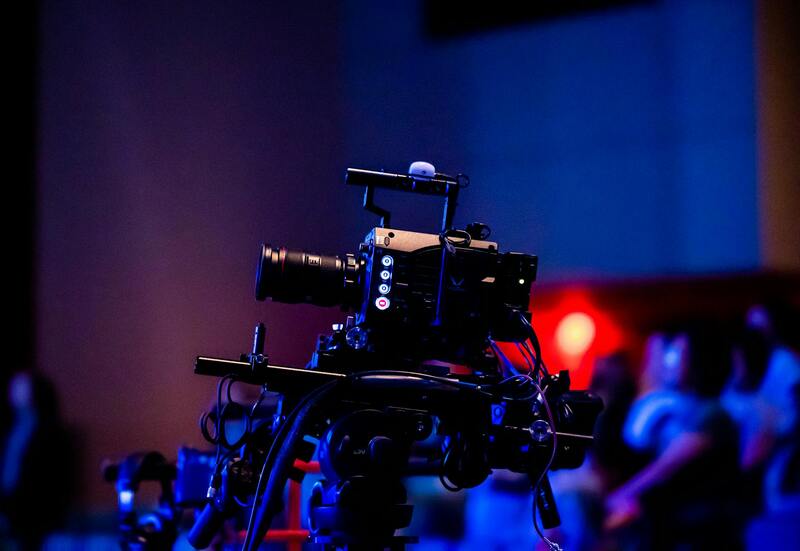
Understanding Marine Video Production
Marine video production encompasses a specialized segment of audiovisual creation dedicated to capturing and presenting maritime environments, vessels, and activities. This discipline combines expertise in videography with a deep understanding of maritime operations, safety protocols, and environmental considerations. In Miami, a city renowned for its vibrant maritime industry, marine video production plays a pivotal role in supporting a wide array of industries including shipping, tourism, fishing, and water sports.
Producing high-quality marine footage involves navigating unique challenges such as dynamic weather conditions, unpredictable water movements, and the necessity for specialized equipment capable of withstanding saltwater corrosion and moisture. The importance of such productions extends beyond promotional content; they serve for documentation, training, safety, and operational assessments.
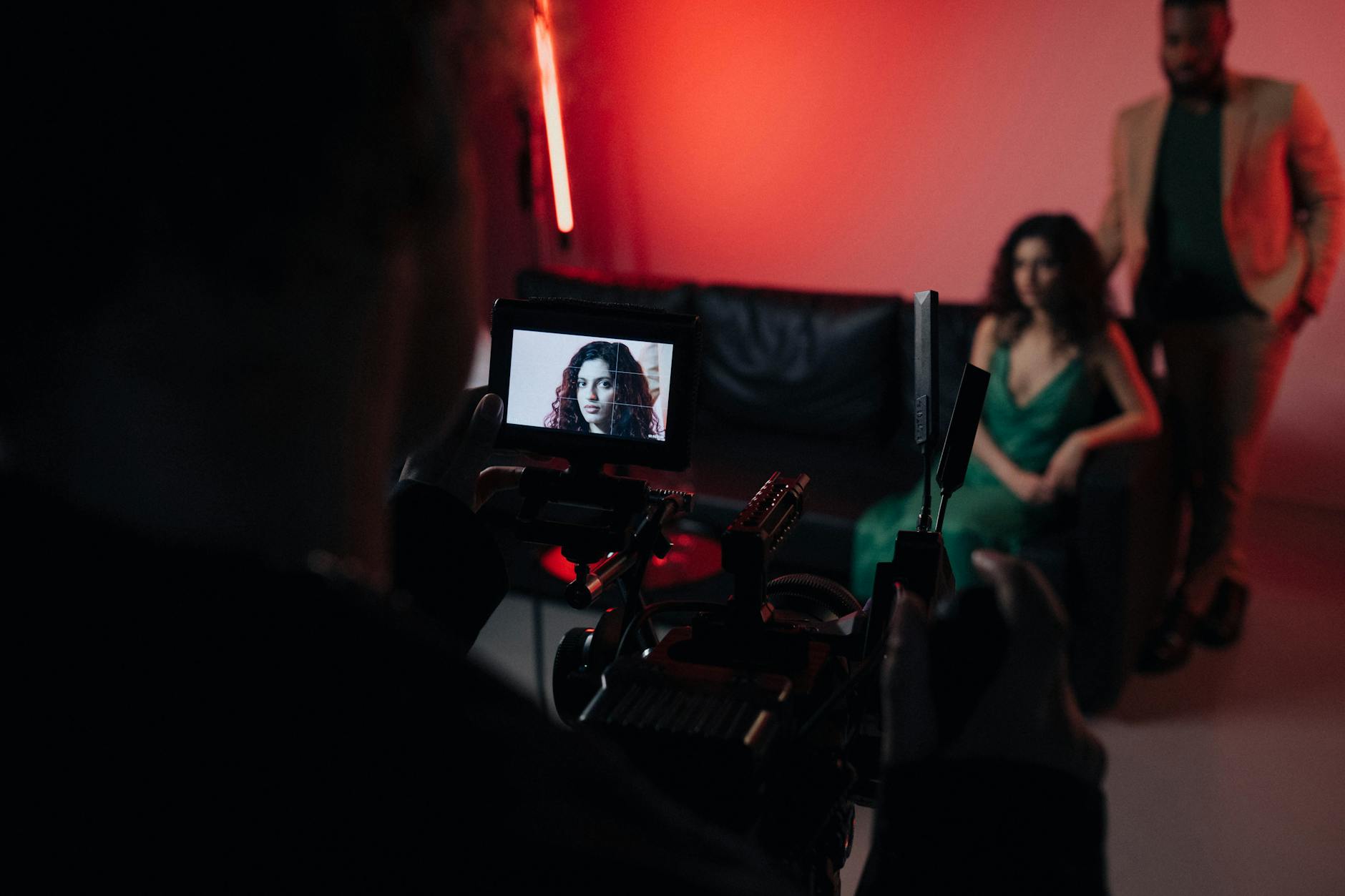
Marine video projects often cater to diverse applications:
- Commercial and Promotional Campaigns: Showcasing luxury yachts, cruise ships, and waterfront developments to attract clients or investors.
- Vessel and Fleet Documentation: Recording ship inspections, repairs, and maintenance for compliance and training purposes.
- Environmental Monitoring: Documenting marine ecosystems, wildlife, and conservation efforts.
- Event Coverage: Filming regattas, boat races, and maritime festivals to promote tourism and community engagement.
Furthermore, marine video production requires addressing several technical challenges to achieve optimal results. These include managing camera stability amid water movement, adapting to changing weather conditions, ensuring safety protocols around seawater and large vessels, and using equipment suited for underwater or aerial filming when necessary. Precision planning and experienced crews are essential to overcoming these hurdles and capturing footage that conveys the desired message effectively.
Key Equipment and Technologies Used
Achieving high-quality marine video production hinges on employing specialized equipment and leveraging cutting-edge technology designed to operate effectively in challenging marine environments. Underwater cameras are engineered with robust housings and high-resolution sensors to capture detailed footage beneath the water’s surface, providing clear images amidst low light and saltwater conditions. These cameras often feature waterproof seals and corrosion-resistant materials, ensuring durability during prolonged use.
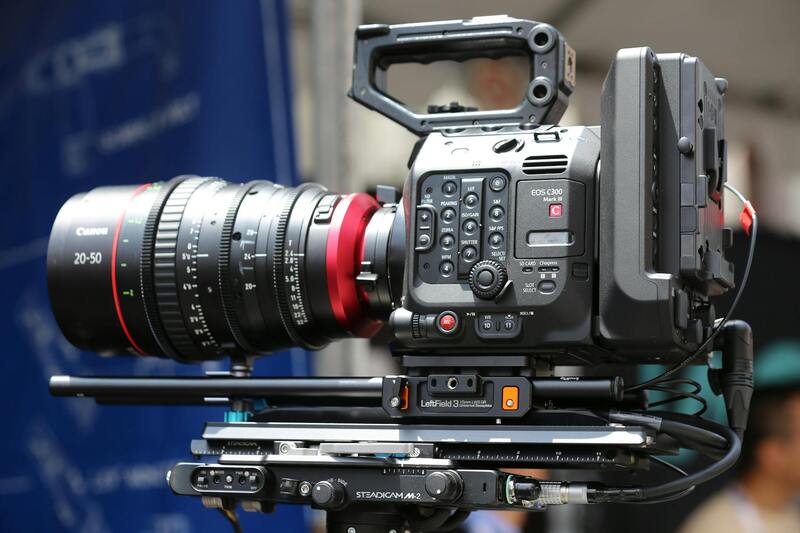
Drone technology has revolutionized how marine environments are documented by enabling aerial footage that captures expansive ocean vistas, busy port activity, or shoreline features from a bird’s-eye perspective. Drones equipped with stabilization systems can efficiently handle windy conditions and maintain smooth flight paths, which is crucial when filming over open water.
In addition to cameras and drones, stabilization technology is vital to counteract the movements caused by water currents and vessel motion. Gyroscopic stabilizers and gimbal systems are utilized to produce steady footage, essential for professional visual presentation. These advancements allow videographers to focus on framing and composition without worrying about camera shake or environmental disturbances.
Other essential tools include high-powered lighting systems for underwater shoots, which compensate for depth-related light attenuation, and remote-controlled camera rigs that facilitate complex shots in hard-to-reach locations. For vessel-based projects, robust mounting brackets and stabilization poles are employed to secure equipment safely on maritime platforms.
Adopting these technical innovations ensures marine video productions meet the standards required for commercial, educational, or promotional projects. The synergy of specialized equipment with skilled operators results in footage that effectively communicates narratives, showcases maritime features, or documents environmental changes with clarity and accuracy.
Advanced Filming Techniques and Visual Storytelling
Executing high-quality marine video production necessitates the application of specialized shooting techniques that can adapt to the unique challenges presented by aquatic environments. One fundamental approach involves strategic planning of camera angles and movements to highlight the dynamic interplay of water, sky, and vessel activity. Use of multi-axis gimbal stabilizers ensures steady footage despite the vessel's motion, which is vital for capturing crisp, professional visuals. These stabilization systems minimize the effects of boat rocking and wave action, allowing operators to focus on precise framing and focus.
In the realm of aerial filming, drones equipped for marine environments are invaluable. They can deliver sweeping shots of harbors, coastal scenes, and open waters, providing viewers with an immersive perspective unattainable through traditional means. When deploying drone technology over water, operators must account for wind conditions, maintaining altitude and position through intelligent flight control systems. Proper calibration of the drone’s camera settings—such as shutter speed, aperture, and ISO—ensures optimal exposure under varying lighting conditions, which is crucial for capturing detailed and vibrant footage.
For underwater sequences, high-definition waterproof cameras capture marine flora and fauna, shipwrecks, or submerged landscapes. Underwater lighting equipment, including powerful LED arrays, compensates for the rapid light attenuation that occurs with depth, revealing intricate details within the aquatic environment. Remote-controlled camera rigs extend the reach into hard-to-access locations, providing angles that would be impossible for human operators.
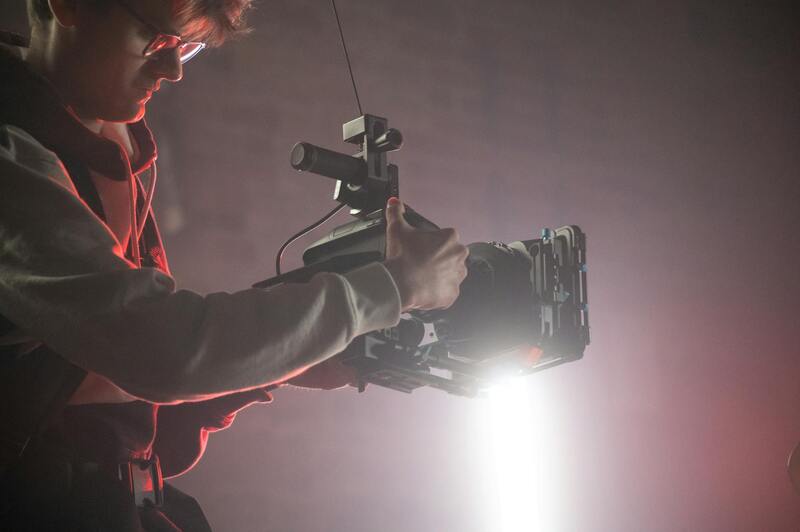
Advanced Techniques for Capturing Marine Footage
To produce compelling marine videos, filmmakers employ specialized techniques tailored to the unique challenges of aquatic environments. One essential approach involves the use of stabilized camera systems, such as gimbal-mounted cameras and remote-operated camera rigs, which help minimize motion blur caused by waves and vessel movement. These systems ensure smooth, professional-quality footage even in tumultuous sea conditions.
Another critical method is the strategic timing of shoots. Many marine videographers plan shoots around specific weather conditions, tidal cycles, and daylight hours to maximize visibility and prevent issues such as backscatter—where particles in water reflect light and degrade image clarity. Conducting thorough weather assessments and tide charts assists in selecting optimal shooting windows, leading to clearer shots with vibrant colors and detailed textures.
Utilizing multi-camera setups also enhances coverage of marine scenes. By deploying underwater and surface cameras simultaneously, creators can capture diverse perspectives—from close-up marine life to wide-angle shots of the vessel navigating through waters. These setups often include waterproof housings and waterproof drones, which provide flexibility and the ability to cover complex scenes from multiple angles.
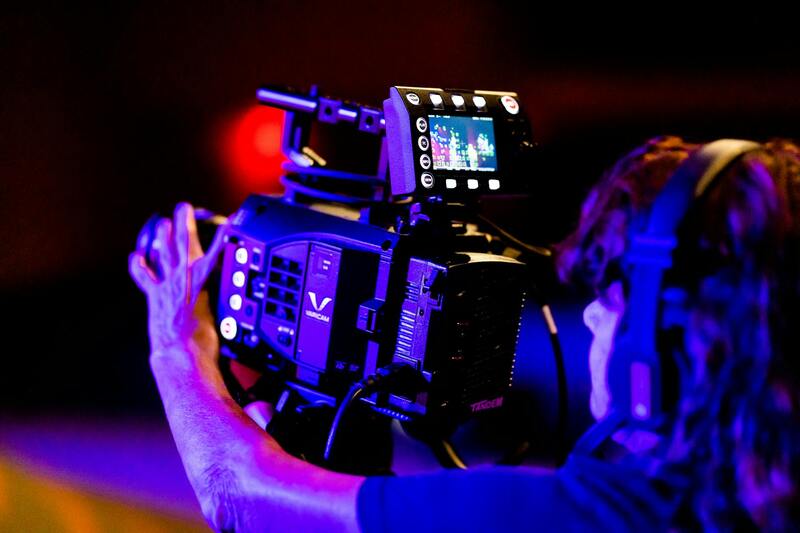
Particularly in filming dynamic marine scenarios—such as moving ships, marine wildlife behaviors, or underwater currents—timing and camera movement coordination are vital. Using remote-controlled stabilization platforms, such as gyro-stabilized rigs, allows filmmakers to follow subjects smoothly regardless of sea motion. This technique ensures the final footage remains steady and visually engaging, effectively conveying the energy and majesty of the marine environment.
Collaborating with Marine and Technical Experts
Successful marine video production often involves close collaboration with marine biologists, oceanographers, and navigational experts. Their insights enrich storytelling precision, helping filmmakers interpret behaviors and environmental conditions accurately. Moreover, working with experienced technicians familiar with marine equipment setup ensures the deployment of gear resilient to corrosion and water exposure, maintaining reliability during lengthy shoots.
Safety and Environmental Considerations
While capturing marine footage, adherence to safety protocols is paramount. This includes ensuring all equipment is securely anchored, maintaining safe distances from marine life, and respecting protected aquatic habitats. Environmental awareness also involves minimizing disturbances to local ecosystems, employing non-intrusive filming methods, and choosing environmentally friendly gear where possible.
Post-Production and Editing for Marine Footage
After the raw footage is collected, the post-production phase begins, focusing on transforming initial recordings into polished, impactful videos. This stage involves meticulous editing workflows tailored to highlight the unique aspects of marine environments. Skilled editors employ specialized software to meticulously assemble scenes, ensuring coherence and a captivating narrative flow that accurately depicts the marine subject matter.
Color correction plays a vital role in marine video production. Due to varying light conditions beneath the water surface, videos often require adjustments to restore natural hues and enhance underwater clarity. Techniques such as contrast enhancement and haze removal are employed to bring out the vibrant colors of marine life and oceanic features, creating an immersive viewing experience.
Sound design is equally crucial, given the acoustic richness of marine ecosystems. Incorporating natural sounds, such as whale calls, water splashes, and ambient ocean noises, alongside voiceovers or narration, adds depth to the footage. High-quality audio editing ensures that these elements are balanced and synchronized, producing a compelling soundscape that complements the visual storytelling.
Modern editing software provides advanced tools for stabilization, noise reduction, and image sharpening, which are especially important when dealing with footage shot in challenging conditions at sea. Additionally, compositing techniques may be used to overlay data visualizations or informational graphics, adding educational value to documentaries or corporate videos. Consistent quality control checks are conducted throughout editing to maintain high standards and ensure the final product accurately and beautifully captures the marine environment.
Once editing is complete, videos often undergo review phases involving marine specialists and stakeholders to verify accuracy and effectiveness. Refinements are made based on feedback, ensuring the finished piece meets the client's objectives and accurately represents the subject matter. The final output is rendered in various formats optimized for different distribution channels, from broadcast broadcasts to online streaming services.
Understanding Marine Video Production
Marine video production encompasses a specialized domain within the broader scope of visual media creation, focusing on capturing the ocean's diverse environments, marine life, maritime activities, and underwater ecosystems. This form of production demands an understanding of both filming techniques and marine science to ensure that content is accurate, compelling, and technically feasible in dynamic and often unpredictable sea conditions. It involves meticulous planning, precise execution, and rigorous post-production processes to produce high-quality footage suitable for educational, commercial, or advocacy purposes.
The Importance of Expertise in Marine Video Production
Professionals engaged in marine video production possess a combination of skills in videography, marine biology, and technical navigation. Their expertise ensures that the footage captured is not only visually appealing but also scientifically accurate. They are adept at working in challenging environments such as open waters, underwater depths, and near-shore regions, using specialized equipment designed to withstand harsh conditions. This expertise supports the creation of content that resonates with audiences while faithfully representing aquatic environments and marine phenomena.
Additionally, a deep understanding of marine ecosystems allows production teams to tailor content for specific goals, whether it’s highlighting the beauty of coral reefs, documenting migratory patterns of marine species, or demonstrating the impact of human activities on ocean health. Such knowledge enhances the credibility of the content and reinforces its educational and persuasive power.
Challenges Unique to Marine Video Production
Producing videos in marine settings presents distinct technical and logistical challenges. Unpredictable weather conditions, fluctuating sea states, and limited visibility underwater require adaptable shooting strategies. Safety considerations are paramount, necessitating trained personnel and proper safety gear for crew members working at sea or underwater. Equipment must be resilient to saltwater corrosion and capable of operating in high-pressure underwater environments.
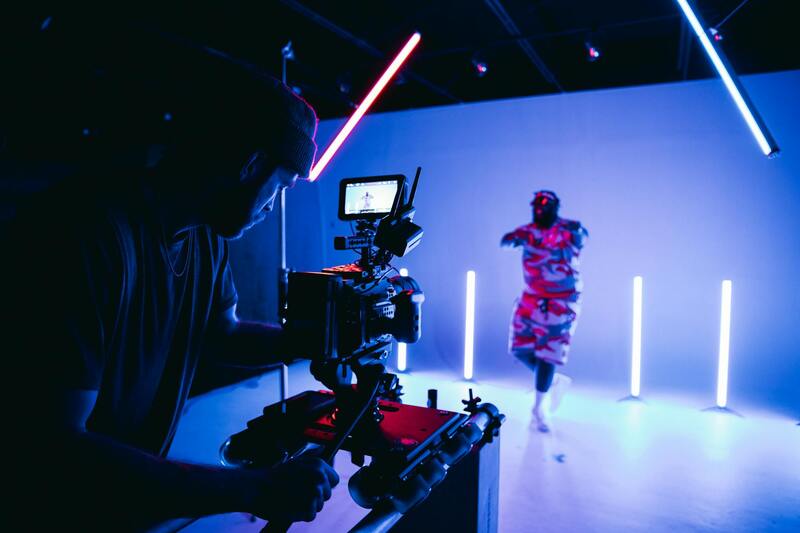
Maintaining Environmental Sensitivity
Content creators must adhere to best practices that promote minimal disturbance to marine habitats. Techniques such as using non-intrusive camera setups, avoiding rapid movements that can stress marine life, and following established marine observation guidelines ensure that the production process supports conservation efforts. This commitment to environmental sensitivity enhances the authenticity and educational value of the footage while respecting the ocean’s delicate balance.
Ensuring Proper Safety and Environmental Protocols
When engaging in marine video production, adherence to rigorous safety and environmental standards is critical. Filming in oceanic environments involves not only technical precision but also a comprehensive understanding of safety practices to protect crew members and participants. This includes training personnel in emergency response protocols, ensuring the availability of safety gear tailored for marine conditions, and establishing clear communication channels for all team members. Proper planning for emergency situations, such as equipment failure or adverse weather changes, minimizes risks and ensures smooth project execution.
Additionally, environmental stewardship must be integrated into every stage of production. Implementing protocols that reduce the impact on marine life and habitats helps maintain ecological balance. Techniques such as employing non-intrusive camera platforms, maintaining a safe observation distance from marine animals, and minimizing underwater noise pollution contribute to sustainable filming practices. These methods demonstrate a commitment to preserving the marine environment while capturing authentic and compelling footage.
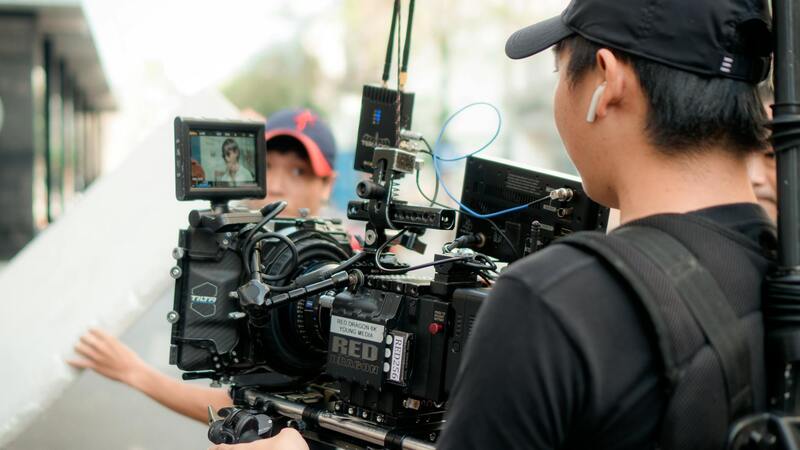
Utilizing Advanced Marine Filming Equipment
Modern marine video production relies on specialized equipment designed to withstand the demanding conditions of marine environments. Stabilized underwater cameras allow for smooth, professional-quality footage despite turbulent water movements and varying visibility. Remote-operated vehicles (ROVs) serve as invaluable tools, enabling filmmakers to reach depths and locations that are otherwise inaccessible or hazardous for human divers. These vehicles are equipped with high-definition cameras, lighting systems, and maneuvering mechanisms to capture detailed shots without disturbing marine ecosystems.
Other essential gear includes waterproof housings for standard cameras, high-capacity battery systems for extended shooting durations, and efficient lighting solutions that compensate for low-light underwater conditions. The use of sonar and GPS positioning systems ensures precise navigation and framing, particularly in complex or dynamic environments. Such advanced technology ensures that every shot aligns with the creative and informational goals of the project, providing clarity and depth to marine narratives.
Collaborating with Experts and Local Authorities
Effective marine video production benefits significantly from partnerships with marine scientists, conservationists, and local authorities. These collaborations enrich the project with scientific credibility, ensure adherence to best practices, and facilitate access to prime filming locations. Specialists can provide valuable insights into marine behaviors, habitat sensitivities, and seasonal patterns, allowing filmmakers to plan shoots that are both impactful and respectful of the environment.
Engaging with local maritime agencies and authorities also streamlines permissions and compliance procedures, reducing delays and ensuring the project's integrity. Additionally, collaboration with experienced divers, marine biologists, and safety personnel enhances operational safety and technical proficiency during filming sessions. Such partnerships contribute to the production's authenticity and elevate its educational significance, making it more compelling and trustworthy for audiences.
Ensuring Compliance with Industry Standards in Marine Video Production
Adhering to established industry standards is crucial for maintaining the quality, safety, and integrity of marine video production projects. This encompasses a broad spectrum of procedures, from meticulous planning and equipment calibration to disciplined operational protocols during filming. Ensuring that all activities align with recognized practices helps mitigate risks associated with working in dynamic marine environments and enhances the overall professionalism of the production team.
One of the key aspects involves comprehensive risk assessments, particularly when deploying specialized equipment in unpredictable conditions. Certification of equipment, regular safety drills, and extensive crew training are fundamental components that contribute to a safe and efficient filming process. These measures ensure that all personnel are prepared for potential challenges, such as adverse weather, strong currents, or equipment malfunctions.
Regulatory compliance is also an integral part of legitimate marine video production. This includes acquiring necessary permissions for underwater filming or drone operations over water bodies, conforming to environmental protection guidelines, and respecting maritime regulations. Such compliance not only ensures legal adherence but also fosters cooperation with local authorities and stakeholders, facilitating smoother project execution.
Implementing strict data management protocols is equally important. Proper handling of captured footage, especially when it involves sensitive ecological locations or proprietary content, maintains the integrity of the project. Secure storage, accurate documentation, and clear data transfer procedures prevent loss or mishandling of valuable footage.
Best Practices for Sustainable Marine Video Production
- Minimize environmental disturbance by planning shoots during appropriate times and using non-intrusive equipment.
- Utilize environmentally friendly materials and disposal methods for all production gear and waste.
- Coordinate with environmental agencies to ensure compliance with habitat protection guidelines.
- Implement eco-friendly transportation and operational methods to reduce carbon footprint.
- Engage with local communities and indigenous groups to promote responsible filming practices that respect cultural and ecological values.
Training and Certification Standards
Personnel involved in marine video production should pursue specialized training to enhance their operational skills and safety awareness. Certifications from recognized maritime or scuba training organizations reinforce the team’s competence in handling underwater and maritime equipment. Continuous education, including workshops on latest technologies and environmental considerations, contributes to maintaining high standards of professionalism in this field.