Understanding Yacht Photography
Yacht photography is a specialized branch of professional photography that captures the grandeur, elegance, and intricate details of luxury yachts. This genre emphasizes showcasing a vessel’s aesthetics, operational features, and the lavish environments they inhabit. It serves multiple purposes, including marketing for yacht builders, promotional content for charter companies, and portfolio enhancement for photographers aiming to specialize in high-end nautical imagery.
Distinct from other professional photography types, yacht photography focuses on a combination of technical precision and artistic vision. It involves capturing the scale, design, and luxurious appeal of yachts while considering the surrounding environment—whether open water, marina settings, or exclusive dockside locations. The goal is to evoke a sense of sophistication and aspiration, enticing potential clients or enthusiasts with compelling visuals.
Key elements that set yacht photography apart include the selection of the right time of day to utilize natural lighting, the angles chosen to accentuate the yacht’s design features, and the precision in post-processing to enhance the final image quality. This art form demands an understanding of boat architecture, lighting conditions, and the technical nuances of outdoor and marine photography, making it a highly specialized skill within professional photography.
Achieving compelling yacht images requires a strategic approach to composition, consideration of environmental lighting, and familiarity with equipment capable of handling the challenging marine environment. Photographers must also be aware of the vessel’s contours and maneuverability to capture dynamic and flattering perspectives. Overall, yacht photography combines technical mastery with creative storytelling to produce images that evoke luxury, adventure, and exclusivity.
Images are crucial in yacht marketing, serving as the first visual impression that can influence purchasing decisions, rental inquiries, or branding efforts. Therefore, understanding the unique attributes and photographic techniques specific to yacht photography is essential for professionals who want to stand out in this elite niche of the industry.
Equipment and Camera Settings for Yacht Photography
Professionals selecting equipment for yacht photography prioritize tools that can withstand the marine environment while delivering exceptional image clarity and detail. High-resolution DSLR and mirrorless cameras with full-frame sensors are preferred because they excel in capturing sharp images with excellent color accuracy, even in challenging lighting conditions typical of outdoor maritime settings.
Wide-angle lenses, generally ranging from 16mm to 35mm, are indispensable for capturing the breadth of the yacht and its surroundings, offering expansive vistas that convey luxury and space. Telephoto lenses, typically 70-200mm, are used to highlight specific design features or to isolate portions of the yacht against scenic backdrops, creating compelling compositions.
To manage the glare and reflections from water surfaces and glass components, polarization filters are employed. These filters also enhance color saturation, making the marina and yacht colors pop. Neutral density filters are valuable when shooting at slower shutter speeds in bright daylight, enabling smooth water effects or dynamic motion blurs to add depth to the images.
Camera settings are calibrated closely to optimize image quality. Using a low ISO setting, typically between 100 and 400, minimizes noise while maintaining detail. Aperture choices depend on the shot; a narrower aperture (f/8 to f/16) ensures a large depth of field for sharpness across the yacht’s length, while a wider aperture (f/2.8 to f/4) isolates specific features against a blurred background.
Shutter speed is adjusted based on the scene—faster speeds (1/500s or higher) freeze motion, ideal for capturing the yacht in action or during dynamic movements. Longer exposures, conducted with a tripod, can produce smooth water effects that evoke calmness or motion blur, adding artistic flair to the images. Proper white balance is set according to the lighting conditions, with daylight settings providing natural color rendition, or custom adjustments for sunrise and sunset shoots.
While technical settings form the foundation, the use of remotes or camera tethering during shooting sessions allows for precise control and immediate review, ensuring each shot aligns with the desired aesthetic and technical standards.
Best Locations and Times for Yacht Photoshoots
To achieve extraordinary yacht photographs, selecting the ideal locations and timing is essential. Miami's vibrant marina districts, including Biscayne Bay and Miami Beach Marina, offer picturesque backdrops with luxurious yachts and stunning skyline views. These locations provide unique perspectives, especially when photographing yachts against iconic Miami sunsets or during golden hour, when the soft, warm light enhances colors and textures.
Optimal angles often involve capturing the yacht from low angles to emphasize its grandeur or from elevated positions to showcase surrounding waters and cityscapes. Strategic positioning ensures the yacht becomes the centerpiece while also capturing reflections and ambient environment.
Timing plays a crucial role in yacht photography. Early mornings and late afternoons yield the most flattering natural light, minimizing harsh shadows and reducing glare on the water. Sunrise shoots can introduce a tranquil ambiance, with soft hues illuminating the yacht's hull and deck, while sunsets add dramatic flair with vibrant skies and reflective water surfaces.
Weather conditions must also be considered; calm waters and stable weather improve shot quality, reducing unwanted reflections or water disturbances. Overcast days can be advantageous, offering diffuse lighting that reduces glare and produces evenly lit images.
Careful planning that incorporates these location and timing factors ensures a portfolio of captivating yacht images that exemplify luxury, movement, and setting, resonating with high-end clientele and prospective clients seeking premium yacht imagery.
Composition and Framing Tips for Yacht Photography
Effective yacht photography hinges on strategic composition and meticulous framing to accentuate the vessel’s grandeur and the surrounding environment. When capturing yachts, consider employing the rule of thirds by positioning key elements such as the yacht, skyline, or horizon along the grid lines, creating a balanced and visually appealing image. This approach helps guide viewers’ eyes naturally across the scene while emphasizing the yacht as the focal point.
Utilizing perspective is crucial in conveying scale and luxury. Shooting from a low vantage point can accentuate the yacht’s impressive length and height, making it appear more dominant within the frame. Conversely, elevated angles from drones or nearby elevated structures can showcase the yacht amidst its environment, revealing marina details, water movement, or neighboring vessels.
Pay attention to the yacht’s lines and curves; framing shots to highlight unique architectural features, deck layouts, or the sleek hull design adds visual interest. Leading lines, such as boat rails or water reflections, can draw attention toward the yacht’s key features, creating depth and dimension.
Incorporate environmental elements thoughtfully. Reflections on calm water surfaces can enhance symmetry, while the inclusion of a vibrant sunset or city skyline provides context and a sense of place. When framing, ensure that horizons are level to maintain a professional appearance, and avoid cutting off essential parts of the yacht unless intentionally employing asymmetry for artistic effect.
Post-Processing Techniques for Yacht Images
Post-processing is integral to elevating yacht photography, enabling adjustments that enhance image clarity, color vibrancy, and overall impact. Begin with a high-resolution RAW file to retain maximum detail and flexibility during editing.
Color correction is vital for capturing the yacht’s true colors and ensuring the water, sky, and yacht hues are balanced. Adjust white balance to correct color temperature, especially when shooting during golden hours or in challenging lighting conditions.
Enhancing contrast and clarity can help define the yacht's contours and make details pop, while sharpening techniques should be applied judiciously to maintain a natural appearance. Reducing noise, particularly in low-light or overcast conditions, further improves image quality.
Reflections can be accentuated or subdued depending on the desired aesthetic. Using graduated filters or selective adjustments allows for nuanced control over exposure levels in different areas of the image, ensuring the yacht remains the focus without distractions.
Landscape and vertical corrections might be necessary to straighten horizons or rectify lens distortions, especially when using wide-angle lenses. Vignetting can be minimized or creatively used to draw viewers’ attention inward.
Choosing Appropriate Lighting and Weather Conditions
Proper lighting is crucial in yacht photography, as it influences the mood, color accuracy, and overall quality of images. Natural light during the golden hours—shortly after sunrise and before sunset—provides soft, warm tones that accentuate the yacht's elegance. Overcast days, with diffused light, can eliminate harsh shadows and produce balanced images, especially useful for capturing intricate details of the vessel. Bright midday sunlight may create high contrast and unwanted reflections; however, it can be utilized creatively to highlight specific features when managed correctly.
Monitoring weather conditions is equally important. Calm waters result in clearer reflections and smoother backgrounds, enhancing the visual appeal of yacht images. Windy or stormy conditions can introduce motion blur and unstable compositions, which often diminish the shot's quality. When planning a photoshoot, it’s advisable to check weather forecasts meticulously and choose days with stable conditions to ensure optimal results.
Utilizing Drone Photography for Elevated Perspectives
Incorporating drones into yacht photography expands creative possibilities by capturing aerial views that showcase the vessel’s size, design, and luxurious surroundings from unique angles. Drone shots are particularly effective in highlighting expansive decks, scenic port settings, or open water environments. They add a dynamic dimension to the portfolio, allowing clients to visualize their yacht within broader landscapes and maritime contexts. Ensuring drone operation complies with local airspace regulations is critical for safe and legitimate use. Skilled pilots with experience in marine environments can execute sophisticated maneuvers, producing stable, high-quality footage and images that stand out in professional presentations.
Specialized Techniques for Interior and Detail Shots
Capturing the intricate details and pristine interiors of a yacht requires specialized approaches. Utilizing wide-angle lenses enables comprehensive views of lounges, cabins, and helm stations, emphasizing spaciousness and craftsmanship. For interior shots, maintaining steadiness is crucial to prevent distortion; tripods or stabilization rigs should be used whenever possible.
- Employ high dynamic range (HDR) techniques to capture both interior brightness levels and exterior views simultaneously, ensuring details are visible across different lighting zones.
- Implement selective focus to highlight specific design elements, such as bespoke furniture, intricate fixtures, or luxurious textures.
- Use diffused lighting sources or reflectors to soften shadows and reduce glare on glossy surfaces and windows.
These methods collectively create compelling images that convey the yacht’s craftsmanship and opulence with an authentic and engaging aesthetic.
Legal and Technical Considerations for Yacht Photography
Executing yacht photography involves a combination of technical expertise and adherence to established protocols that ensure safety, quality, and professional standards. Before initiating any shoot, it is essential to conduct a thorough assessment of the yacht's setup, including its stability and access points, to plan safe and efficient capture strategies. Using the appropriate gear—such as stabilized rigs and weather-resistant accessories—helps optimize image quality while accommodating the maritime environment.
Proper planning includes understanding the yacht’s operations schedule, ensuring that photography sessions harmonize with yacht activities to minimize disruptions and maintain safety. Securing necessary permissions from yacht owners, crew, and, when applicable, maritime authorities, is vital for a smooth process. This ensures that all operational and safety protocols are followed, providing a secure environment for everyone involved.
In terms of equipment, high-quality, weather-appropriate cameras equipped with fast autofocus and versatile lenses—such as wide-angle, telephoto, and zoom lenses—are typically employed. These tools enable capturing detailed footage and scenic vistas without compromising on clarity or composition. Employing filters like polarizers can reduce glare and reflections on glossy surfaces, enhancing image crispness.
Maintaining control over exposure and color balance during shoots is critical to producing vibrant, true-to-life images. Techniques such as bracketing and HDR imaging help manage contrasting lighting conditions, especially when shooting interiors with large windows or exterior scenes under varying sunlight. Additionally, managing reflections and glare through angle adjustments or specialized filters can significantly improve the image quality.
Post-session, careful review of shots allows for selecting the best compositions and addressing any technical issues, such as distortions or exposure inconsistencies. This process is critical to delivering polished images that meet high professional standards.
Understanding and respecting maritime operations and safety regulations not only fosters trust with clients but also safeguards the integrity of the photography process. Using officially sanctioned equipment, following onboard safety practices, and coordinating with yacht crew are essential steps that contribute to a successful and responsible yacht photography campaign.
Legal and Technical Considerations in Yacht Photography
Executing a successful yacht photography session requires meticulous attention to various operational protocols that ensure both safety and high-quality output. One of the critical aspects involves understanding the required permits and the necessary documentation for shooting in specific maritime locations. Securing these permissions in advance facilitates a seamless experience, avoiding interruptions or legal complications during the shoot.
Another essential factor pertains to adherence to safety procedures onboard. The dynamic environment of a yacht, with its moving decks and exposed surfaces, necessitates strict safety measures. Photographers should coordinate with the crew to implement safety protocols, such as harnesses or non-slip footwear, especially when working in elevated or slippery areas.
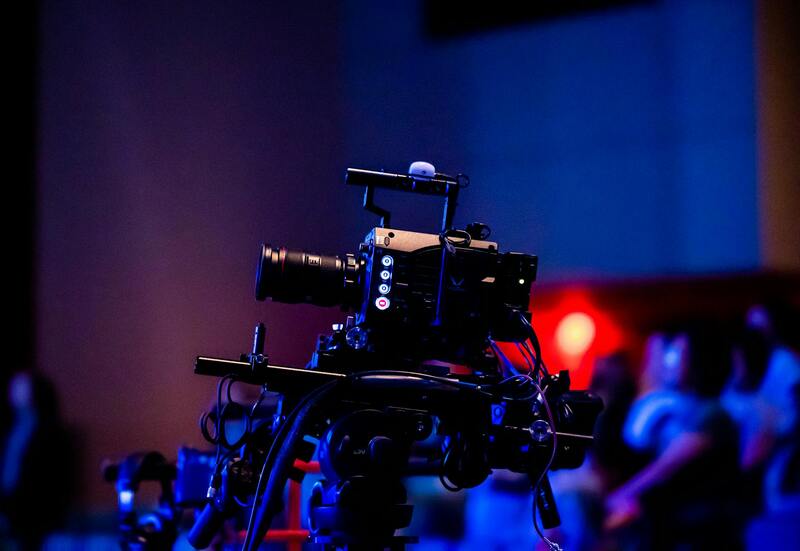
Technical challenges are also a significant consideration. Variability in lighting conditions, especially with reflections from water surfaces, demands advanced camera settings and techniques. Using polarization filters can effectively manage glare and reflections on glossy yacht surfaces, which helps in capturing crisp, detailed images. Additionally, the use of high dynamic range (HDR) imaging allows for balancing exposure between the bright sky and shaded areas of the yacht, ensuring every detail is appropriately captured.
Maintaining equipment reliability in maritime conditions is crucial. Weatherproof gear protects against humidity, salt spray, and sudden changes in weather — all common in seafaring environments. Regular maintenance and proper storage of equipment prevent corrosion and ensure operational readiness for the next shoot.
Communication with the yacht crew beforehand enhances the safety and effectiveness of the shoot. Establishing clear boundaries and procedures inhibits accidental damage to the vessel or interference with operations. Confirming the availability of power sources, lighting options, and access points further streamlines the setup process.
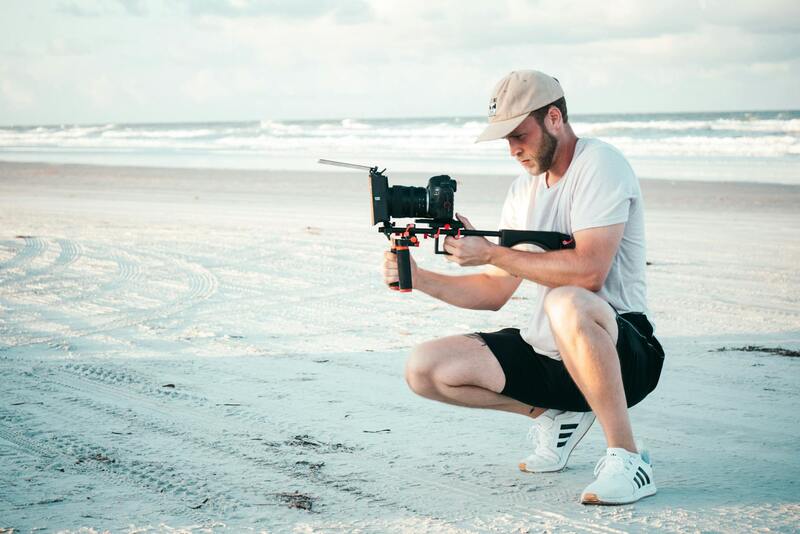
By remaining vigilant about these technical and operational considerations, yacht photographers can deliver stunning images while maintaining a secure environment onboard. This disciplined approach builds trust with clients and crew, fostering professional relationships that benefit future projects.
Legal and Technical Considerations in Yacht Photography
Executing professional yacht photography involves a thorough understanding of various technical standards and operational protocols to ensure both image quality and safety. Precision in camera equipment choice and settings plays a pivotal role in capturing the luxurious essence of yachts while adapting to the maritime environment’s unique challenges. Equipment must be selected for durability and suitability to marine conditions, including weather-sealed cameras, sturdy tripods, and specialized lenses that can handle reflections and high contrast scenes effectively.
When capturing images on or around boats, using filters such as circular polarizers becomes invaluable. These filters reduce glare on water surfaces and reflective yacht surfaces, allowing photographers to access clearer, more vibrant images of the vessel’s details and surroundings. Adjusting camera settings for optimal exposure involves balancing ISO, aperture, and shutter speed to prevent overexposure of reflective surfaces and ensure crisp details. High dynamic range (HDR) techniques further assist in managing scenes with extreme contrast, such as bright skies and shaded deck areas.
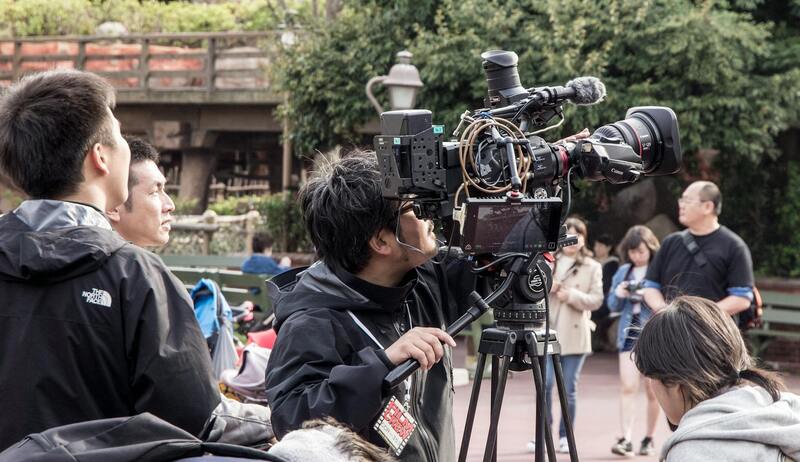
Maintaining equipment integrity in a maritime setting requires diligent care and protection measures. Salt spray, humidity, and rapid weather changes pose significant risks to camera gear. Weatherproof housings and protective covers are recommended to safeguard sensitive components. Cleaning and inspecting equipment regularly, especially after exposure to salt and moisture, extend longevity and keep gear in optimal condition.
Operational safety and efficiency during a yacht shoot depend on comprehensive planning and coordination with the vessel’s crew. Pre-shoot preparations include confirming accessible power sources, lighting options, and designated shooting areas that do not interfere with vessel operations. Clear communication helps prevent accidental damage to the yacht and ensures that the shoot proceeds smoothly. Establishing routines for equipment setup, safety boundaries, and emergency procedures further contribute to a secure and productive environment.
Technical Standards and Equipment Safety
- Use weathersealed cameras and lenses suited for marine environments.
- Deploy polarizing filters to manage reflections and glare effectively.
- Utilize HDR techniques to balance exposure across high-contrast scenes.
- Protect gear with weatherproof covers and maintain cleanliness to prevent corrosion.
- Coordinate with crew regarding access points and operational safety measures.
By adhering to these disciplined technical protocols, yacht photographers can deliver stunning, professional imagery that highlights the vessel’s luxury and craftsmanship. The combination of advanced equipment, meticulous planning, and safety awareness ensures that each shoot not only meets high visual standards but also aligns with operational best practices on the water.