Overview of Marine Photo Production
Marine photo production has become an essential element within the maritime and Miami entertainment industries, serving a broad spectrum of clients from commercial enterprises to marketing agencies. This specialized field involves capturing high-quality images of ships, boats, aquatic environments, and marine activities, which are crucial for advertising campaigns, promotional materials, training manuals, and documentary projects. The primary purpose of marine photo production is to visually communicate the power, elegance, and complexity of marine vessels and ecosystems, ensuring that the imagery aligns with clients’ branding and strategic objectives.
The significance of marine photography within Miami’s bustling coastal region cannot be overstated. As one of the most prominent maritime hubs in the United States, Miami offers a vibrant backdrop for producing compelling marine imagery. Its extensive coastline, diverse marine life, and active shipping lanes provide a dynamic environment for detailed and impactful photo shoots. Additionally, Miami’s thriving tourism and luxury yacht industries create a continuous demand for high-quality visuals, making marine photo production a vital component of the local economy.
Professional marine photo production requires meticulous planning, an understanding of maritime safety protocols, and expert navigation of the unique challenges posed by marine environments. From capturing the shimmering reflections of vessels at sunrise to documenting complex marine operations, this discipline demands technical proficiency, artistic sensibility, and adherence to industry standards.
Regarding the scope of marine photo production in Miami, it encompasses various formats, including still photography, underwater imaging, aerial drone shots, and 360-degree virtual tours. Each format serves specific needs, whether showcasing a luxury yacht’s interior, illustrating marine safety procedures, or creating immersive experiences for prospective clients.
Equipment and techniques employed in marine photo production are tailored to withstand harsh environmental conditions like saltwater corrosion, wind, and variable lighting. Advanced camera systems, stabilization gear, waterproof housings, and drone technology are integral to capturing pristine images in these settings. Skilled professionals also leverage specialized techniques such as timed exposure, high dynamic range (HDR) imaging, and panoramic stitching, to produce visually striking and technically accurate images.
The industry’s evolution in Miami reflects a growing focus on high-resolution imagery and immersive digital experiences, which further emphasizes the importance of specialized production methods. As marine photo production continues to evolve, professionals must stay updated with technological advancements and adhere to rigorous safety and quality standards to meet the high expectations of their clientele.
Key Equipment and Techniques
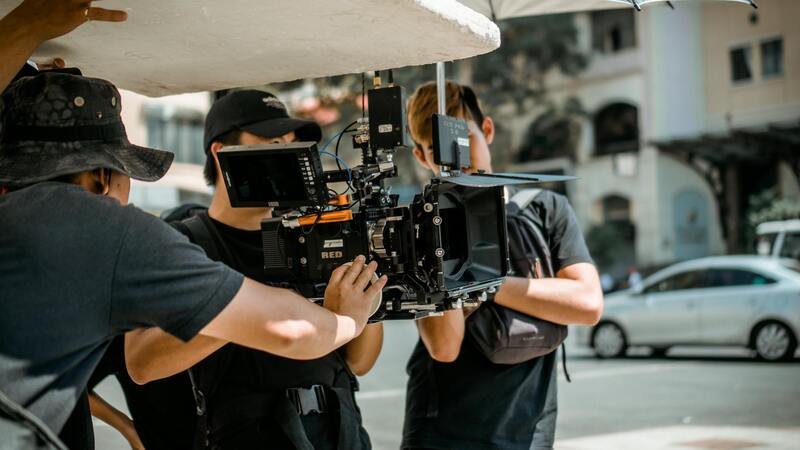
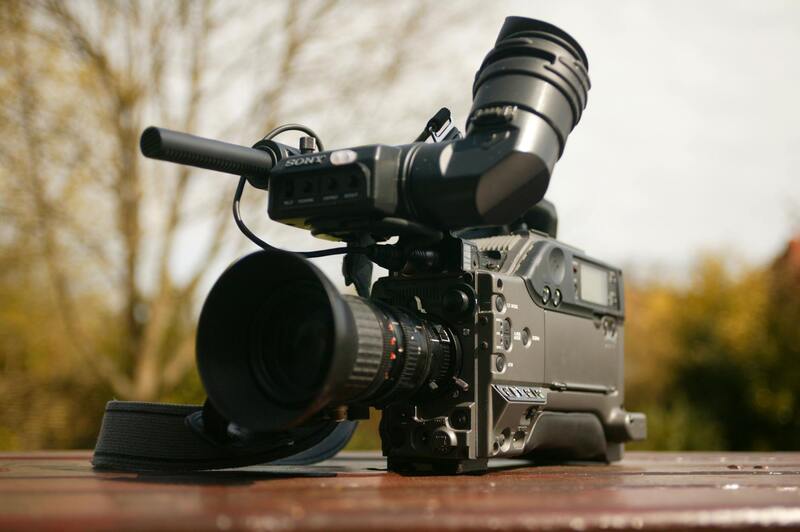
Successful marine photo production hinges on the deployment of advanced equipment and refined techniques specifically designed for maritime environments. Photographers and videographers rely on high-quality cameras with weatherproof and waterproof housings that can withstand corrosive saltwater, high humidity, and outdoor elements. Professional-grade DSLR and mirrorless cameras fitted with wide-angle and telephoto lenses are standard, allowing for versatile framing of both broad ocean vistas and detailed vessel features.
Stabilization systems such as gimbals, tripods, and drone stabilizers ensure smooth footage even in turbulent conditions. Underwater imaging necessitates specialized waterproof housings and lighting solutions to compensate for limited natural light and color attenuation underwater. Underwater LED lights, strobes, and filters play vital roles in capturing vibrant, color-accurate images beneath the surface.
Drone technology has become indispensable in marine photo production for capturing expansive aerial shots and dynamic videos from perspectives inaccessible to traditional camera setups. Drones equipped with high-resolution cameras and GPS stabilization enable the creation of detailed aerial imagery and virtual tours that showcase the full scale of yachts or marine landscapes.
In addition to equipment, sophisticated shooting techniques enhance image quality and visual impact. HDR imaging combines multiple exposures to balance light and shadow, crucial in scenes with high contrast — such as sunlight glinting off yacht surfaces. Timed exposures capture smooth reflections on the water or motion blur effects for artistic expression. Panoramic stitching compiles multiple images into seamless wide-angle visuals, offering immersive views of expansive marine environments.
Planning and Pre-Production Processes
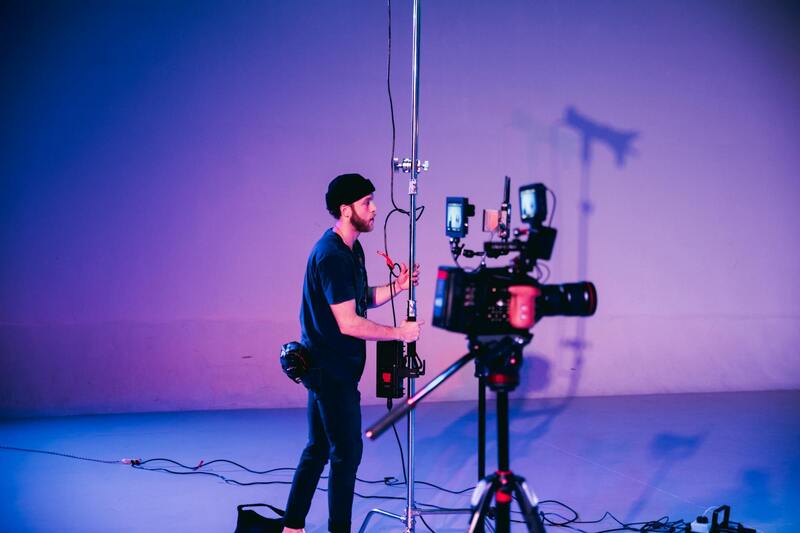
Preparation is fundamental to achieving consistent, high-quality results in marine photography. Pre-production involves comprehensive planning that considers weather forecasts, lighting conditions, tide schedules, and safety protocols. Photographers collaborate with vessel operators, clients, and on-site teams to define objectives, select the appropriate equipment, and develop detailed shot lists tailored to the specific marine environment.
Location scouting is often conducted prior to the shoot to identify optimal angles, lighting, and backgrounds, ensuring that the environment complements the visual narrative. Permits and permissions for certain maritime areas or protected wildlife sites may also be obtained as part of diligent planning, aligning with operational standards.
For underwater shoots, pre-dive assessments include checking equipment functionality and safety briefing all personnel involved. Pre-visualization tools, such as storyboards or mood boards, help articulate the intended aesthetic and technical approach, streamlining on-site execution.
Key Equipment and Techniques
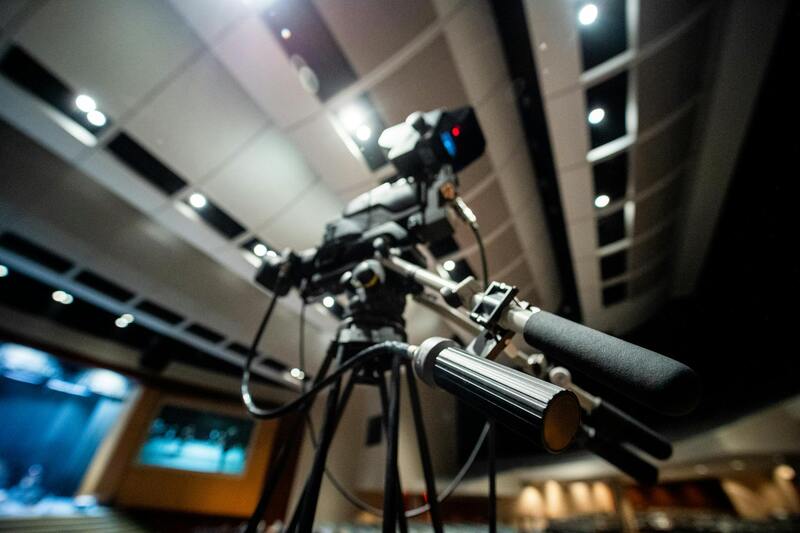
Successful marine photo production hinges on the deployment of specialized equipment and advanced photographic techniques designed to withstand the challenging marine environment. The cornerstone of this setup is high-quality waterproof camera systems capable of capturing sharp, detailed images in wet and unpredictable conditions. These cameras often feature rugged, sealed housings that prevent water ingress while maintaining optimal image clarity.
In addition to waterproof cameras, drone technology has become integral to marine photography. Unmanned aerial vehicles (UAVs) equipped with high-resolution cameras allow for unprecedented viewpoints, aerial shots of vast ocean landscapes, and dynamic compositions that would be difficult to achieve from the water. Drones offer flexibility and rapid deployment, making them invaluable for capturing transient marine phenomena.
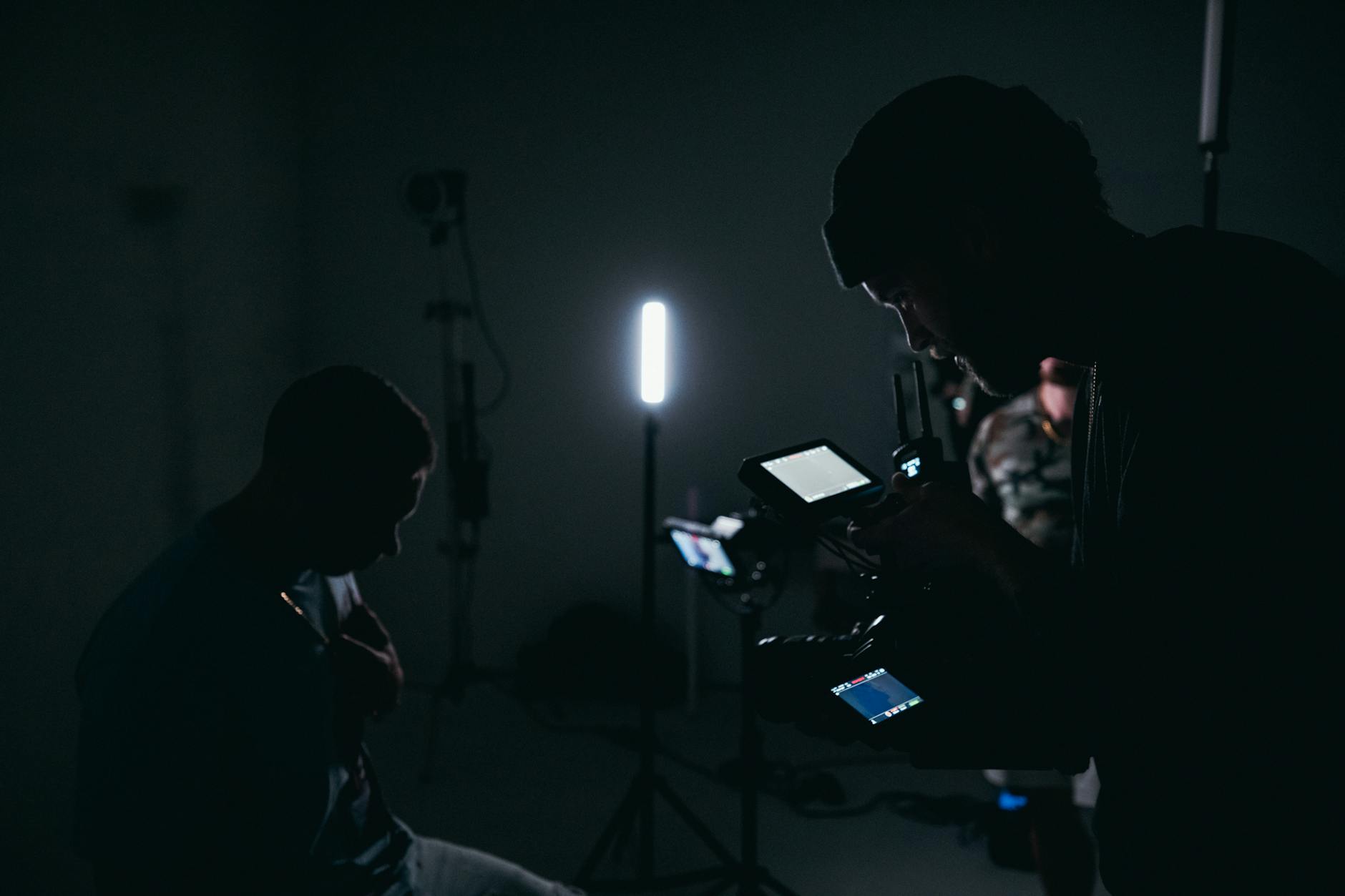
Stabilization tools, such as gimbals and underwater rigs, are essential to achieve steady shots amid movement caused by waves or currents. Gimbals help maintain camera stability during handheld shooting, while underwater stabilization systems ensure clarity and minimize motion blur beneath the surface.
Technical mastery of techniques like long-exposure photography can reveal motion and light trails, capturing the fluid dynamics of waves and water surfaces. Underwater photography often employs macro lenses to detail marine life or wide-angle lenses for expansive seascapes, each requiring precise focus and lighting adjustments.
Using polarized filters helps reduce glare and enhances color saturation when photographing through water or in reflective environments. Additionally, visual storytelling is enhanced through techniques such as high dynamic range (HDR) imaging, which combines multiple exposures to balance exposure differences between highlights and shadows.
Types of Marine Photography Services
Marine photo production encompasses a diverse range of specialized services that cater to varied client needs, from commercial ventures to artistic projects. These services are meticulously tailored to capture the unique beauty, dynamic movements, and intricate details of marine environments. Among the most prominent services are underwater photography, aerial marine imaging, and on-deck promotional shoots.
Underwater photography involves capturing marine life, submerged landscapes, and underwater activities with high-resolution cameras. This service demands specialized equipment such as waterproof housings, macro lenses for detailed shots of marine creatures, and powerful lighting systems that compensate for the absorption of natural light underwater. Underwater images are often used for scientific documentation, marine conservation campaigns, and commercial marketing for products related to diving, snorkeling, or marine tourism.
Aerial marine imaging, frequently performed using drone technology, offers expansive views of coastlines, ships, and marine ecosystems. These shots provide valuable perspectives for environmental monitoring, marine navigation, and promotional content. Drone operators must adhere to specific flight regulations, employing stabilization gear and high-quality imaging sensors to ensure crisp, stable footage even in challenging weather conditions.
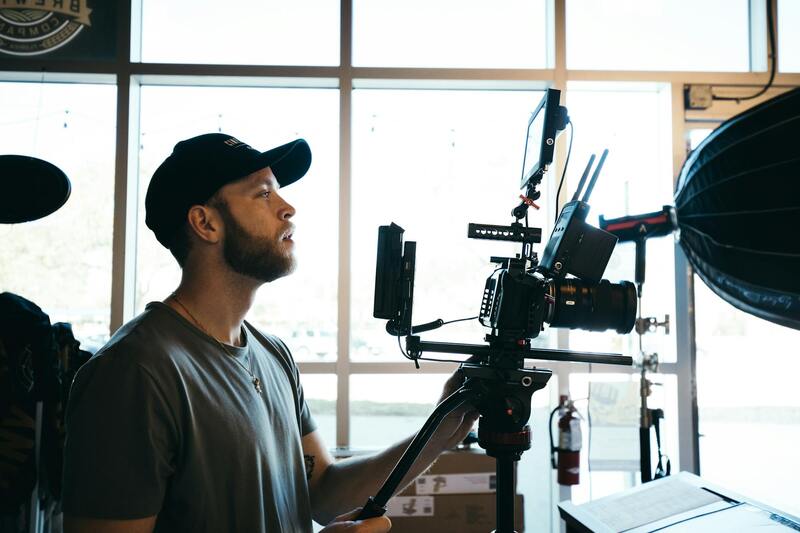
On-deck and promotional marine shoots focus on vessel branding, luxury yacht marketing, and capturing marine-related events or competitions. These productions require not only sophisticated camera setups but also an understanding of maritime safety protocols and optimal timing for lighting and sea conditions. Skilled crew members coordinate efforts to achieve flawless shots that highlight the aesthetics and power of marine vessels, often integrating motion stabilization and high-speed filming techniques.
Commercial projects, including advertising campaigns, often demand a combination of these services to tell compelling visual stories. For instance, a promotional video for a luxury yacht might blend aerial shots displaying the vessel’s exterior, underwater footage showcasing marine exploration, and on-deck shots emphasizing design and luxury features. The comprehensive approach ensures the message resonates effectively with target audiences, aligning with strategic marketing objectives.
Similarly, environmental agencies utilize marine photo production to document marine biodiversity and habitat conditions. These images play a crucial role in policy advocacy, public awareness campaigns, and scientific research. By employing high-quality imagery across various formats and channels, organizations can communicate complex ecological messages with clarity, impact, and authenticity.
Ultimately, the spectrum of marine photography services is driven by a combination of technical expertise and creative vision. Professionals in this field leverage advanced equipment, innovative techniques, and strategic planning to deliver images that are not only visually stunning but also rich in informational value. Whether capturing the fleeting beauty of a sunrise over the water, documenting the intricate behaviors of marine life, or showcasing the majesty of oceanic landscapes, marine photo production stands as a vital tool for communication, research, and promotion within the maritime industry.
On-Location Marine Photo Shoots
Executing on-location marine photo shoots requires meticulous planning and a thorough understanding of the unique challenges posed by oceanic environments. Photographers and production teams often work on boats, docks, or directly in open water, necessitating durable equipment and adaptable strategies to address fluctuating light, weather conditions, and water movement. Ensuring safety is paramount; crew members adhere to strict protocols to mitigate risks associated with maritime settings, including swift emergency response plans and safety gear tailored for marine contexts.
Lighting conditions tend to vary significantly in marine environments, influenced by the time of day, weather, and water clarity. Golden hours, early mornings, and late afternoons provide ideal natural lighting, highlighting the waterscape’s vibrant colors and reflections. When sunlight is insufficient or inconsistent, professional lighting equipment, such as waterproof LED panels and portable reflectors, can enhance image quality without disturbing sensitive marine habitats.
Environmental factors like wind, waves, and marine life activity demand flexibility from the crew. Photographers often employ stabilization gear, such as gimbals and mounts, to counteract vessel movement and achieve sharp, well-composed shots. Drones are increasingly utilized for aerial perspectives, offering expansive views of marine landscapes and fleets, though operation requires expertise to ensure safety and adherence to maritime standards.
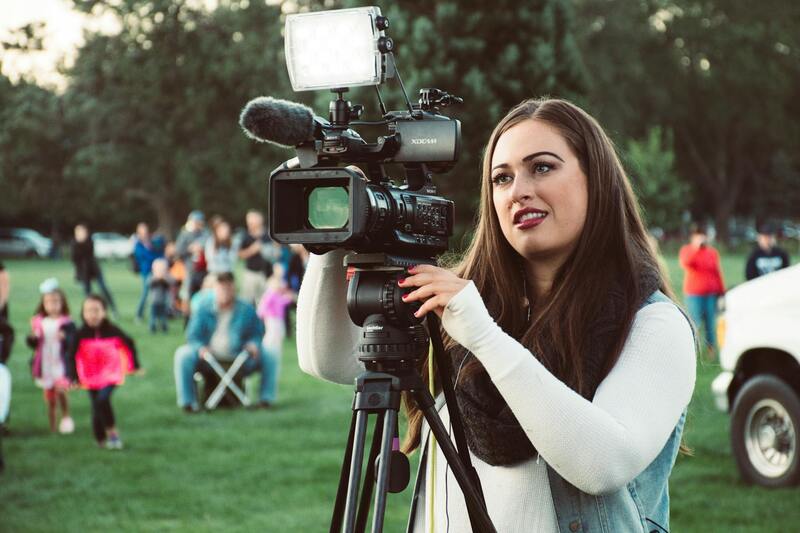
The choice of lenses and camera settings adapts to specific objectives, whether focusing on marine wildlife, landscapes, or detailed close-ups of watercraft. Macro lenses can reveal intricate textures of aquatic organisms, while wide-angle or telephoto lenses capture expansive seascapes and distant vessels. Proper pre-configuration of camera parameters ensures consistency across shots, especially important when working in variable lighting scenarios.
In addition to technical expertise, the success of on-location marine shoots often hinges on environmental consciousness. Production teams prioritize minimal disturbance to marine ecosystems, respecting guidelines for wildlife interaction and habitat conservation. This responsible approach not only safeguards the natural environment but also enhances the authenticity and credibility of the imagery produced.
Overall, on-location marine photography demands a harmonious blend of technical skill, environmental awareness, and adaptable planning. When executed precisely, it results in compelling visuals that encapsulate the grandeur and intricacies of the marine world, serving diverse purposes from commercial branding to scientific documentation.
Official Methods and Best Practices in Marine Photo Production
Engaging in marine photo production requires adherence to established procedures that ensure the safety of personnel and the preservation of marine environments while achieving high-quality imagery. Professional projects typically involve the use of licensed vessels operated by experienced captains familiar with local maritime regulations. Prior to any shoot, detailed planning includes securing permits, coordinating with relevant authorities, and obtaining necessary clearances, especially in protected or sensitive areas.
Surveying the chosen location in advance allows the production team to assess environmental conditions, lighting, and potential hazards. This preparation helps in selecting appropriate times for shooting, such as during specific tidal or weather conditions, to optimize visibility and safety. Using official maritime routes and designated zones minimizes interference with marine traffic and wildlife, ensuring responsible engagement with the environment.
Utilizing Certified Equipment and Compliance Protocols
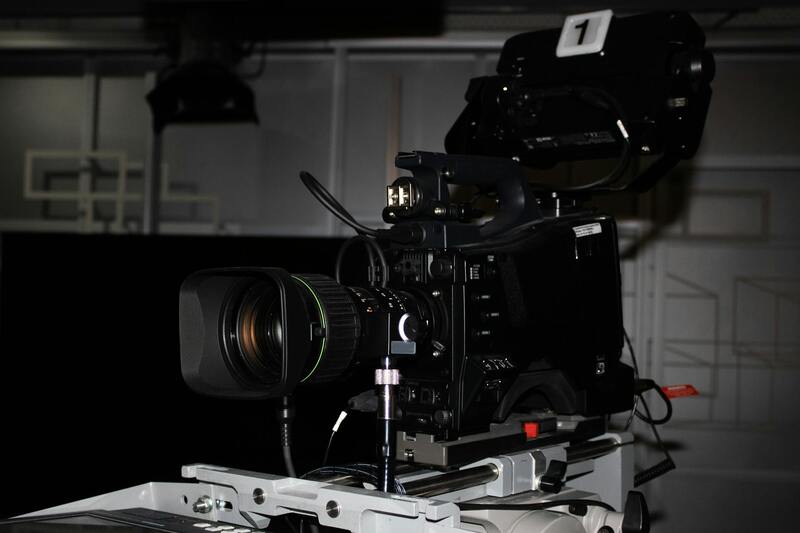
Professionals in marine photo production rely on certified equipment designed for harsh aquatic conditions. Waterproof housings, anti-corrosion gear, and stabilized platforms help maintain camera integrity and image stability during operations. Certification ensures that all gear complies with safety standards, reducing risks at sea.
Operational protocols include crew training on safety procedures, emergency response plans, and environmental conservation measures. During shoots, adherence to maritime best practices — such as maintaining safe distances from wildlife, avoiding disturbance to marine habitats, and avoiding refueling or waste disposal in sensitive areas — is strictly observed. These measures uphold the standards of responsible marine production and contribute to the authenticity of the captured visuals.
Documentation and Record-Keeping
All activities and compliance measures are documented meticulously. This documentation may include permits, environmental assessments, safety checklists, and operational records. Maintaining thorough records not only demonstrates adherence to regulatory standards but also facilitates smooth project execution and accreditation.
Coordination with Local Authorities and Environmental Agencies
Collaborating with appropriate agencies ensures that the project aligns with regional water management, conservation policies, and maritime safety regulations. Formal communication and compliance checks help prevent infringements and support sustainable marine photo production practices.
Proper licensing and approvals are obtained through official channels, which often requires submitting detailed project proposals, safety plans, and environmental impact assessments. Engaging with these entities fosters transparency and aligns all activities with existing legal frameworks, ultimately enabling a seamless production process that respects marine ecosystems and regulatory mandates.
Implementation of Safety and Environmental Protocols
Safety measures are embedded into every stage of marine photo production. This includes conducting risk assessments, equipping staff with safety gear, and establishing clear communication protocols for emergency situations. Environmental protocols involve minimizing underwater noise, avoiding habitat disruption, and respecting wildlife protection guidelines.
These practices ensure that marine photo endeavors uphold professional standards and contribute positively to conservation efforts while enabling access to stunning marine visuals through legitimate means.
Industry Standards and Best Practices in Miami
Marine photo production in Miami is governed by a robust framework of industry standards and best practices that prioritize safety, environmental responsibility, and professionalism. Given Miami’s prominent status as a hub for maritime activities and its vibrant marine ecosystems, adhering to these standards helps ensure that production activities are conducted sustainably and ethically.
One fundamental aspect of these standards involves comprehensive risk management strategies. Producing teams are required to conduct detailed risk assessments prior to any on-location shoot. This includes evaluating water conditions, weather forecasts, and potential hazards posed by marine traffic or environmental sensitivities. Utilizing safety gear such as life vests, harnesses, and communication devices is mandatory to protect personnel during marine operations.
Environmental stewardship plays a crucial role in marine photo projects. Professionals are expected to employ methods that minimize disturbance to marine life and habitats. This involves avoiding the use of intrusive equipment, reducing underwater noise pollution, and respecting protected areas and wildlife habitats. Employing eco-friendly propulsion systems and cameras with minimal electromagnetic interference further aligns with responsible practices.
Permitting procedures constitute a significant component of the operational standards. Strict adherence to local and regional regulations is essential when obtaining permits for marine photography shoots. This process usually involves submitting detailed project proposals, environmental impact assessments, and safety plans to relevant authorities. These agencies analyze each project’s potential ecological footprint, ensuring adherence to water management policies and habitat protection mandates.
Collaboration with Miami’s maritime authorities and environmental agencies facilitates smooth operations and ensures compliance with established protocols. Regular communication and documentation help preempt potential conflicts or disruptions, safeguarding both the project’s integrity and the surrounding marine environment. Ethical considerations also extend to respecting maritime traffic lanes and avoiding interference with commercial or recreational vessels.
In addition, professional standards require ongoing training and certification for all team members involved in marine photo production. Certified boat operators, safety officers, and environmental officers contribute to maintaining high safety standards and compliance. Use of quality assurance checklists and post-activity reviews ensures continuous improvement and alignment with current best practices.
In summary, Miami’s marine photo production scene maintains its reputation through rigorous adherence to safety protocols, environmental guidelines, and operational transparency. By integrating these standards into every aspect of production, crews can deliver stunning visuals that reflect the city’s vibrant marine life without compromising ecological health.
Maintaining the delicate balance between capturing captivating images and preserving the integrity of marine ecosystems is paramount. Professionals in the field demonstrate their dedication through meticulous planning, responsible execution, and respectful interaction with the marine environment, ensuring that every project contributes positively to Miami’s maritime heritage and ongoing conservation efforts.
Advanced Techniques in Marine Photo Production
Achieving exceptional results in marine photo production requires mastery of a variety of advanced techniques that accommodate the dynamic marine environment. Professionals utilize multi-layered lighting strategies, including natural sunlight optimization and supplementary artificial lighting to enhance underwater and surface shots. High dynamic range (HDR) imaging allows photographers to capture scenes with a broad spectrum of light intensities, ensuring that details in both shadows and highlights are preserved. Moreover, specialized filters such as polarization filters help reduce reflections on water surfaces, enabling clearer images of marine animals and underwater landscapes.
Use of remote-controlled camera rigs and drone technology has revolutionized marine photography. These tools facilitate aerial and hard-to-reach shots without disturbing marine life or vessel operators. Underwater drone cameras are particularly valuable for capturing close-up images of marine species and ecosystems while maintaining safety and environmental integrity. When deploying such equipment, careful attention is given to minimizing noise pollution and avoiding disruption of natural behaviors in marine animals.
Color Correction and High-Resolution Imaging
Post-shoot image processing plays a crucial role in marine photo production. Color correction techniques are used to restore natural hues lost due to water absorption and scattering. High-resolution imaging ensures that fine details are retained, which is essential for scientific documentation, advertising, and high-end commercial projects. Skilled editors leverage advanced software to remove visual noise, sharpen images, and balance color profiles, resulting in visually compelling and scientifically accurate representations of marine environments.
Delivery and Archiving Standards
Ensuring the proper delivery and archiving of marine photographs is a fundamental aspect of professional production. High-quality digital files must adhere to strict resolution and format standards suitable for diverse applications. Proper cataloging and metadata inclusion facilitate efficient retrieval and long-term preservation, making future access seamless. Implementing secure storage solutions, such as cloud-based archives with redundant backups, guarantees that valuable marine imagery remains protected against data loss.
Compliance with Industry Protocols
- Utilization of standardized file formats suitable for both digital and print media.
- Adherence to project-specific color profiles and resolution requirements.
- Comprehensive metadata documentation for easy identification and licensing.
- Regular backups and security measures to prevent data corruption or breach.
Collaborative Efforts and Multidisciplinary Approaches
Successful marine photo production often involves collaboration among diverse experts, including marine biologists, environmental scientists, and maritime safety professionals. These partnerships ensure that images are captured responsibly and accurately, reflecting both artistic intent and scientific accuracy. Cross-disciplinary workflows facilitate better planning, risk assessment, and environmental stewardship, resulting in images that serve multiple purposes—from educational to promotional.
Throughout the project, clear communication and documentation between all parties are essential to maintain continuity and meet shared objectives. This structured approach also helps in achieving compliance with industry standards and environmental guidelines, ensuring that every project upholds the highest professional integrity while delivering stunning marine visuals.