Understanding Timelapse Videos
Timelapse videos have become a popular method for capturing and showcasing the passage of time in a condensed visual format. Unlike traditional videos that record footage frame by frame at standard speeds, timelapse videos involve capturing a series of photographs at set intervals over an extended period. When these images are played back at normal video speeds, the viewer perceives a dramatic acceleration of time, revealing changes in the environment, crowd movement, weather patterns, or urban development with remarkable clarity.
This technique offers a unique perspective, transforming lengthy processes into captivating visual stories. For example, a sunrise, a construction project, or traffic flow can be documented over hours or days and condensed into a few seconds or minutes, making it easier to analyze progress, observe natural phenomena, or highlight the dynamic character of a specific location.
Timelapse videos typically exhibit specific characteristics that distinguish them from standard videos. These include a high level of temporal detail, which allows viewers to perceive subtle changes over time, and often a dramatic or artistic flair due to the magnified perception of motion. This visual effect is achieved through meticulous planning, precise camera settings, and consistent framing to ensure a smooth and compelling playback experience.
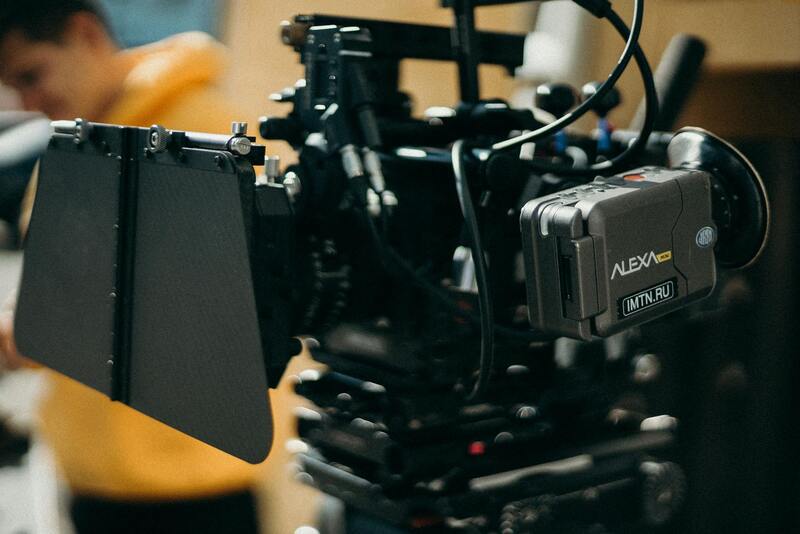
Creators often employ specialized equipment to facilitate stable and high-quality recordings, minimizing jitter or exposure inconsistencies. The resulting content can be utilized for various objectives, ranging from documentary storytelling and marketing campaigns to environmental monitoring or educational purposes. Through the careful combination of technical expertise and creative vision, timelapse videos serve as powerful tools for illustrating the rapid evolution of scenes, landscapes, and cityscapes.
Planning a Timelapse Video Project
Effective planning is essential for producing a high-quality timelapse video that captures the desired scene authentically and compellingly. This process begins with clearly defining the purpose of the project, whether it’s documenting urban development, showcasing a cultural event, or highlighting natural landscapes. Once objectives are established, selecting an appropriate location requires careful consideration of the scene’s visual interest, lighting conditions, and any potential obstructions that could interfere with the shot. Creating a shot list or storyboard can help organize the sequence and determine the duration of the timelapse, which directly impacts the number of frames needed. Timing is crucial—deciding the best time of day, weather conditions, and specific moments to capture can dramatically influence the final outcome. In Miami, for instance, shooting during the golden hour can imbue the footage with warm hues and visual depth that highlight the city's vibrant atmosphere. Additionally, a detailed schedule should be prepared to account for factors like weather changes, sunset and sunrise times, and any required permits or approvals. Planning also involves considering power supplies, storage capacity, and potential backup solutions, especially for lengthy shoots. Collaboration with local authorities or property owners ensures access and reduces the risk of interruptions, resulting in a seamless filming process. Below is a checklist to guide your project planning:
- Define the main objective and story arc.
- Scout and select optimal locations in Miami, considering visual and logistical factors.
- Determine the shooting duration and daily schedule.
- Obtain necessary permits or permissions in advance.
- Plan for equipment needs, power sources, and data management.
- Coordinate with team members or crew if applicable.
- Create a detailed shot list and timeline.
- Monitor weather conditions regularly leading up to the shoot.
Thorough preparation ensures that every aspect of the timelapse shoot aligns with the project's goals and environmental considerations, resulting in high-impact visual content that can be used effectively across various media channels.
Optimal Equipment for Capturing Timelapse Videos
Choosing the right equipment is crucial for producing high-quality timelapse videos that meet professional standards. Modern digital cameras, including DSLR and mirrorless models, are equipped with features specifically designed for timelapse shooting, such as intervalometers and customizable shutter controls. When selecting a camera, prioritize models that offer high-resolution sensors, manual control over exposure, focus, and white balance, and the ability to shoot in RAW format. These features ensure flexibility in post-production and allow for superior image quality.
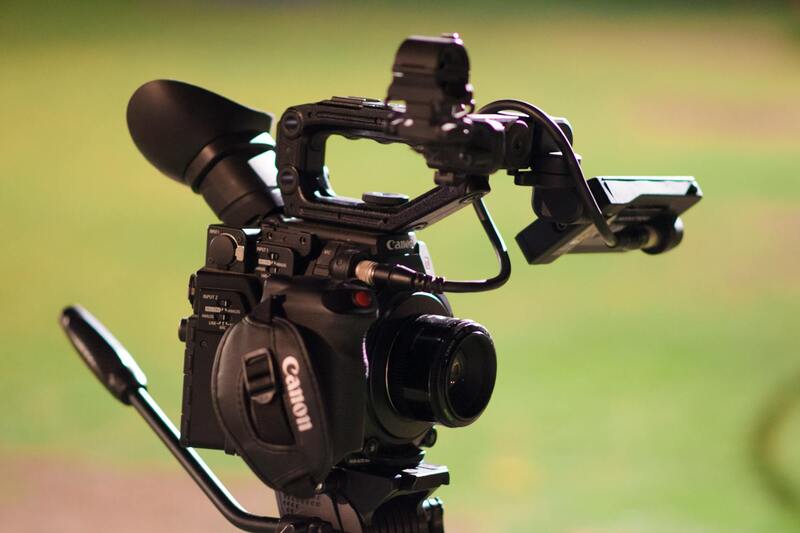
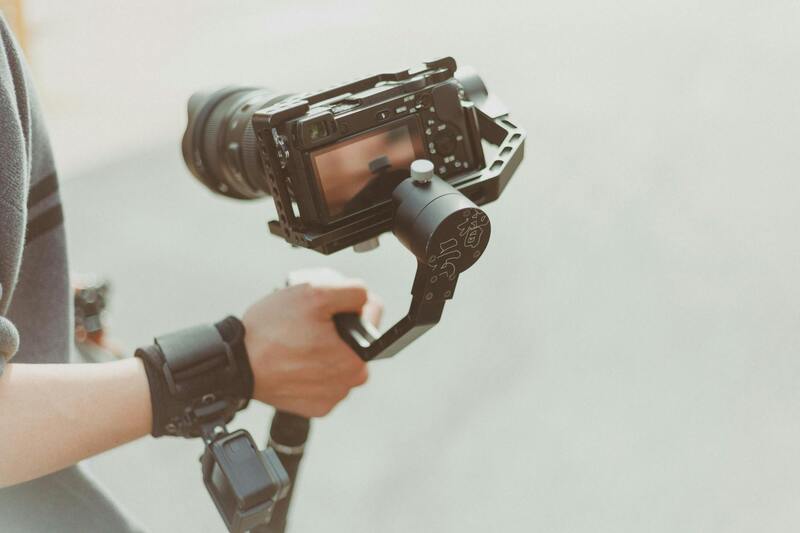
In addition to the primary camera, investing in a sturdy tripod or gimbal stabilizer is vital for achieving steady footage throughout extended shooting periods. A stable platform minimizes vibrations and unintended movements, resulting in smooth, visually appealing sequences. For outdoor shoots in Miami, weather-resistant camera cases and covers are recommended to protect equipment from humidity, salt air, and sudden weather changes.
Key Camera Settings for Effective Timelapse Capture
- Interval: Set the time between shots based on the subject’s motion and desired pacing — typically ranging from 1 second for fast movements to several minutes for slow changes.
- Exposure: Use manual exposure settings to maintain consistent brightness and color throughout the shoot. Bracketed exposures can be utilized for high dynamic range (HDR) timelapses.
- Focus: Focus manually to prevent autofocus adjustments that may cause flickering.
- White Balance: Set a fixed white balance to ensure color consistency in post-production.
- Resolution: Shoot at the highest resolution available to maximize the quality of the final video.
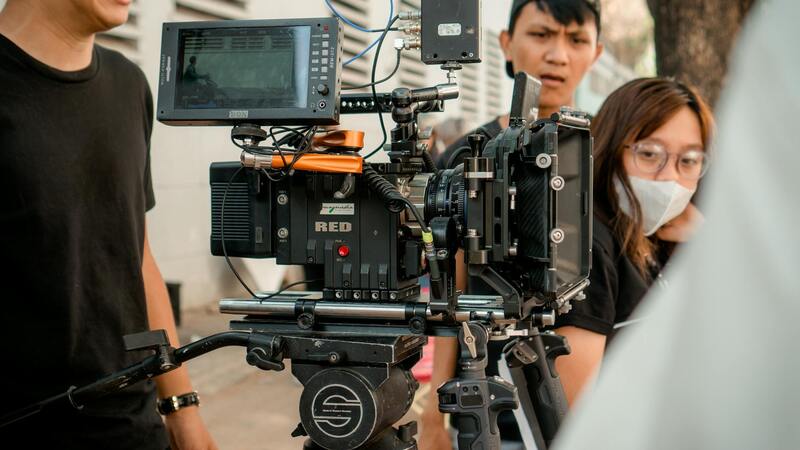
Utilizing intervalometers—either built-in or external—allows for precise control over shot intervals, which is key to translating real-world changes into captivating visual stories. When working with complex lighting scenarios such as Miami sunsets or city lights, adjusting shutter speed and ISO settings carefully helps avoid overexposure or excessive noise, maintaining clarity across the entire sequence. Regularly reviewing captured frames during the shoot ensures optimal settings adjustments and phase corrections, ultimately resulting in a polished final product that accurately reflects the vibrant essence of Miami.
Optimal Equipment for Timelapse Production in Miami
Choosing the right equipment is critical for producing professional-grade timelapse videos that vividly capture Miami’s dynamic scenery. High-resolution DSLR or mirrorless cameras equipped with reliable intervalometers provide the flexibility needed for precise shot intervals and manual control over exposure, focus, and white balance. Additionally, sturdy tripods or motorized camera mounts ensure stability over prolonged shooting sessions, especially when capturing lengthy sequences like sunrise over South Beach or bustling city streets at dusk.
Specialized accessories such as ND filters help manage bright lighting conditions typical of Miami’s sun-drenched environments, preventing overexposure and maintaining clarity. For night scenes or city lights, use of a remote shutter release reduces vibrations, ensuring sharp frames. External power sources, such as portable batteries or AC adapters, facilitate extended shooting durations without interruption. Shooting in RAW format provides maximum post-production flexibility, allowing for fine-tuning of color grading, contrast, and exposure adjustments that enhance the vibrancy of Miami’s unique landscapes and urban settings.
Refined Camera Settings for Timelapse Capture
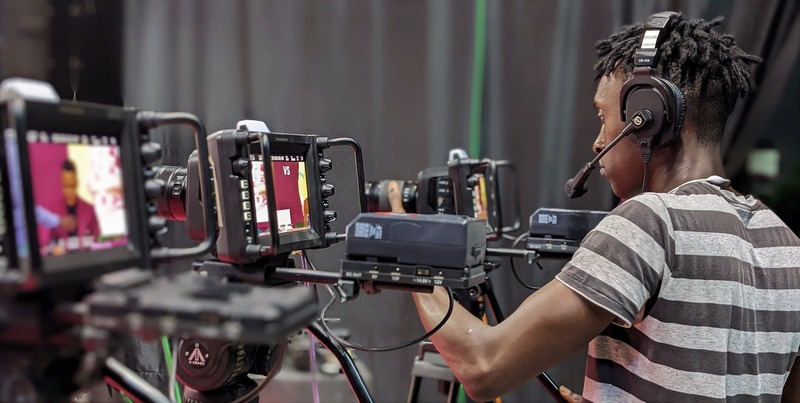
To achieve consistent and visually appealing results, precise camera settings are essential. Employ manual focus to prevent shifts that could cause flickering across sequence frames. Set the aperture to a narrow to maintain depth of field, capturing details from foreground to background, especially important when filming Miami’s architectural landmarks or natural scenes. Maintaining a low ISO minimizes noise, which is particularly noticeable in low-light or nighttime shots of urban environments. Adjust shutter speed carefully—typically double the frame rate—to create natural motion blur that enhances the fluidity of the video. For example, at 24 fps, a shutter speed of 1/50 second works well. White balance should be fixed during the shoot to avoid color shifts, ensuring a uniform look throughout the sequence. When shooting scenes with varying lighting conditions, such as transitioning from daylight to sunset, consider bracketing exposures to create HDR timelapses that retain details in shadows and highlights. By configuring your camera with these settings, you establish a solid foundation for capturing Miami’s evolving scenery with clarity and visual coherence. Regularly reviewing individual frames during shooting sessions can help identify any inconsistencies, allowing for immediate adjustments that preserve the quality of the final timelapse.
Filming Techniques and Best Practices
Executing a successful timelapse video in Miami requires meticulous attention to filming techniques and adherence to best practices that ensure high-quality output. The foundation of a compelling timelapse begins with camera stabilization. Utilizing sturdy tripods or robotic camera heads prevents unwanted movements, resulting in smooth, professional-looking sequences. When capturing scenes over extended periods, consider using motorized sliders or gimbals that can automate camera movements, providing dynamic perspectives while maintaining stability.
Interval selection is crucial to achieving natural motion and desired pacing. For fast-moving scenes like traffic on Miami’s highways or clouds drifting over the skyline, intervals between 1 to 3 seconds are effective. More static scenes, such as the architecture of South Beach art deco buildings or the serene bayfront, may benefit from longer intervals, like 5 to 10 seconds, to emphasize changes over time without variability becoming jarring.
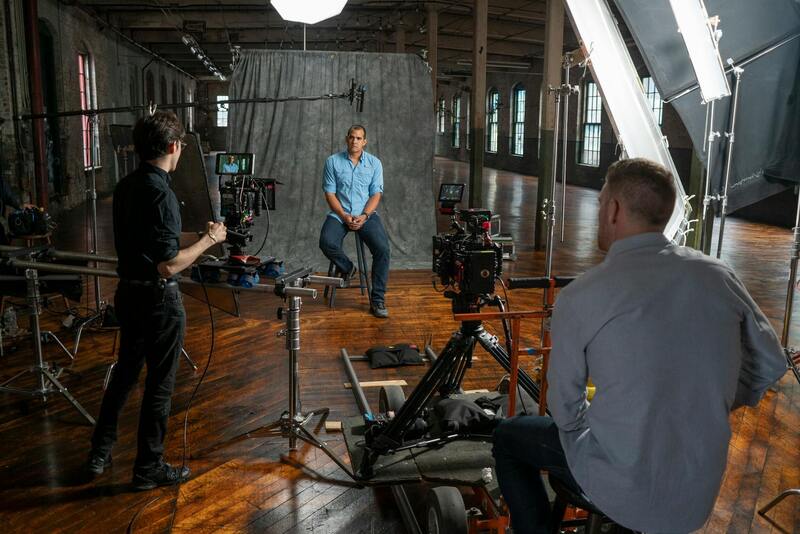
Exposure settings play a vital role in capturing consistent visual flow. Using manual exposure controls will prevent fluctuations that can distract viewers. For daytime shots, an aperture around f/8 to f/11 combined with a low ISO maintains clarity and prevents overexposure. During low-light conditions or nighttime scenes, adjusting ISO to the lowest clean setting is essential, alongside a wider aperture if necessary, to maximize light intake while minimizing noise.
Handling lighting conditions effectively involves dynamic adaptation. Shooting during the golden hour offers warm, appealing light that enhances architectural features and natural landscapes. When transitioning from day to night, consider implementing bracketing techniques or using graduated ND filters to balance exposure levels, ensuring seamless exposure transitions in the final video.
Additional Techniques for Enhanced Results
- Use of ND Filters: These filters allow for longer shutter speeds in bright conditions, enabling motion blur effects, which add a cinematic quality to Miami’s bustling urban scenes.
- Focus Management: Maintaining precise focus throughout shooting prevents focus shifts that can occur due to focal length or environmental factors.
- Scene Composition: Prioritize framing that captures Miami’s iconic elements—such as its skyline, beaches, and historic districts—for compelling storytelling.
Implementing these filming techniques and devoting attention to detail during shooting significantly enhances the visual quality and storytelling impact of your timelapse project in Miami. Consistency in camera settings, stabilization, and scene management ensures that your final product is polished, engaging, and visually immersive for viewers.
Understanding Timelapse Videos
Timelapse videos are a powerful visual storytelling technique that condenses extended periods of time into short, captivating sequences. By capturing images at set intervals over hours, days, or even months, filmmakers and content creators can showcase changes and movements that are often imperceptible to the naked eye. This method is especially effective for illustrating the dynamic nature of urban environments, natural phenomena, or construction projects. The result is a seamless portrayal of transformation, motion, and the passage of time, providing viewers with an engaging visual experience that highlights processes such as sunset transitions, cityscapes, or the growth of flora and fauna.
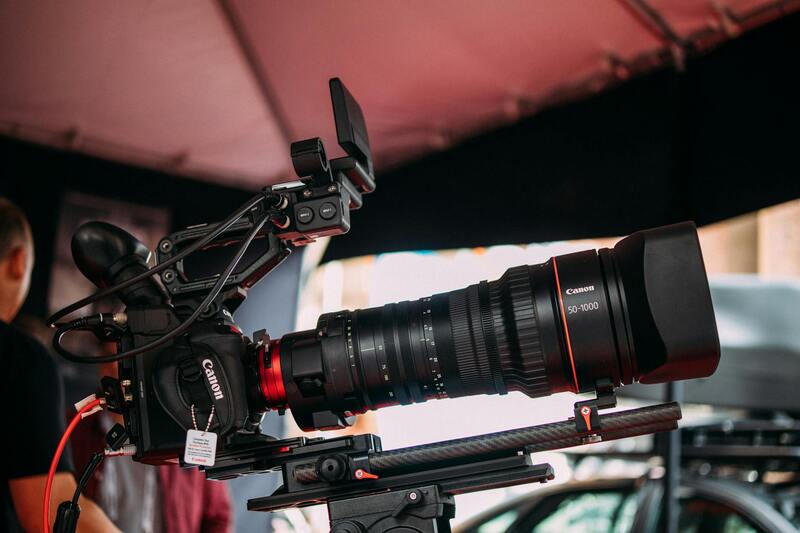
Understanding the fundamentals of timelapse videography involves knowledge of both technical aspects and creative intent. Proper planning starts with selecting subjects that benefit from the camera's ability to reveal temporal changes vividly. Dynamic scenes with movement, changing light conditions, or evolving scenery are ideal candidates. The technique requires precise camera settings, interval control, and stabilization to ensure that the sequences are smooth and visually appealing. When executed correctly, timelapse videos can function as impactful visual narratives—whether for promotional content, documentary storytelling, or artistic expression.
Key Elements of Effective Timelapse Creation
- Interval Selection: Determining the appropriate interval time between shots is critical to achieving the desired speed of the final video. Short intervals produce a fast-paced effect, while longer intervals are suitable for slow changes.
- Camera Stability: Use of sturdy tripods or stabilization gear prevents unwanted camera shake, ensuring crisp, consistent footage.
- Lighting Considerations: Managing exposure across different lighting conditions prevents flickering and maintains visual consistency. Employing manual settings over automatic modes is often recommended to avoid sudden changes in brightness.
- Post-Processing: Editing the captured images or footage with professional software can enhance color grading, remove artifacts, and synchronize transitions for a polished final product.
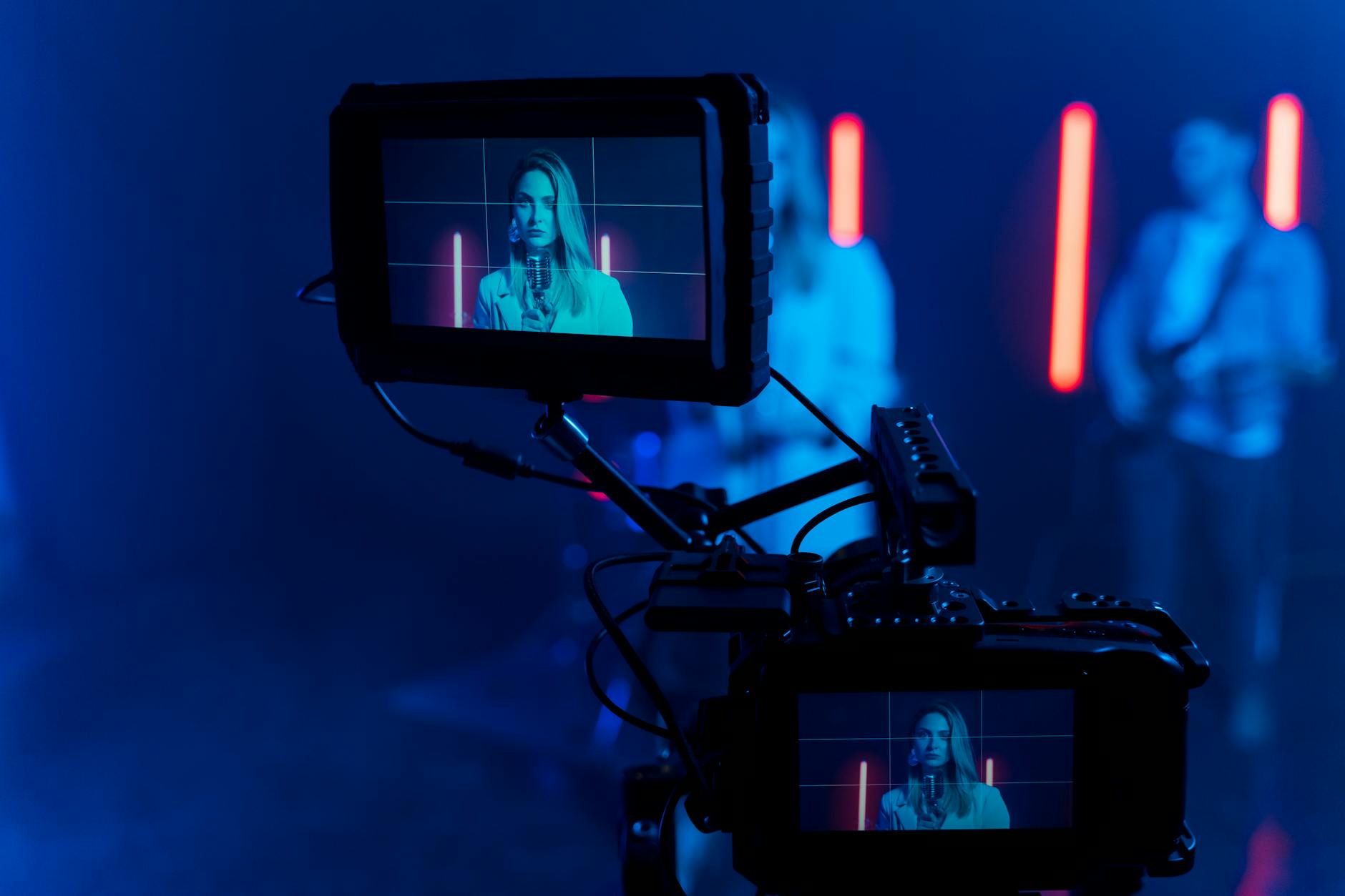
Executing a successful timelapse project involves careful balance—timing, technique, and equipment need to align to produce compelling visuals. With meticulous planning and proficient application of best practices, creators can transform simple sequences into mesmerizing stories that vividly portray the energetic pace and evolving landscape of Miami and beyond.
Understanding Timelapse Videos
Timelapse videos are dynamic visual tools that condense extended periods into manageable segments, offering viewers an accelerated perspective of changes in the environment, cityscapes, or activities. By capturing images at set intervals—ranging from seconds to minutes—and compiling them into a seamless sequence, creators can illustrate phenomena such as sunrise to sunset, construction progress, or bustling city life. This method emphasizes motion and transformation, making it a favored technique among videographers, filmmakers, and commercial producers.
Creating an effective timelapse video requires a deep understanding of key technical components. Selecting the right interval between shots is fundamental; shorter intervals suit scenes with rapid movement, while longer ones work for slower, more gradual changes. Stabilization plays a critical role in maintaining visual clarity, as even slight camera shake can detract from the smoothness of the final product. Proper exposure management ensures consistent lighting, particularly in scenes with variable light conditions, preventing flickering that may distract viewers.
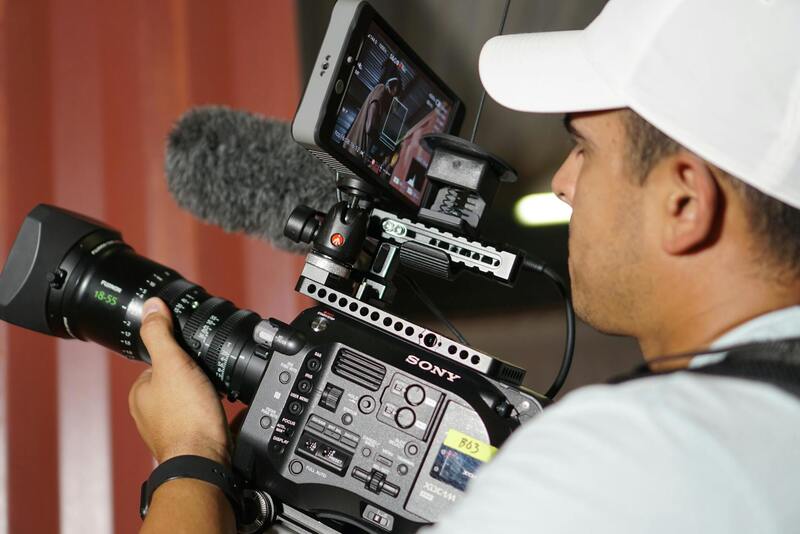
Post-production editing enhances the visual appeal by correcting color balance, smoothing transitions, and removing artifacts introduced during capture. Utilizing professional editing software allows for precise adjustments, resulting in polished, captivating videos. Mastery of these technical aspects elevates the storytelling potential of timelapse videos, transforming raw footage into visually compelling narratives that engage audiences and convey powerful messages.
Applications of Timelapse Videos in Miami
Miami’s vibrant urban environment and scenic landscapes make it an ideal location for timelapse projects. From showcasing iconic skylines to highlighting ongoing construction projects, timelapse videos serve a broad spectrum of purposes:
- Urban Development and Construction: documenting the progress of skyscrapers, bridges, and infrastructure over months or years.
- Tourism Promotion: capturing lively street scenes, festivals, and natural beauty spots that appeal to potential visitors.
- Artistic Expression: creating visually stunning sequences that reflect the city’s energy and diversity.
- Event Coverage: recording marathons, parades, or public gatherings to provide engaging visual summaries.
Planning a Timelapse Video Project
Effective timelapse production begins with meticulous planning. Define the story or message you aim to convey, determining the scenes and locations that best serve your narrative. Conduct site visits to assess lighting conditions, space, and potential obstructions. Decide on the duration of the project and the interval timing between shots, aligned with the expected movement or change rate.
Weather considerations are vital, especially in outdoor settings. Flexibility in your schedule allows adjustments for weather shifts or unforeseen circumstances. Securing necessary permissions or access rights to shooting locations ensures a smooth workflow and minimizes disruptions during filming.
Equipment and Camera Settings for Timelapse
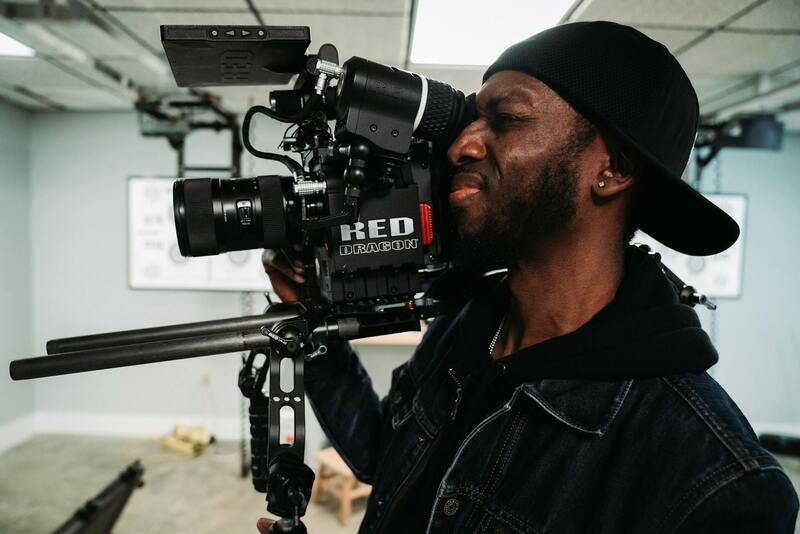
Selecting appropriate tools is crucial for creating high-quality timelapse videos. A DSLR or mirrorless camera with manual control options is preferred for its versatility and image quality. Use a sturdy tripod equipped with a ball head or specialized timelapse mounts to maintain camera stability over extended periods.
- Lens Choices: Wide-angle lenses are common for capturing expansive scenes, while zoom lenses can add dynamic effects.
- Aperture and ISO: Manual settings help maintain consistency. A narrow aperture (high f-stop) ensures sharper focus across the frame, while a low ISO reduces noise.
- Interval Timer: Set according to scene dynamics—2 to 10 seconds for dynamic scenes, longer for slow changes.
Filming Techniques and Best Practices
Achieving smooth and visually appealing timelapse footage involves several best practices:
- Camera Stability: Use tripods or stabilization rigs to prevent unwanted movement.
- Manual Focus and Exposure: Lock focus and exposure settings to avoid fluctuations between shots.
- Consistent Framing: Avoid moving the camera during shooting unless motion is part of the creative intent.
- Battery and Storage Management: Ensure adequate power sources and ample storage to accommodate long shooting sessions.
- Testing and Calibration: Conduct test shots to fine-tune settings and confirm intervals before starting the full sequence.
Editing and Post-Production of Timelapse Videos
Post-processing transforms raw images into a seamless video narrative. Import images into editing software capable of handling image sequences, such as Adobe Premiere Pro, Final Cut Pro, or specialized timelapse software like LRTimelapse. During editing, focus on color grading to enhance visual appeal and consistency across frames. Correcting flickering artifacts, often caused by exposure variations, can significantly improve video quality:
- Flicker Reduction: Employ software features or plugins designed to stabilize brightness fluctuations.
- Speed Adjustment: Fine-tune the playback speed to match the desired storytelling pace.
- Adding Music or Narration: Incorporate audio elements carefully to complement the visual narrative.
- Transitions and Effects: Use subtle transitions to enhance flow, especially when blending different scenes or lighting conditions.
During post-production, maintaining a professional approach ensures the timelapse aligns with your artistic or commercial objectives, delivering a polished and engaging final product.
Understanding Timelapse Videos
Timelapse videos are a captivating form of visual storytelling that condense hours, days, or even months of real-time activity into a brief, dynamic sequence. By photographing a scene at set intervals and compiling these images into a continuous motion, creators can showcase the ebb and flow of natural phenomena, urban development, or artistic concepts from a unique perspective. The primary goal is to highlight changes over time with an emphasis on motion, movement, or transformation that might otherwise go unnoticed in everyday observation.
Creating an effective timelapse involves careful planning to determine the appropriate interval between shots, which directly influences the length and speed of the final video. Whether capturing the hustle of a cityscape at dusk or the slow bloom of a flower, maintaining consistency through stable camera setups and controlled settings ensures fluidity in the sequence. This type of footage often emphasizes the passage of time, making it an invaluable tool for documenting growth, progress, or transitory moments with cinematic flair.
Applications of Timelapse Videos in Miami
Miami’s vibrant cityscape, diverse landscapes, and dynamic urban environment make it an ideal location for producing compelling timelapse footage. Real estate developers utilize timelapse videos to showcase the evolution of new properties and construction projects, demonstrating progress to stakeholders and potential buyers. City planners and event organizers may employ timelapse sequences to document urban transformation, infrastructure projects, or large-scale festivals, providing a powerful visual record of timeline changes.
Tourism boards and local attractions harness timelapse videos to showcase the city’s bustling life, beautiful sunsets, or waterfront events, enticing visitors to experience Miami firsthand. Additionally, filmmakers and artists leverage the visual appeal of timelapse to create stunning sequences capturing Miami’s iconic skyline, bustling beaches, or cultural festivals, emphasizing the city’s dynamic character and appeal.
Planning a Timelapse Video Project
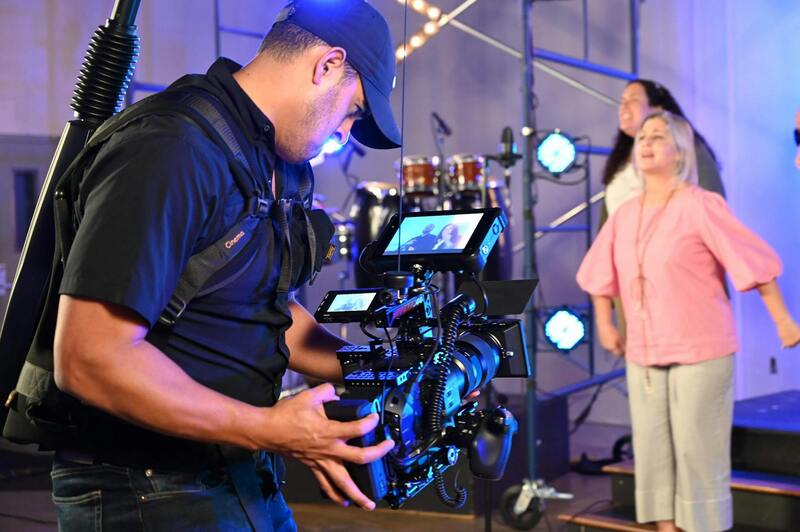
Effective timelapse production hinges on meticulous planning to ensure the desired outcome aligns with creative or commercial goals. Establishing clear objectives helps determine the overall theme, duration, and key moments to capture. Identifying the best locations, considering lighting conditions and environmental factors, is crucial for a successful shoot. Mapping out specific times for filming allows for precise control over sunrise, sunset, or high-traffic periods, maximizing visual impact.
Pre-visualization involves storyboarding or creating shot lists to organize sequences and camera angles. When planning for Miami scenes, researching permits and access restrictions beforehand minimizes interruptions and legal complications. Assessing weather patterns and forecast accuracy helps schedule shoots during ideal conditions, avoiding adverse weather that could compromise the footage.
Equipment and Camera Settings for Timelapse
Choosing the right equipment is fundamental for capturing high-quality timelapse videos. A stable tripod or mount ensures consistent framing and minimizes movement. Cameras with interval shooting capabilities simplify the process of capturing images at set intervals, reducing post-capture editing time. Lens selection depends on scene composition—wide-angle lenses are popular for cityscapes and expansive views, while macro or telephoto lenses serve close-up or detailed shots.
Proper camera settings include a low ISO to prevent noise, aperture adjustments to ensure sufficient depth of field, and manual focus to maintain sharpness. Shutter speed should be set in accordance with lighting conditions to prevent flickering or exposure shifts. Additionally, time-lapse shooting often requires meticulous management of battery life and storage capacity, making the use of external power sources or high-capacity memory cards advantageous.
Filming Techniques and Best Practices
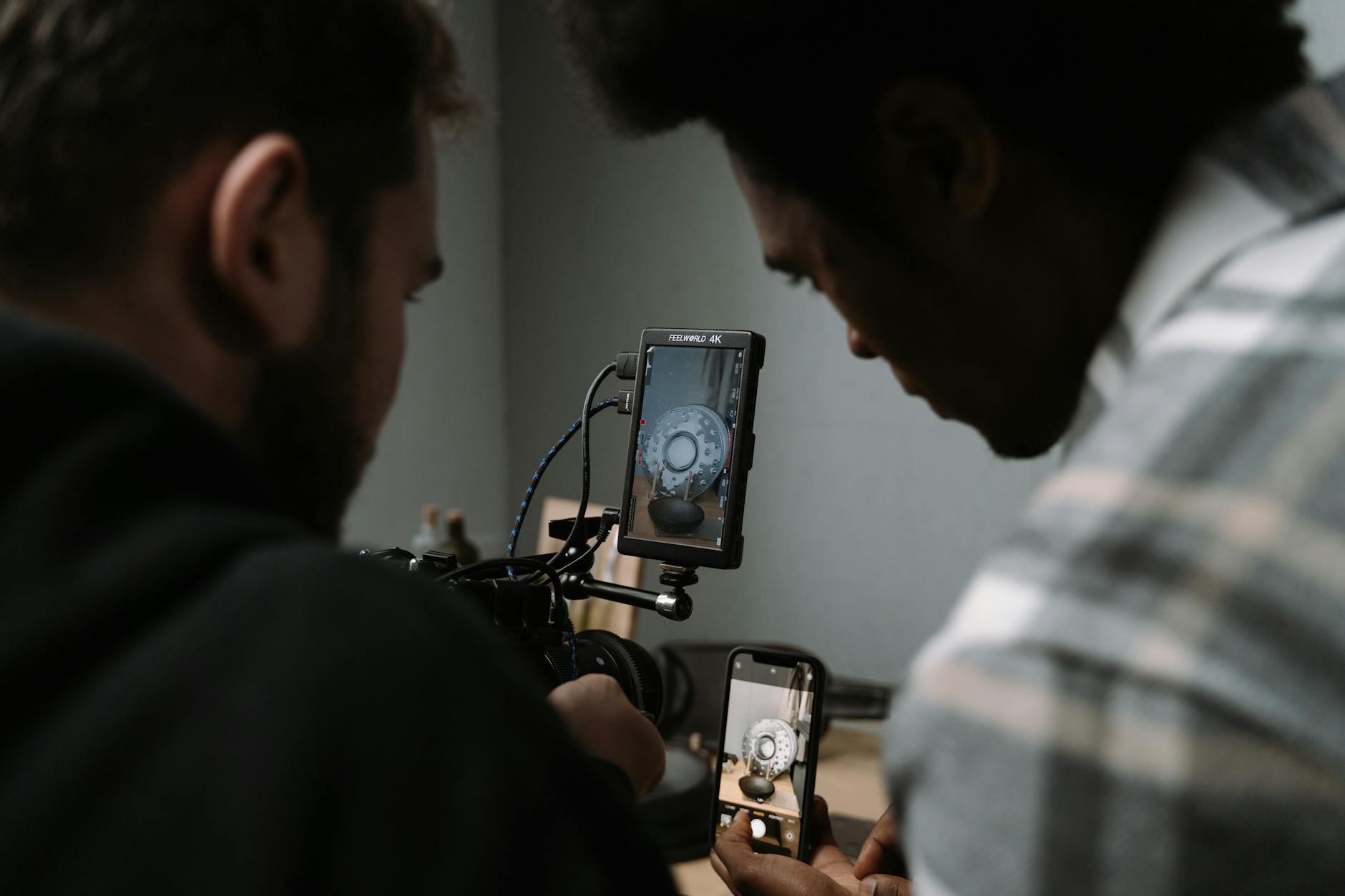
To produce seamless and engaging timelapse videos, adherence to established techniques is essential. Consistent framing involves avoiding unintended camera movements during shooting unless intentional motion is part of the visual narrative. Using specialized intervalometers or camera software assists in maintaining uniform shooting intervals, critical for avoiding jitter or uneven pacing in the final product.
Controlling exposure settings throughout the shoot minimizes flickering artifacts, which are common when scenes experience varying light conditions. If external factors like changing weather or moving shadows influence the shots, post-processing tools can help stabilize brightness levels. Incorporating a neutral density filter allows for proper exposure even during bright daytime shoots, enabling longer shutter speeds for a more natural motion blur effect.
During filming, patience and attention to detail are vital. Regularly reviewing shots during the process helps identify potential issues early, allowing for adjustments before committing to a lengthy shooting session. For Miami scenes with changing lighting or lively traffic, strategic planning around the sun’s position and traffic flow times enhances the overall visual quality.
Editing and Post-Production of Timelapse Videos
Transforming raw images into a cohesive timelapse video involves using professional editing software capable of handling image sequences. Programs such as Adobe Premiere Pro, Final Cut Pro, or dedicated timelapse tools like LRTimelapse provide extensive control over color grading, flicker reduction, and speed adjustments. Post-processing allows editors to refine exposure consistency, enhance colors, and stabilize the sequence for a fluid viewing experience.
Addressing flicker artifacts—often caused by exposure nuances—can be achieved through plugins or built-in stabilization features. Adjusting playback speed allows for creative flexibility, emphasizing rapid changes or highlighting specific moments. Incorporating a soundtrack or narration can add emotional depth, while smooth transitions ensure continuity when blending multiple scenes or lighting conditions.
Maintaining a disciplined approach during editing ensures the final product aligns with artistic standards or branding objectives, resulting in professionally polished timelapse videos that captivate viewers and effectively communicate the visual narrative.