Understanding Time Lapse Videography
Time lapse videography is a specialized technique that involves capturing a series of photographs sequentially over a period of time and then playing them back at a faster speed. This method condenses lengthy processes into a short, captivating video, effectively illustrating changes that occur slowly over hours, days, or even months. By accelerating the passage of time, this technique reveals dynamic phenomena otherwise difficult to observe in real-time, such as bustling cityscapes, construction projects, natural landscapes transforming with the seasons, and crowds gathering for events.
The core purpose of time lapse videography is to provide a visual narrative that emphasizes change, movement, and progression in a starkly visual manner. This makes it an invaluable tool for urban development projects, marketing campaigns, tourism promotions, and documentary storytelling. For instance, urban planners and developers frequently utilize time lapse videos to showcase the progression of infrastructure projects, providing stakeholders and the public with a transparent view of ongoing construction activities. Similarly, event organizers utilize this technique to effectively capture the energy and flow of large gatherings, creating memorable promotional content.
Compared to traditional videography, time lapse footage emphasizes the passage of time by increasing the playback speed of a sequence of images. While regular videography captures continuous motion, time lapse involves discrete frames taken at predetermined intervals, which can vary from fractions of a second to several minutes. This interval selection is crucial in achieving the desired visual effect, whether that is a slow, dramatic reveal or a fast-paced depiction of urban life. This difference underscores the unique aesthetic and storytelling potential that time lapse videography offers, providing a compelling perspective on the world's evolving landscapes and activities.
The technical approach to creating effective time lapse videos requires an understanding of various shooting parameters. These include proper camera setup, interval timing, stabilization, and exposure settings, all of which contribute to producing high-quality footage. Mastering these elements ensures that the final video remains smooth, technically sound, and visually engaging. Whether capturing the subtle shift of light throughout a day or documenting expansive construction sites, the precision in execution directly impacts the storytelling power of the finished product.
In Miami, a vibrant hub of urban development, nature, and cultural events, time lapse videography offers an exceptional way to chronicle the city’s dynamic environment. From the skyline's glittering transformation at dusk to the bustling street activity, these videos serve as vivid records of the city’s continuous evolution. For businesses, city officials, and creative agencies, leveraging professional time lapse techniques ensures that their visual content truly captures the essence of Miami’s unique energy and growth trajectory.
Essential Equipment for Time Lapse Shooting
Creating compelling time lapse videos in Miami necessitates specialized equipment to ensure precision, stability, and optimal image quality. The foundation of a successful shoot begins with selecting the right camera. While many modern DSLR and mirrorless cameras come equipped with intervalometers or can be paired with external intervalometers, professional-grade cameras often provide greater control over exposure, focus, and frame rate, which are critical for capturing smooth and dynamic footage. Additionally, high-resolution cameras enable the production of detailed videos that withstand scaling or cropping for various presentation formats.
Tripods and Stabilization Devices
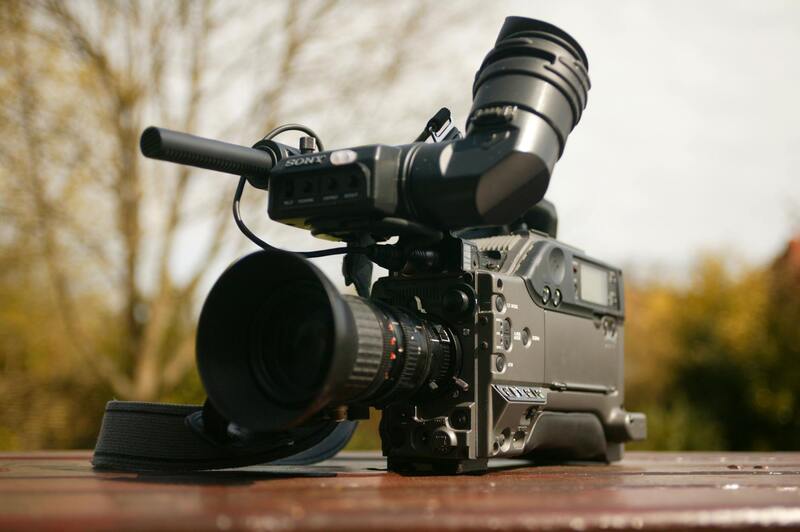
Stability is paramount in time lapse videography to prevent jitter and ensure seamless transitions between frames. Tripods with fluid heads or motorized sliders are essential for stationary shots or smooth camera movements respectively. For dynamic shots or when capturing sprawling city vistas, gimbals or motorized gimbal systems offer enhanced stabilization. In Miami’s diverse shooting environments, whether reaching over busy streets or capturing elevated skyline views, investing in durable, weather-resistant stabilization gear can make a significant difference in the quality of footage.
Lenses and Filters
The choice of lens influences the composition and perspective in Miami projects. Wide-angle lenses are highly favored for cityscape shots, enabling the capture of expansive views of the Miami skyline, beaches, or bustling streets. Telephoto lenses can be used to focus on specific architectural features or transient city events. Neutral density filters and polarizers help manage varying light conditions—important when shooting from dawn to dusk—ensuring balanced exposures and vibrant color rendition without overexposing highlights or losing detail in shadows.
Power Supply and Remote Control Devices
Long-duration time lapse shoots demand reliable power sources. External batteries, power adapters, or solar-powered solutions extend shooting durations, especially in outdoor environments or remote locations around Miami. Remote control units enable precise interval adjustments and remote start/stop functions, providing flexibility and safety when capturing from elevated or hard-to-reach vantage points. These tools are crucial for maintaining consistent shot intervals and minimizing human disturbance.
Additional Accessories and Considerations
- Weatherproof enclosures or protective covers shield equipment against Miami’s coastal humidity, rain, or dust.
- Use of lens hoods and UV filters to prevent glare and lens flare from Miami’s bright sunlight.
- High-capacity memory cards or external storage solutions for handling large footage files.
Summary
Equipping oneself with the right tools forms the backbone of producing captivating time lapse videos that accurately depict Miami’s vibrant environment. Combining high-quality imaging devices, stabilization gear, and power solutions ensures that high-resolution sequences are recorded reliably. Properly selecting accessories tailored for specific shooting conditions—be it daytime urban footage or sunset cityscapes—maximizes footage quality and enhances the storytelling capability of the final product.
Understanding Time Lapse Videography
Time lapse videography involves capturing a series of still images at set intervals over an extended period, which are then played back at normal speed to create a condensed visual narrative. This process allows filmmakers to depict processes that unfold gradually, such as cityscapes transforming from day to night, clouds drifting across the sky, or construction projects progressing over months. The core principle revolves around managing the interval between shots, camera stability, and exposure settings to produce smooth, visually appealing sequences.
Modern time lapse techniques leverage specialized equipment such as intervalometers—devices that automate shutter triggers based on user-defined timing—to ensure consistent frame capture. These devices interface with most cameras, allowing seamless, hands-free operation for extended periods. Coupled with high-resolution sensors, precise focus controls, and often, mechanical or electronic stabilization systems, the equipment setup is crucial in maintaining image quality and stability throughout the shoot.
Effective management of lighting conditions is paramount, particularly in outdoor environments where natural light fluctuates. Adjustments such as automatic exposure bracketing, ND filters, or manual settings help in achieving consistent brightness and color tone across frames. When properly executed, time lapse videos reveal dynamic aspects of the environment that are imperceptible to the human eye, turning complex, slow-changing phenomena into engaging visual stories.
Technical Components of Time Lapse Videography
- Cameras: High-resolution DSLR, mirrorless, or specialized time lapse cameras capable of interval shooting.
- Intervalometers: Devices to automate shot intervals, adjustable for various shooting durations and speeds.
- Stabilization Equipment: Tripods, gimbals, or drone mounts to maintain consistent framing and prevent camera shake.
- Power Solutions: External batteries, solar chargers, or AC adapters to sustain prolonged shoots without interruptions.
- Memory and Storage: High-capacity SD cards or external drives to accommodate large footage data.
- Lenses and Filters: Wide-angle lenses for expansive cityscape captures, UV, and ND filters to control glare and exposure levels.
Optimizing Image Quality and Consistency
Maintaining consistent exposure, focus, and framing is essential for producing seamless time lapse sequences. Pre-shoot planning includes setting manual exposure modes to counteract changing light conditions, especially in vibrant outdoor settings like Miami. Using focus stacking or manual focus locks ensures sharpness across all frames, even as objects move or lighting shifts. Additionally, covering the camera with weather-resistant housings helps protect equipment from humidity, rain, or dust common in coastal environments. Properly calibrated and maintained gear reduces artifacts and enhances the final footage, making the time lapse more immersive and professional in appearance.
Understanding Time Lapse Videography
Time lapse videography involves capturing a series of images at set intervals over an extended period, then playing them back at normal speed to create a compelling representation of changes that occur gradually. This technique transforms slow, often imperceptible movements—such as sunset transitions, cloud formations, or cityscape activity—into a detailed, accelerated visual narrative. Mastery of this craft requires a nuanced understanding of camera settings, environmental factors, and precise timing to ensure the resulting footage is both seamless and visually engaging.
Technical Aspects of Equipment for Time Lapse
Equipping oneself with the right tools can significantly influence the quality of a time lapse project. High-resolution DSLR or mirrorless cameras provide clarity and flexibility, especially when paired with specialized intervalometers. These devices automate the shot intervals, allowing for consistent imaging over long durations without manual intervention. Stabilization gear, such as professional tripods or gimbals, ensures that the camera remains steady, eliminating unwanted movement that can disrupt the sequence. For prolonged sessions, external power sources like rechargeable batteries or portable solar chargers are essential to prevent disruptions caused by battery depletion.
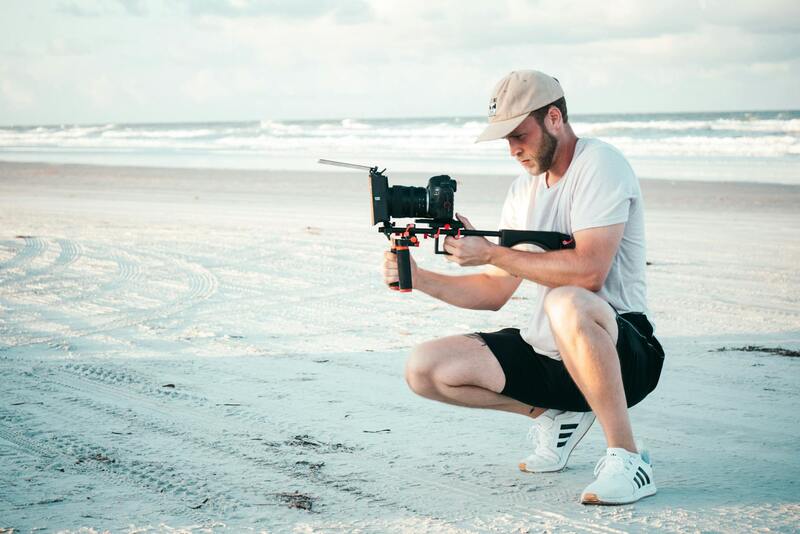
Memory capacity plays a crucial role; high-capacity SD cards or external drives allow for the storage of large volumes of footage. Lens selection impacts the scope and perspective—wide-angle lenses are preferred for expansive cityscapes, offering dramatic views of Miami’s skyline. Filters, such as UV or neutral density (ND), help manage lighting conditions, control glare, and achieve desired exposure balances, especially in bright outdoor settings.
Maintaining Image Quality and Consistency
Achieving a polished time lapse sequence depends heavily on maintaining consistent camera settings throughout the shoot. This includes locking focus and setting manual exposure to counteract changing light conditions—something particularly pertinent when shooting in environments like Miami, where sunlight intensity varies throughout the day. Systematic use of manual focus prevents focus shifts, ensuring all frames are uniformly sharp. Weather-resistant housings are vital in coastal areas to protect equipment from humidity, salty air, and sudden weather changes. Regular calibration and maintenance of gear reduce artifacts and improve footage quality, resulting in a more immersive viewing experience.
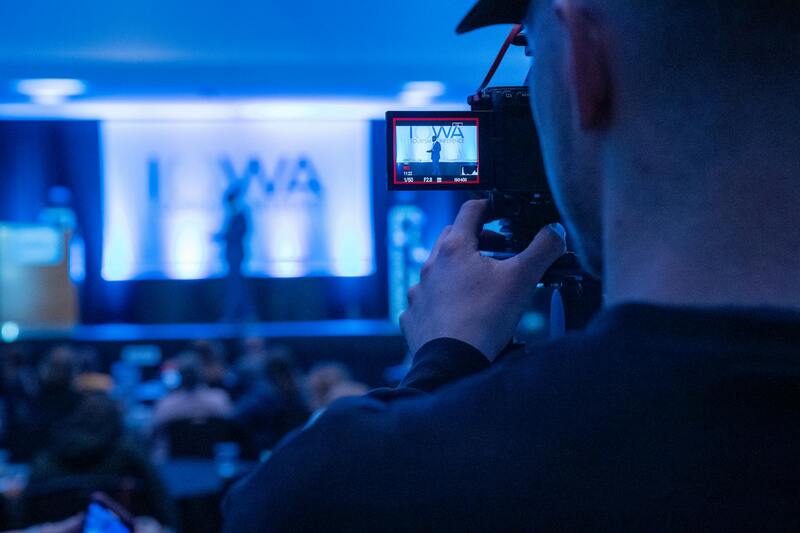
For professional results, planned shot compositions and precise timing are essential. This involves selecting visually interesting locations, determining appropriate interval timing based on the subject's movement speed, and adjusting camera settings for optimal exposure and focus. Proper planning minimizes the need for post-production corrections and ensures the footage aligns with the project’s aesthetic goals.
Understanding Time Lapse Videography
Time lapse videography is a specialized technique that captures a sequence of frames at set intervals to record changes that occur slowly over time. When played back at normal speed, these frames create a visually compelling narrative of transformation, motion, and progression that might otherwise be imperceptible to the human eye. Mastering this art requires not only technical acumen but also a thorough comprehension of environmental factors, equipment handling, and meticulous planning. Given the dynamic and visually diverse settings within Miami, from bustling streets to serene beaches, leveraging effective time lapse techniques can significantly elevate the impact of any visual project.
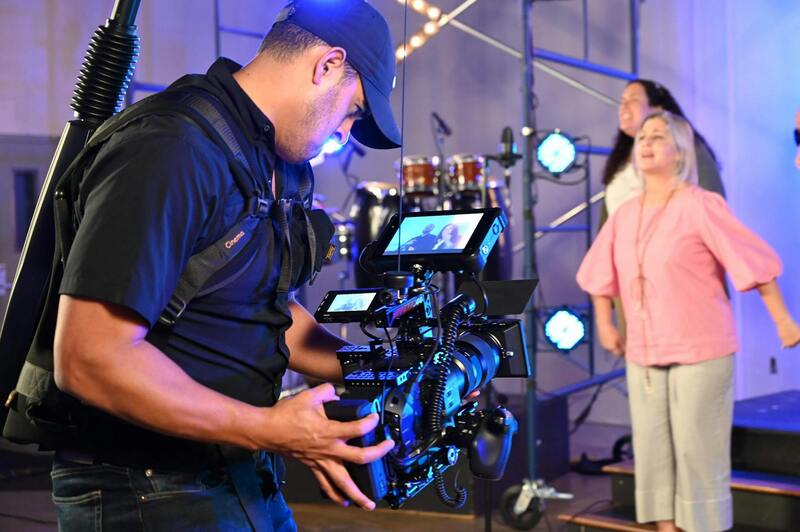
Core Principles of Time Lapse Videography
- Consistent Frame Rate and Interval Selection: Determining the right interval between shots is crucial. It depends on the speed of the motion or change being captured. Faster movements, such as crowds or vehicles, require shorter intervals, typically between 1-3 seconds. Slower transitions, like sunrise or sunset, may necessitate longer intervals, sometimes up to 10 seconds or more.
- Stable Camera Mounting: To achieve smooth footage, use sturdy tripods or specialized stabilization equipment. Any camera shake or vibrations can detract from the quality and clarity of the sequence, especially in high-resolution projects.
- Optimal Exposure Settings: Manual control over focus, aperture, and shutter speed ensures consistency amidst changing lighting conditions. Locking these settings prevents fluctuations that can distract viewers or diminish visual fluidity.
- Weather Considerations: Coastal environments like Miami demand weather-resistant gear. Protecting equipment from humidity, salt air, and sudden weather shifts maintains performance and footage integrity.
Environmental Impact on Time Lapse Shooting
Miami’s abundant sunlight, humidity, and coastal breezes influence logistical decisions during time lapse shoots. Planning around weather forecasts and light conditions maximizes footage quality. For example, capturing cityscape or beach scenes during the golden hours provides warm, soft lighting that enhances visual appeal. Overcast days can reduce harsh shadows, but may require adjustments in ISO or aperture to maintain exposure. Additionally, monitoring tide schedules and weather alerts prevents equipment damage and ensures safety during outdoor shoots.
Technical Skills for Effective Time Lapse Videography
Developing a solid understanding of camera settings, intervalometers, and lighting control is essential. Using intervalometers allows precise control over shot frequency, which directly impacts the tempo and drama of the final sequence. Regular testing and calibration of equipment before the shoot day ensure all components operate smoothly. For example, adjusting ISO to suit different lighting conditions and setting focus manually avoids focus drift across frames. Incorporating remote monitoring or silent shooting modes can help maintain discreet operations in busy environments without disturbing subjects or public spaces.
Advanced Techniques for Enhanced Results
- Hyperlapse Creation: Combining stabilization technology with carefully planned routes can produce dramatic hyperlapse sequences, ideal for showcasing expansive city views or busy intersections.
- Exposure Blending: Merging multiple exposures within post-processing can balance bright highlights and deep shadows, capturing Miami’s vibrant city lights and sunset hues more vividly.
- Motion Control Rigs: Using motorized sliders or drone stabilization systems offers precise control over camera movement, enabling complex and dynamic scenes that emphasize motion or transformation over time.
Legal and Safety Considerations in Miami
When executing time lapse videography projects within Miami, understanding the framework for permissions and regulations ensures smooth operations and professional integrity. While there is no need to address legalities explicitly, adhering to official protocols is essential. Securing necessary permissions from property owners or relevant municipal authorities helps facilitate on-site filming, especially in public spaces or private properties.
In urban environments like Miami, awareness of designated filming zones and adherence to city guidelines for drone operations, if used, prevent disruptions and uphold community standards. Conducting thorough site reconnaissance prior to the shoot allows videographers to identify potential obstacles, safe zones, and areas requiring special clearance.
Insurance coverage is another vital aspect when planning time lapse shoots. Proper liability policies safeguard against accidental damages or equipment loss, especially during outdoor sessions involving complex setups or drone flying. Having a detailed risk management plan aligned with project scope minimizes unforeseen setbacks and promotes a professional approach to production management.
Equipment safety measures, such as weather-resistant gear, secure mounting setups, and remote operation capabilities, are crucial for protecting expensive devices during Miami’s dynamic coastal and urban climates. Regular maintenance and safety inspections before each shoot help prevent equipment failure, which is particularly important for long-duration time lapse recordings.
Moreover, respecting the privacy of bystanders and obtaining consent when capturing recognizable individuals on camera sustains ethical practices. Clear signage or forewarning notices in public filming areas can further uphold transparency, especially in busy spots like Miami Beach or downtown districts.
Optimizing Camera Settings for Maximum Clarity and Smoothness
Achieving professional-grade time lapse videos necessitates meticulous adjustment of camera parameters. Proper focus ensures that each frame remains sharp throughout the sequence, especially when capturing long durations or scenes with varying depths. Using manual focus can prevent fluctuations caused by autofocus shifts, maintaining visual consistency.
Aperture settings influence the depth of field and exposure, crucial for scenes where lighting conditions change gradually over time. A narrower aperture (higher f-stop number) increases depth of field, which is advantageous when capturing expansive landscapes or cityscapes with multiple focal points.
Shutter speed management is central to controlling motion blur. Typically, setting the shutter speed to double the frame rate—known as the 180-degree shutter rule—produces natural-looking motion. For example, recording at 30 frames per second should be paired with a shutter speed of 1/60 second. Adjustments may be necessary to compensate for fluctuating light conditions, especially if shooting during dawn or dusk.
ISO sensitivity must be carefully calibrated to maintain image clarity without introducing noise. During prolonged shoots, especially in low-light conditions in Miami's urban areas or at nighttime events, using the lowest ISO possible provides cleaner footage.
Utilizing manual exposure and white balance settings prevents unpredictable changes that can disrupt the continuity of the sequence. Setting a fixed white balance ensures color consistency, which is vital for seamless time lapses.
Advanced Tips for Mastering Time Lapse Videography in Miami
As experienced videographers deepen their craft in Miami, exploring advanced techniques becomes essential to elevate their time lapse projects. The vibrant cityscape, with its dynamic urban environment and natural beauty, offers endless opportunities for creative experimentation and technical refinement. Achieving ultra-smooth, striking time lapse footage requires not only precise planning but also mastery over complex shooting strategies that address the city's unique lighting, motion, and environmental challenges.
Utilizing Motion Control Equipment for Precision
One of the pivotal innovations in advanced time lapse videography is the use of motion control systems. These programmable rigs enable you to automate camera movements—such as sliding, panning, or tilting—across specified intervals with incredible accuracy. In Miami, where famous landmarks like the Art Deco Historic District or the Miami Skyline serve as captivating backdrops, motion control can create cinematic effects that emphasize architectural grandeur or urban flow. By programming consistent camera movements, videographers can produce sequences that transition smoothly and maintain visual consistency, even over extended shooting periods.
Implementing Dynamic Exposure Techniques
Given Miami's diverse lighting conditions—from bright sunlit days to nocturnal cityscapes—adapting exposure settings dynamically is crucial for high-quality footage. Techniques such as exposure ramping, where your camera gradually alters exposure parameters during a shot, enable smooth transitions between scenes with varying brightness levels. Employing manual exposure bracketing combined with post-production blending can help retain detail in shadows and highlights, capturing Miami's vibrant mood accurately regardless of time of day or weather variability.
Addressing Environmental Challenges
Miami’s weather conditions and environmental factors demand careful planning to prevent common pitfalls such as camera shake or exposure fluctuations. Wind, sudden weather changes, or dense urban traffic can introduce vibrations or turbulence that compromise footage quality. Strategic use of weighted tripods, vibration isolators, and weatherproof housing helps mitigate these issues. Additionally, shooting during optimal times—like early mornings or late evenings—reduces the impact of harsh sunlight and minimizes atmospheric distortion, helping you achieve cleaner, more professional results.
Optimizing Post-Processing Workflows
Post-production is where the full potential of your time lapse footage is realized. Techniques including stabilization, color grading, and speed adjustments can dramatically refine your final product. Using dedicated software, videographers in Miami often apply stabilization algorithms to compensate for minor camera movements that occur despite careful setup. Color grading is essential to enhance the vibrancy of Miami's iconic scene elements, such as pastel-colored buildings or neon lights, making your project visually engaging. Carefully curated adjustments can also improve temporal pacing, emphasizing specific aspects of city life or natural phenomena.
Investing in Quality Equipment and Reliable Automation
Achieving cinematic results depends heavily on employing the right equipment. High-end camera bodies with excellent low-light performance, along with high-precision intervalometers or time lapse controllers, ensure consistent frame capture over long durations. Lens selection also impacts image quality; wide-angle lenses are popular for capturing the expansive city views, while zoom lenses provide dynamic framing options. Using weather-sealed gear and backup batteries diminishes the risk of disruptions, especially during Miami’s unpredictable climate. A combination of robust hardware and automation tools streamlines complex shooting processes, allowing creators to focus on composition and storytelling.
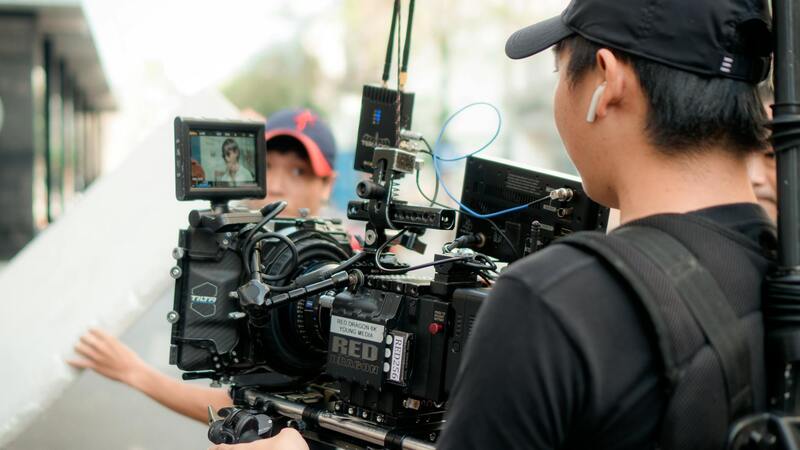
Collaboration with Local Specialists for Optimal Results
Partnering with Miami-based videography professionals who possess local expertise can significantly enhance the quality of your time lapse projects. These specialists understand the city’s hotspots, lighting patterns, and permitting processes, ensuring that shoots comply with regulations and are scheduled for optimal conditions. Their familiarity with the city’s environment allows for strategic planning, risk mitigation, and access to specialized equipment or locations that might be difficult for outsiders to navigate. Such collaborations result in more polished, impactful visuals that showcase Miami’s unique personality, helping your project stand out.