Understanding Time Lapse Video Production
Time lapse video production is a specialized technique in the field of videography that captures the passage of time at an accelerated pace. By recording individual frames at predetermined intervals over an extended period, a sequence is created that, when played back at standard speed, visually compresses hours, days, or even months into a few seconds or minutes. This method transforms long-duration events into engaging visual narratives, making it highly effective for illustrating processes such as urban development, natural phenomena, construction projects, and even cultural events.
The core purpose of time lapse videos is to provide viewers with a condensed yet comprehensive perspective of ongoing activities that are otherwise too slow or impossible to observe in real-time. For example, a city skyline changing from dawn to dusk, a flower blooming in seconds, or the gradual build-up of a construction project can each be compellingly showcased through time lapse production. These videos are renowned for their dynamic visual impact and ability to communicate complex transformations succinctly.
Visual storytelling through time lapse techniques hinges on precise planning and execution. The resulting footage often emphasizes the rhythm and progression of processes, revealing patterns and details that might go unnoticed during real-time observation. When produced professionally, a time lapse video combines technical expertise, high-quality equipment, and artistic sense to craft compelling visual narratives that captivate audiences and provide valuable insights into long-term scenarios.
Metering and exposure adjustments, interval settings, and stable camera mounting are crucial elements that influence the clarity and quality of the final product. Whether used for promotional content, documentation, or artistic expression, a time lapse video serves as a powerful storytelling tool that encapsulates extensive periods of time into concise, visually impactful stories. The ability to document and communicate progression visually makes time lapse production an invaluable method in various professional settings, providing audiences with stunning views of processes that would otherwise be difficult to convey effectively.
Key Equipment and Camera Settings
Producing high-quality time lapse videos relies heavily on selecting the right equipment and fine-tuning camera settings to ensure optimal capture. The core of any professional setup involves a reliable camera capable of manual control over exposure, focus, and interval shooting. DSLR and mirrorless cameras are preferred due to their versatility, sensor size, and compatibility with specialized accessories.
Tripods are indispensable for maintaining camera stability during extended shooting periods. A sturdy, vibration-absorbing tripod ensures the footage remains sharp, especially when capturing in outdoor environments where wind and uneven terrains are common.
An intervalometer is a critical tool for automating shot intervals. It allows precise control over the time between captures, which is crucial for creating smooth and seamless footage. Many modern cameras have built-in interval shooting functions; if not, an external intervalometer can be seamlessly integrated.
Recommended camera settings for effective time lapse production include:
- Manual focus: Ensures consistent focus throughout the shoot, preventing shifts that can disrupt the visual flow.
- Aperture: Set primarily to achieve the desired depth of field. Smaller apertures (higher f-stop numbers) increase sharpness and depth of focus, particularly important in scenic shots.
- ISO: Keep ISO low to minimize noise, especially in well-lit conditions.
- Shutter speed: Adjust based on lighting conditions and desired motion blur; for most daytime scenes, a shutter speed double the frame rate is recommended.
- Interval timing: Dependent on the subject’s speed of change; for fast-moving scenes, shorter intervals (2-5 seconds) are suitable, while slow processes may benefit from longer intervals (10-30 seconds).
Properly balancing these settings leads to footage that is both visually appealing and capable of conveying the passage of time effectively. Additionally, utilizing neutral density filters can help control exposure during bright conditions, allowing for consistent shutter speeds and preventing overexposure.
When planning a shoot, it’s also vital to ensure that the camera’s battery life and storage capacity can support extended recording sessions. Using external power sources and high-capacity memory cards is advisable for longer projects.
Optimal Techniques for Capturing High-Quality Time Lapse Footage
Achieving compelling time lapse videos hinges on meticulous capturing techniques that ensure smoothness, consistency, and visual appeal. Using a tripod or stable mounting system is fundamental to prevent unwanted camera movements, which can disrupt the sequence's flow. It’s essential to securely fix the camera to avoid jitters or shifts during extended recording sessions, especially in outdoor environments where wind or vibrations are common.
Consistent framing throughout the shoot is crucial. This can be maintained through careful setup and by locking focus and exposure settings. Many professional cameras offer manual control over these parameters, which should be set before the sequence begins to avoid fluctuations caused by automatic adjustments. If the camera lacks manual controls, external accessories or apps can facilitate similar adjustments, maintaining uniformity across all frames.
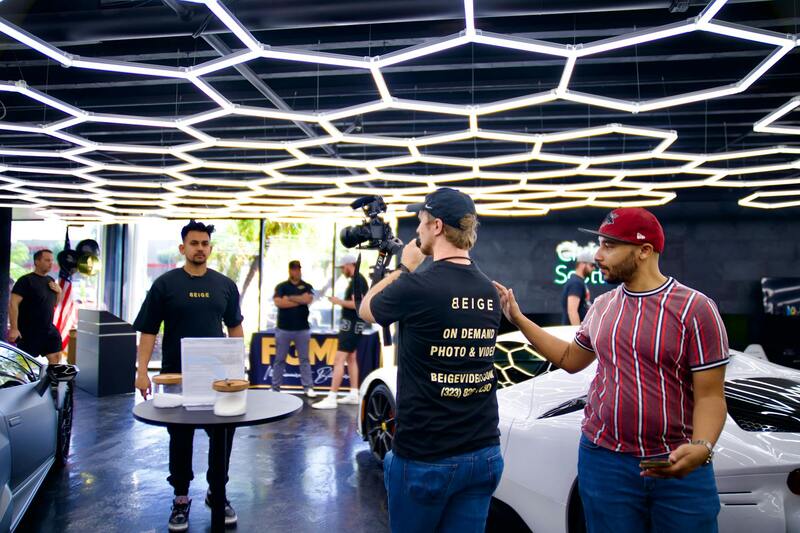
Interval timing is another key factor. The right interval depends on the movement's speed within the scene. For rapid changes, intervals of 2-5 seconds are optimal, while slower processes such as sunrise or gradual weather shifts may require intervals of 10-30 seconds. Adjustments should be made based on preliminary tests and the desired final playback speed, which is typically around 24 to 30 frames per second.
Exposure settings need particular attention. During daytime shoots, a smaller aperture (higher f-stop) enhances depth of field, resulting in sharper images across the scene. Maintaining a low ISO minimizes noise, improving image quality. Shutter speed should be double the frame rate, often around 1/50 or 1/60 second, to produce natural motion blur. Neutral density filters can be employed to manage exposure when bright conditions threaten to overexpose the footage, especially during direct sunlight.
Another consideration involves managing dynamic scenes or fluctuating lighting conditions. Using a bracketing technique or exposure ramping can help adapt to changing light levels without creating abrupt shifts in brightness. During long shoots, periodic checks to replace batteries and clear storage are vital, ensuring uninterrupted recording. External power sources and high-capacity memory cards extend recording sessions and enhance workflow reliability.
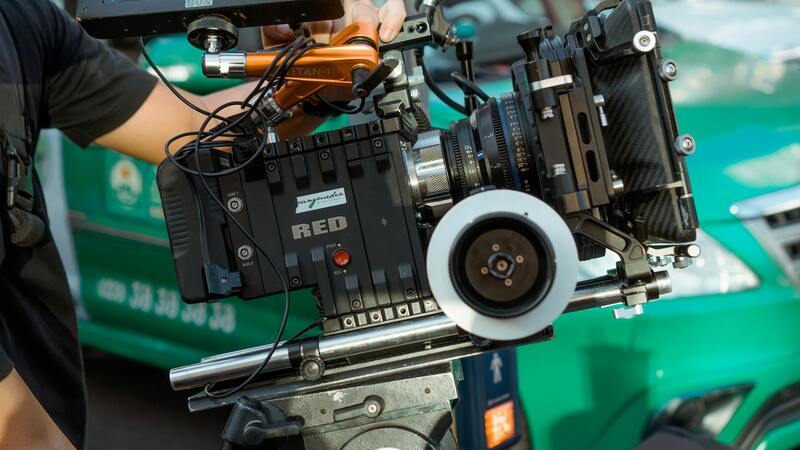
Integrating motion control devices and intervalometers can elevate the precision and smoothness of the footage, especially for complex scenes like traffic flows or natural phenomena. These tools enable precise control over camera movements and timing, producing visually striking results that emphasize the passage of time convincingly.
Effective time lapse production requires not just technical settings but also strategic planning. Previsualizing the shot and establishing a checklist for equipment, settings, and environmental considerations helps streamline the process. Consistent monitoring and adjustments during shooting are essential to accommodate unexpected changes, such as weather conditions or scene alterations. When executed with technical rigor and creative insight, time lapse videos offer viewers immersive glimpses into Miami’s vibrant life and natural beauty, capturing moments that might otherwise go unnoticed.
Understanding Time Lapse Video Production
Executing a high-quality time lapse video production involves meticulous attention to detail during both the execution and post-production phases. It begins with a thorough understanding of the equipment, camera settings, and environmental conditions specific to the shooting location. In Miami, with its vibrant urban landscape and natural scenery, the diversity of scenes requires tailored approaches to filming. Selecting the appropriate frame rate, compression settings, and intervals between shots ensures that the final video accurately portrays the intended passage of time—whether capturing the bustling city life, the serene coastline, or dynamic weather changes.
Additionally, the use of professional-grade cameras equipped with reliable intervalometers or external control devices enhances frame capture accuracy. These tools allow precise timing of each shot, which is crucial when aiming for smooth motion and seamless transitions in the final product. Proper focus, exposure, and white balance are vital, particularly in Miami's diverse lighting conditions—from intense midday sun to softer twilight hues. Managing these variables throughout the shoot helps avoid visual inconsistencies and ensures a cohesive viewing experience.
The planning process must also consider environmental factors—like weather fluctuations or crowd activity—that could impact footage stability and clarity. Employing weather-resistant camera casings and setting contingency plans streamline the shooting process. Furthermore, organizing workflow with backups for data storage and power sources prevents interruptions that can compromise the project. Combining technical precision with creative vision results in a compelling narrative conveyed through time lapse visuals, bringing Miami's dynamic scenes to life in a captivating manner.
Key Equipment and Camera Settings
For producing professional time lapse videos in Miami, selecting the appropriate equipment is essential. Cameras with high-resolution sensors and robust stabilization capabilities support capturing sharp, steady images over extended periods. Many professional filmmakers prefer DSLR or mirrorless cameras combined with high-capacity batteries and memory cards, enabling lengthy recording sessions without frequent interruptions.
When configuring camera settings, choosing the optimal interval between shots is critical. Depending on the scene's speed—like traffic flow or cloud movement—intervals can range from one second to several minutes. For fast-moving events, shorter intervals deliver smooth playback; for slower processes, longer gaps suffice. Adjusting exposure settings to accommodate bright daylight or dimmer light ensures consistent brightness levels throughout the shoot. Employing manual focus and white balance provides uniformity, preventing flickering or color shifts that can detract from the final video.
Incorporating ND filters can help manage exposure during bright conditions, allowing longer shutter speeds that produce natural motion blur. This technique adds a cinematic quality and enhances the visual appeal of the sequence. Additionally, integrating motion control devices enables precise camera movements, such as sliding or tilting, adding depth and dynamism to the footage. Properly setting these tools in advance allows for complex scene captures, like sweeping cityscapes or natural panoramas, with precision and repeatability.
Planning and Scouting Locations in Miami
Effective time lapse production begins long before the camera starts rolling. Successful projects necessitate comprehensive scouting of locations across Miami, identifying scenes that will best illustrate the passage of time. Key areas like South Beach, Downtown Miami, and Coconut Grove offer vibrant urban backdrops, while parks and waterfronts provide natural settings. Factors such as lighting conditions, accessibility, and safety should be assessed to ensure smooth execution.
During location scouting, consider the time of day and weather patterns, planning shoots during optimal lighting—such as golden hour—or when natural elements are most dynamic. Securing necessary permits for shooting in public or private spaces is vital to avoid disruptions and legal complications. It’s also beneficial to visit sites at different times to observe how scene activity varies, helping to decide on the best moments to record.
Strategic planning involves mapping out the scene’s composition and camera positions to maximize visual impact. For instance, capturing Miami’s iconic skyline during sunset or monitoring the flow of pedestrians and vehicles during peak hours can lend authenticity and energy to the final footage. Preparing a shot checklist for each location, including equipment needs and environmental considerations, streamlines the process and minimizes unforeseen issues during filming.
Capturing Time Lapse Footage
Executing a successful time lapse video production in Miami involves meticulous control over camera operation and environmental factors. Once locations are scouted and prepared, the actual capturing process begins, requiring precise camera setup and disciplined execution. Proper camera positioning ensures that scenes are composed to highlight Miami’s dynamic cityscape or natural landscapes effectively. Stability is crucial; therefore, tripods or other steady mounts should be used to prevent unwanted motion blur or jitters that can detract from the seamless flow of images.
In terms of camera settings, selecting the appropriate interval is fundamental to achieving the desired temporal resolution. Shorter intervals—such as one frame every few seconds—are suitable for scenes with rapid changes, like busy streets during rush hour. Conversely, longer intervals—up to several minutes—are ideal for capturing slow transformations like cloud movements or tide levels. This choice directly influences the overall duration of the final video, balancing between detail and viewer engagement.
Ensuring consistent exposure throughout the shoot is key to avoid flickering or inconsistent lighting in the final product. Manual exposure settings are recommended over automatic modes to maintain uniformity across the sequence. Adjust ISO, aperture, and shutter speed based on lighting conditions, which can vary widely in Miami due to weather changes or different times of day. When shooting in bright daylight, using ND filters can help prevent overexposure while maintaining a natural look.
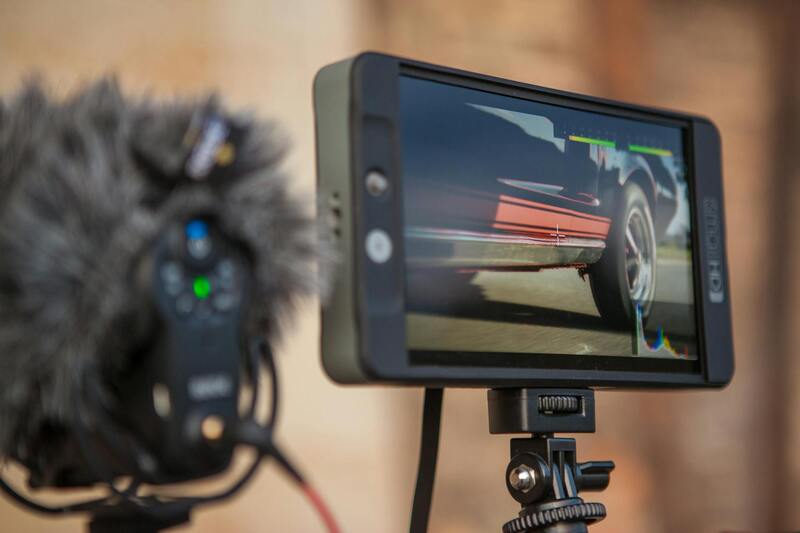
Additionally, consider the use of motion control rigs, which allow for precise camera movements during shooting, resulting in more cinematic and engaging sequences. This is particularly useful for scenes that involve gradual camera pans or zooms, adding a layer of professionalism to the project. Properly managing battery life and storage capacity is also essential, especially during extended shoots in outdoor environments, to prevent disruptions. Regularly reviewing footage on-site helps identify any inconsistencies early, enabling adjustments to camera settings or shooting strategies as needed.
Lighting conditions can fluctuate significantly in Miami due to weather and time of day. Planning shoots around golden hour—shortly after sunrise and before sunset—can dramatically enhance visual quality, providing warm, soft illumination that accentuates colors and depth. Overcast days offer diffuse lighting, reducing harsh shadows, while clear sunny conditions create vibrant contrasts. Monitoring weather forecasts and adjusting schedules accordingly can prevent capturing footage under unfavorable conditions that might compromise the final quality.
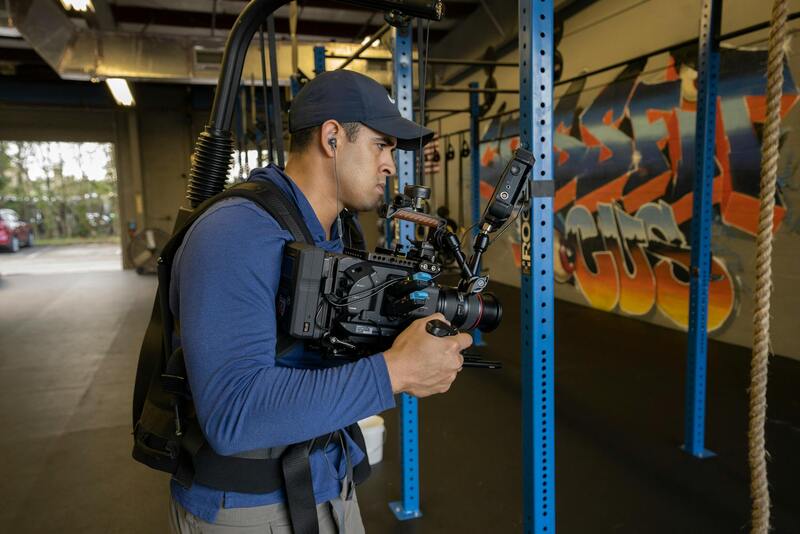
Finally, reviewing and backing up footage regularly during the shooting process helps avoid data loss and allows for real-time assessments of progress. Post-shoot, the collected images serve as the foundation for the subsequent editing phase, where they are assembled into a captivating time lapse video that vividly showcases Miami’s energetic environment and diverse landscape transformations.
Legal and Permitting Considerations
When producing time lapse videos in Miami, understanding and navigating permission requirements is essential to ensure smooth operations. Local regulations often mandate obtaining specific permits for shooting in certain public spaces, especially those that are frequented by the public or protected areas. Securing appropriate permissions can prevent disruptions during filming and avoid potential penalties or delays.
It is advisable to consult with municipal authorities or designated agencies responsible for public spaces, parks, and private property management. Clear communication about the scope of the project, the expected duration, equipment use, and potential impact on the environment or public access can facilitate a smoother approval process.
In addition to basic permits, some locations might require additional documentation, such as liability insurance, to cover any unforeseen damages or accidents. Including a detailed shoot plan, outlining safety measures and site management strategies, can further support permit applications and demonstrate professionalism.
For commercial projects, documented consent from property owners or stakeholders may be necessary to avoid conflicts. Engaging with local authorities early in the planning process ensures compliance and streamlines workflow, allowing production teams to focus on capturing high-quality footage without unexpected interruptions.
Moreover, understanding the specific zoning laws and community guidelines applicable in Miami neighborhoods can prove beneficial. Some areas have restrictions on drone usage, noise levels, or the presence of crew members, particularly during weekends or special events. Adhering to these regulations not only respects local policies but also maintains a positive relationship with the community.
It is recommended to keep detailed records of all permissions and communications related to permits and approvals. This documentation can be valuable for accountability and reference throughout the production process, especially if questions or issues arise from local authorities or stakeholders.
Strategies for Seamless Shooting in Miami
Executing a professional time lapse video production in Miami requires meticulous planning and adherence to established procedures. To achieve consistent results, production teams should develop detailed shot lists and schedules that account for lighting changes, weather conditions, and location accessibility. Utilizing a comprehensive storyboard can ensure that each segment aligns with the overall artistic vision, thereby minimizing the need for repeated takes or adjustments during the shoot.
Pre-production also involves engaging with local authorities and securing all necessary documentation well in advance. This proactive approach reduces the risk of interruptions caused by unforeseen bureaucratic hurdles. Proper communication with property owners and relevant stakeholders forms the backbone of a smooth operation, especially in high-traffic areas or popular landmarks.
When selecting locations, consider the unique characteristics of Miami’s diverse neighborhoods. Downtown Miami might feature vibrant urban scenes, while coastal areas offer stunning oceanic backdrops. Each site demands specific preparations, from transit arrangements to establishing safe zones for crew and equipment. Conducting comprehensive location inspections beforehand helps identify potential obstacles, such as uneven terrain or restricted access points.
Comprehensive Tips for Safe and Effective Time Lapse Video Production in Miami
Producing compelling time lapse videos in Miami requires a keen understanding of best practices for equipment handling, safety protocols, and adherence to local regulations. This ensures that the footage is not only visually impressive but also captured ethically and responsibly.
Securing Necessary Permits and Authorization
Before initiating any shoot, especially in prominent or sensitive locations around Miami, securing the appropriate permits from local authorities is essential. This process involves submitting detailed plans outlining the scope of the shoot, equipment used, expected duration, and potential impact on public spaces. Working closely with city officials and property managers helps facilitate smooth approval processes and minimizes disruptions during production.
Engaging Local Expertise for Site Access and Permitting
Partnering with Miami-based production agencies or local consultants experienced in navigation and permitting streamlines the planning process. These experts have established relationships with municipal offices, enabling quicker authorization and better site management. They also possess invaluable knowledge about unique local considerations, such as traffic patterns, crowd control, and cultural sensitivities, ensuring the project proceeds efficiently and respectfully.
 igure>
Ensuring Safety During Shooting
Time lapse shoots often involve extended periods on location, sometimes in high-traffic or hazardous areas. Safety measures include conducting thorough site risk assessments, using appropriate safety gear, and coordinating with local authorities if crowd control or road closures are necessary. Additionally, crew members should be trained in emergency procedures, and the equipment should be securely mounted to withstand Miami’s weather conditions, such as strong winds or sudden storms.
Respecting Public and Private Spaces
Respect for local residents and businesses is crucial. This entails informing nearby stakeholders about the filming schedule, minimizing noise, and avoiding obstruction of essential services. Prior consent should be obtained if filming involves private property, and any necessary signage should clearly indicate ongoing production activities.
Adhering to Environmental Considerations
Miami’s diverse ecosystems, including its coastal areas and parks, require careful planning to prevent environmental disturbance. Ensure that equipment setups do not damage natural resources or wildlife habitats. When shooting near water bodies or sensitive landscapes, employ non-intrusive techniques and avoid leaving any debris or equipment behind.
Utilizing Advanced Equipment for Safety and Quality
Using high-quality stabilization gear and weather-resistant cameras is crucial for safeguarding equipment and capturing stable footage under Miami's varying weather conditions. Automated intervalometers and remote control options allow the crew to operate cameras from safe distances, reducing the need for close proximity to busy streets or hazardous zones.
 igure>
Post-Production Quality Assurance
After capturing the footage, meticulous review and editing are vital to ensure the final video aligns with safety standards and creative expectations. Stabilization and color correction not only enhance visual appeal but also correct any technical issues that may have arisen during filming. Moreover, the preservation of original footage should be prioritized to enable future revisions or re-edits if needed.
Summary
By adhering to official procedures, securing necessary permits, engaging local professionals, and prioritizing safety, Miami-based time lapse video projects can achieve both high-quality results and responsible production standards. These practices foster a professional environment that respects local regulations and enhances the overall success of the filming endeavor, ultimately delivering a captivating representation of Miami’s vibrant environment.