Understanding Time Lapse Video Recording
Time lapse video recording is a method of capturing a series of photographs at set intervals over a period of time, then playing them back at a faster speed to create a condensed, dynamic visual narrative of long-duration events. This technique transforms hours, days, or even months into a few seconds or minutes of engaging footage, offering a unique perspective on processes that unfold gradually, such as construction projects, natural phenomena, or urban development.
Key features of time lapse recordings include precise control over shooting intervals, the ability to capture movements too slow for conventional video, and the flexibility to document both subtle and rapid changes in the environment. These videos often require a well-planned setup, including stable mounting equipment and consistent lighting conditions to ensure clarity and continuity throughout the sequence.
In various industries, time lapse videos serve a multitude of purposes, such as monitoring construction progress, showcasing real estate developments, capturing environmental changes, or creating compelling content for marketing campaigns. The ability to distill extensive periods into succinct visual stories makes this technique a vital tool for professionals seeking to communicate complex processes efficiently and effectively.
Executives and project managers leverage time lapse footage for tracking project milestones, resolving disputes, or demonstrating transparency with stakeholders. Filmmakers and content creators use it to craft engaging visual narratives that highlight the passage of time in creative ways. Its applications extend beyond entertainment, encompassing educational demonstrations and scientific observations where visualizing change over periods enhances understanding.
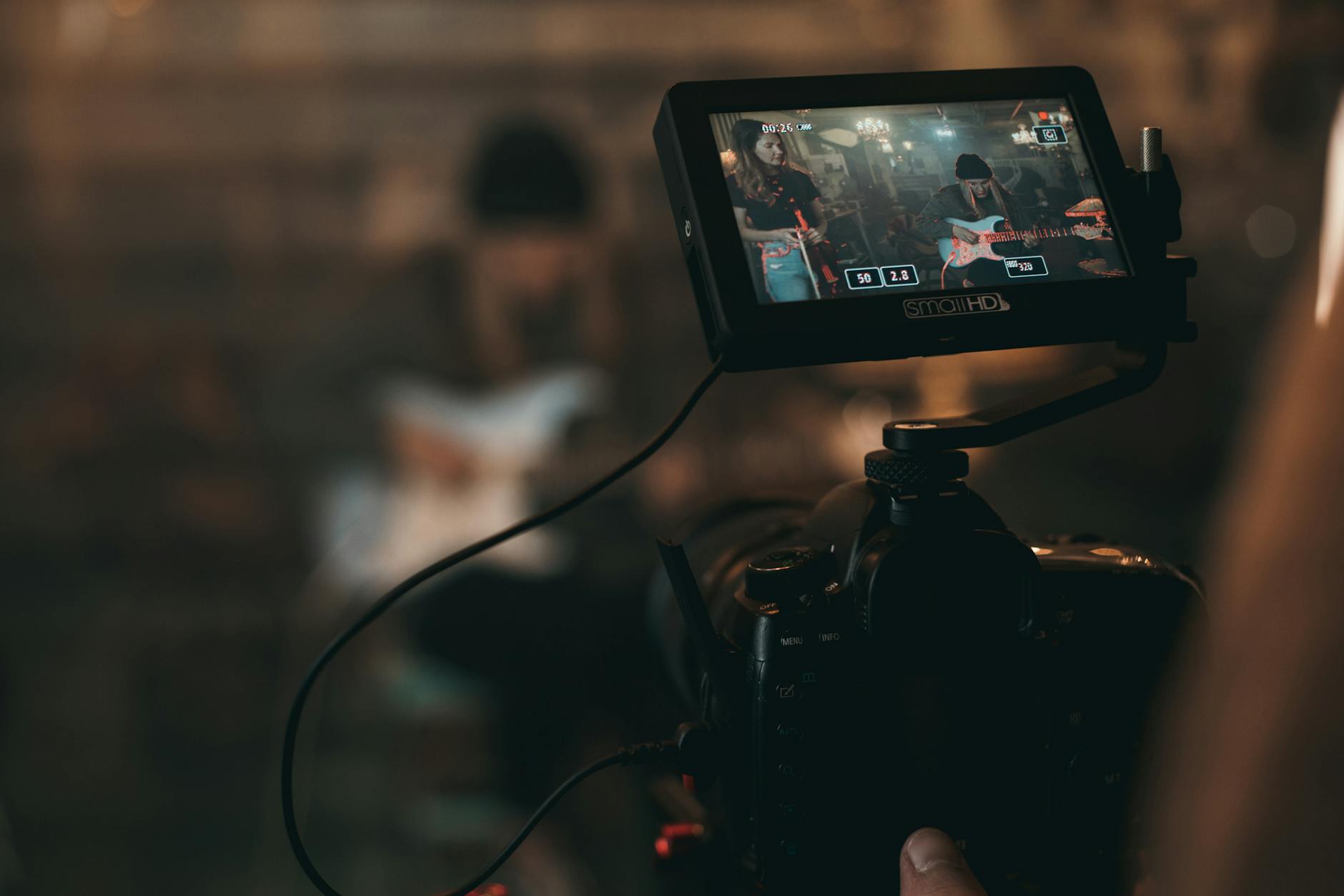
Employing high-quality equipment, such as professional-grade cameras with adjustable intervals, sturdy tripods, and appropriate power sources, is essential for achieving optimal results. Additionally, software tools allow for precise scheduling, control over image settings, and the integration of captured footage into polished videos. A comprehensive grasp of the technical aspects and planning intricacies of time lapse recording ensures production of videos that are both visually captivating and technically sound.
Adopting the correct method for capturing and processing time lapse footage is fundamental to achieving seamless and compelling results. From initial planning to execution and post-production, professionals in Miami and beyond rely on specialized techniques and equipment to realize their vision through this powerful form of visual storytelling.
Types of Time Lapse Techniques and Styles
There are several distinct methods and stylistic approaches to time lapse video recording, each suited to specific creative goals and technical requirements. Choosing the appropriate technique depends on factors such as the subject matter, environmental conditions, and desired visual outcome. The main types include standard time lapse, hyperlapse, and stop motion, each offering unique advantages and considerations.
- Standard Time Lapse: This method involves capturing images at fixed intervals over an extended period, then compiling them into a seamless sequence. It is ideal for documenting gradual changes like urban development, weather patterns, or plant growth. The stability of the camera setup is paramount to ensure a steady flow throughout the sequence.
- Hyperlapse: A variation of traditional time lapse, hyperlapse incorporates camera movement, often through walking or vehicle shots, to create dynamic, cinematic sequences. This technique demands precise planning and stabilization tools to prevent jitter or unwanted motion, resulting in a captivating visual flow that guides viewers through a scene or location.
- Stop Motion: Unlike continuous time lapse, stop motion involves capturing individual frames with deliberate adjustments between shots. When played back, it simulates movement and change in a highly stylized fashion. This technique is particularly popular for artistic projects or creative storytelling, showcasing a controlled progression of motion and transformation.

Understanding these various styles allows creators to select the most effective approach for their project aims. For example, urban planners may favor standard time lapse to monitor construction progress, while filmmakers might choose hyperlapse to produce engaging cityscape sequences. The technical execution varies: hyperlapse and stop motion require additional stabilization equipment or precise frame adjustments, respectively. Properly planning these styles involves careful consideration of camera settings, interval timing, and environmental factors to ensure the final footage aligns with the project's creative and technical objectives.
Implementing Time Lapse Video Recording with Proper Equipment
Choosing the right equipment is fundamental to capturing high-quality time lapse videos that meet professional standards. When planning a time lapse recording, selecting suitable cameras, stabilization tools, and accessories ensures the final footage is crisp, steady, and visually engaging. Cameras designed for time lapse photography often feature intervalometers, allowing users to set specific intervals between shots, which are essential for controlling the pacing and duration of the sequence. Modern mirrorless and DSLR cameras frequently include built-in interval shooting modes, simplifying the process for shooters.
Stability is particularly critical in time lapse recording, as even minor camera movements can degrade image quality over extended shooting periods. Tripods remain the primary stabilization equipment, providing a sturdy and reliable base. For more dynamic shots, such as hyperlapse sequences, specialized stabilization rigs or gimbals help maintain smooth camera motion, preventing jitter and unwanted shake. 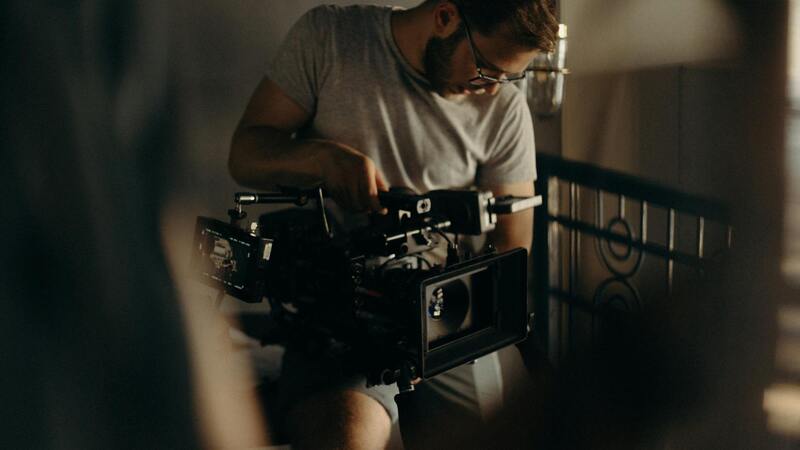
Additional accessories, such as weatherproof covers or protective enclosures, safeguard equipment during outdoor shoots against environmental elements. Power sources like external batteries or AC adapters are crucial for extended sessions, preventing interruptions due to power depletion. Memory cards with high storage capacity and fast write speeds allow for uninterrupted capture, especially when dealing with high-resolution images or quick succession intervals. Properly calibrated camera settings — including focus, aperture, ISO, and white balance — contribute to consistent image quality, reducing the need for extensive post-processing corrections.
Software plays an integral role in managing and automating time lapse recording sessions. Many cameras come with proprietary or third-party applications that facilitate interval shooting, remote control operation, and real-time monitoring. These tools often include features like timestamp overlays and exposure adjustments, which are useful during prolonged shoots. For more complex setups, motion control systems and programmable controllers enable precise camera movements and timing, allowing for creative hyperlapse effects or complex sequences that follow predetermined paths.
In practice, meticulous planning involves not only choosing the right gear but also configuring it appropriately to suit environmental conditions and project goals. Factors such as ambient lighting, weather variability, and subject movement patterns influence equipment choice and setup. Additionally, conducting test shots beforehand helps fine-tune camera settings and establish optimal interval parameters, ensuring the final time lapse behaves as intended when played back at standard speeds.
Once all hardware and software preparations are complete, setting up the camera rig in a stable, secure location minimizes vibrations and accidental shifts. Consistent framing and exposure are especially important for seamless sequences, so it’s advisable to record test footage and review it carefully. When capturing scenes that involve changing lighting conditions, manual exposure control or bracketing can prevent flickering artifacts, leading to a more professional appearance in the finished video.
Understanding Time Lapse Video Recording
Time lapse video recording is a specialized technique that involves capturing a series of images at set intervals over a period of time, which when played back at normal speed, reveals processes that happen gradually and typically go unnoticed in real time. This method enables creators to visualize changes in environments, structures, and natural phenomena efficiently, providing a dynamic perspective that is both compelling and informative. The core principle of time lapse recording relies heavily on precise timing, camera stability, and consistent framing to produce seamless, high-quality sequences.
Implementing effective time lapse videos requires careful determination of shooting parameters such as interval duration, total recording time, and exposure settings to match the intended subject and scene. Whether capturing a bustling cityscape at sunset, the growth of a plant, or cloud movements across the sky, selecting the appropriate time intervals ensures that the final footage accurately depicts the passage of time without abrupt jumps or unnatural pacing.
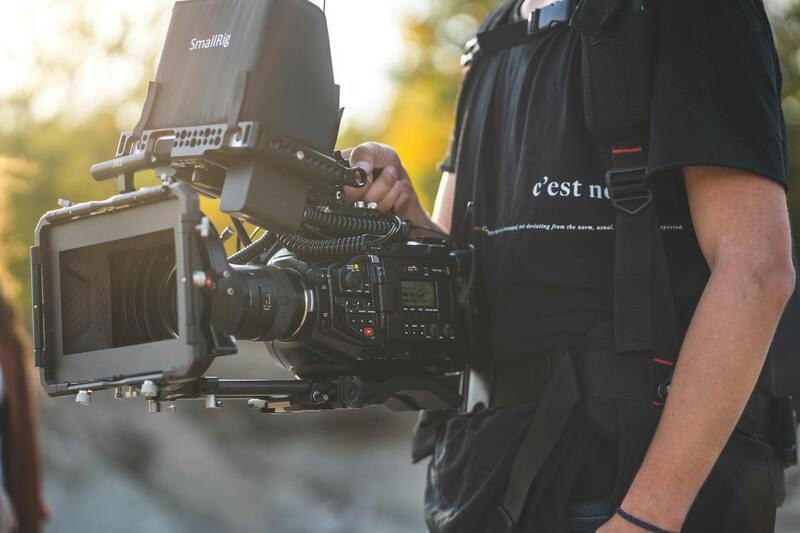
Optimal camera placement and stabilization are crucial when recording time lapse sequences. Using sturdy tripods, gimbals, or other stabilization rigs prevents unwanted shifts that can disrupt the continuity of the footage. Proper lighting conditions also play a significant role; consistent illumination minimizes flickering and exposure inconsistencies. When working in environments with changing light, manual exposure adjustments and neutral density filters can help maintain visual uniformity.
Key Factors Influencing Time Lapse Recordings
- Interval Selection: Determines the frequency at which images are captured. Shorter intervals capture rapid movements, while longer intervals are suitable for slow changes.
- Camera Stability: Prevents jitter, shakes, or shifts from appearing in the final video, ensuring smooth playback.
- Lighting Conditions: Consistent lighting prevents flickering and maintains visual quality; in changing light, manual controls or filters are essential.
- Scene Dynamics: Understanding the subject’s movement helps set appropriate frame rates and intervals to capture natural progression.
- Equipment Calibration: Proper calibration of camera settings such as ISO, shutter speed, and white balance enhances image quality and prevents artifacts.
Careful planning and execution are vital for successful time lapse capturing. Shooting in controlled environments or during periods of stable weather can enhance the overall quality of the footage. Regular test shots and ongoing reviews allow adjustments to be made proactively, ensuring that the final sequence aligns with the intended visual narrative.
Once the raw footage is collected, specialized editing software is employed to assemble the images into a cohesive video. Color correction, exposure adjustment, and interval refinement ensure the video maintains a consistent look and maximizes visual impact. By understanding and controlling these elements, creators can produce captivating time lapse videos that effectively communicate the passage of time while adhering to technical excellence.
Technical Aspects of Capturing High-Quality Time Lapse Videos
Achieving optimal results in time lapse video recording necessitates a comprehensive understanding of several technical components. Precision in these elements directly impacts the clarity, stability, and overall visual appeal of the final product. Paramount among these is the selection of equipment capable of capturing high-resolution images at specified intervals, often requiring cameras with programmable interval shooting modes or the ability to operate remotely. Modern DSLR and mirrorless cameras are favored for their versatility and image quality, but specialized dedicated time lapse devices also offer enhanced control and automation.
Proper camera setup begins with adjusting parameters such as ISO, shutter speed, aperture, and white balance to suit the lighting conditions of the scene. Consistent exposure settings are essential, especially in environments with changing light, to prevent flickering effects in the final video. Utilizing manual mode ensures that automatic adjustments do not introduce fluctuations that could detract from the seamless passage of time. Additionally, lens choice influences the composition and depth of field, which can dramatically alter the visual storytelling of the time lapse.
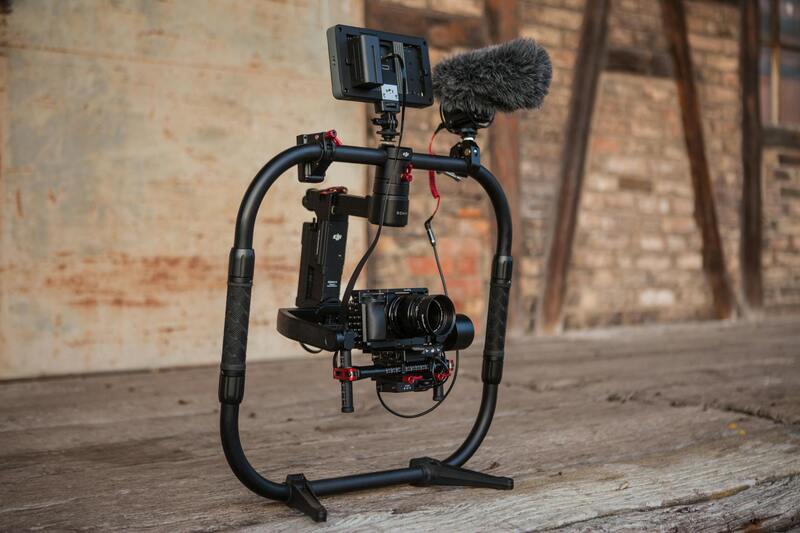
Stability in capturing images is critical—any camera shift or vibration can manifest as undesirable jitter in the final video. To mitigate this, deploying sturdy tripods, drone mounts, or motorized sliders equipped with vibration dampers helps maintain a fixed perspective during extended shoots. Employing remote control or intervalometers minimizes the need for physical interaction, reducing the risk of disturbance that could compromise image consistency.
Lighting plays a vital role in time lapse video quality. Uniform illumination across all frames ensures continuity and prevents flickering. When shooting over extended durations, it's necessary to consider ambient light variations, such as sunrise or sunset, and employ manual controls or neutral density filters to balance exposure levels. For scenes with dynamic lighting, post-processing techniques can be used to correct brightness and color discrepancies, preserving a natural and cohesive visual flow.
Post-recording, footage undergoes meticulous editing to stitch images seamlessly. Software capable of handling high-volume image sequences allows customization of frame rates, interval adjustments, and transition smoothing. Color grading tools enhance visual impact, emphasizing mood and atmosphere. Additionally, stabilization algorithms can further refine footage by correcting minor shifts, ensuring the final video appears fluid and professional. These technical considerations are fundamental for producing compelling time lapse videos that effectively illustrate the progression of time while maintaining impeccable quality standards.
Choosing the Right Equipment and Software for Time Lapse Recording
Achieving high-quality time lapse videos requires selecting appropriate tools that align with the project’s scope and desired visual outcome. Modern time lapse recording hinges on specialized cameras, stabilization gear, and robust editing software, all designed to capture consistent, sharp images over extended periods.
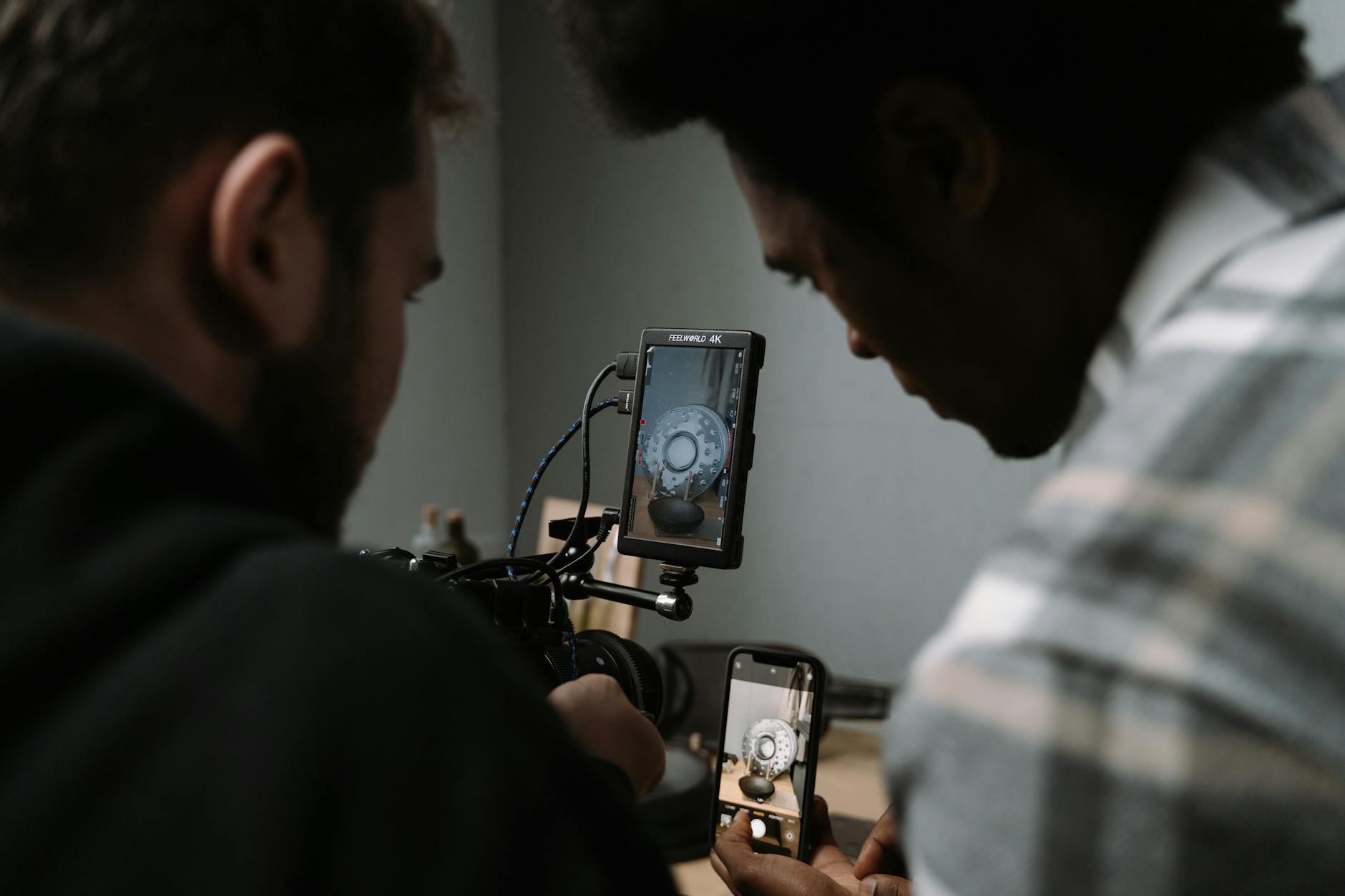
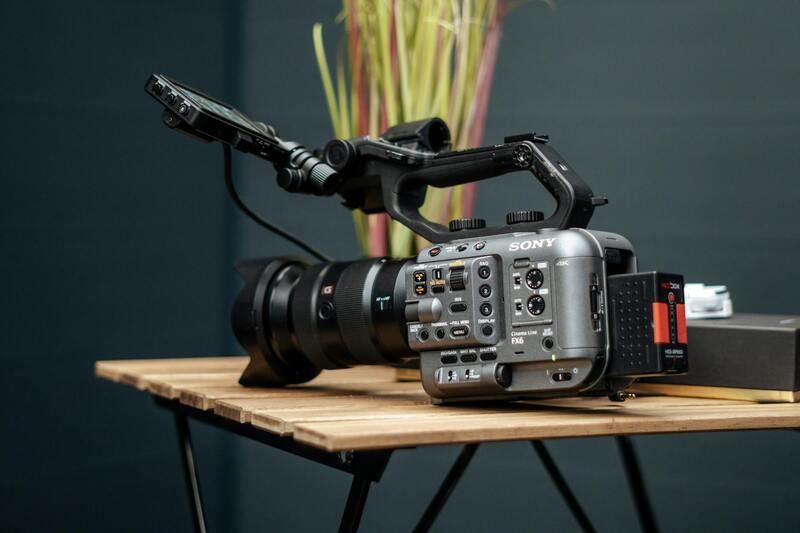
When it comes to cameras, options range from dedicated time lapse cameras equipped with built-in intervalometers to DSLR and mirrorless models that offer extensive manual control. Cameras with high resolution, excellent dynamic range, and reliable autofocus systems contribute significantly to clarity and detail, especially in scenes with varying lighting conditions. For outdoor shoots or unstable environments, gimbal stabilizers or motorized sliders help maintain camera stability, preventing motion blurs and jitters that can detract from the final sequence.
In addition to hardware, software plays a crucial role in assembling, editing, and enhancing time lapse footage. Industry-standard applications offer features such as interval control, frame rate adjustments, and image stabilization tools. These programs facilitate the synchronization of image sequences to create seamless transitions, while color grading options allow for nuanced mood setting and consistency throughout the video.
Some software solutions provide advanced features like noise reduction, exposure correction, and dynamic range enhancement, which are especially useful when working with raw image files or scenes with challenging lighting. Utilizing these tools ensures that the final time lapse is visually compelling, coherent, and professional in appearance.
For post-processing, batch processing capabilities streamline the handling of large image sequences. This efficiency is vital for projects that involve capturing thousands of individual shots over days, weeks, or months. Moreover, the ability to preview edits in real-time allows filmmakers and content creators to make informed adjustments, ensuring the final product aligns with their artistic vision and technical standards.
Preparations and Technical Considerations for Successful Time Lapse Recording
Successful time lapse projects demand meticulous planning to counteract potential technical issues. Before initiating the shoot, assessing environmental factors such as weather, lighting, and scene stability is essential. Setting the camera's parameters—manual focus, exposure, and white balance—reduces fluctuations that could lead to flickering or inconsistency in the footage.
Utilizing automated devices like intervalometers or camera remote controls ensures precise timing between each shot, maintaining consistent intervals crucial for accurate temporal representation. For extended shoots, timers that automatically trigger shots at predetermined intervals reduce manual oversight, minimizing disturbances that could compromise continuity.
Lighting management is pivotal; scenes with fluctuating natural light require manual exposure adjustments or neutral density filters to maintain uniformity. For indoor or controlled environments, consistent artificial lighting prevents unwanted variations. During longer captures, monitoring and adjusting for changes in ambient conditions can prevent exposure discrepancies, which are often corrected during post-production for a more professional appearance.
Complementing technical gear with solid support systems like tripods, drone mounts, or motorized sliders ensures camera stability across the entire recording duration. Employing vibration reduction accessories and remote operation tools not only enhances image quality but also reduces operator influence, enabling more natural, less disturbed recordings. These technical preparations lay the groundwork for capturing high-quality images that, when stitched together with suitable software, produce compelling time lapse videos that vividly illustrate the passage of time in any scene.
Technical Aspects of Shooting Time Lapse Videos
Achieving a seamless and captivating time lapse video requires precision in both capturing images and controlling the shooting environment. The technical setup involves selecting the appropriate camera settings, choosing suitable intervals between shots, and ensuring stability throughout the shooting process. Modern digital cameras and high-end smartphones equipped with interval shooting modes provide a straightforward way to automate the image capture process. For more complex projects or professional-grade outputs, specialized intervalometers or remote camera controls can be used to precisely determine the timing and trigger the camera at consistent intervals.
Optimal lens selection and camera positioning are crucial. Wide-angle lenses are often preferred for capturing expansive scenes like cityscapes, sunsets, or nature environments, helping to emphasize the passage of time on a grand scale. Long focal lengths can be used to focus on specific details, such as a flower blooming or traffic moving through an intersection. Mounting security or professional tripods that provide stability and vibration reduction ensures that the camera remains immobile during the entire shooting duration, preventing unwanted motion blur or jitter that could affect the final footage.
Lighting management is another critical factor. Scenes illuminated by natural light should be monitored to avoid drastic changes in exposure due to weather shifts or the sun's movement. When working indoors or in controlled environments, consistent artificial lighting ensures uniform brightness and color temperature. During lengthy shoots, employing neutral density filters helps maintain consistent exposure levels despite changing ambient light conditions, resulting in more cohesive footage.
Post-processing plays a vital role in refining the raw images into a polished time lapse video. Adjustments for color correction, exposure consistency, and flicker reduction help enhance visual flow. Specialized software can automatically detect and correct flickering artifacts caused by subtle lighting variations, ensuring a smooth visual experience. When combining the still images, frame rate settings are configured to match the intended viewing experience, typically between 24 to 60 frames per second. This ratio affects how fluid the final video appears, with slower frame rates producing a more dramatic effect and higher rates offering a smoother presentation.
Employing motion control devices like motorized sliders or programmable gimbals can add dynamic elements to time lapse projects. These tools enable smooth camera movements during capturing, adding depth and perspective shifts that increase viewer engagement. Moreover, considering environmental factors such as wind, vibrations, or temperature fluctuations can help in preemptively mitigating issues that might compromise shot stability or image quality.
In sum, the technical rigor involved in time lapse video recording demands meticulous planning, equipment choice, and environmental control. When executed with precision, these elements come together to create a compelling narrative of transformation and passage of time, serving various creative, commercial, or documentary purposes effectively.
Step 8: Finalizing and Distributing Your Time Lapse Video
Once the editing process is complete, the focus shifts to the finalization and distribution of your time lapse video. Proper preparation ensures your content reaches the intended audience effectively while maintaining its visual integrity. This phase involves exporting the project in the appropriate formats, optimizing for various platforms, and understanding best practices for sharing your work.
Export Settings and File Formats
Choosing the correct export settings is crucial for preserving image quality and ensuring compatibility across different viewing mediums. High-definition formats such as MP4 (H.264 codec) are widely supported and provide a good balance between quality and file size. For professional archiving or high-resolution presentations, formats like MOV or ProRes may be preferred. When exporting, ensure that the frame rate matches your project's original settings to maintain visual consistency. Additionally, consider including color profiles embedded in the file to preserve color accuracy across displays.
Optimizing for Different Platforms
Each platform has unique specifications and audience expectations. For sharing on social media, videos should be compressed to smaller sizes without sacrificing clarity—using optimized resolutions like 1080p or 4K, depending on your original footage. Thumbnails and previews should be engaging and representative of the content. For presentations or professional portfolios, considering higher bitrates and uncompressed formats can showcase the craft behind the project. When hosting videos online, use reliable hosting services to ensure smooth playback and accessibility for viewers.
Legal Considerations and Best Practices for Distribution
Prior to sharing your time lapse video publicly, ensure that any necessary permissions for locations, equipment, or featured subjects have been obtained. Including proper credits for collaborators or licensed materials aligns with professional standards and fosters trust. Maintain digital rights management practices where applicable to prevent unauthorized use. When showcasing your work in a portfolio or publicly, adhere to best practices regarding privacy and consent if the footage includes identifiable individuals or sensitive environments.
Creating a Distribution Plan
- Identify target audiences: Whether for commercial clients, social media followers, or internal stakeholders, tailor your distribution approach accordingly.
- Choose suitable platforms: Select channels like YouTube, Vimeo, or specialized industry websites that align with your content’s purpose.
- Schedule releases: Timing can influence viewer engagement. Coordinating with events or campaigns can enhance visibility.
- Promote your work: Use social media, email marketing, or press releases to increase exposure and attract potential clients or collaborators.
Monitoring and Feedback
After release, monitor viewer engagement, gather feedback, and analyze performance metrics. This data guides improvements for future projects and helps in understanding how your audience interacts with your content. Responding to comments and engaging with viewers fosters community and encourages sharing, expanding the reach of your time lapse work.