Understanding Timelapse Production
Timelapse production is a specialized technique in visual content creation that involves capturing a series of photographs over an extended period and then assembling them into a condensed video. This process allows viewers to observe phenomena or changes that happen gradually, such as urban development, natural landscapes, or logistical operations, in a matter of seconds or minutes. The core principle of timelapse is to accelerate the passage of time, offering a unique perspective that is both engaging and informative.
This method is widely utilized across various industries, including real estate, filmmaking, event coverage, and promotional marketing. Its appeal lies in its ability to demonstrate progression, transformation, and movement within a single, visually compelling narrative. For example, a timelapse of a cityscape at sunset captures the transition from daylight to night, emphasizing both the natural progression of time and the vibrancy of urban life.
Timelapse projects can range from simple recordings of daily routines to complex sequences involving multiple locations, various lighting conditions, and intricate camera movements. The technique demands careful planning and precise execution to ensure smooth, high-quality footage. When executed effectively, a timelapse not only documents change but also evokes emotional responses and offers viewers a new way to experience familiar environments.
Properly crafted timelapses serve as powerful storytelling tools and are often used in documentary filmmaking, corporate presentations, and artistic installations. Their ability to condense lengthy processes into short visual summaries makes them invaluable for engaging audiences with captivating visual narratives.
 caption
Understanding Timelapse Production
Effective timelapse production hinges on meticulous preparation and a detailed understanding of the technical and creative elements involved. Once the concept is clear, setting up the right environment for capturing steady, consistent footage becomes paramount. From selecting appropriate equipment to determining optimal shooting locations and times, every aspect influences the final outcome.
In urban environments like Miami, where dynamic cityscapes and natural landscapes coexist, choosing the perfect vantage point can markedly enhance the narrative. High vantage points such as rooftops, elevated terraces, or drone flight paths offer sweeping views that beautifully showcase movement and transformation. Additionally, understanding the local light patterns, especially during golden hours, helps capture footage with rich, vibrant colors.
During the shoot, maintaining consistency in framing, exposure, and focus is critical to avoid distracting flickers or shifts that reduce visual coherence. Using manual camera settings allows precise control over these parameters, ensuring uniformity across the entire sequence. Additionally, some modern cameras feature built-in time-lapse modes that streamline the process, automating interval capturing and exposure adjustments.
Choosing the right interval between shots depends on the subject’s speed of change. For fast-moving events like rushing traffic or bustling crowds, shorter intervals (e.g., 1-3 seconds) provide smoother motion. Conversely, slower scenes—such as sunset development or natural landscape shifts—may require longer intervals, sometimes up to several minutes, to avoid resource waste and keep the footage manageable.
Alongside camera settings, planning for power supply and storage capacity is essential. Extended shoots, particularly in outdoor locations, demand robust power solutions, such as external batteries or portable power stations, to prevent interruptions. Adequate memory cards or external storage devices ensure all images are safely stored without risk of data loss.
Incorporating Movement and Dynamic Elements
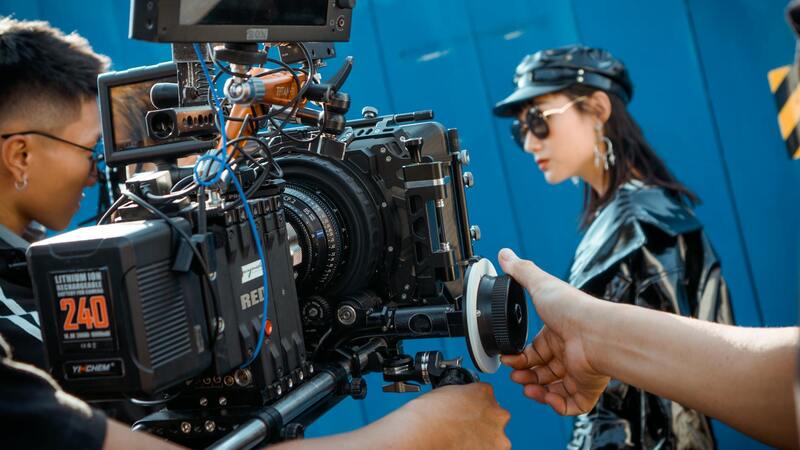
While static timelapses are common, adding elements of camera movement—like pans, tilts, or slides—can heighten visual interest. Using motorized sliders or gimbals enables smooth, controlled motion that enhances storytelling. In Miami’s vibrant setting, incorporating moving elements captured through drone footage or stabilized camera rigs delivers a cinematic quality that stands out.
Careful planning also involves coordinating weather conditions and dealing with potential disruptions. Miami's climate, characterized by frequent sun and occasional rain, requires flexible scheduling and protective gear to safeguard equipment. Cloud cover and changing light conditions can dramatically alter the mood and visibility of the scene, emphasizing the importance of weather monitoring in advance.
Conclusion
Mastering timelapse production in Miami requires a blend of technical expertise, creative vision, and thorough planning. By selecting the right equipment, understanding local conditions, and executing carefully crafted shot sequences, creators can produce captivating visual stories that encapsulate the city's dynamic essence. Precise execution during the shooting phase paves the way for post-production refinement—resulting in professional, high-quality timelapse videos that effectively communicate motion and change over time.
Understanding Timelapse Production
Timelapse production involves capturing a series of images over an extended period, which are later compiled into a seamless video sequence that demonstrates changes occurring gradually over time. This technique is particularly impactful for showcasing cityscapes, natural phenomena, or construction projects, providing viewers with a perspective that is both informative and visually compelling. The core principle of timelapse filming is meticulous planning—determining the ideal locations, framing, and timing to encapsulate the desired transformation.
Fundamental Principles of Effective Timelapse Production
- Consistent Interval Shooting: Selecting appropriate time intervals between shots is crucial. Shorter intervals can capture fast-paced changes, while longer intervals are suitable for slow developments. Proper interval selection balances clarity with the total duration of the project.
- Stable Camera Positioning: Utilization of tripods, mounts, or stabilized rigs ensures a consistent frame throughout the shoot. Stability prevents jitter and maintains composition integrity, which is essential for producing professional-quality sequences.
- Accurate Exposure Settings: Adjusting exposure, ISO, and aperture settings in advance or using camera automation ensures consistent image quality despite changing lighting conditions, especially in dynamic environments like Miami with variable weather patterns.
- Strategic Location Selection: Choosing visually interesting points that offer compelling perspectives maximizes storytelling potential. Consider factors like lighting, subject movement, and surrounding scenery.
Implementing Dynamic Elements for Greater Visual Impact
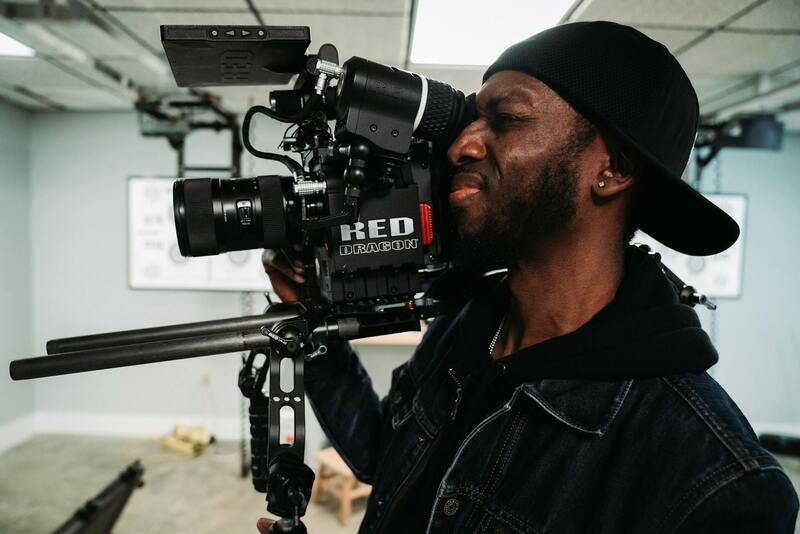
While static shots are effective, integrating dynamic movements introduces a cinematic quality that elevates the narrative. Techniques such as camera pans, tilts, and slides create a sense of motion within the scene, drawing viewers deeper into the story. Motorized sliders and gimbals allow for controlled, smooth movements, enhancing the overall professionalism of the final product.
In bustling Miami, capturing moving elements with drone technology opens a new dimension, offering aerial views that reveal the city’s vibrant life and rapid development. Combining stabilized ground shots with aerial footage creates rich visual contrasts that are both captivating and informative.
Adjusting for Environmental Factors
Miami’s climate, characterized by sunny days, unpredictable rain, and changing light conditions, necessitates strategic planning. Monitoring weather forecasts, preparing protective covers for gear, and scheduling shoots during periods of stable weather help maintain consistency. Using filters or adjusting camera settings on the fly can mitigate the effects of variable sunlight, ensuring uniform exposure across all images.
Being adaptable is essential; flexibility in scheduling allows for capturing optimal scenes and avoiding disruptions caused by weather or other external factors. This proactive approach guarantees a higher quality final product that accurately depicts Miami's dynamic environment.
Technical Settings and Camera Operations
Achieving stunning timelapse footage requires meticulous attention to camera configuration. Adjusting the right parameters ensures smooth transitions, consistent exposure, and optimal image quality. Properly setting the camera's exposure, interval, and duration is fundamental to capturing a seamless sequence that effectively communicates the passage of time.
Camera Exposure Settings
Balancing aperture, ISO, and shutter speed is essential, especially in Miami’s varied lighting conditions. During sunrise or sunset, lower ISO settings prevent noise, while a narrower aperture maintains depth of field. As daylight fades or intensifies, manual exposure control prevents flickering and preserves image consistency. Use of neutral density (ND) filters can help manage bright conditions, enabling slower shutter speeds for motion-blur effects without overexposure.
Interval and Duration
The interval, or the time between each shot, directly influences the pacing of the final timelapse. Shorter intervals (e.g., 1-3 seconds) are suitable for capturing fast-moving events, such as traffic flow or cloud movements, while longer intervals (e.g., 10-30 seconds) effectively portray gradual changes like sunrise or sunset in Miami's skyline. The total duration encompasses the number of shots taken, which should be calculated based on the desired length of the final video. For instance, a 30-second timelapse at 30 frames per second requires 900 images, with the interval set to achieve this shot count within the shooting window.
Additional Camera Parameters
- Focus: Manual focus locks the focus in place, preventing shifts that may occur due to autofocus adjustments during shooting.
- White Balance: Setting a fixed white balance ensures consistent color tones throughout the timelapse, which is especially important in Miami's dynamic lighting scenarios.
- Image Quality: Use the highest resolution and lowest compression settings available to maximize post-production flexibility.
Camera Operation Tips
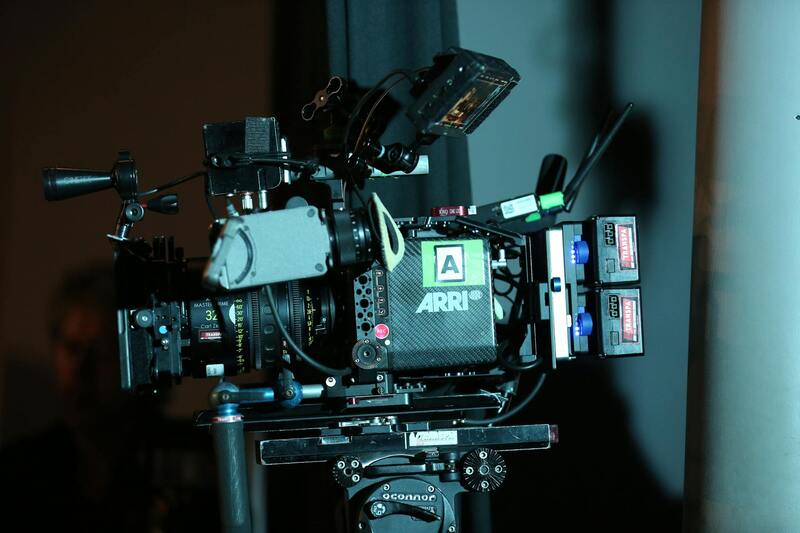
Steady camera operation is vital for professional results. Employing tripods, gimbals, or stabilization rigs minimizes vibrations and camera shake. When using motorized sliders or robotic heads, pre-programming movement paths ensures controlled, repeatable motions. Monitoring battery life and storage capacity prevents interruptions, which can compromise the sequence. Additionally, shooting during periods of stable weather and consistent lighting will ensure fewer adjustments are needed post-shoot, leading to a more polished final product.
Implementing remote shutter releases or intervalometers can reduce vibrations caused by pressing the shutter button manually. For long shoots, consider protective gear or weather covers to shield equipment from Miami’s sudden rain showers, maintaining image quality and gear safety. Testing camera settings beforehand with trial shots helps identify optimal configurations specific to the scene, lighting conditions, and movement complexities.
Understanding Timelapse Production
Timelapse production involves capturing a series of individual photographs at set intervals over an extended period, which are then compiled into a cohesive sequence that showcases changes occurring over time. This technique enables filmmakers and videographers to present phenomena such as urban development, natural landscapes, and dynamic weather patterns with a compelling visual narrative. It requires meticulous planning, precise camera operation, and an understanding of environmental factors to achieve seamless and visually stunning results.
Key Equipment for Timelapse Shoots
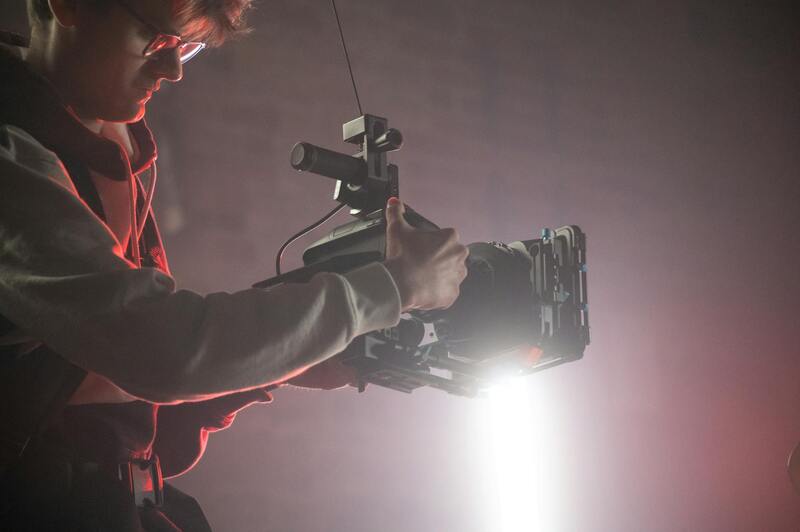
The foundation of a successful timelapse project is reliable, high-quality gear. Essential equipment includes cameras capable of manual controls, intervalometers or built-in interval shooting modes, sturdy tripods or stabilization rigs, and power sources that support extended shooting sessions. Additionally, controlling environmental factors, such as weather and vibrations, is crucial—requiring protective covers and vibration dampers. For complex shots involving movement, motorized sliders or robotic heads provide smooth, repeatable camera motion, enhancing the overall production value.
Planning a Timelapse Project
A thorough planning phase ensures capturing the intended visual story with maximum efficiency. This includes selecting appropriate locations, estimating optimal shooting durations, and understanding lighting conditions throughout the day. Timing is especially critical in Miami, where the interplay of sunlight, urban illumination, and weather patterns dramatically influences image quality. Planning also involves scheduling breaks for equipment checks and adjustments, aligning the shoot with favorable weather windows, and preparing backups for power and data storage to avoid interruptions that could break the continuity of the sequence.
Technical Settings and Camera Operations
Establishing the right technical settings is fundamental to producing high-caliber timelapses. This encompasses manual focus, fixed white balance, optimal aperture to maximize depth of field, and a consistent shutter speed to retain natural motion blur. ISO settings should be kept low to minimize noise, especially in low-light conditions common in Miami’s nocturnal shots. Proper camera operation entails stabilization devices to keep the shot steady during prolonged periods, use of remote triggering devices to reduce shake, and frequent battery and storage management to sustain long shoots. Weatherproofing gear is often necessary to protect against sudden rain, ensuring data integrity and equipment safety. Conducting trial shots allows calibrating settings specific to ambient lighting and movement complexities, ensuring the final sequence is flawless.
Capturing High-Quality Timelapses in Miami
Miami’s diverse scenery offers a rich canvas for timelapse shooting, featuring urban skyline transformations, bustling streets, and natural elements like beaches and parks. To maximize image quality, shoot during Golden Hours—early mornings and late afternoons—when the natural lighting is soft and warm, enhancing the vibrancy of cityscapes and landscapes. Clear weather conditions are ideal for capturing sharp images, but can be supplemented with creative choices, such as night shots illuminated by city lights. The dynamic weather of Miami, from sunny days to sudden storms, adds dramatic elements to sequences. Planning shoots around weather forecasts and utilizing filters or polarizers can help manage reflections, glare, and contrast, resulting in visually engaging timelapses that effectively portray Miami’s energetic atmosphere.
Technical Settings and Camera Operations
Achieving professional-quality timelapses in Miami requires meticulous attention to camera settings and operational techniques. Proper setup ensures each frame contributes to a cohesive, visually compelling sequence. The key settings include interval timing, exposure control, focus, and white balance, all calibrated to the specific environmental conditions of each shot.
Interval timing determines the pace of the timelapse and must be carefully chosen based on the subject's movement and desired playback speed. For static scenes, longer intervals (e.g., 2 to 10 seconds) reduce data volume and battery consumption, while shorter intervals (e.g., 0.5 to 2 seconds) capture rapid changes like traffic flow or crowds. In dynamic scenes such as sunrise over Biscayne Bay or sunset from Miami Beach, adjustments may be necessary to balance motion smoothness with scene complexity.
Exposure settings are critical for capturing clear, well-lit images, especially during transition periods with changing light conditions. Manual exposure mode is preferred, allowing precise control over shutter speed, aperture, and ISO. During daytime shoots, a narrow aperture (f/8 to f/16) ensures depth of field, while at night, longer shutter speeds and higher ISO are necessary to gather enough light, though care must be taken to mitigate noise.
Focus should be set manually and locked to prevent focus drift during long shooting sessions. Often, focusing at infinity yields optimal results for distant cityscapes and landscapes, but using live view and magnification can help fine-tune focus in complex scenes.
White balance control is essential for consistent color temperature across the sequence. Setting a fixed white balance mode, such as daylight or tungsten, prevents color shifts caused by changing ambient light, maintaining visual harmony in the final timelapse.
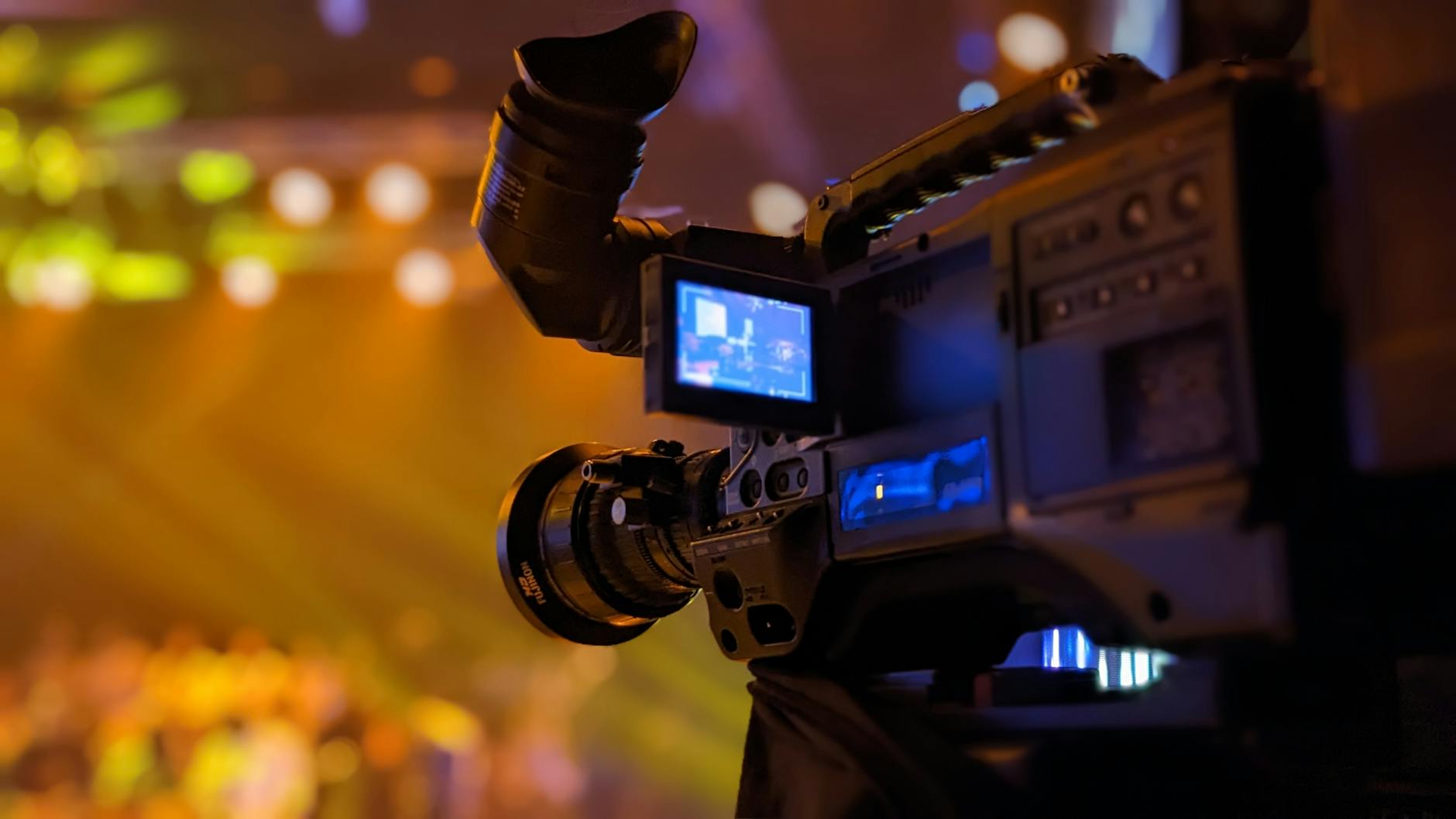
Camera stabilization is paramount to avoid jittery footage during prolonged shoots. Tripods are the most basic tool, but for more dynamic shots, motorized gimbals or slider devices can offer smooth, cinematic motion. In high wind conditions, weight stabilization methods safeguard equipment and image quality.
Remote triggering devices, such as intervalometers or smartphone apps, facilitate consistent shooting without manual intervention, reducing shake and preventing accidental camera movement. These tools also enable remote adjustments to settings if environmental conditions change mid-shoot.
Long-duration shoots require effective power management. Utilizing high-capacity batteries or external power sources ensures uninterrupted recording. Regularly checking storage capacity and clearing memory cards prevent data loss, especially during extensive projects covering multiple days or locations.
Weatherproofing is often necessary to protect equipment from Miami’s sudden rain showers. Weather-resistant housings, lens covers, and protective cases safeguard gears, maintaining operational integrity and image quality throughout unpredictable weather patterns.
Trial shots are an essential component of technical precision. They help verify exposure, focus, framing, and stability before commencing the full sequence. Post-shoot review allows adjustments to camera settings, scheduling timing, and equipment configurations, ensuring seamless execution of the timelapse project.
Understanding Timelapse Production
Timelapse production involves capturing a series of still images over a set period, which are then compiled to produce a video that compresses time, revealing changes and movements that are often imperceptible in real-time. Precision in execution—from planning, camera settings, to post-production—is crucial to achieving professional, visually compelling results. A well-executed timelapse not only demonstrates technical skill but also storytelling through dynamic visual sequences that highlight the vibrancy, growth, or transition within a scene.
Key Equipment for Timelapse Shoots
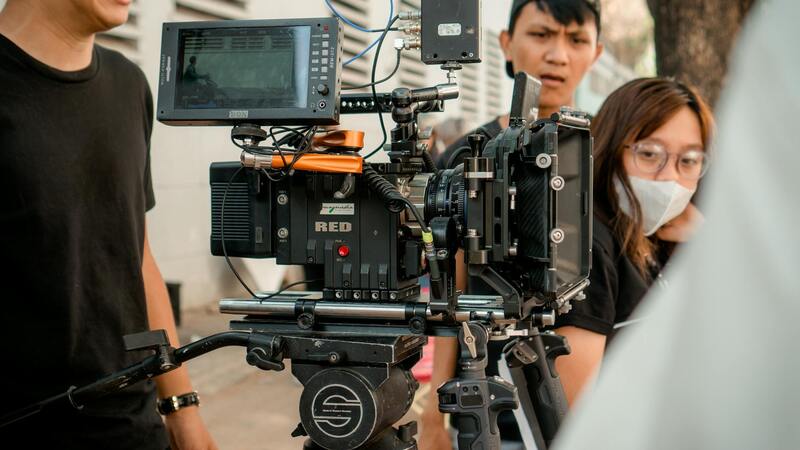
Establishing a successful timelapse involves utilizing specialized gear tailored to the unique demands of capturing prolonged sequences. Essential equipment includes:
- Camera: High-resolution DSLR or mirrorless cameras with interval shooting capabilities.
- Intervalometer: A device or smartphone app that triggers the camera at set intervals for consistent image capture.
- Tripod: Stable support to minimize camera movement during long shoots, which is fundamental for sharp, shake-free footage.
- Motorized Gimbals or Slider Devices: For dynamic shots that require smooth camera motion over time.
- Power Solutions: High-capacity batteries or external power sources to ensure continuous operation.
- Memory Cards: High-capacity, fast write-speed cards to store large volumes of images without lag.
- Protection Gear: Weatherproof housings, lens covers, and protective cases to safeguard against environmental elements, particularly in Miami’s unpredictable weather.
 igure>
Planning a Timelapse Project
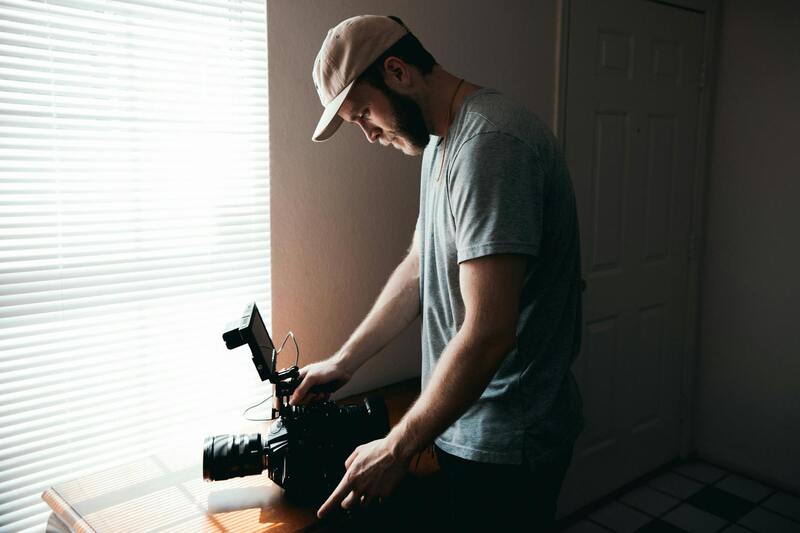
Effective planning distinguishes a routine shoot from a professional timelapse production. It involves several critical steps:
- Site Selection: Choose locations considering lighting, composition, and environmental conditions. Miami’s urban landscapes, beaches, and parks offer diverse settings.
- Timing and Duration: Decide the length of the shoot; some sequences benefit from capturing sunrise, sunset, or cityscapes over multiple hours or days.
- Permissions and Accessibility: Ensure access to chosen sites, which may entail permits or cooperation with property owners.
- Weather Considerations: Monitor weather forecasts to select optimal days that minimize interruptions and maximize lighting conditions.
- Shot Composition: Plan angles, framing, and points of interest to tell a cohesive story through your timelapse.
 igure>
Technical Settings and Camera Operations
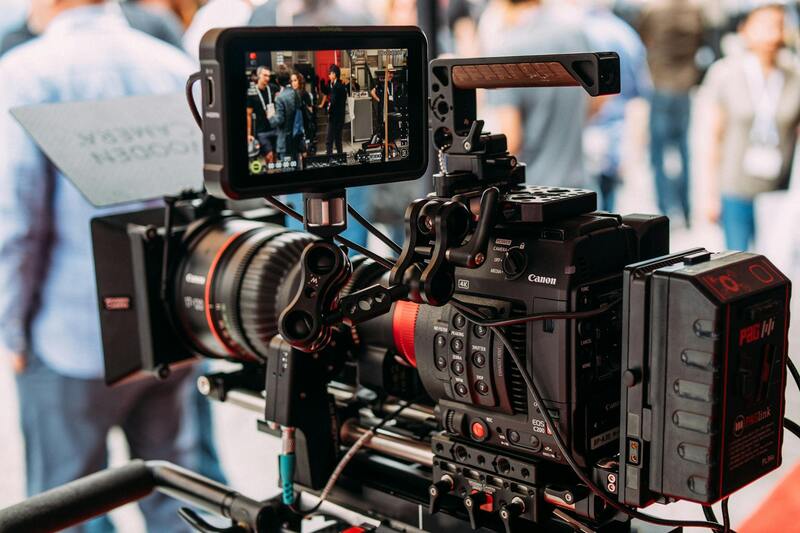
Achieving professional-grade timelapses hinges on meticulous camera settings and operation techniques:
- Resolution and Image Format: Use RAW or high-quality JPEGs for maximum post-production flexibility.
- Interval Settings: Adjust capture intervals based on scene dynamics; faster intervals for quick movements like clouds, slower for subtle changes like light shifts.
- Exposure Control: Manual settings prevent flickering caused by automatic adjustments. Use consistent aperture, shutter speed, and ISO.
- Focus: Manual focus ensures consistent sharpness across all images, preventing focus hunting during long sequences.
- White Balance: Set to a fixed value to avoid color shifts throughout the shoot.
- Image Stabilization: Disable in-camera stabilization if using a tripod to prevent unintended adjustments that could disrupt alignment.
 igure>
Capturing High-Quality Timelapses in Miami
Miami’s vibrant urban scenes, dynamic weather, and diverse natural landscapes provide incredible material for timelapse projects. To capitalize on these opportunities, consider the following tips:
- Lighting Conditions: Early mornings and late evenings offer soft, natural light ideal for capturing vibrant colors and contrasts.
- Environmental Factors: Be prepared for sudden rain or wind; weatherproof your gear and plan shoots accordingly.
- Location Accessibility: Popular sites like Miami Beach, Downtown, or Wynwood require permits for professional equipment; plan for necessary permissions.
- Time Management: Longer shoots require careful scheduling and power management, so always carry backup batteries and storage devices.
- Camera Motion: Use sliders or gimbals to introduce subtle motion, adding cinematic quality to passing clouds, traffic, or crowds.
 igure>
Post-Production and Editing
After capturing the required images, the editing process tailors the footage into a compelling visual story:
- Image Sorting and Selection: Review and select the best images, ensuring consistency in exposure and focus.
- Stabilization: Use editing software to correct minor jitters or camera shake, especially in handheld or gimbal shots.
- Color Correction: Adjust white balance, contrast, and saturation for vivid, accurate colors that reflect the scene’s ambiance.
- Frame Rate Adjustment: Compile images into a video sequence at an appropriate frame rate—typically 24 or 30 fps—to achieve smooth motion.
- Special Effects: Add transitions, overlays, or effects to enhance storytelling, if desired.
- Rendering and Exporting: Export the final product in high resolution suitable for distribution on various platforms, ensuring compatibility and visual integrity.
 igure>
Choosing the Right Timelapse Production Agency in Miami
Partnering with a professional timelapse production agency in Miami ensures that your project benefits from expert oversight, advanced equipment, and creative vision. When evaluating potential agencies, it is essential to look beyond their technical capabilities and consider their experience, portfolio, and approach to capturing the vibrant energy of Miami’s cityscape.
One of the most reliable indicators of an agency’s proficiency is their portfolio of completed projects. A diverse collection demonstrates their ability to adapt to various environments and concepts, from bustling downtown scenes to serene coastal sunsets. Inspect their previous work to assess visual consistency, smoothness of motion, and overall storytelling quality. A well-curated portfolio also reveals their familiarity with different times of day and weather conditions, which are crucial factors for a successful timelapse.
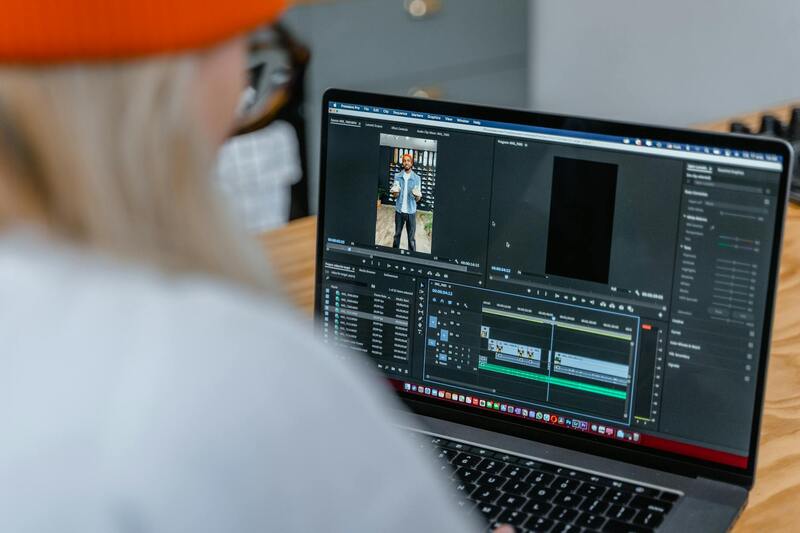
Additional considerations include the agency's technical expertise with the latest equipment and software. Top-tier agencies utilize high-resolution cameras, motorized sliders, gimbals, and RAW shooting formats to maximize flexibility in post-production. Their proficiency with editing tools ensures seamless stabilization, color grading, and integration of special effects, resulting in a polished final product.
Moreover, understanding the agency’s workflow and communication style is vital. Transparent planning, regular updates, and collaborative input during shooting and editing phases foster a smooth process. Establishing clear timelines, deliverables, and review points upfront minimizes misunderstandings and ensures alignment with your vision.
Assessing the Agency's Approach to Miami’s Unique Scene Elements
- Location Scouting and Permitting: An experienced agency leverages local knowledge to efficiently navigate Miami's permits and access points, including iconic locations like South Beach, Brickell, or Wynwood.
- Lighting and Environmental Conditions: Expertise in capturing Miami’s distinctive lighting, from bright daylight to sunset hues, guarantees vibrant, visually striking timelapses.
- Incorporation of Miami’s Cultural and Architectural Elements: A keen understanding of local architecture and culture enhances the storytelling aspect, creating timelapses that resonate with viewers.
In the competitive Miami market, professional timelapse services offer not just technical execution but also strategic insights into capturing the city’s spirit. Their familiarity with local regulations, traffic patterns, and prime shooting spots can be the difference between an average footage and a visually compelling masterpiece. When seeking a timelapse production partner, prioritize those whose portfolio and approach resonate with your project goals, and who demonstrate a thorough understanding of Miami’s unique features.