Understanding Timelapse Recording
Timelapse recording is a specialized technique used to document the passage of time by capturing a series of sequential photographs or video frames at set intervals. When these images are played back at normal speed, the result is a fast-forwarded sequence that vividly illustrates processes or changes which occur gradually yet are visually engaging. This method is highly effective in showcasing transformations such as urban development, natural phenomena, or ongoing construction projects. Its ability to condense hours, days, or even months into a few minutes makes it a powerful tool across various industries, including film production, architecture, and event documentation.
At its core, timelapse recording involves precise control over the interval between shots. This interval depends on the subject being monitored and the desired speed of the final footage. Shorter intervals produce smoother motion, which is ideal for dynamic scenes, while longer intervals can emphasize significant changes over time. Advanced timelapse techniques often employ intervalometers or smart camera features to automate the process, ensuring consistent timing and exposure settings throughout the shoot.
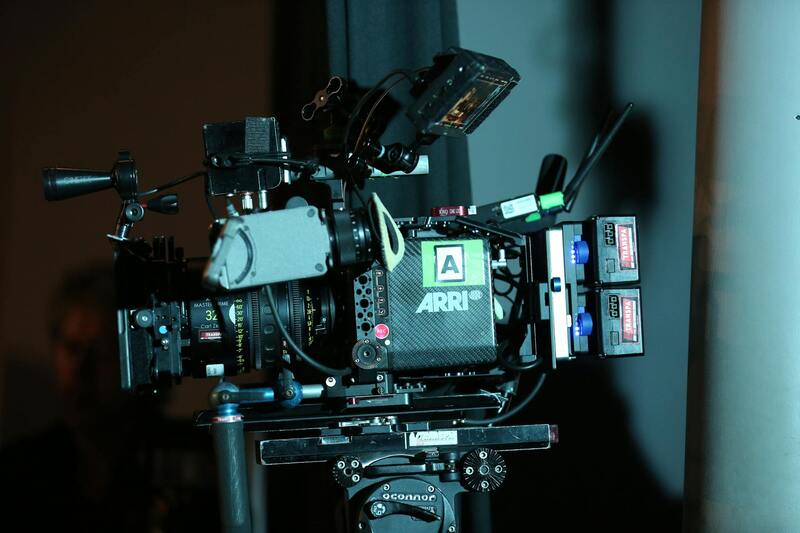
Understanding the fundamentals of timelapse recording is essential for achieving professional results. Proper planning, equipment selection, and technical execution are key factors that contribute to the success of a timelapse project. Whether capturing a sunrise, traffic patterns, or construction activities in Miami, mastering these basics allows you to produce compelling visual stories that highlight progress and change in a concise, impactful manner.
Key Equipment for Timelapse Recording
To produce high-quality timelapse footage, the right equipment is indispensable. Essential tools include a reliable camera with manual controls, a sturdy tripod to maintain consistent framing, and an intervalometer or camera with built-in interval shooting features. Additional accessories such as neutral density filters can help manage exposure in bright conditions, and external power sources ensure extended shoots without interruption.
Investing in high-quality gear enhances image stability and exposure consistency, which are crucial for seamless transition between frames. For mobile or remote locations in Miami, weather-resistant equipment can be beneficial to withstand the humid climate and occasional rain. Furthermore, using cameras with high-resolution sensors ensures detailed images that maintain quality during post-processing. As the scope of your projects grows, consider software solutions for interval control and remote camera operation, allowing for greater flexibility and precision during shoots.
Understanding Timelapse Recording
Timelapse recording is a compelling technique that condenses hours, days, or even months of footage into a brief, visually striking sequence. This method involves capturing a series of photos at set intervals over a prolonged period, which are then stitched together during post-production to produce a smooth, accelerated view of change and movement. In Miami, where dynamic urban landscapes, bustling streets, and scenic waterfronts provide ideal subjects, mastering this technique offers filmmakers and videographers a powerful tool to showcase the city's vibrant energy and evolving architecture.
Executing a successful timelapse project requires meticulous planning, from selecting appropriate equipment to understanding key technical settings. The choice of camera, lens, intervalometer, and stabilization tools directly influences the quality of the final output. Additionally, environmental factors such as lighting conditions, weather changes, and potential disturbances must be carefully managed to ensure the footage remains consistent and visually coherent throughout the sequence.
Optimal Equipment for Timelapse Recording in Miami
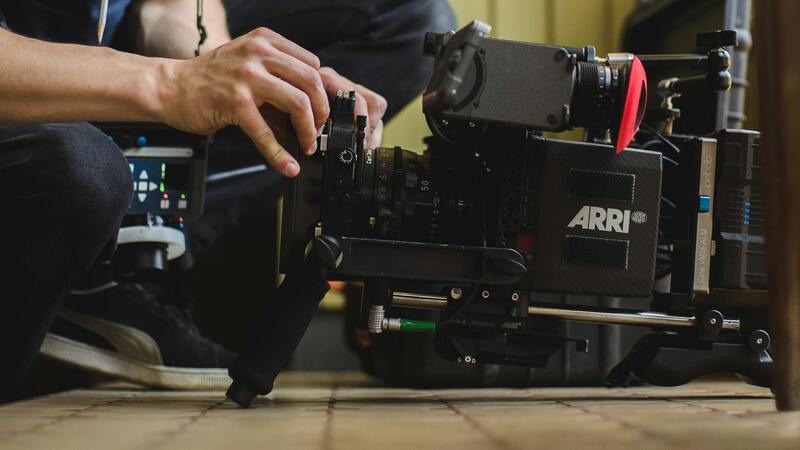
Secure, reliable gear forms the backbone of any professional timelapse project. The core components include:
- Camera: A DSLR or mirrorless camera with manual controls and high-resolution imaging capability is ideal for capturing crisp, detailed images under varying lighting conditions typical of Miami.
- Lens: Wide-angle lenses are well-suited for cityscapes and expansive urban scenes, allowing for a broader field of view and dramatic compositions.
- Intervalometer: An external device or camera-integrated feature that automates the photo capture process at specified intervals, crucial for creating smooth motion sequences.
- Tripod or Stabilizer: A sturdy support system ensures frame stability, preventing jitters and maintaining consistent framing throughout extended shoots.
- Additional accessories: Neutral density filters help control exposure during bright daylight, while external power sources facilitate long-duration captures without interruption.
Weather-resistant equipment is also recommended for outdoor shoots, especially considering Miami's humid climate and sudden rain showers. Investing in high-quality, robust gear minimizes technical issues and preserves the integrity of your timelapse footage across different environmental conditions.
Additional Equipment for Enhanced Control
For projects demanding advanced control, consider software solutions that enable remote camera operation and interval management. These tools allow precise adjustments during long shooting sessions and reduce the need for physical interaction with the camera, resulting in more consistent frames. Wireless connectivity options facilitate real-time monitoring and adjustments, particularly useful when capturing cityscapes from vantage points across Miami.
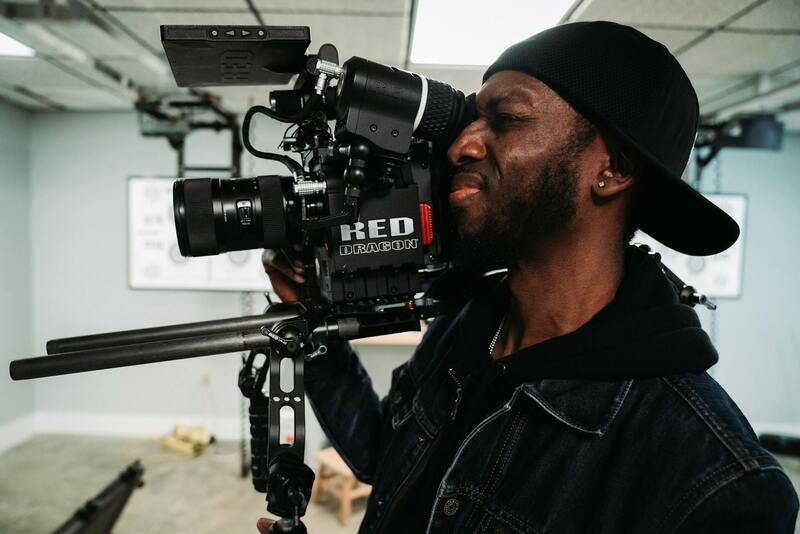
Furthermore, integrating stabilization gimbals or motorized sliders can introduce dynamic camera movements, adding cinematic flair to your timelapse sequences. Such equipment enables smooth pans, tilts, or tracking shots, enhancing storytelling depth and visual interest in your footage.
Summing Up Equipment Strategies
Choosing the right equipment tailored to Miami's unique environment ensures your timelapse projects are both high-quality and resilient. High-resolution cameras paired with wide lenses, reliable intervalometers, and stabilization gear serve as foundational elements. Supplementing these with weather protection and remote operation capabilities allows for flexible, professional-grade timelapse recording that captures the city’s evolving landscape with clarity and precision.
Understanding Timelapse Recording
Timelapse recording is a dynamic photographic technique that involves capturing a series of images at set intervals to record changes that occur slowly over time. When these images are played back at a regular frame rate, the progression of time appears significantly accelerated. This method is particularly valuable for showcasing activities like urban development, natural phenomena, and busy cityscapes. It allows viewers to observe transformations—such as the vibrant movement of Miami's nightlife, construction projects, or sunset transitions—within a condensed timeframe. Mastering timelapse recording demands a combination of strategic planning, precise equipment use, and meticulous attention to detail, ensuring the resulting footage accurately reflects the intended scene's motion and mood.
Core Principles of Timelapse Recording
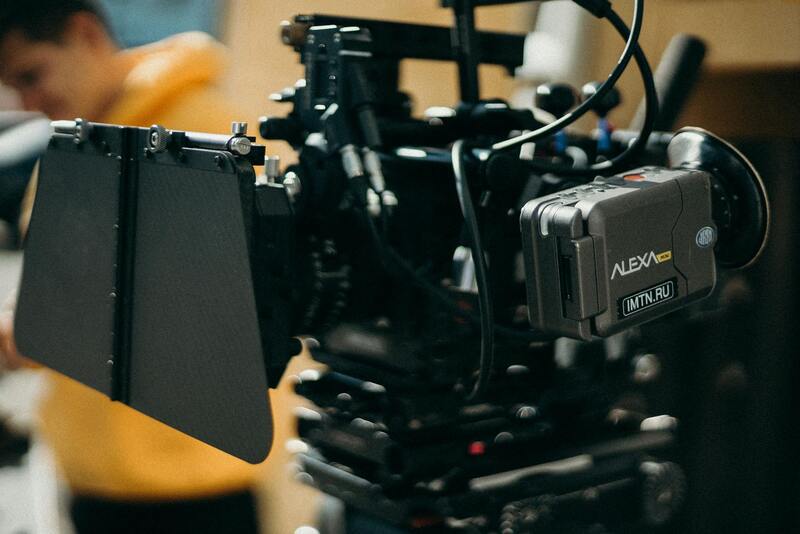
- Interval Selection: Choosing the appropriate time gap between shots influences the fluidity and perception of motion. Shorter intervals yield smoother sequences, ideal for dynamic subjects like moving traffic or water currents. Longer intervals emphasize gradual changes, perfect for tree blooming or cloud movement.
- Resolution and Frame Rate: Determining the optimal resolution ensures crisp, detailed footage. Playback frame rates, often set to 24 or 30 frames per second, dictate the speed of motion, impacting the overall viewing experience.
- Lighting Conditions: Adequate lighting is critical. Shooting during golden hours or utilizing ND filters helps manage exposure, especially in high-contrast scenes like Miami's bright cityscape against a setting sun.
- Stability and Vibration Reduction: Utilizing tripods, gimbal stabilizers, or motorized sliders maintains steady shots, preventing jitters that diminish the quality of the final sequence.
Technical Considerations for Effective Timelapse Capture
Proper configuration of camera settings is essential for producing professional-grade timelapse footage. Adjust the ISO to minimize noise without sacrificing exposure, set aperture for optimal depth of field, and manually control focus to prevent shifts during prolonged shoots. When working in Miami’s variable environments, weather sealing and protective covers guard against moisture and dust, safeguarding your gear. Additionally, precise intervalometer settings facilitate consistent shot timing, critical for seamless sequencing. Modern solutions with wireless connectivity enable remote control, allowing adjustments without disturbing the scene. This flexibility is especially advantageous for capturing unpredictable weather changes or crowd movements in Miami’s bustling districts.
Optimizing Camera Settings for Miami's Unique Environment
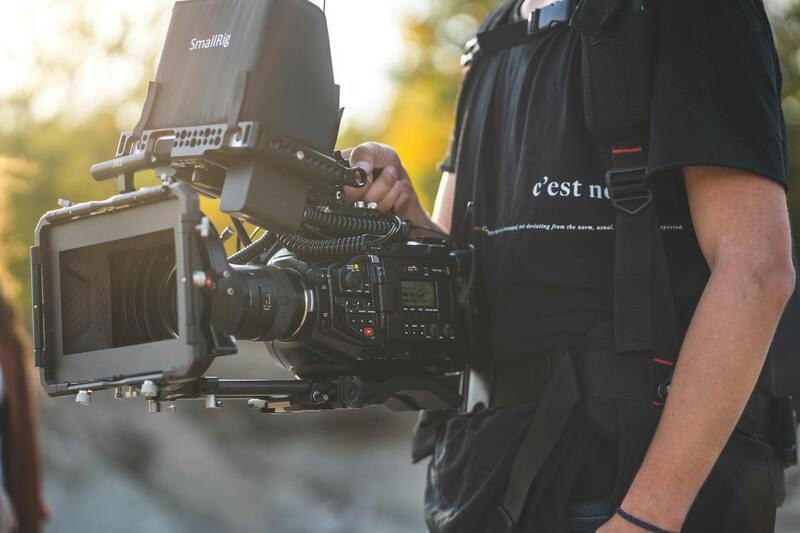
Adapting camera parameters to Miami’s diverse conditions enhances your timelapse project. During bright daylight, decreasing ISO and increasing shutter speed prevents overexposure. As the sun sets, gradual adjustments may be required to maintain proper exposure without altering the focus or framing. Utilizing neutral density filters during daytime captures helps balance exposure and allows longer shutter speeds, creating smooth motion effects like silky waterfalls or flowing traffic. For night scenes, high ISO settings can introduce noise; hence, sensor calibration and post-processing noise reduction techniques become vital. Consistent framing throughout the shoot ensures a coherent story, whether documenting Miami’s skyline from a waterfront vantage point or tracking a construction project across its span.
Camera Settings and Techniques
Achieving smooth, consistent timelapse footage hinges on precise camera configuration and methodical shooting techniques. Carefully selecting the appropriate exposure settings is essential to adapt to Miami’s dynamic lighting conditions. During bright daylight, lowering ISO minimizes graininess, while increasing shutter speed prevents overexposure. As lighting transitions to dusk, gradually adjusting exposure parameters maintains consistent image brightness. It is critical to lock focus and aperture to the desired settings before starting the shoot to prevent fluctuations that could disrupt the sequence. Utilizing manual focus ensures that focus remains consistent throughout the duration of the timelapse, especially important in scenes with varying subject distances or changing lighting. Aperture choices influence depth of field; a narrower aperture (higher f-stop) can provide more structure across the scene but may require longer exposure times, which should be balanced against the risk of motion blur. Selecting the right interval between shots is vital for capturing the motion you wish to emphasize. For instance, capturing traffic flow or cloud movement may require an interval of one to five seconds. Shorter intervals produce smoother, more detailed motion, whereas longer intervals highlight slower changes effectively. Modern intervalometers with adjustable timing and wireless control afford the flexibility to fine-tune intervals during shoots, especially useful handling unpredictable scene changes. Properly configured aperture and focus settings prevent focus shifts and depth inconsistencies, while bracketing exposures can help achieve high dynamic range (HDR) effects, particularly in scenes with contrasting light levels such as sunset or night cityscapes. Ensuring the camera’s time-lapse mode is set correctly and maintaining a consistent framing throughout the shoot are key to producing professional-quality footage.
Understanding Timelapse Recording
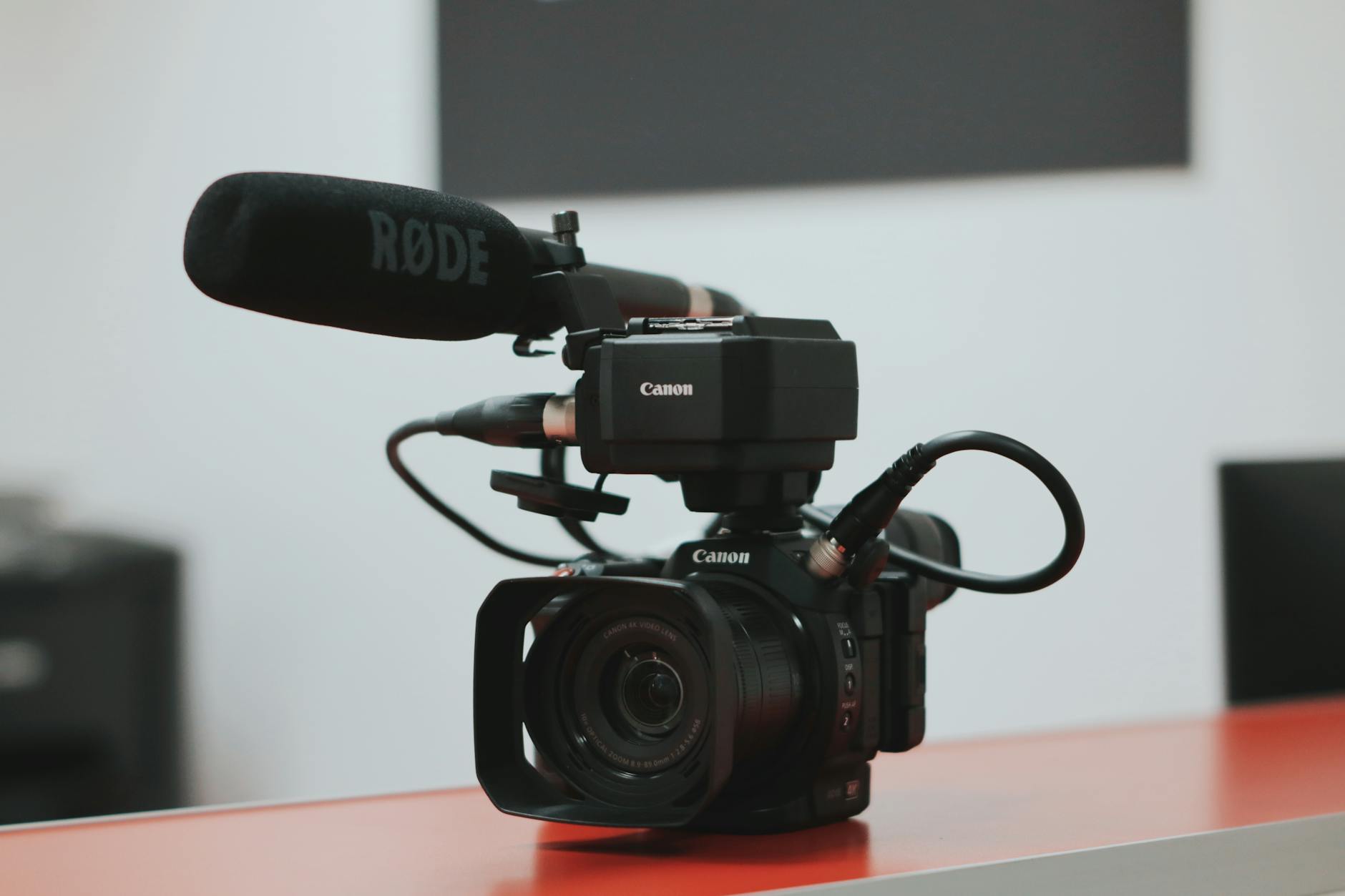
Timelapse recording is a specialized technique that captures individual frames at set intervals to record slow processes or changes over time. When played back at normal speed, the footage appears sped up, revealing movements that are typically imperceptible to the naked eye. This method is widely employed in capturing natural phenomena, urban development, and event progressions, providing a dynamic perspective on static scenes.
The core benefit of timelapse recording lies in its ability to condense lengthy periods into brief, visually compelling sequences. It allows viewers to observe the passage of time—such as sunset transitions, cloud movements, or traffic patterns—effortlessly. For creators aiming for high-impact visuals, understanding how to effectively utilize timelapse techniques becomes essential for storytelling, marketing, or documentation purposes.
Properly executed timelapse recordings demand deliberate planning and precise execution. Elements like interval settings, camera stability, and exposure adjustments play pivotal roles in ensuring the resulting footage is both smooth and visually engaging. The right approach can turn an ordinary scene into an extraordinary visual narrative, capturing the essence of motion and change with clarity and professionalism.
Key Equipment for Timelapse Recording
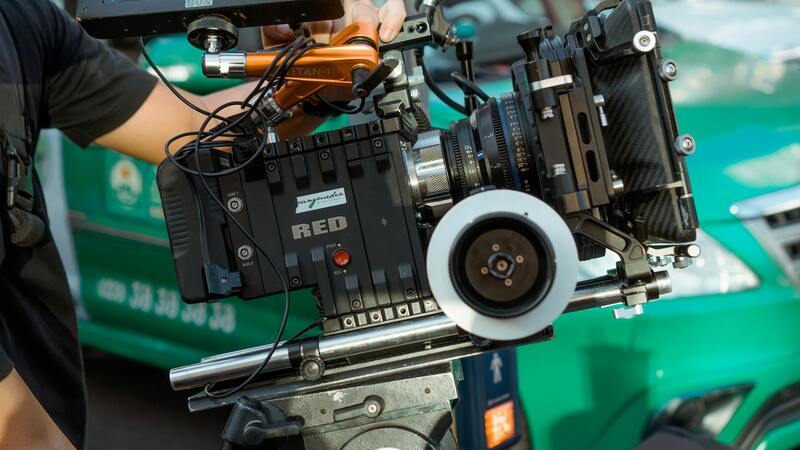
Achieving high-quality timelapse footage hinges on using appropriate equipment tailored to the scene’s demands and desired outcome. Fundamental gear includes a reliable camera capable of manual settings, a sturdy tripod to maintain consistent framing, and an intervalometer for precise shot timing. Modern cameras often integrate built-in timelapse modes, simplifying the process and reducing the need for external accessories.
Additional accessories can elevate the quality of your timelapse shoot:
- Neutral Density (ND) Filters: Essential for controlling exposure in bright conditions, allowing longer shutter speeds without overexposure.
- Remote Shutter Release or Wireless Triggers: Help minimize vibrations during shot intervals, ensuring sharp and stable images.
- Battery Packs or External Power Sources: Critical for extended shoots, especially in remote locations where power sources are limited.
Assemble your equipment based on scene requirements, considering whether scenes involve fast-moving subjects, low-light conditions, or expansive landscapes. Proper gear selection and maintenance are fundamental to capturing seamless timelapse sequences that meet professional standards.
Planning a Timelapse Shoot in Miami
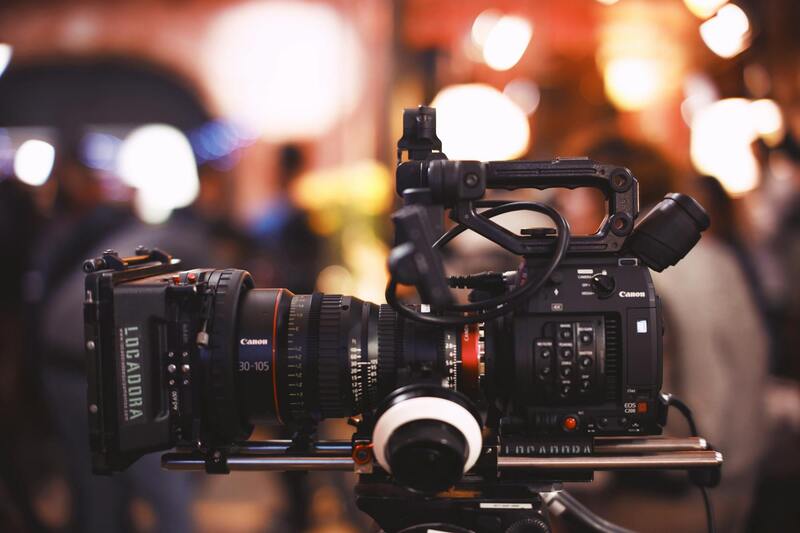
Effective planning is crucial when undertaking a timelapse project in Miami, a city renowned for its vibrant nightlife, dynamic architecture, and picturesque coastal scenery. Start by defining the purpose of your footage—whether it's showcasing urban growth, capturing a sunset over South Beach, or illustrating a bustling street scene.
Consider logistical elements such as location scouting, permit requirements, and optimal timing to maximize the visual impact. Weather conditions, time of day, and anticipated scene activity influence your approach, dictating camera settings and interval choices. For example, capturing traffic flow on Ocean Drive may require intervals of one to three seconds to emphasize movement, while a sunset sequence might benefit from longer intervals to allow for changing light conditions.
Anticipate the duration of your shoot, ensuring your equipment is prepared for extended operation. Set clear goals for framing, composition, and movement to maintain consistency throughout the sequence. When shooting in public or high-traffic areas, safety and situational awareness are paramount, so plan accordingly to avoid disruptions and safeguard your gear.
Camera Settings and Techniques
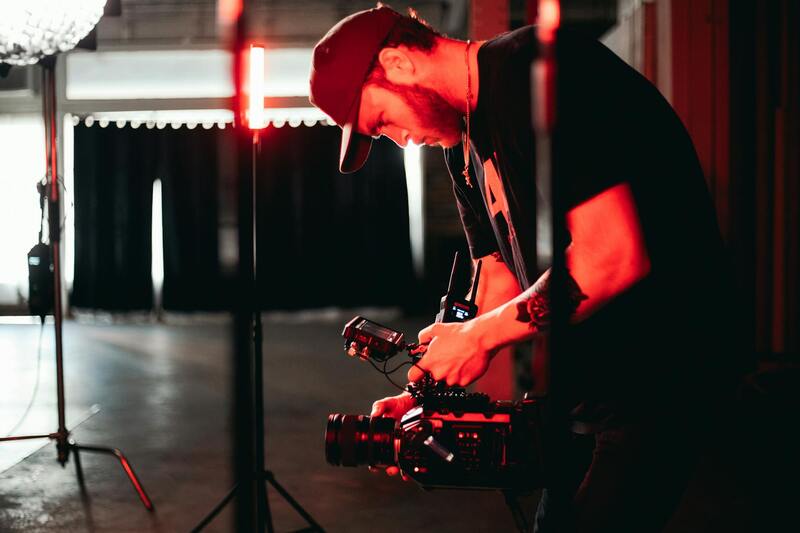
Optimizing camera settings is vital for producing professional-grade timelapse footage. Start by setting your camera to manual mode to maintain consistency across all frames. Focus should be locked before beginning the sequence, with slow or fixed focus settings to prevent shifts during the shoot.
Adjust aperture to balance depth of field and exposure, often opting for narrower apertures (higher f-stops) to keep more of the scene in focus. Exposure settings should be carefully managed—if your scene has varying light levels, bracketing exposures can be beneficial for later HDR processing. A low ISO setting helps reduce noise, maintaining image clarity throughout the sequence.
Interval selection is a critical decision impacting the final footage. Shorter intervals (one to three seconds) work well for scenes with rapid movement, such as city traffic or pedestrians, resulting in smoother motion. Longer intervals (five to ten seconds) better suit slow changes like cloud drift or fading sunset colors. Consider using a camera with built-in intervalometer capabilities to streamline this process.
In addition to technical settings, shot stability and framing consistency can be enhanced through the use of remote triggers and calibrated tripods. Whether capturing a static scene or a shot with camera movement, stability and precision are fundamental to creating polished timelapse footage that aligns with professional standards.
Strategies for Achieving Stable and Clear Timelapse Footage
Maintaining stability and achieving sharpness are essential components in creating professional-quality timelapse recordings. Proper setup begins with the selection of a sturdy tripod that can withstand environmental factors like wind and vibrations. Tripod heads with smooth pan and tilt functions facilitate precise framing adjustments and help keep the camera steady throughout the shoot.
Use remote shutter releases or intervalometers to minimize camera shake when capturing images. These tools allow you to trigger the camera without physical contact, reducing the risk of introducing movement into the footage. Ensuring that the camera remains anchored in the same position, with no accidental adjustments during the session, is critical for seamless sequences.
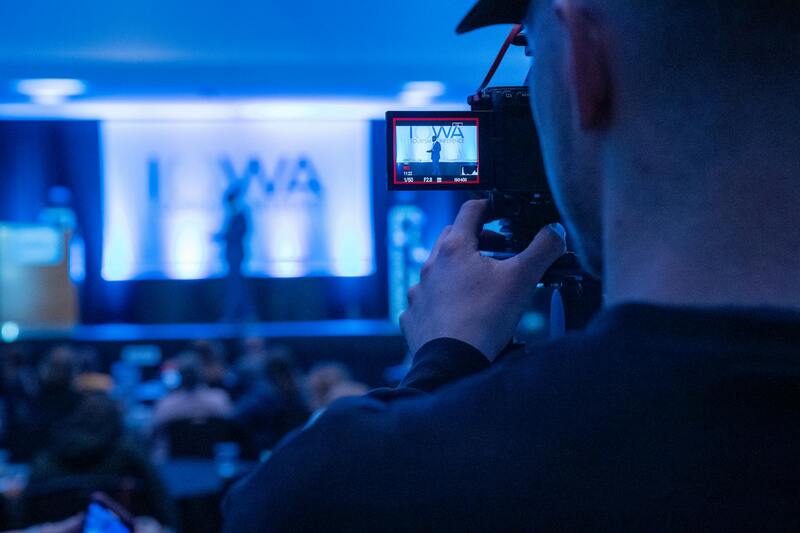
Focus is another crucial aspect to keep in mind. Lock the focus manually before starting to prevent lens adjustments during the recording process. Autofocus systems can shift focus unpredictably, especially when lighting conditions change, leading to distracting focus fluctuations in the final footage.
Adjust aperture settings to enhance depth of field, especially when capturing scenes with multiple layers, such as city skylines or natural landscapes. A narrower aperture, often around f/8 to f/16, ensures more of the scene remains in focus, contributing to a professional appearance.
Controlling Exposure for Consistent Image Quality
Consistent exposure across the sequence is vital for a smooth timelapse. Use manual exposure settings to avoid automatic adjustments that can cause flickering or inconsistencies. When shooting in scenes with varying light conditions, employing exposure bracketing can help later create high dynamic range (HDR) footage, capturing details in both shadows and highlights.
Set the ISO to the lowest native value to minimize noise, especially in low-light conditions common in evening or early morning shots. Proper exposure and minimal ISO noise contribute significantly to the clarity and professional appearance of the final timelapse.
Implementing Camera Movement and Pan Techniques
For dynamic scenes or a more cinematic effect, camera movement such as pans or slides can be incorporated into the timelapse. Use motorized sliders or robotic tripod heads designed for timelapse photography to enable smooth motion. Calibration and testing before the actual shoot ensure that movements are fluid and synchronized with the interval timing.
When planning camera movements, consider the pacing relative to the interval duration. Gentle, slow pans work well over longer intervals, avoiding jarring motion in the footage. Maintaining consistent motion speed throughout the sequence helps produce a polished, professional result.
Understanding Timelapse Recording
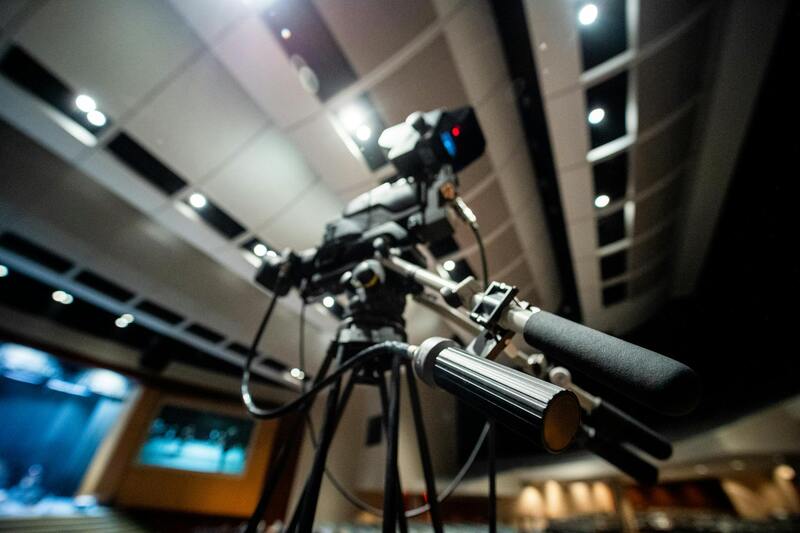
Timelapse recording is a specialized technique that involves capturing a series of photographs at set intervals over a period, which are later compiled into a video that accelerates the perception of time. This method allows viewers to witness changes and movements that are normally too slow for the human eye to notice, such as the shifting of clouds, bustling cityscapes, or the movement of natural landscapes. Its application spans various industries, including filmmaking, event documentation, real estate, and environmental monitoring, providing a visually compelling narrative of extended periods in a condensed timeframe.
Why Timelapse Recording Is Valuable
- Enhanced storytelling: Capturing the passage of time adds depth and context to visual stories, making scenes more engaging.
- Efficiency: Demonstrates progress and changes without lengthy footage, ideal for presentations or promotional content.
- Monitoring: Useful for tracking environmental changes, construction progress, or urban development over weeks or months.
Types of Timelapse Techniques
- Interval-based timelapse: Capturing images at fixed intervals, typically used for unchanging or slow-moving scenes.
- Hyperlapse: Incorporates camera movement such as tracking shots or pans, creating dynamic sequences that are more immersive.
- Real-time timelapse: Records at short intervals but accelerates footage minimally, suitable for subtle changes over shorter periods.
Understanding the distinctions among these techniques helps in selecting the appropriate method for specific project needs, ensuring the resulting footage aligns with the desired visual narrative.
Key Equipment for Timelapse Recording
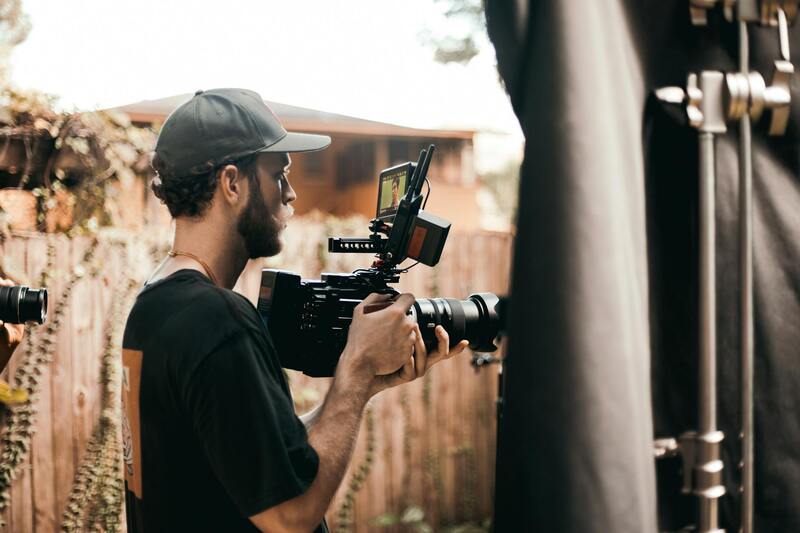
Executing an effective timelapse recording depends largely on choosing the right equipment. High-resolution cameras equipped with manual controls are essential for capturing sharp, consistent images. DSLRs and mirrorless cameras are popular choices due to their flexibility and image quality. Additionally, specialized timelapse accessories enhance control and ease during shooting.
Essential Equipment List
- Camera with manual control: Capable of adjusting shutter speed, aperture, ISO, and focus settings.
- Tripod: Stable support to prevent vibrations and ensure consistent framing throughout the shoot.
- Intervalometer or remote shutter release: Automates image capture at precise intervals, reducing mechanical shake.
- Motorized slider or robotic head: Facilitates smooth camera movement, ideal for hyperlapse sequences.
- Extra batteries and storage: Ensures uninterrupted shooting over extended periods without power or space constraints.
- Filters and lens accessories: ND filters help manage exposure in bright conditions, while wide-angle lenses capture expansive scenes effectively.
Supporting Equipment for Enhanced Results
- GPS modules: For precise location tracking, crucial in long-term or multi-site projects.
- Weather protection: For outdoor shoots, weather-resistant gear minimizes the risk of equipment damage.
- Monitoring devices: External monitors or Wi-Fi connectivity options facilitate real-time review and adjustments during the shoot.
Planning a Timelapse Shoot in Miami
Meticulous planning is fundamental to the success of a timelapse project, particularly in a vibrant city like Miami. The city’s dynamic environment, featuring iconic architecture, bustling streets, and scenic waterfronts, offers numerous opportunities for captivating footage. Effective planning involves selecting locations, considering lighting conditions, and scheduling shoots to optimize visual impact.
Location Selection and Timing
Choosing locations with interesting visual features and consistent activity is critical. Popular sites such as Miami Beach, Downtown Miami, and the Miami River provide diverse backdrops for engaging sequences. Timing is equally important; shooting during dawn or dusk offers dramatic lighting, while midday captures the city's energy at its peak.
Environmental Considerations
- Account for weather patterns, aiming to avoid rain or harsh conditions that could impact equipment or image clarity.
- Plan for optimal lighting by checking sun positions and natural light changes throughout the day.
- Consider security and logistical access, especially in high-traffic or restricted areas.
Legal Permissions and Safety Measures
Securing necessary permits and understanding local regulations ensures smooth operation during outdoor shoots. Equipment should be securely mounted and monitored continually to prevent accidents, especially in crowded or public spaces.
Choosing the Right Equipment for Professional Timelapse Recording
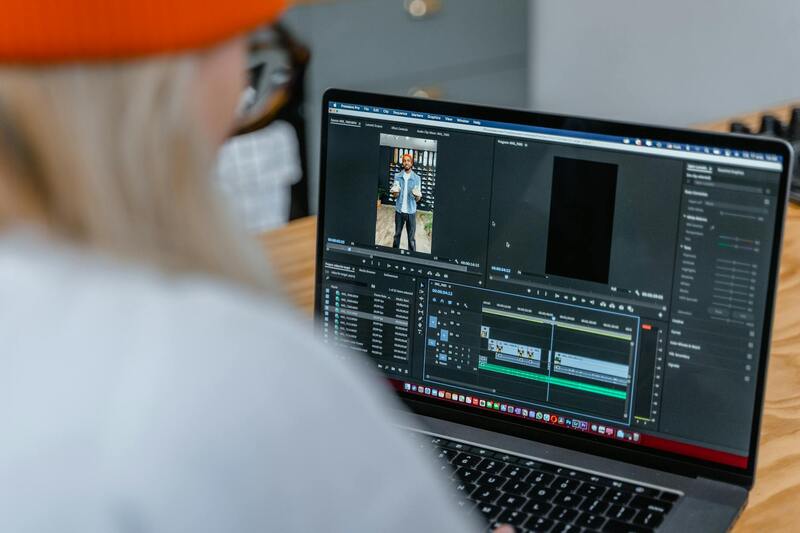
Producing high-quality timelapse footage requires selecting the appropriate gear tailored to the specific demands of Miami's diverse environments. Investing in reliable, durable equipment ensures the capture of crisp, stable sequences that can be seamlessly compiled into compelling videos.
Camera Selection
Professional-grade cameras with manual controls, high-resolution sensors, and RAW image capabilities are ideal for timelapse projects. Mirrorless cameras and DSLRs are popular options due to their versatility, low-light performance, and adaptability with various lenses. When shooting in Miami, where lighting conditions can vary dramatically from sunrise to sunset, having a camera that offers extensive exposure adjustment is vital.
Tripods and Stabilization Equipment
Sturdy tripods are essential to maintain consistent framing over long periods. For dynamic scenes, especially those involving changing perspectives or camera movement, gimbal stabilizers or motorized sliders can add smooth motion, elevating the visual quality of the footage.
Intervalometers and Remote Controls
An intervalometer allows for precise control over shot intervals, crucial for achieving the desired pacing in a timelapse sequence. Wireless remote controls enable operators to manage camera settings remotely, reducing vibrations and the risk of introducing unintentional shifts during filming sessions.
Lighting Equipment
While natural lighting is predominantly used, supplementary lighting such as portable LED panels can be beneficial in low-light conditions or during nighttime shoots. Proper lighting helps maintain consistent exposure levels across frames, which is critical for a cohesive timelapse.
Additional Accessories for Enhanced Results
- Neutral density filters to control exposure during bright daylight
- Weather-resistant housing to protect gear from Miami's humidity and sporadic rain
- Extra batteries and memory cards to maximize shooting duration
- Portable power solutions such as external batteries or solar chargers
Precision in Equipment Calibration and Settings
Ensuring all equipment functions optimally involves regular calibration and manual adjustments. Proper focus, white balance, and exposure settings tailored to the lighting conditions help achieve seamless footage. Locking these settings prevents shifts during prolonged shots, a common challenge when capturing scenes over hours or days.
Tools for Effective Data Management
- File organization systems to catalog shots systematically
- Synchronization tools if multiple cameras are used simultaneously
Maintaining Equipment for Longevity and Performance
Proper maintenance, including cleaning lenses, updating firmware, and inspecting mounting hardware, ensures equipment remains operational and performs at its best for ongoing projects. Regularly checking weather seals and protective housings is crucial, especially when working outdoors in Miami's humid climate.