Understanding Construction Time Lapse Services
Construction time lapse services have become an essential tool for documenting building projects from inception to completion. These services involve the strategic capture of images or video footage at regular intervals throughout the construction process. When compiled, this footage creates a compelling visual narrative that illustrates the progress of a project over days, months, or even years. In Miami, a city renowned for its dynamic urban development and ambitious architectural projects, the application of construction time lapse services is particularly impactful.
The primary purpose of these services is to provide stakeholders—including developers, contractors, architects, and clients—with a comprehensive view of the construction phases. This documentation method serves multiple strategic functions: it offers a transparent progress record, supports project management by identifying delays or issues early, and enhances marketing efforts by showcasing the project’s development visually. For large-scale construction initiatives in Miami, where projects often involve complex logistics and strict timelines, time lapse footage becomes an invaluable asset.
Moreover, the use of time lapse footage extends beyond project management, serving as a key tool for public relations and community engagement. By sharing footage through digital platforms or presentations, developers can demonstrate transparency and progress to the community, investors, and regulatory bodies. This method not only documents the physical growth but also captures the effort, coordination, and craftsmanship involved in bringing innovative construction projects in Miami to life.
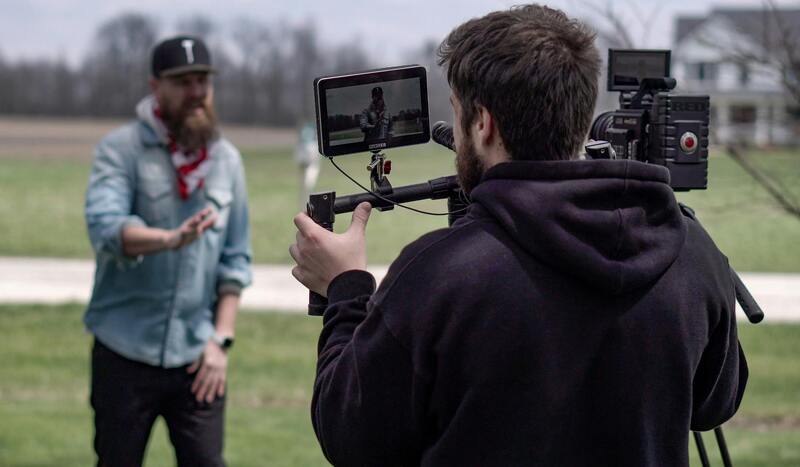
Implementing a construction time lapse service requires careful planning and execution. It involves selecting suitable equipment—such as high-resolution cameras capable of withstanding Miami’s tropical climate—and establishing a shooting schedule that aligns with the project timeline. The footage collected not only helps in tracking progress but also creates a valuable archive for future reference, dispute resolution, or marketing campaigns.
In the Miami construction scene, where projects are often subject to significant visibility and scrutiny, these services provide a professional means to enhance project transparency and documentation quality. When executed correctly, construction time lapse services deliver a vivid, longitudinal view of a project's development, making them an indispensable element of modern construction management.
Key Components of Construction Time Lapse Projects
Successful implementation of construction time lapse services relies on integrating several critical components that work together to produce compelling and accurate footage. These key elements include the selection of appropriate camera systems, meticulous scheduling, and comprehensive project planning. Each aspect plays a crucial role in ensuring the final footage meets high standards of quality, reliability, and relevance.
At the core of these projects are professional-grade cameras designed for outdoor use, equipped with features such as high-resolution sensors, weatherproof enclosures, and remote operation capabilities. In hot and humid climates like Miami, weather-resistant equipment ensures continuous operation without interruptions due to storms or humidity. High-resolution footage enables detailed visualization of construction phases, which can be valuable for presentations or record-keeping.
In addition to hardware, a carefully crafted shooting schedule aligned with the project timeline is vital. This schedule determines the frequency of image capture—whether daily, weekly, or at specific milestones—ensuring a seamless time lapse when compiled. Synchronizing camera deployment with construction phases allows for capturing key moments such as foundation work, structural completion, or façade installation, which are instrumental in illustrating the project's progression.
Project planning involves coordinating with construction teams to identify optimal camera locations that maximize visibility while minimizing disruption. Securing suitable mounting points, ensuring electrical supply and data connectivity, and establishing access protocols are all part of a detailed plan that promotes smooth operation throughout the project's duration.
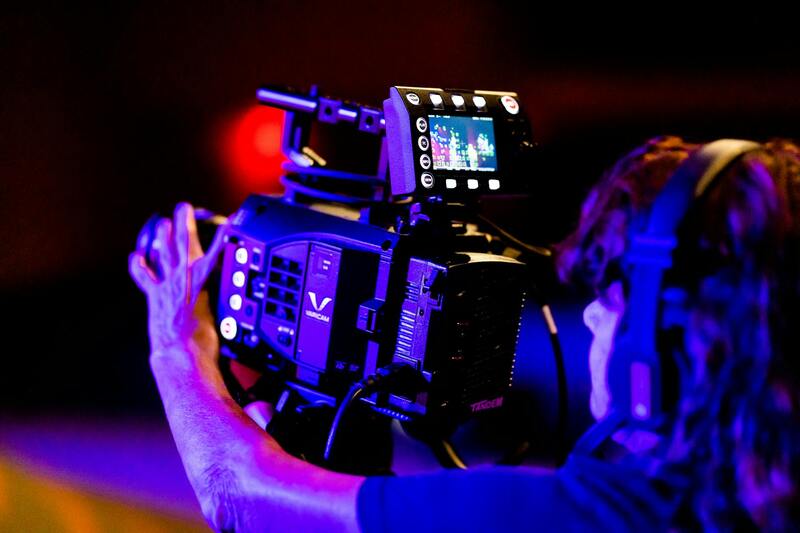
Beyond hardware and scheduling, data management is an integral component. Collected imagery must be stored securely and organized systematically to facilitate editing, recovery, and review. Advanced software solutions enable automatic image processing, time lapse compilation, and overlay features that enhance the final presentation.
Aligning these elements with a clearly outlined scope and objectives results in a coherent workflow that minimizes delays and maximizes output quality. Consistent communication between the project management team and the service provider ensures that expectations are met at every stage of the construction timeline, producing a compelling visual record that accurately reflects the project's evolution.
Official Methods for Implementing Construction Time Lapse Services
Implementing construction time lapse services through recognized and proven methods is essential for capturing accurate and professional visuals of construction progress. These methods involve a detailed planning phase where project specifications, site conditions, and timeline objectives are carefully analyzed. Engaging with established service providers, such as Miami Video Services, allows for adherence to industry standards, ensuring high-quality footage that accurately reflects project advancement.
Standard practice includes selecting strategically located camera sites that offer comprehensive visibility of key construction areas. This involves site surveys and risk assessments to determine optimal mounting points, considering factors such as elevation, security, and access. Providers typically utilize specialized equipment, including weatherproof cameras with remote operation capabilities, to withstand Miami’s climate variations, ensuring consistent footage over the entire construction cycle.
Once camera placement is finalized, scheduling and calibration are prioritized. Cameras are programmed for ongoing operation, often with scheduled automatic captures aligned with construction phases. Data transmission options—such as wired connections or wireless networks—are configured to ensure seamless data flow to secure storage solutions. These solutions are designed to facilitate continuous recording, easy retrieval, and efficient management of large volumes of imagery.
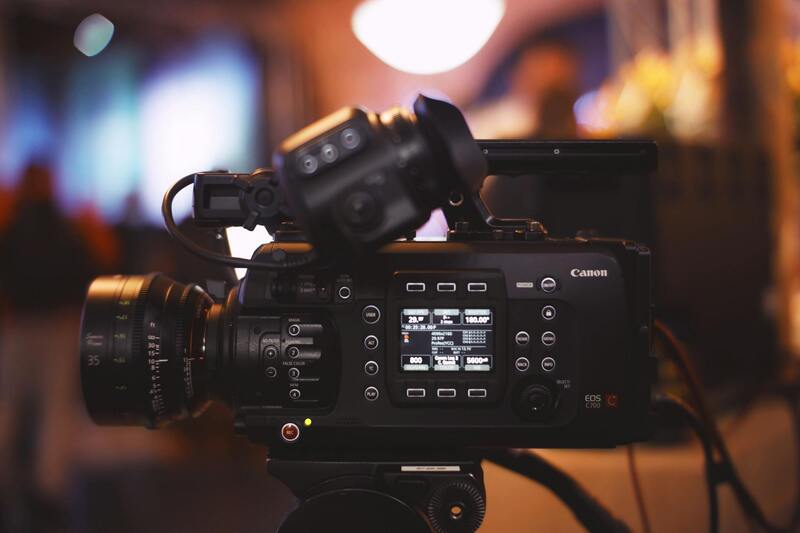
In addition, employing automated software solutions plays a vital role in compiling and processing images. Features like automatic synchronization, overlaying timestamps, or identifying key phases make post-production more efficient and accurate. Detailed reporting and documentation are maintained to track progress and support project stakeholders in decision-making and reporting processes.
Comprehensive implementation involves continuous monitoring and maintenance, ensuring camera hardware functions optimally throughout the project. Regular site inspections and technical checks are conducted proactively to address potential issues, such as power disruptions or hardware malfunctions, thereby minimizing data gaps and ensuring footage integrity. The use of seasoned professionals and reliable equipment reinforces the quality and authenticity of the visual record, offering a dependable method for documenting complex construction projects in Miami.
Legal and Privacy Considerations in Miami
Implementing construction time lapse services within Miami requires meticulous attention to legal and privacy standards to ensure responsible and compliant project documentation. While capturing comprehensive visual records of construction sites, providers must adhere to regulations concerning property rights, easements, and public safety. This involves securing necessary permissions from property owners and local authorities before starting the recording process, especially when establishing fixed cameras or drone footage near private residences or commercial properties.
In addition, safety zones and confidentiality protocols are critical in maintaining respectful boundaries. For projects located in densely populated areas, it is essential to ensure that recordings do not infringe on neighboring properties or private spaces. This may involve configuring cameras with specific angles or using directional lenses to focus solely on the construction site, minimizing unintended coverage of adjacent private areas.
Data protection and storage are equally important considerations. Construction time lapse footage often contains detailed imagery that could be sensitive or proprietary, particularly when showcasing innovative techniques or unique project features. Secure storage solutions, including encrypted drives and restricted access, are necessary to prevent unauthorized viewing or distribution of footage. Establishing clear data handling policies aligns with Miami's standards for information security and privacy, fostering trust among project stakeholders and clients.
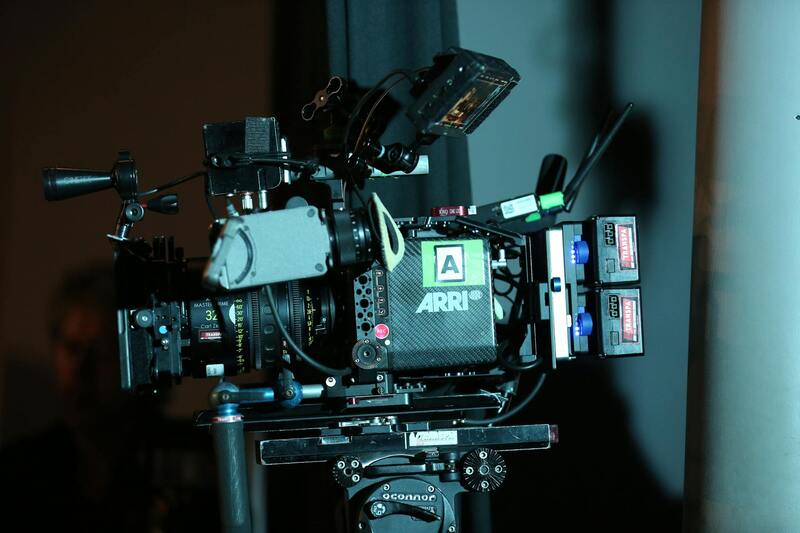
Finally, transparency with all involved parties promotes ethical practices. This includes informing nearby residents, workers, and project managers about ongoing recording activities, clearly outlining how footage will be used and stored. Maintaining open communication helps avoid misunderstandings and reinforces a professional approach to deploying construction time lapse technology in Miami's dynamic urban environment.
Legal and Privacy Considerations in Miami
When implementing construction time lapse services in Miami, it is crucial to address various legal and privacy considerations to ensure responsible documentation of construction activities. These considerations help maintain a professional environment and safeguard the interests of all parties involved, including neighboring residents, workers, project managers, and third-party stakeholders.
One primary aspect involves ensuring that the placement and operation of cameras do not infringe on private spaces or properties. This might include positioning cameras at angles that focus solely on the construction site, avoiding capture of private yards, windows, or neighboring properties. Utilizing directional lenses and controlled camera orientations allows for comprehensive monitoring while respecting residential privacy boundaries.
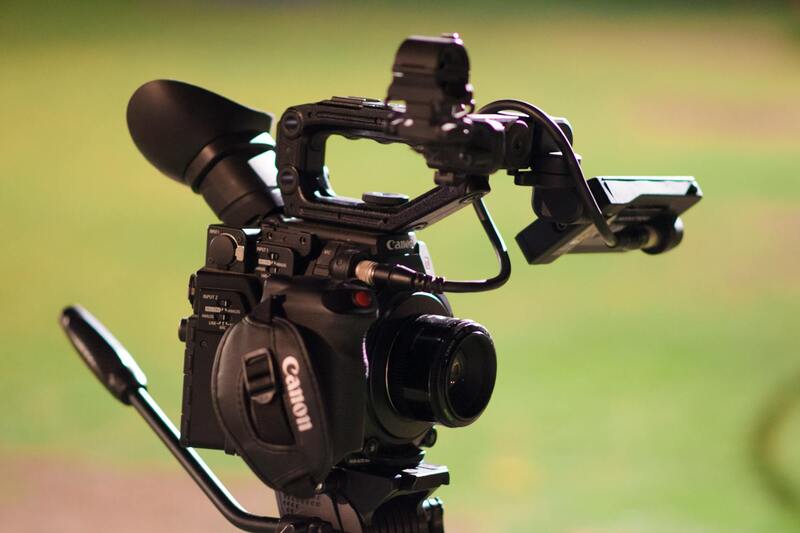
Moreover, securing the footage itself is paramount. Construction time lapse videos may contain sensitive visuals, particularly if innovative construction techniques or proprietary designs are involved. Employing encryption for storage devices and restricting access to authorized personnel help prevent unauthorized viewing or leaks of footage, preserving both project confidentiality and client trust.
Clear communication with all project stakeholders is another cornerstone of compliant practices. Informing nearby residents and workers about ongoing recording activities—what purpose the footage serves, how it will be stored, and who will have access—creates transparency. Written notices or verbal briefings can clarify expectations and prevent misunderstandings related to recording activities on-site.
Additionally, establishing and following data handling policies aligned with Miami’s standards for information security ensures footage is managed responsibly. Regular audits of storage protocols and access logs can further reinforce a secure environment, helping to certify that footage remains protected against breaches or misuse.
In Miami’s vibrant urban landscape, adherence to these legal and privacy standards enhances the professionalism of construction projects. It demonstrates respect for personal boundaries and fortifies the trust of clients, project teams, and surrounding communities. Building these practices into your construction time lapse strategy ensures a seamless, responsible documentation process that benefits all parties involved.

Understanding Construction Time Lapse Services
Construction time lapse services utilize high-quality imaging technology to capture the progression of a construction project over extended periods. These services typically involve deploying professional cameras at strategic site locations, often mounted on cranes, rooftops, or dedicated tripods, which record images at preset intervals, ranging from minutes to hours. The captured footage is then compiled into a cohesive video timeline, illustrating the project's development from groundbreaking to completion. These visual recordings serve multiple purposes, including project documentation, promotional marketing, and stakeholder reporting.
Key Features of Construction Time Lapse Service
- High-Resolution Imaging: Cameras equipped with high-resolution sensors ensure clear, detailed visuals that accurately reflect the project's scale and progress.
- Automated Shooting Intervals: Programmable settings allow the cameras to capture images automatically, reducing the need for manual intervention and minimizing site disturbances.
- Remote Monitoring: Many providers offer cloud-based management platforms, enabling real-time monitoring and camera control from remote locations.
- Weatherproof Equipment: Cameras are designed to withstand Miami’s climate, including humidity, rain, and salt air, ensuring continuous operation regardless of weather conditions.
- Secure Data Storage: Collected footage is stored securely, with access controls to protect project confidentiality and prevent unauthorized viewing.
Employing professional construction time lapse services provides comprehensive visual records that can be invaluable for project analysis, dispute resolution, and marketing efforts. These services also streamline communication among project stakeholders by providing a visual update that is easy to interpret and share across teams and clients.
Advantages of Construction Time Lapse Services
Opting for specialized time lapse services offers several benefits that enhance project management and presentation. Notably:
- Enhanced Project Transparency: Visual documentation allows stakeholders, clients, and the public to witness the project's evolution, fostering trust and transparency.
- Improved Marketing and Public Relations: High-quality videos showcasing progress can be utilized in promotional campaigns, investor presentations, and community engagement initiatives.
- Accurate Progress Tracking: Time lapse footage provides tangible proof of project milestones, aiding in schedule management and logistical planning.
- Dispute Resolution: Clear visual records can serve as impartial evidence in resolving construction disputes or claims.
- Cost and Time Savings: Remote monitoring reduces the need for site visits, saving time and associated expenses.
Selecting a reputable construction time lapse service that aligns with your project’s specific needs is crucial. Providers should offer customized solutions tailored to the scale, duration, and particular goals of your project, ensuring the footage captured is both comprehensive and visually compelling.
Legal and Privacy Considerations in Miami
When integrating construction time lapse services into projects within Miami, it is essential to adhere to established protocols to ensure respectful and responsible footage capturing. Proper signage on-site indicating the presence of recording equipment is a recommended practice, outlining the purpose of surveillance and recording activities. This not only informs workers and visitors but also maintains transparency regarding footage collection.
In addition, construction firms should establish clear agreements with service providers regarding the areas to be recorded, emphasizing parts of the site where personnel and logistics should be preserved from filming when necessary. These agreements typically specify the scope of recordings and the duration footage will be stored, processed, and shared, aligning with project timelines and stakeholder expectations.
Developing a standardized protocol for footage management can further safeguard privacy concerns. This includes secure storage practices, restricted access to video data, and defining the conditions under which footage may be shared externally. Implementing strict access controls helps prevent misuse or unauthorized viewing of sensitive project footage, particularly in high-profile developments or projects involving proprietary techniques.
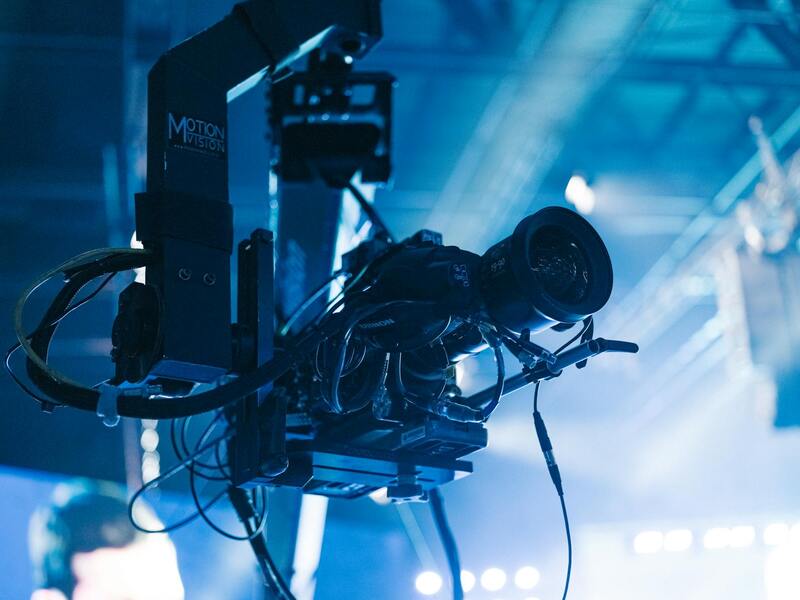
Engaging with local authorities and adhering to Miami’s specific recording guidelines can provide additional compliance assurance. Regular audits of the recording and data management process support ongoing adherence to privacy standards, bolstering the integrity of the project’s documentation efforts.
Balancing comprehensive visual documentation with respect for privacy and site policies is critical for seamless project progress and favorable community relations. Thoughtful planning in this regard ensures that construction time lapse initiatives serve their purpose without infringing on personnel rights or site confidentiality.
Legal and Privacy Considerations in Miami
Incorporating construction time lapse services within Miami's vibrant and diverse urban landscape requires meticulous attention to privacy and regulatory standards. While these visual documentation techniques offer invaluable insights into project progression, they also necessitate adherence to protocols that respect personnel privacy and site confidentiality. Ensuring compliance involves forming clear agreements that delineate the scope of footage collection, stipulating which areas are to be captured and which should remain unrestricted. These agreements typically specify the duration of footage storage, processing procedures, and sharing parameters aligned with project timelines and stakeholder expectations.
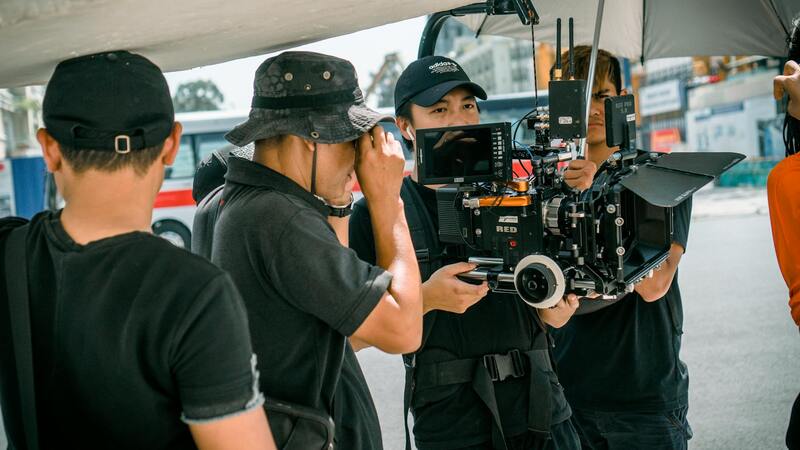
Developing a standardized protocol for footage management is paramount. This encompasses secure storage practices, access restrictions, and explicit conditions under which footage can be shared externally. Implementing robust access controls safeguards sensitive project information from unauthorized viewing or misuse, especially in development projects that involve proprietary techniques or high-profile stakeholders.
Additionally, localized signage and privacy measures should be implemented to prevent unintended recording in sensitive areas. Engaging with local authorities and familiarizing oneself with the specific filming guidelines in Miami ensures the projects remain compliant with municipal standards. Regular audits of video data handling processes further reinforce adherence, providing transparency and maintaining community trust. This proactive approach minimizes potential conflicts and aligns project documentation efforts with privacy expectations.
Cost Factors and Budgeting for Construction Time Lapse Services
Budget planning for construction time lapse projects involves assessing multiple components that influence overall costs. These factors include the technical equipment used, such as high-resolution cameras, drone integrations, and stabilization technologies, along with ongoing maintenance and data management expenses. Service providers often offer tiered packages, where higher-quality footage or extended project durations incur additional fees.
Other cost considerations include personnel for setup and monitoring, editing and post-production services, and potential licensing fees for drone operation or special filming permissions. Clear communication with the service provider during the planning stages ensures that all required elements are included within the budget, avoiding unforeseen expenses. Strategic planning based on project scope and timeline helps optimize resource allocation, balancing quality output with financial efficiency.
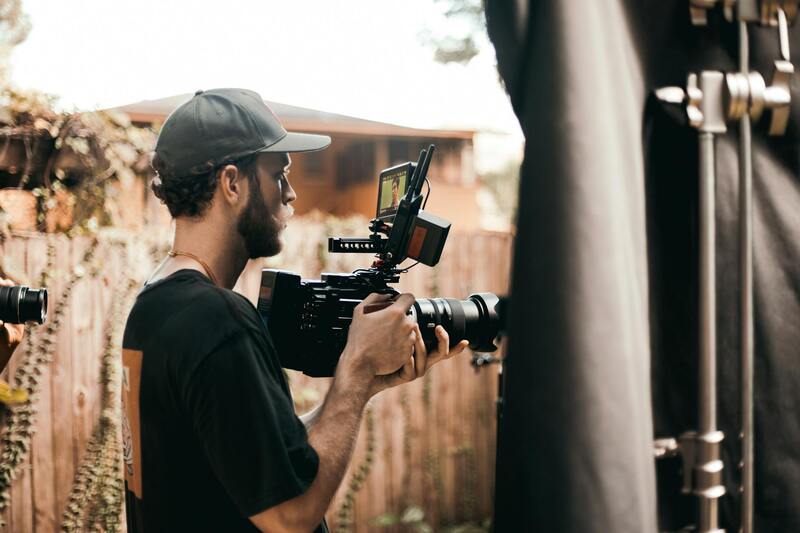
Evaluating these cost components alongside the project’s potential benefits—such as improved progress tracking, enhanced stakeholder reporting, and marketing opportunities—can assist project managers in making informed decisions. Adequate budgeting ensures that the time lapse documentation remains a valuable asset throughout the construction lifecycle, providing consistent visual records and supporting project management, public relations, and future planning efforts.