Overview of Miami Live Stream Industry
The live streaming industry in Miami has experienced exponential growth over recent years, transforming the way events, corporate functions, and media productions are broadcast to audiences worldwide. As a vibrant hub for entertainment, fashion, real estate, and tourism, Miami leverages live streaming to engage diverse audiences, enhance visibility, and expand market reach. Virtual events and live broadcasts have become essential tools for businesses and organizations looking to connect directly with their consumers and stakeholders in real time. This escalation in live streaming activity has been fueled by advancements in internet infrastructure, increased accessibility of high-quality broadcasting equipment, and a broader acceptance of digital content consumption. Historically known for its lively festivals, sports events, and cultural festivities, Miami now showcases these attractions through professional live streams, enriching the city’s global profile. Moreover, the COVID-19 pandemic accelerated adoption, highlighting the importance of reliable digital broadcasting methods for maintaining continuous engagement despite restrictions on in-person gatherings. The industry’s growth is also supported by local media companies, freelancers, and specialized agencies that provide comprehensive streaming services. These entities ensure seamless, high-definition broadcasts tailored to specific event requirements, whether for live concerts, business conferences, or tourism showcases. With Miami's strategic geographical location, robust technological infrastructure, and diverse content landscape, the live streaming sector remains a key driver of the city’s digital economy. The increasing demand for high-quality, real-time content delivery underscores Miami’s role as a major player in the live streaming industry, pushing innovations and elevating standards for broadcasts across Florida and beyond. This dynamic industry continues to evolve, adapting new technologies and methodologies that further solidify Miami’s position as a premier live streaming hub.
Types of Live Streaming Services Available in Miami
Miami’s vibrant digital landscape offers a diverse array of live streaming services designed to cater to the city’s dynamic event ecosystem. Whether organizing a large-scale concert, corporate webinar, or community event, local providers offer tailored solutions that enhance audience engagement and expand reach. Each service type is supported by advanced technology and expert execution to ensure seamless broadcasts that meet specific client objectives.
- Event Broadcasting: Live coverage of festivals, sports games, and cultural gatherings allows event organizers to reach audiences both locally and globally. These broadcasts often incorporate multi-camera setups, professional audio, and real-time graphics to replicate the live experience effectively.
- Corporate Webinars and Meetings: Businesses in Miami leverage high-quality live streams for meetings, product launches, and training sessions. These services emphasize security, stable connections, and interactive features such as Q&A and polling to facilitate participation.
- Concerts and Entertainment Shows: With Miami’s thriving music scene, live streaming concerts enables artists and venues to connect with fans regardless of physical location. Services include multi-angle filming, overlay graphics, and live chat integration to enhance the viewer experience.
- Virtual Tours and Cultural Experiences: Museums, art galleries, and tourism boards utilize live streams to offer virtual tours, allowing audiences worldwide to explore Miami’s attractions virtually. These experiences often combine cinematic footage with informative commentary.
- Educational and Conference Broadcasts: Miami’s academic institutions and industry conferences frequently use live streaming for wider dissemination of content, often integrating interactive elements for remote participants and on-demand replay options for later viewing.
Each of these services is supported by specialized technical teams and state-of-the-art equipment, including high-definition cameras, professional lighting, reliable streaming platforms, and audio enhancement tools. The focus remains on delivering crisp visuals, synchronized audio, and minimal latency to ensure a smooth streaming experience for viewers across various devices and network conditions.

In addition to equipment, local service providers often utilize cloud-based streaming platforms that enable flexible scaling, integrated analytics, and multi-platform distribution. Whether targeting social media audiences, corporate intranets, or dedicated live streaming portals, these solutions provide comprehensive coverage and customization options for diverse client needs.
By focusing on official, professional-grade services, Miami ensures that each live stream maintains high standards of quality and reliability. This commitment supports the city’s reputation as a leading hub for innovative digital content delivery, consistently leveraging the latest technologies and best practices to produce compelling live experiences.
Key Equipment and Technology for Miami Live Streaming
Executing a high-quality live stream in Miami requires a combination of advanced hardware, specialized software, and robust internet infrastructure. This technology synergy ensures smooth, professional broadcasts that meet the expectations of diverse audiences and demanding content types.
Hardware Components Essential for Live Streaming
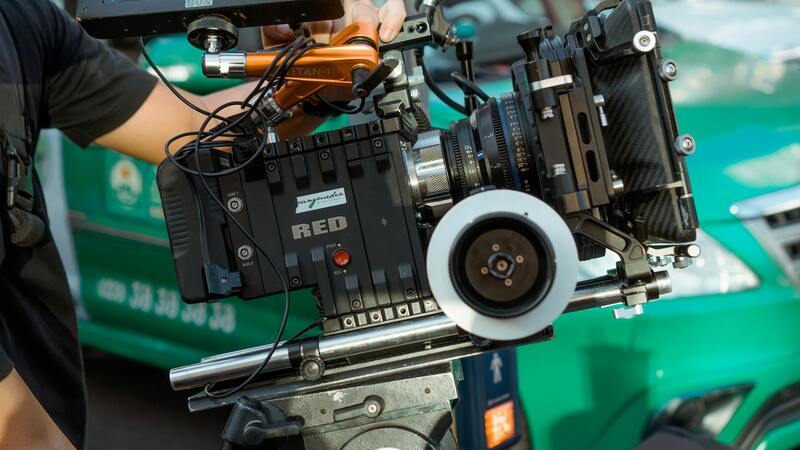
- High-Definition Cameras: Professional-grade cameras capable of capturing crisp visuals are fundamental. These often include PTZ (pan-tilt-zoom) cameras for dynamic shots, as well as portable DSLR cameras for flexible setups.
- Audio Equipment: Clear sound is critical. Directional microphones, wireless lapel mics, and audio mixers are integrated to capture and refine speakers’ voices, minimizing background noise and ensuring clarity across all devices.
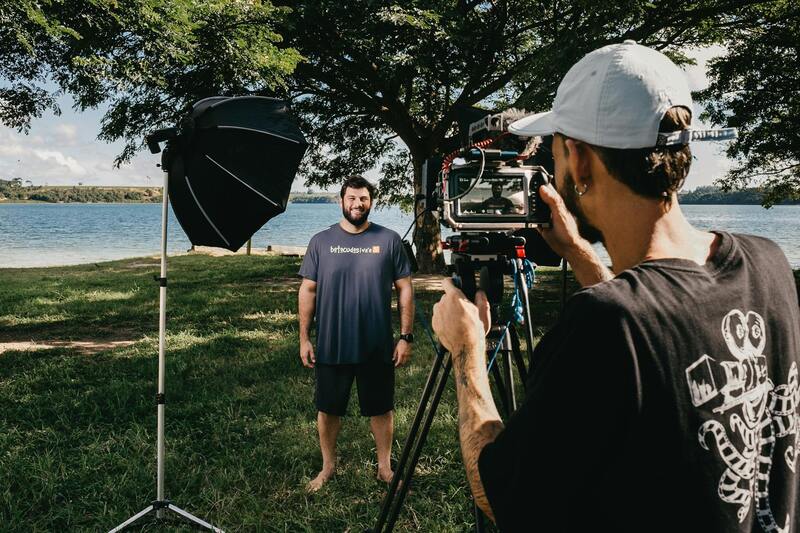
- Lighting Systems: Proper illumination enhances visual quality, especially in indoor environments or dimly lit venues. LED panel lights and softboxes are typically employed to create consistent, flattering lighting conditions.
- Streaming Encoders: Hardware encoders convert raw video signals into streams compatible with various platforms. They support multiple input sources and provide options for real-time adjustments, including resolution and bitrate control.
Software and Networking Infrastructure
Reliable live streaming also depends on sophisticated software solutions and internet connectivity:
- Streaming Software: Professional-grade encoding software, such as vMix, OBS Studio, or Wirecast, allows operators to switch between multiple camera feeds, add graphics, overlays, and livestream titles seamlessly.
- Content Delivery Network (CDN): Miami-based content distribution networks help deliver streams efficiently across various regions, reducing latency and buffering. They also facilitate multi-platform distribution, such as social media, dedicated portals, and internal networks.
- Internet Connectivity: A dedicated, high-bandwidth fiber optic connection with backup options ensures uninterrupted streams. Ideally, upload speeds of at least 20 Mbps are recommended for HD streaming, with additional measures to mitigate packet loss or network fluctuations.
Integration of Emerging Technologies
The latest innovations, including 4K ultra HD streaming, 360-degree video, and virtual reality capabilities, are increasingly incorporated into Miami's live streaming setups. These enhancements elevate the viewer experience, offering immersive and interactive contents that resonate with modern digital audiences.
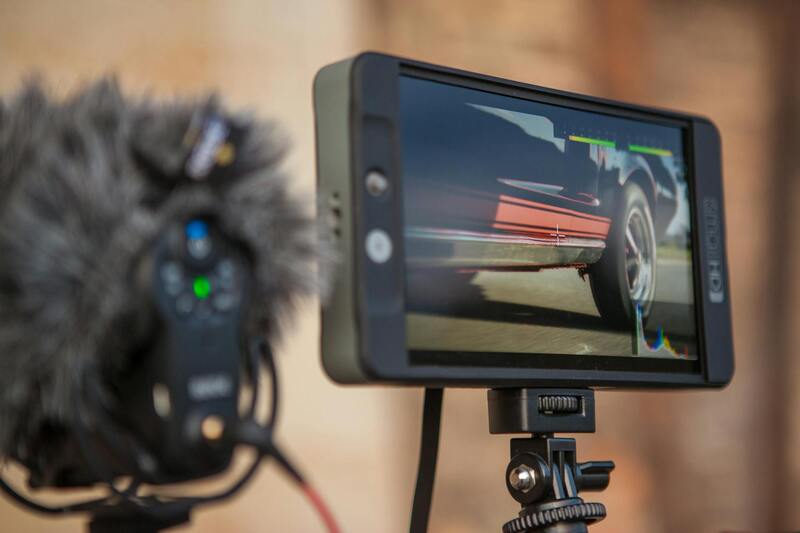
Types of Live Streaming Services Available in Miami
Miami's vibrant digital landscape offers a diverse array of live streaming services tailored to meet various organizational needs, from corporate events to community festivals. These services harness advanced streaming platforms and infrastructure to ensure high-quality broadcasts that reach audiences across multiple channels. Key service types include dedicated event streaming platforms, social media live integrations, and custom-branded streaming portals suitable for enterprise-level and niche audiences.
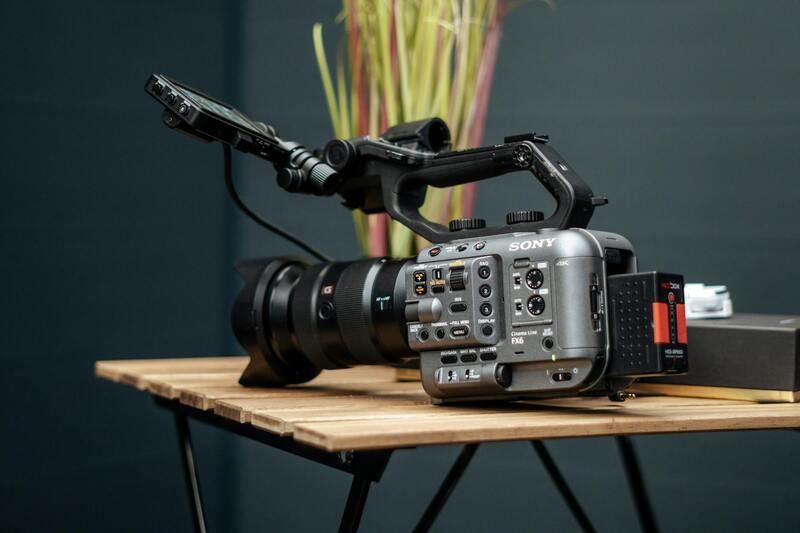
Dedicated Event Streaming Platforms
These platforms are optimized for live broadcasts of large-scale events such as concerts, conferences, and sports tournaments. They provide end-to-end solutions, including event registration integration, viewer analytics, and monetization features. Such platforms typically support multi-camera operations, real-time switching, and live chat functionalities to foster interaction and engagement with viewers. Many Miami providers also offer cloud-based solutions, enabling easier scalability and management of streams without extensive onsite hardware.
Social Media Live Streaming Solutions
Streaming directly to social media channels like Facebook Live, YouTube Live, and Instagram Live remains a popular choice for businesses and individual creators in Miami. These services leverage native platform capabilities, allowing for immediate audience interaction and sharing. Partners often assist with content optimization, ensuring streams are appropriately formatted for each platform's specifications, thereby maximizing reach and engagement.
Custom-Branded Streaming Portals
Custom portals serve organizations requiring dedicated online spaces for their broadcasts. These portals support secure access, branding customization, and integrated viewer services such as chat, polls, and on-demand replays. Miami's streaming providers tailor these solutions to match organizational branding, offering a cohesive viewer experience aligned with corporate or event identities.
Specialized Live Multistreaming Services
Combining multiple streaming platforms simultaneously enables broadcasters to maximize exposure and audience reach. Miami's specialty services facilitate multistreaming, ensuring content is broadcast across various channels at once, with synchronized feeds. This approach enhances visibility and audience interaction, especially during significant events or product launches.
Further Considerations in Selecting a Service
When choosing a live streaming service in Miami, factors such as bandwidth capacity, content security, and after-stream analytics are critical. Providers with strong local infrastructure can offer minimized latency and optimized delivery. Additionally, their ability to customize features, integrate interactivity, and support mobile streaming plays a pivotal role in producing successful live broadcasts tailored to diverse audience preferences.
Miami's live streaming industry continues to evolve rapidly, supported by innovations in 4K resolution, 360-degree content, and virtual reality. These advancements provide immersive experiences and interactive engagement opportunities for audiences both locally and globally. For organizations aiming to leverage these technologies, partnering with experienced Miami-based providers ensures access to the latest features and reliable broadcast quality.
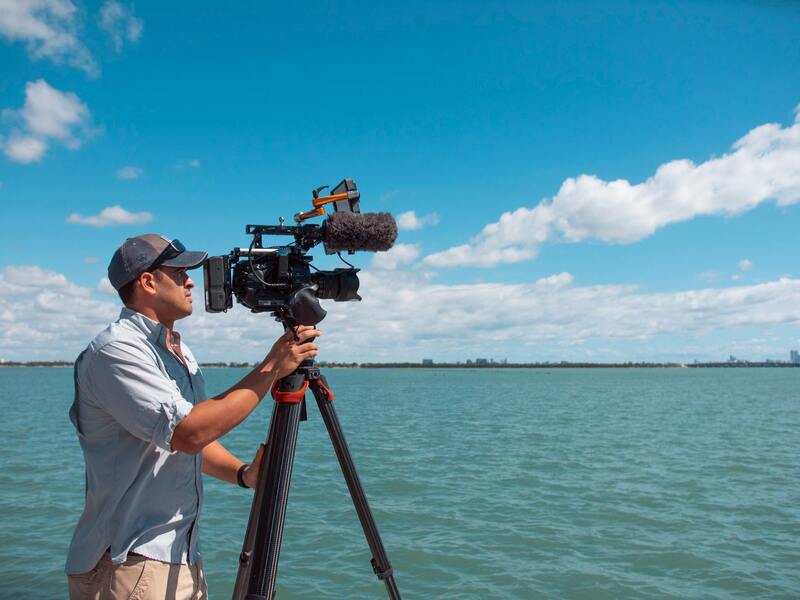
Key Equipment and Technology for Miami Live Streaming
Successful live streaming in Miami hinges on deploying top-tier equipment and adopting the latest technological solutions. The foundational gear involves high-definition cameras capable of capturing crystal-clear images under diverse lighting conditions prevalent in Miami’s vibrant environment. Multi-camera setups are often employed to provide dynamic perspectives, especially during large events or concerts, offering viewers an immersive experience that makes them feel as if they are part of the live audience.
Professional video mixers are essential for seamless switching between camera feeds, adding graphics, and integrating multiple audio sources. These mixers support real-time editing, ensuring the broadcast remains polished and engaging. High-capacity encoders are equally critical, as they convert raw footage into streaming-compatible formats while maintaining optimal quality and minimal latency. Hardware encoders, preferred for their stability, are typically used in professional settings, whereas software encoders offer flexibility for smaller productions.
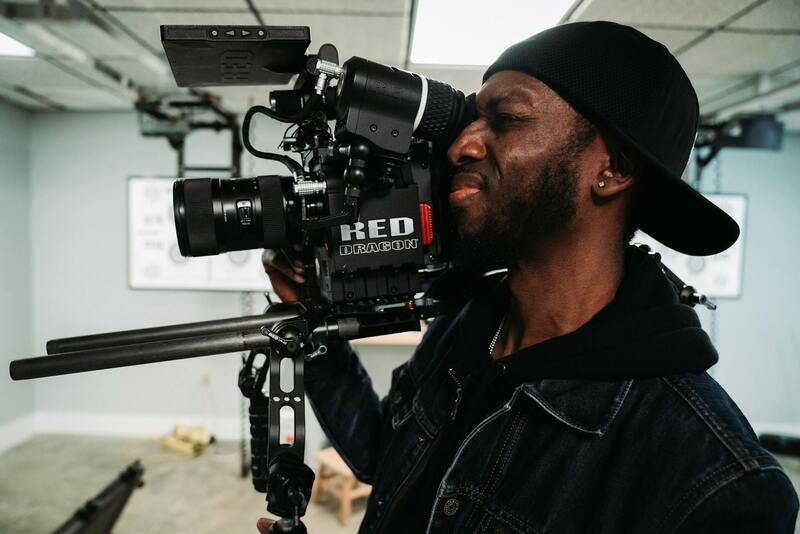
Bandwidth and data transmission infrastructure form the backbone of effective live streaming in Miami. Providers invest in fiber optic connectivity and dedicated servers to support high-speed data transfer, enabling transmission in resolutions up to 4K or even 8K with stability. Redundant systems are often implemented to prevent interruptions, ensuring continuous streaming even during unforeseen technical issues. Cloud-based solutions allow for scalability, enabling broadcasters to easily manage fluctuations in viewer demand without compromising quality.
Emerging technologies such as virtual reality (VR), augmented reality (AR), and 360-degree video are transforming the streaming landscape in Miami. These innovations create interactive and immersive experiences, particularly suited to promotional events, real estate showcases, and entertainment functions. Implementing these features requires specialized equipment like 360-degree cameras and VR headsets, along with robust processing and streaming capabilities to handle large data streams efficiently.
Importance of Reliable Networking and Support Systems
In Miami’s fast-paced media environment, reliability is non-negotiable. Live streaming providers invest in redundant network paths and backup power supplies to maintain uninterrupted broadcasts. They also utilize sophisticated monitoring systems to detect and troubleshoot issues in real-time, minimizing latency and jitter that can detract from viewer experience. Having a dedicated technical support team on standby ensures swift resolution of any complications that may arise during a live event.
Furthermore, mobile and on-site streaming solutions are increasingly relevant given the city’s active outdoor event scene. Field units equipped with portable transmission gear enable live feeds from remote locations, expanding the scope for live broadcasting beyond traditional studios. This flexibility supports broadcast of outdoor festivals, marathons, and city-specific celebrations, reinforcing Miami’s reputation as a hub for diverse and engaging live content.

To harness the full potential of Miami’s live streaming industry, organizations should partner with providers that emphasize technological excellence and infrastructure robustness. This ensures not only superior broadcast quality but also greater adaptability and performance across different content types and event sizes. Whether for corporate webinars, city-wide events, or entertainment broadcasts, the right equipment and technology are fundamental to achieving compelling and reliable live streams that resonate with audiences locally and globally.
Legal and Copyright Considerations in Live Streaming
Successfully broadcasting live content within Miami requires careful attention to various legal and intellectual property protocols. Ensuring that all content streamed adheres to existing rights and permissions helps prevent disruptions or potential disputes that can affect viewership and credibility. This includes obtaining necessary approvals for copyrighted music, visuals, and proprietary material that might feature during the broadcast.
Organizations planning live streams should establish clear agreements with content owners or licensing agencies to cover all multimedia components used in their broadcasts. This proactive approach minimizes the risk of content removal or copyright claims, which can interfere with the streaming experience. It is also essential to maintain documentation of permissions, licenses, and correspondence related to content rights, serving as a safeguard against unforeseen legal complications.
Furthermore, compliance with local regulations regardingbroadcasting rights, public safety, and broadcast standards is imperative. Various permits or notifications might be required when streaming large public events or city-wide festivals. Working with experienced legal consultants or compliance specialists can facilitate adherence to these obligations, ensuring that the live stream execution remains smooth and obstruction-free.
In addition to rights management, managing personal data and user privacy is crucial, especially if interactive features like chat or viewer submissions are incorporated. Implementing robust privacy policies and utilizing secure data handling practices protects both the organization and the audience from potential breaches and misuse of information.
Legal and Copyright Considerations in Live Streaming
Staying compliant with legal and copyright standards is fundamental for successful live stream events in Miami. Proper management of content rights ensures a seamless broadcast, free from interruptions or disputes that could hinder the viewing experience. This involves acquiring the appropriate permissions for all multimedia elements, including music, video clips, images, and proprietary material incorporated into the stream.
Before broadcasting, it is essential to verify that all content used is either original or properly licensed. This includes obtaining licenses from rights holders or licensing agencies, and securing explicit consent for the use of copyrighted materials. Keeping detailed records of licenses, permissions, and correspondence related to content rights provides a clear audit trail, which can be vital if questions arise regarding intellectual property use.
In addition to copyright issues, compliance with municipal and state broadcasting regulations should be a priority. This includes acquiring necessary permits when streaming large public events or city-wide festivals, and adhering to standards related to public safety, noise levels, and viewer protection. Navigating these requirements often involves collaboration with legal experts or compliance specialists who understand the specific mandates within Miami.
Data privacy is another crucial aspect. If the live stream includes interactive features, such as chat functions or viewer submissions, implementing stringent data handling and privacy policies is necessary. Protecting audience data from misuse fosters trust and aligns with best practices for responsible broadcasting.
Given Miami’s dynamic media landscape, adhering to these legal and copyright protocols not only guarantees a trouble-free live streaming experience but also enhances the reputation of content providers. Ensuring all rights are secured and regulations are followed allows broadcasters to focus on delivering engaging content without concerns over legal repercussions.
Legal and Copyright Considerations in Live Streaming
Maintaining compliance with copyright and intellectual property standards is essential when delivering live content within Miami. Content creators and broadcasters must have clear agreements with rights holders over any copyrighted material used during streams. This includes music, images, videos, and other media elements integrated into the broadcast. Thorough records of licensing agreements, permissions, and correspondence serve as vital documentation should questions about content ownership arise.
While licensing content is straightforward for original materials or assets produced in-house, it becomes more complex when incorporating third-party content. Navigating proper licensing protocols involves understanding the scope of rights granted, including geographical reach and duration. Proper attribution and respecting exclusive rights ensure that the live stream conforms to established intellectual property standards.
In addition to copyright considerations, adherence to local regulations governing live broadcasts is vital. Securing permits for large public event streams, such as city festivals, parades, or official city gatherings, often forms part of the necessary compliance measures. These permits verify that the stream meets public safety requirements, noise regulations, and viewer protection standards mandated by city authorities.
Protocols for data privacy and security are equally important, especially when live streams incorporate interactive features such as chat functions, real-time viewer submissions, or personalized content. Implementing data handling policies that protect audience information from misuse fosters transparency and trust. Such practices align with responsible broadcasting standards and are integral to establishing a reputable presence in Miami’s vibrant media environment.

Recognizing the specific legal parameters of Miami’s broadcasting landscape, content providers should work closely with legal professionals or compliance specialists. These experts are equipped to guide broadcasters through necessary permits, licensing, and regulatory mandates, ensuring smooth and trouble-free live streaming operations.
By prioritizing legal adherence and securing the appropriate rights, Miami-based streamers can focus on producing engaging and high-quality content while minimizing potential disruptions or review requests. This proactive approach not only solidifies the broadcaster’s reputation but also enhances the overall viewer experience.