Understanding Live Event Streaming Services
Live event streaming services have become an essential component for modern event management, enabling organizers to broadcast gatherings to a wide audience in real-time via the internet. These services are engineered with robust features that ensure high-quality video and audio delivery, minimal latency, and seamless viewer engagement. They serve a diverse range of events, including conferences, concerts, sports competitions, religious ceremonies, corporate meetings, and cultural festivals. By integrating advanced technology, live streaming platforms facilitate virtual participation, expanding the reach of an event beyond physical boundaries and providing a platform for interaction and engagement from remote audiences.

Core features of live event streaming services typically include multi-camera broadcasting, real-time editing, content security, viewer analytics, and on-demand access post-broadcast. The use of secure servers and encryption ensures that the streamed content remains protected during transmission. These services are adaptable, offering both professional-grade solutions for complex events and simplified options for smaller gatherings. They also provide various distribution methods, including embedding streams into websites, social media integration, and custom applications, thus optimizing audience engagement and accessibility.
Campaigns and event organizers leverage live streaming to increase visibility, attract sponsors, and create immersive experiences for participants who cannot attend physically. The technology's flexibility supports augmented reality (AR) and virtual reality (VR) elements, further enriching the viewing experience. As a result, live event streaming has evolved from a supplementary option to a fundamental channel for delivering live content, ensuring maximum audience participation and event impact across multiple platforms and devices.
Essential Equipment for Professional Live Event Streaming
For ensuring a seamless and high-quality live stream, investing in the right equipment is crucial. The foundation of a successful live event broadcast hinges on the right hardware and software tools, which facilitate both the capturing and transmission of live video content.
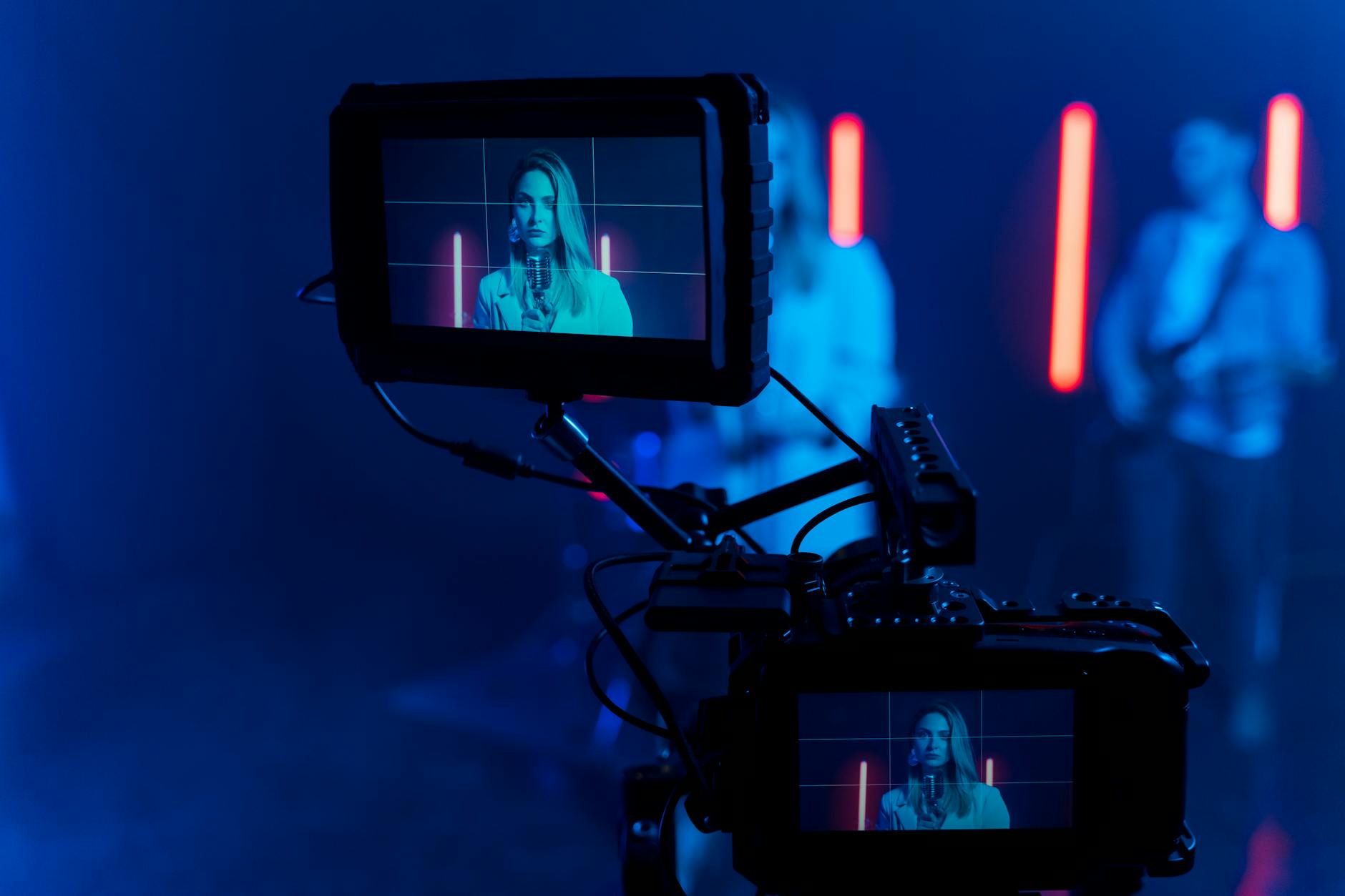
- High-Definition Cameras: Utilizing professional-grade cameras capable of capturing crisp, clear images from multiple angles ensures a visually engaging experience. These cameras often support remote control and high frame rates, vital for dynamic events such as sports or performances.
- Video Switchers and Mixers: These devices allow operators to transition smoothly between camera feeds, add effects, and manage multiple video sources in real-time, creating a polished broadcast.
- Audio Equipment: Clear audio is as important as video quality. Lavalier and shotgun microphones, audio mixers, and sound processors help capture and optimize sound for varied environments.
- Streaming Hardware: Encoder devices convert the video and audio signals into a digital stream compatible with internet transmission. Hardware encoders tend to be more reliable for professional settings compared to software encoders.
- Reliable Internet Connection: A robust, high-bandwidth internet connection is fundamental to avoid interruptions. Professionals often employ multiple internet sources combined with bonding technology to ensure uninterrupted streaming.
- Backup Power Supplies: Uninterruptible power supplies (UPS) prevent any disruptions caused by power outages, maintaining the broadcast’s stability during live events.
Software and Platform Considerations
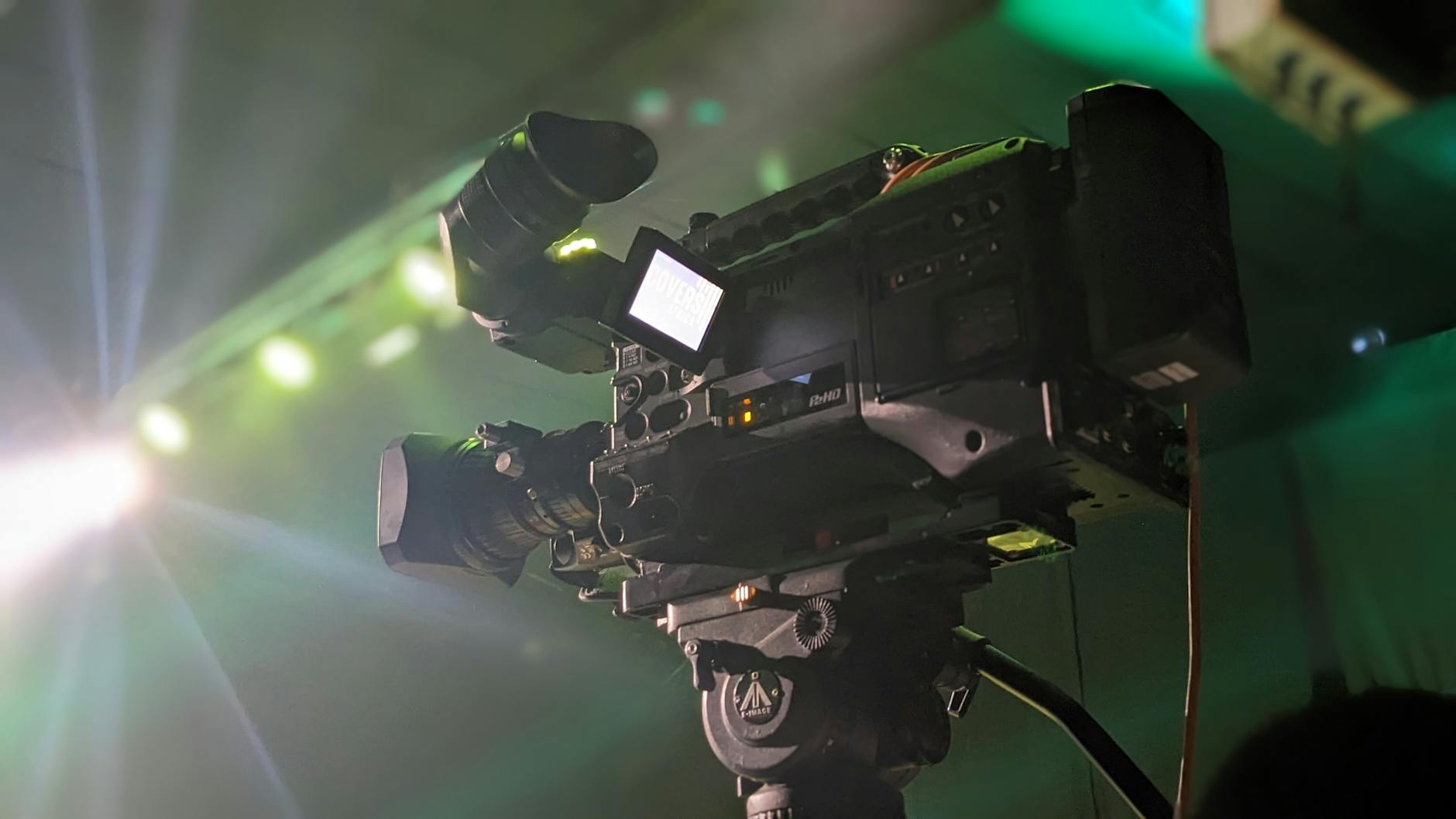
Choosing the right software is essential for managing live broadcasts efficiently. Many live streaming platforms offer integrated solutions for scheduling, real-time editing, and multi-platform distribution. Features to look for include multi-camera switching, real-time analytics, chat and interaction tools, and seamless integration with social media channels.
Commonly used streaming software includes dedicated platforms like Wirecast, vMix, and StreamYard, which support high-quality output and easy management of streams. Additionally, a content delivery network (CDN) ensures that the stream can be distributed across various regions without latency or buffering issues. This guarantees a smooth viewing experience regardless of the audience’s location.
Ensuring Content Security and Compliance
Implementing robust security measures is vital to protect your live streams from unauthorized access and manage content rights effectively. Secure streaming protocols such as RTMPS (Real-Time Messaging Protocol Secure) encrypt transmission, reducing the risk of interception. Authentication methods, including secure tokens and login credentials, restrict access to authorized viewers only.
Additionally, employing digital rights management (DRM) solutions can safeguard copyrighted material. Regular security audits and monitoring tools help identify vulnerabilities and ensure your live stream remains protected throughout its duration.
Optimizing Viewer Engagement and Accessibility
To maximize engagement, consider offering multiple viewing options, including embedded streams on your website, or direct links shared via email and social media. Captioning and language translation introduce inclusivity, broadening your audience reach. Interactive features such as live chat, polls, and Q&A sessions can foster real-time participation and community building.
Furthermore, adapting streams for various devices—desktops, tablets, smartphones—ensures accessibility and a positive user experience across all platforms. Leveraging analytics tools helps assess viewer behavior, preferences, and engagement levels, informing future streaming strategies.
Understanding Live Event Streaming Services
Choosing an effective live event streaming service requires a comprehensive understanding of the core components that comprise a reliable streaming setup. These services are specialized platforms designed to deliver high-quality live video content to diverse audiences via the internet, ensuring seamless engagement and interaction. Their architecture typically includes robust encoding software, scalable content delivery networks (CDNs), and user-friendly interfaces for management and analytics.
Effective live streaming solutions encompass multiple facets, including video capture, encoding, transmission, and display. High-definition cameras and professional-grade encoders are integral to capturing clear, professional visuals that captivate viewers. The encoder converts raw footage into the suitable digital format for streaming, supporting multiple streams and adaptive bitrate technology to adjust quality based on viewers’ internet speeds. This ensures minimal buffering and optimal viewing experience regardless of device or network conditions.
Reliable internet connectivity is paramount, with dedicated bandwidth and backup connections to prevent interruptions. Stream latency is managed through server selection and optimization, maintaining sync across platforms and devices. Once the stream foundation is set, it is disseminated through CDNs that optimize delivery times and reduce latency by distributing content across multiple servers geographically.
Partnering with an experienced service provider grants access to advanced features such as multi-platform broadcasting, analytics, content security, and monetization options. These platforms often include customizable player interfaces, real-time analytics dashboards, and interactive tools that enhance viewer participation. Additionally, integration capabilities with social media networks enable broader content reach and more dynamic audience engagement tactics.
Providers can also assist in the setup process, ensuring technical compatibility and optimal configuration. This support extends to technical troubleshooting and on-site assistance during live events, guaranteeing that all technical elements operate smoothly. Consequently, event organizers can focus on content quality and audience experience without concern over technical difficulties.
Key Features to Consider When Selecting a Live Streaming Service
- Scalability: Ability to handle varying audience sizes without compromising quality.
- Security: Advanced encryption, authentication, and digital rights management features.
- Compatibility: Seamless support across all devices, browsers, and operating systems.
- Custom Branding: Options to embed logos, overlays, and tailored player interfaces.
- Interactivity: Chat functions, polls, Q&A modules, and social media integration.
- Analytics and Reporting: Detailed insights into viewer behavior and stream performance.
- Support and Maintenance: Technical support and continuous platform updates.
Implementing these features strategically enhances viewer engagement and ensures the event’s success. As live streaming technology evolves, selecting a provider that offers comprehensive tools and adaptable solutions becomes essential for producing professional, impactful live events.
Understanding Live Event Streaming Services
Choosing the right live event streaming service involves evaluating multiple factors to ensure a seamless broadcasting experience. It requires an assessment of technical robustness, user interface, and support services. An ideal provider should utilize advanced streaming protocols that minimize latency and ensure high-quality video transmission across diverse internet connections. Additionally, the service must offer flexible bandwidth options to accommodate fluctuating viewer numbers, particularly during highly anticipated events.
Security measures are vital for safeguarding content during transmission. Technologies such as Secure Reliable Transport (SRT), encryption protocols, and digital rights management (DRM) prevent unauthorized access and protect intellectual property. Compatibility across multiple devices—smartphones, tablets, desktops, and smart TVs—is essential to reach a broad audience. The streaming platform should support various web browsers and operating systems, offering a consistent viewing experience regardless of device.
Customization and Engagement Features
Beyond basic broadcasting, advanced features facilitate viewer engagement and brand visibility. Custom branding options, including overlays, logos, and themed interfaces, reinforce event identity. Interactive tools such as live chat, polling, and Q&A modules foster real-time audience participation, encouraging a more dynamic event experience.
Social media integration enables viewers to share content effortlessly, expanding reach organically. Analytics tools provide comprehensive reports on viewer behavior, engagement levels, and technical performance, guiding future event strategies. Furthermore, reliable support services, including technical assistance before, during, and after the event, are crucial for handling unexpected issues efficiently.

Implementing a Robust Streaming Strategy
Successful live event streaming requires meticulous planning and coordination. Organizers should collaborate with their service provider to develop a comprehensive technical checklist, covering camera setups, audio quality, internet connectivity, and backup solutions. Pre-event testing ensures all systems function harmoniously, minimizing disruption during the live broadcast.
Content delivery networks (CDNs) are vital in distributing streams efficiently to viewers across different geographical locations. Choosing a provider with high-performance CDN partnerships reduces latency and buffering, delivering a smooth viewing experience. Furthermore, on-site technical support during the event can swiftly address any hardware or connectivity issues, maintaining broadcast quality.
Monitoring and Post-Event Analysis
Post-event evaluation involves analyzing streaming data to assess viewer engagement, technical performance, and content effectiveness. Metrics such as total viewers, peak concurrent views, and audience retention rates help refine future streaming strategies. Feedback mechanisms, including surveys and interactive polls, gather audience insights directly, informing improvements in subsequent broadcasts.
Implementing a structured approach to monitoring ensures that future events benefit from insights gained. Additionally, archiving streams allows for on-demand viewing, extending the event’s lifespan and reach beyond the live moment. This extended availability can serve as a valuable resource for marketing and audience retention.
Ensuring Seamless Broadcast Quality and Viewer Engagement
Successful live event streaming hinges on delivering a consistently high-quality experience that captivates viewers and maintains their interest throughout the broadcast. This requires meticulous planning and execution across several technical domains. Reliable internet connectivity is paramount; it must support the simultaneous upload of high-definition video streams without interruption. Backup internet connections are recommended to mitigate risks of outages, ensuring continuous transmission.
Video production quality also plays a crucial role. High-definition cameras, proper lighting, and professional audio equipment contribute to a polished broadcast that reflects the event’s importance. Additionally, employing multi-camera setups allows broadcasters to switch angles dynamically, providing viewers with a more immersive experience.
Content management systems (CMS) and streaming software should be configured precisely to handle real-time encoding, streaming, and quality adjustments. This includes adaptive bitrate streaming, which automatically adjusts video quality based on the viewer’s internet speed, minimizing buffering and enhancing overall satisfaction.
To foster a sense of community and interaction, live polls, chat features, and Q&A sessions can be integrated into the broadcast. These live engagement tools not only increase viewer retention but also enable event organizers to gather immediate feedback, making subsequent events more tailored and responsive.
From an operational perspective, dedicated technical support on-site is essential. These professionals oversee equipment performance, monitor live streams, and troubleshoot issues as they arise. Having a contingency plan with predefined procedures ensures swift responses to technical difficulties, preventing disruptions.
Understanding Live Event Streaming Services
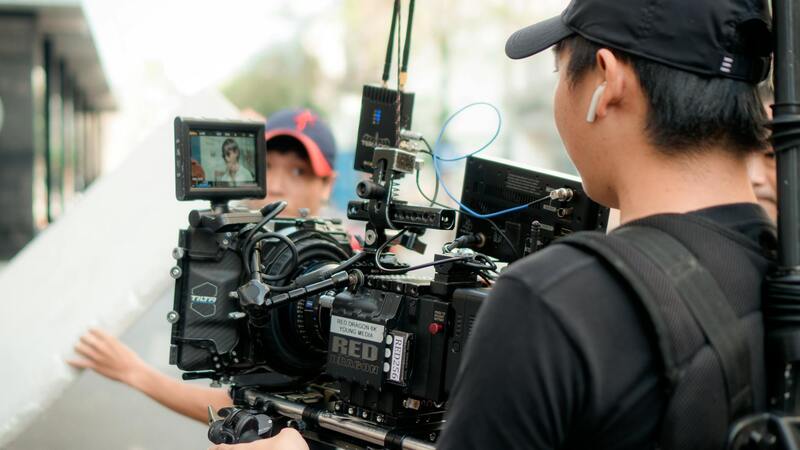
Live event streaming services provide an innovative way to broadcast live content to audiences across the globe via the internet. These services utilize a combination of advanced broadcasting technology, reliable internet protocols, and scalable platforms to deliver uninterrupted, high-definition streams. They serve various types of events, including conferences, concerts, sports, and community gatherings, enabling organizers to reach audiences beyond geographic limitations. The core objective of a live event streaming service is to replicate the in-person experience as closely as possible, ensuring real-time engagement, clarity, and accessibility for viewers. By leveraging these platforms, event organizers can expand their reach, enhance engagement, and gather valuable analytics that inform future planning. Employing a professional live event streaming service from a reputable provider ensures that all technical aspects—such as encoding, bandwidth management, and viewer interaction—are handled with precision, ultimately elevating the quality and reliability of the broadcast.
Core Features of a Reliable Live Event Streaming Service
- High-definition Video Transmission: Ensures crisp visuals and clear audio, which are crucial for viewer engagement and professionalism.
- Scalable Infrastructure: Accommodates varying audience sizes without compromising stream quality, whether there are hundreds or thousands of viewers.
- Multi-platform Compatibility: Supports streaming across various devices and platforms, including desktops, tablets, smartphones, and Smart TVs.
- Secure Streaming Protocols: Implements encryption and secure access controls to protect content and prevent unauthorized streaming.
- Interactive Features: Live chat, polls, and viewer feedback tools enhance engagement and provide real-time interaction.
- Technical Support and Monitoring: Continuous monitoring of stream health coupled with dedicated support teams to troubleshoot issues promptly.
- Archive Functionality: The ability to save streams for on-demand access post-event, extending content lifespan.
Adaptability to Various Event Types
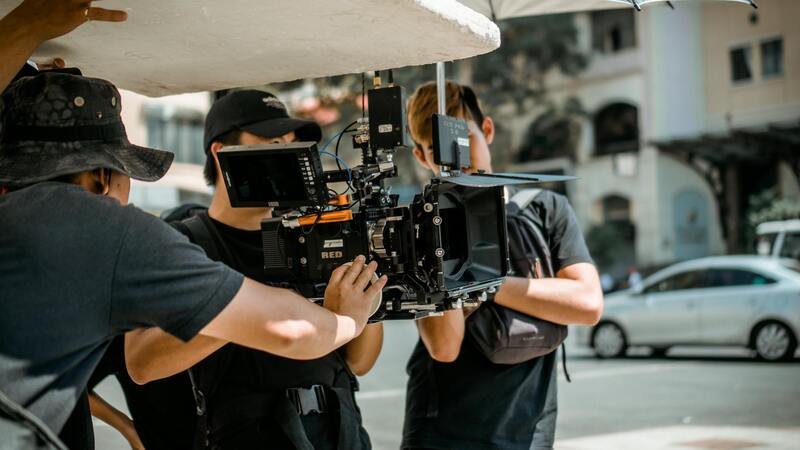
Different events require tailored streaming solutions. For example, a corporate seminar might prioritize high-definition video feeds with detailed speaker commentary and Q&A functionalities. Conversely, a music festival could focus on multiple camera angles, immersive audio, and audience interaction. Live streaming services offer customizable features to suit each event’s specific objectives, ensuring the content delivered is engaging, professional, and seamlessly integrated with existing event logistics. Advanced streaming services also incorporate multi-camera control, real-time graphics overlay, and synchronized audio feeds to produce a polished broadcast that meets professional standards. This versatility makes live streaming an effective tool for a broad spectrum of event organizers seeking to maximize reach and impact.
Technical Infrastructure Essentials
When deploying a live streaming setup, several technical components are vital for ensuring quality and reliability:
- Encoding Devices: Hardware or software encoders convert video signals into streams compatible with streaming platforms. High-quality encoders are essential for optimal picture and sound quality.
- Reliable Internet Connection: A dedicated, high-bandwidth internet connection prevents buffering and disconnections. Redundant internet pathways or bonded connections are ideal for maintaining stream stability.
- Streaming Servers and Content Delivery Networks (CDNs): These distribute streams efficiently, reducing latency and buffering, especially for viewers geographically dispersed across Miami and beyond.
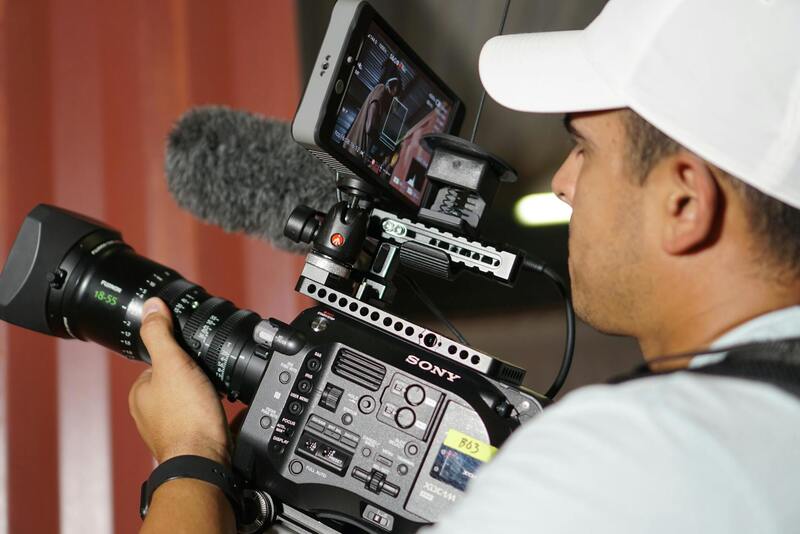
- Audio-Visual Equipment: Professional cameras, microphones, and lighting setups ensure the visual and auditory elements meet broadcast standards.
- Monitoring Tools: Dashboards and analytics tools allow organizers to monitor stream health and viewer engagement in real time, enabling immediate adjustments if necessary.
Meticulous coordination among these components is crucial. Organizers often work with dedicated technical teams or streaming providers who have the expertise to synchronize equipment and troubleshoot issues, ensuring a seamless viewing experience for all participants.
Legal and Technical Considerations
Implementing a live event streaming service demands meticulous attention to both legal adherence and technical precision. While exploring legitimate methods to broadcast live events, organizers must ensure the use of authorized streaming platforms and tools that comply with regional and industry standards. This includes utilizing recognized content delivery networks (CDNs), verified encoding solutions, and secure internet connections that guarantee stream stability and data security.
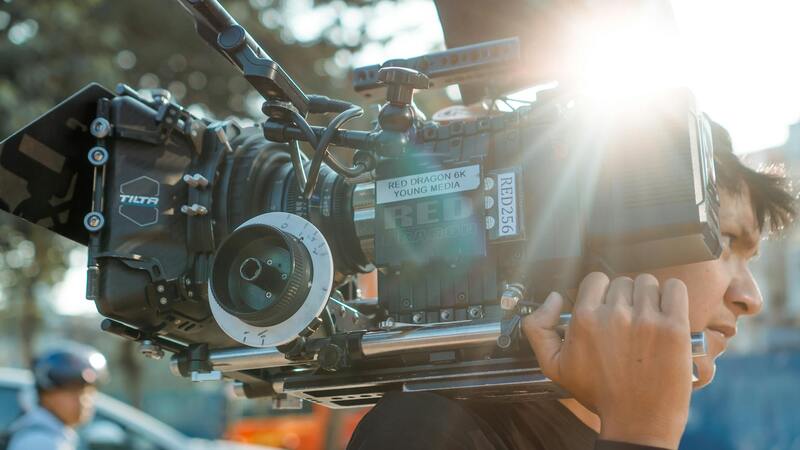
Employing trusted equipment from reputable manufacturers reduces risks associated with equipment failure or inferior output quality. High-definition cameras, professional-grade microphones, and advanced lighting systems contribute significantly to the quality of the broadcast. Proper calibration and maintenance of these devices are essential for achieving a polished and engaging viewing experience.
On the technical front, robust internet infrastructure is non-negotiable. A dedicated high-bandwidth connection ensures uninterrupted streaming, while redundant pathways or bonded internet solutions help maintain service continuity during unforeseen disruptions. Content delivery should leverage secure, established servers and CDNs that optimize the distribution process, minimizing latency and buffering issues for viewers both locally and globally.

Data privacy and viewer security should also be prioritized. Implementing encryption protocols and access controls helps protect sensitive content and viewer information. Technical staff or experienced streaming providers are essential partners, capable of configuring equipment precisely, monitoring stream health continuously, and troubleshooting potential issues proactively.
Legal considerations extend to the appropriate licensing agreements for content, ensuring copyright compliance, especially when broadcasting proprietary or third-party materials. Establishing clear terms regarding content rights and distribution rights helps prevent potential disputes and reinforces the integrity of the event.
Furthermore, detailed pre-event testing of all streaming components is critical. Conducting dry runs allows for the identification of technical bottlenecks, ensuring that all devices, internet connections, and streaming configurations work harmoniously before the live broadcast. During the event, real-time analytics and monitoring tools provide valuable insights, enabling immediate response to any technical deviations and preserving viewer satisfaction across Miami and beyond.
Ensuring Optimal Performance with Appropriate Hardware and Technical Protocols
To guarantee a smooth and professional live streaming experience, it is essential to leverage high-quality hardware components and adhere to rigorous technical protocols. This encompasses the use of professional-grade cameras, audio equipment, and streaming encoders tailored to meet the scale and nature of the event.
Deploying reliable internet connectivity, preferably through dedicated high-bandwidth fiber optic lines, minimizes interruptions and buffering issues. Redundant internet connections are recommended to maintain stream stability in case of primary connection failure. Additionally, utilizing robust streaming software that supports adaptive bitrate streaming allows viewers with varying internet speeds to experience uninterrupted content.

Implementation of real-time monitoring tools is vital for tracking stream health during broadcasts. These tools provide instant feedback on bitrate, latency, and viewer engagement, enabling technical teams to make quick adjustments as needed. Configuring hardware and software to optimize latency, resolution, and audio-visual synchronization contributes significantly to viewer satisfaction and professional delivery standards.
Security Measures and Data Privacy Protocols
Protecting streaming content and viewer data involves deploying encryption protocols such as SSL/TLS to secure data transmission channels. Implementing password-protected access and digital rights management (DRM) platforms prevents unauthorized viewing and sharing. Establishing secure login systems and limiting external access points further safeguard the streaming environment from potential breaches.
Encryption and access controls should be tested thoroughly before the event to ensure that content remains protected at all times. This proactive approach minimizes risks associated with content leaks and unauthorized distribution, maintaining the integrity of the event.
Technical Support and Troubleshooting
Having a dedicated technical support team on hand during live events is critical. They should be equipped with diagnostic tools to identify and resolve issues swiftly, such as audio-video desynchronization, latency spikes, or hardware failures. Pre-event rehearsals are crucial for identifying potential technical bottlenecks and ensuring all equipment functions harmoniously.
In addition to on-site support, remote monitoring allows for continuous oversight of stream performance from off-site locations. This dual approach ensures that any issues are addressed promptly, preventing interruptions and maintaining the quality expected by viewers in Miami and beyond.
Documentation and Compliance
Maintaining detailed documentation of all technical procedures, hardware configurations, and software settings enhances the event’s operational transparency. It also facilitates smoother troubleshooting and future planning for subsequent streams.
While managing the technical aspects, it is equally important to review and adhere to any licensing and content distribution policies related to the streamed material. Ensuring compliance with these policies guarantees that all streaming activities uphold industry standards and foster trust among viewers and stakeholders.