Understanding the Role of Streaming Services in Event Production
Streaming services for events have revolutionized the way live experiences are shared and accessible to audiences both locally and across the globe. These platforms enable event organizers to broadcast live content to viewers who are not physically present, expanding reach, engagement, and overall impact. With the proliferation of high-speed internet and advanced broadcasting technology, streaming has become an integral component of event production, particularly in dynamic sectors such as corporate gatherings, cultural festivals, sports competitions, and community celebrations.
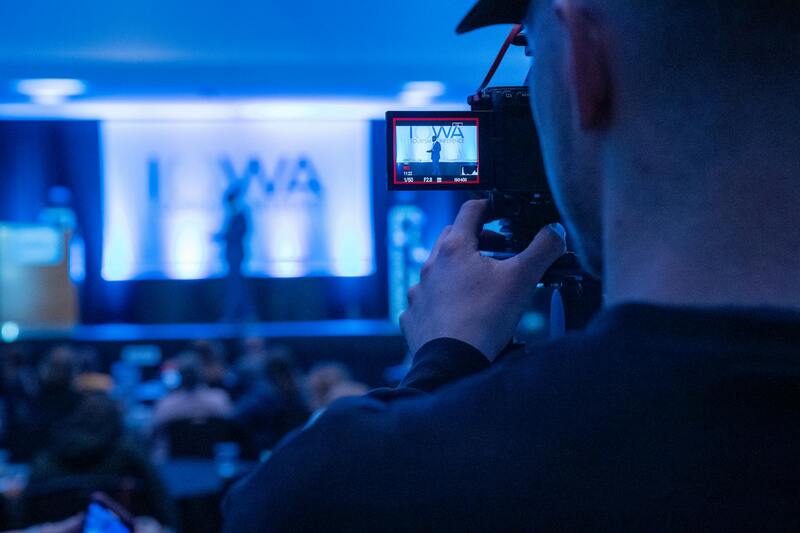
Utilizing streaming services for events ensures that content is delivered seamlessly and with minimal latency, providing viewers with an experience that closely mirrors attending the event in person. For event organizers, this means increased visibility, broader audience engagement, and the opportunity to extend the event’s lifespan beyond its physical confines. The importance of these services lies in their ability to enhance accessibility, facilitate interactive participation, and provide measurable metrics that help optimize future event planning.
As the technology behind streaming continues to advance, platforms now support features such as multi-camera broadcasts, real-time chat, interactive polling, and high-definition streams. These capabilities enrich the viewer experience, reduce geographical barriers, and open new revenue streams for organizers through virtual ticket sales, sponsorships, and targeted content delivery.
In a competitive event landscape, choosing an effective streaming service becomes a critical decision. Quality, reliability, platform features, and customer support are key factors that influence successful event execution. Moreover, the integration of streaming services into overall event logistics necessitates a comprehensive understanding of the technical infrastructure required to maintain broadcast quality and operational smoothness throughout the event cycle.
Ultimately, the strategic implementation of streaming services can elevate an event’s profile, foster community engagement, and create lasting impressions for attendees and remote viewers alike. Whether for a small corporate meeting or a large-scale public festival, leveraging appropriate streaming technology is essential in today’s digitally connected world.
Technical Requirements and Infrastructure for Streaming Events
Implementing a successful streaming event requires meticulous planning around technical infrastructure to ensure seamless delivery and optimal viewer experience. Fundamental to this process is establishing a robust network environment capable of handling high data throughput, reducing latency, and maintaining stable connections throughout the event duration. This involves utilizing high-bandwidth internet connections, dedicated streaming hardware, and redundant systems to prevent disruptions caused by technical failures.
Hardware components such as professional-grade encoders, switches, and load balancers are essential in managing multiple video feeds and distributing content efficiently across platforms. Content delivery networks (CDNs) play a crucial role in dispersing streams geographically, ensuring minimal buffering and consistent quality regardless of viewer location. Organizing a dedicated technical team familiar with live streaming workflows enhances operational effectiveness, providing real-time troubleshooting and immediate response to any issues that may arise.
Best Practices for Planning and Executing Live Event Streams
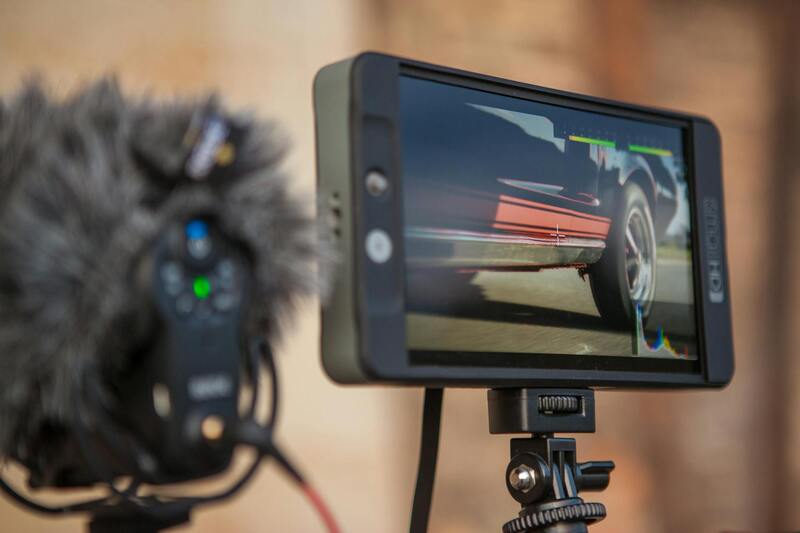
Strategic planning is vital in translating a physical event into a compelling virtual experience. It begins with detailed technical rehearsals, which simulate the live broadcast environment, allowing teams to identify potential challenges and optimize workflows. Pre-production checks should include verifying the stability of internet connections, testing all hardware components, and conducting sound and video clarity assessments.
Content preparation is equally important. Creating a detailed schedule with designated camera angles, on-screen graphics, and transitions ensures a professional presentation. During the event, real-time coordination among technical staff, presenters, and moderators is essential to manage camera switching, audio levels, and audience interactions smoothly. Post-event, thorough analysis of streaming metrics helps in evaluating reach, engagement, and technical performance, informing improvements for future broadcasts.

Legal and Accessibility Considerations for Streaming Events
Maintaining the compliance of streaming content involves adhering to intellectual property rights, licensing agreements, and content distribution policies. It is essential to secure the necessary permissions for copyrighted materials used during the event, including music, videos, and imagery. Implementing appropriate content management systems ensures that proprietary content is protected while providing a smooth viewing experience.
Accessibility also remains a critical aspect. Captions, transcripts, and sign language interpretation should be integrated into the stream to accommodate viewers with diverse needs. Ensuring that streaming platforms support multiple language options and adjustable text sizes enhances inclusivity, broadening audience reach and engagement.
Understanding the Role of Streaming Services in Event Production
In the modern landscape of event management, streaming services have become integral to extending reach, enhancing engagement, and ensuring seamless delivery of live content. These platforms serve as the digital conduit through which audiences connect with events in real-time, regardless of geographic barriers. They facilitate a comprehensive and immersive experience that incorporates high-definition video, synchronized audio, and interactive features, which are crucial for maintaining audience attention and participation.
Effective streaming services are designed to handle large concurrent viewer loads without compromising quality. They support high-resolution streaming, adaptive bitrate technology, and reliable content delivery networks (CDNs) to minimize lag and buffering issues. This reliability is paramount when broadcasting critical moments during corporate functions, sporting events, or cultural festivals, where viewer frustration can significantly impact overall satisfaction and perceived professionalism.
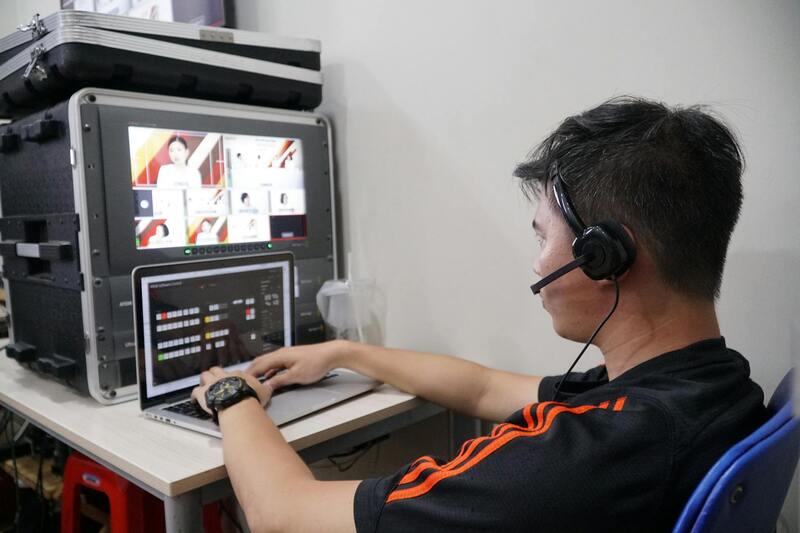
Moreover, these services offer sophisticated features such as multi-camera streaming, live chat integration, real-time analytics, and audience engagement tools. Multi-camera setups enable dynamic coverage from various angles, giving viewers a more comprehensive and professional viewing experience. Simultaneously, live chat and engagement features allow real-time interaction, fostering a sense of community and participation among online attendees.
Security and content protection are also central to the functioning of reputable streaming services. Encrypted streams and access controls prevent unauthorized viewing, safeguarding the event’s content and intellectual property. This aspect becomes particularly vital when streaming sensitive corporate announcements, proprietary product launches, or exclusive performances that require controlled distribution.
Choosing the right platform also involves assessing how it integrates with other technological systems used in event production. Compatibility with AV equipment, content management systems, scheduling software, and CRM tools facilitates a smooth workflow from pre-event planning to post-event analysis. Many leading streaming providers offer SDKs and APIs, allowing customization and integration tailored to the specific needs of each event.
In the context of Miami’s vibrant event scene, leveraging a specialized streaming service ensures that local and international audiences receive consistent, high-quality broadcasts. This is especially true for multi-day festivals, conferences, or large scale corporate events where the technical demands are considerable. By prioritizing platforms with robust infrastructure and scalable features, event organizers can deliver memorable experiences that transcend physical limitations and amplify their reach.
Technical Requirements and Infrastructure for Streaming Events
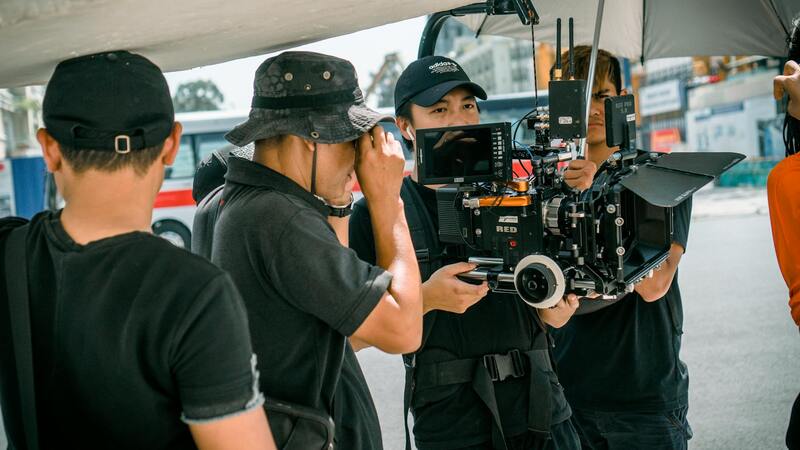
Delivering a seamless live streaming experience for events hinges on meticulous planning of the technical infrastructure. It starts with selecting appropriate hardware such as high-definition cameras, professional audio equipment, and encoding devices capable of capturing and transmitting crisp visuals and clear sound. These components ensure that the streamed content maintains a high standard of quality, which is critical for viewer engagement and overall event credibility.
Bandwidth plays a vital role in streaming success. Adequate internet connectivity must be prioritized, with upload speeds significantly higher than the streaming bitrate to accommodate the data flow without interruptions. For large-scale events, redundant internet connections via multiple providers can safeguard against potential outages, ensuring continuous transmission throughout the event.
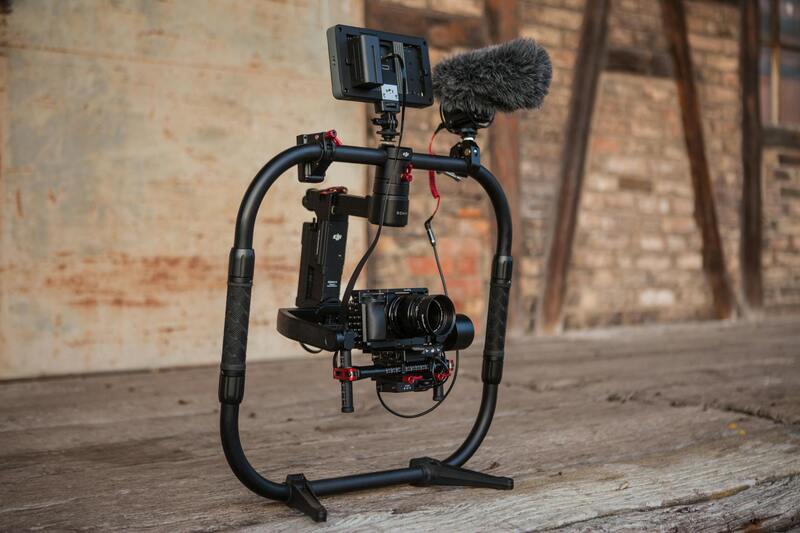
Technical setups also include the integration of streaming hardware with existing event production equipment. Video switchers, mixers, and live encoding software streamline the production process, allowing for dynamic content presentation such as switching between multiple camera angles, adding graphics, or overlaying information in real-time. Ensuring compatibility between these systems is crucial, which often involves using standardized interfaces and protocols.
It is equally important to consider redundancy measures—backup power supplies, extra hardware components, and emergency protocols—to mitigate risks associated with technical failures. These steps help maintain uninterrupted streaming, especially during multi-day or high-profile events where consistency is non-negotiable.
For events hosted in Miami’s vibrant venues, establishing a robust technical framework tailored to the specific scale and scope of the event guarantees that all participants, whether attending physically or virtually, experience a professional and engaging broadcast.
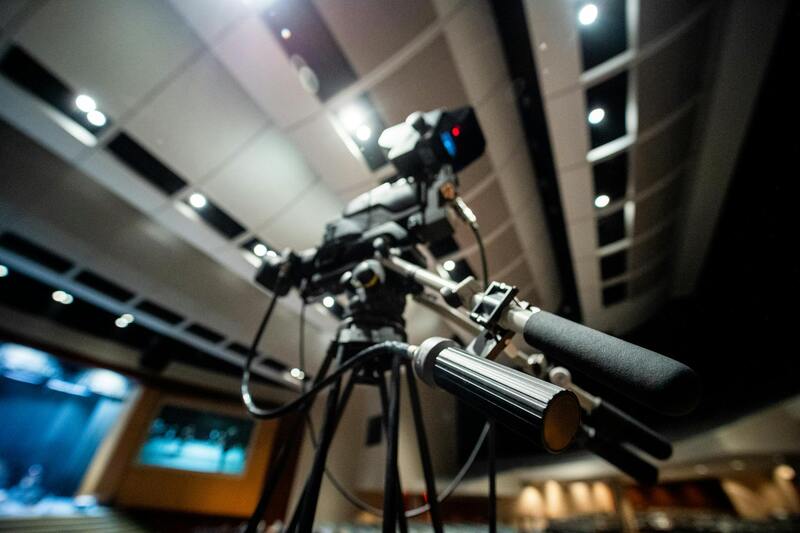
By aligning hardware, internet connectivity, and technical workflows with the event’s particular demands, organizers can deliver high-quality streaming content that captures the energy and essence of the occasion. This comprehensive approach minimizes technical disruptions, maximizes viewer satisfaction, and elevates the event’s overall impact.
Understanding the Role of Streaming Services in Event Production
Streaming services have transformed the landscape of event production by enabling real-time broadcasting to audiences around the globe. They serve as crucial an extension of traditional event formats, offering enhanced engagement and broader reach. These platforms facilitate seamless content delivery, ensuring that live events—from conferences and concerts to corporate meetings—can be experienced by remote viewers with high clarity and minimal latency. This capability not only expands audience participation but also creates opportunities for monetization through ticketed streams or sponsorship integrations.
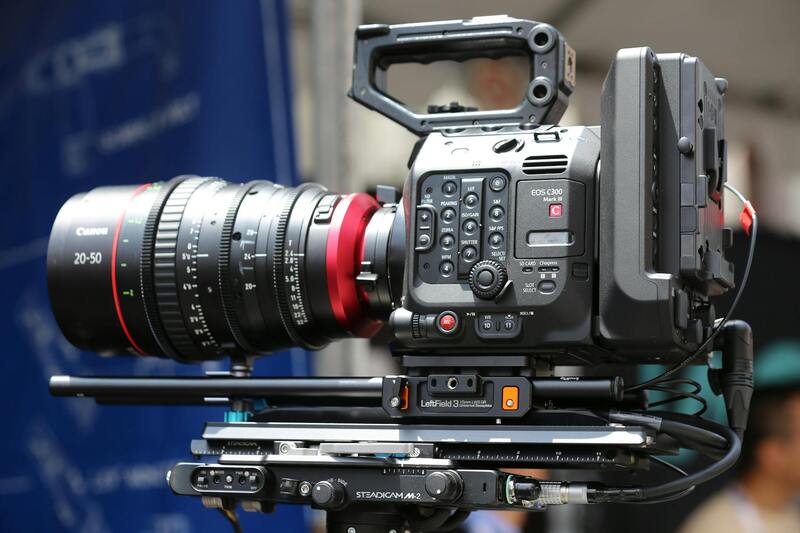
Incorporating a streaming service into an event production involves selecting a platform that aligns with the specific needs of the event, such as geographical reach, expected viewership, and content complexity. These services typically offer various features including multi-camera support, live graphics, real-time chat, and analytics, which contribute significantly to viewer engagement and event success. Furthermore, these platforms are equipped with scalable infrastructure that can handle fluctuating traffic, ensuring consistent quality regardless of the audience size.
Event organizers leverage streaming services not just for broadcast but also for audience interaction and data collection, which can be instrumental in understanding viewer preferences and improving future events. By integrating social media sharing capabilities and on-demand content options, streaming services enhance the overall accessibility and visibility of an event, making them an invaluable component in modern event planning and execution.
Key Features of Effective Streaming Platforms for Events
- High-Quality Video Streaming: Support for HD and 4K resolution ensures crisp visuals, vital for professional presentations and entertainment.
- Multiple Camera Integration: Ability to switch seamlessly between different camera angles provides a dynamic viewing experience.
- Interactive Tools: Real-time chat, polls, Q&A sessions, and social media integration foster engagement and community building.
- Scalability and Reliability: Platforms should accommodate large audiences without buffering or downtimes, with automatic fail-safes and load balancing.
- Analytics and Reporting: Comprehensive data on viewer behavior and engagement helps refine future event strategies.
- Security and Privacy Measures: Secure streaming channels protect content integrity and comply with confidentiality standards.
Choosing the Right Streaming Service for Different Event Types
Selection criteria for streaming services hinge on specific event characteristics. For large-scale conferences or festivals, platforms offering extensive scalability, multi-language support, and customization options are essential. Conversely, smaller corporate events benefit from streamlined platforms with easy-to-use interfaces and integration with existing enterprise tools.
Event type also influences the choice of features—live Q&A sessions and interactive elements are critical for educational webinars, while multi-camera capabilities and high-definition video are prioritized for concerts or theatrical productions. The geographical distribution of attendees must also be considered; services supporting global streaming with robust content delivery networks (CDNs) ensure a consistent viewer experience regardless of location.
Technical Requirements and Infrastructure for Streaming Events
Delivering high-quality live streams demands a reliable and robust technical infrastructure. This includes high-bandwidth internet connections to handle the data throughput necessary for HD or 4K content, backed by redundant links to prevent service interruptions. Equipment such as professional cameras, audio mixers, encoding devices, and streaming software must be meticulously integrated to produce a seamless broadcast.
For events held in Miami, leveraging local internet infrastructure with fiber-optic connectivity ensures high-speed data transfer. Technical setups often incorporate multiple encoders to facilitate multi-angle shooting and real-time switching, as well as audio capture devices for clear sound quality. Compatibility across hardware and software components is critical, necessitating standardized protocols and interfaces to ensure smooth operation throughout the event duration.

Finally, implementing contingency plans such as backup power supplies and spare hardware components mitigates risks associated with technical failures. Clear coordination among the production team, technical staff, and venue support is essential to execute a professional live stream that meets audience expectations and maximizes the event’s impact.
Understanding the Role of Streaming Services in Event Production
Streaming services have revolutionized the way events are produced, broadcasted, and experienced by audiences around the world. By providing high-quality live video transmission, these platforms enable organizers to reach larger, more diverse audiences without geographical constraints. Especially for events based in Miami, utilizing a trusted streaming service for events ensures seamless delivery, real-time engagement, and broad accessibility. Such services serve as the backbone of modern event production, integrating hardware and software technology to capture, encode, and distribute live content efficiently. They are instrumental in maintaining broadcast stability, ensuring that audience members, whether attending in person or remotely, experience the event with clarity and consistency.

Key Features of Effective Streaming Platforms for Events
- Reliability and Uptime: The platform must guarantee minimal latency and high availability, preventing disconnections or interruptions during live broadcasts.
- Adaptive Bitrate Streaming: This ensures viewers receive the best possible quality based on their internet connection, providing a smooth viewing experience regardless of bandwidth fluctuations.
- Multi-Platform Compatibility: Compatibility with desktops, smartphones, and tablets ensures accessibility for all audience segments.
- Security Measures: Features such as encryption, access controls, and secure streaming links protect content from unauthorized access.
- Engagement Tools: Interactive elements such as chat, polls, and real-time Q&A enhance audience participation.
- Analytics and Reporting: Post-event insights help organizers evaluate viewer engagement, technical performance, and overall success.
Choosing the Right Streaming Service for Different Event Types
When selecting a streaming platform, it’s essential to consider the nature and scope of the event. For large-scale conferences, concerts, or festivals held in Miami, a platform that supports high concurrent viewers and offers scalable infrastructure is paramount. Interactive webinars or workshops might benefit from features like breakout rooms, live translation, or captioning. For corporate events or product launches, customization options and branding capabilities add value. Ultimately, matching the platform features to specific event requirements ensures optimal viewer engagement and smooth execution.
Sample Event Types and Suitable Streaming Solutions
- Corporate Conferences: Platforms with robust security and participant management tools.
- Music Concerts: High-quality streaming with multi-camera support and audience interaction features.
- Public Festivals: Scalability and CDN integration for worldwide reach and reliable delivery.
- Educational Workshops: Interactive capabilities like live chat and multi-language captions.
Technical Requirements and Infrastructure for Streaming Events
Delivering a seamless live stream in Miami relies heavily on solid technical groundwork. This includes a high-bandwidth, stable internet connection—preferably fiber-optic—to support high-definition content without interruption. Multiple redundant internet links prevent service disruption due to outages. Essential hardware includes professional-grade cameras, audio mixers, encoding devices, and appropriate streaming software. Equipment must be carefully configured to facilitate multi-angle shots and smooth transitions, particularly for large or multi-day events.
Furthermore, the deployment of content delivery networks (CDNs) optimizes viewer experience by reducing latency and buffering. Local internet infrastructure plays a crucial role in maintaining stable connectivity, especially during peak usage. The use of multiple encoders ensures flexibility in streaming different camera angles or formats simultaneously. Adequate power backup, such as generators or UPS systems, safeguards against outages, while stationing on-site technical staff allows for real-time troubleshooting during the event.
Legal and Accessibility Considerations for Streaming Events
Ensuring adherence to legal and accessibility standards is critical in streamlining event broadcast and broadening audience reach. Confirming permission for all content, including music, videos, and imagery, is foundational. Proper licensing ensures smooth content distribution without interruptions or legal issues. Additionally, incorporating accessibility features such as closed captions, audio descriptions, and language translations opens the event to viewers with diverse needs, creating a more inclusive experience. These accommodations also cater to a global audience, especially when Miami hosts international attendees or virtual participants.
Understanding the Role of Streaming Services in Event Production
Streaming services have become an integral component of modern event production, enabling organizers to reach wider audiences beyond geographical constraints. These platforms facilitate real-time broadcasting, allowing viewers to experience live moments as they unfold, maintaining engagement and fostering interaction. In the context of Miami’s vibrant event scene, leveraging advanced streaming solutions enhances the visibility and accessibility of conferences, concerts, festivals, and corporate functions.
At the core, streaming services for events operate by capturing high-quality audiovisual content through professional camera setups, encoding it into digital formats, and transmitting it via reliable internet connections to online platforms. These services often include features such as multi-camera streaming, graphical overlays, and live chat functionalities, creating an interactive viewer experience. Moreover, the integration of content management systems ensures seamless scheduling, content distribution, and monitoring throughout the event lifecycle.

Implementing a robust streaming infrastructure ensures minimal downtime, high video fidelity, and synchronized content delivery. For local event organizers in Miami, these solutions support live Q&A sessions, additional language options, and on-demand viewing options, expanding the event’s reach and impact. As the demand for virtual participation continues to grow, an effective streaming service transforms physical events into accessible, engaging digital experiences that resonate with global audiences.
Key Features of Effective Streaming Platforms for Events
- High-Quality Video Transmission: Ensures crystal-clear visuals and crisp audio to enhance viewer experience.
- Multi-Platform Compatibility: Supports streaming across various devices and platforms such as social media, websites, and dedicated apps.
- Interactive Engagement Tools: Features like live chat, polls, and real-time feedback foster audience interaction.
- Reliability and Redundancy: Built-in fail-safes, multiple encoders, and content delivery networks (CDNs) minimize disruptions and buffering issues.
- Customization Options: Ability to tailor branding, graphics, and overlays to match event themes and organizational branding.
- Security Measures: Implementation of encryption and digital rights management to protect content integrity.
Choosing the Right Streaming Service for Different Event Types
When selecting a streaming platform, it is essential to consider the specific requirements of each event type. For large-scale conferences or festivals, platforms with scalable infrastructure and multi-camera support are critically important to manage complex content production. Corporate webinars or product launches benefit from platforms offering seamless integration with CRM systems and data analytics. Performance venues and live concerts require low latency and high bandwidth capabilities to deliver dynamic and immersive experiences.
Considering the target audience is also paramount—whether targeting local attendees or international viewers. Some services excel at providing global content delivery, ensuring high-quality streams across various regions without excessive buffering or latency. Additionally, platforms that support multiple languages and accessibility features can broaden the event’s inclusivity and outreach.
Technical Requirements and Infrastructure for Streaming Events
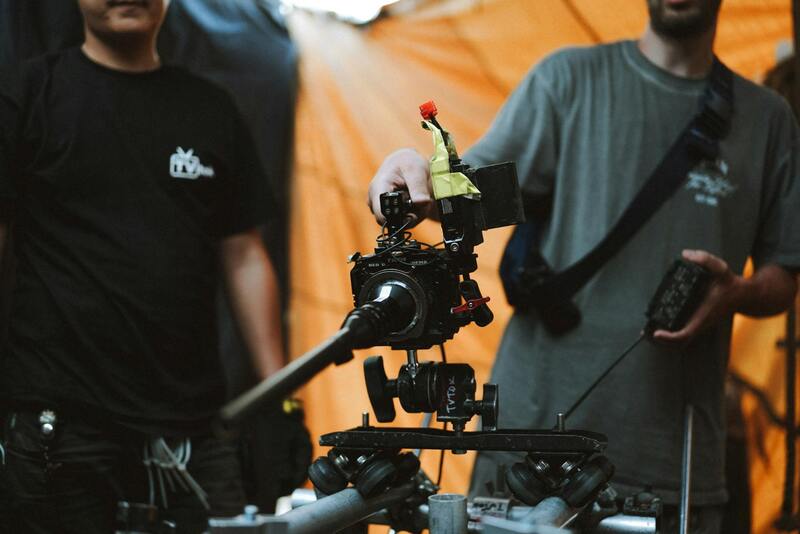
Establishing a reliable technical foundation is critical for successful live streaming in Miami. Essential elements include robust internet connectivity with sufficient upload speeds and dedicated bandwidth to handle high-quality streams. Employing multiple encoders allows for versatile camera angles and backup systems, preventing potential interruptions. Adequate power sources, such as generators and Uninterruptible Power Supplies (UPS), protect against outages during critical moments.
The deployment of Content Delivery Networks (CDNs) minimizes latency and ensures smooth viewing experiences across different geographic locations. On-site technical staff should oversee the setup, monitor stream health, and troubleshoot issues in real time. Additionally, understanding local internet infrastructure and working with providers familiar with Miami’s connectivity landscape can significantly impact event quality.
Best Practices for Planning and Executing Live Event Streams
- Pre-Event Testing: Conduct comprehensive run-throughs to identify potential technical issues and optimize streaming settings.
- Clear Communication: Coordinate with all production team members to ensure alignment on schedules, camera cues, and graphics integration.
- Backup Plans: Prepare contingency strategies, including alternate internet sources and redundant equipment, to mitigate the risk of failure.
- Audience Engagement: Incorporate interactive features like live chat or polls to enhance viewer participation.
- Post-Event Content: Archive the stream for on-demand access, allowing extended engagement and reach after the event concludes.
Legal and Accessibility Considerations for Streaming Events
Establishing a reliable streaming service for events involves adhering to certain protocols to ensure maximum reach and effective engagement. Proper licensing agreements and rights management are fundamental to distribution rights, especially when displaying copyrighted content or music during a broadcast. Ensuring that all media used complies with intellectual property laws prevents interruptions and potential disputes during live streams.
Accessibility plays a crucial role in broadening an event’s audience. Implementing features such as closed captioning, audio descriptions, and sign language interpretations helps make content inclusive for viewers with disabilities. These measures not only emphasize a commitment to accessibility but also expand the event's reach to a diverse audience.
To maintain high standards of quality and reliability, organizations should utilize official streaming platforms and proven content delivery workflows. Platforms that provide dedicated technical support, secure hosting environments, and robust analytics capabilities allow event organizers to monitor stream performance in real-time. This transparency aids in troubleshooting and optimizing viewer experience.
Implementing Secure Streaming Practices
- Use encrypted transmission protocols to safeguard content against unauthorized access.
- Utilize secure token authentication to control viewer access and prevent unauthorized viewing.
- Regularly update streaming software and hardware to address security vulnerabilities.
- Work with reputable service providers known for their commitment to security standards and compliance.
Integrating these practices into your streaming strategy ensures that your event reaches the intended audience effectively, maintains a professional standard, and respects intellectual property rights and viewer accessibility needs. Carefully planned and managed streaming can serve as a powerful tool to enhance your event's visibility and impact, providing a seamless experience for all participants regardless of geographic or physical limitations.