Understanding Live Event Video Coverage
Live event video coverage has become an integral component for capturing the essence and energy of various events in real time. This service involves the professional filming and broadcasting of live events, ensuring that audiences who cannot attend in person can still experience the event virtually. High-quality live video streaming not only elevates the visibility of an event but also fosters engagement, interaction, and broader outreach.
Implementing effective live event video coverage requires specialized equipment, strategic planning, and technical expertise. When executed seamlessly, it provides a dynamic and immersive experience that preserves the vivid atmosphere, unfiltered moments, and key highlights of an event. From corporate conferences and trade shows to music festivals and sports competitions, comprehensive live coverage enhances the event’s impact and reach.
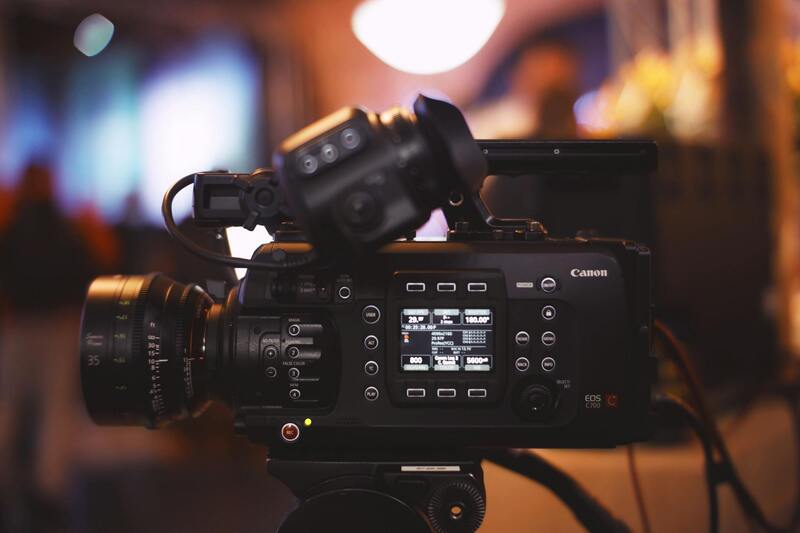
The importance of live event video coverage extends beyond immediate broadcasting; it also creates valuable content for post-event marketing, analysis, and archival purposes. By leveraging professional video services, organizers can ensure every critical moment is documented with clarity and precision, maximizing the event’s potential for ongoing engagement.
Key Benefits of Live Event Video Coverage
- Broadened Audience Reach: Extends the event's exposure beyond physical attendees, attracting viewers from diverse locations.
- Real-Time Engagement: Facilitates live interaction with viewers through chat, Q&A sessions, and social media integration.
- Enhanced Visibility: Provides professional-quality footage that elevates the event’s profile on various digital platforms.
- Content Repurposing: Creates valuable media content for future promotion and educational purposes.
- Memorability: Preserves key moments, speeches, performances, and presentations for posterity and future reference.
Effective live event coverage depends on meticulous planning and the use of advanced technology, ensuring a seamless experience for viewers and organizers alike. This combination of strategic foresight and technical execution underpins successful live broadcasts that resonate with audiences and uphold the event's standards.
Types of Events Suitable for Video Coverage
Professional live video coverage is an invaluable asset across a broad spectrum of event types, each with unique requirements and objectives. Corporate gatherings such as annual meetings, product launches, and conferences benefit from high-quality streaming to engage remote stakeholders, showcase products, and document key discussions. These events often involve speeches, presentations, and panel sessions that are crucial to record for future reference or promotional use.
Concerts and music festivals significantly leverage live event video coverage to extend their reach to fans unable to attend physically. Capturing performances in high definition ensures the energy and atmosphere are transmitted effectively, helping artists broaden their audience base and generate ongoing buzz through recorded content.
Sports events, whether amateur or professional, require swift, reliable live streaming solutions. Precise camera work and instant broadcasting allow fans who cannot attend in person to experience the thrill of a game in real-time, while also providing valuable footage for highlight reels, analysis, and social media content.
Festivals, cultural celebrations, and community events also benefit from comprehensive video coverage. These events often feature multiple activities and performances, making diverse camera angles and multi-stream capabilities essential for capturing the full scope of the experience. This content not only promotes future attendance but also helps preserve cultural heritage for future generations.
In each case, pairing the right technology with strategic planning ensures that the event's key moments are captured and broadcasted with clarity and professionalism. Proper coverage transforms live experiences into valuable media assets that continue to generate interest long after the event concludes.
Essential Equipment and Technology
Successful live event video coverage depends on a comprehensive toolkit that includes high-definition cameras, professional audio systems, and streaming encoders. Multiple camera setups, such as fixed cameras for wide shots, handheld or robotic cameras for dynamic angles, and static units for interviews or close-ups, create a more engaging viewing experience. Advanced audio equipment ensures clear sound, which is equally critical for maintaining professionalism and audience engagement.
Streaming platforms and reliable internet connections form the backbone of successful live broadcasts. High-bandwidth connectivity reduces latency and buffering issues, allowing viewers to experience the event smoothly across various devices. Additionally, portable video production units and backup systems are essential for managing technical issues seamlessly, maintaining the broadcast's integrity throughout the event.
Planning and Pre-Production Preparation
Meticulous planning is fundamental to a seamless live broadcast. Prior to the event, organizers should conduct site surveys to assess lighting, sound, and camera placement. Developing a detailed production plan, including shot lists, camera angles, and cue points, helps streamline the process during the live event. Assigning responsibilities to technical staff and communication protocols is also crucial to manage the production smoothly.
Pre-production workflows include testing equipment, rehearsing key segments, and establishing contingency plans for potential technical difficulties. Coordinating closely with event organizers ensures synchronization of schedules, content flow, and on-screen graphics, which further enhances professionalism during the broadcast.
Execution and Live Streaming Techniques
During the event, having a skilled technical team managing all aspects of filming and streaming is vital. Real-time switching between camera angles, audio mixing, and integrating graphics or overlays enriches the viewer's experience. Using multi-camera feeds allows for a dynamic presentation that captures the energy of the event from various perspectives.
Adaptive streaming techniques, such as adaptive bitrate streaming, ensure that viewers receive optimal video quality based on their internet speed. Employing cloud-based streaming solutions allows for scalable distribution across multiple platforms, increasing overall reach and engagement.
Engaging Audience and Monetization Strategies
Interactivity enhances viewer engagement during live broadcasts. Incorporating live chat, Q&A sessions, and social media integration encourages remote audiences to participate actively. Opportunities for sponsorship placements and branded content create revenue streams that support the production costs and expand marketing capabilities.
Post-Event Content and Video Archiving
Post-event editing transforms raw footage into highlight reels, promotional clips, and educational materials. Proper archiving ensures that recordings are stored securely for future use, whether for promotional campaigns, training, or historical documentation. Delivering on-demand access to event footage broadens its impact and allows organizers to extend the event’s lifespan online.
Choosing a Production Partner in Miami
Selecting an experienced local provider with a proven track record in live event video coverage ensures the deployment of advanced technology and expert personnel. Such partners offer tailored solutions aligned with the specific requirements and scale of each event, from corporate seminars to large-scale festivals. Their understanding of the Miami market and familiarity with diverse venues contribute significantly to the success of live broadcasts.
Understanding Live Event Video Coverage
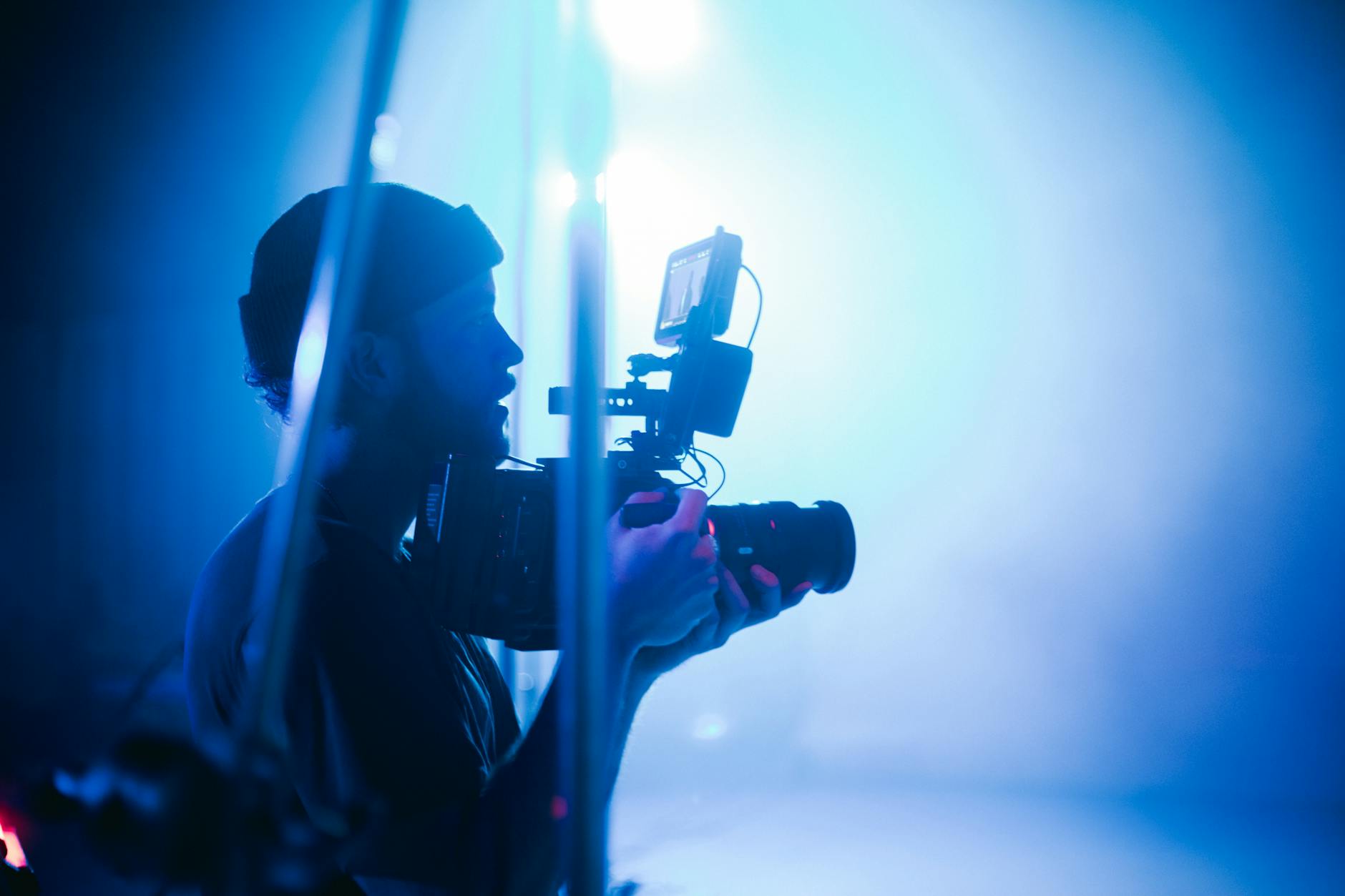
Live event video coverage has become an indispensable component of contemporary event management, merging technological innovation with storytelling to create immersive experiences for audiences both onsite and remote. Utilizing high-definition cameras, robust streaming platforms, and professional audio equipment, live coverage ensures that every moment is captured with clarity and precision, allowing viewers to participate in real-time as if they were physically present. The seamless integration of live video feeds not only amplifies the event’s visibility but also enhances engagement through dynamic visuals and interactive features. Moreover, comprehensive live coverage provides a valuable platform for audience interaction, sponsor visibility, and content repurposing, making it a vital tool in modern event promotion and documentation.
 igure>
Types of Events Suitable for Video Coverage
Many different types of events benefit significantly from professional live video coverage, ranging from corporate seminars and product launches to music festivals, sporting competitions, and cultural celebrations. Each event type demands tailored coverage strategies to effectively showcase the key moments, foster audience engagement, and maximize reach.
- Corporate Events: Conferences, trade shows, and executive summits require high-quality streaming to reach stakeholders, partners, and remote attendees, facilitating seamless communication and branding opportunities.
- Entertainment Events: Concerts, theater performances, and comedy shows leverage live video to amplify their audience beyond physical limitations, increasing exposure and potential revenue streams.
- Sports Competitions: Live streaming of sports matches and tournaments allows fans to follow their favorite teams and athletes in real-time, fostering heightened engagement and fan loyalty.
- Community and Cultural Festivals: Local festivals, parades, and cultural celebrations benefit from live coverage that brings community spirit to a wider audience, promoting inclusivity and cultural exchange.
- Educational and Training Events: Webinars, workshops, and seminars utilize live coverage to deliver educational content to diverse audiences, enabling interactive learning experiences.
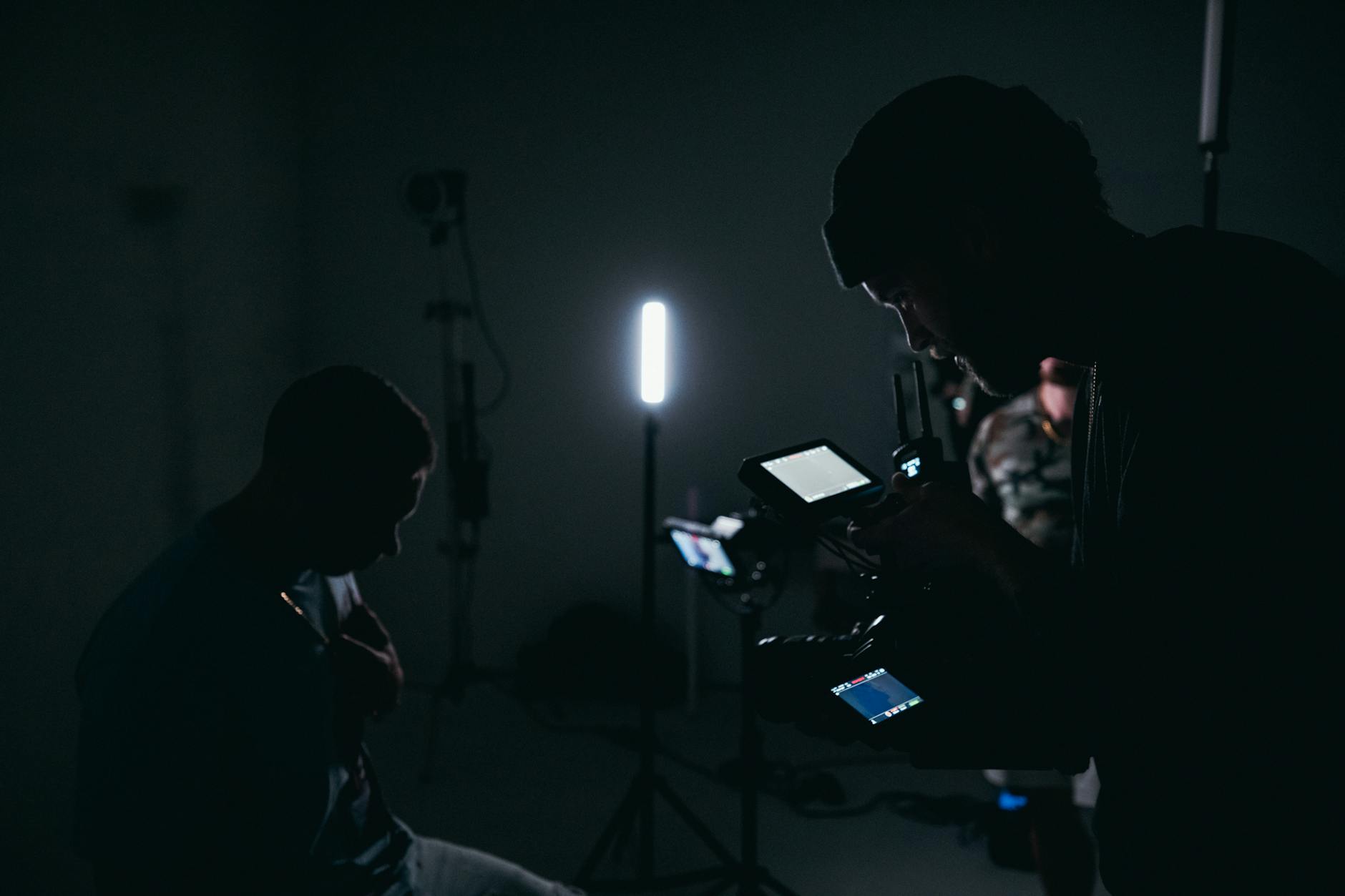
Implementing professional live video coverage involves the careful planning and integration of specific equipment and technology, ensuring that every aspect, from signal stability to visual clarity, meets the expectations of both organizers and viewers.
 igure>
Understanding Live Event Video Coverage
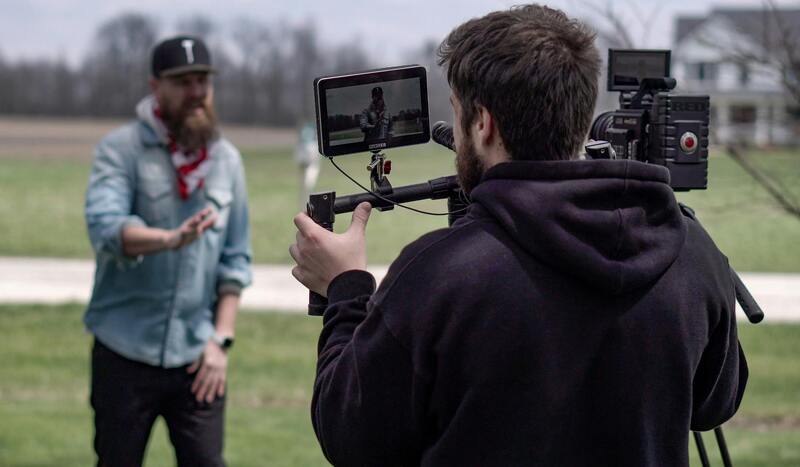
Live event video coverage involves the real-time broadcasting of events to remote audiences via digital platforms. This approach transforms traditional gatherings into accessible experiences for viewers worldwide, ensuring dynamic and immediate engagement. High-quality live coverage requires meticulous planning and execution, integrating advanced equipment like professional-grade cameras, encoders, and stable internet connections. It also involves strategic coordination among technical teams to manage camera angles, audio clarity, and signal stability. The primary goal is to deliver a seamless viewing experience that captures the essence of the event while maintaining visual fidelity, sound accuracy, and low latency. Whether it's a corporate conference, a music festival, or a sports tournament, well-executed live coverage enhances visibility, promotes audience interaction, and extends the event's reach beyond physical confines.
Types of Events Suitable for Video Coverage
Many event categories benefit significantly from professional live video streaming. Corporate and business events such as annual conferences, product launches, and trade shows rely on live coverage to reach stakeholders, investors, and distant team members. Entertainment events, including concerts, theatrical performances, and comedy shows, utilize live streaming to expand their audience base and generate additional revenue streams. Sporting events, from local tournaments to major leagues, attract viewers eager to watch in real-time, boosting fan engagement and brand visibility. Community and cultural festivals rely on live coverage to promote inclusivity and showcase local heritage to broader audiences. Educational and training sessions, webinars, and workshops are also frequently broadcast live to facilitate interactive learning experiences and widen access to educational content.
Effective live streaming of these events involves tailored technical setups to accommodate different event scales and audience expectations. Proper camera angles, sound mixing, and reliable streaming infrastructure are essential to accurately capture and transmit the event's atmosphere. The selection of appropriate equipment, combined with strategic planning, ensures the produced footage maintains clarity, stability, and viewer engagement throughout the broadcast.
Essential Equipment and Technology
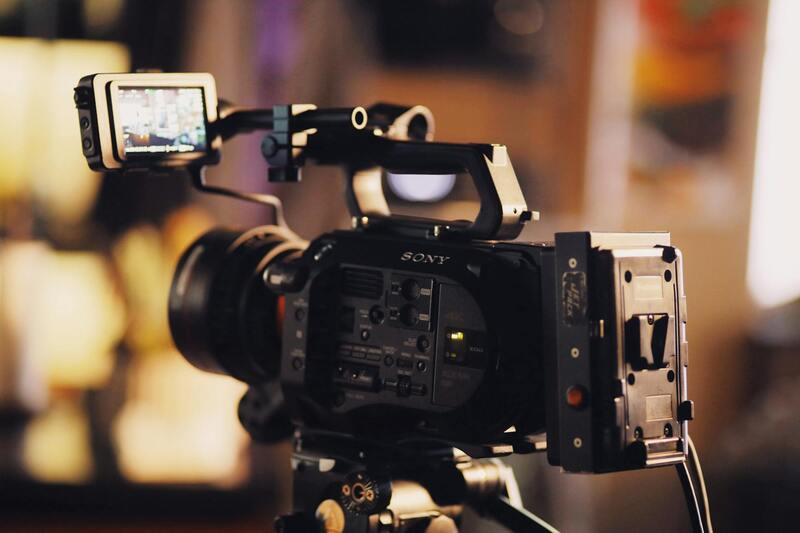
Implementing professional live event video coverage hinges upon a robust array of equipment and technology. State-of-the-art cameras, including pan-tilt-zoom (PTZ) models and wireless models, provide flexible coverage options, enabling dynamic shot composition and mobility. High-performance audio systems ensure that sound quality is crisp and free of interference, which is vital for audience immersion. Streaming hardware such as encoders and switchers facilitate the seamless transmission of multiple video sources into a single live feed. Reliable internet connectivity, often supplemented with backup solutions like mobile hotspots or dedicated fiber lines, is critical for maintaining uninterrupted streaming sessions. Additionally, production software can assist in real-time graphics, overlays, and audience interaction features, enriching the viewer experience.
For on-site coverage, comprehensive lighting setups are essential to optimize image quality under various lighting conditions. A well-organized technical support team ensures all equipment functions correctly and swiftly addresses any issues that arise during the event. The integration of these components allows for a professional broadcast that meets the high standards expected by audiences and event organizers.
Understanding Live Event Video Coverage
Effective live event video coverage involves a strategic combination of technical skill, innovative equipment, and meticulous planning to deliver high-quality broadcasts that captivate audiences in real-time. The process begins with a clear understanding of the event’s scale, objectives, and target viewers, ensuring that the video setup aligns perfectly with these factors. Professional live coverage requires more than just pointing cameras at an event; it demands a comprehensive approach that integrates multiple camera angles, superior audio capture, and smooth transition techniques to create an immersive experience. Using multi-camera setups allows for dynamic shot changes, capturing different aspects of the event such as speaker presentations, audience reactions, and behind-the-scenes moments, all seamlessly integrated into the live feed. This multifaceted approach ensures that viewers, regardless of their location, receive a comprehensive perspective of the event, enhancing engagement and satisfaction. Adopting official and verified streaming methods guarantees stability and security during the broadcast. Leveraging authorized streaming platforms and employing robust encoding technologies helps deliver a resilient transmission that can withstand technical fluctuations or internet inconsistencies. High-quality live event coverage also depends on stringent pre-production planning, which involves detailed scheduling, shot listing, and technical rehearsals. These preparatory steps prevent potential disruptions and enable the technical team to address elements like lighting adjustments, camera placements, audio checks, and streaming configurations beforehand. A well-informed production team understands the importance of adhering to timeframes, ensuring that transitions between segments are smooth, and readiness is maintained for unforeseen challenges that could affect the live broadcast. As a result, official methods of live event video coverage foster trust, reliability, and professionalism, crucial for satisfying client expectations and audience experience.
Secure and Reliable Transmission Channels for Live Event Video Coverage
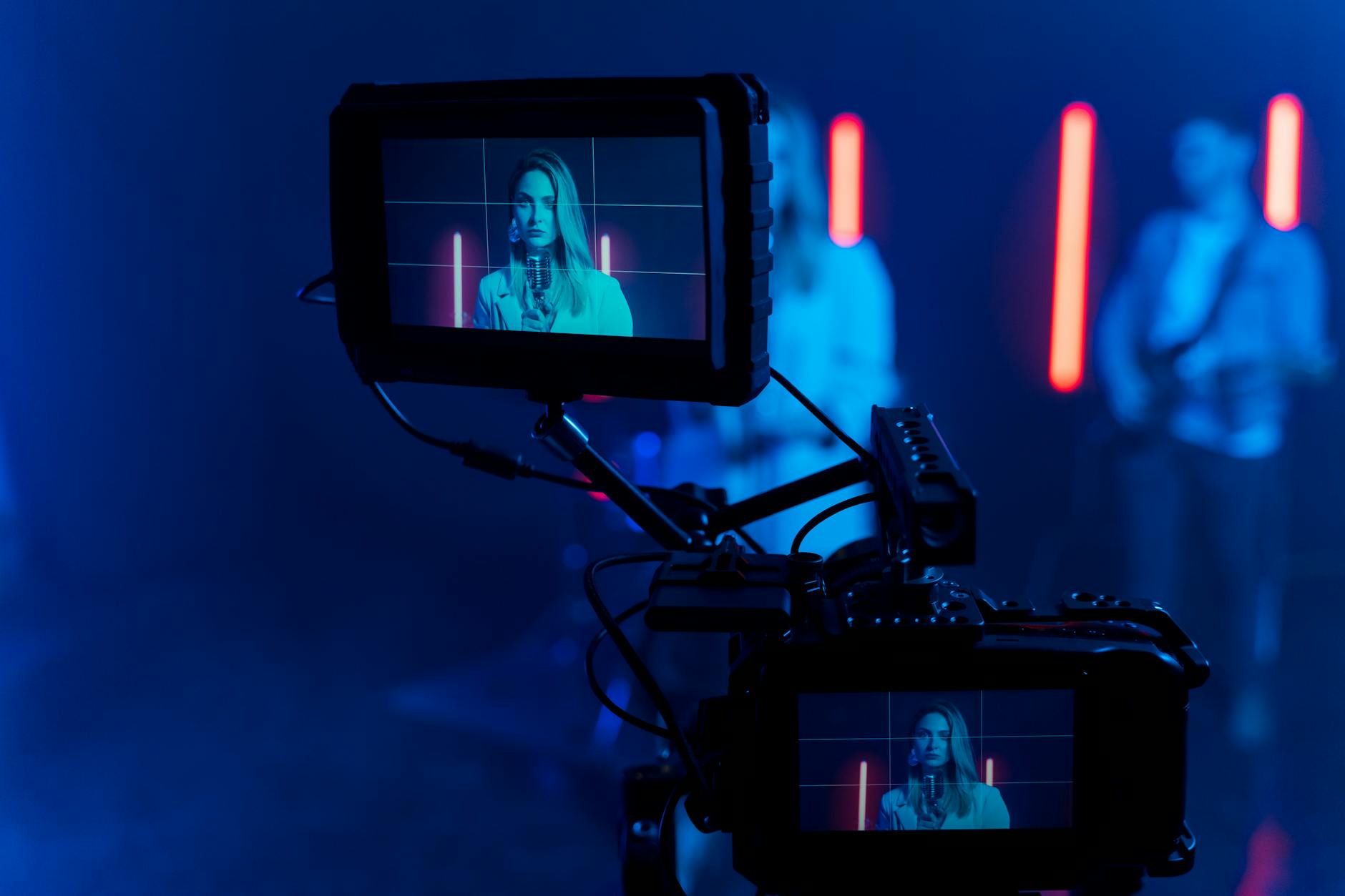
Implementing secure transmission channels is fundamental to delivering high-quality live event video coverage. Authorized streaming platforms and dedicated content delivery networks (CDNs) offer a level of protection that ensures broadcasts are transmitted without interference or unauthorized access. Utilizing robust encryption protocols helps safeguard the stream against potential interruptions or tampering, providing both viewers and event organizers with confidence in the integrity of the broadcast.
Standards-compliant streaming technologies, such as RTMP (Real-Time Messaging Protocol), HLS (HTTP Live Streaming), and DASH (Dynamic Adaptive Streaming over HTTP), are commonly employed to facilitate smooth and adaptable transmissions across various devices and network conditions. These protocols intelligently adjust the video quality based on the viewer’s internet speed, decreasing buffering and maintaining a seamless experience.
Additionally, employing multiple redundant servers and backup internet connections enhances broadcast stability. This approach ensures that a failover system can seamlessly take over if the primary connection encounters issues, keeping the live stream uninterrupted. Professional-grade encoding equipment that supports real-time error correction and adaptive bitrate streaming plays a crucial role in maintaining transmission quality, especially during high-traffic events where network congestion can threaten stability.
Ensuring Compliance with Streaming Protocols and Rights Management
Adopting official streaming procedures involves adhering to industry-standard protocols that facilitate high-quality, reliable broadcasts. Certified encoders and streaming platforms utilize encoding formats and delivery methods optimized for real-time transmission. Ensuring that the video content complies with broadcast standards not only improves viewer experience but also safeguards against issues related to playback compatibility.
Rights management is another critical aspect of official live event video coverage. Implementing digital rights management (DRM) solutions helps control access to live streams, restricting viewing to authorized audiences. This approach provides a controlled environment that prevents unauthorized sharing or pirating of live content. Proper licensing and permissions should always be obtained before going live to avoid potential disruptions or legal complications.
Incorporating metadata and watermarks into live streams can further authenticate the content and provide traceability. These measures assist in maintaining the event’s brand integrity and ensure that the coverage aligns with the expectations set forth during the planning phase.
Technical Support and Monitoring During Live Broadcasts
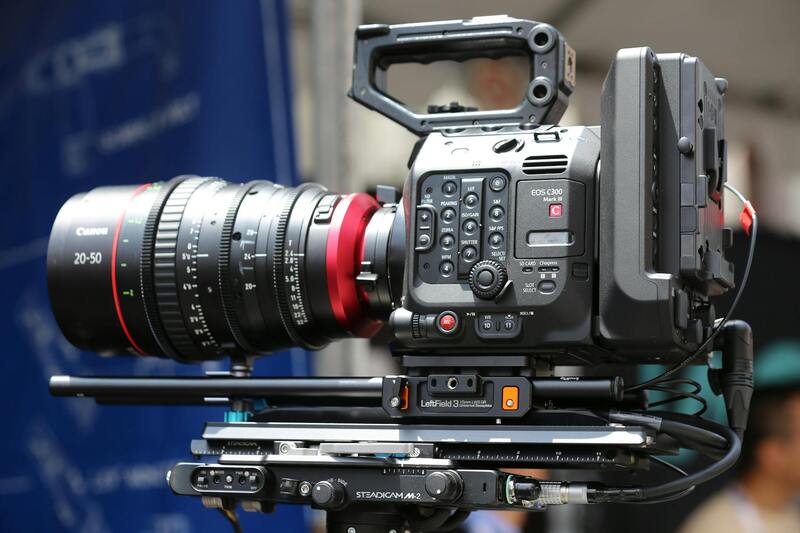
Real-time monitoring of the live stream is essential for quickly identifying and resolving technical issues. Advanced monitoring tools allow operators to track stream quality, bandwidth usage, and latency, providing immediate alerts if anomalies occur. This proactive approach helps mitigate potential disruptions, ensuring a smooth viewing experience.
Technical support teams should be on standby throughout the event to address any challenges that may arise, from audio or video disruptions to streaming platform hiccups. Having a dedicated team prepared for on-the-fly troubleshooting minimizes downtime and maintains viewer engagement.
Furthermore, maintaining clear communication channels between the production team and streaming operators ensures coordinated responses to technical issues. This internal coordination is vital for managing complex live broadcasts, particularly those involving multiple camera angles, live interviews, or interactive elements.
Understanding Live Event Video Coverage
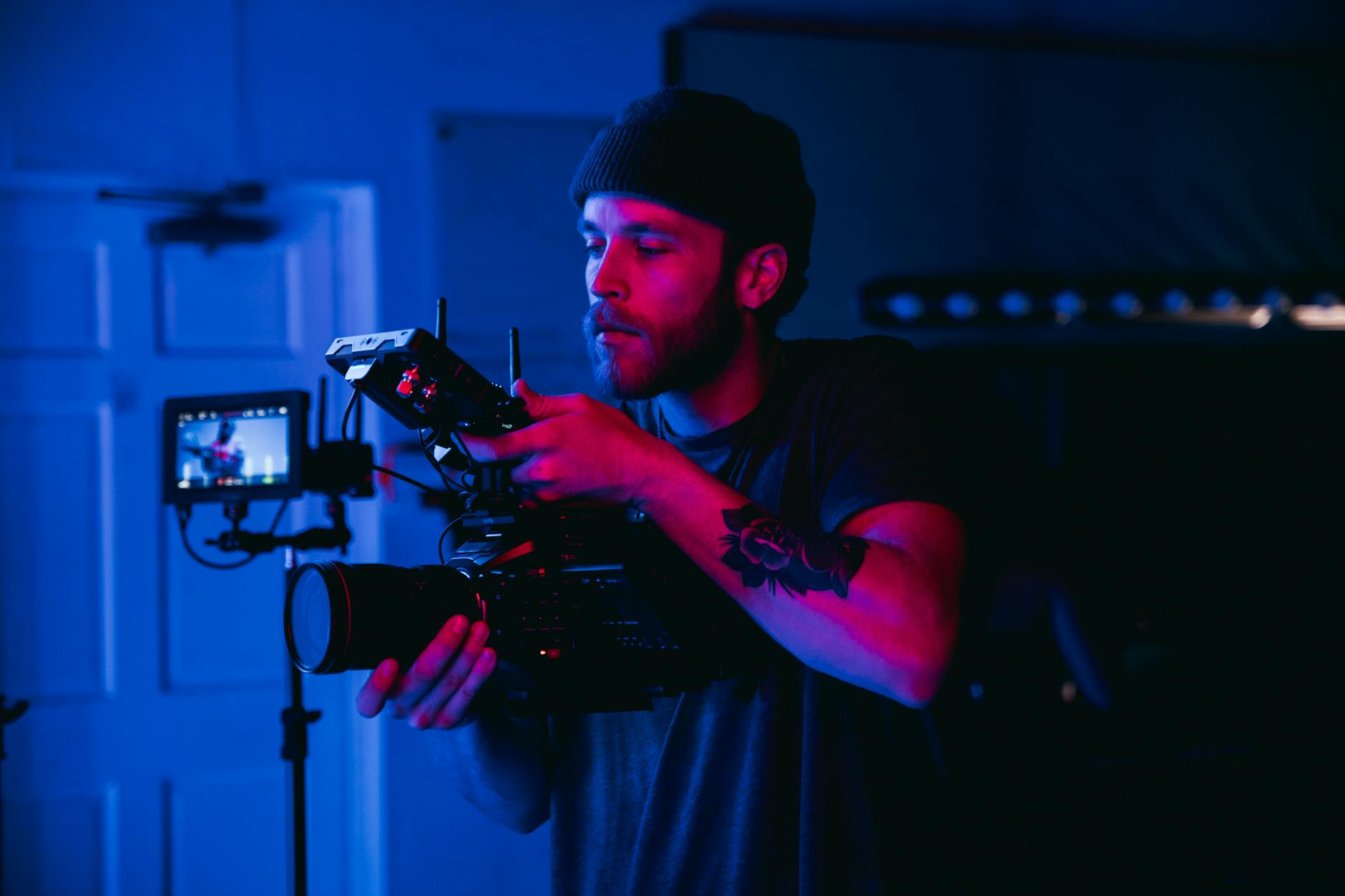
Live event video coverage has become an essential component for organizations seeking to extend their reach, engage audiences in real-time, and preserve their moments for future use. Content capturing during live events involves a combination of strategic planning, technical proficiency, and high-quality equipment to ensure that the broadcast remains clear, professional, and true to the event’s intent. With the advancement of broadcast technologies, the methods employed to capture and stream live content have evolved, offering options tailored to varying scales and types of events.
Types of Events Suitable for Video Coverage
Many diverse events benefit from live video coverage, including corporate conferences, sports competitions, cultural festivals, educational seminars, and community gatherings. The decision to stream an event live must consider the event’s scale and the desired audience size. For large-scale events, professional-grade production ensures high-resolution streaming, multiple camera angles, and seamless transitions. Smaller events or niche gatherings can still be effectively covered using more portable and cost-efficient solutions without compromising quality. Moreover, now more than ever, hybrid events—combining in-person attendance with virtual participation—rely heavily on robust live coverage solutions to connect audiences worldwide and enhance overall engagement.
Essential Equipment and Technology
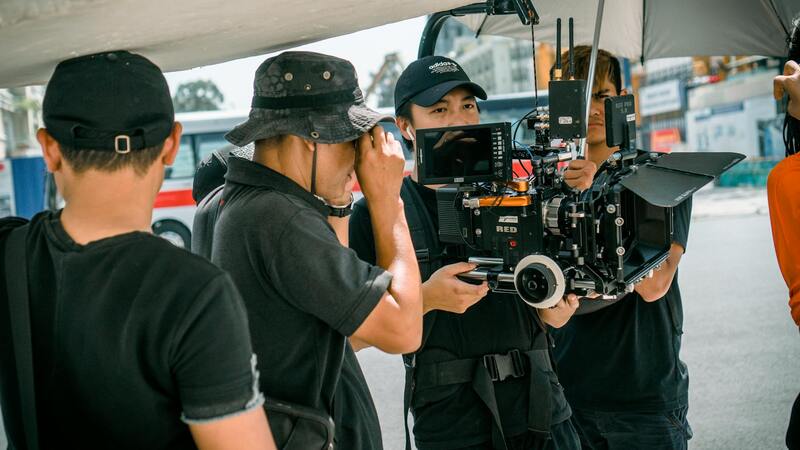
Executing professional live event coverage demands a specific set of equipment and technological tools. High-definition cameras form the backbone, with options ranging from portable camcorders to elaborate multi-camera setups for events requiring various angles and dynamic shots. Video switchers compile these feeds, allowing live transitions and overlays that add visual interest. Audio equipment, including wireless microphones and mixers, guarantees clear sound, which is critical for audience immersion and speaker clarity. To facilitate live streaming, reliable encoders convert video signals into digital formats compatible with streaming platforms. The choice of network connectivity, such as wired Ethernet or high-speed Wi-Fi, directly impacts stream stability, especially for larger audiences.
Additional technological aids include monitors for directing live feeds, teleprompters for presenters, and backup power supplies to prevent disruptions. In some cases, drones or stabilized camera rigs are employed for creative shots or difficult-to-reach angles, further enriching the event coverage.
Planning and Pre-Production Preparation
Meticulous planning is vital for successful live event coverage. Pre-production entails conducting site surveys to assess infrastructure needs, power sources, and internet accessibility. It involves creating a detailed production schedule, establishing roles within the video team, and aligning technical requirements with the event timeline. Detailed shot lists and camera angles should be predetermined, especially for key moments or speakers to ensure comprehensive coverage.
Coordination with event organizers is crucial for logistical smoothness, including securing access points, power supplies, and designated locations for equipment setup. Testing all gear, establishing backup plans for potential technical failures, and rehearsing with speakers or performers are integral steps that contribute to a fluid live broadcast.
Execution and Live Streaming Techniques
During live broadcasts, real-time management of video feeds is fundamental. Skilled production operators monitor multiple streams and seamlessly switch between cameras, graphics, and overlays to create an engaging viewing experience. Effective communication channels between the director, camera operators, and audio technicians are maintained to coordinate camera cues and troubleshoot unexpected issues swiftly.
Streaming quality is optimized by employing adaptive bitrate streaming, which adjusts video resolution automatically based on viewers’ bandwidth availability. Multi-platform streaming ensures that content reaches audiences across various devices and platforms, enhancing accessibility. Additionally, integrating interactive elements like live chat or Q&A sessions fosters audience participation, transforming passive viewers into active participants in the event.
Technical teams should utilize analytical tools to monitor stream health, identify lag or buffering issues proactively, and make necessary adjustments in real time. These measures help maintain a smooth and professional broadcast, reinforcing the event’s credibility and viewer satisfaction.
Ensuring High-Quality Live Event Video Coverage
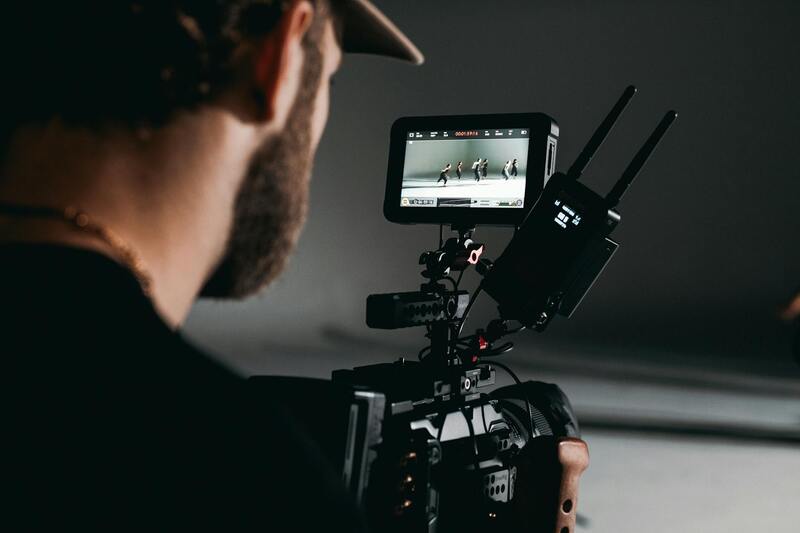
Securing professional live event video coverage requires adherence to proven, reputable methods that maximize the quality, reach, and impact of your broadcast. Utilizing official and established practices ensures a seamless viewing experience that captures the essence of your event impressively. This begins with selecting a qualified production team that specializes in live streaming, equipped with state-of-the-art technology, and experienced in managing live broadcasts of various scales and formats.
Optimizing Equipment and Transmission Technologies
Efficient live event video coverage relies heavily on the right combination of hardware and software solutions. High-definition cameras with multiple angles capture the event from different perspectives, providing viewers with a dynamic visual experience. Relying on wired connections for primary feeds and backup wireless systems ensures stable transmission, minimizing disruptions during the broadcast.
Encoding devices should support adaptive bitrate streaming, allowing the broadcast to adjust in real-time based on each viewer's internet bandwidth. Such technology maintains consistent quality across all devices, whether viewers are watching on smartphones, tablets, or desktops.
Audio quality equally contributes to production excellence. Using professional microphones, sound mixers, and real-time audio processing prevents feedback, echoes, and background noise, creating a clear and immersive soundscape for viewers.
Implementing Robust Streaming Platforms
Choosing an established streaming platform compatible with your content and audience needs is crucial. A proven platform can support multi-platform streaming, integrating social media feeds, and embedding live streams on your website or dedicated channels. These platforms also offer analytics tools that provide insights into viewer engagement, stream quality, and geographic reach, informing future content strategies.
Pre-Event Testing and Rehearsals
Before going live, comprehensive testing of all technical components is essential. Running rehearsal sessions helps identify potential issues with camera angles, audio synchronization, or internet connectivity. These practice runs ensure the team is familiar with the workflow, from switching camera shots to managing graphics and overlays. Furthermore, establishing communication channels among the production crew facilitates swift problem-solving during the live event.
Stream Management During the Broadcast
Effective live event coverage involves real-time coordination. Skilled directors oversee the broadcast flow, employing multi-camera switching, graphic inserts, and on-screen information to maintain viewer engagement. Technical operators monitor stream health, swiftly addressing issues like buffering or lag, often by switching to backup streams or adjusting quality settings.
Ensuring Compliance and Content Security
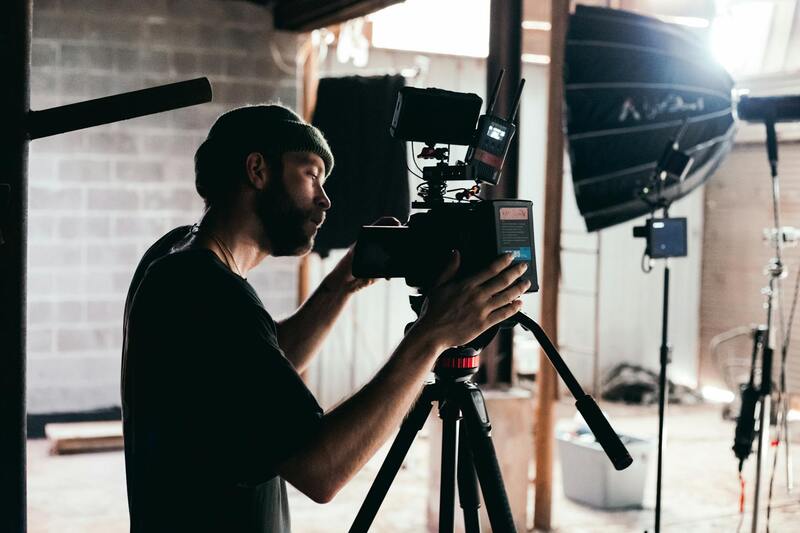
Maintaining proper rights and permissions for all content used, including music, visuals, and branding, is crucial during live coverage. Implementing secure streaming protocols and restricted access controls prevents unauthorized broadcasting or piracy. Additionally, recording the live stream allows for post-event content repurposing and archival purposes.
Post-Event Follow-Up and Content Analysis
After the event concludes, reviewing performance analytics helps evaluate viewer engagement, peak viewing times, and drop-off points. Edited highlight reels or condensed versions of the live broadcast can be shared across platforms to extend the event’s reach. Maintaining a well-organized archive of the footage supports future promotions and reference.
Choosing the right production partner in Miami involves evaluating their technical capabilities, track record, and client testimonials. A local agency familiar with the Miami event scene can provide logistical support, understand regional broadcasting requirements, and tailor live coverage strategies to meet your event’s specific demands.