Overview of Live Webcasting Services
Live webcasting services have revolutionized the way events are broadcasted and consumed, offering a seamless platform for real-time streaming to audiences across various locations. In the context of Miami’s vibrant event and production industry, these services serve as a bridge connecting event organizers with viewers, regardless of geographical barriers. By utilizing advanced streaming technology, live webcasting ensures that audiences can experience conferences, concerts, corporate events, and community gatherings as if they were physically present. The core function of a live webcasting service is to capture high-quality video and audio from an event, encode it into a suitable format, and distribute it over the internet in real-time. This process involves multiple components, including high-definition cameras, professional streaming hardware, content delivery networks, and user-friendly interfaces for viewers.
In Miami, a hub for diverse events ranging from international business summits to local cultural festivals, live webcasting has become an essential tool. It amplifies outreach, enhances engagement, and extends the lifespan of events by allowing remote attendees to participate actively. A professional webcasting service ensures reliable streaming, minimal latency, and excellent visual and audio clarity, which are crucial for maintaining audience interest and interaction throughout an event. These services also provide interactive features such as live chat, Q&A sessions, and multi-camera angles, elevating the viewer experience and encouraging real-time communication.

As the demand for instant and accessible content grows, the role of live webcasting in Miami’s event landscape continues to expand, making it an indispensable component for successful modern event management and production. Whether for small corporate meetings or large-scale international conferences, the right live webcasting service can make the difference between a forgettable event and a memorable, widely-disseminated experience.
Technical Aspects of Live Webcasting
Implementing a successful live webcasting service involves a comprehensive understanding of various technical components that ensure seamless streaming and an optimal viewer experience. Central to this is the encoding process, where audio and video signals from event sources are compressed into formats suitable for online transmission. Professional-grade encoders are used to maintain high-definition quality while minimizing latency, thus providing viewers with smooth and synchronized content. The choice of streaming protocols, such as RTMP or HLS, plays a crucial role in stability and compatibility across different devices and network conditions.

Furthermore, utilizing robust Content Delivery Networks (CDNs) ensures that the live stream is distributed efficiently across multiple geographic locations. This infrastructure reduces buffering and jitter, providing audiences with consistent high-definition video regardless of their location. Camera systems deployed for professional webcasting are often multi-angle, allowing for dynamic switching that adds visual interest and professionalism to the broadcast. These might include fixed cameras, robotic PTZ (pan-tilt-zoom) cameras, and drone footage for outdoor events.
Audio quality is equally critical and is managed through professional microphones, sound mixing consoles, and wireless transmitters to capture clear, crisp sound. It is essential to synchronize audio and video feeds precisely, as delays or mismatches can detract significantly from viewer engagement. Video switchers are utilized to integrate various camera feeds and overlay graphics or titles, resulting in a polished and engaging broadcast.
The end-user experience depends heavily on the streaming platform's compatibility and responsiveness. Customizable player interfaces allow for branding and user-friendly controls such as chat functions, replay options, and access to supplementary content. Adaptive streaming technology automatically adjusts quality based on the viewer’s bandwidth, ensuring smooth playback across all devices, from desktops to smartphones.
Security protocols are also vital in the technical framework. Encrypted streams and access controls prevent unauthorized viewing, protecting exclusive content and safeguarding sensitive event material. Moreover, comprehensive technical support during the live event ensures rapid resolution of any issues that may arise, maintaining the integrity of the broadcast from start to finish.

Choosing the right combination of hardware, software, and network infrastructure directly impacts the quality and reliability of live webcasting services. Professional providers in Miami leverage cutting-edge technology to deliver high-definition streams with low latency, minimal downtime, and interactive features that facilitate real-time engagement. For organizations aiming to extend their reach and enhance participant involvement, understanding and optimizing these technical aspects is fundamental to a successful webcasting strategy.
Technical Aspects of Live Webcasting
Implementing live webcasting services requires a comprehensive understanding of the technical infrastructure that ensures a seamless broadcast. A reliable live webcasting setup in Miami involves the integration of high-quality cameras, robust internet connectivity, encoders, and streaming platforms. The utilization of multi-camera configurations allows for dynamic visuals, capturing different angles and enhancing viewer engagement. These setups are often strategically operated by skilled technicians to deliver professional-grade content with precise timing and clarity.
Bandwidth management is critical in maintaining uninterrupted streaming. Live event organizers partner with providers that employ dedicated internet connections or bonded cellular networks to mitigate issues caused by network fluctuations. Furthermore, adaptive bitrate streaming technologies dynamically adjust video quality according to the viewer's bandwidth, reducing buffering and maintaining high-definition playback across various devices.
The encoding process plays a central role in converting raw footage into a streaming-compatible format. Hardware and software encoders ensure that streams are optimized for minimal latency and maximum fidelity. The choice of streaming protocol, such as HLS or DASH, impacts compatibility and performance, especially when delivering to a diverse audience.
Security measures, including encrypted transmission channels and authentication protocols, safeguard content from unauthorized access. Access control mechanisms like secure tokens, geo-restrictions, and password protection are implemented to protect sensitive information and uphold content rights.

Integration with Event Production and Marketing
Efficient live webcasting solutions seamlessly integrate with overall event production plans, ensuring that the digital broadcast complements onsite activities. This integration involves synchronized audio-visual elements, real-time graphics, and overlays that align with the event’s branding and thematic elements. Using professional streaming services, organizers can incorporate interactive features such as live chat, polling, and Q&A sessions to facilitate audience participation.
From a marketing perspective, live webcasting amplifies event outreach by extending accessibility beyond physical locations. Promotional content, branding overlays, and targeted advertisements embedded within the stream enhance visibility and engagement. Post-broadcast analytics provide insights into viewer behavior, enabling organizers to refine future marketing campaigns and improve audience targeting.
High-quality webcasting also supports multi-platform distribution, ensuring that content is optimized for viewing on desktops, tablets, and smartphones. Integration with social media platforms allows for live sharing, increasing event exposure and fostering community interaction.
Technical Considerations for Seamless Live Webcasting
Implementing a successful live webcasting event requires meticulous attention to various technical aspects. Ensuring robust infrastructure, optimal encoding, and reliable content delivery are fundamental to providing viewers with a smooth, high-quality experience. Reliable internet connectivity with sufficient bandwidth is crucial to prevent interruptions or buffering issues. Professional streaming platforms utilize Content Delivery Networks (CDNs) to distribute streams efficiently across multiple regions, minimizing latency and maximizing stream stability.
Adaptive bitrate streaming is a core feature that dynamically adjusts video quality based on the viewer's internet speed. This technology guarantees that participants with varying connection speeds can access the content without constant buffering or quality degradation. Additionally, multi-platform compatibility ensures the webcast is accessible seamlessly across desktops, mobile devices, and tablets, broadening the event’s reach and engagement potential.
Audio Quality and Multi-Camera Production
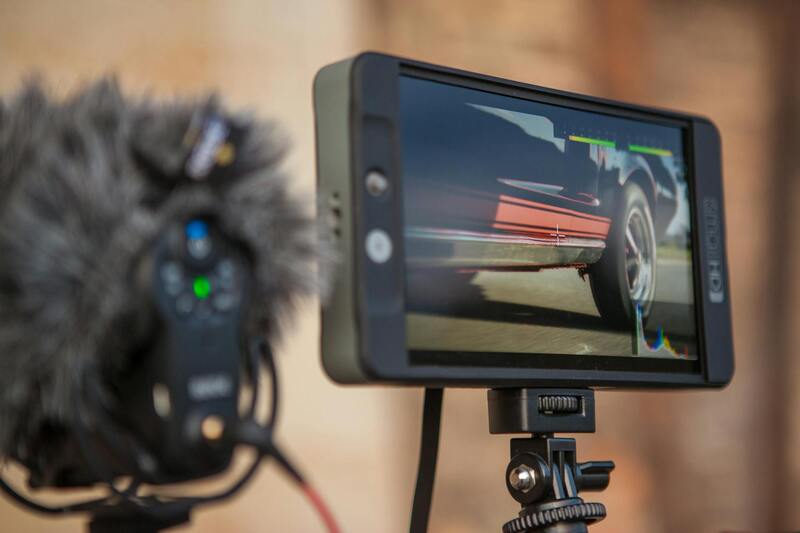
Clear audio is as vital as high-definition visuals. Professional audio equipment, including high-fidelity microphones and sound mixers, should be employed to capture speech and event sounds accurately. Redundant audio feeds and sound checks ensure that audio issues are minimized during live broadcasts. Multiple camera angles, including static, handheld, and robotic cameras, contribute to a dynamic viewing experience. Integration of professional video switchers allows producers to seamlessly transition between shots, add overlays, and incorporate graphics, enhancing engagement and visual clarity.
Interactive Features and Viewer Engagement
Modern live webcasting solutions incorporate a variety of interactive tools to foster audience participation. Live chat modules enable real-time communication between viewers and hosts, creating an interactive atmosphere. Polls and Q&A sessions encourage active involvement, gathering valuable feedback and questions that can be addressed during the stream. Incorporating chat moderation tools and clearly defined interaction protocols ensures the platform remains respectful and focused.
Content Security and Copyright Protection
Maintaining control over distributed content is essential in professional webcasting. Secure streaming protocols, such as HTTPS and DRM (Digital Rights Management), safeguard the content against unauthorized access or redistribution. Access controls, including user authentication, password protection, and geo-restriction, help limit content viewing to authorized audiences. Employing watermarking, encrypted streams, and session tokens ensures content integrity and protects intellectual property rights throughout the broadcast lifecycle.
Key Considerations When Selecting a Live Webcasting Service Provider in Miami
Assessing Technical Capabilities and Infrastructure
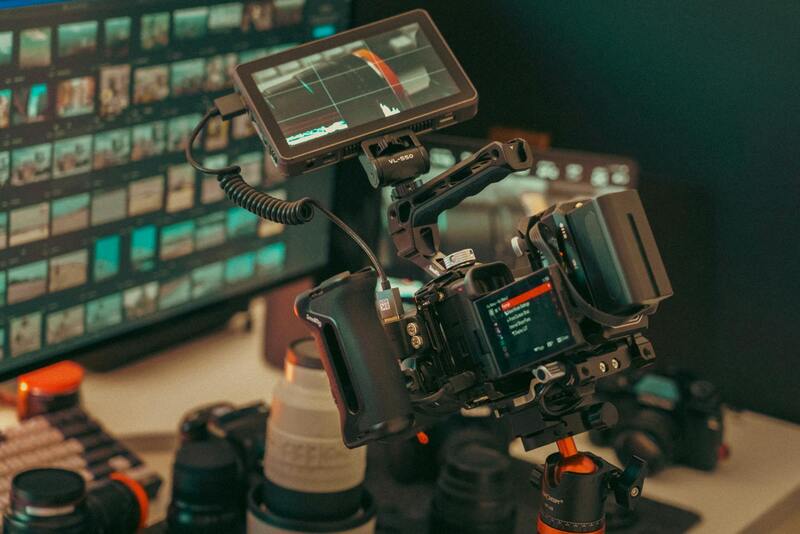
One of the foremost factors in choosing a live webcasting service provider is evaluating their technical infrastructure. A reliable provider will utilize high-quality streaming equipment, including professional cameras, encoders, and a robust content delivery network (CDN) that ensures seamless video delivery even during peak viewership. The provider's ability to handle high bandwidth requirements, especially for large audiences, directly influences the stability and quality of your broadcast.
In addition to hardware, the provider’s technical expertise in internet connectivity management is crucial. They must have backup internet solutions, such as redundant connections or failover systems, to prevent disruptions in case of connectivity issues. The deployment of advanced encoding software ensures optimal video quality across diverse devices and network environments, maintaining a high standard for viewer experience.
Evaluating Service Features and Capabilities
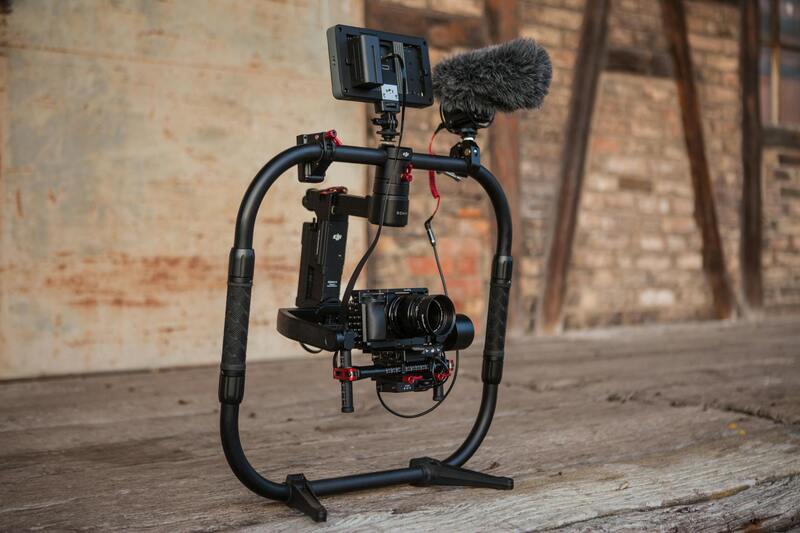
Beyond hardware, the variety of features offered by the provider significantly enhances the effectiveness of your webcast. Look for services that include multi-camera streaming, professional audio integration, real-time graphics, and overlay support. These elements contribute to a polished, engaging event that captures viewers’ attention and communicates your message effectively.
Interactivity is another vital aspect. Features such as live chat, polls, and Q&A sessions foster audience engagement, making virtual attendees feel involved. The ability to incorporate social media integrations also expands reach and enhances engagement metrics.
Security and Content Management
Given the importance of content protection, it is essential to understand the security measures implemented by the provider. Secure streaming protocols, encryption, and rights management tools are critical components that safeguard your broadcast from unauthorized access or redistribution. Features like password protection, geo-restrictions, and user authentication help control who can view the event, ensuring your content reaches the intended audience.
Moreover, watermarking and encrypted streams contribute to maintaining the integrity of your visuals and prevent content theft. A provider that demonstrates comprehensive content security protocols provides peace of mind that your live broadcast will remain protected throughout its duration.
Assessing Customer Support and Service Levels
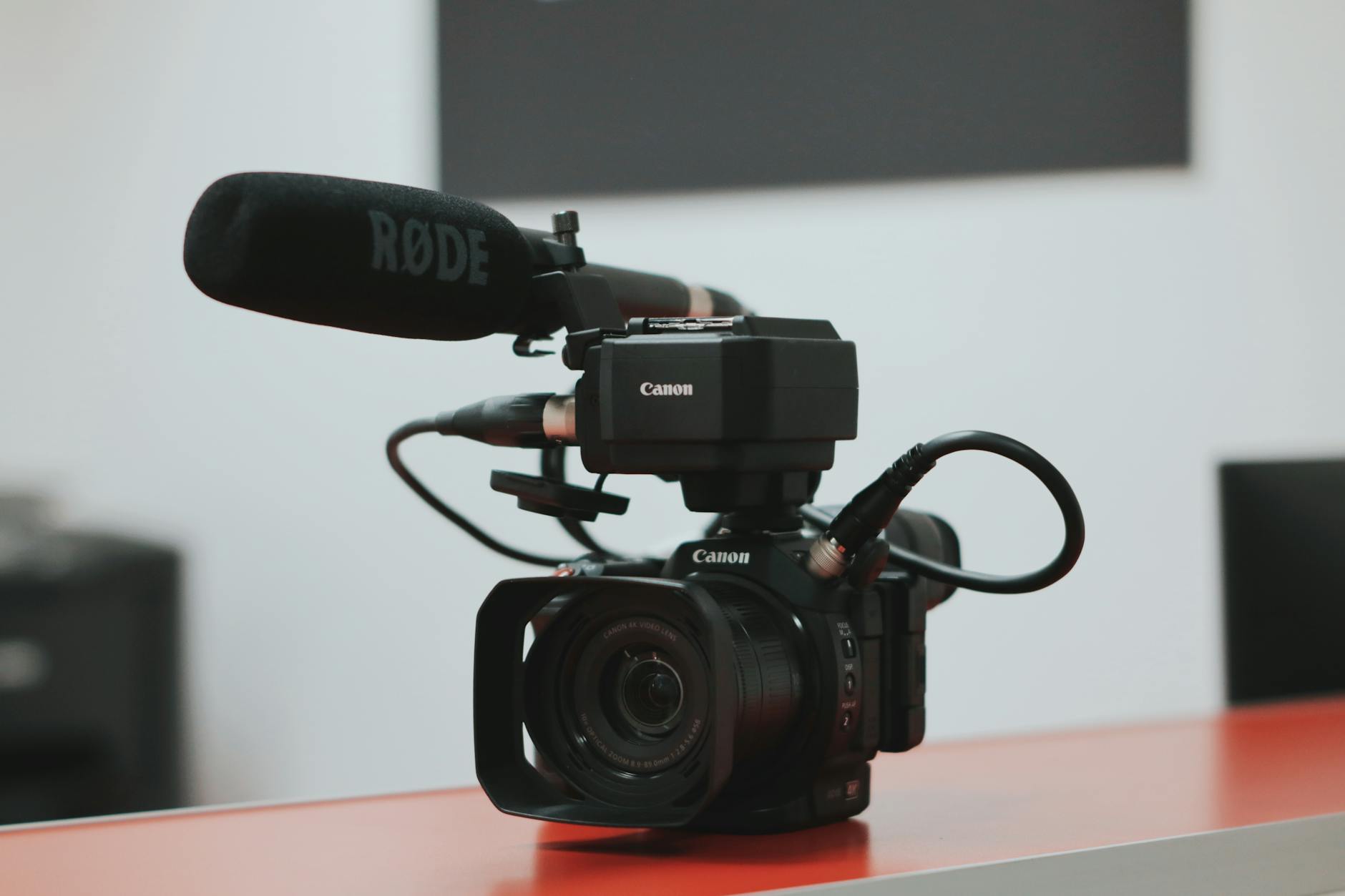
Effective customer support is a hallmark of a trusted live webcasting provider. When evaluating potential partners, consider their availability, responsiveness, and technical support channels—whether via phone, email, or on-site assistance. A proactive support team can resolve issues swiftly, minimizing potential disruptions during your event.
Additionally, inquire about training and preparatory support offered to your team. This ensures smooth coordination during the live broadcast, with all stakeholders well-versed in platform functionalities and contingency procedures.
Cost Structure and Customization Options
Transparency in pricing and flexible service packages are important. Look for providers that offer clear, detailed quotations, including costs for equipment, bandwidth, technical personnel, and post-event analytics. Customization options—such as branding overlays, tailored graphics, and dedicated account management—can significantly enhance your event's professionalism and cohesiveness.
Reputation and Experience in Miami
Finally, selecting a provider with a proven track record of successful events in Miami is advantageous. Local expertise ensures familiarity with regional internet infrastructure, event venues, and audience expectations. Testimonials and case studies from previous clients can provide insights into their reliability and quality of service.
Choosing the right live webcasting service provider in Miami hinges on comprehensive evaluation of technical competence, security measures, feature offerings, and support services. A provider that aligns with your event’s requirements will facilitate a smooth, engaging, and impactful virtual experience for all attendees.
Legal and Security Considerations
Ensuring the security of your live webcasting event is fundamental to safeguarding your content, protecting your brand reputation, and maintaining audience trust. Reliable live webcasting services implement robust security protocols to prevent unauthorized access, content piracy, and data breaches. These measures typically include encrypted data transmission, secure login credentials, and restricted access controls to ensure that only intended viewers can participate in the broadcast.
Additionally, content management policies such as digital rights management (DRM) can be employed to restrict recording or redistribution without permission. This helps preserve the integrity of proprietary content while providing peace of mind that your webcast remains protected throughout its duration.

In terms of compliance, it is important to be aware of regulations regarding data privacy and user information, especially when collecting audience data during registration or interactions. Implementing strict privacy policies and obtaining necessary consents contribute to your webcast's credibility and ensure adherence to relevant standards.
Furthermore, selecting a hosting environment with redundant servers and failover capabilities guarantees continuous streaming in the event of technical issues, preventing disruptions that could compromise the event’s professionalism.
Monitoring and Incident Response
- Live monitoring of streaming quality and security alerts allows swift detection of potential threats or technical glitches.
- Established incident response strategies enable immediate action to mitigate risks, such as re-routing streams, applying security patches, or notifying viewers of scheduled interruptions.
- Regular security audits and vulnerability assessments of the streaming platform help identify and rectify weaknesses proactively.
Choosing a live webcasting provider that prioritizes security and offers comprehensive support in incident management ensures your event proceeds without compromise. This commitment to protecting your content and audience fosters confidence and adheres to best practices in digital event execution.
Technical Aspects of Live Webcasting
Successful live webcasting relies on a combination of sophisticated technology and robust infrastructure. High-quality streaming begins with the capture and encoding of live audio and video feeds, which are then transmitted over a reliable internet connection to reach audiences across various devices. To achieve this, service providers employ advanced encoding hardware or software that can adjust stream quality dynamically, depending on viewers' bandwidth conditions. This adaptability ensures a seamless viewing experience, minimizing buffering issues or lag.
A critical component of live webcasting is the content delivery network (CDN). CDNs distribute the stream through multiple geographically dispersed servers, reducing latency and increasing resilience against network failures. By utilizing such networks, webcasting services can handle large audiences efficiently and maintain uninterrupted streams even during peak usage.
Further technical considerations include latency management, viewer analytics, and integration capabilities. Reducing latency is vital for interactive events, such as Q&A sessions or live polling, where real-time engagement is expected. Viewer analytics provide valuable insights into audience behavior, watch times, and geographic distribution, informing future event strategies.

Legal and Security Considerations
When utilizing a live webcasting service, it is essential to implement comprehensive security measures to protect your content and safeguard viewer data. High-quality streaming platforms employ encryption protocols such as SSL/TLS to secure data transmission between the broadcaster and viewers. This encryption prevents unauthorized access and ensures the integrity of the live feed, maintaining a professional standard for your digital event.
Access control plays a vital role in secure streaming practices. Implementing authentication measures like secure login credentials, single sign-on (SSO), or token-based authentication allows you to restrict access to authorized viewers only. These methods help prevent unwanted interruptions, pirated sharing, or content theft, thereby preserving the exclusivity and value of your event.
Content protection extends beyond encryption. Digital rights management (DRM) solutions enable the control of content distribution and prevent unauthorized redistribution or recording. DRM technologies can enforce watermarking, set viewing rights, and restrict functionalities such as downloading or screen capturing, ensuring your content remains protected throughout the event.
Ensuring compliance with data privacy standards is also paramount. Adhering to regulations such as GDPR or CCPA involves managing viewer data responsibly, obtaining consent for data collection, and providing options for viewers to control their personal information. These practices enhance trust and demonstrate a commitment to ethical content distribution.
Handling technical issues is another critical aspect of security. Providers often utilize redundancy measures, including backup servers and failover systems, to guarantee uninterrupted broadcasts. Continuous system monitoring and real-time troubleshooting help identify vulnerabilities or technical hiccups before they impact the live stream, maintaining the highest quality of service.
Furthermore, detailed audit logs and activity tracking provide insights into access patterns and potential security breaches. These logs are essential for forensic analysis and improving safety protocols over time.
Technical Considerations for Secure Live Webcasting
- End-to-End Encryption: Protects data during all stages of transmission.
- Secure Authentication: Restricts access through robust login methods.
- Digital Rights Management: Controls content distribution and viewing rights.
- Network Security: Implements firewalls and intrusion detection systems to prevent cyber threats.
- Regular Testing and Updates: Ensures security measures stay current against emerging threats.
Choosing a live webcasting service that prioritizes security, scalability, and compatibility not only safeguards your content but also enhances the overall viewer experience. Partnering with experienced providers in Miami, who adhere to best practices and leverage cutting-edge security technologies, ensures your live broadcasts are both professional and protected against potential vulnerabilities.