Overview of Remote Live Video Production
Remote live video production has revolutionized the way events, broadcasts, and corporate communications are delivered in Miami and beyond. This innovative approach involves capturing footage at a physical location and transmitting it live to viewers through advanced streaming technologies. As Miami continues to grow as a hub for media, entertainment, and business events, the demand for efficient, high-quality remote production services has surged.
At its core, remote live video production bridges the gap between on-site content creation and virtual audiences worldwide. This method provides a flexible, scalable solution that caters to various event formats, from corporate seminars and product launches to large-scale concerts and cultural festivals. By utilizing remote production, organizers can reduce onsite staffing needs and physical infrastructure, resulting in cost savings without compromising quality.
In Miami's vibrant media landscape, remote live video production enables international broadcasters and local businesses to reach broad audiences instantly. It supports live streaming across multiple platforms, enhancing engagement and expanding reach. Moreover, it offers real-time editing, graphics, and interactive features that enrich viewer experience, all managed remotely by dedicated production teams.
The Significance for Miami’s Dynamic Event Scene
Miami's diverse event environment benefits significantly from remote production technology. Whether hosting an art festival, a business conference, or a high-profile sports broadcast, stakeholders can leverage remote solutions to ensure seamless content delivery. These services enable Miami-based companies to stay competitive in a global market by offering professional live video experiences that meet contemporary expectations for quality and interactivity.
Furthermore, the flexibility of remote live video production makes it an essential tool during times when traditional onsite setups may be limited or impractical. For instance, health and safety considerations or logistical constraints can be addressed effectively through remote capabilities.
Enhancing Audience Engagement and Reach
Remote live video production facilitates real-time interaction with viewers, including live chat, polls, and viewer integrations, which are vital for maintaining engagement. It allows Miami's event organizers to broadcast to multiple audiences across different regions simultaneously, maximizing exposure and branding opportunities. This broad reach, combined with high-definition streaming quality, elevates the production value and viewer experience significantly.
Conclusion
The growth of remote live video production in Miami underscores its vital role in the evolving media and event landscape. By providing versatile, high-quality streaming solutions, remote production enables local and international organizations to deliver compelling live content efficiently and effectively. As technology continues to advance, its importance in facilitating dynamic, remote content creation will only increase, solidifying its position as a cornerstone of modern broadcast and event strategies.
Key Components and Equipment
Executing a successful remote live video production relies on a comprehensive set of tools and equipment that deliver high-definition output and seamless streaming experiences. The precision and reliability of these components are crucial for maintaining professional standards and ensuring viewer satisfaction.
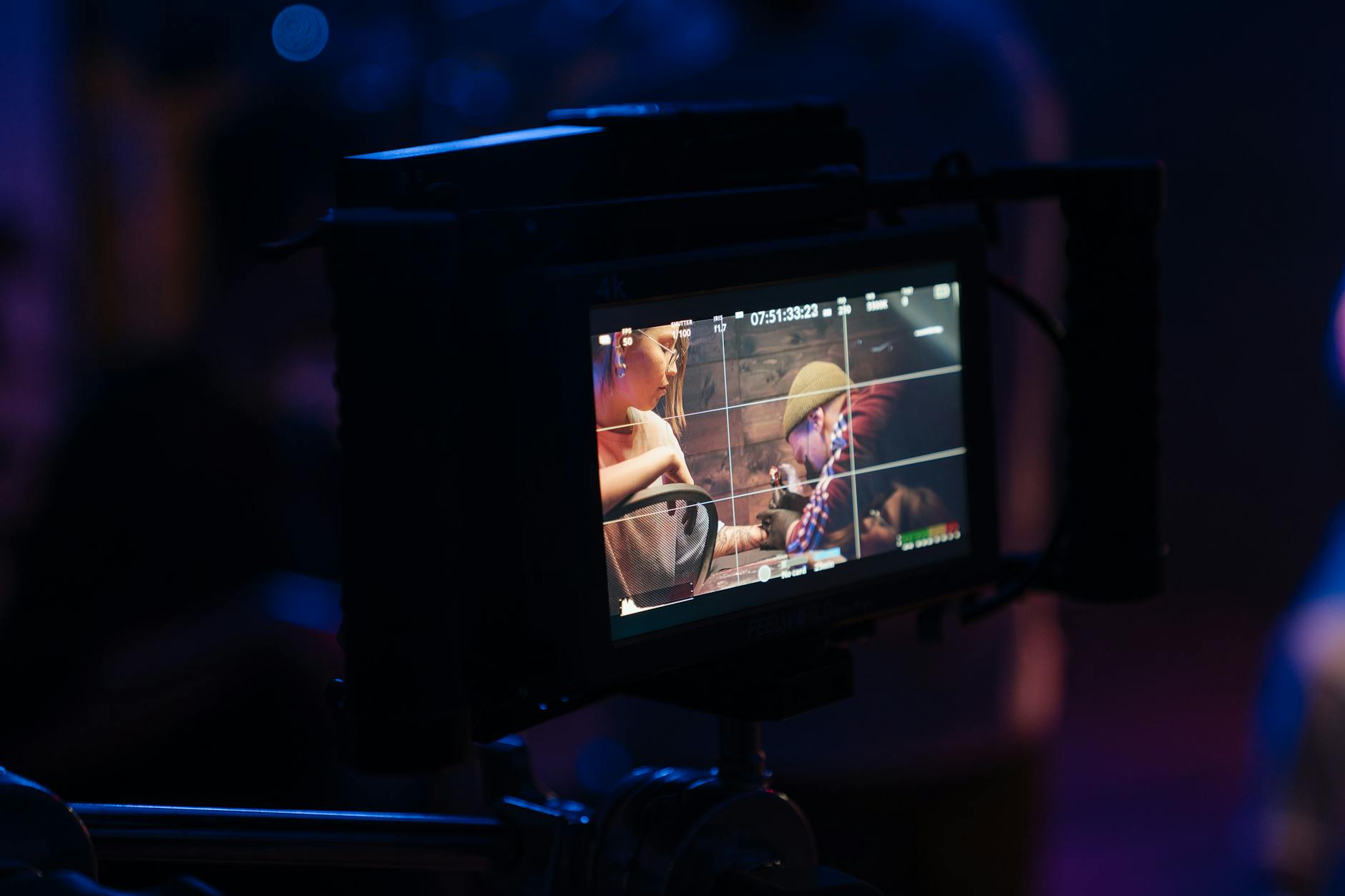
Among the foundational elements are cameras, which vary from professional-grade broadcast models to high-quality remote-controlled cameras. These devices capture clear, detailed footage, adaptable to different angles and lighting conditions. Cutting-edge cameras with remote control capabilities facilitate flexibility and efficiency in capturing dynamic scenes from various locations.
An integral part of the setup is the streaming encoder, which compresses video signals into digital formats compatible with live internet broadcasting. These encoders often include hardware and software options, offering real-time encoding, transcoding, and robust error correction features to prevent disruptions during streaming.
Delivery platforms depend on reliable streaming platforms and content management systems. These platforms support multiple input sources and enable functionalities such as multi-channel broadcasting, adaptive bitrate streaming, and viewer interaction integrations. They also provide monitoring dashboards and analytics tools for performance tracking and troubleshooting.
Supporting Equipment and Accessories
- Audio Equipment: High-fidelity microphones, mixers, and audio interfaces to ensure clear sound quality, essential for engaging broadcasts.
- Network Infrastructure: Stable and high-speed internet connections, often utilizing bonded multiple ISPs, satellite links, or dedicated fiber optic lines to minimize latency and prevent interruptions.
- Switchers and Production Consoles: Hardware control panels that facilitate live switching between multiple video feeds, adding graphics, overlays, and effects as needed.
- Lighting Solutions: Portable lighting rigs or LED panels that improve image clarity and establish a professional visual aesthetic, even in remote locations.
- Rigging and Mounts: Tripods, jib arms, and drone mountings to enhance camera positioning and capture diverse perspectives remotely.
Integrating these components effectively forms the backbone of remote live video production, ensuring the final broadcast is of high quality, reliable, and capable of engaging audiences across multiple platforms.
Overview of Remote Live Video Production
Remote live video production has become an essential component in delivering dynamic, professional-quality broadcasts across various platforms. By enabling content creators, event organizers, and corporate entities to produce live events without the constraints of physical proximity, this approach leverages a suite of advanced technologies and strategic workflows. The core goal is to facilitate seamless, engaging live streams that meet broadcast standards and maximize audience engagement, regardless of geographic location.
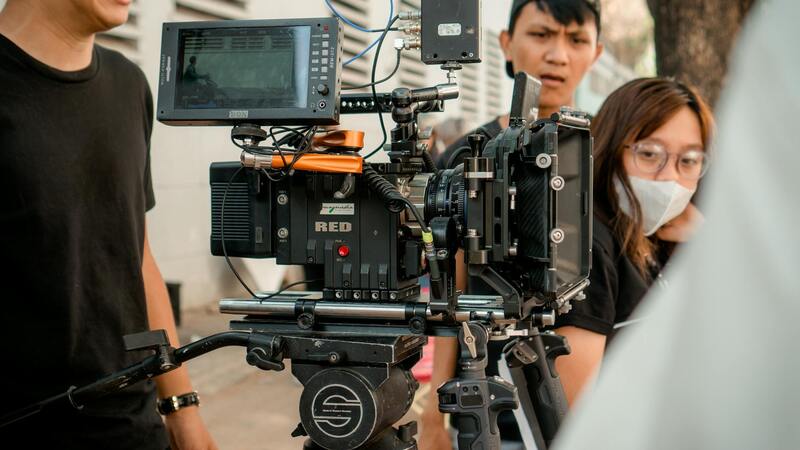
This innovative production method encompasses everything from pre-event planning to real-time transmission and post-event analytics. It integrates multiple input sources—from high-definition cameras and audio feeds to multimedia overlays—and utilizes specialized hardware and software to manage, edit, and broadcast content concurrently. The key to its success lies in the meticulous coordination of equipment, personnel, and technology to ensure a smooth and uninterrupted viewing experience for audiences worldwide.
As remote live video production continues to evolve, it opens new avenues for creative expression and operational efficiency. It allows organizations to reach broader audiences, reduce costs associated with on-site staffing and infrastructure, and adapt swiftly to changing content demands. Understanding the fundamental principles and components involved is critical for producing broadcasts that resonate with viewers and uphold professional standards across all stages of production.
Key Components and Equipment
Successful remote live streaming depends on the integration of specialized hardware and essential accessories designed to optimize video and audio quality while maintaining robust connectivity. Each component plays a pivotal role in ensuring a seamless, professional broadcast:
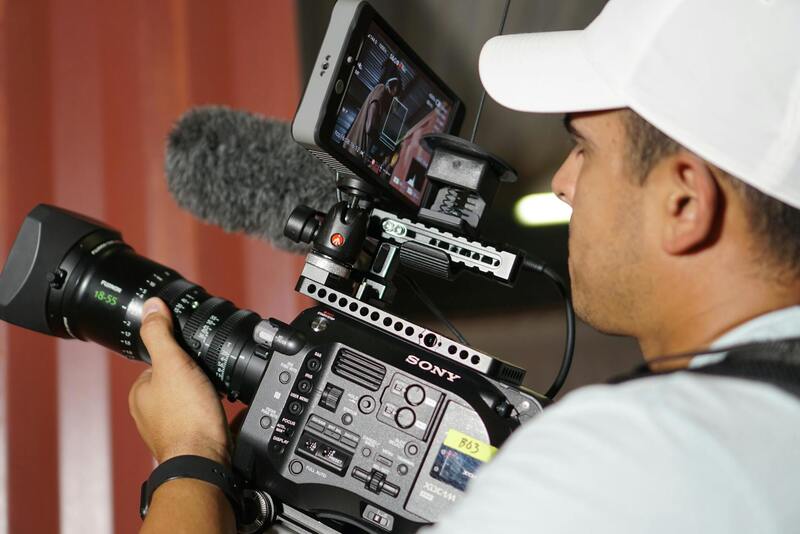
- High-Quality Cameras and Encoders: Cameras capable of capturing high-resolution images paired with encoders that convert video signals into streamable formats. These work together to provide crisp visuals that are synchronized with real-time audio and auxiliary content.
- Audio Equipment: Essential for clear sound delivery, this includes professional microphones, audio mixers, and interfaces that prevent noise interference and ensure consistent audio levels throughout the broadcast.
- Network Infrastructure: Reliable internet connectivity, often achieved through bonding multiple ISPs, satellite links, or fiber-optic connections, minimizes latency and prevents interruptions during live transmission.
- Switchers and Production Consoles: Hardware panels that facilitate live switching between multiple video inputs, introduce graphics, overlays, and special effects, enabling dynamic presentations and engaging storytelling.
- Lighting Solutions: Portable LED panels and lighting rigs that enhance image clarity and set the visual tone, even in challenging or remote environments.
- Rigging and Mounts: Tripods, jib arms, drone mounts, and other supports that provide diverse camera perspectives to capture different angles and movements, enriching the viewer experience.
Integrating these components requires technical expertise and precise execution. They form the backbone of a reliable remote production workflow, capable of handling high-pressure scenarios and delivering content that captures audience attention across multiple streaming platforms.
Streaming Platforms and Technologies
The backbone of remote live video production is a robust streaming infrastructure. Leading services such as dedicated content delivery networks combine with innovative platforms capable of multi-channel streaming, adaptive bitrate management, and interactive features. These systems are designed to support diverse input sources and complex production requirements, enabling producers to deliver content seamlessly across social media, dedicated portals, and internal networks.
Emerging technologies are also shaping the future of remote production, including cloud-based editing suites, artificial intelligence-driven stream monitoring, and 5G connectivity. These advancements facilitate faster workflows, improve scalability, and offer new ways to engage audiences through real-time interactivity and personalized content delivery.
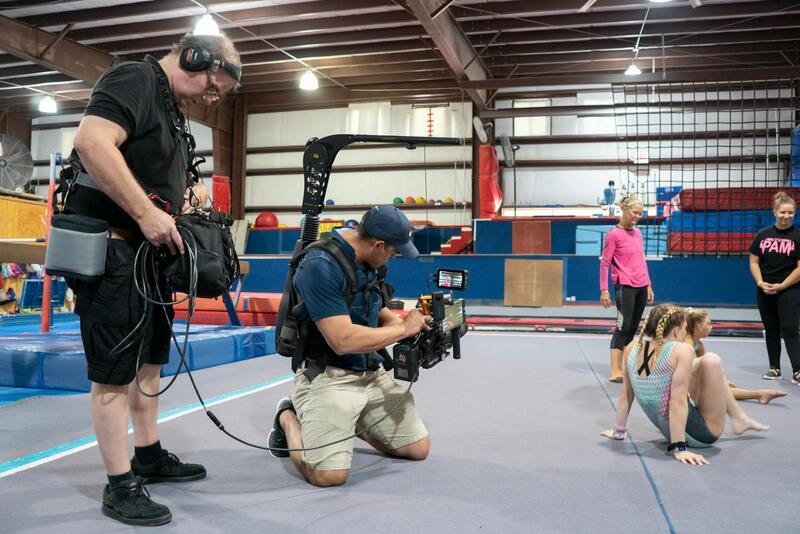
Mastering these platforms and technologies enables production teams to maintain a high standard of quality, adapt rapidly to technical challenges, and expand their reach efficiently in the ever-evolving digital landscape.
Advanced Techniques and Proven Methods in Remote Live Video Production
To achieve flawless remote live video productions, leveraging reliable transmission methods and advanced media handling processes is crucial. This ensures that high-quality content reaches the audience without interruption, maintaining a professional standard expected from leading Miami production agencies. Several strategies are integral to sophisticated remote workflows, including multi-source media integration, synchronization, and redundancy planning.
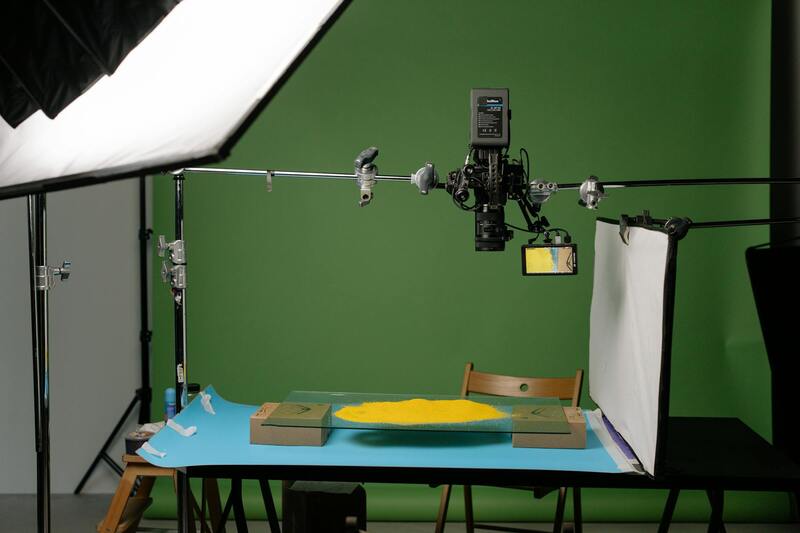
One of the most prominent techniques involves the use of dedicated backhaul networks that connect production sites with streaming endpoints through secure, high-bandwidth lines. These networks support the transfer of multiple media streams, requiring meticulous bandwidth management and latency control. By deploying hardware encoders capable of high-efficiency compression, producers can transmit high-resolution video in real-time while optimizing network utilization.
Another critical approach is the implementation of adaptive bitrate streaming protocols. These protocols dynamically adjust the quality of the stream based on real-time network conditions, safeguarding against buffering or quality degradation. This technology ensures consistent viewer experience, especially vital when streaming to diverse platforms and devices with varying internet capabilities.
In complex scenarios, redundancy systems are set in place. These include backup streams and alternative pathways that automatically activate if the primary connection encounters issues. Such safeguards are essential for maintaining broadcast continuity and preventing disruptions during live events.
Media management during remote productions also involves Remote Camera Control Systems, which allow technicians to adjust angles, focus, and other parameters from afar. Combined with remote audio mixing and real-time graphics insertions, these tools create a fully integrated broadcast environment that mimics traditional studio setups.
Integrating cloud-based transcoding and storage solutions further enhances workflow efficiency. Content can be processed, edited, or distributed directly from the cloud, allowing for rapid post-production or on-the-fly adjustments. This flexibility not only accelerates delivery timelines but also broadens the scope of potential audience engagement strategies.
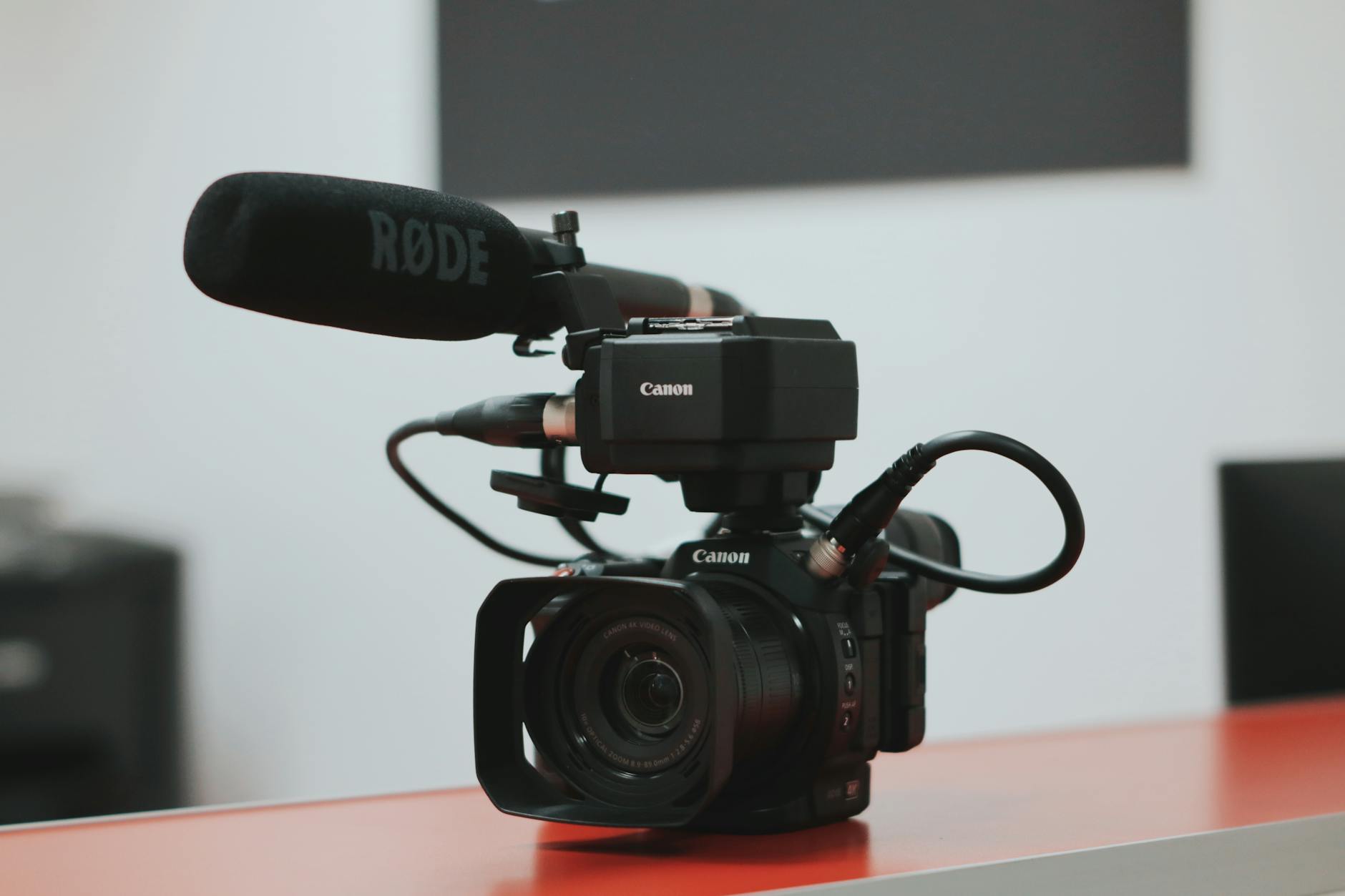
Combining these proven methods reduces latency, increases reliability, and elevates the overall quality of remote live video productions. For Miami-based agencies, understanding and implementing these advanced techniques allows them to handle high-stakes live events efficiently while maintaining an impeccable viewer experience.
Successfully executing remote live video production demands a nuanced understanding of both the technical infrastructure and the creative vision. Professionals in this realm focus on meticulous planning, real-time problem-solving, and adopting emerging technologies to stay ahead in a competitive industry. Mastery of these elements ensures that live broadcasts are resilient, professional, and engaging, regardless of the geographical distances involved.
Technical Setup and Signal Management in Remote Live Video Production
Implementing a reliable remote live video production setup requires meticulous attention to signal pathways and system architecture. At the core, high-quality video and audio signals must be transmitted seamlessly over various transmission mediums, such as fiber optics, satellite links, or high-capacity internet connections, ensuring minimal latency and maximum stability. Robust encoding and decoding processes are crucial; these convert raw footage into compressed streams suitable for transmission, while maintaining image and sound fidelity.
Transitioning signals between different segments of the production involves sophisticated switching and routing equipment. Video routers enable dynamic switching between multiple camera feeds, graphics, and pre-recorded content. These systems must be configured to support real-time editing, ensuring smooth transitions and professional broadcast quality.
Specialized hardware, such as network encoders, decoders, and multi-viewers, are essential for monitoring and verifying signal integrity throughout the production chain. These components allow operators to view multiple streams simultaneously, troubleshoot issues immediately, and maintain broadcast standards.
Understanding the Importance of Secure Transmission in Remote Live Video Production
In the realm of remote live video production, the security of data transmission is paramount to ensure the integrity and confidentiality of content. As broadcasts traverse various networks and platforms, implementing robust measures helps prevent unauthorized interception or tampering. Modern solutions incorporate advanced encryption protocols that safeguard streams against eavesdropping, ensuring that only authorized viewers and viewers within designated access rights can view the live content.
Virtual Private Networks (VPNs) are frequently used to establish secure tunnels for data transfer, especially when operating over public or shared internet connections. These tunnels encrypt data packets, rendering them unintelligible to outsiders during transmission. Firewalls act as gatekeepers, scrutinizing incoming and outgoing traffic to block malicious or unauthorized access attempts, thereby maintaining a fortified environment for live video streams.
Implementing Reliable Network Infrastructure
Reliability in network infrastructure forms the backbone of successful remote live video production. Employing high-bandwidth internet connections reduces latency and buffering, facilitating seamless streaming experiences. Multiple internet service providers (ISPs) can be integrated to create redundancy, so should one connection fail, the entire broadcast can switch to an alternative pathway without interruption.
Quality of Service (QoS) configurations prioritize live video data, ensuring that critical streams maintain transmission speed and clarity even amidst network congestion. The use of dedicated bandwidth for live production tasks minimizes interference from other online activities, preserving the quality of the broadcast.
Advanced Software Solutions for Monitoring and Control
Remote monitoring tools provide real-time visibility into signal health and stream performance. Operators can receive instant alerts about potential issues, such as packet loss or latency spikes, allowing immediate troubleshooting. Control software facilitates remote adjustments to camera settings, audio levels, and encoding parameters, maintaining the desired broadcast quality from a centralized interface.
Integration of cloud-based management platforms consolidates various production elements, enabling a unified workflow. Such platforms offer remote access, scene switching, and live analytics, empowering production teams to manage multiple streams effectively from different locations.
Ensuring Compliance and Content Protection
Beyond technical safeguards, adhering to content rights management policies and copyright protections is essential. Digital watermarking and content verification technologies help authenticate live streams and prevent unauthorized redistribution. Implementing strict access controls limits who can view or modify the production workflow, preserving the security and exclusivity of the broadcast.
By focusing on secure transmission protocols, reliable network infrastructure, advanced monitoring, and comprehensive access controls, remote live video production providers can deliver high-quality, uninterrupted broadcasts while safeguarding their content and maintaining professional standards.
Overview of Remote Live Video Production
Remote live video production has become a transformative approach to broadcasting, leveraging the power of high-speed internet and advanced streaming technologies to deliver high-quality content without the need for extensive on-site equipment. By decentralizing production elements, this method allows for greater flexibility, scalability, and cost-efficiency. It involves capturing live footage at various locations, transmitting it securely to a centralized control room or cloud platform, and broadcasting to audiences seamlessly. This process is especially advantageous in a vibrant city like Miami, where diverse events, conferences, and entertainment shows require reliable and vivid visuals. Remote live video production reduces logistical challenges and enables creative collaborations across different geographical areas, making it an essential part of modern broadcasting strategies.
Key Components and Equipment
Implementing effective remote live video production hinges on a robust array of hardware and software elements that work together to ensure a professional and resilient broadcast. These components include:
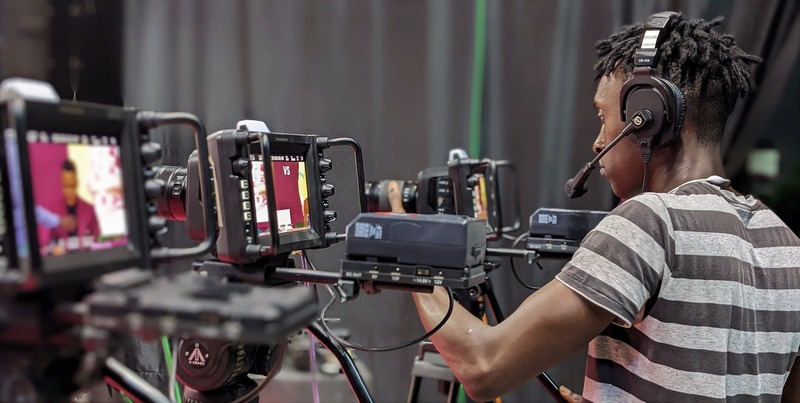
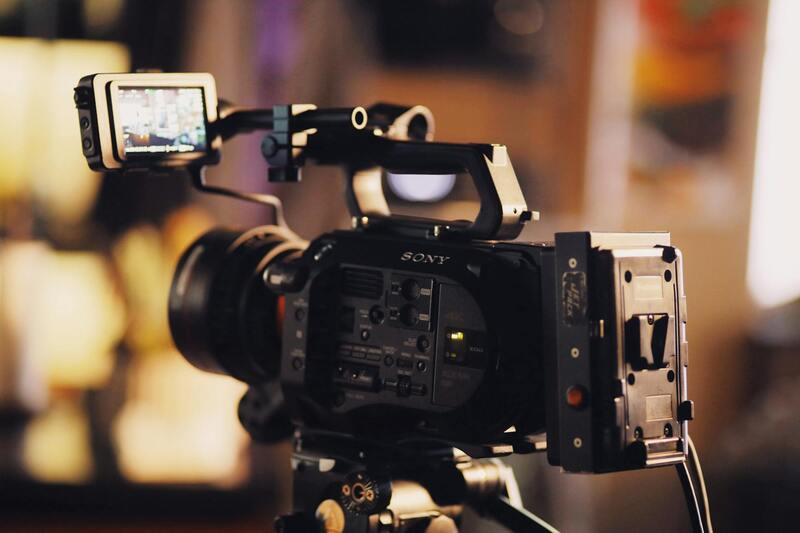
- High-Quality Cameras: Devices capable of capturing clear and detailed footage, often with remote control features for adjusting settings on the fly.
- Encoding Hardware and Software: Encoders compress video signals for efficient transmission over networks, with software solutions offering flexible control and customization.
- Reliable Network Infrastructure: High-bandwidth, low-latency internet connections, including fiber optic links and bonded cellular networks, are crucial to maintain stream integrity during live transmissions.
- Audio Equipment: Professional microphones, mixers, and wireless audio solutions preserve sound quality, essential for engaging broadcasts.
- Remote Monitoring and Control Software: Platforms that allow operators to oversee streams, adjust camera angles, and troubleshoot issues remotely with real-time feedback.
Expanding on this, cloud-based management solutions unify these elements, providing centralized control and monitoring capabilities, which is particularly advantageous for multi-site productions. Redundant systems and backup connections further enhance reliability, ensuring uninterrupted streams even under challenging network conditions.
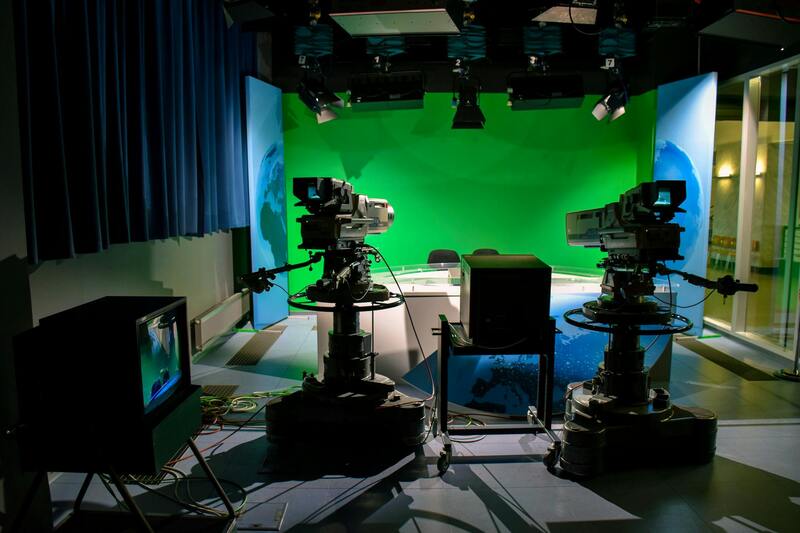
Streaming Platforms and Technologies
Choosing the right streaming platforms and technologies is fundamental to the success of remote live video production. The deployment of robust platforms ensures high-quality transmission with minimal latency, broad reach, and adaptive streaming capabilities. Popular options include cloud-based services that support multi-bitrate streams, enabling viewers to access content seamlessly across devices and network conditions. These platforms often furnish analytics, audience engagement tools, and content management features, making them indispensable for comprehensive production workflows.
Technologies such as SRT (Secure Reliable Transport) and WebRTC facilitate resilient video delivery over unpredictable networks, providing encryption and error correction. Integration with CDNs (Content Delivery Networks) distributes the broadcast efficiently worldwide, reducing buffering and improving user experience. Additionally, adaptive streaming technologies dynamically adjust video quality in real-time, accommodating varying internet speeds common in diverse Miami environments.
Advantages of Remote Live Video Production
This approach offers numerous benefits that drive its adoption across media, entertainment, and corporate sectors. Key advantages include:
- Cost Efficiency: Reduces travel, on-site staffing, and equipment expenses, making high-quality production accessible to a broader range of clients.
- Flexibility and Scalability: Easily scale productions up or down depending on project needs, without significant logistical hurdles.
- Enhanced Collaboration: Teams across different locations can coordinate seamlessly, leveraging cloud-based tools and remote operation software.
- Faster Turnaround: Real-time control and immediate troubleshooting lead to quicker broadcast preparation and execution.
- Broader Reach: Geographical limitations diminish, allowing Miami-based producers to stream content to global audiences effortlessly.
In sum, the strategic incorporation of remote workflows elevates production quality while offering operational advantages that traditional methods struggle to achieve, thus positioning Miami as a hub for innovative broadcasting solutions.
Integration of Remote Live Video Production into Traditional Broadcast Workflows
Seamlessly incorporating remote live video production into existing broadcast infrastructures involves strategic planning and technology integration. This process starts with evaluating the current setup to identify points where remote capabilities can enhance or replace conventional methods. For Miami-based production companies, leveraging cloud-based platforms and remote control systems enables real-time management of camera feeds, broadcasting hardware, and content distribution.
One effective approach is to implement hybrid workflows that combine on-site and remote operations. For example, some camera operators and directors can work remotely while essential technical staff remain onsite. This hybrid model offers increased flexibility and ensures critical functions such as signal integrity monitoring and live switching are maintained without interruption. Ensuring compatibility between remote control interfaces and existing equipment is vital, often requiring software upgrades or middleware solutions.

Implementing Secure and Reliable Signal Transmission
Secure and dependable signal transmission forms the backbone of remote live video production. Miami providers prioritize the use of high-bandwidth internet connections, dedicated fiber optic lines, and redundant network pathways to ensure continuous signal flow. Encryption protocols and VPNs are employed to safeguard content from unauthorized access, maintaining confidentiality across multiple locations.
In scenarios where internet stability is a concern, mesh networks and bonded internet solutions are utilized to aggregate multiple connections, providing load balancing and failover capacity. These technologies diminish latency and packet loss, critical factors in maintaining broadcast quality. It is also essential to conduct thorough network testing and establish contingency plans to address potential interruptions during live events.
Utilizing Cloud-Based Collaboration and Control Platforms
Cloud platforms have revolutionized remote live video production in Miami by enabling centralized control and real-time collaboration. These platforms allow directors, producers, and technical teams to access feeds, adjust settings, and make creative decisions from any location with internet access. Features such as multi-user permissions, live chat, and integrated logging facilitate smooth operations and immediate responsiveness.
Furthermore, cloud-based solutions support scalable workflows, accommodating varying production sizes from small events to large-scale broadcasts. They also enable remote contribution of graphics, overlays, and pre-recorded content, streamlining the process without the need for extensive on-site resources.
Implementing Quality Control and Monitoring Systems
Consistent quality assurance is critical in remote live video production. Miami companies often deploy remote monitoring tools that provide real-time analytics, video validation, and error detection. These systems alert operators to issues such as signal degradation, latency spikes, or audio inconsistencies, allowing for prompt intervention.
Setting up multiple monitoring points across different production segments enhances oversight and ensures comparable standards across locations. Such practices ensure that remote productions meet high quality expectations while minimizing the risk of on-air errors.
Training and Workforce Development for Remote Production
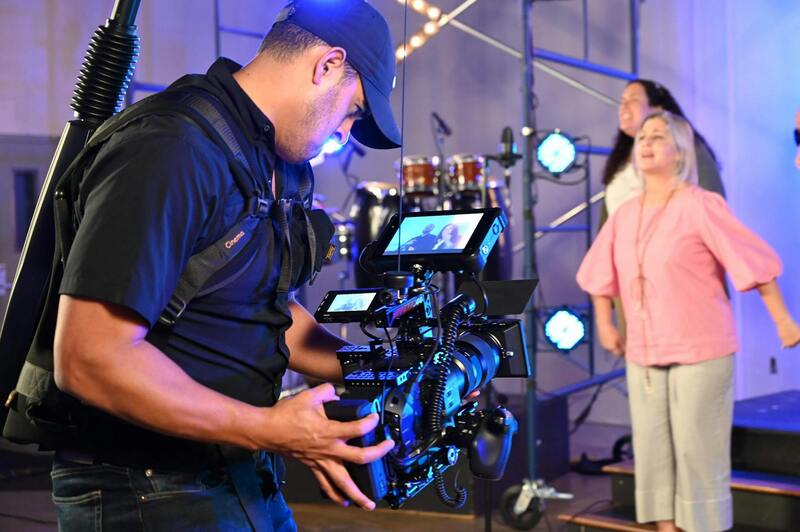
Effective implementation of remote live video production requires specialized skills and training. Miami production agencies invest in continuous education for their staff, focusing on remote operation software, network management, and troubleshooting protocols. Regular drills and simulations prepare teams to handle unexpected challenges swiftly and efficiently.
Developing a knowledgeable workforce also involves fostering familiarity with the latest industry standards, codecs, and streaming protocols. Cross-training personnel in multiple roles increases operational flexibility and ensures seamless production even if key team members are unavailable.
By prioritizing workforce competence, Miami providers sustain high-quality remote broadcasts and adapt swiftly to evolving technological landscapes.