Overview of Event Livestreaming Services
Event livestreaming services have transformed the landscape of live event broadcasting, enabling organizers to reach a global audience in real-time while maintaining high-quality visual and audio standards. These services encompass a range of technical solutions designed to transmit live footage via the internet, offering a seamless viewing experience for remote attendees. In the vibrant city of Miami, where a diverse array of events—from corporate conferences and cultural festivals to sports competitions and entertainment shows—are hosted regularly, the significance of professional livestreaming cannot be overstated. The core value of event livestreaming services lies in their ability to extend the reach and impact of an event beyond physical boundaries. Whether aiming to connect with participants who cannot attend in person or to maximize media exposure, businesses and organizations increasingly rely on high-caliber streaming solutions. These services ensure that live content is delivered with minimal latency, clear visuals, and crisp sound quality, which are essential for engaging audiences and maintaining the credibility of the event. Moreover, the importance of such services in Miami is heightened by its status as a hub for international events, multicultural festivals, and large-scale corporate gatherings. Effective livestreaming allows local event organizers to tap into broader markets, engage remote participants, and create lasting digital content. As the demand for reliable and professional livestreaming options continues to grow, understanding the fundamental role they play in the success of live events becomes vital for anyone looking to optimize their event strategy.
Key Features of Professional Livestreaming Services
When selecting a reputed event livestreaming provider in Miami, it is essential to understand the core features that define high-quality service. These features ensure the seamless transmission of live content, engaging the remote audience effectively and preserving the integrity of the event.
High-Definition Video and Audio Quality
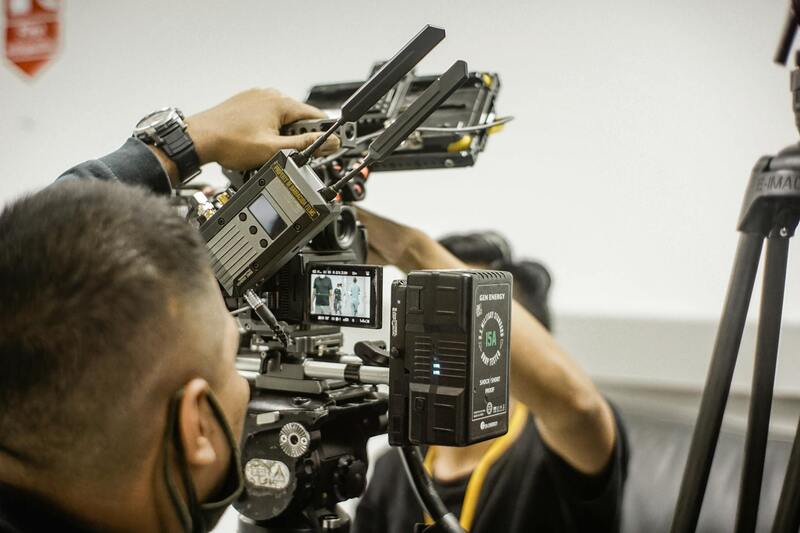
One of the primary attributes of professional livestreaming is delivering content in full HD or higher resolutions. Clear visuals, combined with balanced audio, create an immersive viewing experience. The integration of professional-grade equipment, such as high-definition cameras, multi-directional microphones, and audio mixers, guarantees crisp, vibrant images and sound that retain their quality across various devices and network conditions.
Multiple Streaming Platforms and Compatibility
Leading providers offer multi-platform streaming capabilities, extending the reach of an event by broadcasting on social media channels, dedicated websites, and streaming platforms simultaneously. Compatibility with a wide range of devices—smartphones, tablets, smart TVs—ensures a broad audience can access the content without restrictions.
Reliable Internet Connectivity and Backup Systems
Stream stability depends heavily on a robust internet connection. Professional services deploy dedicated bandwidth resources, dual internet lines, and backup systems to prevent interruptions. These measures are critical in Miami’s dynamic networking environment, where internet variability can impact live broadcast quality.
Real-Time Monitoring and Support
Continuous monitoring during an event allows technicians to identify and resolve issues proactively. Dedicated support teams are available before and during the live stream to address technical challenges swiftly, minimizing downtime and ensuring a smooth viewing experience.
Interactive Features for Audience Engagement
Advanced livestreaming solutions incorporate interactive tools, such as live chat, polling, and Q&A sessions. These features foster engagement and make remote viewers feel actively involved, which can be particularly valuable for conferences, corporate events, and educational webinars.
Post-Event Content Management
Reputable providers also facilitate the archiving and on-demand access of livestreamed content. Proper storage, editing options, and secure access controls allow organizers to maximize the longevity and usefulness of their event recordings.
Security and Privacy Measures
Especially for sensitive or proprietary events, security features such as encryption, password protection, and secure streaming servers are vital. These safeguards protect the content from unauthorized access and ensure compliance with various data protection standards.
Customization and Branding Options
To promote brand consistency, many services allow customization of the streaming interface with logos, graphics, and tailored overlays. This professional presentation reinforces branding efforts and enhances the overall viewer experience.
Technical Aspects and Equipment Needed
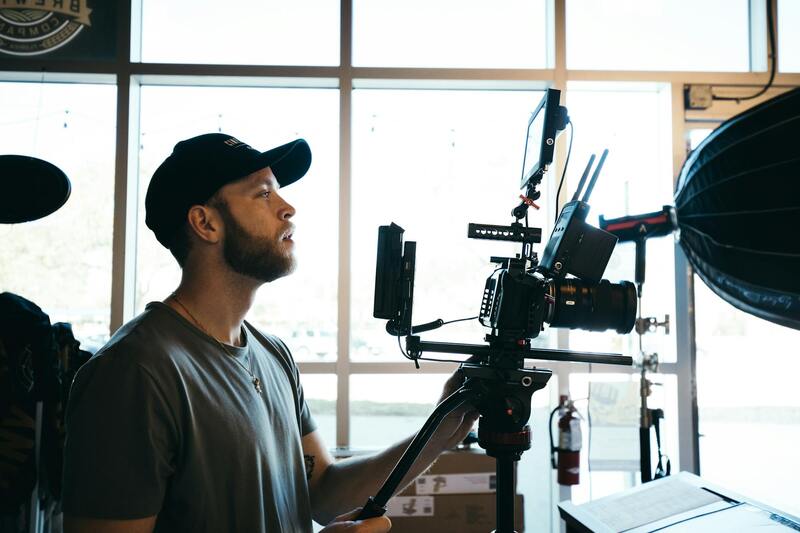
Executing a successful event livestream requires a combination of reliable technology and appropriate equipment. High-definition cameras are fundamental to delivering crisp, clear visuals that engage viewers and accurately showcase event details. Depending on the scale and complexity of the event, multiple cameras may be employed to offer varied angles, close-ups, and wide shots, providing a comprehensive viewing experience.
Professional audio equipment is equally essential to ensure that sound quality matches the high visual standards. Lavalier microphones, shotgun mics, and audio mixers contribute to crystal-clear audio, minimizing background noise and ensuring speakers are heard distinctly. Synchronizing sound with video feeds is critical, especially for multi-camera setups, to facilitate seamless viewing.
Streaming hardware, such as encoders, convert audio and video signals into digital data suitable for broadcasting over the internet. Hardware encoders offer robust, low-latency performance, which is especially beneficial for live events where timing is crucial.
Internet bandwidth plays a decisive role in maintaining stream stability. High-capacity, dedicated internet connections with sufficient upload speeds are necessary to prevent buffering and disconnections. Redundant internet solutions, such as backup connections, can serve as fail-safes in case of primary connection issues.
To optimize the quality and reliability of the live stream, auxiliary equipment like stabilizers, tripods, and lighting should also be considered. Proper lighting enhances video clarity and color accuracy, while stabilization gear prevents shaky footage. Preparing backup devices, including extra batteries, memory cards, and backup power supplies, ensures uninterrupted streaming even under unforeseen circumstances.
Cost Factors and Budget Considerations
The investment in event livestreaming services varies depending on several key factors. Basic packages, suitable for small-scale events or webinars, tend to be more affordable, often ranging from a few hundred to a couple of thousand dollars. These typically include essential streaming hardware and a single camera setup, with limited interactive features.
In contrast, larger or more complex events—such as festivals, conferences, or multi-day seminars—demand comprehensive service packages. These investment levels can escalate to several thousand dollars or more, reflecting the inclusion of multiple cameras, on-site technical support, advanced audio-visual equipment, and custom branding options.
Additional costs may accrue through supplementary features such as live chat integration, multiple streaming platforms, or post-event on-demand content hosting. It's important for organizers to consider these elements during budgeting to align with their expectations and achieve desired outcomes.
Service providers often offer tiered plans, enabling organizations to select the level of technical support and features that match their budget constraints. Some providers also provide consultation services to help tailor a solution that balances quality and costs effectively.
Technical Aspects and Equipment Needed
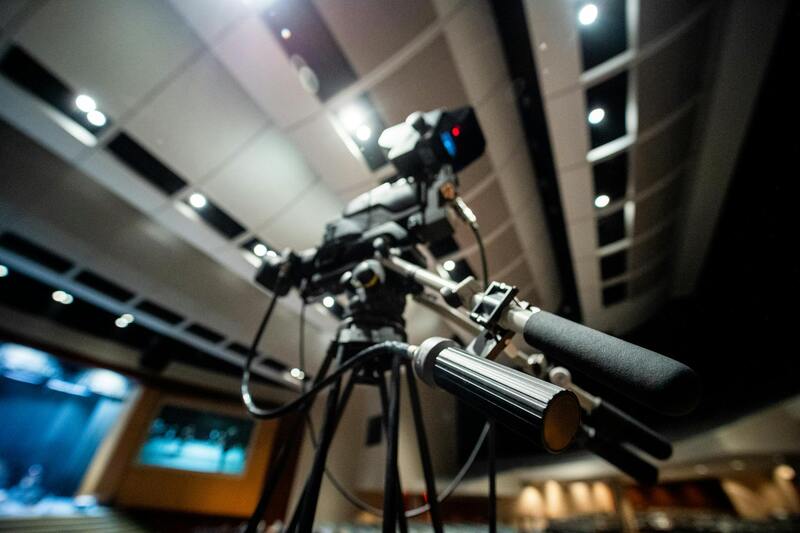
Ensuring a seamless live streaming experience requires a combination of high-quality equipment and a well-trained technical team. The core components typically include professional-grade cameras capable of capturing high-definition video, reliable encoders for transmitting the stream to various platforms, and robust audio systems to ensure clear sound quality. Depending on the event's scale, additional equipment such as multiple camera setups, teleprompters, and lighting enhancements may be necessary to deliver a polished production.
Preparation involves meticulous planning of camera angles, audio placement, and test runs to identify potential issues before the event begins. Technical personnel should be well-versed in operating broadcast hardware and troubleshooting real-time streaming challenges, which can include bandwidth fluctuations or equipment malfunctions.
Cost Factors and Budget Considerations
The overall expenditure on event livestreaming services is influenced by multiple variables, including event complexity, desired production quality, and the level of interactive features. Basic livestreaming packages, suitable for small conferences or webinars, usually cover essential streaming hardware, one or two cameras, and minimal post-production. Costs for these services typically range from a few hundred to a couple of thousand dollars, making them accessible for smaller organizations.
For larger or more intricate events—such as festivals, multi-day seminars, or corporate conventions—the required equipment and support escalate. These advanced packages often include multiple cameras, professional audio systems, on-site technical support staff, and branding overlays. Such comprehensive solutions can amount to several thousand dollars or more.
Additional expenses might include specialty services like live chat features, multi-platform streaming, or on-demand content hosting after the event. Budgeting wisely involves assessing which enhancements are aligned with your event goals and audience reach. Service providers often offer tiered plans that help organizations match their technical needs with financial considerations, balancing quality with costs.
Technical Aspects and Equipment Needed for Event Livestreaming
Executing a seamless event livestream depends heavily on the proper technical setup that guarantees clarity, stability, and a professional presentation. Central to this setup are high-quality cameras capable of capturing different angles and close-ups, which enhance viewer engagement and convey the event atmosphere effectively. Depending on the scale and nature of the event, broadcasters may utilize a single high-definition camera or a multi-camera configuration to provide dynamic perspectives. These cameras should support HD or 4K resolution to ensure crisp visuals that reflect the event's vibrancy.
Equally important is the internet bandwidth. A stable, high-speed internet connection is critical to prevent buffering, lag, or disconnections during live broadcasts. A dedicated fiber optic line or a robust wired Ethernet connection is preferred over Wi-Fi, which can be prone to interference and fluctuations. As a rule of thumb, upload speeds of at least 10 Mbps are recommended for HD streaming, with higher speeds required for higher resolutions or multiple simultaneous streams.
Encoding hardware is another vital element within a professional setup. This device compresses and transmits video signals from cameras to the streaming platform. Hardware encoders are favored over software-based solutions for their robustness and reduced latency, especially in complex event scenarios. Additionally, redundant equipment such as backup power supplies and secondary internet links help mitigate technical failures, ensuring uninterrupted broadcast flow.
Supplementing these core components are professional audio systems, including microphones and mixers, to provide clear sound. Audio quality is often overlooked but is equally crucial to viewer experience. Incorporating wireless microphones or lavalier mics allows speakers or performers to move freely without sacrificing sound quality.
Finally, a smooth workflow requires reliable monitoring systems; multiple screens and audio feedback tools enable operators to oversee the broadcast and troubleshoot issues swiftly. Real-time technical support during the event is strongly recommended to handle unforeseen challenges effectively.
Technical Aspects and Equipment Needed for High-Quality Event Livestreaming
Achieving a seamless live stream requires an integration of specialized equipment and meticulous technical planning. The core of a professional livestream setup begins with a reliable and high-bandwidth internet connection. Wired Ethernet connections, particularly dedicated fiber optics lines, are the preferred choice, as they minimize latency and fluctuations. For HD streaming, a minimum upload speed of 10 Mbps is essential, with higher bandwidth necessary when broadcasting at 4K resolution or managing multiple camera feeds simultaneously.
Encoding hardware acts as the bridge between the camera feed and the online platform. Hardware encoders are favored in professional environments because of their robustness, reduced latency, and ability to handle complex multiplexing tasks. Unlike software encoders, hardware solutions do not burden the computer’s processing power, allowing for smoother operation during high-demand events. Redundancy is also vital; employing backup encoders, secondary internet connections, and uninterruptible power supplies (UPS) ensures the broadcast continues uninterrupted despite technical hiccups.
Audio quality greatly influences viewer engagement. High-quality microphones—such as shotgun, lavalier, or wireless options—alongside mixing consoles, help deliver crisp and clear sound. Wireless microphones afford the freedom of movement for speakers or performers, enhancing the overall production value. Proper audio monitoring with headphones or speakers allows operators to detect and resolve sound issues promptly.
Supplementary monitoring tools are indispensable in managing a live broadcast. Multiple screens enable operators to observe different feeds, including video, audio levels, and chat interfaces, for comprehensive oversight. Feedback systems, such as audio meters and visual alerts, facilitate quick identification of potential problems. Additionally, real-time technical support from broadcast specialists ensures swift resolution of any unforeseen issues, safeguarding the event’s broadcast quality.
Beyond the core hardware, lighting setup and camera configurations also impact the effectiveness of the livestream. High-definition cameras with zoom capabilities, tripod support, and appropriate lighting setups contribute to visually engaging streams. Proper configuration ensures viewers receive a clear and professional viewing experience, matching the event's tone and scale.
Efficiently managing all these elements requires a well-coordinated workflow, often supported by broadcast software platforms that enable switching between camera angles, inserting graphics or overlays, and integrating live chat features. When combined with robust hardware, these tools form the foundation of a truly professional livestream that captivates audiences and delivers the event’s message effectively.
Legal and Permission Considerations
When hosting an event livestream, understanding the necessary permissions and rights is essential to ensure a seamless and responsible broadcast. Securing the appropriate licenses for music, videos, images, or any copyrighted content is vital to avoid interruptions or potential disputes. This involves obtaining synchronization rights for music, public performance rights for visual content, and license agreements from content owners when necessary.
Event organizers should also verify that all participants or subjects appearing on camera have consented to being recorded and broadcasted. This can be achieved through signed release forms that explicitly outline the scope of their participation, including how the footage will be used and distributed. Such agreements safeguard all parties and help maintain transparency regarding data handling and privacy.
Additionally, understanding local regulations related to online broadcasting within Miami and broader jurisdictional frameworks can influence how content must be managed. This includes adherence to privacy laws, privacy notices, and any specific signage or notifications required during the event to inform viewers or participants about recording practices.
It’s equally important to have a plan for emergency situations, such as content removal requests or legal notices. Establishing protocols for quickly addressing content issues, handling redirections, or pausing the stream ensures that the broadcast remains compliant throughout its duration. Regular consultations with legal advisors or experts in media rights can provide guidance customized to the specific nature and scope of the event.
Comprehensive Strategies for Managing and Enhancing Your Event Livestream
Monitoring and Managing the Live Stream Effectively
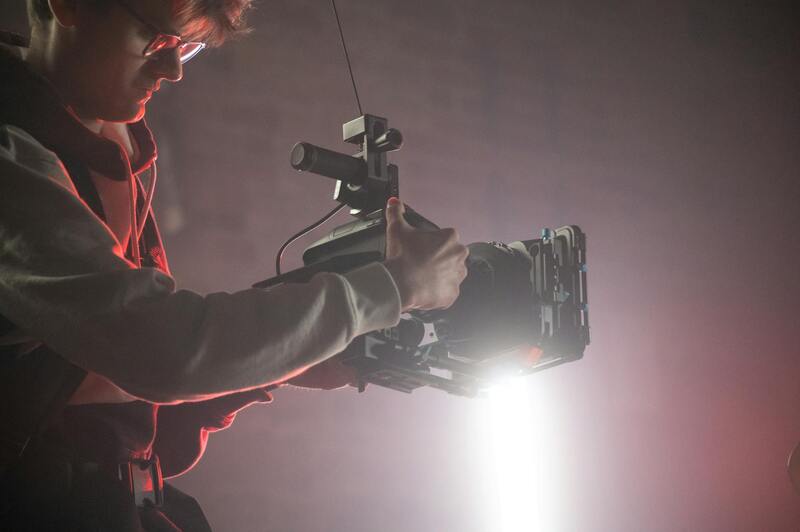
Maintaining an active watch over a live broadcast is essential to ensure a seamless experience for viewers and to respond promptly to any unforeseen issues. Utilizing dedicated control rooms or operator stations allows technicians to monitor video and audio quality, identify technical glitches, and make real-time adjustments. Infrastructure such as multi-view monitors provides comprehensive oversight of different camera feeds, enabling quick transitions and ensuring all camera angles are optimized for a dynamic viewer experience.
It's crucial to have a qualified team ready to troubleshoot common technical issues, such as connection drops, audio inconsistencies, or visual glitches. They should be equipped with the necessary tools to implement swift fixes, including backup internet connections, auxiliary camera feeds, and real-time audio mixers. Prompt responses to technical problems minimize disruptions, preserving the professionalism and engagement level of the broadcast.
Engaging Viewers and Promoting Interaction
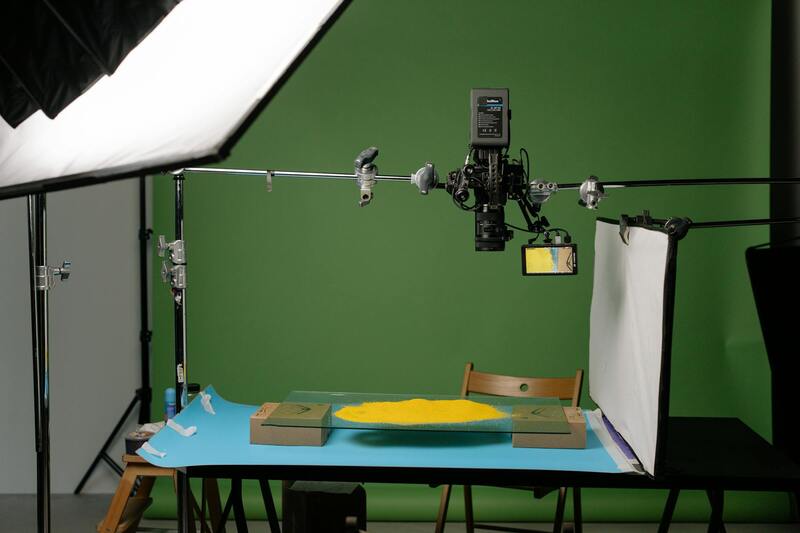
Incorporating interactive features enhances viewer engagement and creates a more memorable experience. Live chat functionalities, social media integrations, and real-time polls or Q&A sessions enable viewers to participate actively during the broadcast. These tools foster a sense of community and can provide immediate feedback, which is invaluable for event organizers seeking to gauge audience reactions and improve future streams.
For instance, dedicated moderators can oversee chat interactions to maintain respectful and productive conversations while highlighting viewer comments or questions for presenters to address live. Promoting the event across social media channels before and during the broadcast also increases reach and encourages participation from a broader audience. Consistent branding, hashtags, and call-to-action prompts further amplify audience interaction.
Post-Event Content Management and Archiving
After the live stream concludes, organizing and archiving the footage is crucial for future use. High-quality recordings allow for on-demand viewing, which can extend the event's lifespan and reach. Implementing a systematic workflow for editing, captioning, and metadata tagging enhances the discoverability of recorded content, benefiting marketing efforts and content distribution.
Security measures should be in place to protect archived footage from unauthorized access. Secure cloud storage or dedicated servers with access controls ensure that sensitive or proprietary content remains protected. Additionally, providing viewers with access to the recorded event through a dedicated portal or website can increase engagement and provide additional value to your audience.
Evaluating Performance and Gathering Feedback
Measuring the success of a livestream involves analyzing various metrics such as viewership numbers, engagement rates, and server performance logs. Analytics tools can offer insights into viewer demographics, peak traffic times, and drop-off points, informing improvements for future broadcasts. Soliciting direct feedback through surveys or post-event questionnaires provides qualitative insights into the viewer experience and highlights areas for enhancement.
Gathering comprehensive feedback enables event organizers to refine technical processes, content delivery, and interactive features, ultimately elevating the quality of subsequent livestreams. Detailed post-event reports also support marketing and sponsorship efforts by demonstrating reach and engagement levels to stakeholders.
Implementing these advanced management practices ensures not just a smooth live broadcast but a compelling digital experience that resonates with audiences long after the event concludes.