Understanding Live Video Production
Live video production is a dynamic process that involves the real-time creation and broadcast of video content. It combines technical expertise, creative storytelling, and strategic planning to deliver high-quality video streams during live events. This method ensures that audiences can experience an event as it unfolds, creating an immersive and engaging experience.
In the context of modern event broadcasting, live video production plays a pivotal role. It extends the reach of events beyond physical attendance, allowing viewers from different locations to participate virtually. For businesses, organizations, and individuals in Miami, live video production has become an essential tool for hosting webinars, concerts, corporate meetings, sports events, and community gatherings.
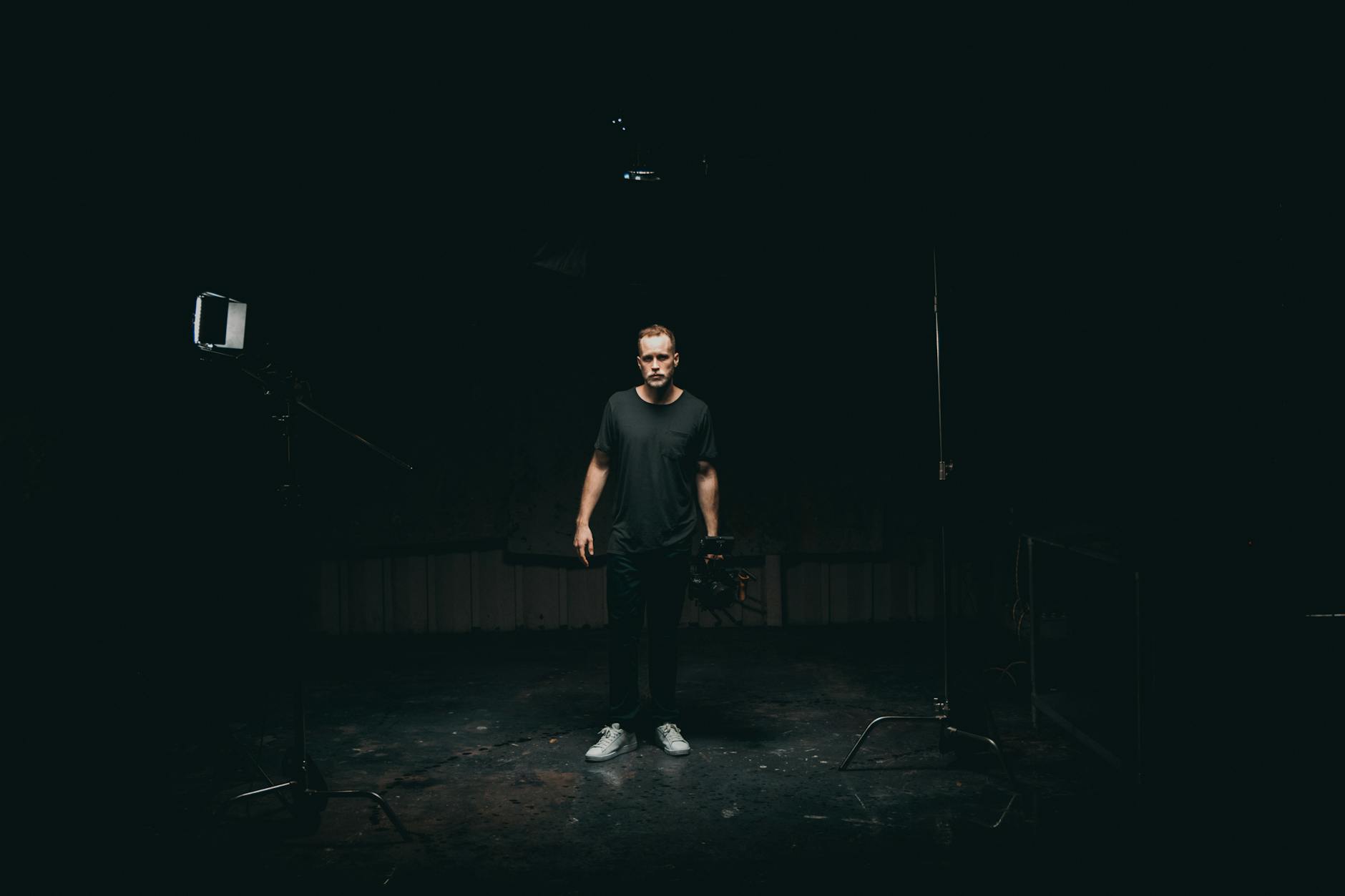
The significance of live video production is underscored by its capacity to deliver immediate content with minimal delay. It requires precise coordination among various technical components, including video cameras, audio equipment, streaming platforms, and transmission networks. The ability to adapt quickly to changing circumstances during live broadcasts is crucial, making expertise and experience indispensable in this field.
For Miami-based events, live video production offers an array of benefits. The city’s vibrant cultural scene, bustling business environment, and diverse community make it an ideal location for using live streaming as a medium for marketing, entertainment, and community engagement. Entrepreneurs and organizations leverage this technology to enhance visibility, foster real-time interaction, and expand their audience base far beyond physical boundaries.
In essence, understanding the fundamentals of live video production provides a foundation for appreciating its value and potential. Whether for capturing a corporate product launch, broadcasting a local concert, or streaming a community event, high-quality live video production ensures the message reaches its audience clearly and professionally, reinforcing credibility and engagement.
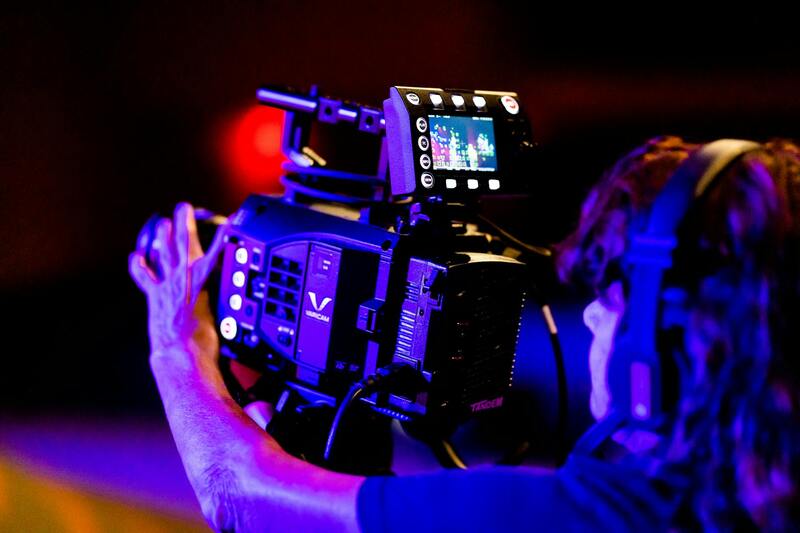
By investing in well-executed live video production, Miami organizations can significantly elevate their event reach, enhance audience interaction, and reinforce their reputation as innovative and forward-thinking entities. The process demands meticulous planning and execution, but the payoff includes extensive visibility and impactful communication that resonates long after the event concludes.
Key Elements of Live Video Production
Successful live video production hinges on several core components that collectively determine the quality and effectiveness of the broadcast. These elements encompass the technical equipment, skilled personnel, and advanced technology that work in harmony to deliver a professional live streaming experience.
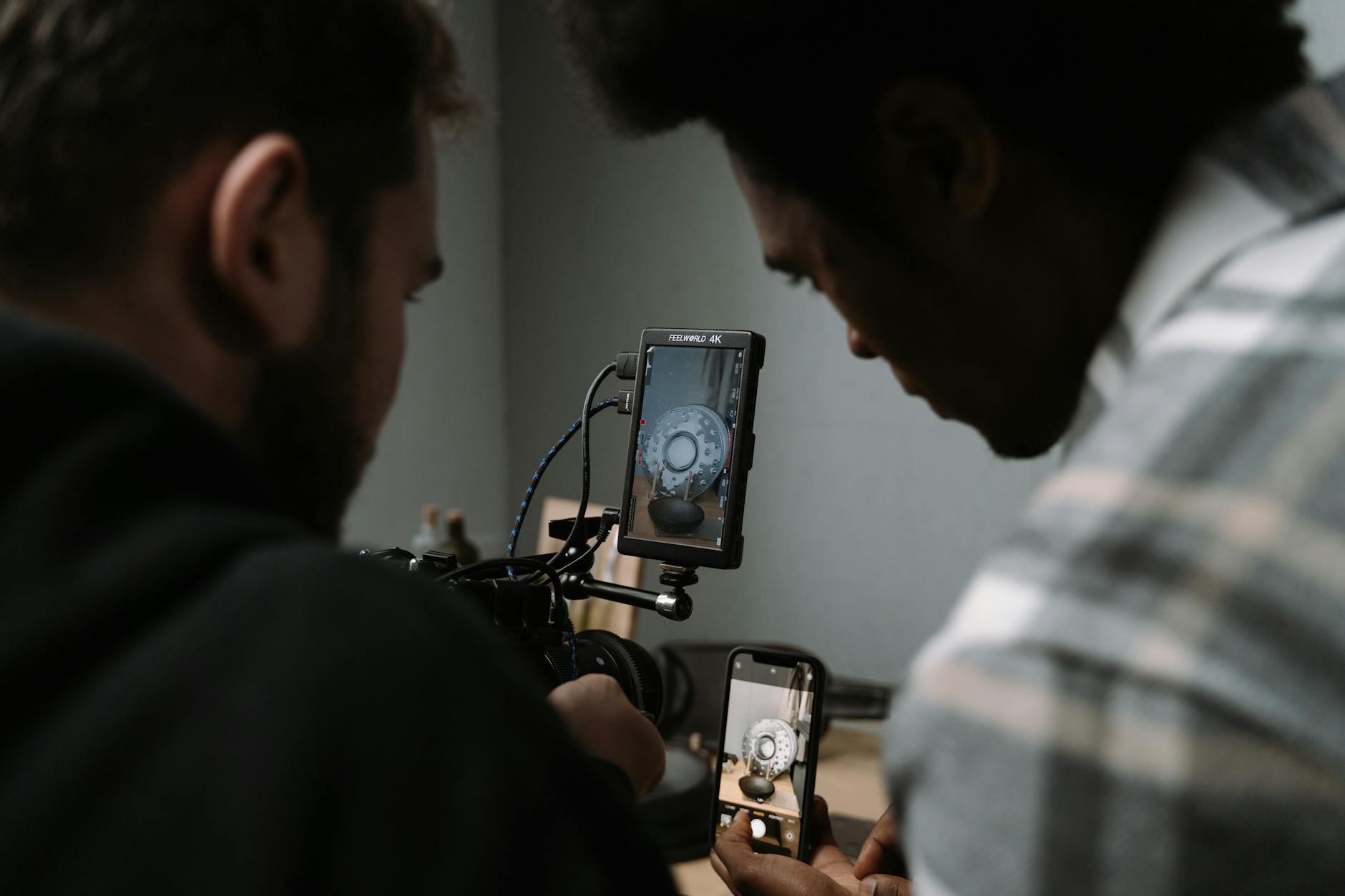
- Professional Camera Systems: High-definition cameras with secure mounts and versatile zoom capabilities capture crisp, detailed visuals. Multiple camera setups allow for dynamic shots, varied angles, and seamless transitions, which enhance viewer engagement.
- Audio Equipment: Clear sound is as crucial as visual quality. Lavalier microphones, shotgun mics, and audio mixers are used to capture and balance sound levels, ensuring dialogue, music, and ambient noise are broadcast without interference or distortion.
- Lighting Technology: Proper lighting setups ensure subjects are well-illuminated, reducing shadows and improving focus. LED panels and portable lighting systems are often used to adapt to different venues and settings.
- Streaming Hardware: Encoders, switchers, and broadcast servers convert raw video signals into a digital format suitable for live streaming. Reliable hardware ensures minimal latency and stable transmission during sessions.
- Internet Connectivity: A stable, high-bandwidth internet connection is fundamental to maintain consistent streaming without buffering. Backup connections and redundant systems are often employed to prevent disruptions.

Skilled Crew and Technological Expertise
The human element plays a vital role in live video production. Experienced camera operators, sound engineers, technical directors, and production managers work collaboratively to orchestrate each phase of the event, from setup to transmission. Their expertise allows for rapid troubleshooting, real-time adjustments, and the ability to capture the event’s energy authentically.
Moreover, familiarity with broadcast software and control interfaces facilitates efficient switching between camera feeds, overlay graphics, and live comments, creating an immersive experience for viewers. Advanced planning and clear communication among team members ensure each component functions harmoniously.
Workflow Management and Technical Coordination
Effective workflow management is essential for coordinating the various technical and logistical aspects of a live production. This includes pre-event rehearsals, equipment testing, and establishing communication protocols among crew members. During the event, a dedicated technical director oversees the live feed, ensuring synchrony and addressing unforeseen issues swiftly.
In Miami’s vibrant event landscape, integrating state-of-the-art technology with professional expertise guarantees that live productions are executed with precision, reflecting the high standards expected by clients and audiences alike.
Understanding Live Video Production
Live video production encompasses the entire process of creating real-time visual content that broadcasts directly to an audience through various platforms. It involves a complex integration of technical equipment, creative vision, and operational coordination to deliver seamless, engaging broadcasts. This format is increasingly preferred for its immediacy, interactivity, and reach, enabling organizations to connect authentically with their audience during important events, announcements, or product launches.
Central to successful live video production is the meticulous planning and execution of each phase. From initial concept development to technical setup, each step is designed to optimize viewer experience while maintaining high production standards. The incorporation of high-definition cameras, multi-source switching, professional audio, and reliable streaming platforms ensures high-quality output. Advanced encoding hardware and robust internet connectivity are critical to prevent disruptions and maintain broadcast continuity.
Key Elements of Live Video Production
Effective live video production relies on several fundamental components:
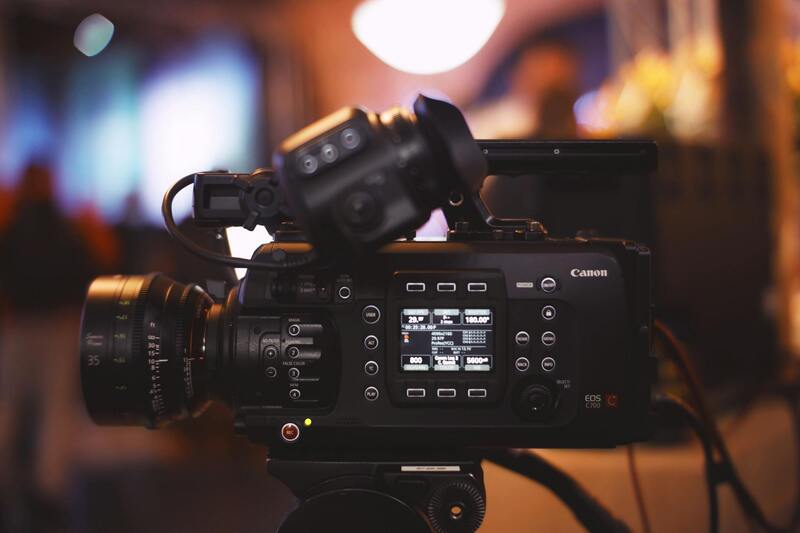
- Technical Infrastructure: High-quality cameras, switchers, audio interfaces, and streaming hardware form the backbone of the production setup. These components must be chosen based on the scale and scope of the event.
- Skilled Personnel: A team comprising camera operators, sound engineers, technical directors, and producers ensures each aspect of the broadcast is handled professionally. Their expertise allows for quick problem-solving and maintains the integrity of the broadcast.
- Pre-Production Planning: Detailed planning involves script development, shot lists, cue sheets, and technical rehearsals. Such preparation minimizes on-air issues and smooths the transition from setup to live execution.
- Streaming Platform Management: Selecting and configuring platforms like dedicated streaming servers or social media channels facilitates optimal delivery and viewer engagement, with attention paid to latency, bandwidth, and audience interaction.
- Communication Protocols: Constant communication among team members through headsets and intercom systems allows real-time coordination, ensuring cues are executed flawlessly and unforeseen issues are addressed swiftly.
Workflow Management and Technical Coordination
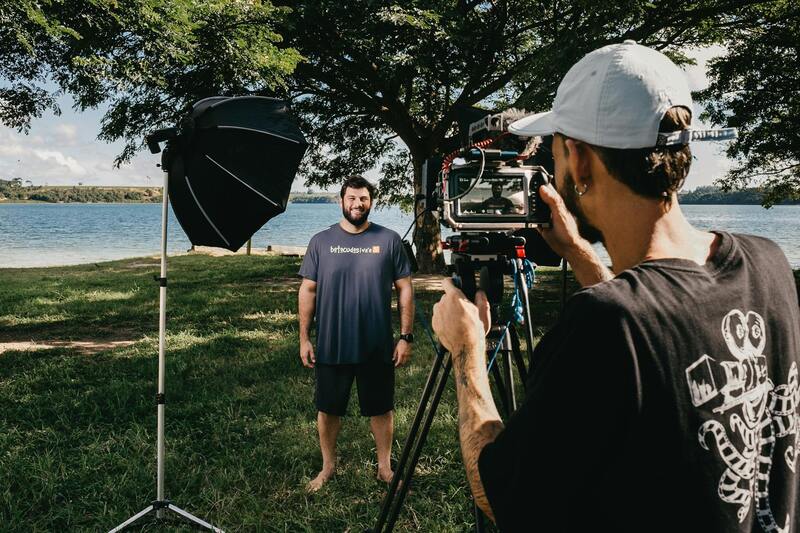
A robust workflow is vital to orchestrate the numerous technical and logistical facets of a live broadcast. This process begins with comprehensive pre-event rehearsals, which serve as critical opportunities to test equipment, rehearsal cues, and troubleshoot potential challenges. It continues through the event itself, where a dedicated technical director manages live feeds, overlays, and transitions, maintaining synchronization and quality control.
During the event, contingency plans are implemented to handle possible disruptions, such as equipment failure or connectivity issues. Advanced monitoring tools provide real-time feedback on stream health, enabling immediate adjustments to ensure a smooth broadcast. Effective workflow management fosters a collaborative environment among crew members, ensuring that each segment of the production aligns with the strategic objectives and creates an engaging viewer experience.
Advanced Techniques in Live Video Production
To elevate the quality and effectiveness of live video broadcasts, industry professionals employ advanced techniques that enhance visual appeal, engagement, and production efficiency. These methods include multi-camera setups, real-time graphics integration, and strategic camera work, all designed to create a dynamic viewing experience. Multi-camera configurations enable switching between different angles, providing viewers with varied perspectives and capturing important moments with precision. Utilizing dedicated hardware switchers or software-based control systems allows operators to seamlessly transition between feeds, overlays, and visual effects, maintaining a professional look throughout the event.

Real-time graphics and overlays are instrumental in providing context, branding, and interactive elements that keep viewers engaged. These visuals can include lower thirds, live scores, or branded animations that are synchronized with the broadcast timeline. Implementing these elements requires precision timing and reliable software tools capable of handling live data feeds without latency issues.
Another critical aspect is the use of professional audio mixing, which ensures clear sound quality and properly balanced audio levels. Incorporating directional microphones, wireless systems, and high-quality audio mixers guarantees that audio complements the visual content effectively. Additionally, employing distribution networks with low latency reduces lag and buffering, maintaining a seamless stream for remote audiences.
Effective Use of Live Streaming Platforms
Choosing the right streaming platform is vital in delivering content to the intended audience efficiently. Platforms like custom streaming servers, social media channels, or dedicated live streaming services each have their strengths. Custom servers offer greater control over stream quality and security, making them suitable for high-profile events or sensitive content. Social media platforms like Facebook Live, YouTube Live, or Instagram allow for quick accessibility and wide reach, essential for engaging communities in Miami. Integration with these platforms should be based on audience preferences and content goals to optimize reach and interaction.
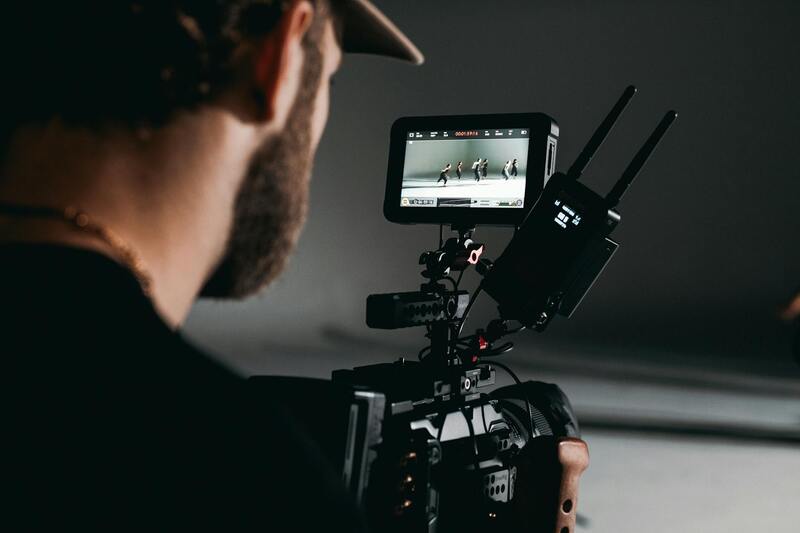
Technical considerations such as bandwidth capacity, stream stability, and scalability are fundamental when configuring the chosen platforms. Ensuring robust internet connections, backup streaming options, and appropriate encoding settings help prevent interruptions. Additionally, leveraging analytics tools provided by streaming platforms allows broadcasters to monitor viewer engagement, identify peak moments, and make real-time adjustments to enhance the overall viewing experience.
Crisis Management and Troubleshooting Strategies
Despite meticulous planning, technical issues can occasionally arise during live production. Establishing comprehensive contingency plans is essential to mitigate these risks. Common preventative measures include redundant hardware setups, such as secondary cameras and audio sources, alongside backup internet connections to handle connectivity failures. Pre-event testing is critical to identify potential weaknesses and address them proactively.
Real-time troubleshooting requires a dedicated team monitoring the stream’s health via monitoring tools that provide instant feedback on latency, packet loss, and stream stability. When issues occur, quick response teams should be ready to switch feeds, restart equipment, or switch to backup systems without disrupting the broadcast. Clear communication protocols among crew members ensure that responses are coordinated and efficient, minimizing viewer impact and maintaining broadcast integrity.
Ensuring a Secure and Compliant Broadcast Environment
Maintaining security in live video production involves encrypting streams, controlling access to content, and implementing authentication measures for crew members and viewers. This safeguards proprietary content, especially during sensitive events or corporate broadcasts. Compliance with relevant regulations regarding data protection and content rights is crucial, with clear guidelines in place for handling copyrighted material, licensing, and viewer privacy.
Regular audits and security assessments help identify vulnerabilities within the production environment. Employing cybersecurity protocols and updated software ensures that live streams are protected against malicious interference or unauthorized access, fostering trust with clients and audiences alike.
Understanding Live Video Production
Live video production is a sophisticated process that transforms a series of raw elements — such as video feeds, audio signals, graphics, and overlays — into a seamless, engaging broadcast delivered in real-time. This process demands precision, coordination, and advanced technology to ensure high-quality delivery that aligns with the intended message or event. Live production is utilized across a broad spectrum of industries and applications, including corporate events, sports, concerts, religious services, and public announcements, making it a vital component for organizations seeking to reach audiences instantly and interactively.
Key Elements of Live Video Production
Effective live video production hinges on several core components that work together to produce a professional broadcast:
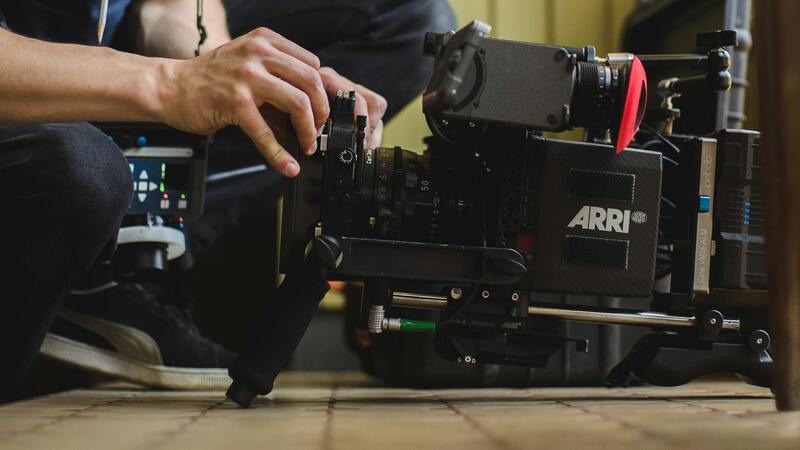
- Video Capture: High-definition cameras are employed to capture visuals from various angles, ensuring a dynamic and engaging viewing experience. Camera operators must be skilled in framing, focus, and movement to adapt to the live environment.
- Audio Management: Clear, balanced audio is crucial. This involves mixing multiple audio sources, such as microphones, background music, and pre-recorded soundtracks, with real-time adjustments to maintain audio clarity and prevent feedback or distortion.
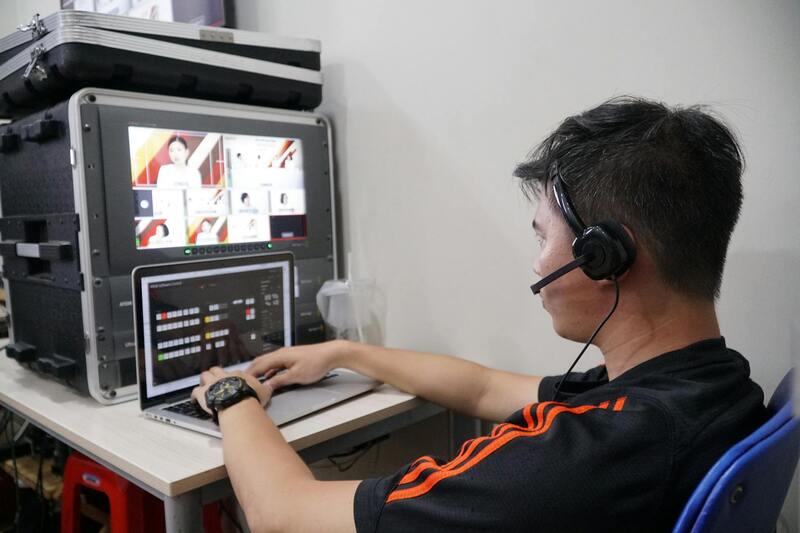
- Switching and Graphics: Video switchers allow the producer to seamlessly transition between cameras, add live graphics or overlays, and incorporate pre-recorded video segments. Visual elements should enhance the content without distracting from the primary message.
- Streaming Infrastructure: Robust and reliable internet connections, streaming encoders, and content delivery networks (CDNs) facilitate the distribution of the live feed to audiences across different platforms and devices. Adequate bandwidth and redundancy are essential to prevent interruptions.
- Monitoring and Troubleshooting: Continuous real-time monitoring of the stream's health is vital. Dedicated operators track latency, packet loss, and stream integrity, enabling instant correction of issues to maintain broadcast quality.
Types of Live Video Productions
Live video production can vary significantly based on scope, scale, and purpose. Common types include:
- Event Live Streaming: Streaming conferences, seminars, and community events in real-time to reach a broader audience beyond physical attendees.
- Corporate Broadcasts: Live product launches, shareholder meetings, or internal communications that require a polished presentation with branded graphics and professional production standards.
- Sports and Entertainment: Broadcasting sports games, concerts, or theatrical performances with high energy and multiple camera angles to enhance viewer engagement.
- Religious Services and Ceremonies: Providing virtual access to faith gatherings or ceremonies, often integrating multimedia elements to enrich the experience.
- News and Journalism: Covering live reports, breaking news, or interviews with immediacy and journalistic integrity.
Planning and Pre-Production
Meticulous planning during the pre-production phase forms the foundation of any successful live video project. This includes defining objectives, identifying targeted audiences, and establishing key messaging. Creating a detailed production plan involves coordinating technical requirements, scripting, and rehearsals to anticipate potential challenges. Equipment checks, stakeholder coordination, and contingency plans are devised to address unforeseen issues that may arise during the live event.
Technical rehearsals allow the crew to refine camera angles, test audio levels, and verify streaming stability. Developing an explicit cue sheet ensures seamless scene transitions, graphics integration, and timing synchronization. Critical to this phase is understanding the venue's layout, available lighting, and acoustics to adapt the production plan accordingly. Additionally, compliance with platform specifications for streaming, as well as preparing backup systems, helps mitigate risks of technical failures, ensuring a smooth broadcast.
Implementing Professional Live Video Production Techniques
Executing a high-quality live video production requires meticulous adherence to established professional methods. Technical precision, seamless execution, and effective communication among crew members are paramount to delivering an engaging live broadcast. One of the cornerstones of top-tier live video production is comprehensive on-site setup, which includes calibrating camera equipment, optimizing sound systems, and ensuring stable streaming connections. Proper camera placement and movement are essential to capturing the best angles, creating dynamic visuals that hold viewers' attention. Employing multiple camera operators allows for shot variety and smooth scene transitions, enriching the storytelling process.
Audio clarity is another critical element that directly impacts viewer experience. Real-time monitoring ensures that microphone levels are optimized, background noise is minimized, and sound balance between sources is maintained. Incorporating professional audio mixing with noise gates, equalization, and dynamic range control results in a polished broadcast. In addition, the integration of overlays, graphics, and lower-thirds can enhance communication of key messages, event branding, or participant introductions, provided these elements are synchronized accurately with live action.
Maintaining a reliable streaming infrastructure is vital. This often involves using dedicated, high-bandwidth internet connections and redundant streaming paths to prevent interruptions. Utilizing hardware encoders or professional broadcasting software ensures optimal compression and video quality, while low latency streaming technology allows viewers to experience real-time events without perceptible delays.
Real-time communication between technical staff, directors, and on-air talent plays a significant role in adapting to live production challenges. A designated director manages scene changes, camera switches, and on-screen graphics, guided by a detailed cue sheet. Meanwhile, crew members continually monitor stream health, audio levels, and camera angles, ready to troubleshoot issues instantly. Adopting a structured backup plan, including secondary hardware and alternative internet sources, mitigates the risk of technical failures disrupting the broadcast.
Advanced Technologies Enhancing Live Video Production
Emerging technological innovations are elevating the standards of live video production. The integration of 4K Ultra HD cameras provides sharper and more detailed visuals, ideal for high-profile events where visual fidelity commands attention. Live switching hardware combined with virtual sets and augmented reality overlays enables more immersive experiences that captivate audiences. WebRTC and cloud-based production solutions facilitate remote collaboration among geographically dispersed teams, streamlining workflows and reducing setup time.
Moreover, real-time audience engagement tools, such as live chat integration and interactive polls, can foster viewer participation. These features require swift moderation and seamless embedding within the broadcast for maximum impact. As streaming platforms update their specifications, staying informed about recommended codecs, bit rates, and platform-specific features ensures compatibility and optimal viewing quality.
Ongoing staff training and staying abreast with technological advancements are essential for continuous improvement. Practical training sessions, industry seminars, and equipment familiarization help the crew to operate efficiently under live conditions. Regular maintenance checks, software updates, and familiarity with emerging tools contribute to a robust production environment capable of handling diverse event requirements.
Understanding Live Video Production
Live video production involves the process of capturing, editing, and broadcasting video content in real-time. This method allows organizations to reach audiences instantly, creating immediate interaction and engagement. Whether for corporate events, product launches, concerts, or conferences, live video production bridges the gap between hosts and viewers, offering a dynamic platform for communication. It requires a blend of specialized equipment, skilled personnel, and meticulous planning to ensure seamless transmission without interruptions. Embracing live video production enables brands and businesses in Miami to showcase their offerings with authenticity and immediacy, fostering trust and expanding their market presence.
Key Elements of Live Video Production
The success of a live broadcast hinges on several core components that work cohesively to deliver a polished event. These include:
- Video Equipment: High-definition cameras, switching hardware, and audio gear ensure clear visuals and sound.
- Production Crew: Skilled operators manage camera angles, lighting, sound, and streaming control.
- Streaming Platform: Reliable channels for content delivery, optimized for large audiences and varying devices.
- Communication Systems: Efficient intercoms and feedback mechanisms enable real-time coordination among team members.
- Backup Systems: Redundant hardware and internet connections to prevent disruptions during live events.
Types of Live Video Productions
Different productions serve varied purposes, each with specific technical and logistical requirements. The primary types include:
- Corporate Events: Including product launches, shareholder meetings, and seminars, requiring professional presentation quality.
- Conferences and Webinars: Often involve multiple speakers, interactive Q&A, and screen sharing, emphasizing clarity and audience engagement.
- Live Concerts and Performances: Emphasize audiovisual fidelity and synchronized lighting, often supported by multi-camera setups.
- Sports Events: Demand high frame rates, instant replays, and multi-angle coverage to satisfy viewer excitement and detail.
- Religious Services and Community Gatherings: Focus on accessibility and fostering inclusive participation across large, dispersed audiences.
Planning and Pre-Production
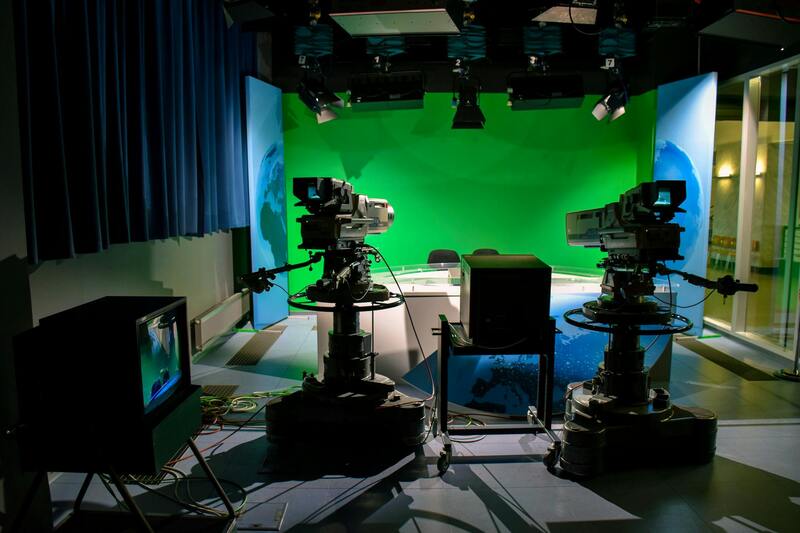
Effective live video production begins long before the cameras start rolling. Pre-production involves comprehensive planning to address all aspects of the event. This starts with defining the event’s objectives, target audience, and desired outcomes. Developing a detailed script or run sheet helps coordinate timing and key messages. Selecting the appropriate equipment and confirming the availability of necessary technical resources is essential. This also includes determining the best camera angles, shot compositions, and visual branding elements to enhance the broadcast’s professionalism.
Additionally, logistical considerations such as venue setup, lighting, sound checks, and internet connectivity are crucial. Coordination with performers, speakers, and technical staff prior to the event ensures everyone understands their roles and responsibilities. In this phase, security measures and contingency planning should also be addressed for potential technical failures or unforeseen circumstances, maintaining the integrity of the live broadcast.
Execution of Live Video Production
During the live event, real-time coordination is vital. The production team monitors the live feed continuously, making instantaneous adjustments to camera angles, audio levels, and visuals as needed. A skilled director or producer manages camera switching, overlays, graphics, and live commentary if applicable. The broadcast must be synchronized with the event timeline, ensuring transitions are smooth and branding elements appear at the appropriate moments.
Technical oversight includes managing internet bandwidth, backup systems, and latency issues. In some cases, multiple camera feeds are switched dynamically to showcase different perspectives, enhancing viewer engagement. Audience interaction features like live chat or polls can be integrated, but these require moderation and technical support to ensure seamless operation. Throughout the event, clear communication among team members is imperative to resolve any issues swiftly and maintain broadcast quality.
Post-Production and Distribution
After the live broadcast concludes, the recording undergoes post-production for dissemination across various channels. Editing may involve trimming segments, adding graphics, captions, or highlight reels to enhance the content's impact. This process ensures that the final media output aligns with branding standards and messaging goals.
Distribution strategies focus on maximizing reach through multiple platforms such as social media, websites, or proprietary streaming services. Captions, descriptions, and metadata optimize discoverability and viewer engagement. Analytics tools can provide insights into viewer behavior and interaction levels, informing future live productions. Repurposing recordings into on-demand content allows organizations to extend their message's lifespan and increase overall engagement.
Choosing a Live Video Production Agency in Miami
When selecting a live video production partner in Miami, organizations should prioritize agencies with proven expertise in managing complex broadcasts and a deep understanding of local dynamics. A seasoned agency will possess a comprehensive toolkit that encompasses high-definition cameras, professional audio equipment, and reliable streaming hardware, ensuring that every live event maintains high quality and consistent performance.
Experience is a critical criterion. Agencies with a track record of successful live productions for various industries—whether corporate events, concerts, sports, or community gatherings—are better positioned to anticipate and mitigate potential challenges. Their familiarity with Miami’s unique event landscape allows them to tailor solutions that resonate with local audiences and adhere to regional regulations and standards.
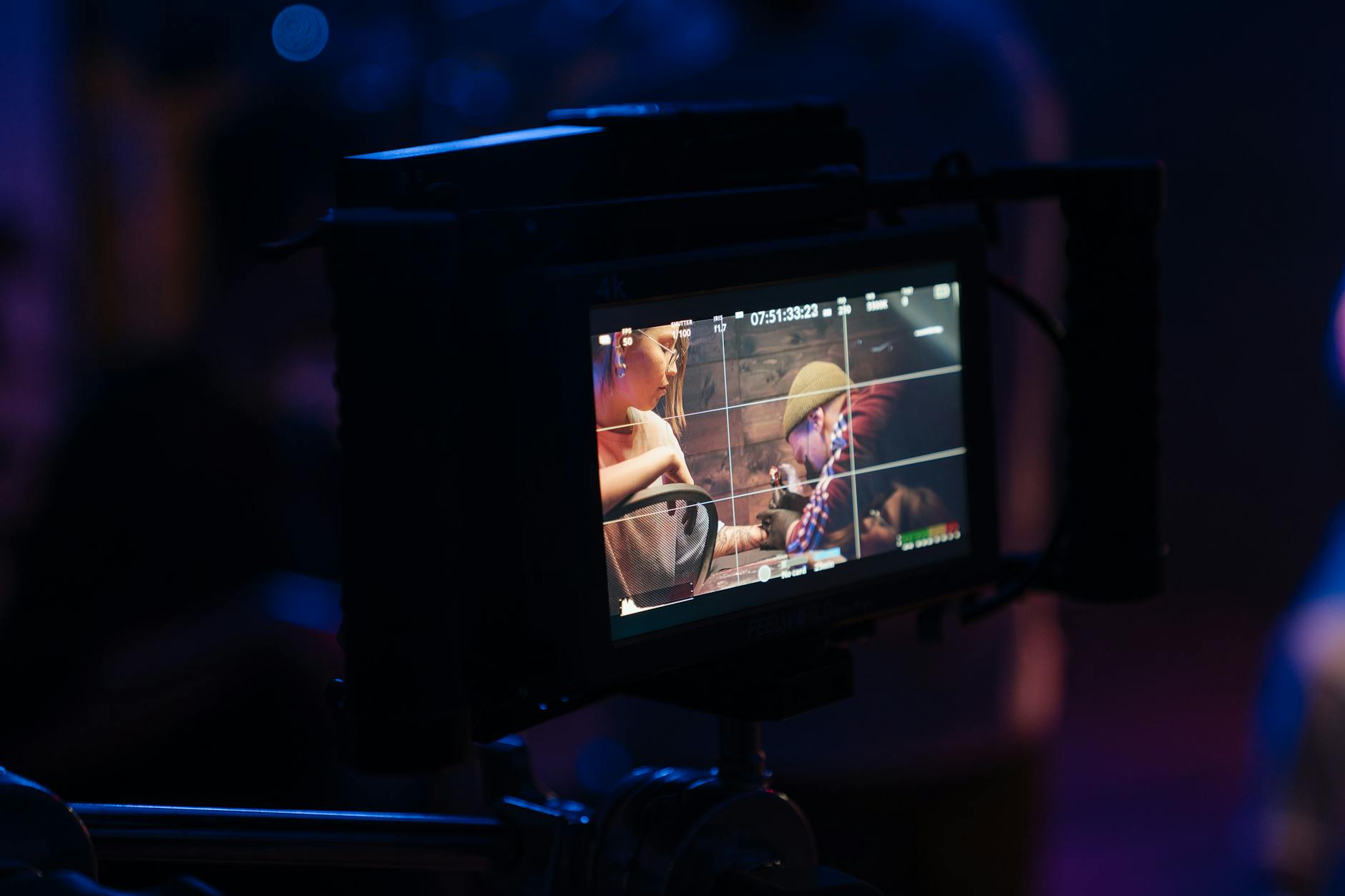
Technology capabilities are equally essential. The ideal agency will utilize cutting-edge equipment, including multiple camera setups, professional-grade switchers, and robust streaming infrastructure. This ensures seamless transitions, dynamic perspectives, and stable video delivery, even under challenging conditions. Additionally, proficiency with various streaming platforms and content distribution channels allows for flexible dissemination strategies that maximize reach and engagement.
Understanding the specific needs of Miami-based clients is vital. An agency familiar with local venues, technical crews, and audience preferences can customize live production workflows effectively. They should also have expertise in coordinating with venue staff, managing permits, and ensuring compliance with regional technical standards.
Beyond technical skills, effective communication and project management are indispensable qualities. The chosen agency should provide clear timelines, transparent quoting, and detailed planning to keep all stakeholders informed and aligned. Ongoing consultation during pre-production ensures that the final broadcast aligns with branding objectives, messaging, and audience expectations.
In today’s digital age, the importance of data analytics and post-broadcast support cannot be overstated. Robust reporting on viewer metrics helps clients understand engagement levels, peak viewing times, and content effectiveness, guiding future live video strategies. A trustworthy live video production company also offers post-event editing and content repurposing services, extending the value of the broadcast beyond the live moment.
Ultimately, partnering with a Miami-based live video production agency that combines technical excellence, local insight, and strategic support empowers organizations to deliver compelling and professional live broadcasts that resonate with their target audiences and elevate their brand presence in the competitive Miami market.