Overview of Event Live Streaming Services
Event live streaming services have revolutionized the way live gatherings, conferences, and entertainment events are conducted and experienced. By broadcasting live content over the internet, organizers can reach a broader audience beyond physical attendees, transcending geographical limitations. In Miami—a vibrant hub of cultural, corporate, and social events—the demand for professional live streaming has surged, driven by the desire to maximize event exposure and engagement.
Live streaming encompasses a spectrum of event types, including corporate meetings, concerts, festivals, seminars, and sports competitions. These services enable seamless, real-time transmission of high-quality video and audio, ensuring remote viewers experience as close to the actual event as possible. They facilitate interactive elements such as live chat, Q&A sessions, and polls, which increase attendee interaction and satisfaction.
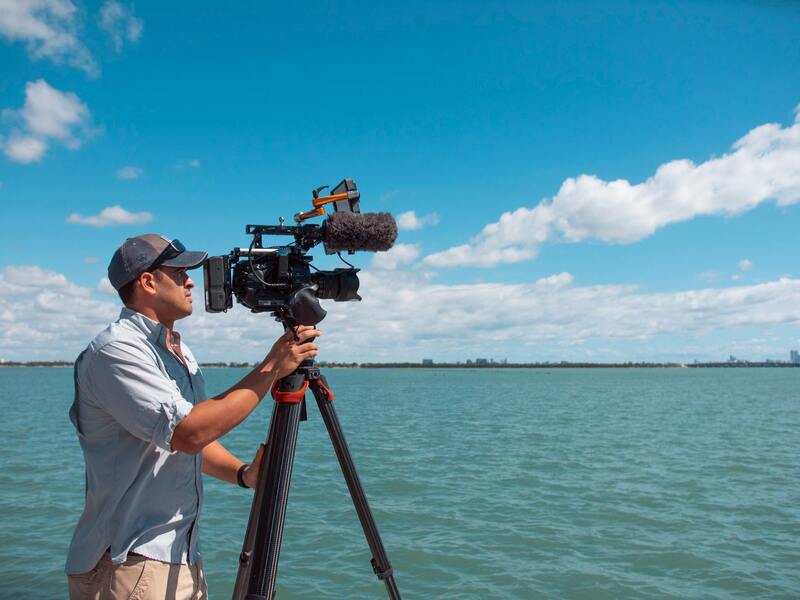
In the Miami context, live streaming services are particularly valuable for event organizers aiming to amplify their visibility in a competitive market. Whether showcasing a glamorous gala, a business expo, or a community festival, these solutions help broadcast the event’s energy and importance to a nationwide or even international audience. This not only enhances attendance but also creates ongoing engagement through post-event content and social media sharing.
Implementing reliable and professional live streaming solutions involves more than just broadcasting video. It requires a comprehensive understanding of the technical infrastructure, content delivery methods, and audience interaction tools. High production quality and stability during the live broadcast are essential to captivate viewers and maintain a brand’s reputation.
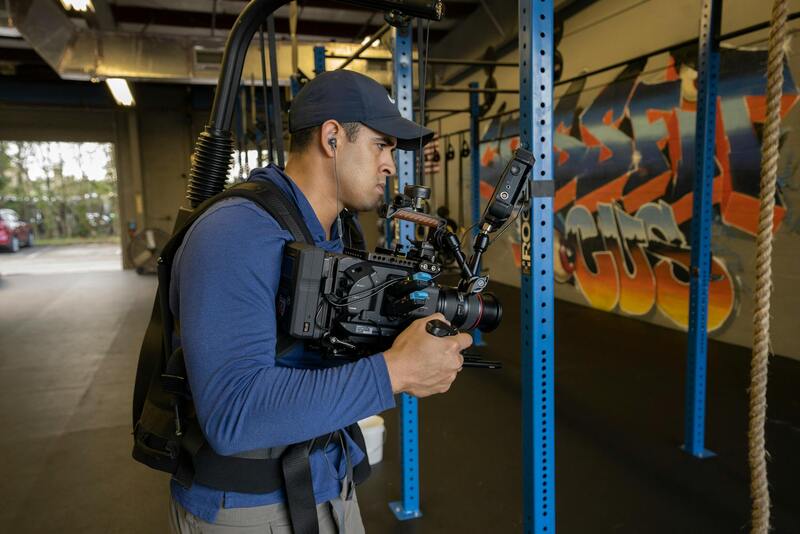
For organizers in Miami, leveraging state-of-the-art live streaming services has become crucial to stay competitive and ensure their events resonate across digital platforms. This integration of technology and event planning guarantees that audiences, regardless of physical location, experience the event as if they were there in person, fostering increased interest, participation, and lasting impressions.
Important Equipment and Technical Requirements
To ensure a seamless and impactful live streaming experience for Miami events, it is vital to utilize the right technical equipment and infrastructure. High-definition cameras are the backbone of quality streams; typically, professional-grade camcorders or PTZ (pan-tilt-zoom) cameras with high resolution and low-latency capabilities are used. Multiple cameras enable dynamic shot compositions, switching angles quickly to capture different aspects of the event, whether close-ups of speakers, wide shots of the audience, or detailed views of demonstrations.
Reliable audio equipment is equally crucial. Professional microphones, such as lavalier mics for speakers or shotgun mics for stage ambience, ensure crisp sound quality. Incorporating audio mixing consoles allows sound levels to be balanced meticulously, preventing distortions or inaudibility, which can detract from viewer engagement.
Streaming hardware, including encoding devices or software encoders, transmits the video feed to streaming platforms. Hardware encoders are preferred for high stability and low latency, especially during large-scale Miami events with complex production setups. These devices convert the incoming video signals into digital formats compatible with streaming protocols.
Bandwidth considerations are also paramount. A dedicated internet connection with sufficient upload speeds—often in the range of 10 Mbps or higher—is required to prevent buffering or interruptions. For larger audiences or live interactive segments, internet redundancy using backup connections ensures continuous streaming even if primary links experience issues.
Additional accessories, such as lighting rigs, stabilizers, and large-format displays for real-time monitoring, contribute to the overall production quality. Ensuring all equipment is properly set up and tested beforehand minimizes technical disruptions during the actual event.
Lastly, integrating reliable content delivery networks (CDNs) helps distribute the stream efficiently to viewers across Miami and beyond. CDNs optimize data transmission, reduce latency, and handle high traffic volumes, ensuring a smooth viewing experience regardless of audience size.
Overview of Event Live Streaming Services
Event live streaming services have revolutionized the way organizations in Miami broadcast their gatherings, providing real-time content delivery to audiences both onsite and remote. These services encompass a broad spectrum of providers, from dedicated production houses to specialized software platforms that enable seamless transmission of live video feeds. Miami's dynamic event scene, ranging from corporate conferences to cultural festivals, relies heavily on these services to maximize reach and engagement. High-quality live streaming ensures that viewers experience events as if they were there physically, capturing every detail with clarity and professionalism. Whether hosting a small seminar or a large public concert, selecting an appropriate live streaming service is critical to achieving the desired audience impact, ensuring the content is delivered without interruption and with optimal quality.
Key Features of Professional Live Streaming Solutions
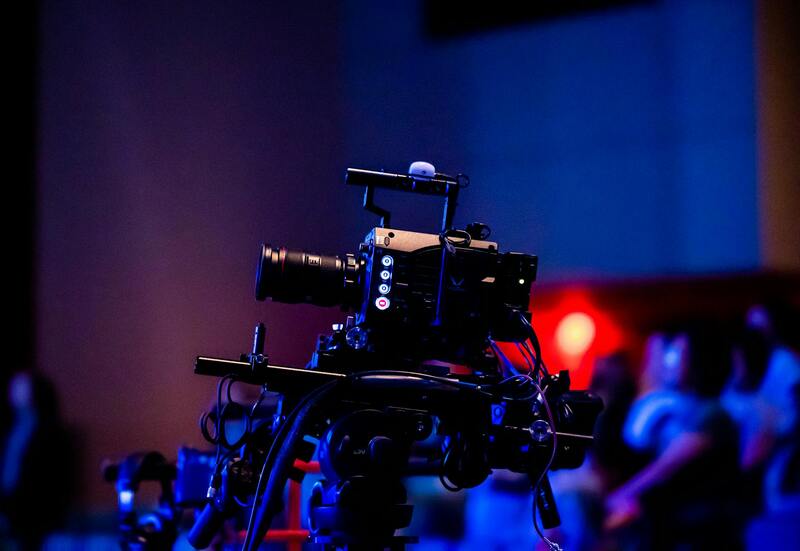
Professional live streaming solutions distinguished by features that enhance the viewer experience and streamline production workflows. Central to these solutions is the use of robust encoding hardware or software that transmits high-fidelity audio-visual signals reliably. Advanced streaming solutions offer multi-camera setups, enabling dynamic angles and on-the-fly switching for a cinematic presentation. Low latency transmission is another vital feature, reducing delays between the event and online viewers, which is essential for interactive segments or Q&A sessions. Integration with social media platforms and custom branding options allow hosts to tailor the viewer interface, increasing engagement and visibility.
- High-Resolution Video: Support for 1080p or 4K streaming ensures crisp visuals regardless of the device used to view the stream.
- Adaptive Bitrate Streaming: Automatically adjusts video quality based on viewer internet speed, preventing buffering and ensuring smooth playback.
- Multi-Platform Compatibility: Seamless streaming across various platforms such as YouTube, Facebook Live, and custom websites.
- Real-Time Analytics: Insights into viewer engagement, geographic distribution, and peak viewing times help refine future broadcasts.
- Content Security: Features like authentication, encryption, and access control protect sensitive content and manage audience access.
Choosing a Live Streaming Platform for Events
When considering platforms for Miami events, focus on their scalability and adaptability to event size and complexity. Platforms should support high concurrent viewers, provide easy-to-use interfaces for organizers, and integrate with existing event management tools. Reliability is crucial; platforms with a proven uptime record and robust infrastructure minimize disruptions. Compatibility with various devices—smartphones, tablets, desktops—is essential for reaching a diverse Miami audience. Additionally, features such as real-time chat, polls, and viewer interaction tools heighten engagement, making the stream more immersive. Evaluation of streaming service providers includes assessing their customer support responsiveness and the availability of technical assistance during live events. Choosing the right platform hinges on balancing these technical capabilities with budget considerations and the event's specific communication goals.
Important Equipment and Technical Requirements
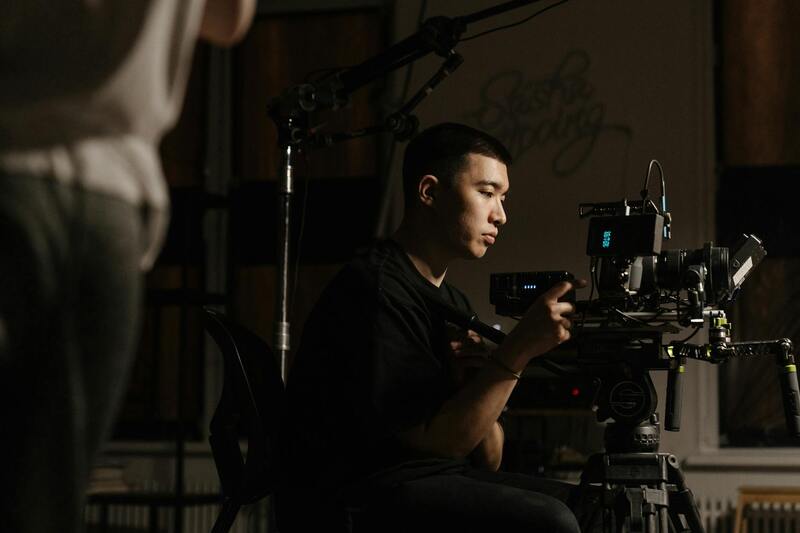
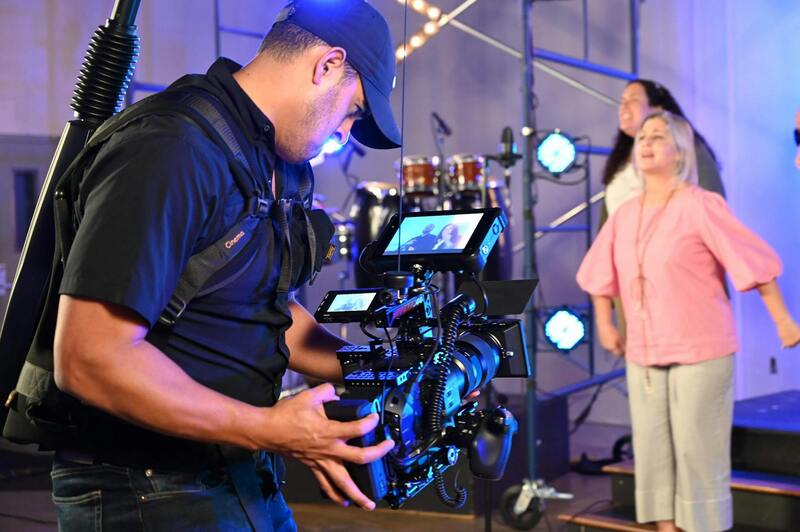
To ensure a polished and professional Miami event broadcast, certain equipment and technical standards must be met. High-definition cameras, professional audio mixers, lavalier or shotgun microphones, and high-quality lighting rigs are foundational components. Reliable internet connectivity is paramount; dedicated, high-bandwidth connections with redundancy safeguards are necessary to prevent interruptions. Streaming hardware encoders bridge the gap between production equipment and the internet, converting signals into the required streaming protocol. For larger, complex events, multiple encoders and a dedicated technical team coordinate the setup. Monitoring tools, such as large-format monitors or streaming dashboards, allow technical personnel to oversee the live feed and troubleshoot issues swiftly.
Professional Production Strategies for Event Streaming
Successful streaming of Miami events depends on meticulous planning and execution. Pre-event rehearsals help test equipment, verify signal quality, and finalize camera angles. Establishing a clear production schedule minimizes delays and technical hitches. Incorporating multiple camera angles provides visual diversity, keeping viewers engaged. Live switching between feeds, integrated graphics, and overlays enhances professionalism. Sound quality must be prioritized through expert audio mixing and noise reduction. Streaming teams should implement redundancy protocols, such as backup internet connections and secondary encoders, to maintain broadcast stability. Post-event, detailed analytics and viewership data inform future strategies, enabling organizers to refine their technology setup and content delivery methods.
Important Equipment and Technical Requirements
Implementing a successful event live streaming service relies heavily on the deployment of high-quality hardware and reliable software solutions. Essential components include professional-grade cameras capable of capturing high-definition video from various angles to provide a dynamic experience that mirrors in-person attendance. These cameras should support multiple outputs, enabling seamless switching between different views during the broadcast. Complementing the video equipment, high-quality microphones are crucial for capturing clear audio, especially in larger venues where ambient noise may be significant.
Encoding hardware or software is vital for converting raw audio-visual signals into a digital format suitable for streaming. Hardware encoders are typically preferred for their robustness and low latency, especially during high-profile or large-scale events. Sophisticated streaming software may also be employed on powerful computers to manage multiple feeds, overlays, and graphics in real-time. Reliable internet connectivity is an indispensable requirement, with dedicated dedicated bandwidth and backup connections to mitigate potential disruptions. The use of fiber-optic internet lines or bonded cellular networks can enhance stability for live broadcasts.
In addition to core hardware, a suite of essential software tools includes live switching software, streaming dashboards, and analytics platforms. These tools facilitate real-time management of the content, display overlays, and monitor stream health. Modern streaming platforms support adaptive bitrate streaming, ensuring viewers receive the best possible quality based on their internet speeds. To maximize stream quality, organizers should invest in quality infrastructure, including high-speed routers, signal processors, and backup power supplies to prevent outages.
Professional Production Strategies for Event Streaming
Effective event streaming requires precision, coordination, and advanced planning. Establishing a comprehensive production plan before the event ensures all equipment and personnel are prepared. Multiple camera angles enhance the viewing experience, providing variety and maintaining viewer engagement; angles can include wide shots, close-ups, and specialty cameras such as drones or stabilized rigs.
Live switching between feeds enables broadcast teams to craft a polished presentation, adding overlays like lower thirds, event branding, and real-time graphics. These visual elements elevate the production, making it more engaging and professional. Clear audio is equally important, requiring experienced audio engineers to manage sound mixing and reduce ambient noise, ensuring that speakers and performers are heard clearly.
Implementing redundancy measures is critical for uninterrupted streaming. This includes backup internet connections—such as cellular or satellite links—and secondary encoders that can take over if primary equipment fails. Real-time monitoring tools provide immediate insight into stream health, allowing the technical team to detect and address issues promptly. Conducting thorough rehearsals prior to the event helps identify potential challenges, verify equipment compatibility, and refine the workflow.
Important Equipment and Technical Requirements
When conducting a professional event live stream, the selection and configuration of equipment play a crucial role in delivering a seamless viewing experience. High-quality video production begins with choosing the right cameras, which should offer excellent resolution, Frame Rate, and low-light performance to ensure clear visuals under varying lighting conditions. Multiple camera setups—including wide-angle shots, close-ups, and specialty cameras—allow for dynamic presentations that keep viewers engaged.
Audio clarity is equally essential, necessitating professional-grade microphones and sound mixing consoles. Wireless and wired microphones can be strategically positioned to capture both audience reactions and on-stage audio. Investing in high-definition audio mixers helps manage multiple sound sources, ensuring consistent volume levels and reducing background noise.
Reliable streaming hardware includes encoders—either hardware or software-based—that compress and transmit the video feed efficiently. Modern encoders support multiple streaming protocols, adaptive bitrate streaming, and real-time analytics to monitor stream health. Backup systems, including secondary encoders and redundant internet connections, safeguard against technical failures during the broadcast.
In addition, a robust network infrastructure is fundamental. This entails high-bandwidth internet connections with low latency, typically using fiber-optic services. For venues where wired connections are impractical, cellular bonding solutions aggregate multiple cellular data streams to ensure continuous connectivity. Routers and switches are configured to prioritize stream traffic and prevent interference, which is crucial for maintaining a stable broadcast.
Environment considerations such as proper lighting, soundproofing, and controlled conditions also influence equipment choices. Proper lighting enhances video quality, while soundproofing minimizes external noise interference. Additionally, implementing a control room setup facilitates real-time management of multiple video feeds, graphics, overlays, and audio sources, providing a cohesive and professional broadcast.
Technical personnel responsible for the live stream must be trained in operating this equipment efficiently. Pre-event tests and rehearsals are vital to identify potential issues, ensure all components work harmoniously, and make adjustments as needed. This proactive approach minimizes unexpected disruptions during the actual event.
Implementing Offsite Viewing Options
Expanding the accessibility of your event through offsite viewing options can significantly increase attendance and viewer engagement. By utilizing secure streaming portals, dedicated websites, or dedicated mobile apps, organizers can provide seamless access to live broadcasts without requiring physical presence. These platforms often incorporate user authentication, enabling controlled access for ticketed viewers or members. Additionally, integrating chat or social media features fosters interaction, creating a more engaging virtual experience. When deploying these options, it's crucial to ensure that the streaming infrastructure supports scalable bandwidth to accommodate large audiences, maintaining smooth playback and minimal buffering.
Utilizing Interactive Features for Audience Engagement
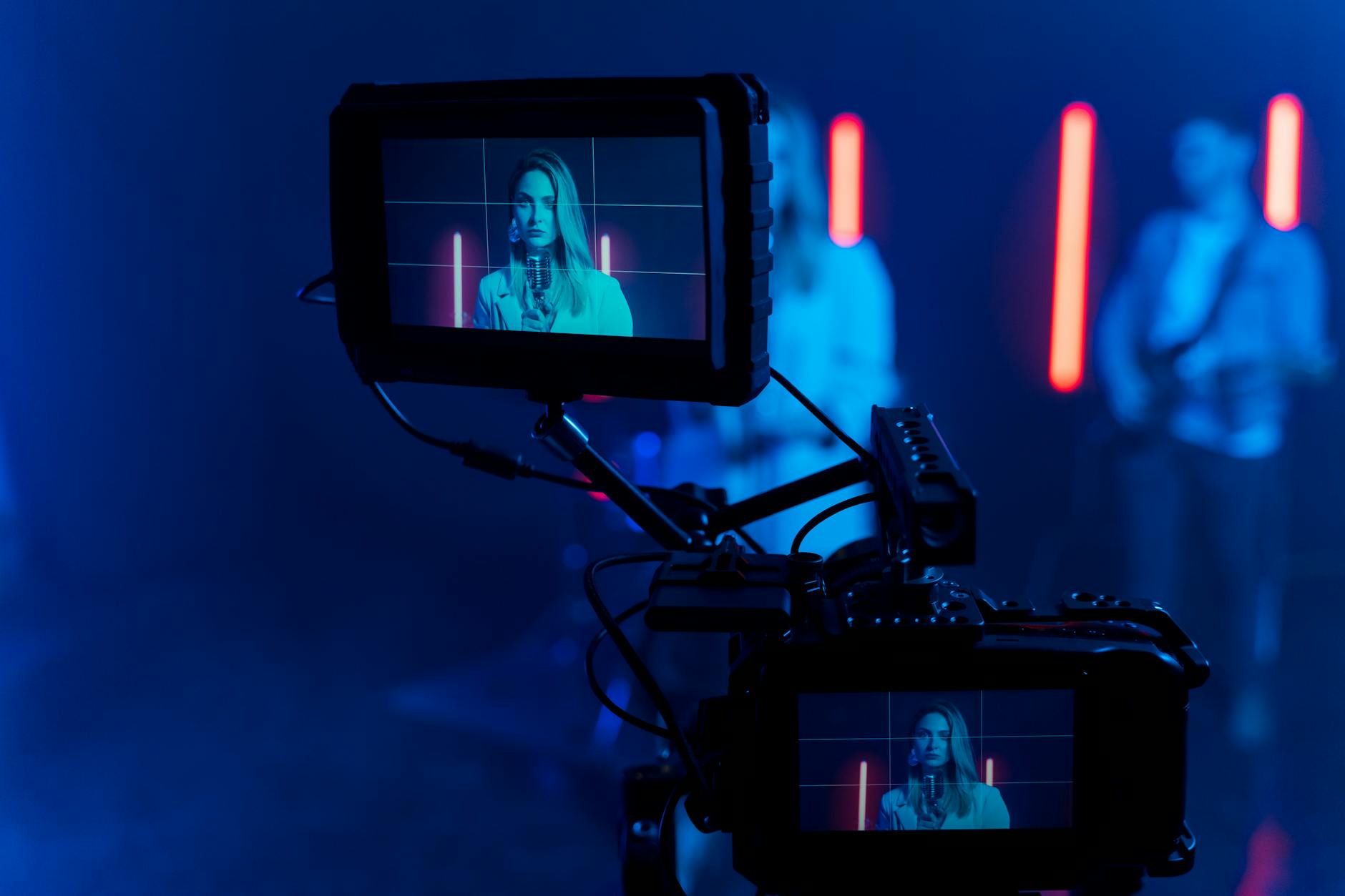
Engagement is a key component of a successful live streaming event. Incorporating interactive features such as live Q&A sessions, polling, and real-time chat enhances audience participation. These tools can be integrated directly into the streaming platform or through social media channels linked to the event. Real-time analytics provide insights into viewer behavior, preferences, and engagement levels. This data can inform ongoing event adjustments and improve future broadcasts. High-quality graphics, overlays, and real-time subtitles further enhance viewer experience by providing additional context and clarity.
Post-Event Content and On-Demand Access
Capturing the live broadcast allows for the creation of on-demand content that extends the event’s reach beyond the live experience. Recorded streams can be edited, segmented, and shared across various digital platforms to maximize exposure. Offering on-demand access also benefits attendees who could not tune in live, turning the event into a versatile multimedia asset. Proper management of digital rights and permissions is essential when distributing recorded content, ensuring compliance with content guidelines and respecting intellectual property rights.
Streaming Quality and Performance Optimization
Maintaining high streaming quality is vital for viewer retention and satisfaction. Adaptive bitrate streaming dynamically adjusts video quality based on the viewer’s internet speed, preventing buffering and interruptions. Continuous monitoring of stream health through advanced analytics helps identify and resolve issues proactively. Establishing a content delivery network (CDN) ensures efficient distribution of the live stream across different geographic locations, reducing latency and improving load times. Regular pre-event testing, including load simulations, allows technical teams to assess the infrastructure's capacity and make necessary adjustments.
Security Measures for Live Streaming Events
Securing live broadcasts is essential to safeguard proprietary content and attendee privacy. Implementing encrypted streams and secure access controls helps prevent unauthorized viewing or content theft. Digital rights management (DRM) systems further protect sensitive media. Monitoring tools enable real-time detection of suspicious activity or potential security breaches. When integrating third-party components, ensuring they are compliant with security standards is crucial. A comprehensive security strategy minimizes risks associated with cyber threats, unauthorized redistribution, and data breaches, safeguarding the integrity of the event and maintaining trust among participants.
Important Equipment and Technical Requirements
Integrating professional-grade equipment is fundamental to delivering high-quality live streaming experiences. Essential hardware includes high-definition cameras capable of capturing comprehensive visuals from multiple angles, ensuring viewers enjoy a dynamic and engaging broadcast. Video switchers and mixers facilitate seamless transitions between camera feeds, enabling smooth production flow. Audio equipment, such as lavalier microphones, shotgun mics, and mixing consoles, guarantees clear sound clarity crucial for capturing speech, music, and ambient noises.
Beyond capturing live content, robust encoding hardware is necessary to compress the video streams efficiently for online transmission. Professional encoders support various streaming protocols and resolutions, allowing tailored broadcasts for different viewer devices and bandwidth conditions. Redundant internet connections, including wired and wireless setups, are vital to prevent disruptions; utilizing bonded internet connections combines multiple sources to enhance stability.
In addition to hardware, a reliable local network infrastructure is critical. Installation of high-speed routers, switches, and network security measures ensures fast data transmission and minimizes latency. Power backup systems, such as uninterruptible power supplies (UPS), protect against power interruptions that could disrupt the stream. It is also important to maintain a dedicated technical team trained in operating and troubleshooting this professional equipment to respond swiftly to any unforeseen issues during the event.
Technical Planning and Pre-Event Setup
Thorough pre-event technical rehearsals help identify potential equipment conflicts and operational challenges. Establishing a clear setup plan, complete with equipment calibration and test streams, ensures all systems work harmoniously. This process involves verifying camera positioning, audio levels, encoding settings, and internet stability. Detailed contingency plans should be drafted to address possible technical failures, such as equipment malfunction or internet connectivity drops, ensuring minimal disruption to the live broadcast.
Enhanced Strategies and Best Practices for Professional Event Live Streaming
Optimizing Interactivity and Viewer Engagement
To elevate the viewer experience, integrating interactive features within the live stream can significantly boost engagement. Features such as live Q&A sessions, real-time polling, chat functionalities, and social media integrations provide viewers with diverse avenues to participate actively. Implementing these elements not only fosters a sense of community but also encourages viewers to share the event across their networks, broadening the broadcast’s reach.
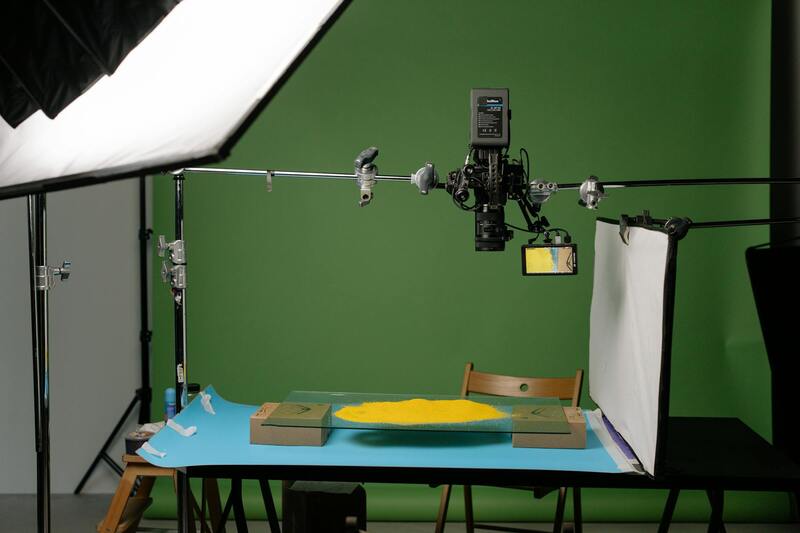
Furthermore, incorporating multi-camera angles and dynamic video switching allows for a more immersive visual experience. Skilled production crews can utilize switching equipment to provide close-ups, wide shots, and feature-focused views that keep the broadcast lively and visually interesting. This approach demands advanced video mixing hardware and well-coordinated technical teams to ensure seamless transitions and quality presentation.
Monitoring and Analytics During Live Broadcasts
Real-time monitoring tools are essential for tracking stream health, viewer metrics, and performance issues. Utilizing analytics platforms can provide insights into viewer demographics, engagement levels, and geographic distribution. These metrics enable producers to make immediate adjustments — such as stream bit-rate modifications or camera shot changes — to optimize the broadcast in response to live data. Post-event analysis further helps identify successful strategies and areas for improvement, guiding future streaming projects.
Post-Event Content Management and On-Demand Access
Offered live streaming solutions should encompass comprehensive content management capabilities. After the live broadcast concludes, creating high-quality on-demand versions of the event allows viewers to access content at their convenience. Proper archiving, metadata tagging, and easy-to-navigate digital platforms ensure that recorded event footage remains available for long-term viewing, boosting the overall value and reach of the streamed content.

Technical Support and Disaster Recovery Planning
Reliable technical support is critical during live events. Dedicated engineers should be on standby to troubleshoot issues such as audio glitches, camera feed interruptions, or encoding failures. Setting up redundant systems — like backup servers and alternative internet connections — minimizes risks related to unforeseen technical difficulties. A detailed disaster recovery plan, including predefined procedures for rapid response and fallback options, ensures that the event can continue smoothly despite potential setbacks.
Post-Event Follow-Up and Feedback Collection
Gathering audience feedback through surveys or follow-up communications provides valuable insights into viewer satisfaction, content quality, and technical performance. Analyzing this data aids in refining streaming strategies, equipment choices, and content presentation for future events. Active engagement with viewers after the broadcast also fosters loyalty and encourages repeat viewership in subsequent streaming projects.
Leveraging Data for Future Event Planning
By thoroughly analyzing data collected during live streams, organizers can identify peak engagement times, preferred content segments, and audience demographics. This information directs targeted marketing efforts, content customization, and platform selection for upcoming events. Data-driven planning ensures that future live streams are aligned with viewer preferences, maximizing impact and attendance.