Understanding Live Event Video Production
Live event video production is a specialized service that captures, enhances, and broadcasts events in real-time, ensuring audiences outside the venue experience the event with clarity and impact. From large-scale concerts and sports events to corporate conferences and festivals, this process involves a complex combination of technical skills, strategic planning, and high-quality equipment to produce seamless live streams and recordings. The primary goal is to deliver high-definition video content that maintains the essence and energy of the event, resonating with viewers regardless of their location.
The foundation of effective live event video production lies in meticulous planning and coordination. Professionals in this field assess the venue, event requirements, and audience expectations to develop a comprehensive production plan. This plan includes determining optimal camera placements, audio setup, lighting requirements, and transmission methods to ensure a stable and visually compelling live broadcast. Attention to detail in these preparatory stages directly impacts the final quality of the broadcast, making it essential for ensuring the event’s success.
A proficient live event video production company not only focuses on technical execution but also on storytelling. They aim to capture key moments, emotions, and interactions that define the event, delivering content that is engaging for remote viewers. This involves real-time editing, multi-camera synchronization, and live switching to create a dynamic viewing experience. The ability to adapt quickly to unexpected challenges—such as technical issues or changes in the schedule—is a testament to the expertise of seasoned production teams.
Effective live streaming has become a vital component of event management as organizations seek to reach broader audiences without geographical limitations. High-quality live broadcasts enhance visibility, boost brand recognition, and foster a sense of community among participants and remote audiences. With an increase in digital engagement, partnering with a reputable live event video production company ensures that each event is captured professionally, broadcast reliably, and remembered for its visual excellence.
Importance of Location and Venue Considerations
Examining the venue is a crucial step that influences every aspect of live event video production. The physical environment where the event takes place impacts equipment setup, camera positioning, and overall video quality. For instance, spacious venues with high ceilings and ample lighting options provide optimal conditions for high-definition recordings and live streaming. Conversely, smaller or acoustically challenging venues may require additional soundproofing, lighting adjustments, or specialized camera work to ensure clarity and visual appeal.
Understanding the venue layout helps production teams plan for cable management, power supply, and access points for equipment placement. It also aids in determining suitable angles for multi-camera setups, ensuring all key moments and interactions are captured seamlessly. When working with a live event video production company, it’s essential to conduct a venue walkthrough beforehand to identify potential obstacles, such as limited lighting, poor acoustics, or restricted space, which could affect the broadcast quality.
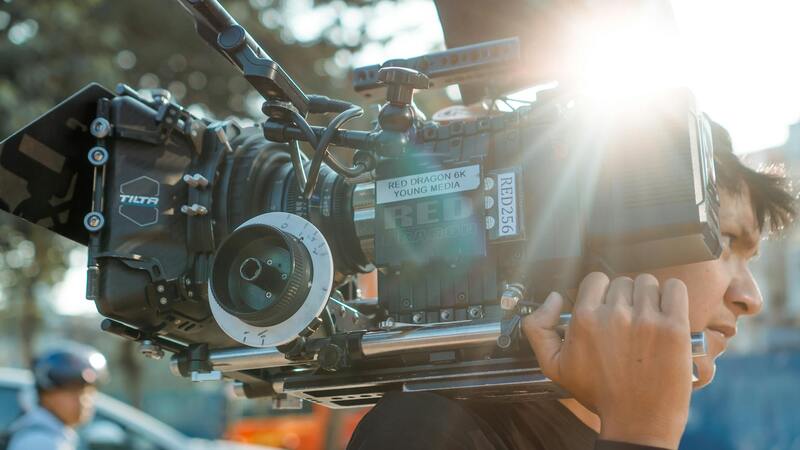
Additionally, the venue's accessibility and safety considerations influence the logistics of equipment delivery and setup. Ensuring there is sufficient space for live switching stations, audio gear, and other technical infrastructure is critical for a smooth operation. An experienced live event video production company evaluates these factors during pre-production planning, guaranteeing that technical requirements align with the venue's features. Effective coordination with venue management also streamlines the process, minimizes disruptions, and guarantees that technical teams can operate efficiently without compromising safety standards.
Equipment and Technology Used in Live Event Production
The backbone of high-quality live streaming and event coverage lies in the advanced equipment and technology utilized by skilled production teams. State-of-the-art cameras, such as 4K digital broadcast cameras, offer crisp visuals and versatile shot options. These cameras support remote control, high frame rates, and superior image stabilization—features vital for capturing fast-paced or complex scenes.
Complementing the cameras are professional audio systems, including wireless microphones, mixer consoles, and feedback reduction tools, ensuring crystal-clear sound across the broadcast. Proper audio setup is especially important in large venues to prevent echoes or background noise interference that could diminish the viewing experience.
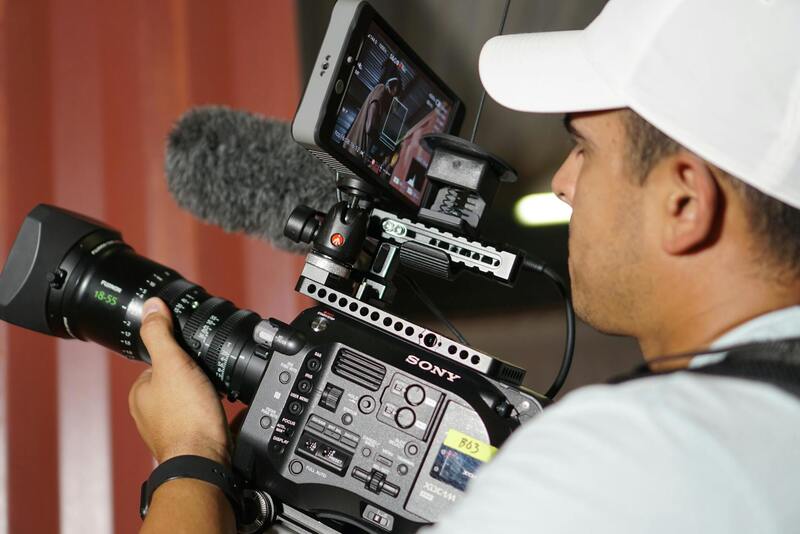
Modern live streaming technology relies on high-bandwidth internet connections, hardware encoders, and reliable transmission protocols such as RTMP or SRT to deliver smooth and uninterrupted broadcasts. Multi-view switching equipment allows real-time transitions between camera feeds, graphics, and video overlays, creating a professional and engaging presentation. Cloud-based streaming solutions enable remote monitoring and management, providing flexibility and scalability for diverse event formats.
Furthermore, backup systems, including redundant power supplies and secondary streaming servers, are integral to ensuring reliability during live events. With rapid advancements in technology, a live event video production company employs the latest tools and software to adapt to the specific needs of each event, delivering high-quality visuals and audio that resonate with audiences regardless of their location.
Skills and Expertise of Live Event Production Teams
The proficiency of the production team significantly influences the overall success of a live event broadcast. Skilled professionals possess a comprehensive understanding of audiovisual equipment, live switching techniques, and real-time problem-solving. Their expertise extends from pre-production planning to on-site execution, ensuring all technical components work harmoniously.
Camera operators must be adept at capturing dynamic shots, framing key moments, and adjusting focus instantly. Audio engineers handle microphone placement, sound checks, and feedback elimination, sustaining audio clarity. Directors and broadcast technicians coordinate the multi-camera feeds, graphic overlays, and transitions to craft a cohesive and captivating narrative that aligns with the event’s objectives.
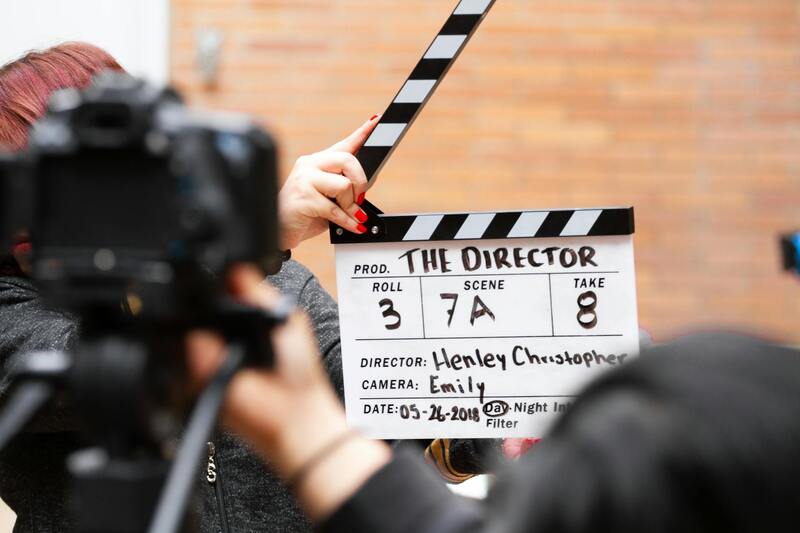
Furthermore, adept project managers oversee timelines, coordinate with venue staff, and troubleshoot technical issues swiftly. The ability to adapt to unforeseen challenges, such as equipment failure or schedule shifts, is a hallmark of seasoned professionals. Their commitment to precision and quality ensures that the live broadcast accurately captures the essence of the event, engaging remote audiences and expanding reach.
Cost Factors and Budgeting for Live Event Productions
Understanding the financial aspects associated with live event video production aids clients in planning effectively. Costs are influenced by multiple elements, including the scale of the event, duration, technical requirements, and post-production needs. Basic setups for small gatherings with minimal equipment tend to be more budget-friendly, focusing mainly on multi-camera coverage and streaming services.
Large-scale events, such as conferences, concerts, or festivals, demand comprehensive equipment, extensive crew, and advanced streaming infrastructure, naturally increasing costs. Additional expenses may include venue permits, custom graphics, on-demand footage, or multilingual translation services, depending on the scope of the project.
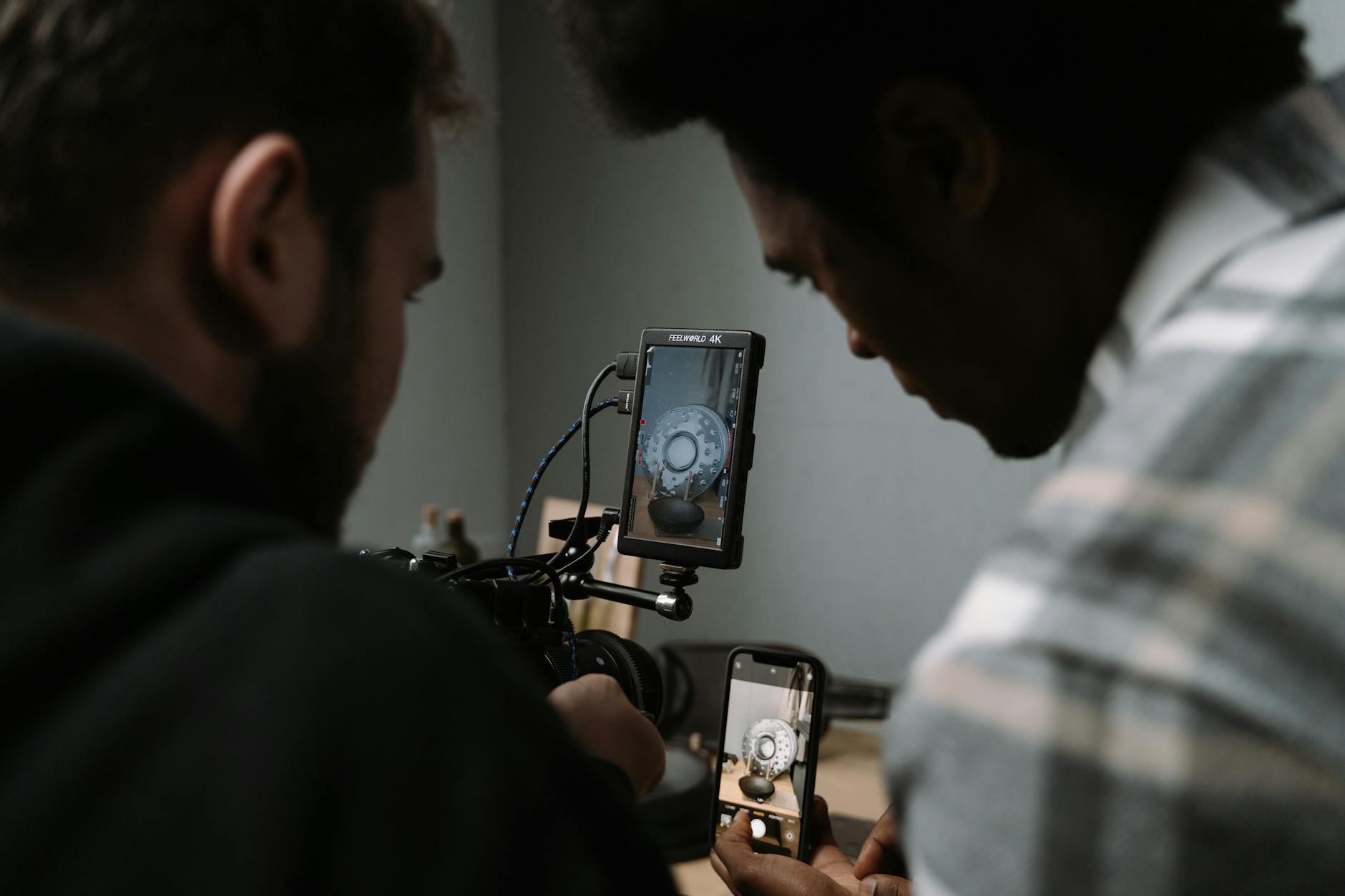
To optimize investment, many organizations collaborate closely with experienced production companies that provide tailored packages. These packages clearly outline deliverables, timeline, and estimates, helping clients understand the value of professional live event coverage. Thoughtful budgeting not only enhances the production quality but also ensures the event's overall success, creating memorable viewing experiences for audiences worldwide.
Strategic Planning for Optimal Video Coverage
Effective live event video production begins with meticulous planning that aligns technical capabilities with the specific needs of each event. A proficient production team conducts detailed pre-event consultations to understand the event’s goals, audience demographics, and desired outcomes. This involves identifying key moments that require high-quality coverage, such as keynote addresses, performances, or panel discussions, and determining optimal camera placements.
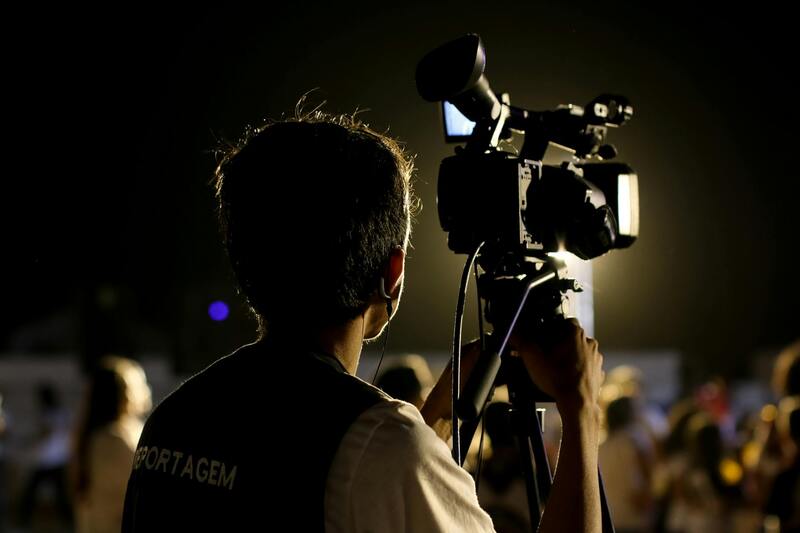
In addition to content capture, logistical considerations such as power supply, venue restrictions, and access points are essential to ensure seamless execution on the day of the event. The planning phase also encompasses reviewing the venue’s infrastructure to accommodate necessary equipment, factoring in signal coverage, internet bandwidth, and backup solutions to mitigate potential disruptions. Collaboration with venue staff helps streamline operations, from equipment setup to audience management. Precise timing and coordination among the technical crew and event organizers are critical for ensuring all elements function harmoniously, resulting in a smooth live broadcast that maintains high production standards.
Integration of Advanced Technology in Live Production
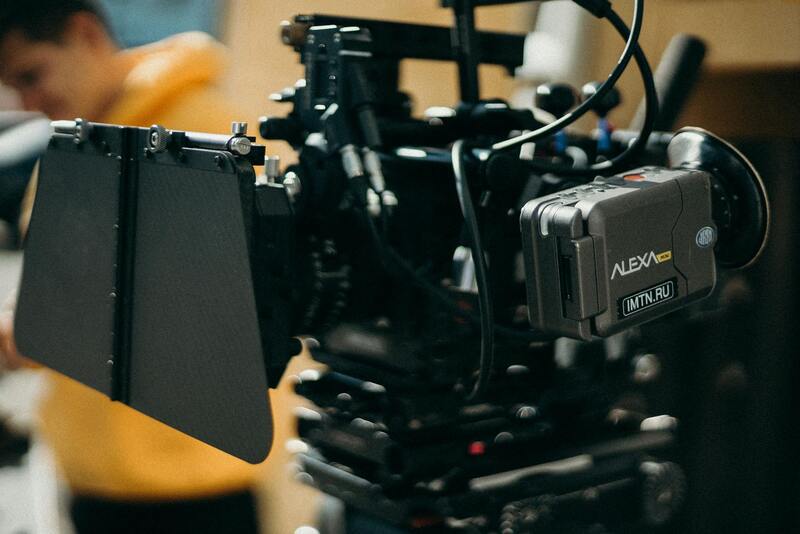
Modern live event video production relies heavily on state-of-the-art technology to deliver high-definition footage, real-time streaming, and engaging visuals. Multi-camera setups are standard, allowing diverse angles and close-up shots that enhance viewer engagement. Robotics and remote-controlled cameras enable dynamic shots in hard-to-reach areas, providing a broader perspective without increasing on-site crew requirements.
Live switching systems facilitate seamless transitions between camera feeds, incorporating graphics, overlays, and video inserts to reinforce branding and event messaging. High-quality audio equipment, including wireless microphones and mixers, contribute significantly to broadcast clarity, ensuring every word and sound is captured accurately. Additionally, live encoding and CDN integrations help deliver stable streams across multiple platforms, reaching remote audiences globally without latency or buffering issues.
In outdoor or improvisational settings, portable systems and wireless technology become indispensable, offering flexibility without sacrificing quality. Event-specific augmentations like augmented reality (AR) graphics or real-time analytics can elevate the viewer experience, making the production not only professional but also highly interactive.
Role of Skilled Professionals in Live Event Production
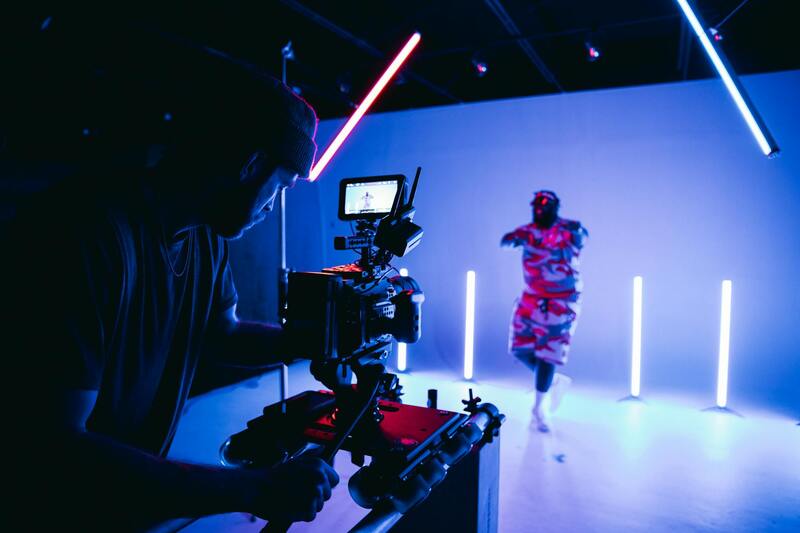
Behind every successful live broadcast is a team of skilled professionals specializing in various aspects of production. Camera operators are adept at capturing compelling shots that align with the event's narrative, leveraging their technical expertise to adapt to changing conditions and dynamic moments. Audio technicians ensure that sound quality remains consistent, balancing levels and managing multiple audio sources to prevent disturbances or distortions.
Technical directors and live switchers oversee the seamless flow of visuals, making real-time decisions that enhance storytelling and viewer engagement. Videographers and drone operators provide unique perspectives, especially during outdoor or large-scale events. Additionally, project managers coordinate the entire crew, ensuring all elements are synchronized and deadlines are met.
Collaborating with a team of professionals who understand the nuances of live production guarantees a polished final product. Their experience in troubleshooting unforeseen issues, managing technical complexities, and delivering high-quality output is invaluable for achieving event objectives and audience satisfaction.
Ensuring Secure and Reliable Broadcast Transmission
One of the most critical aspects of a successful live event video production is ensuring that the broadcast signal remains stable and secure throughout the event. Professional live event video production companies employ redundant streaming setups and fail-safe mechanisms to prevent signal interruption. This involves utilizing multiple internet connections, such as wired Ethernet, fiber-optic lines, and LTE or 5G networks, to create failover options that automatically activate if the primary connection experiences issues.
Advanced encoding equipment and codecs are deployed to compress video feeds efficiently without compromising quality, optimizing the use of available bandwidth. Additionally, dedicated content delivery networks (CDNs) are often leveraged to distribute live feeds across different geographical regions securely, minimizing latency and buffering. Encryption protocols are applied to protect sensitive content from unauthorized access or interception, especially important when broadcasting proprietary or confidential event footage. These measures collectively ensure that the live stream remains consistent, high-quality, and accessible to viewers, regardless of unforeseen technical challenges.
Customized Content Delivery for Diverse Audience Needs
Effective live event video production goes beyond merely transmitting footage; it encompasses tailored content delivery strategies designed to align with specific audience expectations and event objectives. Professional companies collaborate closely with clients to develop personalized streaming services, which may include multiple camera angles, on-demand highlights, and interactive features such as live polling or chat functionalities. These enhancements foster deeper viewer engagement and provide a more immersive experience.
Targeted delivery platforms are selected based on audience demographics, accessibility, and preferred devices. For instance, some events may require multi-platform streaming to reach audiences on social media, dedicated websites, or even virtual reality headsets. Adaptive streaming technologies adjust video quality dynamically according to viewers’ internet speeds, ensuring seamless viewing experiences across diverse connections and devices. This level of customization demands expertise in content management systems, streaming protocols, and user experience design, all of which professional live event video production companies are equipped to deliver.
Real-Time Monitoring and Quality Control
During the live broadcast, quality control is paramount to maintain viewer satisfaction and uphold the event’s professional standards. Production teams employ sophisticated monitoring tools to track audio and visual feeds in real-time, quickly identifying any issues such as signal degradation, audio distortions, or synchronization problems. This continuous oversight allows technicians to make immediate adjustments, minimizing disruptions and ensuring consistent quality throughout the event.
Implementing remote monitoring capabilities further enhances the ability to manage the live broadcast from multiple locations or via mobile devices. This approach provides flexibility and ensures that issues can be addressed swiftly, even if on-site conditions change. Additionally, audio levels are constantly calibrated using digital mixers, and video feeds are checked for artifacts or lag. In the event of a technical failure, backup hardware and redundant data pathways enable rapid recovery, preventing prolonged outages and guaranteeing a smooth live experience.
Pre-Production Planning and Coordination
Effective pre-production planning is crucial for ensuring a seamless live event broadcast. This phase involves detailed coordination between the client, production team, and venue staff to establish objectives, technical requirements, and logistical details. A comprehensive production plan outlines camera placements, crew responsibilities, timing, and contingency strategies to handle unforeseen issues. Clear communication during this stage minimizes on-site surprises and ensures all stakeholders are aligned on the event's goals.
Scheduling is also a key aspect of pre-production, where timelines are carefully mapped out to accommodate setup, rehearsals, and troubleshooting. This includes creating shot lists, cue sheets, and technical diagrams to guide the crew during the live broadcast. Detailed planning helps streamline workflow, reduce delays, and maintain momentum throughout the event.
Furthermore, pre-production involves conducting site surveys to assess electrical power sources, internet connectivity, lighting conditions, and space constraints. Identifying potential challenges early allows for the procurement of additional equipment or adjustments to the setup to optimize the broadcast quality.
A professional live event video production company collaborates closely with event organizers to develop a tailored strategy that integrates audio-visual requirements with the event’s flow. This comprehensive approach ensures technical readiness, minimizes risks, and maximizes overall production value.
Technical Staffing and Crew Composition
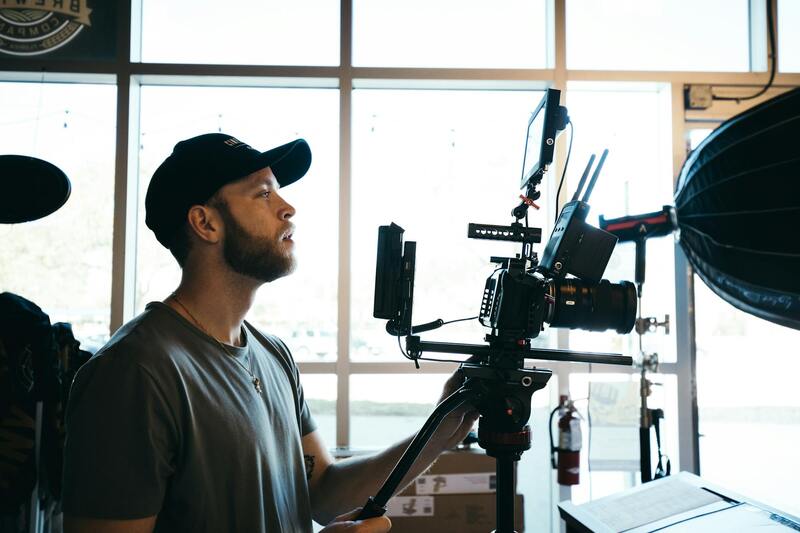
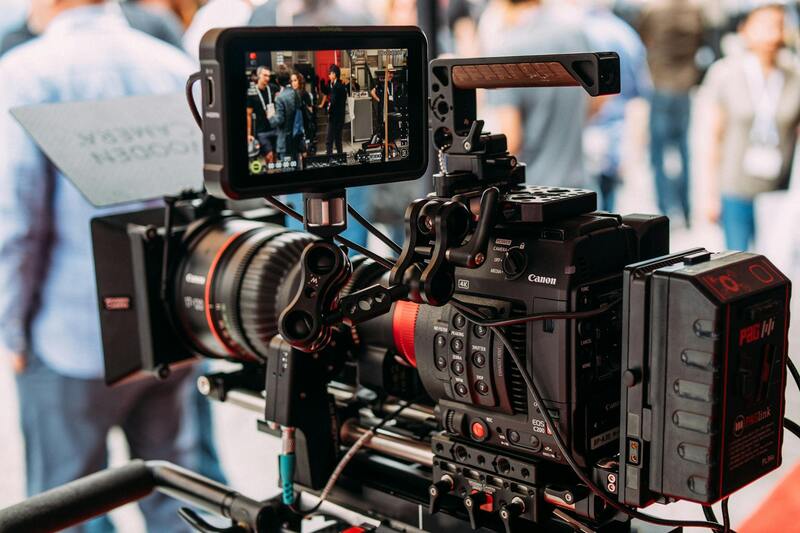
The quality of a live event broadcast heavily relies on the expertise and coordination of the production crew. Typically, a team comprises a director, camera operators, audio technicians, lighting specialists, and technical support staff. Each member plays a vital role in capturing, editing, and disseminating high-quality content in real-time.
The director oversees the entire broadcast, making real-time decisions on camera angles, transitions, and graphics, ensuring visual storytelling aligns with the event’s objectives. Camera operators are responsible for capturing pivotal moments and maintaining visual consistency, often requiring multiple cameras positioned at strategic angles.
Audio technicians manage sound quality, balancing microphones, mixing live audio feeds, and addressing any issues with feedback or sound distortion. Lighting specialists ensure proper illumination for video clarity and aesthetic appeal, especially in venues with variable lighting conditions.
Technical support staff handle equipment setup, troubleshoot technical glitches, and maintain seamless communication among team members. They also prepare backup systems and redundant networks to address potential failures during the broadcast.
The composition and experience of this team are critical for delivering a professional, glitch-free live event that engages viewers and upholds brand reputation.
Training and Rehearsals
Before the event goes live, comprehensive rehearsals are essential to ensure that all technical elements and team members are well-prepared. Rehearsals allow for testing the equipment under conditions similar to those during the actual event, identifying potential issues that could impact broadcast quality.
Practicing camera movements, cueing graphics, testing audio levels, and reviewing lighting setups help refine the overall flow. Live rehearsals also foster communication among team members, enabling smooth coordination during the actual broadcast.
Additionally, training sessions are conducted to familiarize the crew with specific hardware and software, especially when new technology or custom setups are involved. Clear documentation and step-by-step guides support quick troubleshooting and effective management during live production.
This preparation phase mitigates risks, enhances team confidence, and ensures the live event runs seamlessly, ultimately delivering a captivating experience for the audience.
Advanced Techniques and Innovation in Live Event Video Production
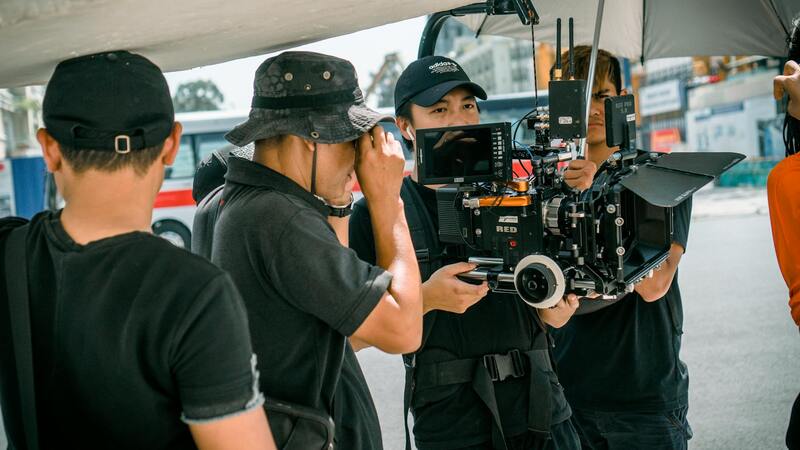
Staying ahead in the live event video production industry requires continuous integration of advanced techniques and innovative solutions that enhance the audience experience. Companies that leverage cutting-edge technology and creative storytelling methods can significantly elevate the impact of live broadcasts, making them more engaging and memorable.
One key advancement is the use of 4K and even 8K ultra-high-definition imaging, providing crystal-clear visuals that ensure every detail is captured with precision. This technology enhances the overall viewing quality, especially on large screens or multiple viewing platforms, capturing the vibrancy and nuances of live events.
Live switching, multi-camera setups, and real-time graphics integration allow production teams to craft dynamic broadcasts. These techniques enable seamless transitions, instant replay features, and the display of real-time statistics or interactive content, which enrich audience engagement. Additionally, augmented reality (AR) and virtual sets are increasingly incorporated to create immersive visual environments that captivate viewers and add a layer of professionalism to the broadcast.
Streamlining workflows through cloud-based solutions facilitates remote production capabilities, allowing teams to operate from different locations without compromising quality. This approach also simplifies the process of content sharing and distribution across multiple digital platforms, ensuring a wider reach and real-time audience interaction.
Innovative camera technologies, such as robotic and remote-controlled cameras, enable complex shots and fine maneuvering in tight or hazardous spaces, expanding creative possibilities. Drone footage can also be integrated to provide stunning aerial perspectives, adding a dramatic visual element that enhances the storytelling aspect of the event.
Incorporating new audio technologies, such as spatial audio systems, allows for immersive soundscapes that match the visual quality. This ensures that the audio experience is as rich and engaging as the visuals, leading to a fully immersive live broadcast.
As the industry evolves, so does the importance of real-time data analytics and viewer engagement tools. These technologies provide live feedback and audience interaction during streams, allowing production teams to adapt in real-time to viewer preferences and behaviors, thus optimizing content delivery and engagement levels.
In summary, embracing technological advancements and creative innovations enables live event video production companies to deliver superior, captivating broadcasts that resonate with audiences, set new standards for quality and professionalism, and provide a competitive edge in the dynamic landscape of live event coverage.
Understanding the Role of Professional Crew and Project Management in Live Event Video Production
Effective live event video production hinges not only on advanced equipment and technology but also critically depends on the caliber of the crew and the robustness of project management practices. A highly skilled team ensures that every element of the production—from filming to post-production—is executed seamlessly, maintaining high standards of quality and technical accuracy throughout the event.
The core crew typically consists of experienced camera operators, sound engineers, lighting technicians, and technical directors, all working in coordination under the supervision of an event producer or project manager. Each team member's expertise contributes to the smooth operation of complex technical setups, ensuring that the production adheres to timing, quality benchmarks, and particular creative visions established beforehand.
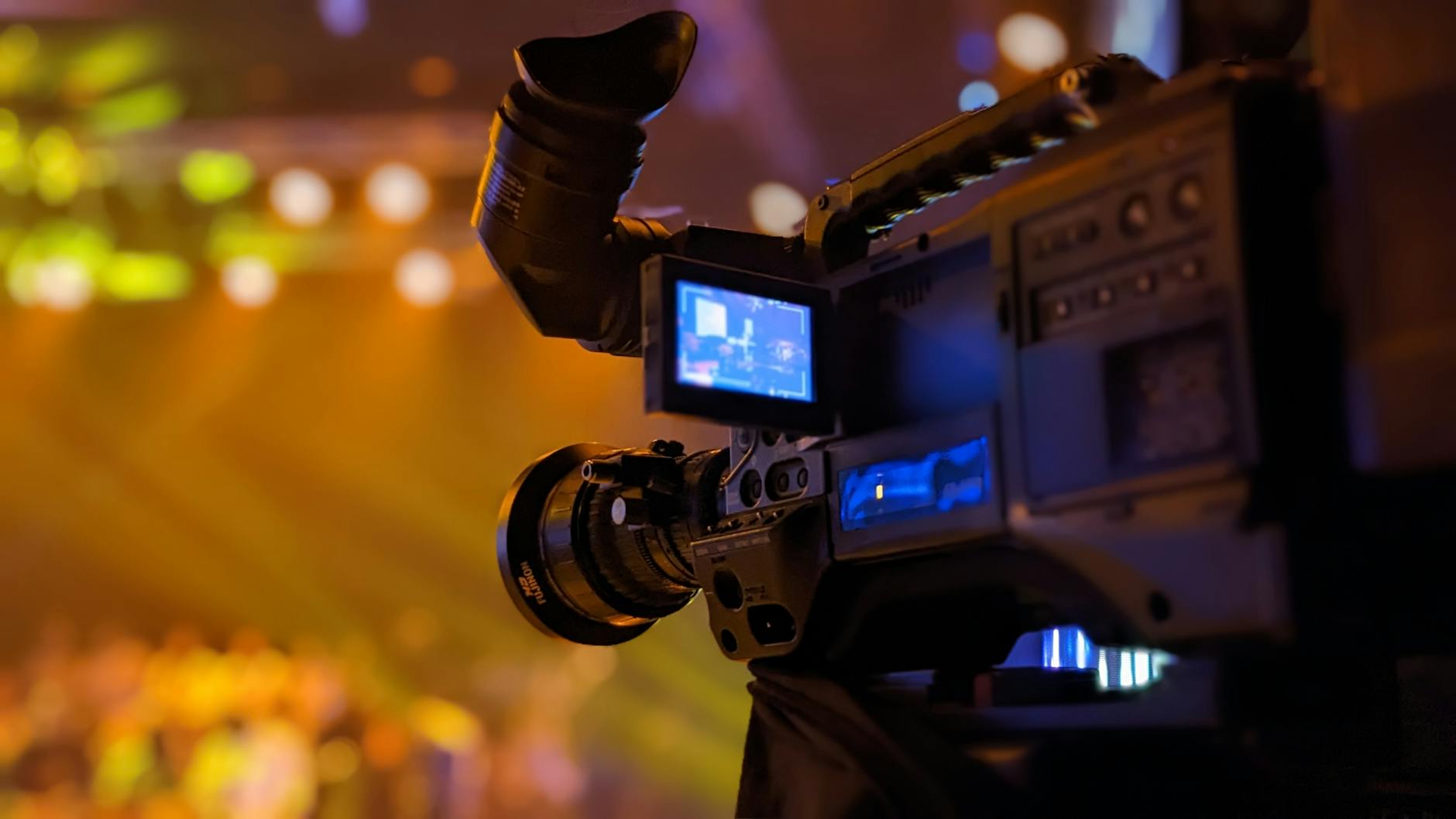
In live event video production, meticulous planning is integral to managing logistics, scheduling, and troubleshooting potential technical issues proactively. A dedicated project manager oversees all aspects of the production, from pre-event preparation through to post-event wrap-up. This individual ensures that objectives are aligned, equipment is properly tested, and all team members are aware of their roles and responsibilities. Effective communication channels, both internally among team members and externally with clients and venue staff, are vital for coordinating complex operations and adapting swiftly to unforeseen circumstances.
- Pre-Event Planning: This stage involves detailed planning sessions, site surveys, and technical rehearsals to identify potential challenges and tailor solutions effectively.
- On-Site Coordination: During the event, the project manager and technical team work collaboratively to monitor feeds, manage hardware, and troubleshoot issues in real time, ensuring uninterrupted broadcast quality.
- Post-Event Review: After the event, post-production evaluations determine what worked well and what can be improved for future projects, ensuring continuous quality enhancement.
Moreover, a seasoned production team understands the importance of redundancy planning—having backup equipment and contingency protocols in place. This foresight guarantees that, even if unexpected technical failures occur, the live broadcast remains stable without compromising viewer experience.
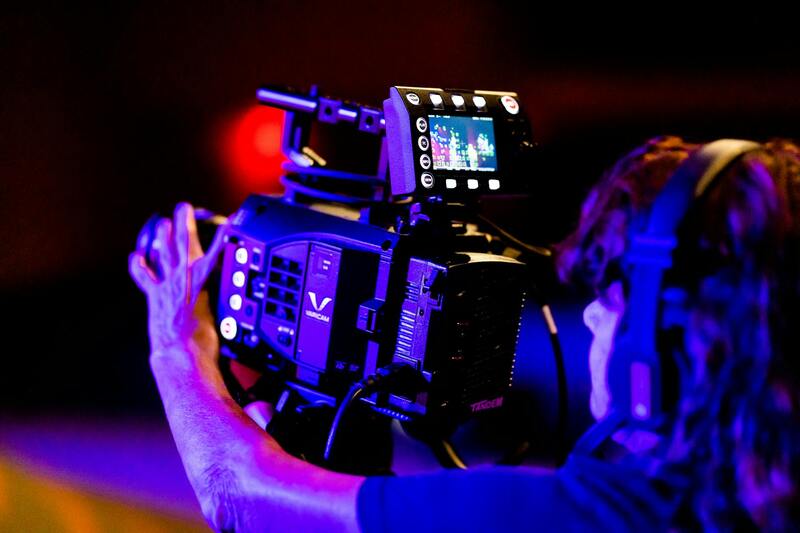
Investing in a professional team with proven experience in live event video production minimizes risks and optimizes the delivery of high-quality content. Their expertise is crucial to translating creative concepts into captivating visual stories that resonate with audiences and uphold the reputation of the hosting organization.
Comprehensive Post-Event Analysis and Continuous Improvement in Live Event Video Production
Following the conclusion of a live event, engaging in a thorough post-event review is essential to assess the success of the production and identify areas for enhancement. This phase involves collecting feedback from clients, audiences, and technical teams to gain diverse perspectives on what aspects of the video coverage worked well and what could be improved. Analyzing these insights enables production companies to refine their workflows, equipment choices, and team coordination strategies for future projects.
One critical component of post-event analysis is reviewing the quality of live feeds and recordings. This includes evaluating video and audio clarity, synchronization, latency issues, and overall broadcast stability. Identifying any technical glitches or delays allows teams to implement targeted solutions, such as upgrading specific equipment or adjusting streaming protocols. Documentation of such observations forms a valuable knowledge base for continuous improvement.
Furthermore, comprehensive reports detailing key performance metrics—such as viewer engagement levels, broadcast uptime, and technical incident logs—assist in setting benchmarks for future events. These metrics not only reveal operational efficiencies but also shed light on audience preferences and interaction patterns. Integrating this data helps in tailoring content delivery to better meet viewers' expectations.
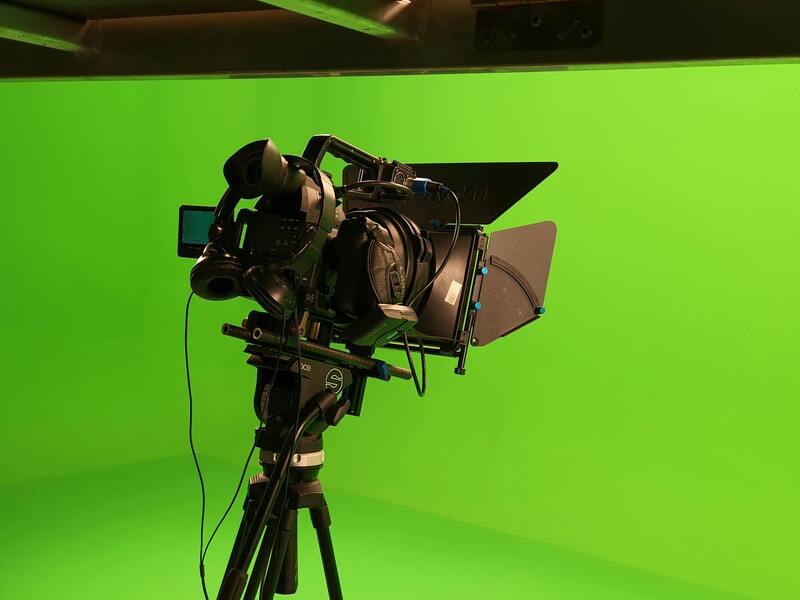
In addition to technical review, assessing the overall aesthetic and storytelling quality of the production is vital. This involves examining camera work, lighting, graphics, and transitions to ensure they align with the event’s objectives and branding. Insights from these evaluations guide creative teams in adopting more innovative and audience-centric approaches, enhancing the visual storytelling aspect of future productions.
Effective communication post-event can also involve assembling a debrief meeting with all stakeholders, from technical crews to client representatives. This platform facilitates open dialogue, allowing team members to share their experiences, challenges faced, and suggestions for improvement. Fostering such an environment encourages a culture of learning and accountability, which is key for elevating the standard of live event video services.
Investing in training programs based on post-event insights is another strategic step. Continuous professional development for production teams ensures they stay current with evolving technologies and industry best practices, ultimately delivering more polished and professional live broadcasts. Leveraging insights from each event creates a cycle of ongoing refinement that benefits both the production company and its clients.
Moreover, successful post-event analysis provides tangible evidence of value to clients, reassuring them of the company’s commitment to quality and excellence. It helps build long-term relationships grounded in transparency and accountability, fostering trust and encouraging repeat collaborations.
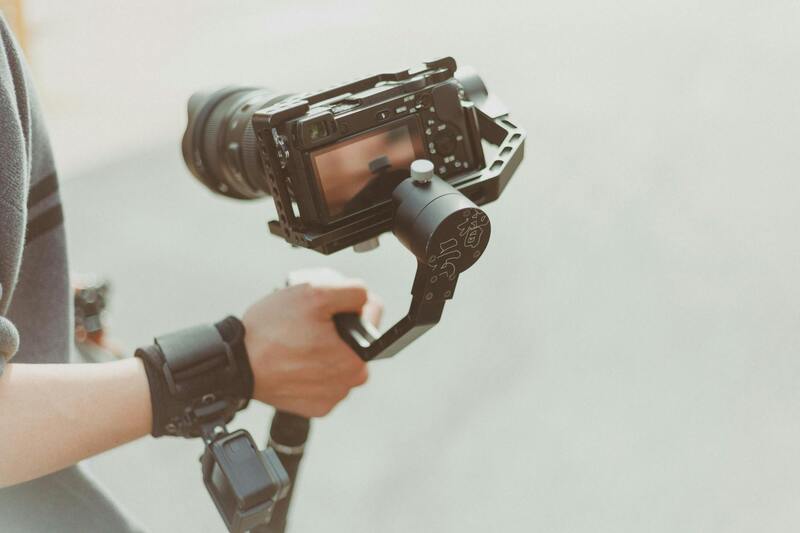
Ultimately, the process of evaluating each live event comprehensively ensures that production teams are continuously evolving, integrating new technology, and honing their skills. This dedication to quality assurance not only safeguards the success of upcoming projects but also reinforces the reputation of the live event video production company as a leader committed to excellence in the dynamic landscape of live broadcast services.