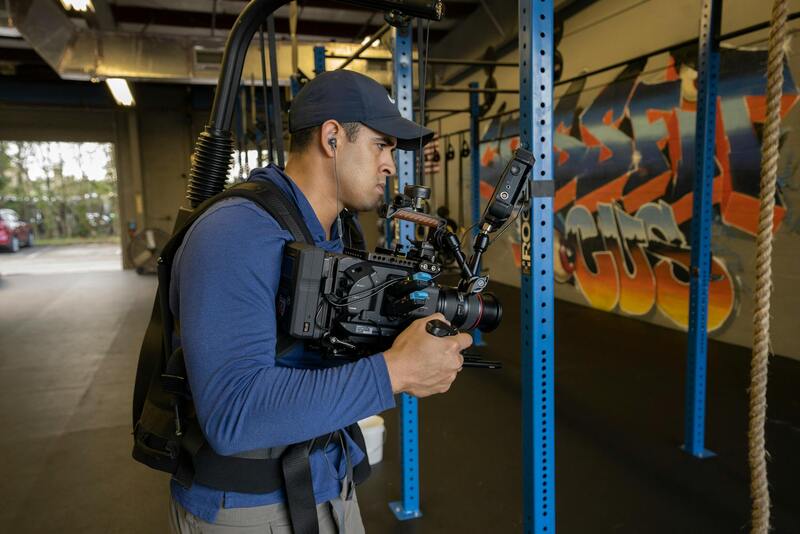
Overview of Livestreaming Production
Livestreaming production has become an essential component for modern events, providing real-time broadcasting that expands reach and enhances audience engagement. Whether for corporate conferences, public events, sports, or cultural festivals, high-quality livestreaming enables organizers to connect with viewers from anywhere in the world. This method offers immediate interaction, increased visibility, and the ability to monitor engagement metrics in real-time, making it a valuable asset for event success in Miami. The vibrant and dynamic event scene in Miami demands meticulous planning and execution of livestreaming production to ensure seamless delivery that reflects professionalism and technical excellence.
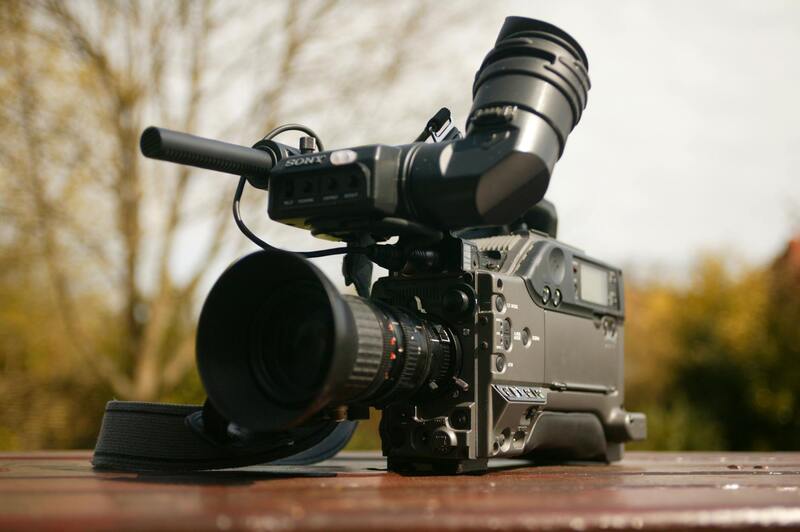
Key benefits of professional livestreaming include elevated brand presence, broader reach beyond physical locations, and real-time content sharing, which can significantly increase event impact. For businesses, engaging livestreams can foster more profound connections with clients and stakeholders. For event organizers, leveraging expert production services ensures smooth operation, adheres to broadcasting standards, and effectively utilizes the latest technological advancements. As Miami continues to host diverse and large-scale events, the importance of integrating professional livestreaming production becomes increasingly vital for success, scalability, and wider audience engagement.
Understanding the scope and purpose of livestreaming production sets the foundation for meticulous planning and execution. This process involves coordinating various technical elements, engaging skilled personnel, and selecting appropriate platforms—all aimed at delivering a high-quality broadcast. With the right strategies and resources, livestreaming transforms event experiences and broadens their overall impact, making it an indispensable part of contemporary event management in Miami.
Pre-Production Planning
Effective livestreaming production begins with thorough pre-production planning, which is critical to ensuring a seamless broadcast. This phase involves detailed content scheduling to determine what will be showcased during the event, including keynote addresses, panels, interviews, or performances. Establishing a clear timeline helps coordinate the sequence of segments and allocate enough time for transitions and unexpected delays.
Equipment selection is another vital component. High-definition cameras, professional audio systems, and reliable internet connectivity are essential to deliver crisp visuals and clear sound. Selecting a backup system for internet and power sources mitigates potential disruptions. Additionally, choosing the right streaming hardware and software tailored to the event's scale ensures efficient management of the live feed and smooth transitions between segments.
Staffing arrangements must be carefully mapped out, comprising camera operators, technical directors, producers, and on-air talent. Assigning specific roles and responsibilities ensures that each aspect of the production is managed efficiently. Conducting pre-event rehearsals helps identify and rectify technical issues, familiarize the team with the operation, and refine the overall broadcast flow.
Equipment and Technology
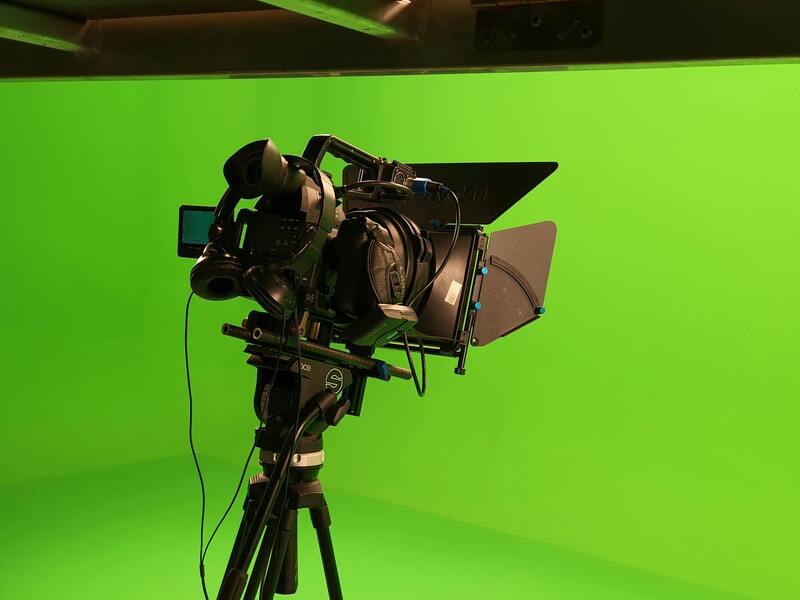
Investing in state-of-the-art equipment is fundamental for professional livestreaming. High-quality cameras with optimal zoom and framing capabilities produce engaging visuals, while advanced audio gear ensures every sound bite is crisp and understandable. Encoder devices convert raw footage into a digital stream compatible with various platforms. Compatibility with editing software during post-production also complements live coverage, enabling quick adjustments and content enhancement.
On-Site Setup and Logistics
Responsibly managing on-site logistics involves strategic placement of cameras, lighting, and microphones to maximize coverage and visual clarity. Power supply arrangements, secure cable management, and a designated area for the technical team contribute to a safe and efficient setup. Testing all equipment before the event, including internet speed tests and backup systems, prevents last-minute failures. Accommodating the venue’s layout and environmental factors like lighting conditions and acoustics plays a crucial role in the on-site setup process.
Production Crew and Roles
A proficient crew is the backbone of successful livestreaming. Key roles include director, camera operators, sound engineers, and stream technicians. The director oversees the entire production, coordinating camera shots, switching between feeds, and managing timing. Camera operators are responsible for capturing dynamic angles, while sound engineers monitor audio levels and address issues promptly. A dedicated technical support team ensures quick troubleshooting, especially during live transmissions.
Streaming Platforms and Distribution
Choosing the appropriate streaming platforms aligns with the event’s goals and audience expectations. Popular options include dedicated professional streaming servers that support multi-bitrate streaming for diverse devices and connection speeds. Distribution involves setting up links and authentication procedures for different channels, whether social media channels, dedicated websites, or third-party platforms. Configuration for unified branding and synchronization across all channels enhances viewer engagement and experience.
Post-Production and Engagement
Post-event editing offers opportunities to highlight key moments, add branding elements, and improve overall video quality. Engaging content like these recaps can be shared subsequently to maximize outreach. Analyzing viewer metrics provides insight into audience behavior and content effectiveness, guiding subsequent livestreaming strategies. Interacting with viewers during and after the event through comments or Q&A sessions helps foster community engagement, while surveys gather feedback to refine future broadcasts.
Local Considerations and Regulations
Adhering to Miami-specific regulations and obtaining necessary permissions enhances the legal compliance and smooth operation of livestream events. This includes securing permits for live broadcasting within public or private venues, adhering to noise ordinances, and respecting intellectual property rights for content. Understanding regional broadcast standards and ensuring all equipment and procedures meet local requirements promotes professionalism and avoids operational delays. A well-versed team in Miami’s event policies can facilitate seamless integration with local authorities, streamlining the entire production process.
Essential Equipment and Technology for Livestreaming Production
Equivalent to the backbone of any successful livestream, selecting the appropriate equipment and technology ensures high-quality delivery and seamless viewing experiences. A comprehensive setup typically includes high-definition cameras capable of capturing clear visuals in varying lighting conditions, professional-grade audio equipment such as microphones and mixers to guarantee crisp sound, and reliable encoders that convert raw footage into streamed data efficiently.
Integration of robust streaming platforms is crucial. These platforms facilitate real-time broadcasting across multiple channels, supporting features like watermarking, overlays, and multi-camera switching. Choosing the right platform depends heavily on the scale and nature of the event—whether it’s a corporate presentation, live concert, or community gathering.
Redundancy measures, such as backup streaming equipment and multiple internet connections, mitigate disruptions. Employing fiber optic internet, where available, dramatically enhances bandwidth and stability, minimizing latency and buffering issues.
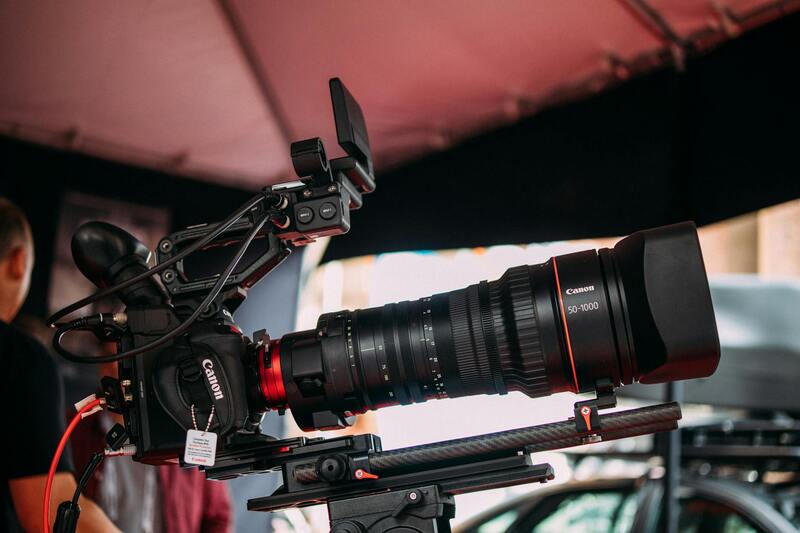
Furthermore, software solutions for production control, including switching, graphics overlay, and feed management, play a pivotal role in delivering polished content. These tools enable operators to add branding, visual effects, and live annotations, enriching the viewer experience.
Integrating backup power sources, such as uninterruptible power supplies (UPS), ensures uninterrupted operation during power fluctuations, which is critical during live events. Additionally, employing hardware monitoring tools facilitates real-time diagnostics and maintenance, preventing technical issues from escalating.
Overall, investing in state-of-the-art hardware complemented by versatile software solutions maximizes the production value and enhances audience engagement, solidifying the event's credibility and professionalism.
Equipment and Technology
Achieving a seamless livestreaming experience hinges on the deployment of advanced equipment and cutting-edge technology. Careful selection and integration of hardware components are fundamental to delivering high-quality broadcasts that captivate viewers and uphold professional standards.
At the core of any successful live production are high-definition cameras capable of capturing crisp, detailed visuals from various angles. Professional-grade cameras not only provide superior image quality but also support versatile control options, including remote pan, tilt, and zoom functions, which are essential for dynamic live events. Complementary to cameras are professional video encoders, which convert raw footage into streaming-compatible formats. These encoders are vital for maintaining optimal video quality while managing bitrates to ensure smooth delivery across diverse network conditions.
Hardware switchers or vision mixers are indispensable, allowing operators to seamlessly transition between multiple video feeds. This equipment enables real-time scene changes, picture-in-picture effects, and overlay graphics that add a layer of professionalism to the livestream. In tandem with video switchers, graphic overlay systems are used to insert branding, event information, or live annotations, enriching the viewer's experience and reinforcing the event’s identity.
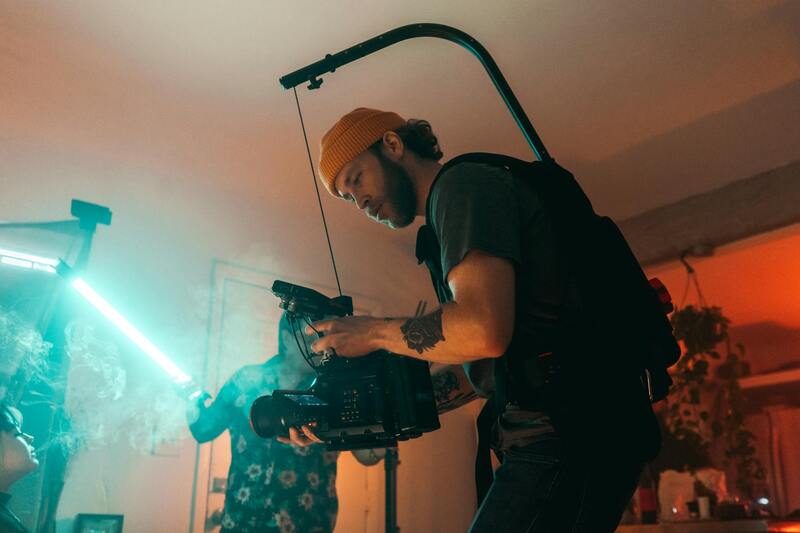
Proper audio equipment significantly enhances overall production quality. High-fidelity microphones, audio mixers, and wireless systems ensure clear sound capture and distribution. Sound engineering professionals calibrate the audio feeds to prevent issues like feedback or inconsistent volume levels, which are crucial for engaging and intelligible broadcasts.
Reliability is a key principle in equipment choice. Employing redundant systems and backup hardware—such as secondary encoders and additional cameras—serves as a safeguard against technical failures. Additionally, the use of uninterruptible power supplies (UPS) shields the entire setup from power interruptions, preserving the broadcast's continuity even during outages.
Modern streaming workflows benefit from sophisticated control software solutions. These tools coordinate switching, overlay integration, and feed management, providing producers with real-time control over the broadcast. Remote monitoring and diagnostics are also vital, enabling technical teams to swiftly identify and address potential issues before they impact the live stream.

At the network level, employing multiple internet connections—preferably utilizing fiber optic where available—ensures bandwidth sufficiency and stability. Load balancing between connections prevents interruption due to network fluctuations. Additionally, dedicated streaming servers or content delivery networks (CDNs) optimize global distribution, reducing latency and buffering, especially for audiences spread across the Miami area or beyond.
Automation tools can also streamline complex sequences, such as pre-programmed scene changes and graphic insertions, thus reducing manual errors during the live event. Collectively, these technological elements form an integrated ecosystem that guarantees a polished and engaging livestreaming experience for viewers and organizers alike.
On-Site Setup and Logistics
Effective on-site setup is fundamental to ensuring a seamless livestreaming event. This phase involves meticulous planning of equipment placement, space utilization, and logistical coordination. Site surveys should be conducted beforehand to identify optimal locations for cameras, audio equipment, and control stations.
Transporting and assembling high-quality equipment such as professional cameras, audio recording devices, lighting, and streaming hardware requires precise logistics. Equipment must be secured against environmental factors, and power sources should be reliably mapped out. It’s crucial to verify the availability of power outlets, as well as to establish backup power solutions like generators or uninterruptible power supplies (UPS) for critical devices.
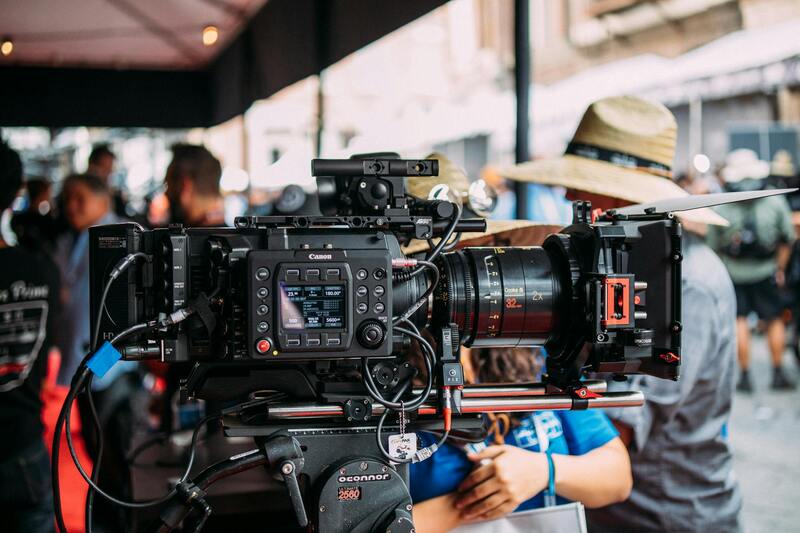
The layout of the production area should facilitate smooth operator workflows, with clearly designated zones for camera control, crew coordination, and technical management. Cable management is essential to prevent tripping hazards and ensure unobstructed movement across the setup area.
Scheduling precise timelines for equipment installation, testing, and rehearsals minimizes delays and allows technical staff to troubleshoot potential issues before the event begins. Adequate signage and communication tools such as radios or headsets are necessary for real-time coordination among crew members, promoting an efficient on-site operation.
Additional considerations include securing permits for equipment installation if required, coordinating with venue staff for access and logistics, and establishing protocols for emergency situations. Maintaining a contingency plan ensures readiness for unforeseen circumstances, such as equipment failure or adverse weather conditions, which might impact the livestreaming process. These logistical preparations foster a professional environment conducive to high-quality broadcasts capable of engaging audiences effectively.
On-Site Setup and Logistics
Effective on-site setup is fundamental to ensuring a seamless livestreaming production. It involves meticulous planning of equipment placement, cable management, and ensuring that all technical components are operational prior to the event. Adequate space allocation for the control area, audience, and equipment staging must be established with safety and accessibility in mind. A comprehensive site survey should be conducted ahead of time to identify optimal camera angles, lighting positions, and audio sources.
Power supply arrangements are vital. All equipment should be connected to reliable power sources, with secondary backups like generators or uninterruptible power supplies (UPS) ready to prevent interruption in case of outages. During setup, an emphasis on cable organization reduces hazards and facilitates quick adjustments if necessary. Labeling cables and using cable covers also enhances safety and efficiency.
Coordination with venue staff is essential to secure necessary permits and access points. This includes permissions for technical installations and ensuring unobstructed pathways. Clear signage and communication devices, such as radios or headsets, promote coordination among crew members, enabling real-time problem solving and swift responses to unforeseen challenges. A detailed logistical plan, including timelines for equipment setup, testing, and rehearsals, maximizes preparedness.

Incorporating contingency procedures into the logistics plan is critical. This involves preparing for weather disruptions, technical breakdowns, or any unexpected circumstance. Having spare equipment on hand, such as extra cables, cameras, or microphones, ensures minimal disruption. Establishing emergency protocols with clear roles assigned to crew members facilitates swift response to emergencies, safeguarding the safety of everyone involved and the integrity of the livestream.
Another important aspect is ensuring the venue complies with technical requirements and safety standards. Conducting test runs allows the technical team to verify system performance, troubleshoot issues swiftly, and refine camera angles, audio levels, and lighting setups. These preparatory steps help prevent potential glitches during the live broadcast, maintaining the professionalism expected in high-quality livestreaming productions.
Stream Management and Quality Assurance
Effective stream management during a livestreaming production is vital for maintaining broadcast stability and delivering a seamless viewing experience. This process involves continuous monitoring of all technical components, including video feeds, audio levels, internet connectivity, and hardware performance. Designating a dedicated technical director or streaming supervisor ensures real-time oversight and quick troubleshooting of any issues that may arise.
To maintain high-quality streams, employing redundant systems is recommended. For instance, using backup internet connections such as LTE or satellite links can prevent disruptions caused by primary network failures. Similarly, having backup power supplies, like uninterruptible power supplies (UPS), safeguards against power outages that could interrupt the broadcast.
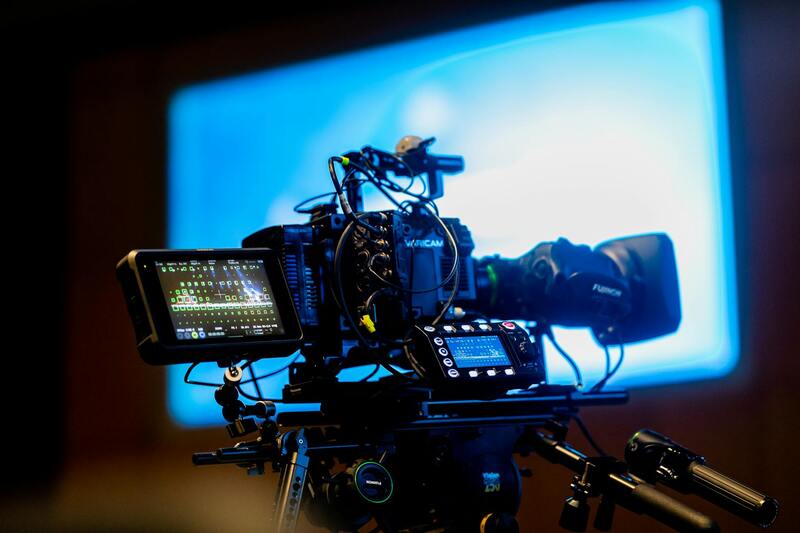
Regularly scheduled tests before the event are essential to identify potential technical weaknesses. This includes verifying all hardware connections, checking software configurations, and conducting trial runs to ensure synchronization between various components. Proper calibration of cameras, microphones, and lighting setups also plays a significant role in producing a polished final product.
Real-Time Monitoring and Communication
During the live event, clear communication channels among crew members help facilitate smooth operations. Using intercom systems or two-way radios allows the director, camera operators, audio engineers, and technician staff to coordinate effectively, making adjustments as needed in response to live feedback. Visual monitors and multi-view displays enable the director to oversee all camera angles and ensure content flows naturally.
- Establish a communication protocol for quick decision-making.
- Implement real-time chat or messaging systems for instant updates among team members.
- Maintain a supervisor role to oversee overall flow and handle unpredictable issues.
Quality Control and Post-Stream Evaluation
Post-event analysis provides insights into stream performance and viewer engagement. Reviewing recording files allows the production team to evaluate aspects such as audio clarity, video sharpness, and synchronization. This audit helps identify areas for technological improvements and process efficiencies in future productions.
Gathering feedback from viewers through surveys or social media comments offers valuable perspectives on content delivery and user satisfaction. Additionally, analyzing viewership metrics, like peak concurrent viewers and engagement duration, can guide strategic decisions for future content programming.
Security and Data Management
Protecting streaming infrastructure from unauthorized access is crucial. Using secure login credentials, firewalls, and encryption protocols shields the production from cyber threats. Regular software updates and cybersecurity audits further enhance system defenses. Ensuring compliance with data privacy standards, especially when handling user data or interactions, maintains trust and integrity in the livestreaming process.
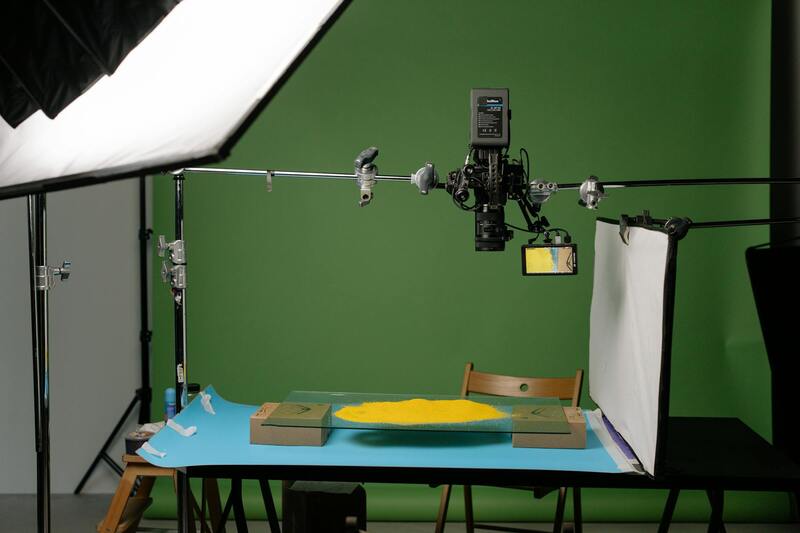
Comprehensive Security and Data Management in Livestreaming Production
Ensuring the integrity and confidentiality of livestreams involves a multi-layered approach to security and data protection. As livestreaming becomes an integral part of event coverage, safeguarding the streaming infrastructure from unauthorized access is paramount. Implementing secure login credentials, such as strong, unique passwords and multi-factor authentication, helps prevent unauthorized attempts to access the control systems or content management portals.
Firewalls serve as the first line of defense, monitoring and controlling incoming and outgoing network traffic based on predetermined security rules. Encryption protocols, such as SSL/TLS, are essential for encrypting data transference, particularly when transmitting sensitive information or viewer interaction data. These measures build a secure conduit for streaming content, ensuring that data cannot be intercepted or tampered with during transmission.
Regular software updates and cybersecurity audits are critical to maintaining a fortified streaming environment. Software vendors frequently release patches to address vulnerabilities; failing to apply these updates can leave your systems exposed to exploitation. Conducting periodic vulnerability assessments helps identify potential weaknesses and fortify those points before they can be exploited.
Data privacy compliance is also a fundamental aspect of livestreaming management. When handling user data, such as registrations, interactions, or viewer analytics, adherence to relevant privacy standards—like GDPR, CCPA, or other local regulations—ensures viewer trust and regulatory compliance. Clear policies on data collection, storage, and usage are communicated transparently to viewers, accompanied by appropriate consent mechanisms.
Best Practices for Maintaining Live Streaming Security
- Restrict Access: Limit access to production hardware and control interfaces to authorized personnel only.
- Continuous Monitoring: Use intrusion detection systems (IDS) and real-time monitoring tools to detect malicious activity promptly.
- Secure Network Infrastructure: Segment networks where possible, use VPNs for remote access, and disable unused ports and services.
- Backup and Redundancy: Maintain redundant systems and regular backups of key configurations and recordings to mitigate data loss.
- Educate Staff: Regular cybersecurity training ensures that team members are aware of potential threats and best practices.
Addressing Local Miami Regulations and Data Protocols
Event organizers conducting livestreams within Miami must consider specific local regulations affecting data handling and broadcast rights. Acquiring necessary permits and licenses for public events and content distribution is a critical first step. This includes understanding restrictions related to copyrighted material, privacy rights, and local content regulations.
Many Miami-specific ordinances may influence the scope of live streaming activities, especially in public spaces or during large gatherings. Collaboration with local authorities ensures compliance and smooth operation. Additionally, documentation of compliance measures and adherence to public safety rules demonstrates responsible event management.
Effective management of physical and digital assets during the event, coupled with adherence to municipal regulations, minimizes legal complications and guarantees a seamless streaming experience for both organizers and viewers.