Overview of Live Webcasting Services
Live webcasting services have become an integral component of modern communication, offering a seamless method to broadcast events, conferences, and presentations to a global audience in real-time. These services utilize advanced internet streaming technologies to deliver high-quality audiovisual content directly to viewers' devices, whether on desktop computers, smartphones, or tablets. In the vibrant city of Miami, where business, entertainment, and cultural events flourish, professional webcasting ensures that such gatherings reach beyond physical boundaries, maximizing visibility and engagement.
By providing a virtual platform, live webcasting transforms traditional events into accessible digital experiences, enabling organizers to extend their reach without the limitations of venue size or geographical constraints. This technology is especially vital for corporations aiming to communicate with remote employees, stakeholders, and clients, as well as for marketers seeking innovative channels to promote products and services. As Miami continues to position itself as a hub for international business and entertainment, the demand for reliable, high-quality live streaming services grows accordingly.
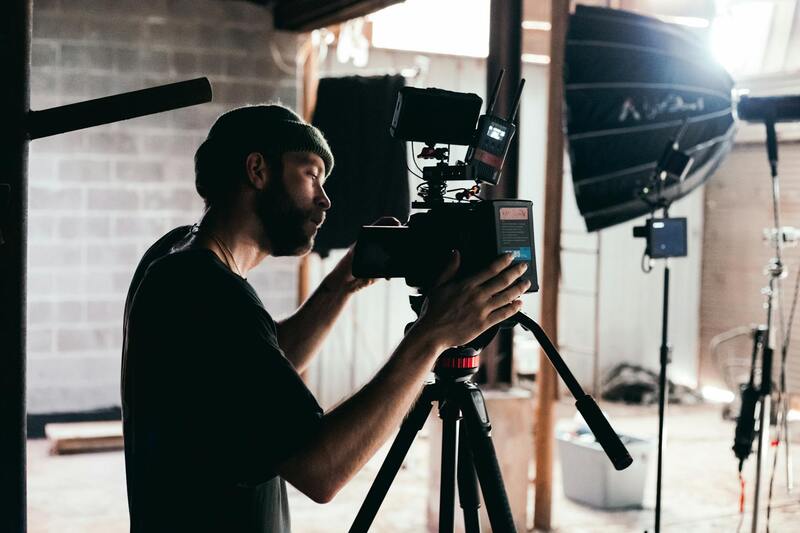
Importance of Live Webcasting in Miami
- Expands audience base for conferences, seminars, and trade shows beyond physical venue limits.
- Enhances marketing campaigns with engaging, real-time content delivery.
- Facilitates remote participation, increasing inclusivity for clients, partners, and stakeholders.
- Supports branding efforts by broadcasting high-quality events with professional production standards.
- Enables event recordings for future use, training, or promotional purposes.
With Miami's diverse and dynamic professional landscape, choosing the right live webcasting service is essential for creating impactful and accessible events. High standards of audiovisual quality, reliability, and technical support are crucial to ensuring a smooth streaming experience. As the city continues to grow as an epicenter for commerce and entertainment, live webcasting stands out as a vital tool for strategic communication and audience engagement.
Overview of Live Webcasting Services
Live webcasting services utilize advanced streaming technologies to transmit real-time video and audio content over the internet. These services are essential for organizations seeking to reach broad audiences across different locations without the constraints of physical presence. They offer a reliable platform for broadcasting corporate events, conferences, product launches, and cultural festivals, ensuring audiences can engage from anywhere worldwide.
r>r>
One of the primary advantages of live webcasting services is their ability to deliver high-definition video with minimal latency, creating an immersive viewing experience. This is achieved through the use of robust infrastructure that includes dedicated content delivery networks (CDNs), high-capacity servers, and optimized encoding software. These components work together to minimize buffering, provide consistent quality, and support large viewership interactions.
r>r>
In Miami, a city renowned for its vibrant business climate and entertainment scene, live webcasting services play a critical role in amplifying outreach efforts. By leveraging professional streaming solutions, companies and event organizers can transcend geographical limitations, engaging audiences across different time zones and locations seamlessly.
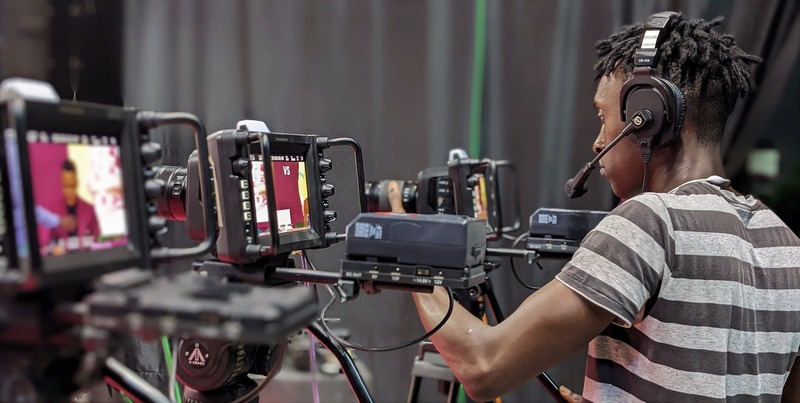

Technical Aspects of Live Webcasting
Effective live webcasting relies heavily on a combination of high-quality equipment and robust infrastructure. When selecting live webcasting services, it’s essential to understand the technological foundation that ensures smooth, uninterrupted streaming experiences. Key components include professional-grade cameras capable of capturing crystal-clear video, which should be adaptable to varied lighting conditions typical of different event environments.
Audio quality is equally critical, with microphones designed to minimize background noise and deliver clear, intelligible sound. This often involves the use of lapel, shotgun, or boundary microphones, depending on the nature of the event and its setting. High-fidelity audio complements visual content, maintaining viewer engagement and ensuring message clarity.
Streaming hardware, such as encoders, translates live feeds into digital signals suitable for internet transmission. Modern encoders often come with features like multi-bitrate streaming, which allows viewers to receive the best quality stream their device can handle, providing a seamless experience regardless of their bandwidth limitations.

Network connectivity plays a vital role in live streaming. Reliable high-speed internet connections, with redundancy options, prevent disruptions during broadcasts. Many live webcasting providers utilize content delivery networks (CDNs) to distribute streams efficiently across multiple regions, reducing latency and buffering issues.
From a software standpoint, sophisticated broadcasting platforms allow for real-time switching between different camera angles, overlaying graphics, and inserting live chats or polls to foster viewer interaction. These tools contribute to a dynamic viewing experience and enhance audience engagement.
In addition to core streaming tools, cybersecurity measures such as secure token authentication, encrypted data transfer, and digital rights management (DRM) serve to protect sensitive content. These measures are vital when broadcasting proprietary corporate information or exclusive event content to prevent unauthorized access or piracy.

Overall, a well-rounded technical setup, combining top-tier hardware, reliable connectivity, and secure streaming software, forms the backbone of professional live webcasting. This infrastructure ensures that every broadcast maintains high standards for quality, security, and viewer satisfaction, key factors when choosing a trusted live webcasting service in Miami.
Technical Aspects of Live Webcasting
Implementing effective live webcasting services requires a comprehensive understanding of the technical components that ensure a seamless streaming experience. The core elements include high-quality audio-visual equipment, robust internet connectivity, advanced encoding hardware and software, and secure content delivery mechanisms.
Professional-grade cameras with high resolution and frame rates capture crisp visuals, while high-fidelity microphones ensure clear audio. These components should be complemented with video switchers and streaming encoders that facilitate real-time broadcast management, allowing for multi-camera setups, overlays, and graphics enhancements that enrich viewer engagement.

Reliable network setup is critical to prevent disruptions during live sessions. This includes dedicated internet lines with symmetrical bandwidth and redundant connections such as backup fiber or LTE options. Content delivery networks (CDNs) are leveraged to distribute streams efficiently across various geographic locations, minimizing latency and buffering issues. Proper server-side configuration and load management are essential for handling high viewer volumes without degradation of quality.
On the software front, webcasting platforms equipped with real-time switching, graphics insertion, and viewer interaction tools facilitate a dynamic broadcast environment. Features like live chat, polls, and overlay graphics heighten audience engagement, making virtual events more interactive and participatory.
Security measures such as encryption, multi-factor authentication, and secure stream tokens safeguard sensitive content against unauthorized access. Digital rights management (DRM) solutions also play an important role when broadcasting proprietary or confidential information, protecting intellectual property rights in digital environments.

Furthermore, technical support and real-time monitoring ensure that any potential issues are swiftly addressed, maintaining the integrity of the broadcast. Webcasting providers in Miami often employ dedicated teams knowledgeable in both hardware and software, providing clients with a reliable, high-quality streaming service tailored to diverse event needs. This technical infrastructure forms the backbone for delivering professional, secure, and engaging live webcasts that meet high standards of viewer satisfaction.
Technical Aspects of Live Webcasting
Delivering a seamless live stream requires meticulous attention to the technical setup that underpins the broadcast. Central components include high-definition cameras capable of capturing clear, professional-quality video. These cameras should be equipped with features such as multiple inputs for different angles, autofocus, and low-light performance to adapt to various event environments. To ensure real-time encoding, broadcasters utilize hardware and software encoders that compress the video feeds efficiently, balancing quality and bandwidth consumption.
Streaming platforms serve as vital conduits for disseminating content across the internet, with industry-leading options offering robust features such as adaptive bitrate streaming to accommodate viewers' varying internet speeds. Compatibility with multiple devices — desktops, tablets, smartphones — extends reach and accessibility, reinforcing audience engagement. A reliable content delivery network (CDN) ensures optimal delivery by distributing the stream over numerous servers, reducing latency and buffering issues even with large viewer counts.
Equally important is the stability of internet connections, where dedicated fiber optic lines or bonded internet solutions are preferred for their high bandwidth and reliability. Network backup plans, such as secondary internet providers, are critical to prevent interruptions. Technical personnel monitor the connection throughout the broadcast, ready to troubleshoot any issues promptly.
The successful integration of these technical elements guarantees high-quality video and audio transmission, a fundamental aspect of professional live webcasting. Additionally, audio equipment—professional microphones, mixers, and sound processing hardware—must deliver clear, uncolored sound. Synchronization between audio and video streams, known as lip-sync, should always be maintained to prevent distractions for viewers.
In terms of production, multiple camera angles contribute to a dynamic viewing experience. Switching between different feeds requires sophisticated video switching hardware or software, enabling live producers to create engaging, visually appealing content. Overlay graphics, lower thirds, and real-time captions further enhance the professionalism of the broadcast.
The infrastructure supporting live webcasting also includes cybersecurity measures to guard against unauthorized access and cyber threats. Encrypted streams, secure login procedures, and role-based access controls help maintain content integrity and viewer trust. The behind-the-scenes coordination among production team members, technical staff, and content managers is crucial for troubleshooting potential issues instantaneously, maintaining a smooth viewer experience from start to finish.
Image Placeholder for Technical Setup
Technical Aspects of Live Webcasting
Implementing a flawless live webcasting event demands meticulous attention to a range of technical components that ensure seamless delivery and high-quality user experience. At the heart of this process is the deployment of robust encoding hardware and software that compress and transmit video streams efficiently. Proper encoding is pivotal for balancing video quality with the bandwidth limitations of viewers, especially when scaling to accommodate a large audience.
Ensuring a reliable internet connection forms the backbone of effective webcasting. Professionals often utilize dedicated fiber optic links or multiple internet connections with automatic failover capabilities to prevent disruptions during the broadcast. This redundancy minimizes the risk of drops in signal, buffering, or lag, which can diminish viewer engagement.
High-quality cameras and audio equipment are non-negotiable for professional streams. Multiple camera angles provide visual diversity, and robotic cameras with remote control capabilities enable smooth transitions and dynamic shots. Proper lighting setup guarantees that visuals are clear and visually appealing across various environments. Professional microphones and audio mixers ensure crisp sound that complements the visual content, avoiding issues like background noise or volume inconsistencies.
The synchronization of audio and video streams, often referred to as lip-sync, is crucial for viewer comfort. Any misalignment can easily distract viewers and undermine the broadcast’s professionalism. Producers leverage real-time editing software that allows for live switching between camera feeds, overlaying graphics, and inserting captions or branding elements, creating engaging content that holds viewer attention.
Cybersecurity measures must be integrated into the entire webcasting infrastructure to safeguard digital content and protect against cyber threats. Encrypted streams, secure access protocols, and role-based login systems help maintain content integrity and prevent unauthorized access. Multiple layers of security not only protect proprietary content but also enhance viewer confidence in the reliability and professionalism of the webcast.
Behind-the-scenes, the coordination between technical personnel—including engineers, producers, and content managers—is vital. They monitor every aspect of the broadcast in real-time, ready to troubleshoot issues such as internet disruptions, hardware failures, or software glitches. Effective communication and quick decision-making ensure the broadcast proceeds smoothly, providing viewers with an uninterrupted experience.
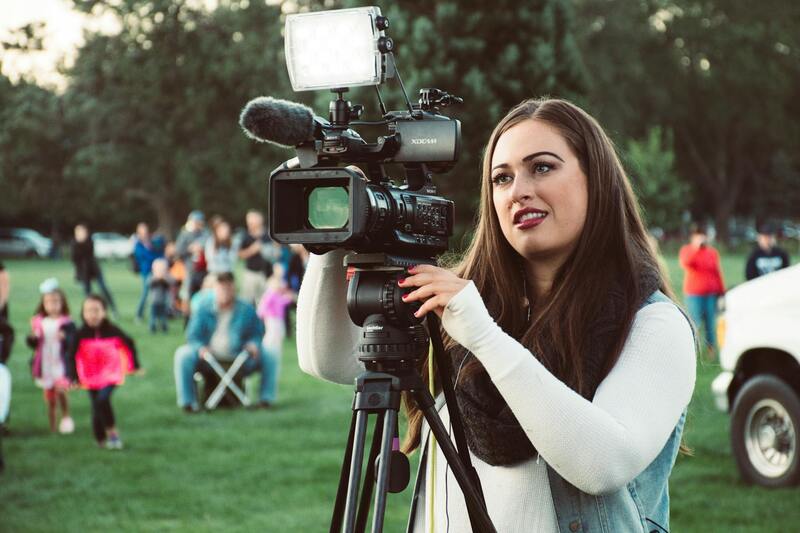
Properly structured technical setup combines top-tier equipment, reliable connectivity, cybersecurity, and skilled personnel, all working in harmony before and during the live event to produce a high-caliber webcasting experience.
Technical Aspects of Live Webcasting
Implementing high-quality live webcasting services requires meticulous attention to technical details ensuring seamless delivery and optimal viewer engagement. Central to this process is the selection of appropriate hardware, which includes multi-camera setups, professional-grade microphones, encoders, and reliable streaming servers. High-definition cameras capture clear visuals, while directional microphones ensure crisp audio, both fundamental for a professional broadcast experience.
The encoding process plays a crucial role in transmitting high-quality streams efficiently. Advanced encoders convert raw audio and video signals into compressed formats suitable for online streaming, balancing quality and bandwidth utilization. Live switchers enable real-time transitions between camera feeds, allowing dynamic presentation styles and visually engaging content. Overlay graphics, branding elements, and captions can be integrated on-the-fly, enhancing the viewer's understanding and engagement.
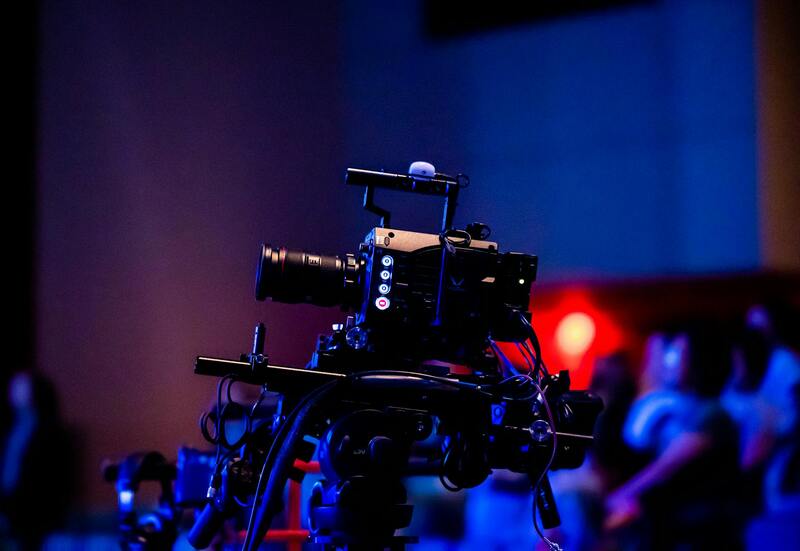
Network connectivity remains a cornerstone of successful live webcasting. A dedicated, high-bandwidth internet connection minimizes latency and prevents buffering issues. Redundant connections serve as backups, ensuring uninterrupted streams even during unforeseen interruptions. Quality of service (QoS) configurations on networks prioritize streaming traffic, reducing lag or quality dips.
Secure streaming protocols are employed to safeguard content integrity, utilizing encryption and secure URL links to prevent unauthorized access or piracy. Content delivery networks (CDNs) facilitate efficient distribution of streams across multiple geographic locations, ensuring viewers worldwide experience smooth playback regardless of their location.
Real-time monitoring tools are indispensable for managing live broadcasts. These systems track metrics such as streaming stability, viewer engagement, and signal quality, enabling technical teams to respond swiftly to any issues that arise during the event. The coordinated effort of engineers, producers, and content managers ensures that any glitches are promptly rectified, maintaining a professional broadcast standard throughout the event.
All these technical components must be orchestrated carefully, emphasizing quality, security, and reliability. Professional live webcasting providers integrate advanced technologies and experienced personnel to deliver high-caliber streaming experiences that captivate audiences and elevate the event's visibility.
Technical Aspects of Live Webcasting
Executing a seamless live webcast requires meticulous attention to various technical components that work in unison to deliver a high-quality streaming experience. Central to this process is the selection of robust hardware, including professional-grade cameras, audio equipment, and encoding devices that capture and transmit high-definition content with clarity and precision. Ensuring optimal lighting and sound quality during the event enhances viewer engagement and preserves the professionalism of the broadcast.
Complementing hardware selection are efficient streaming protocols, such as RTMP (Real-Time Messaging Protocol) and HLS (HTTP Live Streaming), which facilitate smooth data transmission from the source to viewers' devices. These protocols are supported by powerful content delivery networks (CDNs) that distribute the stream across multiple servers worldwide, reducing latency and preventing buffering issues even when hosting a large audience.

Connection stability remains a critical concern for live broadcasting. Professional setups include redundant internet connections, such as fiber optic links and wireless backups, to prevent interruptions caused by network failures. Network prioritization through Quality of Service (QoS) configurations guarantees that streaming data receives precedence over other internet traffic, maintaining a consistent, high-quality feed.
Another technical element involves real-time monitoring systems. These tools provide continuous oversight of streaming health, viewer engagement metrics, and signal integrity. Technicians and content managers can quickly identify and resolve issues like lag, pixelation, or audio distortions before viewers notice them, ensuring the broadcast remains smooth and professional throughout its duration.
Security features are equally vital in safeguarding content during live streams. Encryption protocols and secure link methods protect the transmission from unauthorized access and potential piracy. Additionally, employing access controls and password protections restrict viewer access to authorized audiences, enhancing overall content security.
Advancements in live webcasting technology are also enhancing viewer interaction. Features such as live chat, polls, and real-time Q&A sessions foster engagement and make virtual events more interactive. Integration of these elements into the webcast requires reliable infrastructure and specialized software, often managed by experienced technical teams who ensure flawless operation.
In sum, the technical foundation of professional live webcasting lies in a well-orchestrated architecture that combines cutting-edge equipment, secure and reliable connectivity, efficient streaming protocols, and advanced monitoring tools. This synergy of technology enables the delivery of high-caliber broadcasts that meet the expectations of diverse audiences, whether for corporate events, conferences, cultural performances, or educational seminars.