Overview of Event Live Streaming Services
In the evolving landscape of event management, live streaming services have become an indispensable tool for extending the reach and impact of various gatherings. These platforms enable real-time broadcasting of events, allowing audiences to participate virtually from anywhere in the world. As technology advances, the core features of event live streaming services include high-definition video transmission, real-time audience interaction, multi-platform compatibility, and robust security measures.
Event live streaming services serve a crucial role in expanding audience engagement, reducing logistical challenges, and increasing visibility for organizations hosting events. Whether it's a corporate conference, a music festival, a sports competition, or a community gathering, the ability to broadcast live ensures that the event's message reaches a broader demographic without the constraints of physical attendance.
These services integrate seamlessly with various digital channels, including dedicated websites, social media platforms, and mobile applications. They also offer tools for content management, audience analytics, and interactive features such as live chat and polls, providing a comprehensive solution for event organizers seeking to elevate their event experience.

Types of Events Suitable for Live Streaming
Event live streaming services are versatile, accommodating a wide spectrum of event formats across various industries. From corporate conferences to cultural festivals, live streaming enables organizers to extend their reach beyond physical confines, ensuring a broader audience participation. Understanding which events benefit most from live streaming can help maximize engagement and return on investment.
Corporate Events and Conferences
Corporate gatherings such as annual meetings, product launches, panel discussions, and training sessions are prime candidates for live streaming. These formats benefit from real-time dissemination of information and interactive features such as Q&A sessions, polls, and chat functions, fostering a sense of inclusivity among remote participants. Additionally, recorded versions can be made available post-event for those unable to attend live.
Cultural and Entertainment Events
Music festivals, theater performances, dance recitals, and art exhibitions often draw large audiences. Live streaming provides an avenue to showcase these cultural events to global audiences, increasing visibility and potential revenue streams. These events often incorporate multi-camera setups, high-quality visuals, and live commentary to replicate the immersive experience for viewers at home.
Educational and Academic Events
Workshops, seminars, webinars, and graduation ceremonies are increasingly transmitted via live streaming platforms. Educational institutions and organizations can reach diverse demographics, including students, professionals, and lifelong learners. Interactive features such as quizzes, chat, and breakout rooms facilitate engagement and collaborative learning experiences regardless of physical location.
Sports and Recreational Events
Local sports tournaments, marathons, and recreational competitions leverage live streaming to connect with fans and supporters worldwide. High-definition broadcasts coupled with multi-angle views and live commentary enrich the viewing experience, allowing spectators to feel closer to the action regardless of where they are situated.
Religious and Community Gatherings
Religious ceremonies, community celebrations, and charity events have found a new platform through live streaming. These broadcasts enable participation from members who cannot physically attend, fostering community bonds and ensuring that significant events are accessible to all members.
Choosing the appropriate live streaming setup depends on the specific requirements of each event, including expected audience size, content type, and interactivity level. These factors determine the necessary technical infrastructure and the features needed to deliver a compelling online experience. Whether it's a high-profile corporate presentation or a local community festival, reliable live streaming ensures that the event’s message is delivered with clarity, professionalism, and maximum engagement potential.
Technical Requirements and Setup
Implementing a seamless live streaming event demands careful attention to technical setup and infrastructure. To ensure high-quality broadcasts, event organizers need reliable hardware, a robust internet connection, and appropriate software tools. Essential equipment includes high-definition cameras capable of capturing the event from multiple angles, professional microphones for clear audio capture, and streaming encoders that convert these signals into a format suitable for online delivery.
Furthermore, a high-speed internet connection with substantial upload bandwidth is critical. Typically, a minimum of 10 Mbps upload speed is recommended for standard HD streaming, but larger events with higher resolution requirements may necessitate even greater bandwidth. Redundancy measures, such as backup internet connections, can protect against connectivity failures that could disrupt the broadcast.

During the setup, organizers should also configure encoders and streaming platforms properly. This includes setting optimal bitrates, selecting appropriate resolution settings, and ensuring that audio and video syncs are correctly calibrated. Testing the entire setup beforehand helps identify potential issues and ensures smooth broadcasting on the day of the event.
In addition, integrating a reliable content delivery network (CDN) improves stream stability by reducing buffering and latency, especially when reaching audiences across multiple regions. Using a secure and scalable streaming platform from a trusted provider ensures compatibility with various devices and browsers, delivering an inclusive viewing experience.
Best Practices for Successful Live Streaming Events
- Pre-Event Testing: Conduct comprehensive rehearsals to verify audio-visual quality, internet stability, and platform functionality.
- High-Quality Production: Use professional-grade equipment and multiple camera angles to enhance visual engagement.
- Clear Communication: Inform viewers about event details, streaming links, and technical requirements beforehand.
- Engagement Features: Incorporate interactive elements such as live chat, polls, and Q&A sessions to foster audience participation.
- Technical Support: Have dedicated technical staff on standby to address unforeseen issues swiftly during the broadcast.
- Post-Event Availability: Consider recording the live stream and making it accessible afterward to reach viewers who missed the live event.
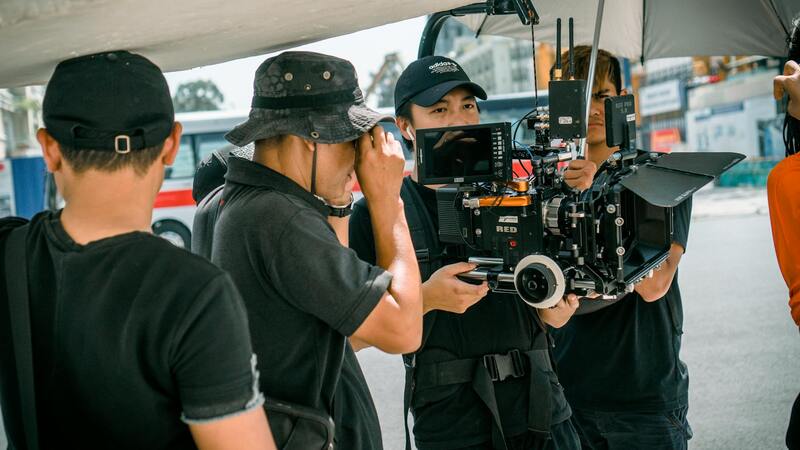
Adhering to these best practices ensures that live streaming events deliver high-quality content, maintain viewer engagement, and run smoothly from start to finish. Proper planning, robust infrastructure, and attentive execution are foundational to executing professional live streams that meet the expectations of organizers and audiences alike.
Legal and Security Considerations
When utilizing an event live streaming service, it is crucial to implement appropriate legal and security measures to protect your content and ensure a seamless broadcasting experience. Securing rights to the content being streamed is a fundamental step. This involves obtaining necessary permissions for copyrighted material, visuals, and music, to prevent unauthorized use that could lead to disruptions or content removal during the event.
Another vital aspect is intellectual property management. Clear agreements should be established with content creators, performers, and other stakeholders to outline rights, usage, and distribution terms. This proactive approach helps mitigate potential disputes and safeguards your event's integrity.
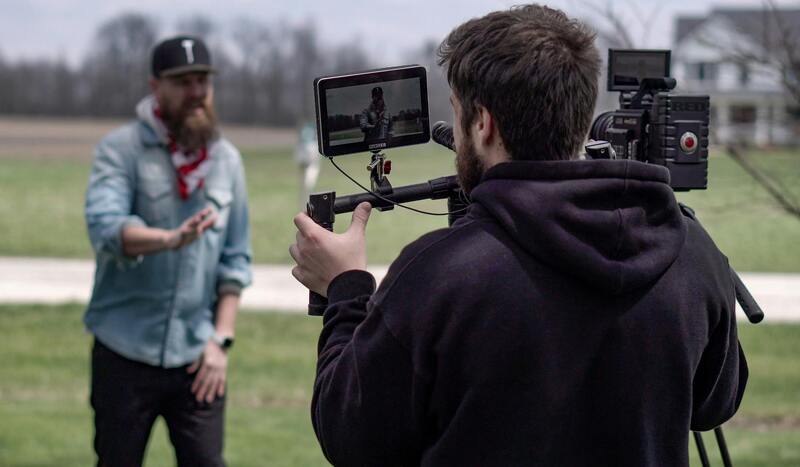
Implementing stringent security protocols during the streaming process further protects your event. These include encrypted data transmission protocols such as HTTPS, SSL, or TLS, which safeguard against data interception and unauthorized access. Many high-quality streaming providers incorporate DRM (Digital Rights Management) technology to prevent unauthorized sharing or recording of live content.
To prevent unauthorized access and protect viewer data, employ robust authentication methods. This can involve secure login procedures, IP restrictions, and session-based access controls. For large-scale events, consider token-based authentication systems to verify viewers' identities before granting access.

Monitoring and moderation tools should be integrated to oversee chat interactions and viewer behavior throughout the event. This not only ensures a positive environment but also allows quick response to any inappropriate content or cyber threats.
Furthermore, maintaining a detailed record of the stream, including logs of access and activity, supports post-event analysis and troubleshooting if needed. Regularly updating security measures and staying informed about emerging threats are essential practices to fortify your streaming infrastructure.
By meticulously addressing legal obligations and security concerns, organizers can deliver a professional, safe, and compliant live event that enhances audience trust and engagement.
Technical Requirements and Setup
Ensuring a seamless live streaming experience begins with proper technical preparation. A reliable high-speed internet connection, ideally wired, forms the backbone of a successful broadcast, reducing the risk of buffering or disconnections. Bandwidth capacity should be sufficient to handle the expected viewer load, plus additional capacity for overhead, to prevent performance bottlenecks. It is advisable to carry out a thorough internet speed test before the event and consider backup options such as a secondary internet connection or mobile hotspot to address potential outages.
Hardware specifications are equally critical. High-definition cameras capable of capturing clear, professional-quality footage are recommended, especially for large or high-profile events. These should be connected to a stable audio system to ensure sound clarity, which is often as important as visuals in engaging viewers. Switching equipment, such as video switchers, can be employed to provide dynamic views and multiple angles, enhancing the overall production quality.
Audio-visual synchronization is essential for delivering a polished viewing experience. Use of professional-grade microphones and audio mixing consoles can significantly improve sound quality, minimizing background noise and ensuring speech intelligibility. Proper lighting setup is also crucial; well-lit scenes appear more vibrant and reduce the need for excessive post-production adjustments.
For the actual streaming process, encoder devices or software are required to compress and transmit video signals to the hosting platform. Choosing the right encoder depends on event size and complexity; hardware encoders offer dedicated performance, while software options provide flexibility and scalability. Configuration of encoding settings—such as resolution, bit rate, and frame rate—should prioritize a balance between visual fidelity and smooth playback, tailored to the viewers’ internet speeds.

Testing the entire setup multiple times before the event helps identify technical issues early, allowing for adjustments and ensuring everything runs smoothly during the broadcast. Additionally, having a technical support team on standby during the event provides immediate response to any unforeseen problems, minimizing disruptions and maintaining high-quality streaming standards.
Legal and Security Considerations
Ensuring a seamless and professional live streaming event involves more than just high-quality equipment and reliable internet connectivity. It also requires adherence to established procedures that address legal and security aspects essential for protecting content, respecting intellectual property rights, and safeguarding viewer information.
Firstly, securing proper authorizations and permissions is crucial when streaming copyrighted material. This includes obtaining licenses for music, videos, or images used during the event. Failure to do so can lead to content takedowns or potential legal complications. For live events involving speakers or performers, ensure that all participants have signed releases or consent forms that explicitly permit video recording and streaming.
In conjunction with copyright permissions, employing Digital Rights Management (DRM) techniques can help prevent unauthorized distribution of streamed content. This may involve watermarking the stream, encrypting data, or deploying secure streaming protocols that restrict access to authorized viewers only. Implementing geographical restrictions can also ensure viewers are located within permitted regions, adding an extra layer of control over content distribution.
On the security front, safeguarding personal data of viewers and event participants is non-negotiable. Utilizing secure connections, such as HTTPS and encrypted streams, helps protect sensitive information from cyber threats. It is equally important to use strong authentication methods for access control, especially when streaming private or exclusive events. Creating unique login credentials and restricting access to specific user groups minimizes risks of unauthorized viewing or content leaks.
Provisioning multiple layers of security, including firewalls, intrusion detection systems, and regular monitoring, enhances the overall resilience of the streaming infrastructure. Additionally, maintaining a detailed security plan and establishing protocols for incident response can swiftly address any cyber threats or breaches that may occur during the event.
Finally, respecting privacy laws and data protection regulations, such as GDPR or CCPA, is essential when handling viewer data. Clearly communicating the privacy policy, obtaining necessary consents, and offering viewers options to manage their data reinforce transparency and trust. Combining these practices ensures that live streaming events are not only high-quality but also secure and compliant with relevant standards and regulations.
Legal and Security Considerations
When hosting an event live streaming service, it is vital to implement robust legal and security protocols to safeguard the integrity of the broadcast and protect all stakeholders involved. Securing the content against unauthorized distribution requires employing advanced digital rights management (DRM) solutions and encrypted streaming techniques. These methods help prevent content piracy by ensuring that only authorized viewers can access the live stream via secure tokens or digital certificates.
Additionally, utilizing secure streaming protocols such as HTTPS with TLS encryption provides a secure channel between the streaming server and the viewer’s device. This encryption prevents interception or tampering with the stream during transit, maintaining quality and confidentiality. Providers often incorporate multi-factor authentication (MFA) systems to control access, especially for private or exclusive events, adding an extra layer of verification beyond simple login credentials.
Choosing a reputable streaming platform that complies with industry standards ensures that content transmission remains secure and reliable. These platforms typically offer features such as geo-restrictions, user authentication, and customizable access controls. This not only prevents unauthorized viewing but also helps manage regional rights and content restrictions effectively.
Furthermore, establishing comprehensive legal agreements, such as licensing terms and user agreements, clarify rights and responsibilities for all parties involved. Clear communication about rights to record, distribute, or archive streamed content prevents misunderstandings and disputes. Regular audits and monitoring of streaming activities enable immediate detection of irregularities or breaches, allowing swift response actions.
Implementing privacy policies aligned with regulations such as GDPR or CCPA enhances transparency with viewers regarding data collection, storage, and usage. Explicit consent mechanisms, along with options for viewers to manage their data preferences, foster trust and compliance. This proactive approach ensures that live streaming operations not only comply with legal obligations but also uphold ethical standards and user confidence.
Adopting layered security measures, including firewalls, intrusion detection systems, and regular security assessments, further fortifies the streaming infrastructure. Developing incident response plans enables quick mitigation of any security threats or breaches, minimizing potential disruption or damage. Ultimately, combining technological safeguards with comprehensive legal frameworks creates a resilient environment for hosting professional and secure live streaming events.
Legal and Security Considerations for Event Live Streaming
Effective management of live streaming events involves meticulous attention to legal and security considerations that safeguard content integrity, protect participant data, and ensure compliance with established standards. This comprehensive approach encompasses several key areas, including content rights management, privacy policies, cybersecurity protocols, and ongoing monitoring to maintain a secure and reputable streaming environment.
Content Rights and Licensing
One of the foundational elements of a successful live streaming event is the careful handling of content rights. Ensuring that all streamed material has appropriate licensing agreements in place prevents unauthorized use and avoids potential disputes over copyright infringement. Event organizers should verify that they possess or possess permission for all visual, audio, and multimedia components included in their stream. Employing official content licensed through verified distributors or rights holders guarantees legal compliance and fosters trust among viewers.
Furthermore, establishing clear licensing terms with contributors, speakers, performers, and content creators involved in the event is essential. These agreements should specify permitted uses of the streamed content, rights to record, distribute, or archive, and any restrictions on reproduction. These practices enable smooth operations and mitigate risks associated with content misuse or misrepresentation.
Privacy Policies and Data Protection
Live streaming platforms collect a spectrum of user data, including personal information, viewing habits, and user interactions. Crafting transparent privacy policies aligned with regional regulations such as GDPR (General Data Protection Regulation) or CCPA (California Consumer Privacy Act) reinforces compliance and engenders viewer confidence. Clear disclosure of data collection methods, storage procedures, and usage purposes empowers viewers to make informed decisions and exercise control over their information.
- Explicit consent mechanisms should be integrated into registration or viewing processes, requiring users to agree to privacy terms before engaging with the stream.
- Options for viewers to access, modify, or delete their data should be readily available.
- Secure storage of all collected data using encryption and other cybersecurity measures is vital to prevent unauthorized access.
Cybersecurity Measures
Protecting live streams against cyber threats involves deploying layered security protocols. Firewalls act as the first line of defense, filtering incoming traffic and blocking malicious attempts. Intrusion detection systems monitor network activity for unusual behaviors signaling potential breaches. Regular security audits and vulnerability assessments ensure the infrastructure remains resilient against emerging threats.

Establishing incident response plans enables rapid action in case of security breaches, minimizing potential disruptions. These plans should outline procedures for isolating threats, notifying stakeholders, and restoring services swiftly. Combining technical safeguards with contingency planning creates a comprehensive security framework that sustains the quality and reliability of live streaming operations.
Continual Monitoring and Compliance
Ongoing oversight of live streaming activities is critical for maintaining compliance and safeguarding content integrity. Real-time monitoring systems can detect irregularities such as unauthorized recordings or access attempts, allowing immediate corrective actions. Regular audits verify adherence to licensing and privacy commitments while identifying potential vulnerabilities.
Engaging legal and security experts periodically review policies and procedures ensures alignment with evolving regulations and technological landscapes. Staying current with best practices and emerging standards strengthens the organization’s ability to deliver secure, professional, and compliant live streaming experiences for all participants.