Understanding Conference Live Streaming Services
Conference live streaming services have become an essential tool for organizing and disseminating information to a broad audience in real time. These platforms enable event organizers to broadcast conferences, seminars, workshops, and corporate meetings to viewers across different geographical locations with high-quality audio-visual content. The primary purpose of these services is to enhance attendee engagement, increase accessibility, and extend the reach of the event beyond physical confines. As technology evolves, the benefits of professional conference streaming platforms continue to expand, providing seamless, reliable, and scalable solutions tailored to the specific needs of various organizations.
At their core, conference live streaming services allow organizers to deliver live video feeds via the internet to invited guests or a wider public audience. These solutions typically include features such as multi-camera setups, professional audio equipment, real-time editing, and interactive elements like Q&A sessions or polls. This integration of tools not only improves the overall viewing experience but also encourages active participation, making virtual attendance as impactful as being physically present.
Furthermore, these services support an array of platforms, including websites, social media channels, and dedicated apps, ensuring the content reaches viewers on their preferred devices and channels. This adaptability is particularly critical in today’s diverse digital landscape. For event organizers, leveraging such services translates into increased event visibility, higher engagement rates, and the opportunity to record sessions for post-event content or on-demand viewing.
High-quality conference streaming is also instrumental in maintaining professionalism and credibility for corporate or academic institutions. It ensures that messages are communicated clearly and effectively, regardless of the participants’ locations. The use of specialized streaming services guarantees a stable connection, minimal latency, and easy access combined with branding options that reinforce the event’s identity.

Overall, conference live streaming services have transformed the traditional event landscape, providing dynamic opportunities for content delivery, audience interaction, and organizational growth. For event planners in Miami, selecting the right platform can elevate the professionalism of their events and ensure seamless execution from start to finish. As the demand for virtual and hybrid events continues to grow, understanding the purpose and advantages of these services is foundational in creating impactful and memorable experiences for all participants.
Key Features of Professional Conference Streaming Platforms
When selecting conference live streaming services, it is essential to evaluate the core features that ensure a seamless and engaging virtual event experience. High-definition video quality is paramount, as viewers expect clear visuals that accurately showcase speakers, presentations, and interactions. Platforms offering adaptive bitrate streaming can automatically adjust video quality based on viewer bandwidth, minimizing buffering and maintaining engagement regardless of internet speed.
Reliable bandwidth and server stability are equally critical. A dependable streaming service leverages advanced Content Delivery Networks (CDNs) to distribute content efficiently across various geographical locations, reducing latency and preventing disruptions during live broadcasts. This stability is vital for maintaining professionalism and ensuring that large audiences can access the stream without technical difficulties.
Integration with multiple platforms—including social media channels, websites, and dedicated apps—is another vital feature. Such interoperability allows organizers to expand their reach, connect with audiences where they are most active, and encourage broader participation. Native integrations with popular platforms also simplify sharing and enhance discoverability.
User interactivity enhances engagement during conference streams. Features like live chat, Q&A sessions, polls, and real-time feedback tools enable viewers to participate actively, fostering a sense of community and connection despite physical distances. For organizers, these interactions provide valuable insights into audience engagement and preferences.
Security measures, such as encrypted streaming, access controls, and login authentication, safeguard content from unauthorized access and intellectual property infringements. By employing secure streaming protocols, organizers can confidently broadcast sensitive or proprietary content.
Furthermore, comprehensive analytics capabilities are indispensable. Platforms that offer detailed reports on viewership metrics, engagement levels, and viewer demographics empower organizers to assess the success of their events and inform future planning.
Technical Requirements for Conference Live Streaming
Executing a seamless conference live stream necessitates meeting specific technical standards to ensure high-quality broadcast and user experience. The fundamental components include a robust internet connection with sufficient bandwidth, typically ranging from 10 Mbps to 100 Mbps or more, depending on the number of concurrent viewers and the stream quality. A wired Ethernet connection is preferred over Wi-Fi to minimize disruptions and latency issues, providing a stable pathway for high-definition video transmission.
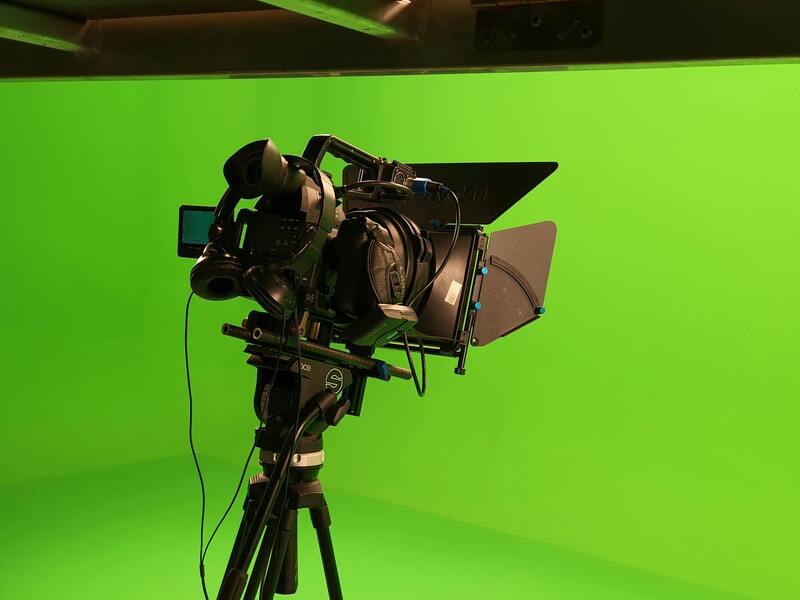
High-definition cameras, ideally capable of recording in 1080p or higher, are crucial for capturing clear visuals that maintain professionalism and show detail. Proper lighting setups enhance image quality, reducing noise and ensuring the subject is well illuminated. Multiple camera angles can be coordinated to provide dynamic coverage of speakers, panel discussions, and audience interactions.
Audio quality is equally vital; professional microphones and sound mixing equipment help deliver clear, balanced sound free from interference or background noise. Audio feeds should be synchronized with video feeds to prevent lag or mismatch during playback.
Streaming hardware, such as professional encoders or software solutions that compress and transmit live video, must be reliable and capable of handling the required bitrates. Encoders should support multiple resolutions and adaptive streaming to accommodate viewers on various devices and network conditions.
Content management is facilitated through platforms that integrate seamlessly with streaming hardware, providing features like live transcoding, multi-bitrate streaming, and real-time monitoring. These tools enable organizers to respond swiftly to technical anomalies and maintain broadcast quality.
Event organizers should also consider redundancy measures, such as backup internet connections, secondary streaming servers, and power sources, to mitigate potential technical failures during live broadcasts. Conducting pre-event testing ensures all equipment functions correctly and coordinates smoothly.
Additional aspects include compatibility with diverse devices—from desktops to smartphones—and adherence to specific accessibility standards, such as closed captioning and audio descriptions, to enhance inclusiveness.
Technical Requirements for Conference Live Streaming
Implementing a successful conference live stream necessitates a comprehensive understanding of key technical requirements. The cornerstone of high-quality broadcasting begins with reliable equipment. This involves professional-grade cameras capable of capturing high-definition video, ideally supporting resolutions of 1080p or higher to ensure clarity and sharpness. Complementing the cameras are advanced audio capture systems, including boundary microphones, wireless microphones, and sound mixing consoles, which work collectively to deliver crisp audio free of distortions or background noise.
Internet connectivity plays a pivotal role in live streaming. An upload bandwidth of at least 10 Mbps per stream is advisable, with higher speeds recommended for multi-camera setups or higher resolution streams. Backup internet connections, such as a secondary wired connection or cellular data links, are crucial to prevent disruptions during the broadcast. Redundant system configurations, including secondary streaming servers, further bolster the stability of the live feed.
Stream encoding hardware or software is essential for compressing video feeds without compromising quality. These encoders support adaptive bitrate streaming, allowing the stream to adjust dynamically to viewer bandwidth limitations, thereby minimizing buffering and dropout issues. Compatibility with various streaming platforms and content management systems ensures smooth integration and management.
Additional Technical Considerations
- Power Backup: Uninterruptible Power Supply (UPS) units are vital to maintain power stability during live events, protecting against unexpected outages.
- Monitoring Tools: Real-time monitoring dashboards enable technical teams to oversee stream health, latency, and viewer metrics, ensuring quick responses to issues.
- Compatibility: Ensuring the streaming setup supports diverse devices and operating systems, including mobile phones, tablets, desktops, and smart TVs, guarantees a wider reach.
- Accessibility Standards: Incorporate closed captioning, audio descriptions, and sign language interpretation features to make content accessible to all attendees.
Preparation and pre-event testing are indispensable to identify and resolve potential issues. Run dry runs with all equipment, codecs, and internet connections to simulate the actual event, thereby ensuring all systems function harmoniously. This proactive approach minimizes technical hiccups during the live broadcast, providing a seamless viewing experience for remote attendees.
Technical Requirements for Conference Live Streaming
Ensuring high-quality conference streaming necessitates a robust infrastructure comprising both hardware and software components. Central to this setup are encoding devices—either hardware encoders or software solutions—that compress the video feed efficiently, enabling the live stream to deliver crisp visuals without excessive latency. These encoders must support adaptive bitrate streaming, a crucial feature that dynamically adjusts video quality based on viewer bandwidth, reducing buffering issues and enhancing the overall viewing experience.
Compatibility is another vital consideration. The streaming system should seamlessly integrate with various content management platforms and distribution channels, facilitating smooth content delivery and management. In addition, the encoding hardware or software should support multi-platform outputs, enabling viewers to access content via desktops, laptops, tablets, smartphones, and smart TVs without complications.
Additional Technical Considerations
Technical stability during live streams depends heavily on auxiliary equipment and environment. Power reliability is fundamental; uninterruptible power supply (UPS) units protect critical equipment from power outages, ensuring the stream remains uninterrupted. Moreover, real-time monitoring tools are indispensable, allowing technical teams to oversee stream health, detect latency issues, and respond swiftly to any anomalies.
Compatibility across devices and operating systems broadens the accessibility of the streamed content, making sure that attendees can connect via their preferred platforms. Incorporating accessibility features such as closed captioning, audio descriptions, and sign language interpretation extends the reach of the presentation, making it inclusive for all participants. Regular pre-event testing—including dry runs—helps identify potential technical issues ahead of the live event. These rehearsals should include testing all equipment, codecs, internet connections, and streaming configurations to simulate real conditions, thereby minimizing the risk of disruptions during the actual event.
Best Practices for Producing Live Conference Streams
Producing an effective live conference stream requires meticulous planning and execution. Positioning cameras at strategic angles ensures comprehensive coverage of the event, capturing keynote speakers, panel discussions, and audience interactions. High-quality audio equipment—such as professional microphones and mixers—is essential for clear sound that complements the video feed. Regularly checking audio levels and minimizing background noise enhances clarity and listener engagement.
Engagement strategies include integrating live chat functionalities, polls, and Q&A sessions, which promote interaction between remote viewers and presenters. Ensuring stream security involves employing encryption protocols and secure login methods, protecting the content from unauthorized access. A well-structured production team should coordinate these elements seamlessly, with backup plans in place for potential technical setbacks.
Another key aspect involves maintaining a consistently stable internet connection, ideally through dedicated high-bandwidth lines. Redundant internet links provide additional assurance that connectivity issues won't interrupt the broadcast. Post-event analysis and viewer feedback collection can provide insights for continuous improvement, elevating the quality of future live streams.
Understanding Conference Live Streaming Services
Conference live streaming services are specialized solutions designed to broadcast events in real-time over the internet, enabling remote attendees to participate as if they were physically present. These services leverage advanced broadcasting technology, reliable networks, and interactive features to create an engaging virtual experience. When selecting a platform, organizers need to consider factors such as scalability, content protection, integration capabilities, and ease of use to ensure that the streaming aligns with the event’s goals. An effective conference live streaming platform provides high-definition video and audio, low latency transmission, and customizable player options that match the event branding.
 igure>
Additionally, these services often include supplementary features like multi-camera setups, real-time analytics, and interactive chat functions. This enables organizers to monitor audience engagement and respond promptly to viewer inquiries or feedback. Security measures, such as encryption and access control, are vital to protect sensitive content and manage viewer permissions effectively.
Key Features of Professional Conference Streaming Platforms
- High-Definition Delivery: Ensures clear visuals and crisp audio, crucial for keynote speeches and detailed presentations.
- Multi-Angle Camera Support: Allows for dynamic coverage of the event, showcasing different angles and speaker close-ups.
- Interactive Capabilities: Features like live chat, polling, and Q&A sessions facilitate audience engagement and participation.
- Scalability: Supports a growing number of viewers without sacrificing quality.
- Content Security: Offers encryption, secure login, and DRM to prevent unauthorized access and content piracy.
- Analytics and Reporting: Provides insights into viewer behavior, engagement metrics, and stream health, aiding continuous improvement.
- Integration Flexibility: Compatible with various devices and platforms, including smartphones, tablets, and desktops.
Choosing a Live Streaming Provider in Miami
Miami’s vibrant event scene demands live streaming solutions that combine reliability with local expertise. When selecting a provider, consider their track record with large-scale conferences and their ability to deliver customized solutions. Proven experience in the Miami market ensures familiarity with regional internet infrastructure, which is critical for maintaining consistent stream quality.
Evaluating provider capabilities includes reviewing their technical support availability, understanding their approach to content delivery networks (CDNs), and assessing their capacity to handle simultaneous streams for multi-session conferences. It’s also beneficial to select providers who offer end-to-end services—from pre-event testing and setup to post-event analytics—reducing the logistical burden on organizers.
 igure>
Technical Requirements for Conference Live Streaming
For a successful live conference broadcast, several technical prerequisites must be met. This includes high-bandwidth internet connections capable of supporting multiple video feeds simultaneously, with dedicated lines preferred to avoid congestion. The streaming hardware should feature professional-grade encoders, servers, and backup systems to handle real-time conversion, storage, and distribution of content.
Capture equipment like high-definition cameras, professional microphones, and audio mixers are essential for producing a polished broadcast. Adequate lighting and acoustics contribute significantly to the overall quality. Additionally, a stable power supply and uninterrupted power sources prevent disruptions during the event.
The software component involves robust streaming platforms that support multiple streams, overlays, and real-time adjustments. Testing these elements extensively prior to the event ensures that potential issues are identified and resolved well in advance. Event organizers should also prepare contingency plans, including backup internet connections and alternative hardware setups, to mitigate unforeseen technical challenges.
 igure>
Legal and Compliance Considerations
Ensuring proper adherence to legal and regulatory standards is paramount when broadcasting conference live streams. The use of licensed content, such as proprietary slides, videos, or music, requires obtaining appropriate permissions or licenses from rights holders. This safeguards the event from potential copyright issues and legal disputes that could compromise its reputation and operational integrity.
Organizers should also familiarize themselves with data protection laws, especially when handling personal information of attendees and remote viewers. Implementing secure streaming protocols and encryption measures not only enhances viewer trust but also complies with regulations that safeguard user information.
In alignment with best practices, clear communication about the use of recorded content, data collection, and privacy policies should be shared with all participants beforehand. This transparency fosters a trustworthy environment and demonstrates responsibility in managing digital content and attendee data.
Furthermore, having well-documented procedures for responding to technical irregularities or content disputes adds an extra layer of preparedness. These protocols should encompass procedures for swift resolution and communication channels with legal or compliance advisors when necessary.
Finally, choosing a reputable live streaming service provider that adheres to industry standards and maintains rigorous quality controls is essential. Such providers typically have established protocols to ensure content security, bandwidth management, and compliance with applicable regulations, thereby enabling a seamless and risk-mitigated conference broadcast experience.

Utilizing Secure and Reliable Streaming Platforms
When it comes to delivering an effective conference live stream, selecting a secure and dependable platform is paramount. Professional conference streaming services utilize robust infrastructure, including Content Delivery Networks (CDNs), advanced encryption protocols, and redundant servers, to ensure uninterrupted viewing experiences. These features help mitigate risks associated with network congestion, data breaches, and hardware failures, delivering a seamless broadcast to audiences both locally and globally.
Many top-tier providers offer customizable solutions tailored to specific event needs, whether it's a small corporate seminar or a large industry symposium. These solutions often include multi-camera integrations, real-time video switching, and adaptive bitrate streaming, which dynamically adjusts video quality based on the viewer's internet connection, ensuring optimal performance irrespective of bandwidth limitations.
In addition, comprehensive reporting and analytics tools are integrated into these platforms, providing organizers with granular insights into viewer engagement, geographic distribution, and technical performance metrics. This data is invaluable for assessing the success of the event and planning for future streams.
Ensuring Content Security and Privacy
Maintaining strict control over who can access the stream is essential for protecting conference content and attendee privacy. Professional providers typically offer features such as encrypted streams, password protection, secure token authentication, and region-based access controls. These measures prevent unauthorized viewing and safeguard sensitive information shared during the event.
Implementing digital rights management (DRM) systems further ensures that content is not redistributed without permission. For live events featuring proprietary or confidential information, such safeguards are critical for compliance with intellectual property standards and internal policies.
Moreover, consistent security practices include secure login portals, regular software updates, and adherence to industry standards such as ISO/IEC 27001. These steps reinforce trust among organizers, speakers, and attendees by demonstrating a commitment to safeguarding digital assets.
Post-Event Content Management and Distribution
After the live broadcast concludes, organizations often leverage recorded content for on-demand viewing, archive purposes, or subsequent promotional activities. Professional streaming platforms facilitate seamless post-event content management, allowing organizers to easily publish, categorize, and distribute recordings through secure portals or third-party platforms.
Effective content management involves proper encoding, metadata tagging, and access controls to streamline content retrieval and compliance with distribution rights. Providing attendees with access to recorded sessions enhances engagement, extends the event’s value, and assists in knowledge retention.
In addition, detailed analytics gleaned from the post-event period can inform future planning, highlighting which topics resonated most with viewers or identifying technical areas needing improvement in subsequent broadcasts.
Integrating with Other Event Technologies
To maximize the impact of conference live streaming, many providers facilitate integration with other digital solutions such as event apps, virtual networking platforms, and webinar software. These integrations foster real-time interaction, Q&A sessions, polls, and networking opportunities, enriching the overall event experience for remote attendees.
By unifying streaming services with event management tools, organizers can streamline registration, attendee engagement, and content delivery. This holistic approach ensures that both physical and virtual participants are engaged, informed, and connected throughout the event lifecycle.