Overview of Live Stream Event Services
In the dynamic and vibrant city of Miami, hosting live events that reach a broader audience has become more accessible and effective through specialized live stream event services. These services provide a seamless, professional platform for broadcasting conferences, concerts, corporate announcements, and community gatherings in real-time, allowing viewers to engage from anywhere in the world. The primary aim of these services is to facilitate the effortless delivery of high-quality video content, ensuring that event organizers can maximize their outreach without geographical boundaries. This is especially relevant for Miami's diverse, multicultural population and its active business and entertainment sectors.
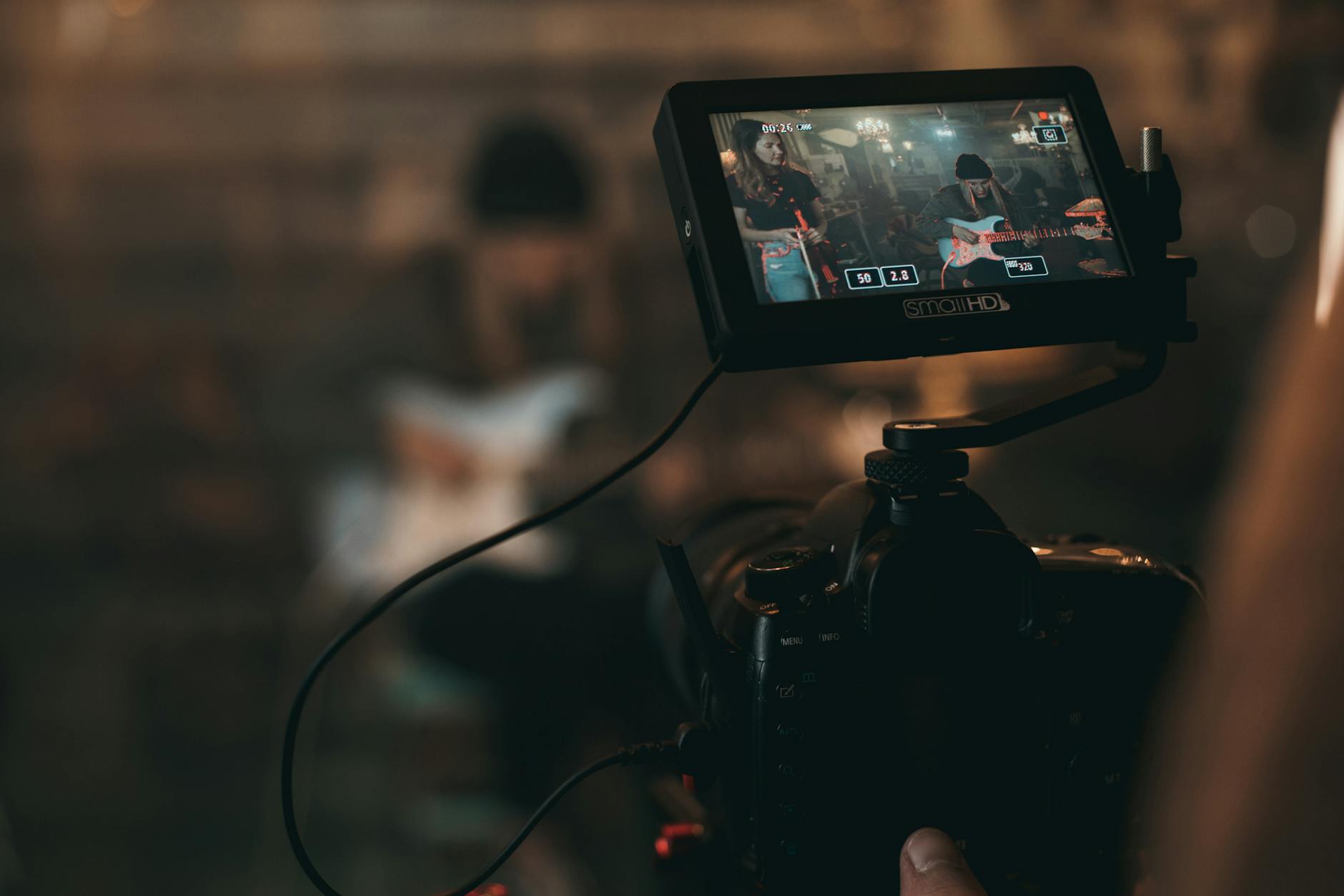
As the demand for live streaming grows, so does the necessity for professionally managed services that guarantee smooth execution and engaging content delivery. Whether it’s a small business seminar or a large music festival, live stream event services enable organizers to present their message with clarity, professionalism, and technical excellence. These services are tailored to address the unique requirements of each event, managing everything from initial planning and technical setup to post-event analytics. For Miami, a city renowned for its cultural diversity, vibrant nightlife, and international commerce, leveraging reliable live stream solutions can significantly enhance event visibility and participation.
Types of Live Streaming Solutions
There are various types of live stream event solutions designed to suit different scales and specific needs. Understanding these options helps organizers select the most appropriate one for their event:
- Basic Live Streaming: Suitable for smaller events with limited budgets, this solution provides essential streaming capabilities, often via social media platforms or simple web players.
- Multi-Camera Live Production: Ideal for engaging events that benefit from multiple angles and professional visuals. This setup involves several cameras, switchers, and live editing to deliver a polished broadcast.
- Interactive Live Streams: Incorporating tools such as live chat, Q&A sessions, polls, and audience participation features to foster engagement in real-time.
- On-Demand Content Integration: Combining live broadcasting with later viewing options, extending the reach and accessibility of the event content.
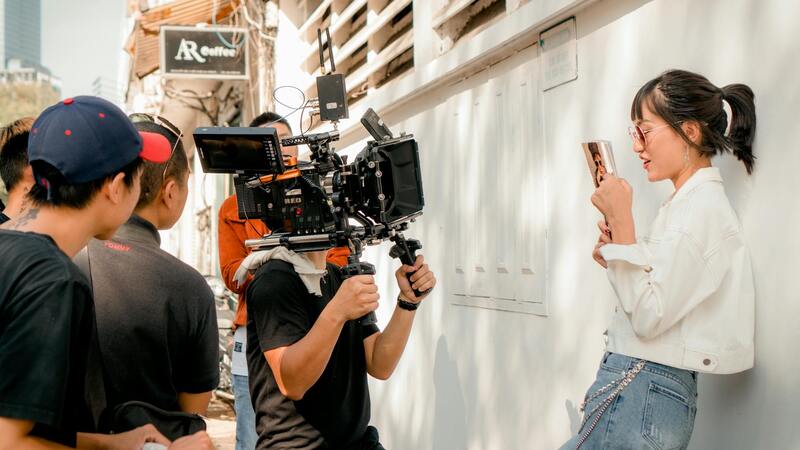
Choosing the correct streaming solution depends on factors like event size, content complexity, audience interaction needs, and budget. Local Miami service providers offer customized packages that cater to these diverse requirements, ensuring a tailored experience that maximizes event impact and viewer satisfaction.
Types of Live Streaming Solutions
On-Site Live Production
On-site live streaming involves deploying professional equipment directly at the event location. This method ensures high-quality broadcasts through the use of multi-camera setups, professional audio systems, and dedicated internet connections. On-site productions are ideal for large conferences, concerts, and festivals where real-time visuals and sound fidelity are paramount. Technicians coordinate all technical aspects on the ground, providing seamless transitions, graphics, and live editing. This setup offers complete control over the production environment, enabling high customization and responsiveness during the event.
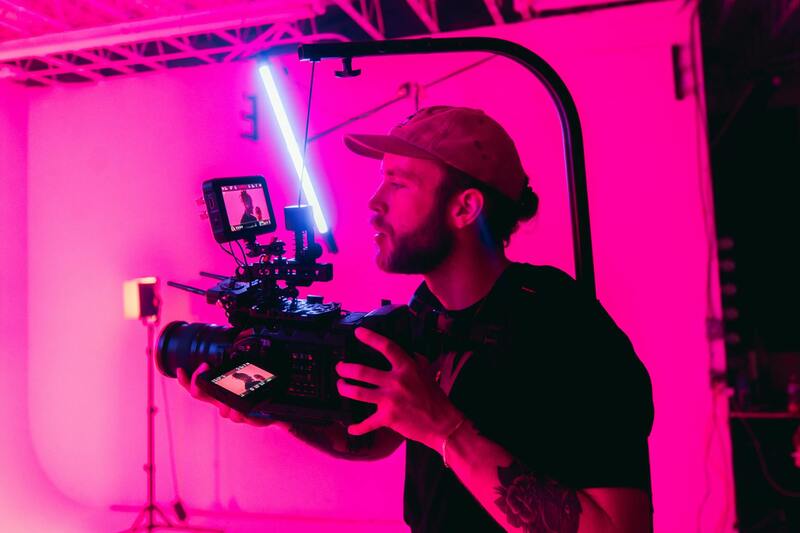
Remote Broadcast Solutions
Remote broadcasting allows organizers to transmit content from a designated location to a virtual venue or audience. This is particularly useful for events where onsite presence is limited or when connecting with hybrid audiences across different geographies. Using high-bandwidth internet connections and remote cameras, technical teams manage the stream from a separate control room, often utilizing cloud-based platforms and virtual switching. Remote solutions reduce the need for extensive onsite equipment and personnel, offering a cost-effective approach for smaller or geographically dispersed events.
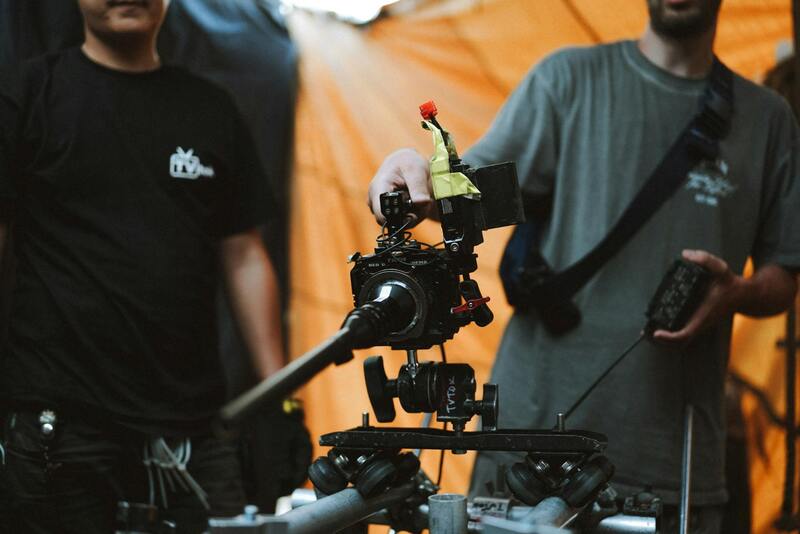
Hybrid Event Streaming
Hybrid streaming combines both on-site and remote elements, providing a flexible framework that maximizes reach and engagement. Organizers can host physical gatherings while simultaneously live streaming the event to audiences worldwide. This approach requires a blend of on-location equipment, virtual mixing, and integrated audience interaction tools. Hybrid models are suitable for corporate summits, religious gatherings, and educational conferences aiming to offer an immersive experience to diverse audiences without geographical constraints. Robust technical planning ensures visual consistency and smooth audience participation across multiple platforms.
Efficient execution of hybrid events depends heavily on the strategic integration of in-person and virtual components, along with reliable internet service and advanced streaming technology. Local Miami providers offer tailored hybrid solutions that facilitate excellent visual quality and audience interactivity, delivering a comprehensive event experience that meets specific organizational goals.
Key Equipment and Technology
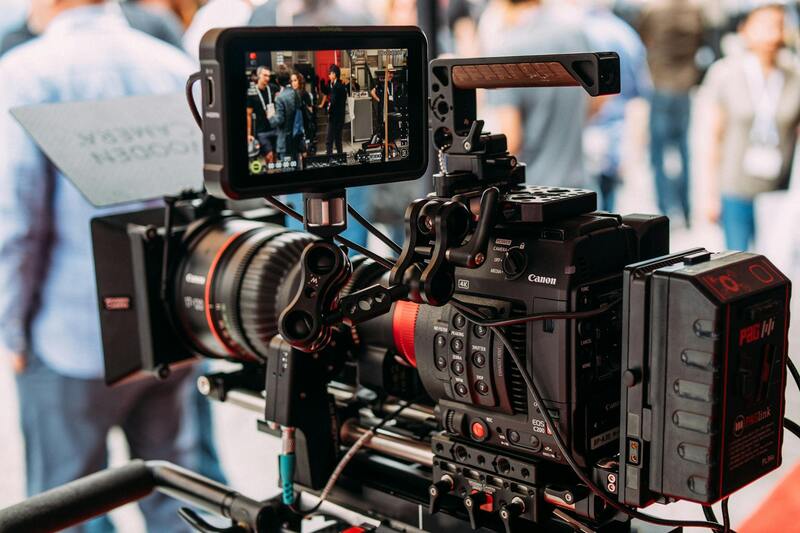
Implementing successful live stream event services necessitates the deployment of advanced hardware and software to ensure high-quality broadcast delivery. Central to this setup are professional-grade cameras, which capture event visuals with clarity and precision. These cameras vary from compact camcorders for smaller events to high-end studio-grade equipment for large-scale productions, offering options tailored to different event scopes and budgets.
Alongside cameras, encoders play a vital role by converting raw video signals into digital formats suitable for streaming. Hardware encoders are preferred for their reliability and minimal latency, especially during live events where real-time transmission is critical. Software encoders, meanwhile, offer flexibility and are often used in conjunction with streaming platforms for more customized control.
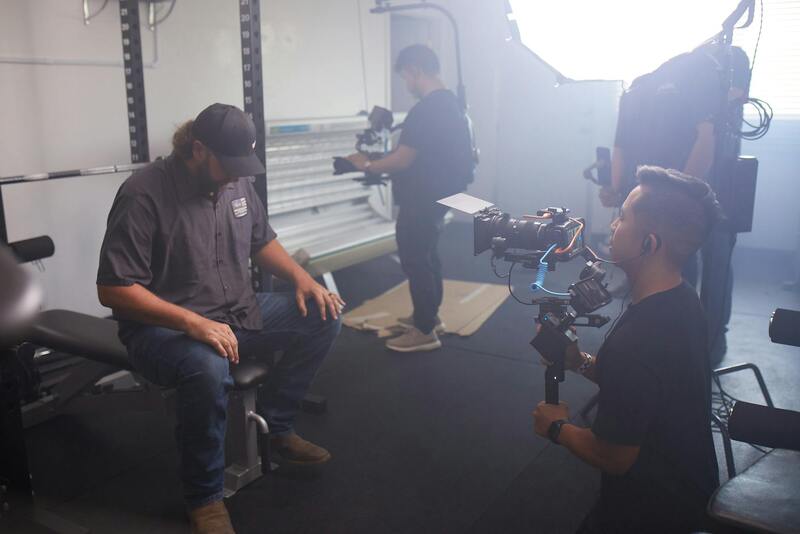
Audio quality is equally important; thus, professional sound systems, including microphones and audio mixers, are integrated to capture and enhance sound clarity. Directional microphones, wireless lavaliers, or boundary microphones are employed based on the event environment and audience size.
To facilitate seamless streaming, the software component is critical. Streaming platforms and management software enable live production control, on-screen graphic overlays, multi-camera switching, and real-time audience interaction. Cloud-based platforms are increasingly popular as they allow remote monitoring and management, reducing physical equipment needs onsite.
Ensuring stable internet connectivity is foundational, as it directly impacts stream quality and reliability. Live stream event services typically utilize dedicated, high-bandwidth internet connections, often supplemented by backup options like cellular networks or fiber-optic links. These measures prevent interruptions and maintain audience engagement.
Additional hardware such as lighting setups enhances visual clarity, especially in indoor environments, while professional mixers coordinate multiple audio and video sources for a synchronized broadcast. All these elements combined create a robust technical environment capable of delivering polished live streams suitable for diverse event types.
Overview of Live Stream Event Services
Live stream event services encompass a comprehensive suite of solutions designed to broadcast events over the internet in real-time, reaching audiences regardless of their physical location. These services are tailored to accommodate a wide range of event types, including corporate meetings, concerts, sports competitions, religious gatherings, and educational seminars. By leveraging advanced technology and professional expertise, live stream providers ensure high-quality delivery with minimal technical issues, enhancing the overall viewer experience.
Properly executed live streaming combines multiple elements: top-tier video and audio capture, efficient encoding, reliable delivery platforms, and interactive features that allow audience participation. Providers also manage the technical intricacies, enabling clients to focus on content while trusting that the broadcast maintains clarity and consistency. The versatility of live stream event services makes them an essential component for organizations seeking to expand their outreach and engage audiences in a meaningful way.
Types of Live Streaming Solutions
- On-Premise Streaming: This traditional approach involves setting up all necessary equipment at the event location, including cameras, audio devices, and streaming hardware. It offers direct control over the production process and is ideal for smaller or bespoke events where security and data control are priorities.
- Cloud-Based Streaming: Leveraging remote servers and internet infrastructure, cloud streaming simplifies the setup process and offers scalability. This method allows for multi-camera feeds, overlays, and interactive features without heavy onsite equipment, making it suitable for larger events or those requiring high flexibility.
- Hybrid Solutions: Combining on-premise hardware with cloud services provides a balanced approach, ensuring robust live production capabilities while reducing onsite hardware footprint. It caters to complex events that demand advanced features alongside operational ease.
- Simulcast Streaming: Multi-platform broadcasting ensures that the event reaches audiences across various social media networks and streaming platforms simultaneously. This broadens reach and improves engagement, particularly for high-profile events or those targeting diverse demographics.
Key Equipment and Technology
High-quality video production relies on professional broadcasting cameras capable of delivering sharp visuals even in challenging lighting conditions. These cameras are often paired with multi-camera switching systems to provide varied angles and dynamic presentation styles. Encoders are essential for converting high-definition video into streams compatible with internet delivery platforms, with hardware and software options tailored to specific event demands.
Audio quality is fortified through the use of professional microphones—such as wireless lavaliers, shotgun microphones, and boundary mics—paired with mixers for real-time sound adjustments. For indoor events, lighting setups are crucial; adequate lighting ensures visual clarity and prevents shadows, creating a polished finished product.
On the software side, platforms manage streaming workflows, overlay graphics, and facilitate real-time audience interaction. Popular solutions include dedicated service providers that enable remote production teams to control the live broadcast, switch between camera feeds, and integrate interactive chat or Q&A features to boost engagement.
Equipment and Technology for Seamless Live Streaming
Achieving high-quality live streaming demands a comprehensive selection of advanced equipment and state-of-the-art technology. The core components include professional-grade cameras that deliver crisp, clear visuals, even under less-than-ideal lighting conditions. Multi-camera setups allow for dynamic switching between different angles, enhancing viewer engagement and providing a cinematic experience.
Encoding devices are vital for converting high-definition video signals into Internet-compatible streams. These encoders can be hardware-based or software-driven, depending on the scale and specific needs of the event. Encoders ensure the stream maintains optimal quality and stability across various devices and platforms.
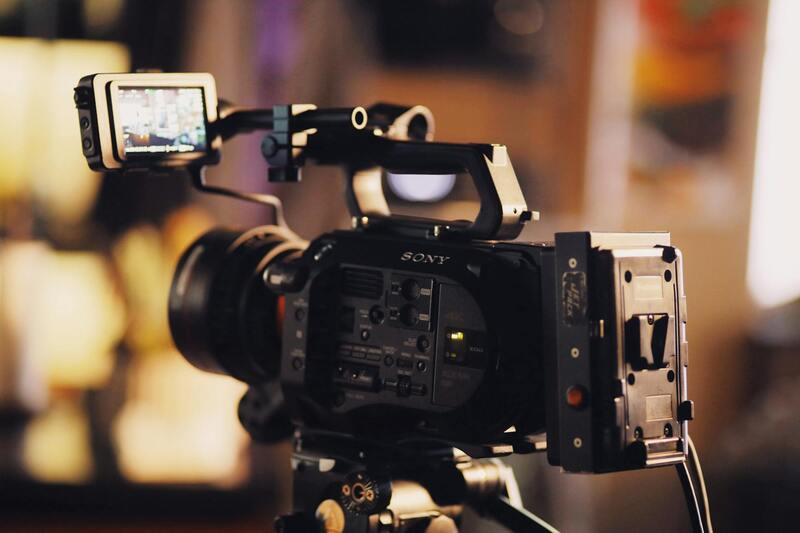
Audio fidelity is equally important, necessitating professional microphones such as wireless lavalier mics for speakers, shotgun microphones for directional sound emphasis, and boundary microphones for room ambiance. These are paired with audio mixers capable of adjusting levels instantly, ensuring consistent sound quality throughout the broadcast.
Lighting setups influence the overall visual quality, especially for indoor events. Proper lighting eliminates shadows, highlights key areas or speakers, and ensures consistent exposure for cameras. LED panels, softboxes, and ring lights are popular choices that contribute to polished production standards.
On the software front, streaming platforms equipped with features like graphics overlay, real-time switching, and viewer interaction tools play a crucial role. Dedicated control software enables remote operators to manage multiple camera feeds, incorporate branding graphics, and facilitate audience participation via live chats, polls, and Q&A sessions.
Durability and reliability of equipment are paramount, especially during lengthy or high-profile sessions. Event organizers should partner with providers who offer not only top-tier gear but also technical support to troubleshoot and resolve issues swiftly, minimizing any disruptions to the live broadcast.
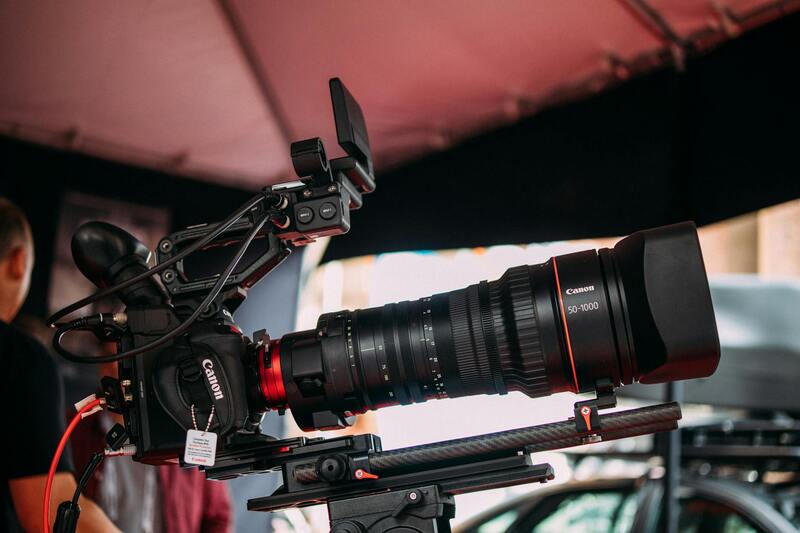
Illustrative Equipment Profile for Live Streaming Events
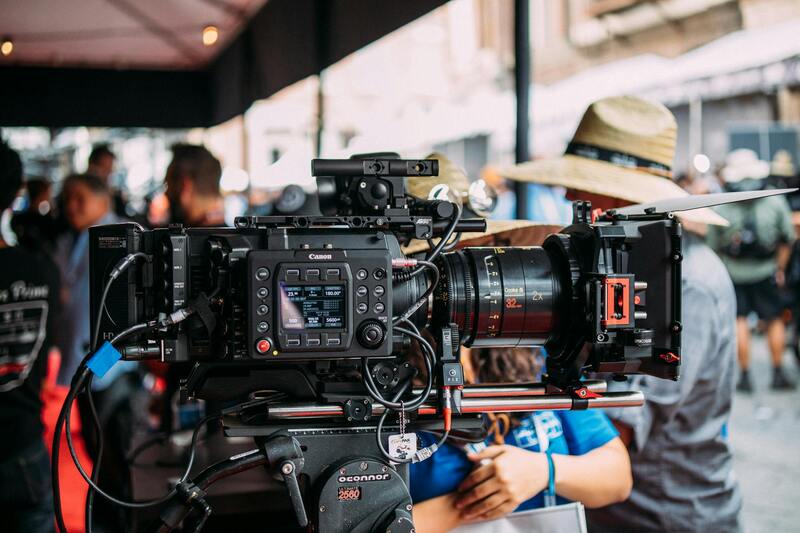
Strategic integration of these tools ensures a smooth, professional presentation that meets the expectations of diverse audiences and maximizes engagement levels. Each piece of equipment plays a crucial role in delivering a seamless live event that is visually stunning and acoustically clear, reinforcing the credibility and impact of the broadcast.
Content Creation and Production Quality
Achieving high production quality in live stream events demands meticulous attention to content creation, camera work, and audiovisual integration. Quality content begins with clear scripting or an outline that guides the flow of the event, ensuring that key messages are communicated effectively and seamlessly. A structured plan for transitions, speaker cues, and visual cues enhances audience understanding and maintains engagement throughout the broadcast.
Visual clarity is paramount for professional live streams. This involves deploying high-definition cameras capable of adjusting to various lighting conditions and capturing crisp footage. Multi-camera setups allow for dynamic shots, close-ups, and wide-angle views, providing a more immersive experience for viewers. Proper framing and challenging shots are essential for highlighting speakers, presentations, or specific segments.
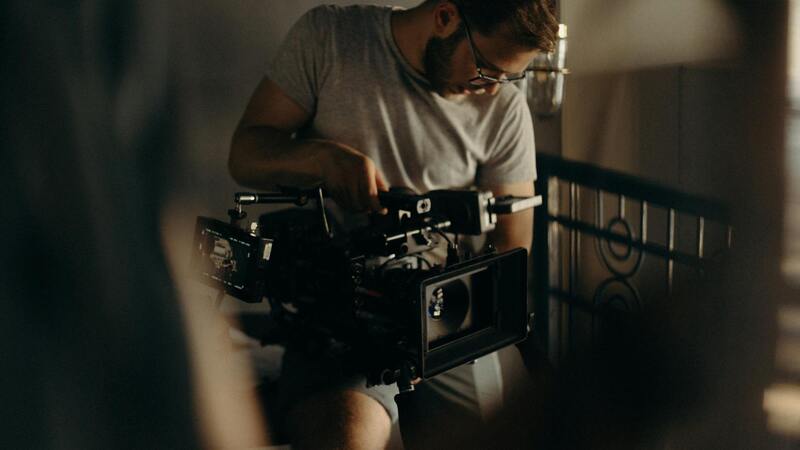
Audio quality directly impacts viewer satisfaction and comprehension. Using professional-grade microphones—such as lavalier, shotgun, or boundary microphones—ensures that speech remains clear and free from background noise. Integrating audio mixers allows on-the-fly adjustments, balancing various sound sources for optimal clarity. Additionally, echo suppression, equalization, and noise reduction techniques further refine sound quality, preventing distractions during the broadcast.
Lighting plays a crucial role in producing visually appealing live streams. Proper lighting eliminates shadows, highlights speakers or key visual elements, and prevents overexposure or underexposure. LED panel lights, softboxes, and ring lights are popular for their effectiveness and versatility, especially in indoor environments. Consistent, well-placed lighting contributes significantly to a polished broadcast appearance.
Stream encoding hardware, such as high-performance capture cards and streaming encoders, convert the video and audio signals into a format suitable for live transmission. These devices ensure minimal latency and high stability during broadcasting. Partnering with equipment providers who offer reliable and durable hardware solutions, along with technical support, helps mitigate potential technical issues, ensuring a smooth and uninterrupted live event.
Illustrative Equipment Profile for Live Streaming Events
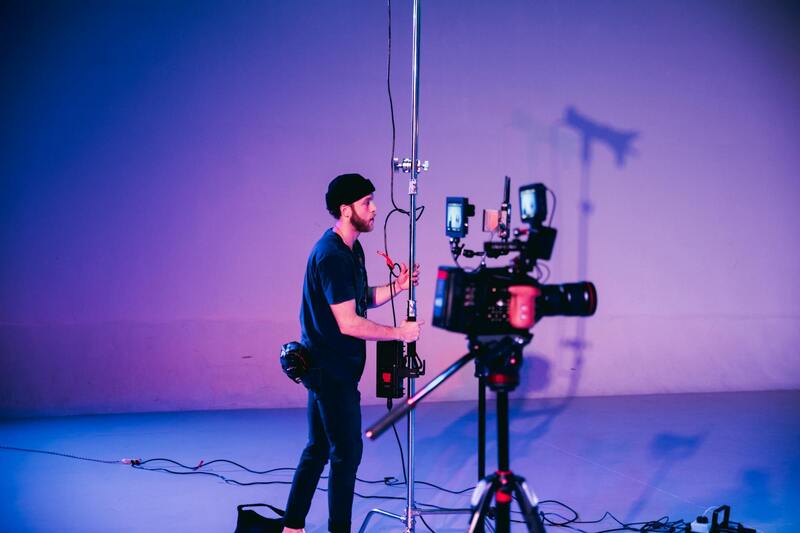
To deliver a professional-grade live stream, event organizers typically assemble a comprehensive setup that includes multiple cameras, professional audio equipment, encoders, and control software. Strategic integration of these tools ensures seamless transitions, real-time graphics overlays, and audience interaction management. This setup not only enhances visual and audio quality but also reinforces audience engagement and overall event credibility.
Choosing the Right Live Stream Service Provider
Selecting an optimal provider for live stream event services is a critical step in ensuring a successful broadcast. It involves assessing several factors that directly influence the quality, reliability, and overall impact of the live event. A proficient provider should offer a comprehensive range of services, including class-leading technology, experienced technical staff, and adaptable solutions tailored to your specific event needs. Their ability to coordinate seamlessly across various stages of planning, production, and post-event analysis contributes significantly to delivering an engaging experience for viewers.
Fundamentally, a dependable live stream service provider must demonstrate expertise in managing high-quality streaming solutions. They should possess advanced hardware and software tools capable of handling complex workflows, multiple camera feeds, and high-definition output without latency or interruptions. Ensuring the provider has robust infrastructure for data transmission, backup systems, and contingency planning guarantees uninterrupted streaming even when unforeseen issues arise.
Moreover, a reputable provider understands the importance of meeting deadlines and maintaining communication throughout the event process. Transparent, clear communication from initial consultation through post-event follow-up helps align expectations and facilitates swift problem resolution. This collaborative approach minimizes potential disruptions and maximizes the effectiveness of the live stream.
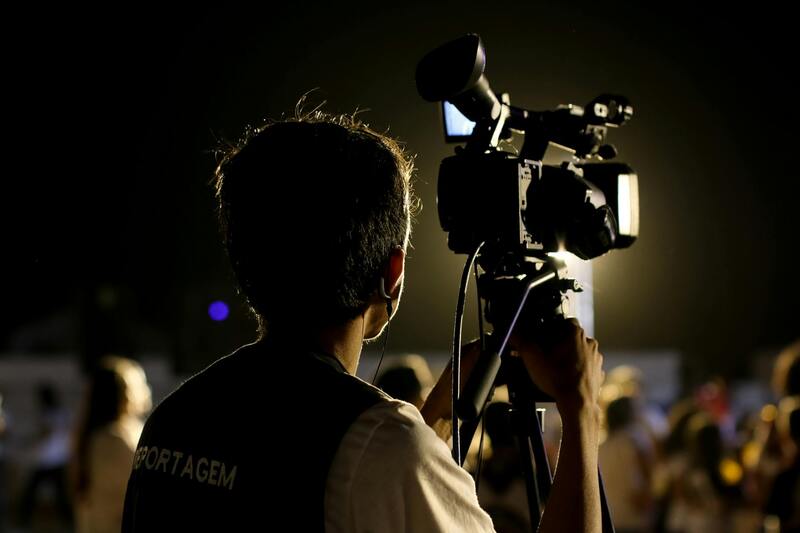
Clients should evaluate providers based on their portfolio, client testimonials, and case studies that highlight their experience with similar events or industries. Requesting samples of previous broadcasts enables an assessment of video quality, production value, and technical sophistication. Additionally, examining the provider’s ability to customize solutions—such as adding branding overlays, multi-camera switching, or integrating social media feeds—can help ensure the service aligns with your event objectives.
Pricing structures and what is included in various packages also play vital roles in the decision-making process. A transparent pricing model that delineates costs for equipment, personnel, technical support, and any extra services helps prevent budget overruns. While cost is a consideration, it should always be balanced against the provider’s capacity to deliver quality and reliability.
Assessing Technical Capabilities and Support
- Quality of streaming hardware and software
- Experience with high-profile or complex events
- Availability of technical support during the event
- Ability to handle simultaneous streams or multi-camera setups
- Scalability to accommodate different audience sizes
Technical support is particularly crucial during live events. Providers who offer real-time monitoring, rapid troubleshooting, and dedicated support teams can swiftly address any technical issues, minimizing downtime and ensuring a professional broadcast. A provider's readiness to adapt to unexpected challenges by providing on-site or remote expertise helps maintain consistency and viewer satisfaction.
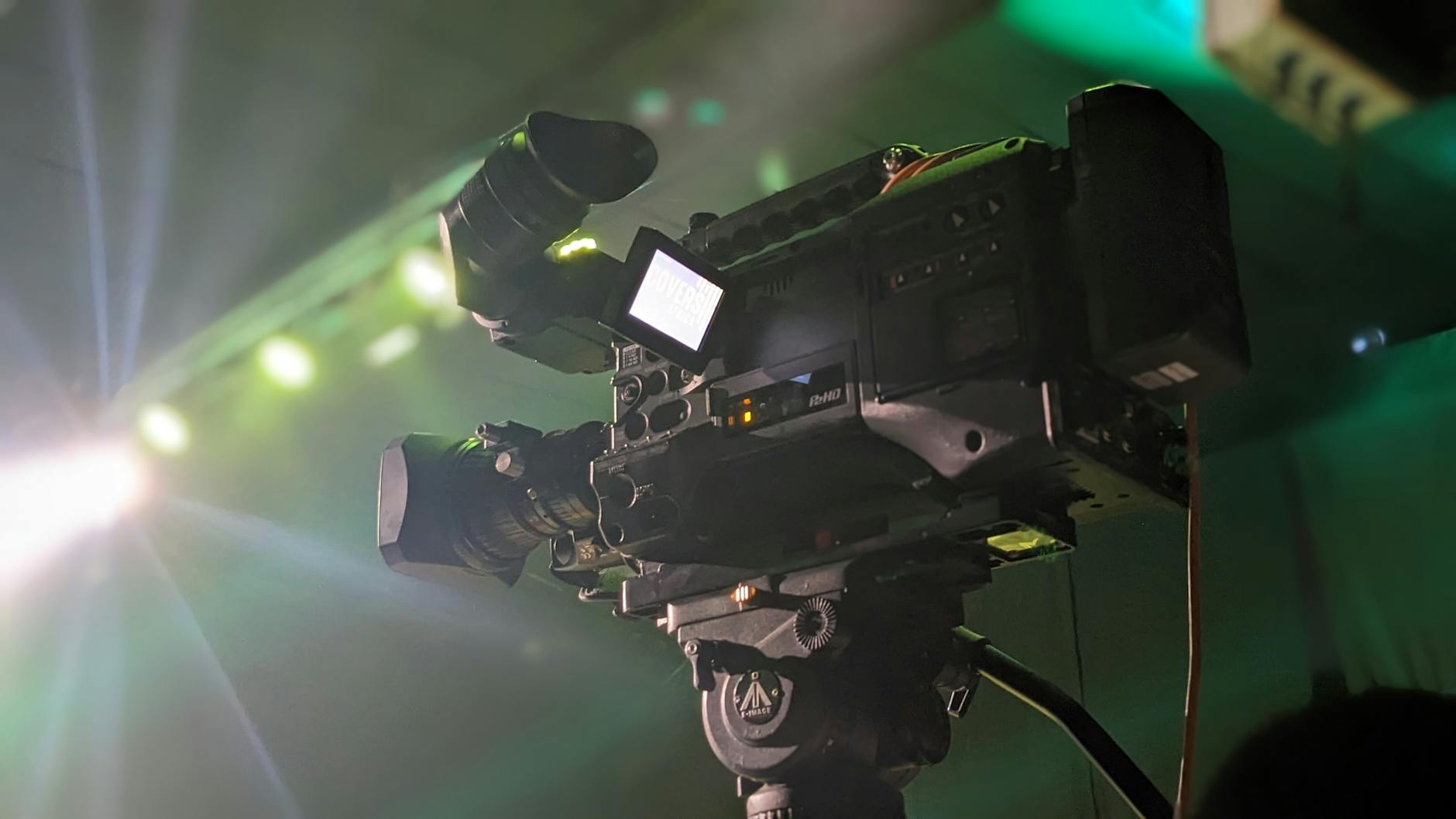
Ultimately, the decision should be grounded in aligning your event’s objectives with the provider’s capabilities. Prioritizing quality, reliability, and technical proficiency will contribute significantly to the success of your live streaming efforts, providing your audience with an engaging and seamless viewing experience that reflects well on your brand or organization.
Secure and Managed Streaming Platforms
Implementing official, secure streaming platforms is paramount for maintaining the integrity and quality of your live event. These platforms employ advanced encryption methods and robust content delivery networks (CDNs), ensuring that your stream remains protected against unauthorized access and cyber threats. Leveraging reputable service providers that specialize in scalable, end-to-end streaming solutions guarantees high uptime, minimal latency, and consistent delivery across all viewer devices.
When selecting a streaming platform, consider options that offer customizable access controls, such as password protection or geo-restrictions. These features help tailor the viewing experience to specific audiences while preventing unauthorized sharing. Incorporating Content Delivery Networks (CDNs) optimizes streaming performance by distributing content through multiple servers worldwide, reducing buffering and lag, particularly for large, geographically dispersed audiences.
Utilizing Content Management Systems (CMS) and Integration Tools
Efficient content management is essential for organizing, scheduling, and controlling live streams. CMS tools enable seamless integration of live feeds with on-demand content, allowing viewers to access previously recorded segments during or after the event. This integration enhances user engagement and extends the lifespan of your content.
- Embedding live streams into websites or dedicated event pages using reliable CMS platforms ensures consistent branding and user experience.
- Integrating with social media channels broadens reach. Official live stream services often provide built-in tools for streaming directly to platforms like Facebook Live, YouTube, and LinkedIn, facilitating real-time sharing and audience interaction.
- Analytics and reporting tools offered by these platforms deliver insights into viewer engagement, peak times, and geographic distribution, informing future streaming strategies.
Adopting Reliable Content Delivery Networks (CDNs)
Investing in reputable CDNs is vital to broadcast quality. CDNs distribute your stream across various servers in multiple locations, which minimizes latency and buffering issues. They also provide options for load balancing during high traffic volumes, ensuring that all viewers receive a high-quality stream regardless of their location or internet speed.
Choosing a CDN with extensive global reach, especially in the Miami area and major viewing demographics, helps deliver a stable and professional viewing experience. Skilled configuration of CDN settings and continuous monitoring further ensures peak performance during live broadcasts.
Implementing Multi-Platform Streaming Solutions
Multi-platform streaming extends the accessibility and visibility of your event. Leveraging services that support simultaneous broadcast across multiple channels ensures broader audience engagement and increases event exposure.
- Stream to popular platforms such as YouTube, Facebook, and LinkedIn, reaching diverse audience segments.
- Utilize professional-grade encoding hardware and software that support multi-stream workflows without compromising quality.
- Monitor multi-platform performance through integrated dashboards, ensuring each stream maintains optimal quality and stability.
Proper coordination among streaming channels prevents feed lag or quality degradation, creating a unified, professional broadcast that aligns with your branding standards.