Guide To Hiring A Live Streaming Event Company In Miami
Understanding Live Streaming Events In the rapidly evolving landscape of digital communication, live streaming events ha...
Understanding Live Streaming Events
In the rapidly evolving landscape of digital communication, live streaming events have emerged as a pivotal tool for organizations and businesses seeking real-time engagement with their audiences. These events involve broadcasting live multimedia content over the internet, allowing viewers from across the globe to participate instantaneously without physical presence. This method of dissemination not only broadens the reach but also enhances interactive capabilities, fostering a more immersive experience for virtual attendees.
Live streaming events encompass a diverse range of formats, including corporate webinars, product launches, conferences, trade shows, seminars, and entertainment performances. Their flexibility enables organizations to adapt to various formats and audience sizes effortlessly, ensuring that content delivery aligns with specific objectives and audience expectations. The immediacy of live content also prompts spontaneous interaction through chat features, Q&A sessions, and social media integration, promoting active participation and fostering community growth.
Multiple participants engaging in a live online seminar with real-time interactions
Businesses increasingly recognize the strategic value of live streaming as a cost-effective alternative to traditional physical events. It reduces logistical expenses related to venue hire, transportation, and accommodations, while expanding audience reach beyond geographical limitations. Moreover, live streaming offers valuable analytics on viewer engagement, such as attendance rates, interaction levels, and demographic data, empowering organizations to refine future content and marketing strategies.
Today’s audience expects seamless digital content consumption, making high-quality live streaming an indispensable component of contemporary marketing efforts. It enables brands to showcase their expertise, launch new products, and maintain a compelling presence in a competitive landscape. For organizations aiming to communicate authentically and foster a sense of immediacy, live streaming events serve as a powerful platform, uniting audiences in real time regardless of physical location.
Achieving success through live streaming requires a strategic understanding of content delivery, technical execution, and audience engagement. As technology advances, the possibilities for interactive and dynamic live events continue to expand, making it a vital aspect of modern communication and promotional strategies. Partnering with experienced service providers ensures that these objectives are met with professional expertise and state-of-the-art technology, ultimately transforming how organizations connect with their audiences in the digital age.
Technology and Equipment Used
High-quality live streaming relies heavily on the advanced technology and equipment employed by the service provider. Professional live streaming event companies utilize cutting-edge hardware such as professional-grade cameras, encoders, switchers, and audio systems to deliver crisp visuals and clear sound. These components are essential for capturing the event accurately and transmitting it seamlessly to viewers across multiple platforms.
Modern encoding devices ensure the video stream is optimized for various internet speeds and device types, minimizing buffering and lag. Hardware switchers facilitate smooth transitions between camera angles and sources, creating a dynamic viewing experience that resembles traditional broadcast production. Audio mixing consoles, microphones, and sound processing tools guarantee clear and balanced audio, which is vital for maintaining viewer engagement.
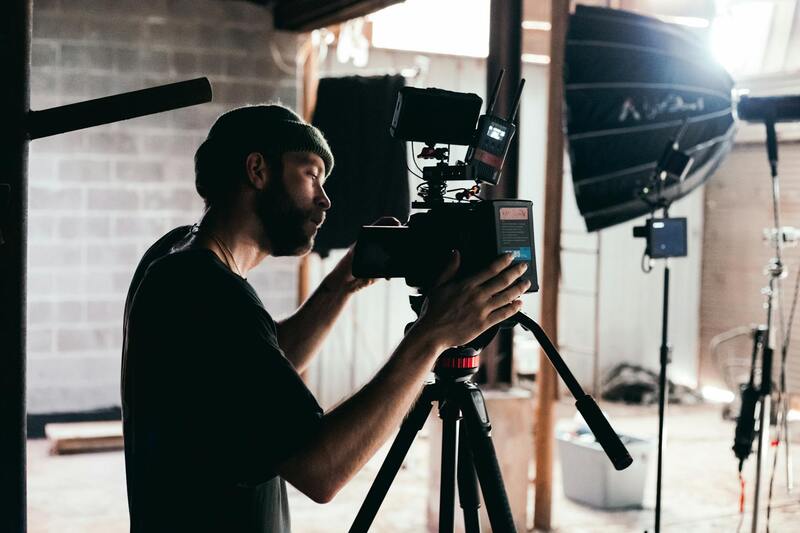
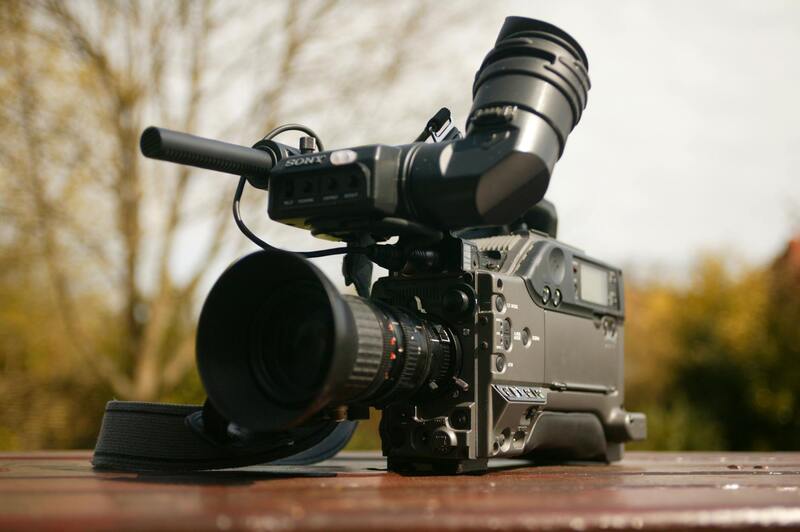
Professional-grade cameras and encoding equipment ensure high-quality live streams.
Beyond hardware, software solutions for stream management and monitoring are crucial. Robust platforms allow for real-time analytics, audience interaction, and stream health checks, all of which contribute to a successful live event. The integration of these technologies ensures that the streaming process remains smooth, resilient, and adaptable to any unforeseen technical issues.
Customizing Live Streaming Solutions for Different Events
Every event has unique requirements, and a proficient live streaming service provider offers tailored solutions to meet these specific needs. Whether hosting a corporate conference, a product launch, or a seminar, customization includes selecting appropriate camera setups, designing interactive components, and choosing suitable streaming platforms.
For large-scale events, multi-camera setups with professional directing can enhance the production quality, enabling viewers to experience the event from various perspectives. Smaller, more intimate gatherings might prioritize high-quality single-camera feeds coupled with engaging graphics or on-screen overlays. Customization also extends to integrating live chat, Q&A sessions, polls, and social media interactions, thus fostering real-time engagement and participation.
Ensuring Quality and Reliability
Delivering a consistent, high-quality live streaming experience necessitates rigorous testing and comprehensive technical support before and during the event. Reputable live streaming event companies perform thorough equipment checks, run test streams, and develop contingency plans to address potential issues such as connectivity disruptions or hardware failures.
Redundancy measures, like backup internet connections and simultaneous streaming to multiple platforms, safeguard against interruptions, ensuring the event remains accessible and uninterrupted. Experienced technicians continuously monitor the stream's quality, making adjustments as needed in real time to maintain optimal video and audio standards. This level of professionalism guarantees that the event's production values match the expectations of organizers and audiences alike.
Costs and Budgeting for Live Streaming Events
Budget considerations for live streaming services vary depending on factors such as event size, duration, complexity, and desired production quality. Basic livestreams might be more affordable for smaller gatherings or webinars, utilizing minimal equipment and fewer technical staff. In contrast, large-scale events with multiple cameras, interactive features, and extensive post-production require significant investment.
Transparent pricing models from a Miami-based live streaming company include details on equipment, technical support, platform usage fees, and additional services such as archiving or on-demand access. Working closely with the service provider allows organizations to balance their objectives with budget constraints, ensuring a cost-effective solution without compromising on quality.
Benefits of Partnering with a Local Miami Live Streaming Company
Opting for a local provider in Miami offers several advantages. Proximity allows for on-site presence, quicker setup, and real-time troubleshooting, all of which contribute to smoother event execution. Local companies are also well-versed in regional infrastructure and internet conditions, enabling them to plan more accurately and adapt swiftly to any unforeseen circumstances.
Furthermore, a Miami-based live streaming event company possesses a deeper understanding of local audiences, cultural nuances, and event venues. This familiarity ensures customized solutions aligned with regional preferences and expectations. Building a close working relationship facilitates clearer communication, more personalized services, and a higher level of accountability, ultimately elevating the quality and success of the live streaming event.
Technology and Equipment Used
Choosing the right live streaming event company in Miami hinges significantly on their technological infrastructure and equipment capabilities. Advanced hardware such as high-definition cameras, professional audio systems, and reliable encoding devices are fundamental to delivering crisp visuals and clear sound quality. Companies utilizing the latest streaming protocols, including RTMP and SRT, can ensure low latency and seamless delivery across multiple devices and platforms. This is particularly vital for maintaining viewer engagement and providing an uninterrupted viewing experience.
Furthermore, the integration of multiple camera feeds allows dynamic switching during events, enhancing production quality similar to broadcast television standards. Use of stabilization equipment, such as gimbals and tripods, ensures smooth footage, even in challenging environments. For interactive events, features like real-time chat, polls, and Q&A modules rely on robust backend servers and cloud infrastructure, guaranteeing responsiveness and interactivity.
Image Placeholder:
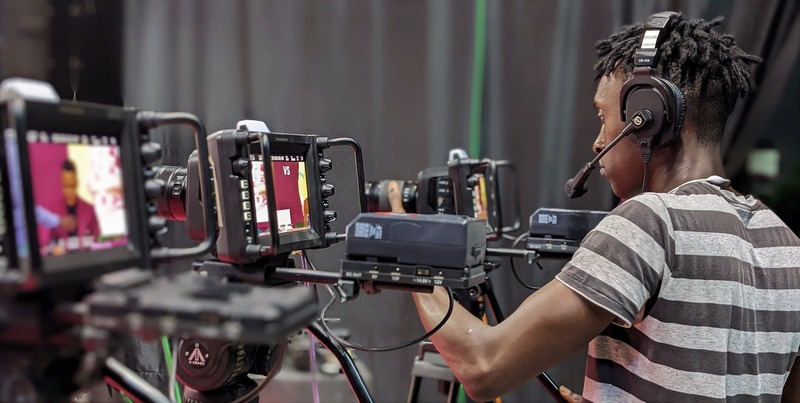
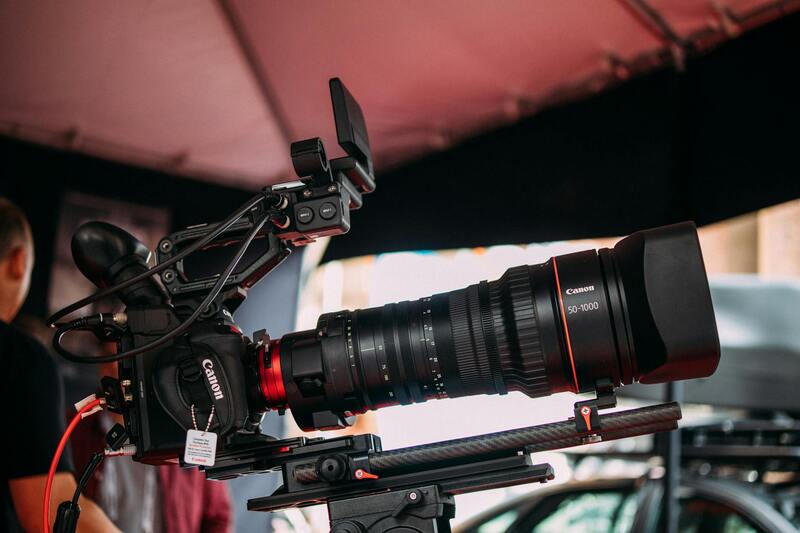
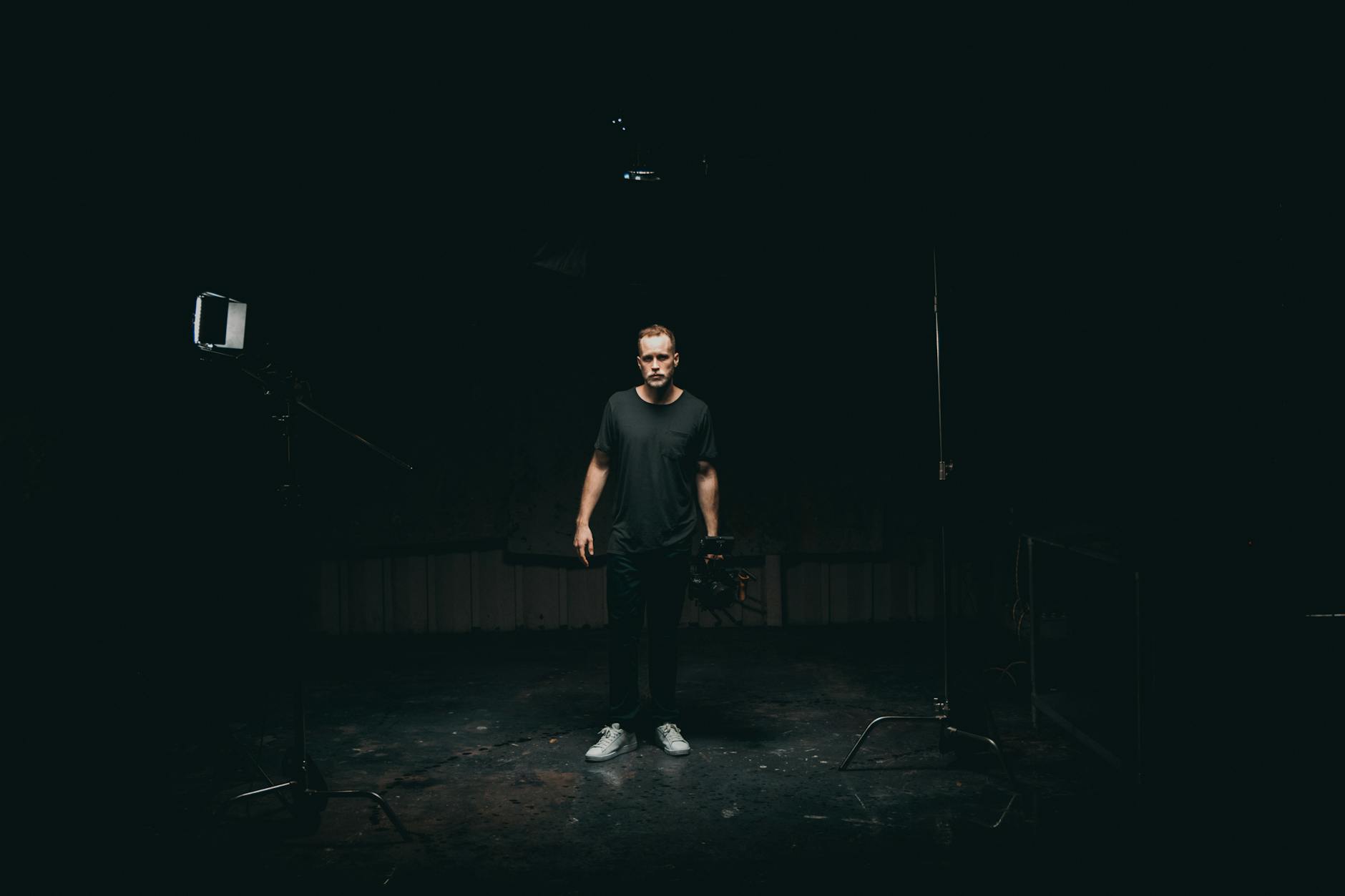
State-of-the-art cameras and streaming hardware form the backbone of professional live broadcasts.
Additionally, the network infrastructure plays a pivotal role. A reputable Miami-based live streaming provider invests in redundant internet connections, including fiber optic and cellular networks, to prevent disruptions. Network monitoring tools continually assess bandwidth and stability, allowing real-time adjustments to optimize stream quality. These technological investments enable providers to handle high viewer volumes effortlessly, ensuring scalability as event demands grow.
Customizing Live Streaming Solutions for Different Events
Every live event possesses unique characteristics requiring tailored streaming solutions. A professional Miami live streaming company evaluates the event’s nature, audience size, venue specifics, and technical goals before crafting an approach. For conferences and seminars, multi-camera setups with professional graphics and overlay templates bolster the visual appeal and information clarity. In contrast, outdoor festivals or concerts may demand rugged outdoor equipment, drone coverage, and higher data bandwidth to accommodate large audiences.
Furthermore, customization extends to platform selection. Whether streaming to a branded website, social media channels, or dedicated app, an experienced provider ensures compatibility and optimized viewer experiences. Monetization features such as pay-per-view, ticketing integrations, and access controls are also configured based on client needs.
Image Placeholder:
Tailored streaming setups ensure a perfect fit for diverse event types and audience engagement strategies.
Effective use of graphics, captions, and on-screen information enhances clarity and professionalism. For interactive webinars, custom registration portals and audience engagement tools foster participation. When recording and post-production are involved, workflows are adapted to enable quick editing, branding, and distribution, extending the event’s reach well beyond the live broadcast.
Ensuring Quality and Reliability
Delivering a high-quality live streaming event in Miami demands meticulous planning and operational expertise. Key factors include ensuring stable internet connections, high-quality hardware, and comprehensive testing prior to the event. Organizers should confirm that the streaming platform supports the expected viewer load and offers minimal latency.
Redundancy measures, such as backup streaming feeds and secondary internet connections, safeguard against technical failures. Extensive rehearsals allow technicians to troubleshoot potential issues, calibrate equipment, and refine the technical setup. Continuous monitoring during the event tracks stream health, providing immediate intervention if quality dips or disruptions occur.
Image Placeholder:
Proactive monitoring and backup systems underpin a reliable live streaming experience for Miami events.
Post-event, detailed analytics help assess viewer engagement, technical performance, and areas for improvement. Delivering a reliable stream hinges not only on cutting-edge technology but also on the expertise of the technical team managing the event. Clients benefit from transparent communication and proactive support from a professional Miami-based live streaming team, assuring their vision is realized without compromise.
Understanding Live Streaming Events
Live streaming events serve as dynamic platforms for broadcasting real-time content to audiences across geographical boundaries. They encompass a broad spectrum of event types, including corporate conferences, music festivals, sporting events, webinars, and charity fundraisers. The core value lies in delivering seamless, engaging experiences that replicate the immediacy and interaction of in-person participation. Successful live streaming hinges on meticulous planning, adept technical execution, and the deployment of advanced broadcasting tools that ensure the content reaches viewers with minimal latency and high visual clarity.
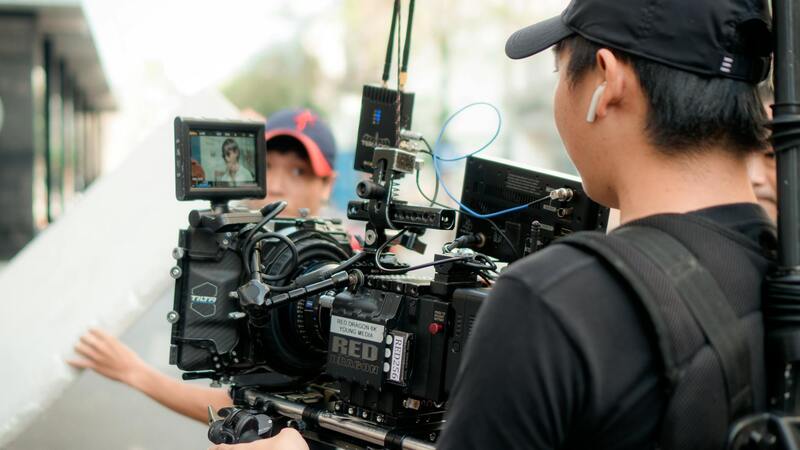
High-quality live streaming equipment ensures professional broadcasts.
Effective live streaming not only involves capturing the event visually but also entails real-time management of audio, graphics, and interactive features. The goal is to create an engaging environment where remote viewers feel part of the action. This requires a comprehensive understanding of streaming protocols, content delivery networks, and audience engagement strategies to maximize reach and impact. As the technology evolves, so does the capability to integrate multi-camera setups, augmented reality, and other immersive elements into live broadcasts, elevating the overall experience for viewers.
Services Offered by a Live Streaming Event Company
A professional live streaming event company provides an array of services tailored to meet the specific demands of each event. These typically include:
Pre-production Planning: consultation, event design, technical assessment, and channel strategy.
On-site Equipment Deployment: setting up high-definition cameras, mixing consoles, audio systems, and dedicated streaming hardware.
Technical Operations: managing camera angles, switching between feeds, inserting graphics, and controlling audio levels in real-time.
Platform Management: selecting and configuring streaming platforms that accommodate viewer capacity and interactive features.
Content Optimization: ensuring the stream is optimized for all devices, including smartphones, tablets, and desktops.
Monitoring and Support: live oversight to detect and resolve any issues swiftly, maintaining consistent stream quality.
Post-event Analytics: providing detailed reports on viewer engagement, stream performance, and technical evaluations to inform future events.
Comprehensive services ensure a successful live streaming event from start to finish.
Key Factors in Choosing a Live Streaming Company in Miami
Selecting the right live streaming partner in Miami involves evaluating several critical aspects to ensure the delivery of a professional, reliable broadcast. Key considerations include:
Experience and Reputation: reviewing case studies, client testimonials, and years of operational expertise in live event streaming.
Technical Capabilities: assessing the quality and range of equipment, platform options, and support infrastructure.
Service Customization: ability to tailor solutions to specific event types, audience sizes, and engagement goals.
Reliability and Stability: proven track record of maintaining consistent streams with minimal disruptions through redundancy and backup systems.
Local Presence and Support: proximity to Miami facilitates swift setup, on-site support, and real-time troubleshooting.
Cost Transparency: comprehensive pricing structures aligned with the scope of services and desired outcomes.
By thoroughly assessing these factors, organizers can partner with a Miami-based live streaming company capable of transforming their vision into a flawlessly executed digital event.
Technology and Equipment Used
In the realm of professional live streaming events, the deployment of cutting-edge technology and specialized equipment is fundamental to achieving high-quality broadcasts. A reputable live streaming event company invests in a comprehensive suite of hardware and software solutions that facilitate seamless transmission, scalability, and adaptability to various event formats.
High-definition cameras with multiple angles and remote control capabilities ensure clear and dynamic visuals, capturing every moment with precision. These cameras often feature features like low-light sensitivity, optical zoom, and stabilization to maintain image quality across different environments.
Audio quality is equally paramount, which is why professional-grade microphones, mixers, and sound processing units are integrated into the setup. Utilizing wireless and wired microphones, mixers with multiple channels, and audio processors ensures crisp sound delivery, minimizing background noise and echo, thus enhancing viewer engagement.
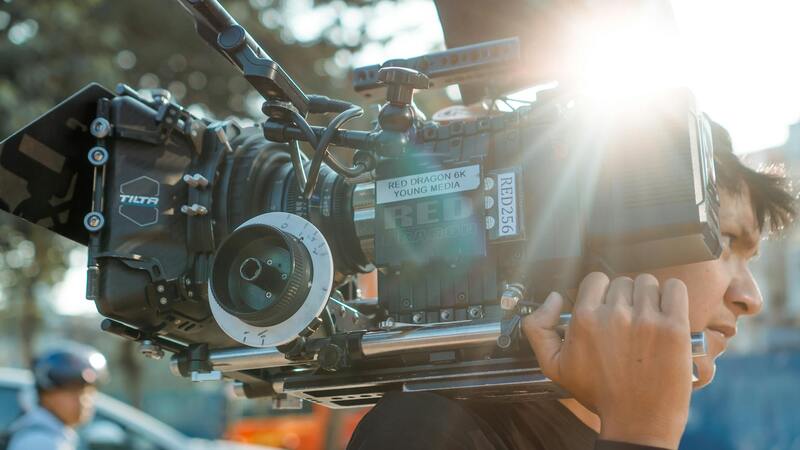
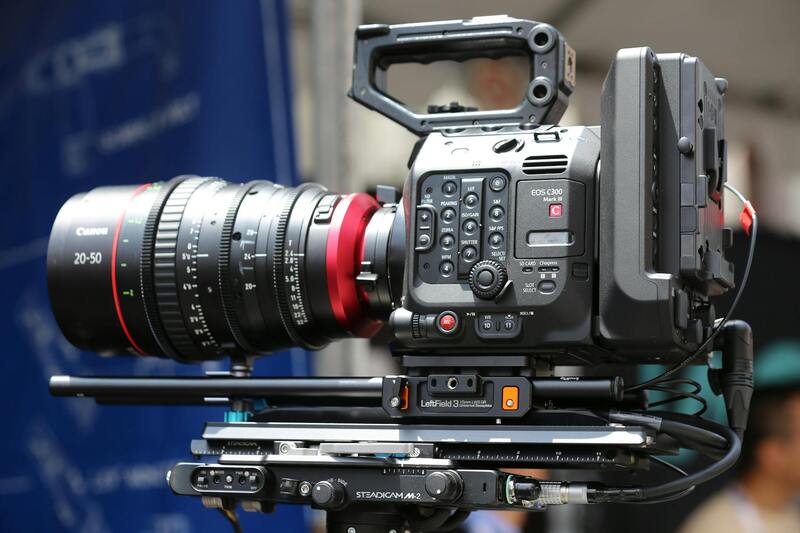
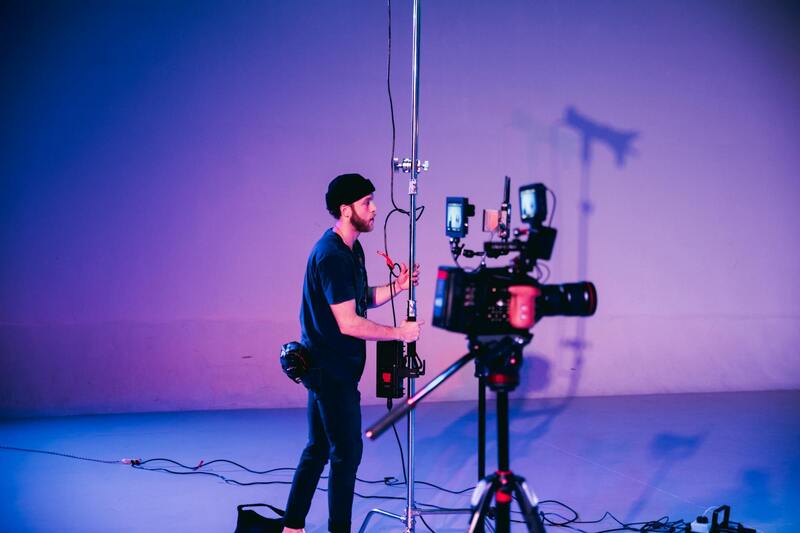
State-of-the-art live streaming equipment setup, ensuring high-quality broadcast delivery
Encoding hardware and software play a critical role in maintaining a smooth live stream, converting raw footage into compatible streams that can be transmitted across various bandwidths and devices. Solutions like hardware encoders provide reliable, stable streams, while software encoders offer flexibility for customization and on-the-fly adjustments.
Advanced streaming platforms and content delivery networks (CDNs) are employed to distribute content efficiently and globally, reducing latency and buffering issues. These platforms enable features such as multi-casting, real-time analytics, and viewer interaction integrations, which significantly enhance the overall event experience.
Additionally, backup systems including redundant internet connections, power supplies, and hardware are crucial to prevent interruptions. Real-time monitoring tools allow technical teams to oversee the live stream, detect issues promptly, and implement swift corrective measures, ensuring an uninterrupted broadcast regardless of unforeseen circumstances.
Behind the scenes, integration of these technologies with user-friendly control interfaces streamlines operations for event organizers and technical teams, allowing for seamless transitions between different segments, multiple camera feeds, and auxiliary content like graphics and videos.
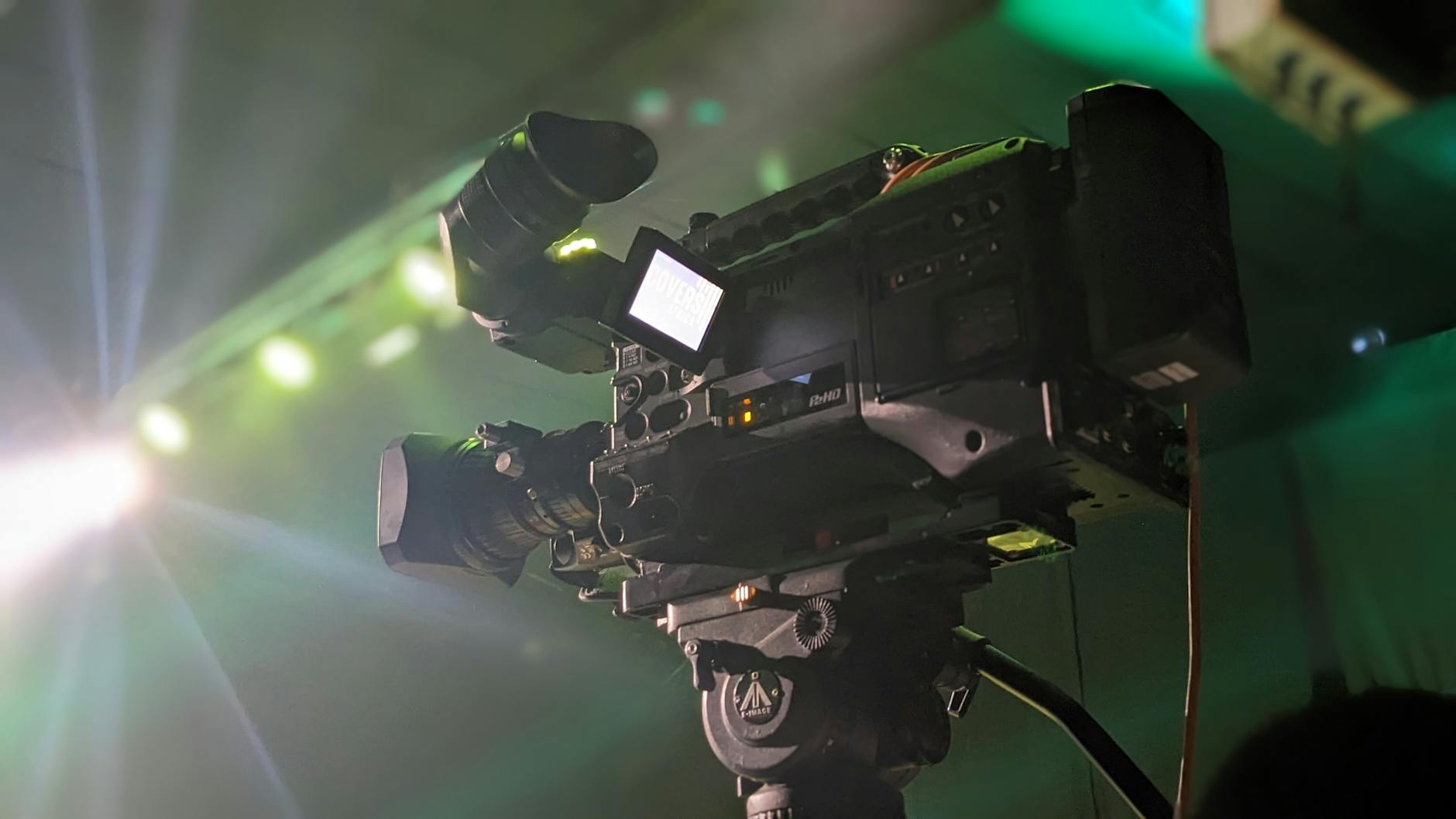
Advanced streaming technology and equipment tailored for professional broadcast quality
By utilizing such sophisticated technology and equipment, a dedicated live streaming event company in Miami can consistently deliver engaging, high-quality live content, ensuring that your event achieves its desired reach and impact without technical disruptions.
Understanding Live Streaming Events
Live streaming events serve as dynamic platforms that enable real-time broadcasting of various types of gatherings, including corporate conferences, concerts, product launches, webinars, and community gatherings. This format leverages internet technology to bring content directly to viewers across the globe, breaking geographical barriers and expanding audience reach. Unlike traditional broadcast methods, live streaming allows for interactive engagement, immediate feedback, and dynamic content adjustment, leading to a more immersive experience for viewers. The success of a live streaming event hinges on meticulous planning, advanced technology, and seamless execution, highlighting the importance of partnering with experienced professionals in this specialized field.
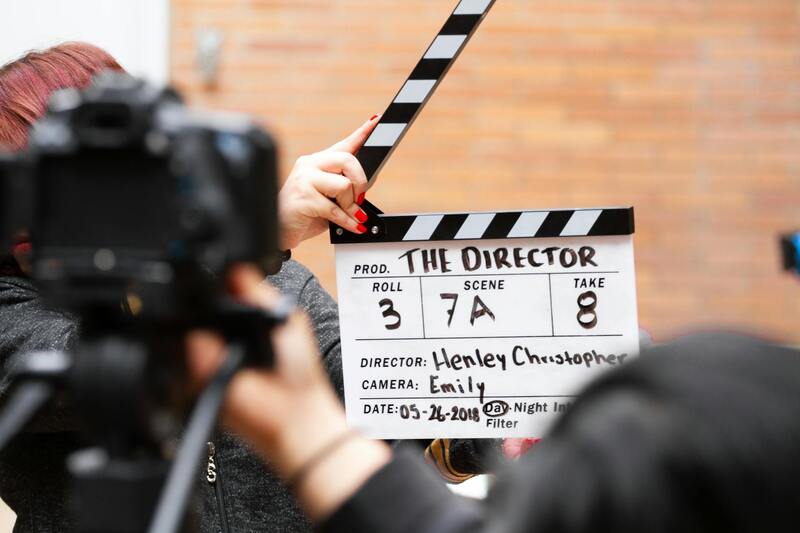
High-quality live streaming setup for a corporate event.
Services Offered by a Live Streaming Event Company
A reputable live streaming event company provides a comprehensive suite of services designed to simplify the complex process of broadcasting. These include:
Pre-Event Planning: Detailed consultation to understand event objectives, audience demographics, and technical requirements. This phase includes site assessment, equipment setup planning, and content scheduling.
Technical Production: Deployment of professional-grade cameras, microphones, mixers, and encoders to ensure high-quality video and audio capture. Expertise in managing multiple camera angles and integrating multimedia content enhances viewer engagement.
Streaming Platform Management: Selection and configuration of streaming platforms and CDNs that best suit the event’s scale and target audience. The company handles platform integration, stream encoding, and security measures.
Real-Time Monitoring and Support: Continuous oversight during the event to promptly address issues such as connectivity problems, audio-video sync, or hardware malfunctions. Technical staff stay alert to deliver a smooth broadcast experience.
Post-Event Analytics: Providing insights into viewer engagement, stream quality metrics, and audience demographics, which are vital for assessing success and planning future events.
Key Factors in Choosing a Live Streaming Company in Miami
Selecting the right partner for your live streaming needs in Miami involves evaluating several critical factors to ensure successful event execution. These include:
Experience and Portfolio: A history of delivering live streams for similar events with proven reliability and quality.
Technical Capabilities: Availability of advanced equipment, diverse streaming options, and skilled personnel capable of handling complex productions.
Reputation and Client References: Positive testimonials and case studies that reflect professionalism and customer satisfaction.
Customization Options: Ability to tailor streaming solutions to fit specific event needs, including multi-camera setups, interactive features, and branding integration.
Support and Reliability: 24/7 technical support, contingency planning, and backup systems to mitigate potential disruptions.
Cost-Effectiveness: Transparent pricing structures that align with your budget while maintaining quality standards.
Technology and Equipment Used
The backbone of a successful live streaming event is the utilization of cutting-edge technology and equipment. Key components include:
Video Capture Devices: Professional-grade cameras capable of delivering high-resolution footage in various lighting conditions.
Encoding Solutions: Hardware encoders ensure stable streams, while software encoders provide flexibility for customization and real-time adjustments.
Content Delivery Networks (CDNs): Advanced platforms distribute live content efficiently across multiple regions, reducing latency and buffering issues.
Audio Equipment: High-fidelity microphones and mixers to capture clear sound, essential for engaging broadcasts.
Backup Systems: Redundant internet connections and power supplies to prevent interruptions during the live event.
Monitoring Tools: Real-time monitoring interfaces enable technical teams to oversee stream performance and swiftly address issues.
Customizing Live Streaming Solutions for Different Events
Every event has unique requirements, and a professional live streaming company customizes its services accordingly. For corporate meetings or webinars, focus may be on clear audio, presentation integration, and attendee interaction. Concerts and festivals might necessitate multi-camera setups, real-time graphics, and audience engagement features. Product launches often benefit from high-definition visuals and branded overlays to enhance visibility and brand recognition.
The customization process involves selecting appropriate technology, designing a content layout, and incorporating interactive elements that enhance viewer engagement. For instance, enabling chat features or live polls can foster interaction, while multiple camera angles provide varied perspectives. Additionally, the platform interface can be tailored to match branding guidelines, ensuring a cohesive visual presentation. This personalized approach guarantees that the live stream aligns perfectly with the event’s objectives and audience expectations, maximizing impact and reach.
Technology and Equipment Used
In delivering high-quality live streaming events, the choice and deployment of cutting-edge technology and equipment play a pivotal role. A competent live streaming event company invests in professional-grade hardware that ensures seamless broadcasts, minimal latency, and sharp visual and audio fidelity. Modern broadcasting systems typically include high-definition cameras capable of capturing detailed imagery from multiple angles, enabling dynamic coverage that keeps viewers engaged.
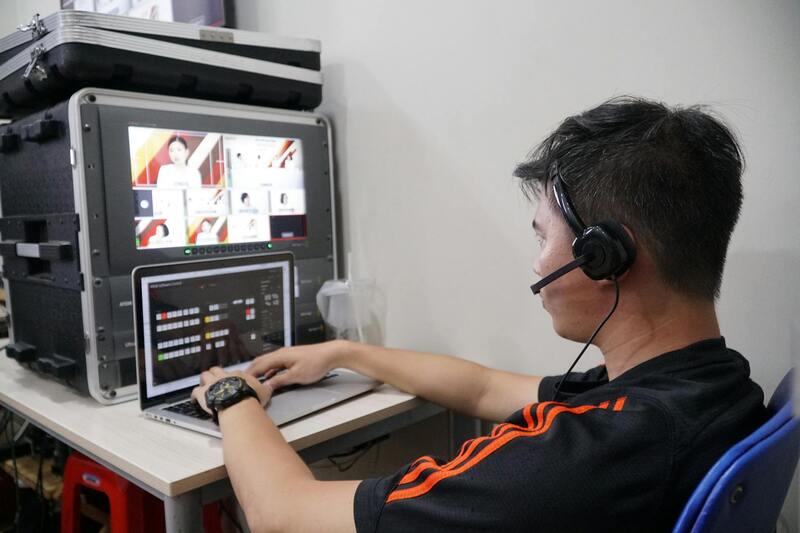
Live switching consoles facilitate smooth transitions between camera feeds, graphics overlays, and pre-recorded segments. This level of control allows for a polished production, closely resembling traditional television broadcasts. For audio, the use of professional microphones, audio mixers, and ambient sound equipment guarantees clear, crisp sound—crucial for maintaining viewer immersion.
Furthermore, robust network infrastructure underpins the entire streaming process. Dedicated high-speed internet connections, often with redundant backup links, prevent interruptions due to connectivity issues. Encoders—either hardware or software—are employed to compress and transmit video streams efficiently, balancing quality and bandwidth requirements.
Real-time monitoring tools are integrated into the setup, allowing technical teams to oversee the stream’s health continuously. These tools provide insights into bandwidth usage, latency, and stream stability, enabling immediate troubleshooting if problems arise. The use of advanced streaming protocols like RTMP (Real-Time Messaging Protocol) and HLS (HTTP Live Streaming) further enhances the reliability and accessibility of live broadcasts across various devices.
Customizing Live Streaming Solutions for Different Events
Not all events are alike, which is why a professional live streaming event company tailors its solutions to meet specific needs. For corporate webinars or business conferences, emphasis is placed on delivering crystal-clear audio, integrating presentation materials, and facilitating interactive features such as chat or Q&A sessions. Perspective switching, with multiple camera angles, provides varied visuals that enrich virtual attendee experiences.
Concerts, festivals, and entertainment events often require sophisticated multi-camera setups capable of capturing the energy and atmosphere in real time. Advanced graphics, overlays, and live titling enhance visual appeal and brand visibility. Audience engagement features, such as live polling or social media integration, help build a community around the event.
Product launches and brand activations benefit from high-definition visuals that showcase products in detail, complemented by branded overlays and lower thirds to reinforce brand identity. Interactive elements like live chat or feedback forms can be embedded to foster direct communication with viewers.
Through careful planning and the selection of appropriate technology, a live streaming company ensures that each event’s unique requirements are met effectively. This tailored approach not only elevates the quality of the broadcast but also maximizes reach and audience participation, translating into a memorable virtual experience.
Advanced Protocols and Security Measures in Live Streaming Events
Maintaining the integrity and security of a live streaming event is crucial for safeguarding both the content and the virtual environment. A reputable live streaming event company in Miami employs advanced protocols to protect digital assets and ensure seamless access for authorized viewers. These measures include encrypted data transmission, secured login portals, and multi-factor authentication to prevent unauthorized access. Implementing firewalls and regular security audits further fortify the streaming infrastructure against potential vulnerabilities.
Securing live streams with robust encryption and access controls.
Technical Support During the Event
Technical support is an integral aspect of live streaming event management, providing real-time troubleshooting and ensuring minimal disruptions. A dedicated support team monitors the stream continuously, ready to address network issues, audio-visual glitches, or any unforeseen technical difficulties. This proactive approach ensures that the event proceeds smoothly, maintaining professionalism and viewer satisfaction. Pre-event testing is also conducted to identify and resolve potential problems before the live broadcast.
Post-Event Analysis and Reporting
The conclusion of a live streaming event doesn't mark the end of the engagement. Comprehensive post-event analysis offers valuable insights into viewer metrics, engagement levels, and technical performance. These reports help in assessing the overall success and identifying areas for improvement in future broadcasts. Analytics such as viewer demographics, peak viewership times, and interaction rates provide data-driven guidance for planning subsequent events.
Opting for Sustainable and Eco-Friendly Streaming Practices
Many modern live streaming companies in Miami adopt environmentally conscious practices by minimizing energy consumption and reducing waste. Utilizing energy-efficient equipment, leveraging cloud-based storage solutions, and optimizing bandwidth usage contribute to sustainable operations. Additionally, virtual components such as digital handouts or online resource sharing decrease the reliance on printed materials, aligning with eco-friendly principles.
Eco-friendly practices in live streaming reduce environmental impact.
Global Reach and Multilingual Support
Expanding the Horizons of Your Event r> For organizations aiming at a diverse, international audience, multilingual support becomes essential. A proficient live streaming event company offers translation services, real-time subtitles, and multilingual chat features to ensure inclusivity. This broadens the event’s reach and enhances engagement across different linguistic groups, helping organizers connect with a global audience effortlessly.
Choosing a Trustworthy Partner for Your Live Streaming Needs
When selecting a live streaming event company in Miami, it's important to assess their track record, technological capabilities, and customer testimonials. A reliable partner will demonstrate technical competence, flexible solutions tailored to specific event requirements, and a commitment to quality and security. Clear communication, transparent pricing, and comprehensive support throughout the planning, execution, and post-event phases are key indicators of a dependable service provider.