Role and Importance of a Live Stream Videographer
In the rapidly evolving landscape of digital media, the role of a live stream videographer has become essential for organizations, event organizers, and content creators aiming to extend their reach beyond traditional audiences. A live stream videographer is a skilled professional responsible for capturing, managing, and broadcasting live video content with technical precision and artistic clarity. Their primary responsibility involves operating high-end video equipment to ensure that every moment of a live event is documented flawlessly, facilitating real-time transmission to viewers across various platforms.
The significance of a live stream videographer extends beyond simple video recording; they serve as the frontline technological interface between an event and its remote audience. By utilizing advanced cameras, switchers, and streaming hardware, they deliver high-quality visuals synchronized with seamless audio. This requires a keen understanding of camera angles, lighting conditions, and audio quality, all tailored to enhance viewer engagement. Additionally, live stream videographers must adapt swiftly to changing conditions, troubleshoot equipment issues on the spot, and coordinate with event coordinators to ensure a smooth broadcast. Their expertise ensures that live content maintains clarity, professionalism, and impact, making them indispensable during conferences, concerts, corporate meetings, or special ceremonies.
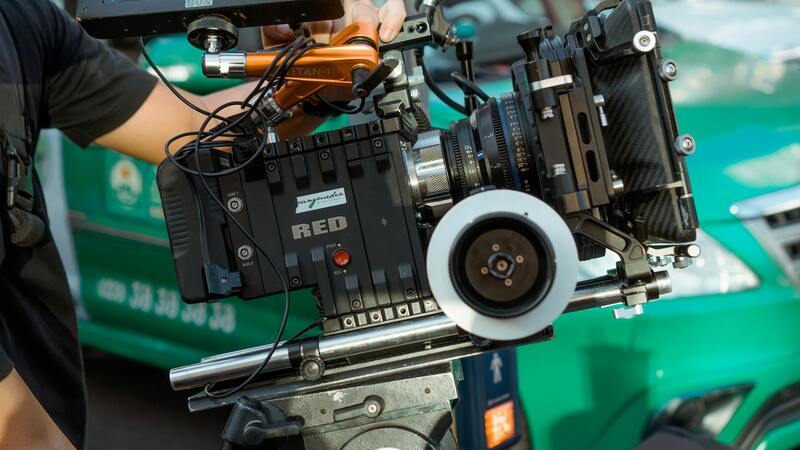
Moreover, the strategic planning and technical execution executed by a live stream videographer influence the overall success of the broadcast. They are responsible for framing shots, managing multiple camera feeds, selecting appropriate transitions, and maintaining a stable live stream to prevent buffering or interruptions. As the demand for instant, high-quality online content surges, hiring a qualified live stream videographer ensures that an event's digital footprint is impactful and reliable. This expertise not only broadens audience reach but also elevates the professional image of the host organization or individual involved.
In essence, the role of a live stream videographer combines technical mastery with creative storytelling. Their importance lies in their ability to deliver an authentic and engaging live experience to remote viewers, enabling organizations to break geographical barriers and connect with a global audience without compromising quality. This professional service is increasingly recognized as a vital component of modern event execution, especially in the vibrant and diverse market of Miami, where live streaming can significantly amplify the impact of local events on an international scale.
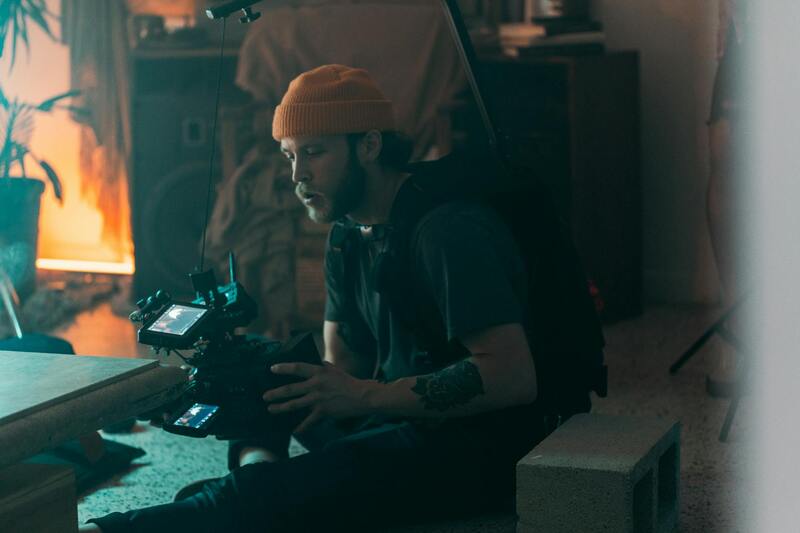
Equipment and Technology Used in Live Streaming
Effective live streaming relies heavily on the integration of advanced equipment and cutting-edge technology. A professional live stream videographer leverages a variety of tools to ensure a seamless and high-quality broadcast. Core among these are high-definition cameras capable of capturing detailed visuals from multiple angles, allowing for dynamic shot composition and smooth transitions that enhance viewer engagement. These cameras are often paired with professional-grade lenses to optimize image clarity and depth.
Audio quality plays a vital role in the success of a live stream. To achieve this, videographers utilize high-fidelity microphones, mixers, and audio interfaces that capture clear sound, suppress background noise, and balance audio levels across multiple sources. Wireless microphones are frequently employed for interviews, panel discussions, or movement-heavy events.
For reliable live delivery, encoders and streaming software are central components. Hardware encoders convert raw video signals into streamable data formats, while software encoders offer flexibility in managing multiple feeds, overlays, and graphics. Integrating these with robust internet connections—preferably via dedicated fiber optics or bonded internet solutions—ensures stable streaming without lag or buffering.
Additionally, on-site lighting is carefully calibrated to enhance visibility and aesthetic appeal under different conditions. Video switchers or mixers allow the videographer to seamlessly transition between camera feeds, incorporating effects and graphics that elevate the broadcast’s professionalism.
State-of-the-art stabilization equipment, such as gimbals and steadicams, assist in capturing smooth footage even in dynamic or crowded environments. Backup solutions, including secondary cameras, batteries, and data storage devices, are essential to accommodate unforeseen technical issues.
Lastly, effective post-production tools facilitate live editing or content repurposing after the event. This comprehensive array of equipment and technology is fundamental in delivering flawless, engaging live streams that meet the expectations of diverse audiences.
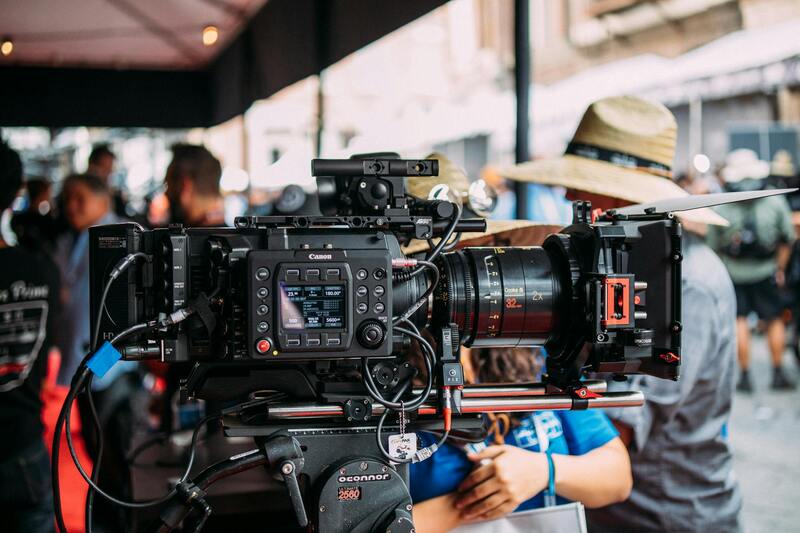
Equipment and Technology Used in Live Streaming
To achieve a seamless live broadcast, a comprehensive setup of high-caliber equipment is essential. Professional live stream videographers rely on industry-standard cameras that deliver sharp, high-definition footage capable of capturing the finest details and nuances of live events. These cameras often feature multiple SDI and HDMI outputs, enabling simultaneous feeds to different devices and simplifying multi-camera setups. Paired with variable zoom and optical stabilization, they adapt easily to dynamic environments, ensuring crisp visuals regardless of movement or distance.
Audio quality is equally critical in live streaming. Directional microphones, wireless lavaliers, and shotgun mics are commonly used to capture clear, ambient sound while minimizing background noise. Professional audio mixers and soundboards allow for real-time adjustments, balancing levels and enhancing clarity for the audience. This integration guarantees that the audio complements the visual content, providing an immersive viewing experience.
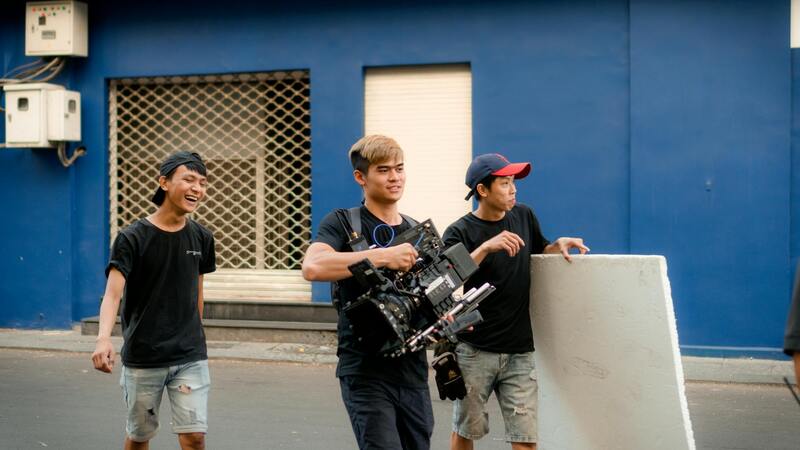
Connectivity infrastructure forms the backbone of a stable live stream. High-speed internet connections are indispensable, with fiber optic lines preferred for their reliability and bandwidth. Bonded internet solutions, which aggregate multiple internet sources, provide additional stability, reducing the risk of interruptions. Streaming hardware, including encoders—whether hardware-based or software solutions—transmit the video feed to live platforms with minimal latency.
Advanced streaming software allows for real-time encoding, multi-camera switching, graphics overlays, and instant replays. These tools enable videographers to deliver professional-quality broadcasts that engage viewers. Switching between different camera angles, adding lower thirds, or incorporating branding elements elevates the overall production quality.
Stabilization devices such as gimbals and steadicams are vital for capturing smooth footage, especially in crowded or moving scenarios. Battery backups, secondary data storage, and redundant hardware serve as safeguards against technical glitches, making sure the broadcast remains uninterrupted. Additionally, post-production tools facilitate editing, content repurposing, and distribution after the event, extending its reach beyond the live moment.
Role and Importance of a Live Stream Videographer
A professional live stream videographer plays a pivotal role in capturing and transmitting events with clarity, precision, and engaging production quality. They combine technical expertise with creative vision to ensure that the broadcast resonates with viewers and meets the unique demands of each event. Skilled videographers understand the nuances of camera placement, lighting, and framing, which are essential for delivering a polished appearance that reflects professionalism and enhances viewer engagement.
Beyond technical prowess, the live stream videographer acts as a coordinator, seamlessly managing multiple equipment setups and troubleshooting unforeseen issues in real-time. Their experience allows them to adapt swiftly to changing circumstances, such as sudden lighting adjustments or unexpected technical glitches, ensuring the broadcast remains uninterrupted. Their role extends to integrating graphics, overlays, and multi-camera angles, adding a dynamic layer to the content that keeps viewers invested throughout the event.
In the context of Miami's vibrant event scene, from corporate conferences to cultural festivals, a live stream videographer ensures that the essence of each occasion is captured and shared broadly. They are not just operators of equipment but storytellers who craft digital narratives that extend the event's reach beyond physical attendance. Hiring a skilled professional guarantees a high-quality broadcast that enhances the event's profile and fulfills the strategic communication goals of organizers.
Types of Events Suitable for Live Streaming
- Corporate conferences and seminars
- Weddings and social celebrations
- Concerts, performances, and festivals
- Religious services and community gatherings
- Educational workshops and training sessions
- Sports competitions and tournaments
Equipment and Technology Used in Live Streaming
Modern live streaming relies on a sophisticated suite of equipment and technology. High-definition cameras with professional-grade lenses are fundamental for capturing detailed visuals, often supported by multiple camera setups for different angles. Stabilization tools like gimbals and steadicams are crucial for maintaining smooth footage and compensating for movement, especially during outdoor or dynamic shoots.
The backbone of any live stream setup is the internet connection, with fiber optic lines providing consistent bandwidth necessary for high-quality transmission. Bonded cellular solutions aggregate multiple internet sources to enhance stability, particularly in areas with variable connectivity. Hardware encoders or reliable software solutions prepare the video feed for transmission, ensuring minimal latency and synchronization with streaming platforms.
Additional tools such as switchers facilitate seamless switching between camera feeds, while graphics overlays and lower thirds are added in real-time to display pertinent information, branding, or subtitles. Professional streaming software enables live editing, multiple camera switching, and the inclusion of multimedia elements, allowing for a polished broadcast experience. Backup power supplies, redundant hardware, and secure storage devices are integrated to safeguard against technical failures, maintaining broadcast continuity even under challenging conditions.
Role and Importance of a Live Stream Videographer
A live stream videographer plays a pivotal role in ensuring that an event's visual and audio elements are captured, managed, and transmitted flawlessly to a remote audience. Their expertise extends beyond mere camera operation; they are responsible for creating a seamless viewing experience that maintains the event’s professional quality. This professional responsibility involves understanding the technical intricacies of live streaming technology, including synchronization of multiple feeds, optimal framing, and real-time monitoring of audio levels to prevent distortion or loss of sound clarity.
Live stream videographers contribute significantly to the overall success of an event by applying their technical skills and artistic judgment. They are adept at selecting camera angles that best showcase the event, whether it’s a corporate conference, wedding, or concert. Their ability to adapt to unpredictable conditions, such as changing lighting or unexpected technical issues, ensures the broadcast remains uninterrupted and engaging.
Beyond technical execution, a live stream videographer acts as a key coordinator among various event stakeholders, including organizers, AV teams, and streaming platform managers. Effective communication and coordination ensure that visual content aligns precisely with event timelines and audience engagement goals. Their expertise not only enhances the professionalism of the broadcast but also elevates the event’s perceived value, ultimately contributing to stronger audience connection and brand reputation.
Types of Events Suitable for Live Streaming
Live streaming is versatile and can be tailored to a variety of event types, each requiring specific considerations to maximize reach and impact. These events often include:
- Corporate Conferences and Seminars: Facilitating remote participation for stakeholders, clients, and employees, ensuring wider engagement without geographical constraints.
- Weddings and Social Celebrations: Sharing these personal moments with friends and family who cannot attend physically, creating memorable digital keepsakes.
- Music Concerts and Festivals: Providing access to live performances for audiences worldwide, often with multiple camera angles capturing the atmosphere.
- Religious Services and Ceremonies: Extending spiritual outreach and inclusivity for community members unable to attend in person.
- Educational Events and Classes: Streaming lectures, workshops, or training sessions to facilitate remote learning and broader dissemination of knowledge.
Each event type benefits from the customization of the streaming setup, ensuring that visual and audio quality aligns with audience expectations. Proper planning and expert execution by a live stream videographer enhance the viewer experience, increasing engagement and fostering a sense of community across digital platforms.
Equipment and Technology Used in Live Streaming
State-of-the-art equipment forms the backbone of successful live streaming operations, combining hardware and software elements to deliver smooth, high-quality broadcasts. Essential components include:
- High-Definition Cameras: Professional-grade video cameras with capable lenses capture sharp, vibrant visuals suitable for large screens and remote viewing.
- Audio Systems: Directional microphones, mixers, and audio processors ensure clear sound, reducing background noise and balancing multiple audio sources.
- Video Switchers and Encoders: Hardware or software tools that manage multiple camera feeds, switch angles in real-time, and encode video for streaming platforms.
- Internet Connectivity: Fiber optic lines or bonded cellular solutions provide the necessary bandwidth for high-definition streaming without lag or interruptions.
- Stabilization Equipment: Gimbals, steadicams, and tripods maintain steady footage, even in dynamic or outdoor environments.
- Backup Power Supplies and Redundancies: Uninterrupted power sources prevent interruptions caused by power failures, maintaining a continuous broadcast flow.
- Stream Management Software: Applications that facilitate live editing, overlay graphics, and control of multiple feeds to enhance broadcast professionalism.
Integrating these elements thoughtfully allows a live stream videographer to craft an immersive, professional broadcast experience that meets the expectations of both event organizers and remote viewers.
On-Site Execution and Live Broadcast Management
Executing a successful live stream demands meticulous on-site management to ensure seamless broadcasting from start to finish. This phase involves coordinating multiple technical elements in real-time, requiring an experienced live stream videographer equipped with comprehensive operational skills. The videographer acts as the central point of control, overseeing camera feeds, audio quality, and stream stability to prevent disruptions or quality degradation.
Before the event begins, the videographer conducts a thorough site survey to assess available infrastructure, identify optimal camera placements, and verify internet connectivity. Setting up the necessary equipment—cameras, audio systems, switchers, encoders, and stabilization devices—is executed with precision to maximize visual and audio clarity.
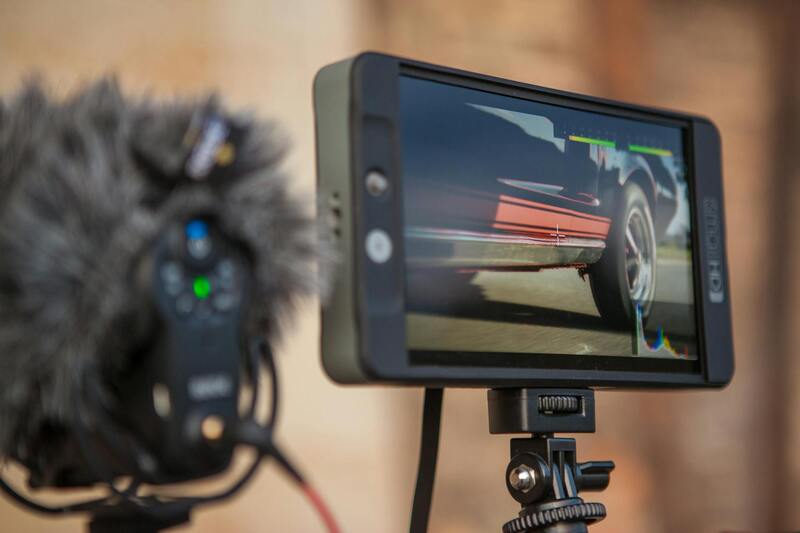
During the live event, the videographer continuously monitors multiple camera feeds, making real-time decisions on switching angles to enhance viewer engagement and narrative flow. Proper management of audio sources guarantees clear sound, with adjustments made on the fly to compensate for environmental noise or speaker dynamics.
Advanced streaming software is employed for overlaying graphics, adding lower thirds, and integrating social media interactions if needed. Constant communication with on-site personnel facilitates immediate resolution of technical issues, preventing delays or interruptions.
Backup systems, including secondary internet sources and power supplies, are essential components of the on-site setup. They provide redundancy in case of equipment failure, ensuring the broadcast remains uninterrupted regardless of unforeseen complications.
Throughout the event, the live stream videographer maintains a vigilant presence, balancing technical control with adaptability to dynamic event conditions. This readiness ensures viewers receive a professional, immersive experience that accurately reflects the event’s significance.
Post-event, the same professional team often provides immediate support for recording the live stream, enabling high-quality archival footage. They review the broadcast, troubleshoot any anomalies, and prepare content for immediate sharing or future on-demand distribution, maintaining the momentum of event engagement beyond the live moment.
Role and Importance of a Live Stream Videographer
In the realm of modern event coverage, the live stream videographer plays an indispensable role in capturing and broadcasting live events with precision and professionalism. Their expertise extends beyond mere camera operation, encompassing a comprehensive understanding of live production workflows, technical troubleshooting, and real-time editing. A skilled live stream videographer ensures seamless integration of visuals, audio, and graphics, providing viewers with an immersive experience that faithfully represents the event’s atmosphere.
By employing advanced camera techniques, such as multi-camera setups and dynamic framing, they craft a compelling narrative that engages remote audiences. Their ability to adapt swiftly to changing event conditions—whether adjusting camera angles, managing audio sources, or responding to unexpected technical glitches—maintains a consistent broadcast quality. This professional oversight not only enhances viewer satisfaction but also boosts the reputation of the event organizers and host institutions.
Ensuring Technical Excellence
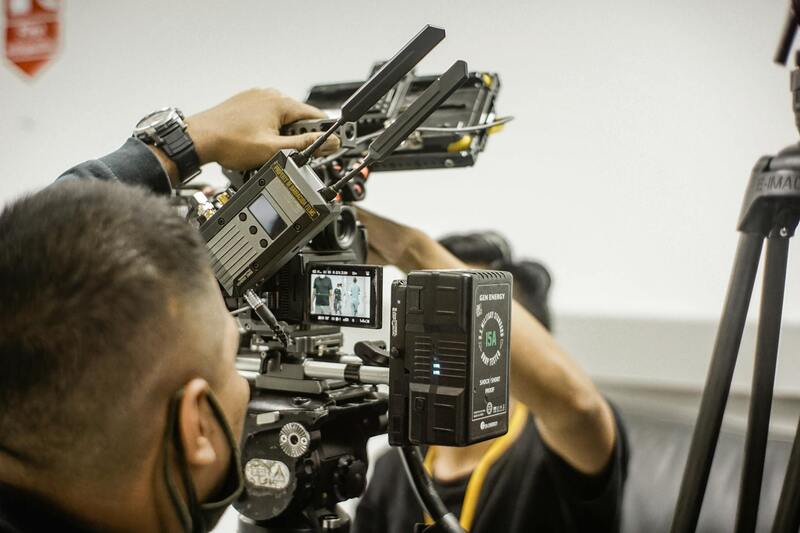
Beyond capturing footage, the videographer is responsible for setting up reliable equipment, including high-definition cameras, encoders, audio mixers, and streaming software. They optimize signal paths to minimize latency and interference, ensuring a stable and high-quality broadcast. Moreover, they monitor streaming metrics continuously, addressing issues like buffering or audio desynchronization before they affect the live audience.
Enhancing Viewer Engagement
Engagement features such as live chat integration, on-screen graphics, and real-time annotations are typically coordinated by the live stream videographer. These elements add value to the broadcast by fostering interaction, highlighting key moments, and providing supplementary information dynamically. Their presence elevates the professional appearance of the streamed content, building credibility and viewer trust.
Types of Events Suitable for Live Streaming
Virtually any event that benefits from remote access or broader audience reach can be optimized through live streaming. This includes:
- Conferences and seminars—allowing participants from around the globe to attend virtually.
- Corporate meetings and product launches—amplifying outreach and brand visibility.
- Religious services and community gatherings—connecting congregations regardless of location.
- Weddings and personal milestones—sharing memorable moments with distant friends and family.
- Educational webinars and workshops—facilitating interactive learning experiences.
- Entertainment events like concerts and festivals—expanding the audience beyond physical constraints.
Each of these event types requires tailored streaming strategies to ensure the delivery of high-quality, engaging content that resonates with viewers and amplifies the event’s impact.
Equipment and Technology Used in Live Streaming
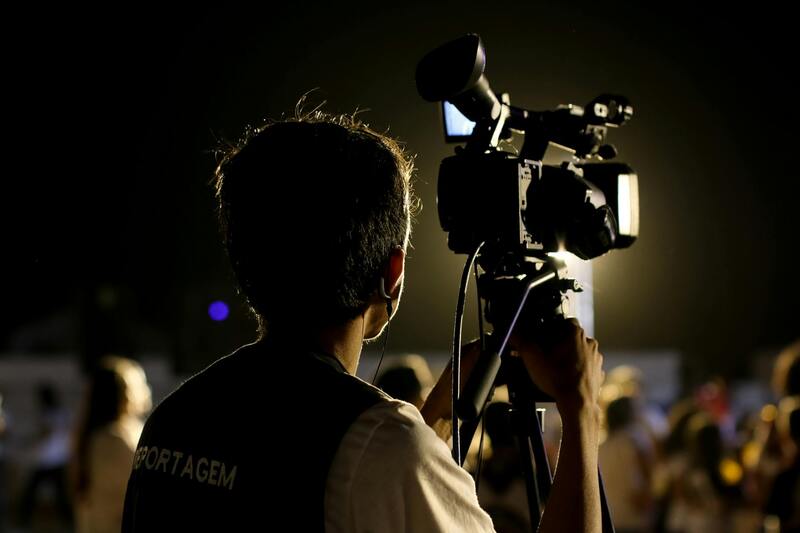
A proficient live stream videographer relies on a sophisticated array of equipment designed for stability, clarity, and performance. The core components typically include:
- Cameras: High-definition professional cameras capable of capturing clear, detailed visuals from multiple angles.
- Streaming encoders: Hardware or software tools that convert raw footage into a digital stream compatible with various platforms.
- Audio equipment: Wireless and wired microphones, audio mixers, and sound interfaces to ensure crisp, balanced sound.
- Switching hardware: Video switchers for seamless transitions between different camera feeds, adding visual dynamism.
- Stabilization and tripod systems: Equipment that ensures steady shots, particularly for dynamic or mobile events.
- Internet connectivity: High-speed, reliable internet—often augmented with backup connections—crucial for uninterrupted streaming.
- Lighting: Portable lighting setups to enhance image quality and visibility in low-light environments.
Advanced streaming software facilitates overlaying graphics, live titling, and synchronization, enriching the viewer experience. Additionally, monitoring tools provide real-time analytics on bandwidth, viewer count, and stream health, enabling immediate adjustments as needed.
Planning and Preparation for Live Streaming
Successful live streaming hinges on meticulous pre-event planning. Essential steps include:
- Site assessment: Evaluating venue infrastructure to support necessary equipment, internet bandwidth, and power sources.
- Technical rehearsals: Conducting dry runs to troubleshoot potential issues related to camera positioning, audio quality, and signal stability.
- Content scheduling: Establishing a streaming timeline aligned with event program, deadlines, and key moments.
- Team coordination: Assigning roles for camera operators, sound technicians, and on-site coordinators to streamline workflow.
- Backup planning: Preparing redundancies such as secondary internet sources, additional batteries, and spare equipment to handle unforeseen failures.
This structured approach guarantees a smooth execution and minimizes the risk of technical disruptions during the live broadcast.
On-Site Execution and Live Broadcast Management
During the event, the live stream videographer orchestrates real-time operations with precision and adaptability. Key responsibilities include:
- Continuous monitoring: Overseeing camera feeds, audio levels, and streaming stability to detect anomalies early.
- Creative direction: Deciding on camera angles and transitions to maintain visual interest and narrative flow.
- Technical troubleshooting: Addressing issues promptly, whether adjusting camera settings or re-establishing connections.
- Communication: Coordinating with the event staff, hosts, and other technical team members for smooth transitions and timely coverage of scheduled segments.
- Overlay and graphics management: Implementing lower thirds, logos, and titles as planned, enhancing professionalism and branding.
Consistent quality control and flexibility during live transmission ensure the broadcast reflects the event’s significance and keeps viewers engaged.
Post-Streaming Services and Content Delivery
Once the live event concludes, the coverage shifts from real-time management to post-production and distribution. This phase involves:
- Broadcast review: Analyzing the stream quality, identifying any technical issues, and editing the footage for archiving or promotional use.
- Content archiving: Saving high-resolution recordings to secure storage for future access or on-demand offerings.
- Distribution: Uploading recordings to hosting platforms or social media channels to reach wider audiences post-event.
- Audience engagement: Sharing highlights, clips, or full recordings to extend the event’s lifespan and impact.
- Feedback collection: Gathering viewer insights to refine future streaming strategies and improve overall service quality.
Effective post-event management ensures the event’s impact endures, fostering ongoing engagement and reinforcing branding efforts.
Role and Importance of a Live Stream Videographer
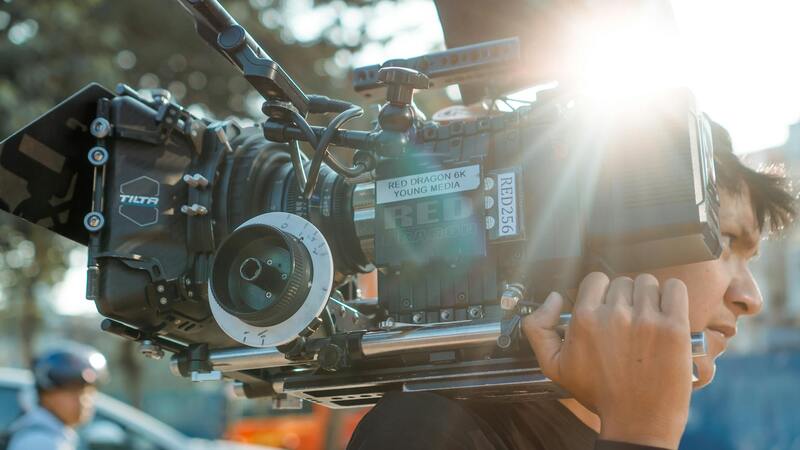
A live stream videographer plays a crucial role in capturing the essence of events in real-time, ensuring that every significant moment is documented with clarity and professionalism. Their expertise encompasses more than just operating cameras; it involves strategic planning, technical proficiency, and the ability to adapt swiftly to dynamic situations. These professionals understand the nuances of framing, lighting, and audio capture, all essential for producing engaging broadcasts that resonate with viewers.
The importance of a skilled live stream videographer extends beyond mere visual coverage. They serve as the backbone of event communication, bridging the physical and virtual audiences through high-quality streaming. Their keen eye for detail and comprehensive understanding of streaming technology guarantees a stable, high-resolution broadcast that maintains viewer engagement and fulfills client expectations.
A dedicated videographer also manages the technical infrastructure — setting up equipment such as multiple cameras, microphones, and encoders, and ensuring proper connectivity. They troubleshoot issues on the fly, reconfiguring settings or switching sources seamlessly to prevent disruptions. This proactive approach minimizes downtime and guarantees a smooth viewing experience for audiences across devices.
Furthermore, a live stream videographer collaborates closely with event planners, technical staff, and clients to customize the broadcast according to specific needs. Whether highlighting key speakers, capturing ambiance, or integrating branded graphics, their role is integral to delivering a polished and cohesive event presentation.
Types of Events Suitable for Live Streaming
- Corporate Conferences and Seminars: Executives and industry leaders can showcase keynote speeches, panel discussions, and product launches to a broad audience, facilitating increased engagement and brand visibility.
- Weddings and Private Celebrations: Sharing the joy with family and friends who cannot attend in person becomes effortless with professional live streaming, capturing every heartfelt moment with clarity.
- Concerts and Performances: Musicians, theater groups, and performers benefit from live broadcast coverage that reaches wider audiences, enhancing promotional efforts and ticket sales.
- Educational and Religious Events: Schools, universities, and faith-based organizations utilize live streaming to disseminate their messages effectively to congregations or students unable to attend physically.
- Sports Events: Live broadcasting of amateur or professional sports provides fans with an immersive experience, capturing fast-paced action with multiple camera angles.
Equipment and Technology Used in Live Streaming
High-quality live streaming requires a combination of dedicated equipment and reliable technology to ensure stability and clarity. Typical gear includes:
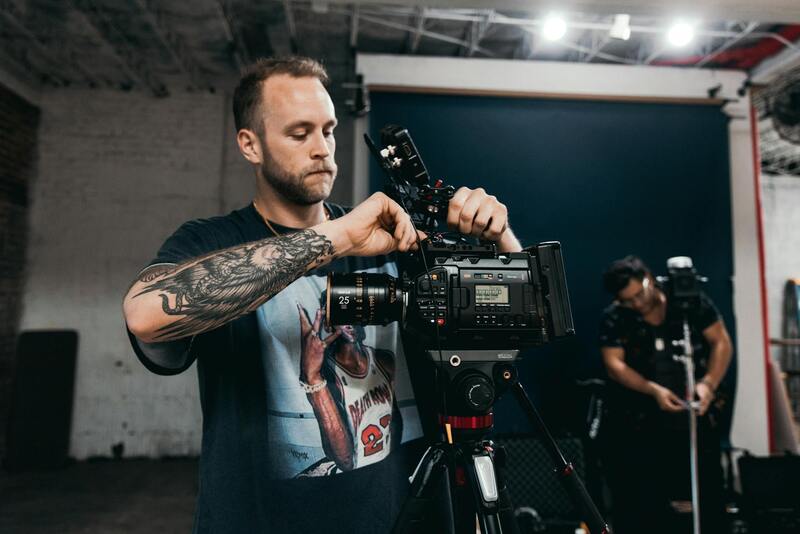
- Multiple Cameras: Professional-grade cameras with optical zoom and high-definition capabilities enable dynamic shot selection and detailed coverage.
- Video Switchers: Devices that allow real-time switching between camera feeds, incorporating overlays, graphics, or replays.
- Audio Equipment: Wireless microphones, audio mixers, and soundboards optimize sound quality, making sure dialogue and music are crisp.
- Streaming Encoders: Hardware or software solutions that compress audio and video signals for live transmission over the internet.
- Reliable Internet Connection: Fiber-optic internet or dedicated leased lines ensure stable bandwidth, reducing buffering and lag.
- Monitoring Devices: Monitors and control interfaces enable operators to oversee all live feed aspects and implement adjustments swiftly.
Planning and Preparation for Live Streaming
Proper planning is essential to maximize the impact of a live stream. This involves coordinating with clients to understand event objectives, identifying key moments to be covered, and establishing technical requirements. Pre-event site surveys help assess space arrangements, power sources, and internet connectivity, reducing unforeseen issues during the broadcast. Developing a comprehensive shot list and participant schedule ensures timely coverage and smooth transitions. Additionally, preparing backup equipment, testing internet connections, and establishing clear communication channels with all team members help mitigate risks. Technical rehearsals are conducted to simulate the actual broadcast environment, allowing the team to fine-tune camera angles, audio levels, and graphics integration. This preparation fosters confidence and minimizes on-site surprises, enabling a seamless live streaming experience.