Overview of Livestream Services for Events
Livestream services have revolutionized the way events are documented and shared with audiences, providing real-time broadcasting capabilities that extend beyond physical attendance. These services utilize advanced internet streaming technologies to deliver high-quality video and audio feeds directly to viewers across the globe. In Miami, where live events—from corporate conferences to cultural festivals—are integral to the local scene, livestream services serve as a vital tool in expanding reach and engagement. By leveraging professional livestreaming platforms, event organizers can ensure seamless transmission of their events, allowing remote audiences to experience them as if they were physically present.
At their core, livestream services encompass a range of technical tools and platforms designed to capture, encode, transmit, and display live content with minimal delay. Whether utilizing multiple cameras for dynamic coverage or integrating graphics and overlays for branding, these services enable organizers to customize the presentation. The process involves using specialized hardware like cameras, microphones, and streaming encoders, combined with robust internet connectivity and streaming platforms that host the live feed. This ensures continuous, uninterrupted viewing for online audiences, regardless of their device or location.
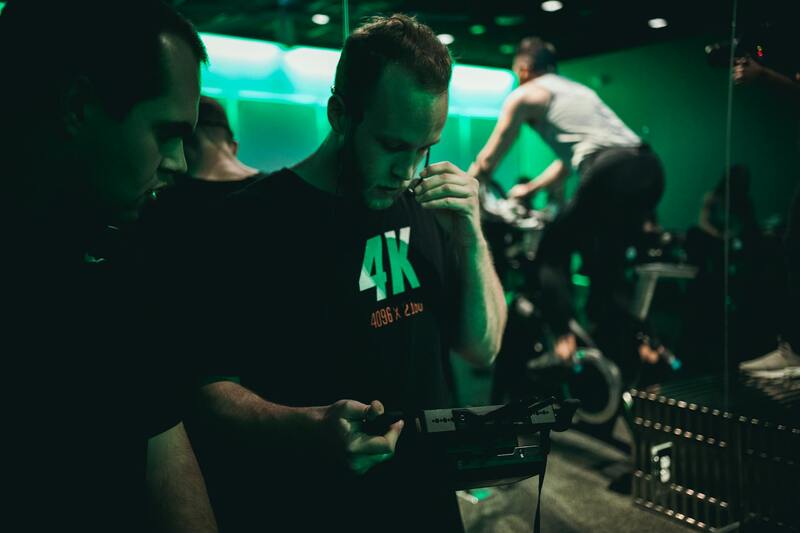
Furthermore, livestream services offer interactive features such as live chat, polls, and viewer analytics, which can significantly enhance audience engagement. The ability to broadcast to multiple platforms simultaneously, including social media networks and dedicated streaming portals, expands event visibility. Such comprehensive coverage aids event organizers in reaching niche or international markets, amplifying promotional efforts without the constraints of physical space or geographic boundaries.
Through the use of reliable technology and experienced technical crews, livestream services ensure high production standards. They handle everything from pre-event planning and setup to live operation and post-event archiving. This end-to-end approach guarantees a polished presentation that aligns with branding goals and maximizes viewer satisfaction. As digital consumption continues to rise, the importance of professional livestream services in Miami's vibrant event scene becomes increasingly evident, making it possible to cater to diverse audiences efficiently and effectively.
Essential Features of Professional Livestream Platforms
Choosing the right livestream service involves evaluating specific features that ensure a seamless and engaging viewing experience. High-quality video and audio transmission are paramount; these elements directly influence viewer satisfaction and retention. Advanced encoding technologies facilitate adaptive bitrate streaming, which adjusts the quality of the stream in real-time based on viewers’ internet speeds, preventing buffering and interruptions.
Interactivity features play a crucial role in fostering viewer engagement. Live chat functionalities, real-time polls, and Q&A modules enable audiences to participate actively, making the broadcast more dynamic and personalized. Additionally, multi-platform streaming capabilities allow content to be broadcast simultaneously across various social media channels and dedicated platforms, maximizing reach.
Reliability is a core consideration. Livestream services must offer robust failover options, redundant streaming paths, and uptime guarantees to minimize the risk of technical issues during the event. Cloud-based solutions often provide scalability and ease of access, allowing event organizers to expand or modify their broadcast parameters efficiently.
For event organizers seeking comprehensive management, integrated analytics tools deliver valuable data on viewer demographics, engagement metrics, and viewing habits. This insight supports strategic decision-making for future events and marketing initiatives.
Incorporating secure access controls and privacy settings helps manage audience access and protect proprietary content. Features such as password protection, geo-restrictions, and digital rights management (DRM) are vital for safeguarding content.
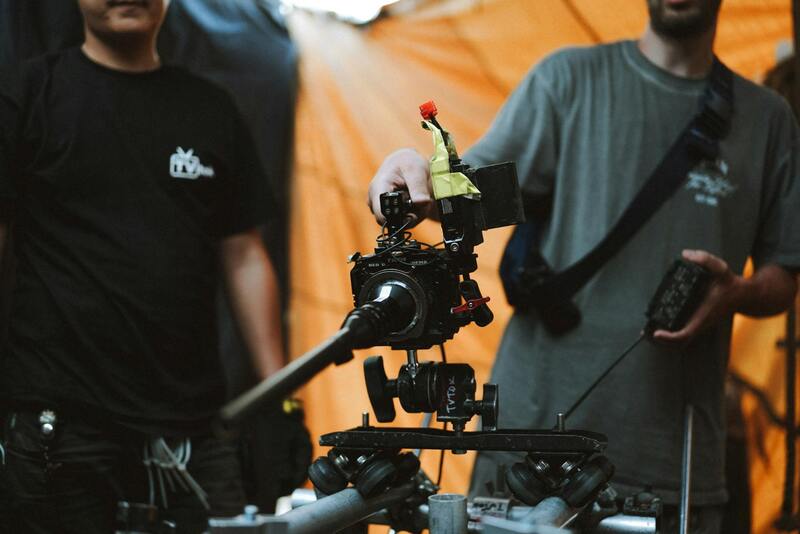
Overview of Livestream Services for Events
Live streaming has transformed the way organizations and individuals share their events with audiences both locally and globally. Professional livestream services utilize advanced broadcasting technologies that deliver high-quality visual and audio experiences, ensuring an engaging viewer experience. These services encompass a comprehensive suite of features including multi-platform streaming, real-time audience interaction, and integrated analytics, which collectively enhance the reach and impact of the event.
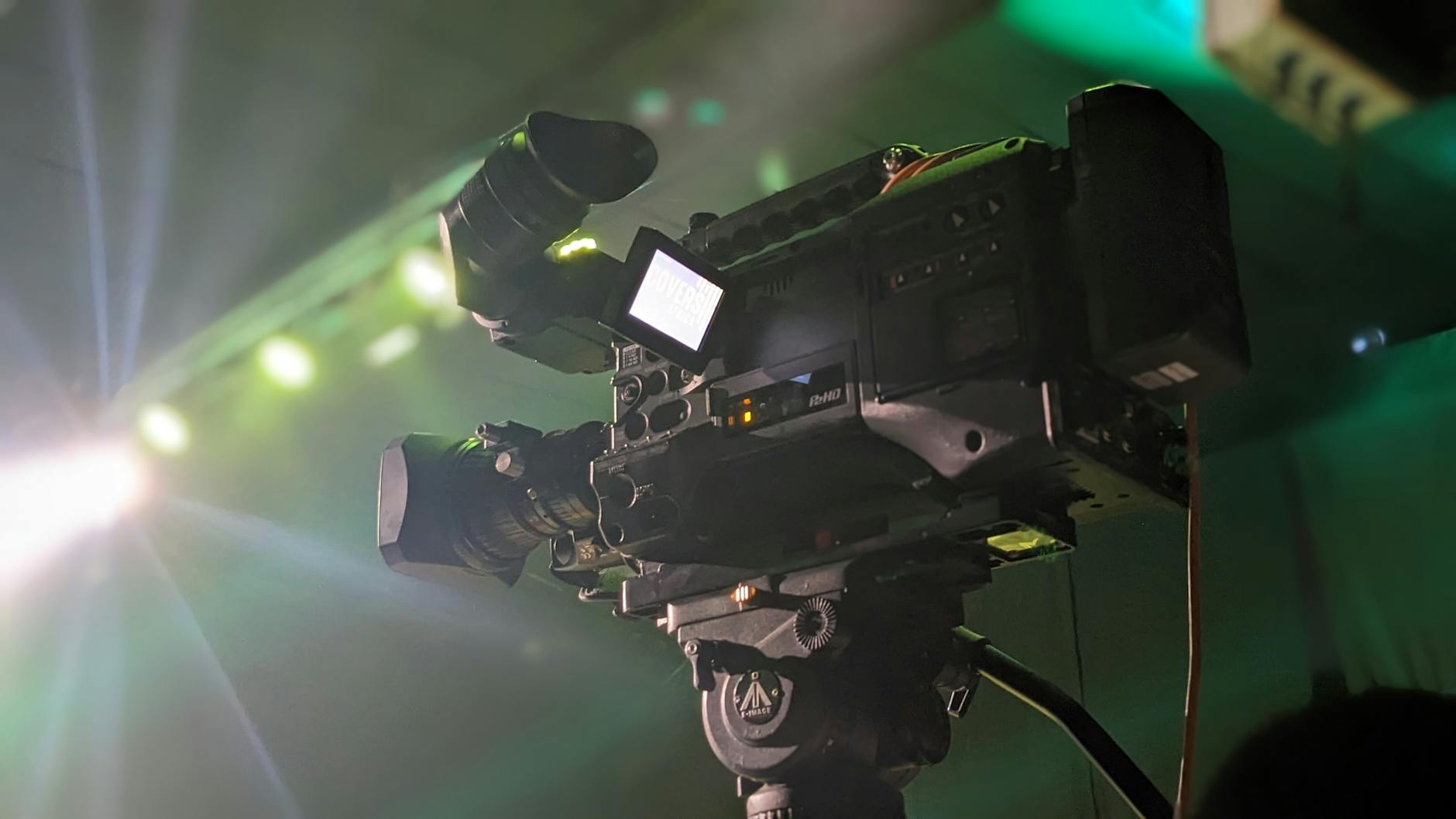
Clients can select from varied service packages tailored to their specific event size, complexity, and audience engagement goals. Whether hosting a small corporate meeting or a large-scale public concert, choosing the right livestream provider ensures seamless broadcast quality, minimal downtime, and professional production standards. Experienced livestream service providers employ cutting-edge technology such as adaptive bitrate streaming, cloud encoding, and backup redundancies to deliver a resilient and high-fidelity live stream.
Effective livestreaming also involves logistical planning. This includes on-site equipment setup, reliable internet connections, and coordination with technical staff to manage the broadcast flow. Many services offer end-to-end solutions, managing everything from pre-event production to post-event analytics, reducing operational burdens on event organizers and allowing them to focus on content delivery.

In addition to broadcasting, these services often incorporate interactive features such as live chat, Q&A sessions, and polls that foster audience engagement. Event organizers can also enhance security by employing access controls, geo-restrictions, and encryption methods to safeguard content. The integration of comprehensive analytics provides valuable insights into viewer demographics, engagement levels, and consumption patterns, guiding future event strategies and marketing efforts.
Advantages of Utilizing Professional Livestream Services
- High Production Quality: Professional setups ensure crisp visuals, clear audio, and smooth streaming experiences that elevate the event’s professionalism.
- Extended Reach: Broadcast across multiple social media platforms and websites simultaneously to maximize audience potential.
- Audience Engagement: Interactive tools allow viewers to participate actively, increasing overall engagement and satisfaction.
- Technical Reliability: Redundant systems and expert monitoring minimize disruptions and ensure consistent streaming performance.
- Comprehensive Support: From planning to post-event analytics, dedicated technical teams provide ongoing support throughout the process.
The ability to broadcast from any location with high-speed internet, combined with scalable solutions that adapt to event size, makes livestream services an indispensable component of modern event planning. This approach not only enhances visibility and accessibility but also contributes to creating memorable, far-reaching experiences for all participants.
Overview of Livestream Services for Events
Livestream services have become an essential tool for broadcasters seeking to extend their reach beyond physical venues. These services enable live video transmission over the internet, allowing audiences to engage with events in real time from anywhere with an internet connection. Utilizing professional livestreaming platforms involves multiple components, including high-quality video capture, efficient encoding, and reliable streaming infrastructure. Such platforms provide seamless integration with various distribution channels, including social media platforms, dedicated websites, and third-party applications, ensuring a broad and diverse audience engagement.
Many livestream providers offer customizable solutions tailored to the nature of the event, whether it’s a corporate conference, a concert, a religious service, or a community gathering. Advanced features such as multi-camera switching, graphic overlays, real-time chat, and interactive polls enable organizers to deliver dynamic and engaging content. Moreover, the scalability of these services accommodates events of differing sizes, from intimate meetings to large-scale festivals. These platforms are supported by robust technical infrastructure that guarantees minimal latency and interruption during live broadcasts.
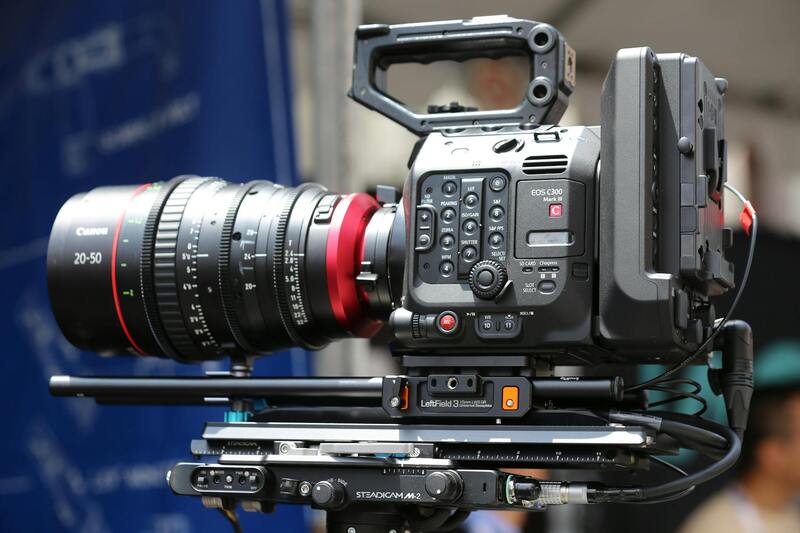
Benefits of Using Livestream Services in Miami
Implementing livestream services in Miami offers strategic advantages for organizations aiming to maximize their event’s impact and accessibility. These benefits include extending the event’s reach to local, national, and international audiences without geographical limitations. This is particularly valuable in a vibrant, diverse city where audience engagement spans multiple communities and demographics. Additionally, professionally managed livestreams ensure high production values, enhancing the event’s perceived quality and professionalism.
Increased accessibility is another key benefit. Viewers with varying schedules can access recordings and simulcasts, providing flexibility and reinforcing content visibility post-event. This persistent online presence supports ongoing marketing efforts, drives audience growth, and fosters community engagement. Utilization of advanced analytics tools from livestream platforms enables organizers in Miami to gain comprehensive insights into viewer behavior, engagement patterns, and outreach effectiveness, informing future event planning and marketing strategies. Besides enhancing audience interaction, these services help streamline event workflows, reduce logistical costs, and facilitate real-time updates and notifications to attendees.
Types of Events Suitable for Livestreaming
- Conferences and business seminars
- Religious services and spiritual gatherings
- Performances, concerts, and cultural events
- Educational webinars and workshops
- Community meetings and public forums
- Product launches and corporate announcements
Technical Requirements for Livestreaming
Ensuring a seamless and professional livestream hinges on the availability of appropriate equipment, reliable internet connectivity, and meticulous setup procedures. In Miami, where diverse venues—from modern conference halls to outdoor spaces—are utilized for livestreaming, adapting the technical setup to the environment is crucial.
Fundamental equipment includes high-definition cameras capable of capturing clear visuals from various angles, professional-grade microphones for crisp audio, and a stable encoder that compresses and transmits the video feed efficiently. Additionally, a mixing console or switcher may be employed to manage multiple camera feeds, enhancing production quality through dynamic transitions and overlays.
Internet connectivity remains the backbone of successful livestreams. For Miami venues, a dedicated high-speed broadband connection is recommended to prevent interruptions. Fiber-optic internet options provide the most stable connection, especially for larger streams involving multiple participants or high bandwidth requirements. Supplementing wired connections with backup solutions, such as cellular hotspots, adds an extra layer of reliability in case of connectivity issues.
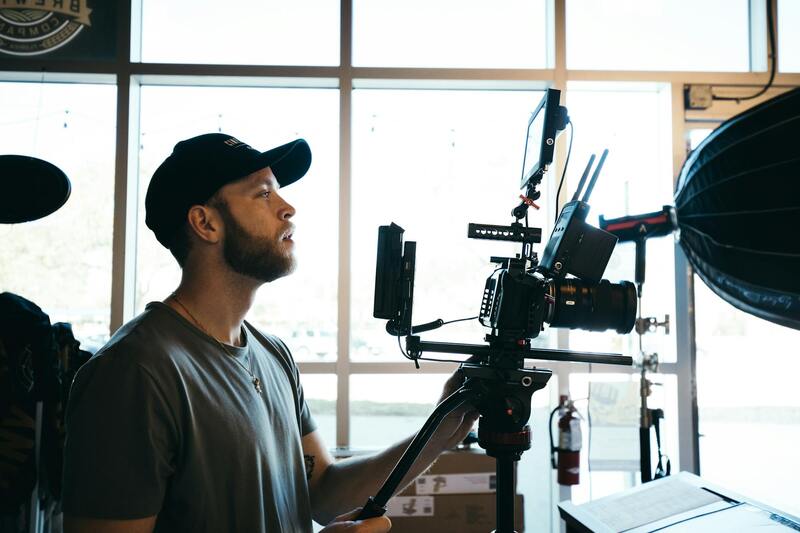
Setup considerations include proper lighting, to evenly illuminate the event space and ensure clear visuals, and appropriate placement of equipment to minimize obstructions. Testing all gear beforehand, including internet speed tests, ensures that technical issues are identified and resolved in advance. Additionally, integrating backup power sources, such as uninterruptible power supplies (UPS), prevents disruptions during power fluctuations or outages.
Operationally, assigning a technical team with experience in live streaming is essential. They can oversee the equipment during the event, troubleshoot issues promptly, and coordinate with on-site staff to achieve optimal shot composition and audio quality. When planning for outdoor or unconventional venues in Miami, factors such as weather conditions and ambient noise must also be addressed to maintain broadcast integrity.
Technical Requirements for Livestreaming
Ensuring a seamless live broadcast in Miami demands meticulous attention to technical specifics. The foundation of a high-quality livestream is a robust internet connection. For venues hosting major events, fiber-optic broadband is highly recommended due to its exceptional speed and stability, which supports high-definition video feeds and multiple input streams. A dedicated connection minimizes latency and buffering, delivering a smooth viewing experience to remote audiences.
In addition to a reliable internet source, professional-grade streaming equipment plays a crucial role. This includes high-definition cameras capable of capturing sharp visuals from various angles and professional-grade microphones that deliver clear, crisp audio. Proper lighting setups are equally important, as well-lit environments ensure clarity and visual appeal. Adjustable lighting rigs help eliminate shadows and highlight performers or speakers effectively.
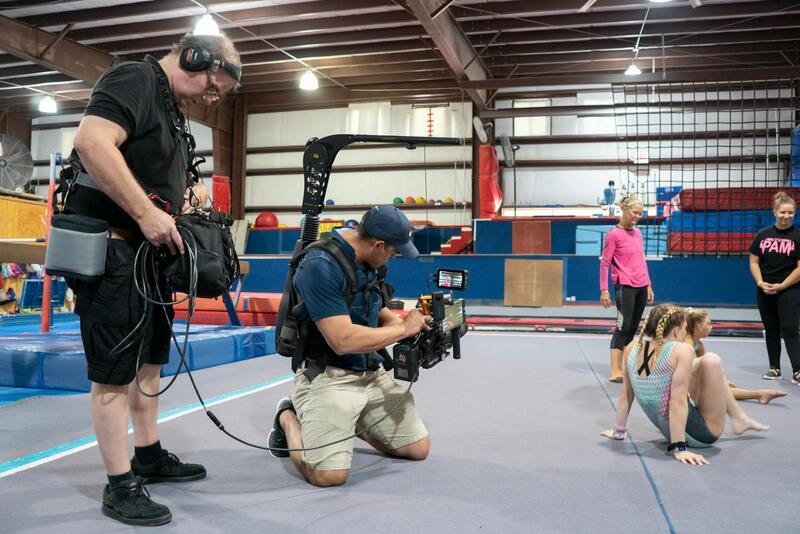
Pre-event testing cannot be overstated. Conducting comprehensive dry runs allows the technical team to verify equipment functionality and internet stability, identify potential issues, and fine-tune camera angles, audio levels, and streaming parameters. Backup power sources like uninterruptible power supplies (UPS) are vital to safeguard against power interruptions, ensuring the broadcast continues smoothly despite unforeseen outages.
Furthermore, technical personnel specializing in live streaming are essential. Their responsibilities include managing the switching between cameras, controlling audio feeds, and monitoring live stream quality throughout the event. These professionals coordinate closely with on-site staff to maintain shot composition and ensure the stream adheres to high standards. For outdoor or unconventional venues in Miami, additional considerations such as weather protection for equipment and ambient noise management are critical to uphold broadcast integrity.
Implementing these technical measures results in a professional, glitch-free livestream that engages viewers and effectively conveys the event's significance. Such meticulous preparation ensures audiences experience a broadcast that is visually compelling, audibly clear, and free from interruptions.
Technical Requirements for Livestreaming
Ensuring a high-quality livestream in Miami necessitates meticulous attention to technical details that support seamless broadcasting. An essential component is a stable, high-bandwidth internet connection, capable of handling the data load without interruptions. It’s advisable to use dedicated connections instead of shared networks to prevent bandwidth fluctuations that can degrade stream quality. Additionally, a redundant internet setup, such as a secondary connection or mobile hotspot, serves as a safeguard against potential outages. Hardware selection is equally critical. Reliable professional-grade cameras with HD or 4K resolution enable crisp and clear visuals, which are vital for engaging viewers. These should be paired with high-quality microphones and audio mixing equipment to deliver clear sound, especially in environments prone to ambient noise. Proper lighting setups are necessary to illuminate the subjects adequately, eliminating shadows and highlighting key elements of the event. Switching equipment, such as video switchers, allows smooth transitions between multiple camera feeds, offering a dynamic viewing experience. Encoders, responsible for compressing the video and audio signals for online transmission, should be carefully chosen based on the event’s scale and streaming platform requirements. For outdoor or unique Miami venues, weatherproofing equipment and protective enclosures are indispensable to prevent damage and ensure uninterrupted service. Power supply stability must also be verified, with backup generators or uninterruptible power supplies (UPS) aligned to sustain operations during any power fluctuations. In terms of software, streaming platforms or management tools that facilitate scheduling, multi-platform broadcasting, and real-time monitoring help optimize the viewing experience. Regular pre-event testing, including dry runs, is crucial to identify potential issues in connectivity, equipment performance, or synchronization. These preparations support a professional broadcast capable of engaging audiences across Miami and beyond, maintaining high standards of visual and audio fidelity.
Ensuring Robust Technical Infrastructure for Livestream Events
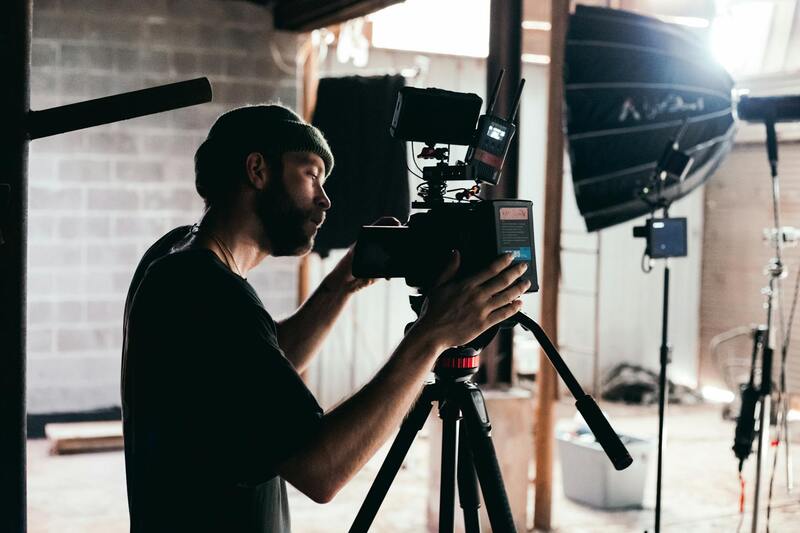
Achieving a seamless livestream experience requires meticulous attention to the technical framework supporting the broadcast. This encompasses a combination of reliable hardware, stable internet connectivity, and effective software solutions, all tailored to the specific requirements of each event. High-quality cameras capable of capturing clear visuals under varied lighting conditions are fundamental. Additionally, audio equipment, including microphones and mixers, must be calibrated to deliver crisp, distortion-free sound to engage audiences fully.
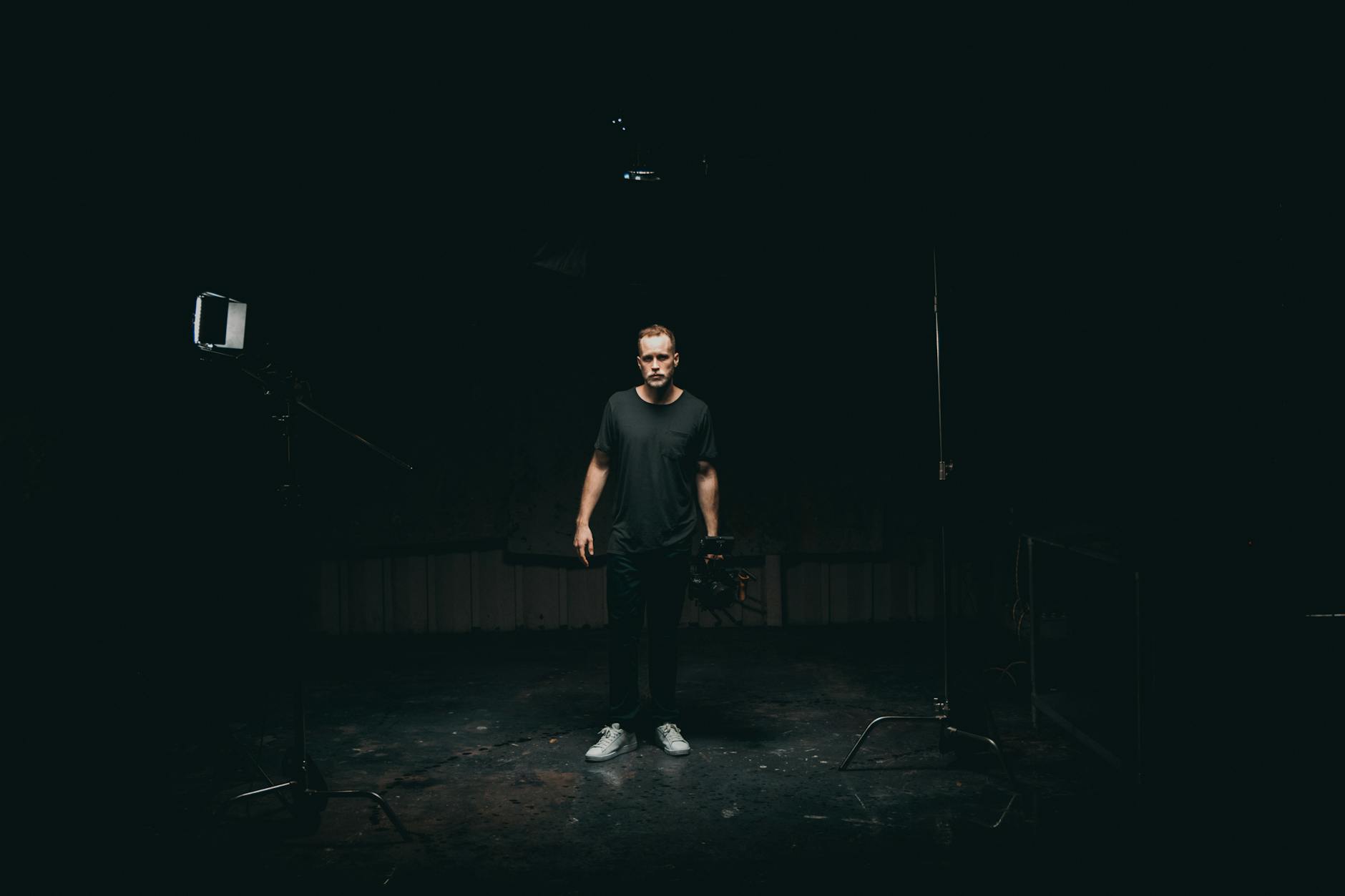
Key elements to consider include bandwidth capacity, which must accommodate the data load of high-definition streams without buffering or lag. Multiple internet sources or dedicated fiber connections are ideal for minimizing disruptions. Latency, the delay between the live event and its online broadcast, should be kept to a minimum using optimized network configurations.
Furthermore, the choice of encoder software directly impacts stream quality and stability. Hardware encoders offer dedicated performance, while software encoders provide flexibility and easier integration with various platforms. The use of backup systems, such as secondary internet connections and power supplies, ensures continuous broadcast in case of technical failures.
Stream Optimization and Audience Engagement Strategies
Maximizing viewer engagement involves more than just live video feeds. Incorporating interactive features such as chat functions, live polls, or Q&A sessions can significantly enhance audience participation. Selecting a streaming platform that supports multi-platform broadcasting ensures wider reach and accessibility across various devices and operating systems.
For tailored content delivery, overlay graphics, real-time captions, and branded visuals can be integrated into the stream, elevating the production quality. Conducting thorough pre-event tests, including dry runs and equipment checks, plays a crucial role in identifying potential issues before the actual event. The goal is to deliver a stable, high-quality broadcast that captivates viewers and reflects the professionalism of the host organization.
Post-Stream Analysis and Continuous Improvement
After the event, analyzing stream performance data provides insights into viewer engagement, technical bottlenecks, and areas for enhancement. Metrics such as viewer retention, engagement rates, and feedback help refine future livestream strategies. Routine updates to streaming hardware and software ensure compatibility with evolving digital platforms and standards.
Building strong relationships with reliable Miami-based livestream service providers guarantees ongoing support, quick resolution of technical issues, and access to advanced streaming technologies. With the right infrastructure, preparedness, and strategic planning, livestream events can achieve a professional level that attracts a larger audience and elevates the event's overall impact on viewers across Miami and beyond.