Understanding Live Stream Webcasting Services
Live stream webcasting services have transformed the way events are shared and experienced, bridging the gap between organizers and a global audience. These services enable real-time broadcasting of events, conferences, performances, and other special occasions through high-quality digital streams accessible via internet-connected devices. In a vibrant city like Miami, where cultural events, business conferences, and community gatherings flourish, utilizing professional webcasting solutions ensures that content reaches a broader audience, elevating visibility and engagement.
At its core, live stream webcasting involves capturing live footage, encoding it into digital formats, and transmitting it over secure and reliable networks to viewers around the world. This process requires sophisticated infrastructure and technical expertise to ensure seamless delivery without interruptions. For organizations in Miami, employing reputable webcasting services enhances the professionalism of their events, making these moments accessible 24/7 and offering options for on-demand viewing after the live transmission concludes.

Whether hosting a corporate seminar, religious service, or entertainment show, using professional webcasting services provides a reliable platform that supports multiple streaming methods, interactive features, and tailored solutions. Additionally, these services often incorporate multi-bitrate streaming, ensuring viewers with different internet speeds can enjoy uninterrupted viewing experiences. They also emphasize security measures to safeguard content and protect sensitive information, which is especially crucial for private corporate or exclusive events.
In Miami’s dynamic event landscape, live stream webcasting services serve as a crucial tool to extend outreach, enhance brand presence, and foster community involvement. As technology advances, these services continuously evolve, offering innovative solutions such as 360-degree immersive streams, multi-camera setups, and integrated social media sharing. This ability to adapt and innovate makes professional webcasting an invaluable asset for organizers aiming to maximize engagement and leave a lasting impression on their audience.
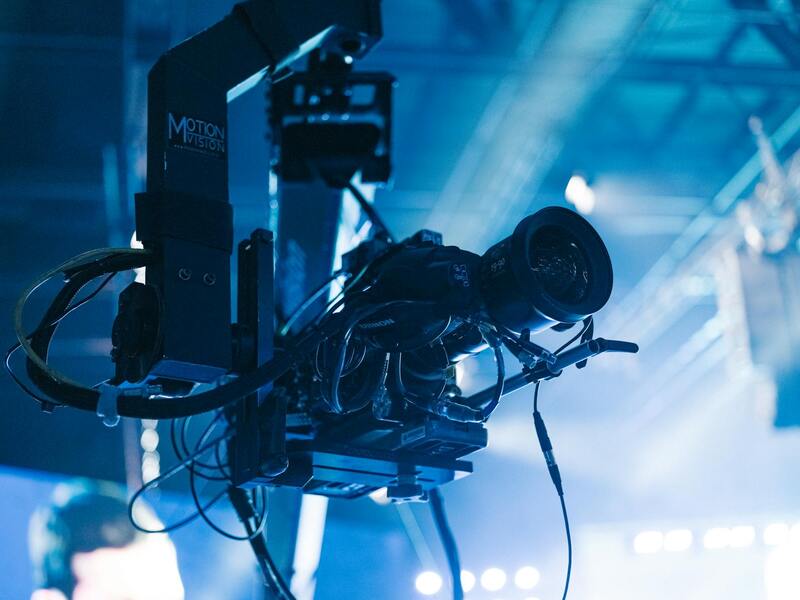
Types of Live Streaming Platforms and Technologies
Choosing the appropriate platform for live stream webcasting services involves understanding the diverse range of available technologies tailored to meet different event requirements. Broadly, live streaming platforms can be categorized into proprietary solutions, open-source software, and integrated cloud-based services. Each type offers distinct advantages depending on factors such as event size, broadcast complexity, budget, and desired interaction levels.
- Proprietary Streaming Platforms: These are custom-built or commercially available platforms designed for high reliability and specific functionalities. They often include dedicated hosting, customizable interfaces, and built-in security features. Premium vendors typically offer comprehensive support, ensuring seamless transmission even during high-traffic events.
- Open-Source Solutions: Open-source software options like OBS Studio or Streamlabs provide flexible tools for broadcasters with technical expertise. They allow for extensive customization, multi-source streaming, and integration with various social media channels. While they may require more setup and maintenance, open-source platforms are a cost-effective choice for organizations needing tailored solutions.
- Cloud-Based Streaming Services: Cloud platforms such as Vimeo Livestream, IBM Cloud Video, or YouTube Live significantly simplify the streaming process. They offer scalability, minimal infrastructure requirements, and easy-to-use interfaces, making them suitable for organizations seeking quick deployment and reliable delivery. These services often include features like multi-bitrate streaming, content management, and viewer analytics.
Furthermore, technological advancements have led to innovative streaming methods such as 360-degree immersive broadcasts, enabling viewers to experience events from multiple angles through virtual reality headsets or web interfaces. Adaptive bitrate streaming is another key feature, optimizing video quality dynamically based on individual internet speeds, thus preventing buffer issues and ensuring consistent viewing quality across diverse audience demographics.
Security protocols, including encrypted streams and access controls, are integral to these platforms, safeguarding proprietary content and sensitive information during transmission. As organizations increasingly harness social media integrations, real-time engagement features like live chat, polls, and social sharing buttons enhance audience interaction, boosting overall event impact.
Understanding these differing technologies and platform characteristics allows organizers to select solutions that align with their specific event goals, technical capacity, and audience expectations. Whether deploying a simple, single-camera live stream or a complex multi-camera production with interactive elements, the right choice of platform enhances broadcast quality, audience engagement, and overall event success.
Understanding Live Stream Webcasting Services
Live stream webcasting services have transformed how organizations and individuals broadcast events to audiences across Miami and beyond. These services enable real-time transmission of audio-visual content, providing a seamless experience for viewers regardless of their geographic location. The core of effective webcasting lies in the integration of advanced streaming technologies, reliable infrastructure, and strategic content delivery methods. By leveraging high-quality cameras, professional audio equipment, and robust encoding solutions, providers ensure that each broadcast maintains clarity, stability, and minimal latency.
At the foundation, these services employ powerful content delivery networks (CDNs) that facilitate efficient distribution of live streams. CDNs enable content to be disseminated swiftly while minimizing buffering and lag, thus maintaining a smooth viewing experience for audiences of varied internet speeds. Additionally, these platforms support multi-camera setups, offering dynamic angles and professional production values that enhance the overall presentation of live events. From conferences and corporate seminars to concerts and sports competitions, the right live stream webcasting service can adapt to different event types, sizes, and technical requirements.
Advanced features integrated into webcasting solutions include customizable overlays, real-time analytics, and multi-platform compatibility. Overlay graphics contribute to branding and visual consistency throughout the broadcast, while analytics provide valuable insights into viewer engagement and demographics. Multi-platform support ensures that content can be accessed seamlessly across desktops, smartphones, tablets, and even smart TVs, broadening the reach of the webcast. Moreover, high-level security protocols such as stream encryption, user authentication, and access controls help safeguard sensitive content, ensuring only authorized viewers participate.

Choosing a suitable live stream webcasting service involves understanding the unique technical and strategic needs of each event. For instance, a simple corporate announcement may require minimal production, whereas large-scale conferences or cultural festivals benefit from multi-camera, interactive broadcasts with audience engagement features. Providers offering comprehensive support—such as pre-event planning, technical assistance, and post-broadcast analytics—are better equipped to deliver flawless webcasts that meet organizational goals.
Understanding Live Stream Webcasting Services
Live stream webcasting services are essential tools for organizations and content creators aiming to broadcast live events effectively over the internet. These services enable real-time video transmission from a venue or studio directly to a global audience through various online platforms, ensuring a seamless viewing experience. By leveraging professional webcasting providers, clients can deliver high-quality content without needing extensive in-house technical infrastructure. The core purpose of these services is to facilitate engaging live events—ranging from corporate meetings and product launches to cultural festivals and community gatherings—while maintaining reliable playback quality and secure data management.

Choosing a reliable live streaming service involves assessing the technical capabilities and support offered by providers. Platforms must be capable of handling large viewer numbers simultaneously, ensuring minimal latency and buffering. Additionally, the integration of advanced audio-visual equipment and flexible encoding options is crucial for delivering crystal-clear visuals and sound. Effective webcasting services also incorporate content delivery network (CDN) integrations, which distribute streams efficiently across various geographic locations, reducing latency and improving accessibility for viewers regardless of their device or internet speed.
Importance of Infrastructure and Technical Support
In addition to robust streaming servers, a comprehensive webcasting service provides on-site technical support during live events. This includes setup assistance, troubleshooting, and real-time monitoring to promptly address any issues that may arise. Such proactive support minimizes potential disruptions, ensuring a professional broadcast experience. Furthermore, services often offer customizable streaming interfaces, branding options, and integrated viewer interaction features—such as chat, Q&A, and polls—that increase audience engagement and interaction, vital for a successful live event.
Content Delivery and Security Protocols
Delivering content securely is paramount when webcasting sensitive or confidential events. Many providers implement encryption protocols and secure access controls like user authentication and password protection. These measures ensure that unauthorized viewers cannot access restricted content, thereby maintaining data privacy and integrity. In addition, multi-bitrate streaming allows content to automatically adjust based on viewer bandwidth, ensuring consistent delivery quality across diverse internet speeds and devices. Analytics tools embedded within the platform offer insights into viewer engagement, geographic distribution, and viewing durations, offering valuable data for evaluating event success and planning future broadcasts.
For organizations seeking to expand their reach beyond standard broadcasts, integration with social media platforms and content management systems further enhances visibility and audience interaction. Professional webcasting services excel in providing scalable solutions capable of adapting to the event size and complexity, from small corporate meetings to massive public festivals. Expertise in managing technical workflows, backup systems, and content turnaround ensures that every live stream maintains high standards of professionalism and reliability.
Security and Infrastructure Considerations in Webcasting
Implementing robust security measures is essential to protect the integrity of live stream content and prevent unauthorized access. Effective webcasting services in Miami utilize multi-layered security protocols, including end-to-end encryption, secure socket layer (SSL) connections, and intrusion detection systems, ensuring that streams remain confidential and tamper-proof. User authentication mechanisms, such as login credentials, single sign-on (SSO), and access control lists, allow organizers to restrict viewership to designated audiences, whether internal employees or selected clients.
In addition to security, infrastructure resilience plays a critical role in delivering a seamless viewing experience. Professional webcasting providers invest in high-capacity content delivery networks (CDNs) that distribute streams across multiple geographic locations, minimizing latency and buffering issues. Redundant streaming servers and backup systems are typically employed to switch over instantly in case of technical failures, maintaining continuous live broadcasts regardless of unforeseen disruptions.
 igure>
Another technical aspect involves adaptive bitrate streaming, which automatically adjusts video quality based on viewers’ internet speeds. This technology enhances the viewing experience for audiences with varying bandwidth conditions, ensuring that content remains clear and free of interruption. Engagement analytics integrated into streaming platforms also offer valuable insights, tracking viewer demographics, peak engagement times, and interaction metrics, enabling organizers to refine their content and delivery strategies.
Ensuring High-Quality Broadcasts with Professional Equipment
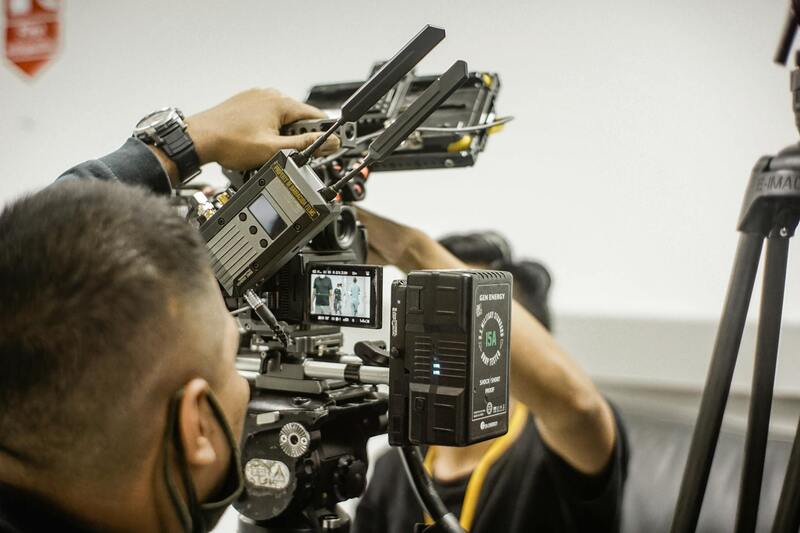
To meet the expectations of diverse audiences and to project a professional image, live streaming services employ state-of-the-art equipment. High-definition cameras, professional-grade sound systems, and dedicated encoding hardware contribute to exceptional video and audio quality. Depending on event size and requirements, providers may incorporate multiple camera angles, live switching, and professional lighting to enhance the visual presentation.
Furthermore, the integration of real-time graphics, overlays, and branding elements can elevate the event’s visual appeal and reinforce brand identity. Skilled technical teams oversee the entire process, from pre-event setup to live operation, guaranteeing smooth transitions and synchronized audio-visual outputs.
 igure>
Post-production review and quality assurance processes are part of comprehensive webcasting services, allowing for immediate correction of issues or refinements in subsequent broadcasts. This commitment to technical excellence ensures that every live stream reflects the highest standards of professionalism and reliability, reinforcing the credibility of the event and fostering viewer trust.
Understanding Live Stream Webcasting Services
Live stream webcasting services encompass the comprehensive process of broadcasting events over the internet in real time, allowing audiences to view content from remote locations. These services leverage advanced streaming technologies and platforms to deliver seamless, high-quality streams that can be accessed on a multitude of devices, including desktops, tablets, and smartphones. Authentic and professional webcasting solutions provide organizers with tools to reach a global audience, ensuring that the event’s message, presentation, and branding resonate effectively through digital channels.
Technical Foundations of Webcasting
At the core of effective live streaming lies a robust infrastructure that includes high-speed internet connections, encoding hardware or software, and reliable content delivery networks (CDNs). Encoding converts the live event footage into a digital format suitable for transmission over the internet, while CDNs distribute the content across multiple servers worldwide, minimizing latency and buffering for viewers regardless of their geographical location. These technical elements are vital for maintaining broadcast stability and quality during high-traffic periods.
Importance of Professional Support
Engaging with experienced webcasting providers ensures that every aspect of the broadcast, from camera operation to audio management, aligns with professional standards. Support teams are responsible for overseeing the setup before the event, monitoring the live feed, and troubleshooting issues in real time. This level of expertise guarantees that the webcast remains uninterrupted, maintaining the integrity and professionalism of the live event. Moreover, post-event analytics provide valuable insights into viewer engagement and technical performance, enabling continuous improvement for future broadcasts.

Integration with Event Specifics
Effective webcasting services tailor their solutions to meet unique event requirements. Whether it's a corporate conference, a conference, religious service, or a cultural festival, the technological setup adapts to accommodate multiple camera angles, interactive features, and branding elements. These integrations enhance viewer experience and reinforce the event’s messaging, creating a dynamic digital environment that mirrors the in-person experience as closely as possible.
Ensuring Content Security and Accessibility
Security measures include encrypted streams, password protections, and controlled access to safeguard content from unauthorized use or piracy. Accessibility features, such as captioning and multiple language options, are also incorporated to broaden audience reach and compliance with diverse viewing needs. Such measures ensure that the live stream is both safe and inclusive, expanding the event’s impact and reach across different demographics.
Planning and Executing a Live Stream Event
Effective execution of a live streaming event requires meticulous planning and coordination among various technical and creative teams. Selecting a professional webcasting provider is a foundational step, as their expertise ensures a seamless broadcast from start to finish. The process begins with comprehensive pre-event preparation, which involves understanding the event's goals, target audience, and desired viewer experience. This preparation includes determining the optimal equipment setup, camera angles, audio configurations, and internet bandwidth requirements to facilitate a high-quality stream.
During the setup phase, the service provider will configure encoding hardware or software, establish a reliable streaming platform, and incorporate branding elements to enhance brand visibility. Technical rehearsals are essential to identify and resolve potential issues such as connectivity problems, audio-visual sync errors, or latency concerns. These rehearsals help produce a polished final product and ensure that all elements align with the event’s objectives.

On the day of the event, a dedicated support team monitors the live feed continuously, ready to troubleshoot technical problems promptly. This oversight guarantees minimal disruptions, allowing the event to proceed without interruptions. Simultaneously, real-time analytics provide insights into viewer engagement, stream quality, and technical performance, enabling adjustments as needed during the broadcast.
Post-event, the webcasting team compiles data on viewer metrics such as peak concurrent viewers, engagement duration, and geographic reach. This analysis helps refine future streaming strategies and enhances the overall viewer experience. Additionally, recorded broadcasts can be edited and repurposed for on-demand viewing, extending the event's lifespan and impact.
Creating a successful live stream involves more than just turning cameras on. It requires strategic planning, sophisticated technology, and proactive management to deliver a professional-quality experience. Whether streaming a corporate summit, religious service, cultural festival, or educational seminar in Miami, leveraging expert webcasting services ensures that every aspect of the event aligns with best practices and audience expectations.
Ensuring Privacy and Security in Live Stream Webcasting Services
Maintaining the privacy and security of live streaming events is a critical aspect when selecting and implementing webcasting solutions. Professionals in the field employ advanced encryption protocols and secure transmission channels to safeguard content from unauthorized access. This is particularly essential when streaming sensitive corporate information, confidential business meetings, or private community gatherings.
To protect the integrity of the broadcast and viewers' data, reputable webcasting providers often utilize technologies such as Secure Sockets Layer (SSL) encryption, Digital Rights Management (DRM), and multi-factor authentication. These measures create barriers against potential cyber threats and unauthorized viewing, ensuring only authorized audiences access the content.

Compliance with Regulations and Standards
Streamers must adhere to various regulations and standards that govern digital content distribution. Effective webcasting services align with industry-specific compliance requirements, such as the General Data Protection Regulation (GDPR) for events with international audiences or specific local data protection laws in Miami.
Additionally, leveraging broadcast standards like SCTE-35 or SCTE-104 for content segmentation and cueing ensures compatibility and seamless integration with existing broadcasting infrastructure. Such adherence not only ensures high-quality delivery but also demonstrates professionalism and reliability.
Monitoring and Troubleshooting During Live Streams
Real-time monitoring tools are pivotal in maintaining a secure and high-quality live stream. Professional services utilize comprehensive dashboards that display key metrics such as stream stability, bitrate fluctuations, latency, and viewer engagement. These metrics allow technical teams to identify and resolve issues promptly, minimizing disruptions.
In the event of technical difficulties, embedded troubleshooting protocols are activated swiftly. These include switching to backup servers, adjusting streaming parameters live, or communicating with viewers about any interruptions. This proactive approach helps sustain viewer trust and preserves the professionalism of the event.
Post-Stream Data Analysis and Reporting
After the broadcast concludes, detailed analytics provide insights into audience behavior, geographical distribution, device usage, and engagement levels. These reports enable event organizers to understand viewer preferences and identify potential areas for improvement in future broadcasts.
Most reputable webcasting services offer comprehensive reports that help quantify return on investment and the overall success of the event. Data-driven insights contribute to refining content delivery strategies and enhancing the effectiveness of subsequent live streams.
Integrating Live Webcasting with Existing Technologies
For seamless use, webcasting solutions should integrate with existing platforms such as customer relationship management (CRM) systems, social media channels, and content management systems (CMS). This integration facilitates targeted content promotion, audience segmentation, and streamlined content management.
Through API connectivity and compatible streaming interfaces, organizations in Miami can incorporate live stream webcasting into their broader communication and digital marketing efforts, ensuring a cohesive brand experience.