Overview of Sports Video Streaming
Sports video streaming has revolutionized how fans engage with their favorite athletic events. Over recent years, technological advancements coupled with increasing internet accessibility have propelled this medium to the forefront of sports broadcasting. Unlike traditional television broadcasts, modern streaming offers real-time access to live sports from virtually anywhere, making it a vital component of the sports industry. This shift has been driven by heightened consumer demand for on-demand content, customizable viewing experiences, and portable access on various devices such as smartphones, tablets, and desktops.
The significance of sports streaming extends beyond mere viewer convenience. It provides broadcasters and rights holders with unprecedented opportunities to reach wider audiences, monetize content through subscriptions or advertisements, and tailor their offerings to diverse demographics. High-definition streaming, coupled with low-latency technology, ensures viewers enjoy immersive, high-quality visuals that enhance engagement and satisfaction. As technology continues to evolve, the integration of features such as multiple camera angles, instant replays, and interactive statistics further enriches the streaming experience.
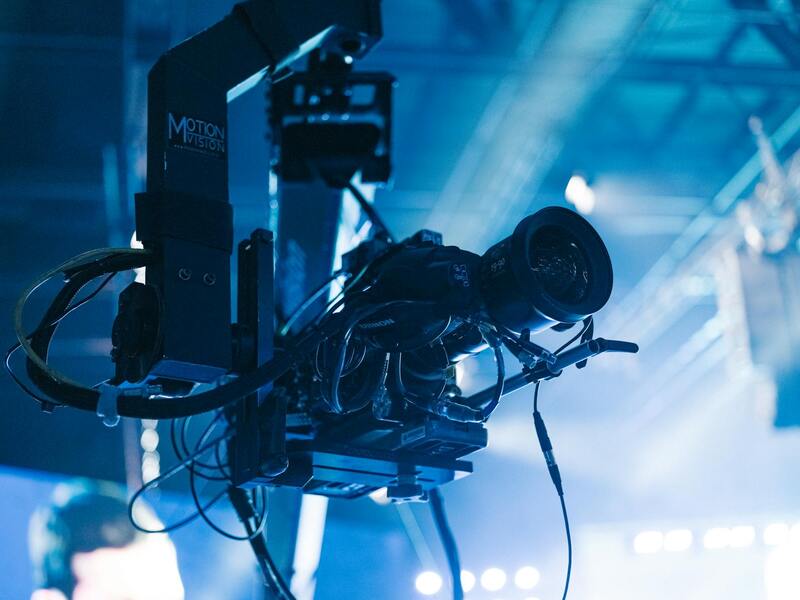
For broadcasters and production companies, the growing demand underscores the necessity to adopt sophisticated streaming solutions. These solutions encompass a broad spectrum of technologies, from high dynamic range (HDR) video capture to robust encoding and distribution networks. As a result, organizations that effectively leverage streaming can position themselves as industry leaders, attracting larger audiences and enhancing their brand visibility.
Furthermore, the global reach of sports streaming platforms fosters international engagement, breaking geographical barriers that once limited traditional broadcast models. This expanded accessibility not only benefits fans wishing to follow niche or regional sports but also opens up unique commercial opportunities. Consequently, a comprehensive understanding of the streaming landscape is essential for anyone involved in the production and delivery of sports content.
In summary, sports video streaming has become an indispensable aspect of modern sports broadcasting. Its growth is fueled by technological innovation, changing consumer habits, and the desire for comprehensive, interactive viewing experiences. Mastery of the key components involved in streaming is crucial for providers aiming to deliver high-quality, engaging sports coverage that meets the expectations of today's digital-first audiences.
Key Equipment for Sports Streaming
Effective sports video production for streaming hinges on reliable, high-quality equipment that can capture, process, and transmit live action seamlessly. The core hardware components include professional-grade cameras, encoders, switchers, and audio gear, each playing a vital role in delivering a superior viewer experience. Selecting the right equipment not only enhances visual and audio fidelity but also ensures stability during dynamic sports events.
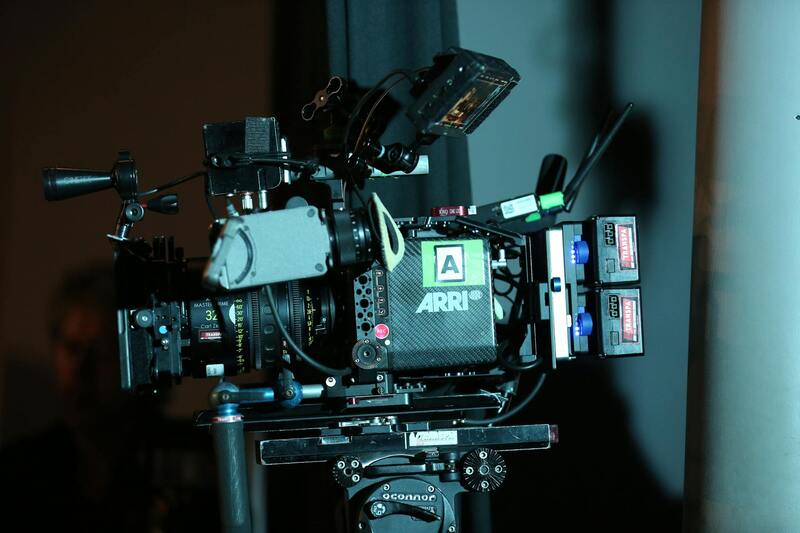
High-definition cameras are fundamental for capturing fast-paced plays with clarity and precision. Contemporary digital cameras equipped with high frame rates and low-light performance allow crews to record detailed footage under varying lighting conditions, vital for outdoor and indoor sports venues. In addition to quality optics, the use of multiple camera angles can provide viewers with immersive perspectives, akin to the experience of attending the event in person.
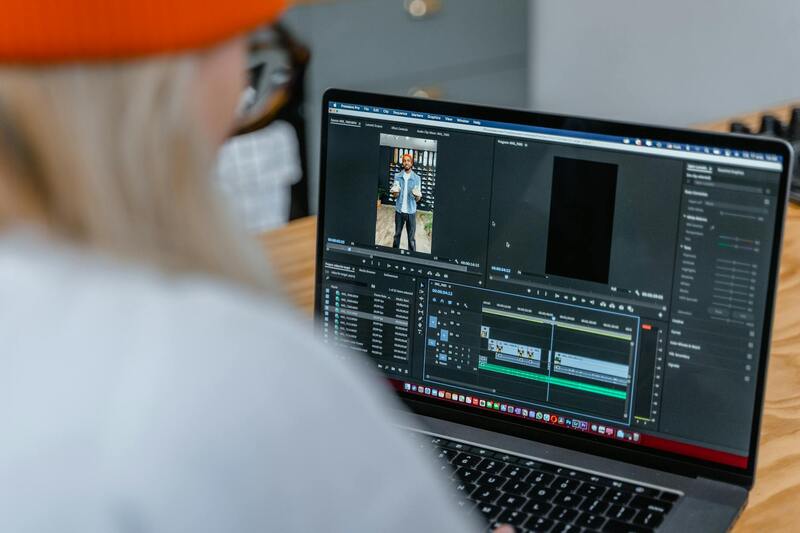
Encoders are critical for converting raw video signals into compressed streams suitable for internet transmission. Modern streaming encoders support hardware acceleration, multiple bitrates, and adaptive streaming protocols, which adjust quality based on viewer bandwidth to minimize buffering. High-performance encoders are essential to maintain consistency and reduce latency, especially during high-stakes matches where timing is sensitive.
Video switchers facilitate seamless transitions between multiple camera feeds, graphics overlays, and pre-recorded content. A reliable switcher with multi-channel inputs ensures smooth live production, allowing directors to switch perspectives dynamically and add creative effects. This enhances viewer engagement by providing varied visuals and maintaining the visual pace of live sports coverage.
Audio quality is equally important in sports streaming. Professional microphones and audio mixers help capture stadium sounds, commentary, and ambient noise. Clear, well-mixed audio complements video and creates an immersive experience, fostering a connection between the audience and the event. Many productions utilize wireless microphones and directional mics to capture the energetic atmosphere of sports competitions effectively.
Supplementary equipment such as video monitors, extron matrix switchers, and backup power supplies provide operational redundancy and facilitate real-time monitoring, ensuring a stable broadcast even amidst technical issues. Additionally, adaptive streaming technology, integrated into the production workflow, ensures the delivery of high-quality streams across various devices, from smartphones to large-screen displays.

Investing in cutting-edge technology and reliable hardware forms the backbone of successful sports streaming initiatives. With the right equipment, production teams can capture and transmit vibrant, engaging content that resonates with global audiences. This foundational setup enables broadcasters to meet the expectations of viewers who demand high-definition visuals, crisp audio, and minimal latency—attributes that are essential for a competitive edge in sports media.
As sports events grow in complexity and size, so does the need for scalable, flexible equipment configurations. Modular systems allow for customization based on event requirements, ensuring seamless integration and ease of operation. Furthermore, ongoing advancements in technology, such as 4K/UHD capabilities, IP-based infrastructure, and remote production tools, continue to elevate the standards of sports video streaming, promising even more spectacular live experiences in the future.
Overview of Sports Video Streaming
Streaming sports videos has transformed the way audiences experience live events, offering unprecedented access and immediacy. It combines high-quality video capture with robust distribution networks to ensure viewers enjoy seamless, real-time coverage regardless of location. The process involves a complex integration of cameras, audio, encoding software, and streaming platforms designed specifically for the high demands of sports broadcasting. To maintain viewer engagement and uphold broadcast standards, producers need to utilize reliable equipment, strategic planning, and optimized workflows. This approach ensures the transmission of vibrant visuals, clear audio, and minimal latency, essential features in modern sports media.

Implementing advanced streaming techniques such as adaptive bitrate streaming, multicast distribution, and cloud-based encoding helps mitigate challenges like network fluctuations and device variability. Adaptive streaming adjusts video quality dynamically, offering viewers a tailored experience across smartphones, tablets, and large screens. Cloud integration allows for scalable resource utilization, enabling vast events to be broadcast efficiently. Moreover, with widespread access to high-speed internet and advancements in compression technologies, sports broadcasters can deliver more immersive, high-definition streams that keep audiences engaged and enable real-time interaction.
Key Equipment for Sports Streaming
To achieve professional-grade sports streaming, a comprehensive array of equipment must be employed, ranging from high-definition cameras to sophisticated control room devices. Properly calibrated cameras capture the action from multiple angles, ensuring comprehensive coverage. Video switchers facilitate seamless transitions between feeds, enhancing the viewing experience. Audio mixers and microphones contribute to crisp, clear sound, crucial during fast-paced play. Encoders convert raw video into efficient digital streams compatible with various platforms. In addition, servers and content delivery networks (CDNs) distribute content globally, reducing latency and buffering issues. Redundancy measures such as backup power supplies, multiple internet connections, and failover systems safeguard against technical disruptions.
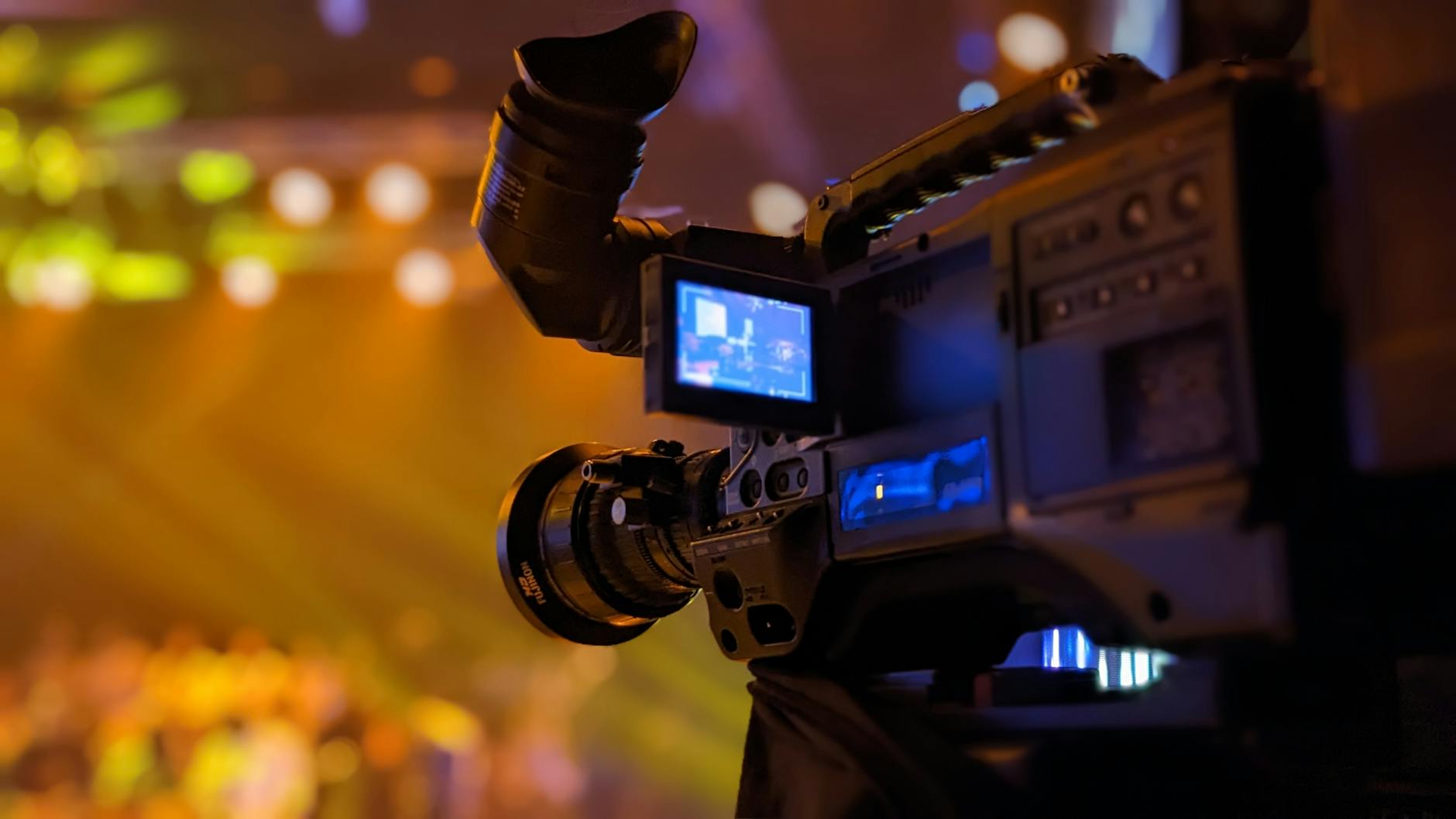
Investing in reliable hardware and scalable infrastructure is vital for success in sports streaming. Modular setups enable customization based on event size and complexity, facilitating smooth integration of new technology like 4K/UHD streaming and IP-based workflows. Remote production tools further extend the flexibility of coverage, allowing operators to manage streams from virtually any location. Maintaining high standards of video quality and operational stability requires continuous upgrades and rigorous testing of equipment, ensuring broadcasts are delivered without interruption, even under the most demanding conditions.
Pre-Production Planning for Sports Events
Efficient pre-production planning is essential for delivering a polished, engaging sports stream. This involves detailed scheduling coordinated with event timetables, ensuring all technical and operational personnel are prepared. Venue preparation includes identifying optimal camera placements, testing electrical supplies, and establishing reliable internet connections. Technical setup encompasses configuring cameras, microphones, and encoding hardware, with redundancy measures in place. Strategic camera placement offers comprehensive coverage of the venue while optimizing angles for both live action and crowd engagement. Establishing clear communication channels among the production team streamlines operations. Conducting dry runs prior to the event minimizes unforeseen issues and guarantees smooth execution during live coverage.
Broadcast Production Workflow
Executing a successful live sports stream hinges on a meticulously organized production workflow that integrates various technical components seamlessly. This workflow begins with the real-time collection of footage from multiple camera angles strategically positioned around the venue to cover all aspects of the event. High-quality video encoders and switching consoles are used to manage these feeds efficiently, allowing the director to select the most compelling shots in real time.
One of the core elements of the workflow involves live graphics integration. This includes displaying scores, timers, player stats, and other essential information that enhance viewer understanding and engagement. These graphics are typically managed through specialized software that integrates with the live feed, allowing for dynamic updates and synchronized display across the broadcast. Proper synchronization ensures that graphics appear precisely when needed, avoiding any confusion or misinterpretation.
Audio management is equally critical. Multiple microphones capture crowd noise, commentator speech, and ambient sounds, which are then mixed for clarity and balanced throughout the stream. Skilled audio operators monitor these feeds closely, adjusting levels and filtering out any interference or background noise to maintain a professional sound quality.

Commentary teams play a vital role in enriching the viewing experience. Their insights, expert analysis, and engaging narration help viewers connect with the game. Coordinating commentary and visual content requires precise timing and communication, often facilitated through dedicated talkback systems or digital communication platforms used by the production team.
Throughout the broadcast, maintaining operational stability involves continuous monitoring of all technical systems. Redundancies are put in place, such as backup encoders and network connections, to prevent any disruptions. As the event progresses, real-time troubleshooting ensures that any unforeseen issues are addressed promptly, supporting an uninterrupted viewing experience.
The final step in the workflow is the live switch to the chosen camera feeds and graphics, which are then transmitted through the streaming platform. This involves complex encoding processes optimized for various bandwidths and devices, ensuring consistent quality across different viewer environments. Post-production review may also be conducted immediately after the event to analyze stream performance, address any issues, and plan improvements for future broadcasts.
Streaming Platforms and Technologies
Choosing the right streaming platform is essential for delivering high-quality sports content that reaches the intended audience effectively. The platform selection depends on factors such as viewer capacity, geographic reach, customization options, and integration capabilities with production hardware. Popular platforms often provide scalable solutions suited for varying event sizes, from local tournaments to large international broadcasts.
Owners and producers should prioritize platforms that support advanced encoding standards such as H.264 and H.265. These standards optimize video compression efficiency, reducing bandwidth requirements while maintaining excellent image quality. Adaptive bitrate streaming also plays a critical role, allowing a seamless viewing experience by dynamically adjusting video quality based on the viewer’s internet speed.

Resolution settings should be configured to match the end-user device capabilities. Common options include 720p, 1080p, and 4K streaming, each demanding differing levels of upload speed and processing power. For instance, 1080p at 60fps is often preferred for its balance of clarity and bandwidth efficiency, providing a dynamic and immersive viewing experience for sports audiences.
To ensure broad accessibility across diverse devices such as smartphones, tablets, and smart TVs, adaptive streaming delivers multiple resolution streams simultaneously. This approach guarantees that viewers with limited bandwidth still receive a stable and high-quality stream without buffering issues. Additionally, encryption and secure token authentication help protect streams from unauthorized access, maintaining content rights and revenue streams.
Implementing a reliable CDN (Content Delivery Network) is vital for global distribution, reducing latency, and caching content closer to viewers. A well-designed CDN can dramatically improve stream stability and load times, especially during peak traffic times associated with major sports events.
Furthermore, integrating additional technologies like low-latency streaming protocols (such as CMAF or WebRTC) allows for real-time interactions, viewer engagement, and instant replays—enhancing the overall broadcast experience. As streaming technology continues to evolve, future innovations are expected to focus on reducing latency even further, improving accessibility, and enabling more interactive features for sports audiences.
Ensuring the entire production chain from encoding to delivery adheres to these technological standards and practices results in a seamless, professional-quality sports broadcast. This combination of cutting-edge technology and strategic planning is fundamental to engaging contemporary sports audiences and providing them with a consistent, immersive viewing experience.
Stream Sports Video Production
Secure and Reliable Streaming Methods
Choosing the right method to stream sports videos is critical to ensuring a seamless viewing experience for audiences. In an era where high-quality content delivery is expected, leveraging official streaming sources and licensed platforms guarantees that the broadcast remains professional, consistent, and secure. Many reputable sports organizations and broadcasters utilize licensed streaming solutions that adhere to industry standards for quality and security, thus safeguarding their content and providing viewers with dependable access.
These authorized streaming channels typically operate through licensed service providers, which maintain robust infrastructure and quality assurance processes. Professionals in sports video production rely on these official channels as they support high-definition resolution, multi-camera feeds, and real-time graphics overlays, all without compromising on stability or latency. Utilizing these legitimate streams ensures that broadcasters can deliver dynamic, engaging content while maintaining control over distribution rights and data security.
Implementing secure transmission protocols, such as Secure Real-Time Transport Protocol (SRTP) or encrypted streaming solutions, adds an extra layer of protection against unauthorized access. These methods employ encryption techniques and token-based authentication to maintain stream integrity and prevent content leaks, thus providing a trustworthy and consistent viewing experience. Public streaming platforms are often supplemented by content delivery networks (CDNs), which distribute streams across global servers to reduce latency and buffer times. This approach helps broadcasters maintain high stream quality, especially during high-demand events such as championships or tournaments. Additionally, encoding and transcoding equipment play a vital role in optimizing the stream for various devices, including smartphones, tablets, and smart TVs, ensuring accessibility for all viewers. In choosing authorized streaming avenues, sports organizations also gain access to detailed analytics and viewer engagement data. This information enables content providers to tailor future productions, improve user experiences, and create targeted advertising strategies. Reliable, official streams serve as the foundation for a professional broadcasting operation that respects content rights and enhances viewer satisfaction.
Streaming Platforms and Technologies
Implementing effective streaming platforms and cutting-edge technologies is essential for producing high-quality sports videos that meet fan expectations and industry standards. Official streaming solutions utilize robust infrastructure, ensuring reliable delivery even during peak viewership times. Modern streaming technologies incorporate adaptive bitrate streaming, which dynamically adjusts video quality based on the viewer's internet connection, minimizing buffering and maintaining smooth playback.
Content delivery networks (CDNs) are employed extensively to distribute streams across multiple global servers. This decentralized approach reduces latency, decreases load times, and enhances overall user experience by bringing content closer to viewers regardless of their geographical location. CDNs also improve stream stability and resilience, especially during major sporting events with high concurrent viewers.
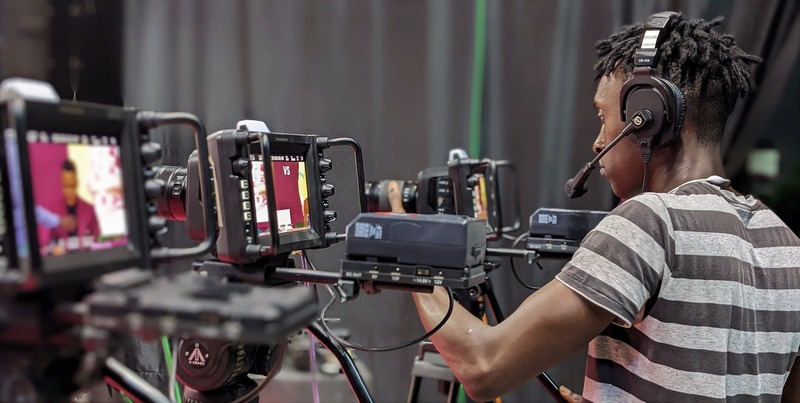
Advanced encoding and transcoding equipment plays a vital role in preparing streams for various platforms, such as smart TVs, computers, tablets, and smartphones. These devices demand different resolutions and formats. Efficient encoding ensures the broadcast maintains its integrity and visual clarity across all devices, providing viewers with a consistent and immersive experience.
In addition to hardware, software solutions like cloud-based streaming services facilitate scalable, flexible, and secure content distribution. These platforms support multi-angle broadcasts, overlay graphics, real-time stats, and other engaging features, enhancing viewer engagement. Secure streaming protocols, including Secure Real-Time Transport Protocol (SRTP) and end-to-end encryption, protect content from unauthorized access during transmission.

Implementing authentication mechanisms such as token-based access, digital rights management (DRM), and secure login portals ensures that only authorized viewers access the streams. These measures uphold content rights and prevent unauthorized redistribution, maintaining the integrity of the broadcast and safeguarding revenue streams.
Furthermore, analytics tools integrated into official platforms gather detailed viewer data, including engagement metrics, geographic distribution, and viewing habits. These insights support strategic decisions for future productions, targeted marketing, and personalized content delivery, thereby enriching the overall broadcasting ecosystem and viewer satisfaction.
Legal and Licensing Considerations
Successfully streaming sports events relies heavily on adherence to established licensing and rights management practices. Securing appropriate rights for content distribution ensures that broadcasters maintain compliance with intellectual property policies and uphold the integrity of their productions. This process involves negotiating rights with sports leagues, teams, and content owners before the event, establishing clear agreements that specify permitted distribution channels, geographical zones, and usage rights.
Maintaining thorough documentation of licensing agreements is essential for resolving potential disputes and auditing purposes. Employing digital rights management (DRM) systems further enhances content security by preventing unauthorized access and redistribution. These systems control how viewers access and interact with streams, ensuring that the content remains protected throughout the distribution process.
Implementing robust authentication methods, such as secure login portals and token-based access, restricts streaming to authorized audiences. These measures not only support fair revenue distribution but also bolster the overall quality of broadcast management. Enforcement of venue-specific and regional restrictions, combined with watermarking or embedded metadata, aids in tracking content usage and identifying unauthorized sharing if it occurs.
Additionally, staying updated on industry regulations and evolving licensing requirements ensures ongoing compliance in dynamic broadcasting environments. Engaging legal experts or licensing consultants helps streamline the process, from acquiring rights to implementing protective measures, thereby securing the content's distribution integrity.
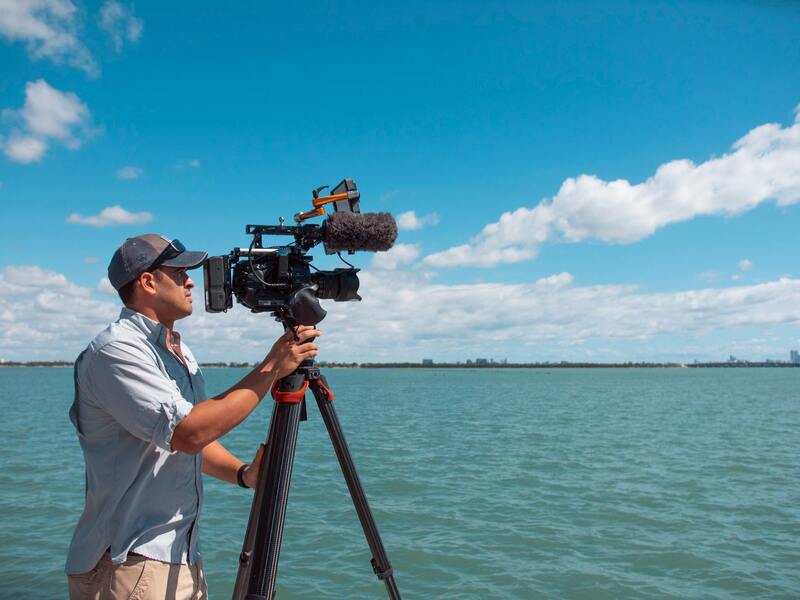
Investing in official, licensed streaming avenues not only fosters a trustworthy relationship with viewers but also supports the sustainable growth of sports broadcasting. It guarantees that all content aired is properly authorized, respecting the rights holders' investments and contributions.