Overview of Live Event Video Streaming Services
Live event video streaming services have revolutionized the way events are experienced and shared with audiences worldwide. These services enable real-time broadcasting of events over the internet, providing viewers with immediate access regardless of their geographic location. For event organizers, production agencies, and audiences, live streaming offers unmatched opportunities for engagement, reach, and visibility. In Miami, a vibrant hub for various types of events—from concerts and sports games to corporate conferences—professional streaming solutions have become essential for maximizing impact.
The core of live event video streaming involves capturing high-quality audiovisual content, transmitting it through reliable internet infrastructure, and delivering it seamlessly to viewers across multiple devices. This process requires sophisticated hardware, software platforms, and technical expertise to ensure smooth playback, minimal latency, and crisp visuals. As live streaming technology continues to evolve, newer options like 4K broadcasting, multi-camera setups, and interactive live streams are making virtual participation more immersive than ever before.

The importance of live streaming has grown exponentially, especially as audiences seek more flexible ways to access entertainment, know about upcoming events, and participate virtually. Event organizers benefit from increased exposure, expanded audience reach, and the ability to generate additional revenue streams through pay-per-view models or sponsorship integrations. Production agencies, on their end, rely on advanced streaming services to craft compelling content that maintains high production standards and technical reliability.
Dependable live event video streaming services incorporate various features to enhance broadcast quality and viewer engagement. These include adaptive bitrate streaming to accommodate different internet speeds, multi-platform compatibility for viewing across desktops, smartphones, and smart TVs, and integrated analytics to measure audience engagement and feedback. Such capabilities are vital in delivering a professional virtual event experience that meets the expectations of audiences and presenters alike.
Ultimately, the choice of live streaming services encompasses a blend of cutting-edge technology, robust infrastructure, and strategic planning. As this sector continues to evolve, the integration of artificial intelligence, real-time translation, and interactive features promises to make live streaming an even more vital tool for event marketing and engagement, particularly in a dynamic environment like Miami where diverse audiences and high-profile events are commonplace.
Overview of Live Event Video Streaming Services
Live event video streaming services have become a cornerstone of modern event management, offering unparalleled opportunities for reaching diverse audiences across multiple geographic locations. These services facilitate real-time broadcasting of concerts, conferences, sports events, festivals, and corporate gatherings, transforming traditional experiences into interactive digital showcases. By leveraging advanced streaming technologies, event organizers can extend their reach beyond physical boundaries, delivering engaging content directly to viewers' desktops, smartphones, and smart TVs.
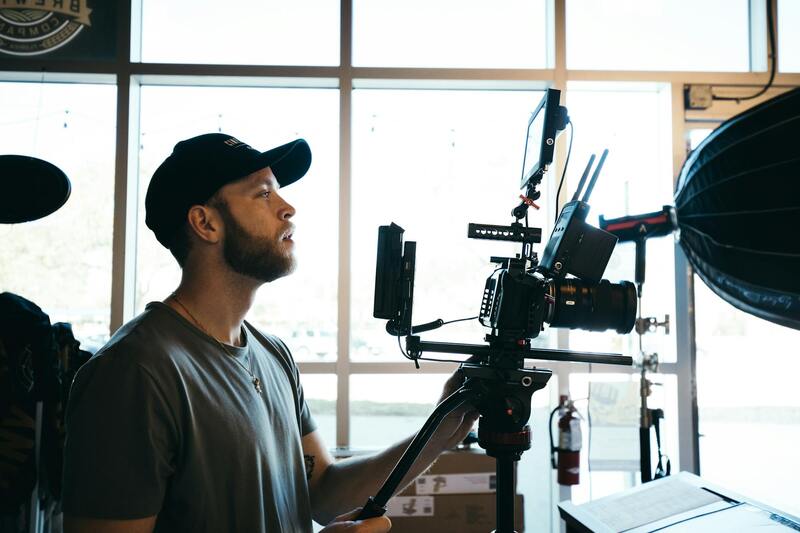
Choosing the right live streaming platform involves assessing the infrastructure's robustness, compatibility with various devices, and the capacity to handle large audiences seamlessly. Providers typically offer scalable solutions adjustable to event size, whether it’s a small panel discussion or a worldwide music festival. These platforms incorporate cloud-based delivery systems, allowing flexible bandwidth management and reducing latency issues that could disrupt viewer experience.
Event organizers also benefit from integrated tools that enhance audience interaction, such as live chat, Q&A sessions, polls, and social media integration. These features foster engagement, providing real-time feedback and creating a participatory environment for remote viewers. Additionally, the use of high-definition (HD) streaming ensures crisp visuals and clear audio, critical for immersive viewing experiences.
Technological Advancements Powering Live Streaming
Recent developments have propelled live streaming capabilities to new heights. Adaptive bitrate streaming dynamically adjusts video quality based on a viewer's internet speed, preventing buffering interruptions. Multi-camera feed options allow for varied perspectives, enabling a professional broadcast appearance akin to traditional television production. Furthermore, the integration of analytics tools provides event organizers with detailed insights into viewer behavior, geographic distribution, and engagement levels, informing future event planning and marketing strategies.
Cloud-based content delivery networks (CDNs) support large-scale broadcasts, ensuring stable and secure streams even at peak traffic times. Virtual event platforms now incorporate features such as virtual lobbies, breakout rooms, and real-time translation, which enhance accessibility and participant interaction. These technological innovations collectively contribute to a seamless and captivating live streaming experience that meets the high standards expected in today’s digital landscape.
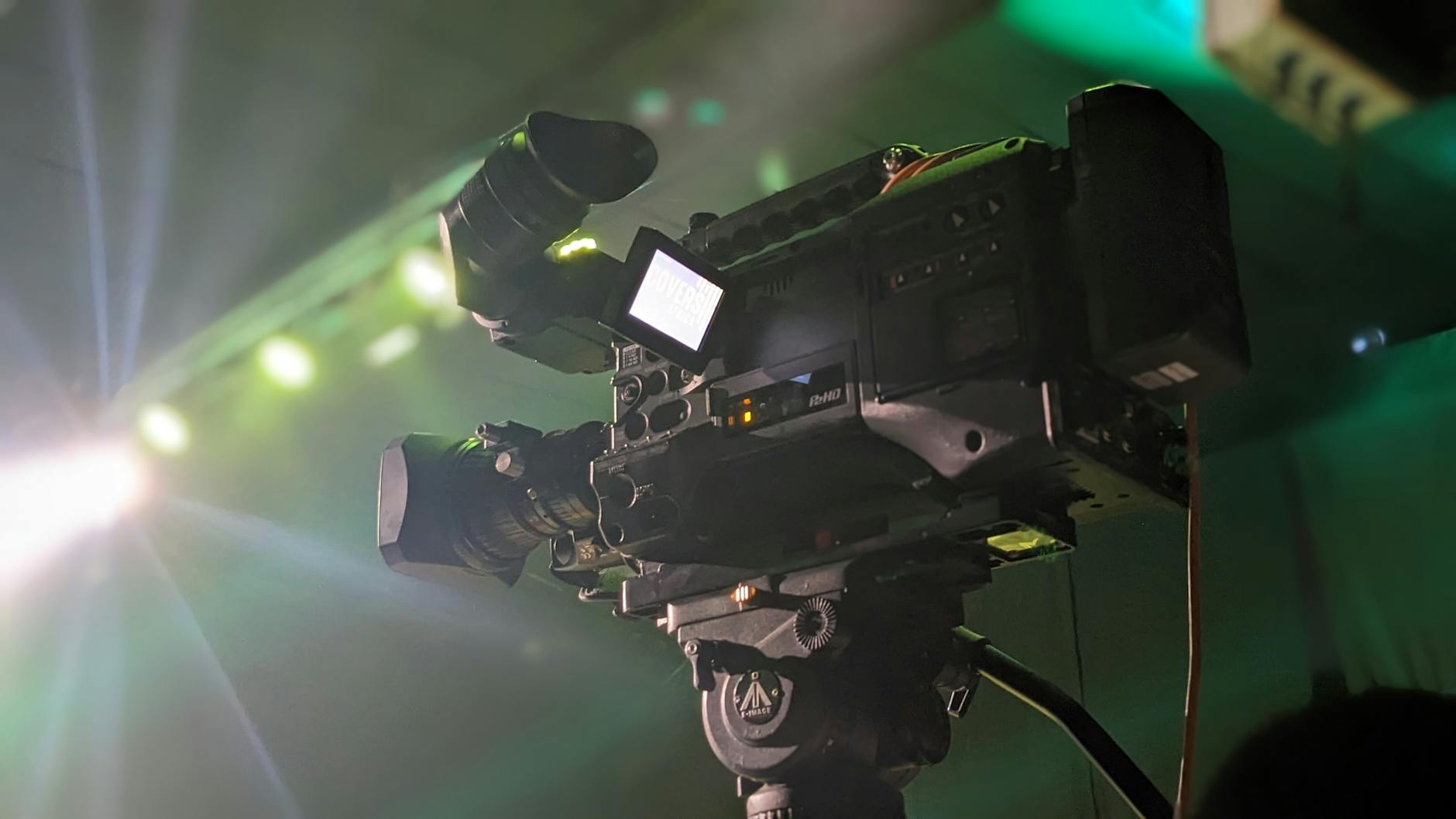
It is essential for event organizers to select streaming services aligned with their technical requirements and audience expectations. From HD quality to multi-platform compatibility, the infrastructure should support the specific nature and scope of each event. Ensuring compatibility with various devices and operating systems mitigates potential accessibility issues, making content available to the broadest possible audience. Furthermore, selecting providers that offer dedicated support and failover solutions guarantees reliability, especially for high-profile or time-sensitive events.
Choosing the Right Streaming Platform and Service Provider
To maximize the effectiveness of live event broadcasts, selecting a suitable streaming platform and service provider is crucial. The right choice hinges on several factors, including technical capability, scalability, user accessibility, and support services. Event organizers need platforms that offer high-quality video delivery, minimal latency, and compatibility across a broad array of devices such as smartphones, tablets, desktops, and smart TVs.
Reliable service providers should provide comprehensive technical assistance throughout the planning, execution, and post-event phases. This encompasses pre-broadcast testing, real-time monitoring, and support for troubleshooting issues that may arise during the live stream. Additionally, a provider with experience handling large audiences ensures robust infrastructure, capable of managing sudden spikes in viewer traffic without compromising stream stability.
Security measures are also vital. Platforms that incorporate encryption and access controls safeguard content from unauthorized viewing, which is especially pertinent for exclusive or ticketed events. Furthermore, features such as customizable branding, interactive chat, and integrated donation tools enhance viewer engagement and revenue generation potential.

Besides core streaming capabilities, the integration with analytics tools provides valuable insights into viewer demographics, engagement levels, and geographic distribution. These analytics inform future content planning, marketing strategies, and audience targeting to optimize impact.
Production Considerations for Live Streaming Events
Producing a live event requires meticulous planning around technical setup and content delivery. High-quality video and audio equipment, such as professional cameras, microphones, and encoding hardware or software, are fundamental to achieve broadcast-grade content. Multiple camera angles enhance the visual experience, while proper lighting ensures clarity and professionalism.
The network infrastructure must support high bandwidth demands to prevent buffering and delays. A dedicated internet connection with sufficient upload speed, backup internet options, and secure network configurations are essential components. Additionally, employing a multi-bitrate streaming approach allows viewers to access content smoothly across different device capabilities and internet speeds.
Pre-event rehearsals are indispensable for testing all technical aspects, including equipment synchronization, streaming platform integration, and viewer interaction features. This preparation minimizes the risk of disruptions during the actual broadcast.
Legal and Regulatory Aspects of Live Streaming
While this section does not highlight explicit legal advisories, understanding the framework surrounding content rights and permissions is critical. Event organizers should ensure they hold rights or licenses for all copyrighted material included in their streams, such as music, videos, or visuals. Proper clearance prevents potential copyright infringement issues.
Data privacy regulations mandate secure handling of viewer information. Implementing transparent data policies and secure data collection practices align with compliance standards, fostering trust among audiences. License agreements with streaming service providers should delineate responsibilities related to content management and user data protection.
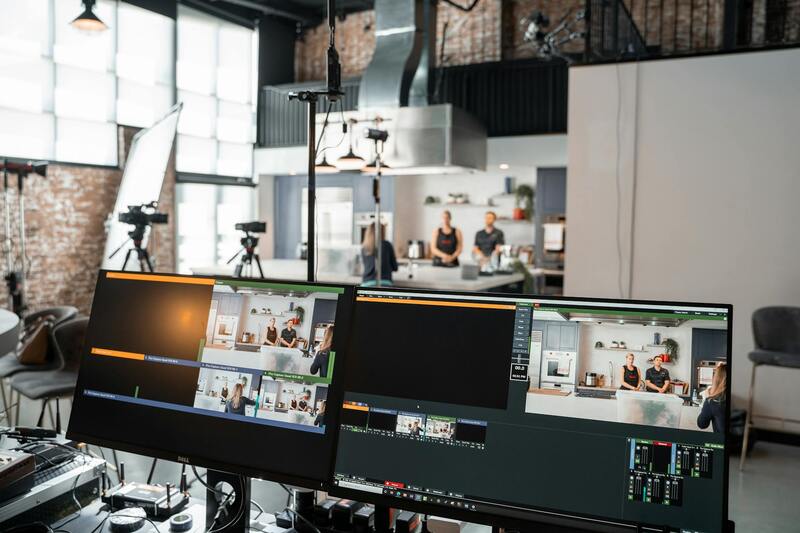
Monitoring streaming performance through real-time analytics and feedback mechanisms allows for immediate adjustments to maintain stream quality. Post-event reviews can evaluate technical performance and viewer engagement, shaping improvements for future broadcasts.
Production Considerations for Live Streaming Events
Effective production planning is fundamental to delivering a seamless live streaming experience for events in Miami. This involves multiple facets, including the technical setup, content management, and audience interaction strategies. High-quality video and audio equipment are essential to capture the event clearly, ensuring that viewers experience high-resolution visuals and crisp sound, which can significantly impact viewer engagement and satisfaction.
One of the primary considerations is the selection and deployment of cameras, microphones, and encoding devices. Multiple cameras with different angles can enrich the viewing experience, especially for large events like concerts, conferences, or sports competitions. Proper lighting setup is crucial to enhance video quality, while sound systems must be calibrated to avoid disturbances or audio lag during the broadcast.
Synchronization of live feeds along with real-time graphics or overlays can add a professional touch, making the stream more engaging and informative. Additionally, contingency planning for potential technical issues—such as backup internet connections, power supplies, and redundant equipment—is vital to prevent interruptions.
Integration with streaming platforms involves configuring encoding software or hardware to optimize the flow of video data. Stream quality can be affected by various factors, including bandwidth availability, compression settings, and latency. Continuous monitoring during the event allows operators to make immediate adjustments, ensuring the stream remains stable and of high quality throughout the broadcast.
Audience interaction features—such as live chat, Q&A, and polls—are increasingly incorporated into live streams. These tools foster real-time engagement, building community around the event. Proper moderation and technical support are needed to manage these interactions without disrupting the broadcast flow.
Incorporating multiple distribution points, including social media channels and dedicated streaming platforms, broadens the reach and accessibility of the event. Compatibility testing across various devices and internet speeds ensures viewers can access the stream seamlessly whether they are watching on smartphones, tablets, or desktop computers. Overall, comprehensive production considerations are integral to delivering an impactful live event that captures attention and maintains viewer interest from start to finish.
Legal and Regulatory Aspects of Live Streaming
Successfully broadcasting live events in Miami entails adherence to specific rules and guidelines that govern content rights, privacy, and broadcast standards. When selecting live event video streaming services, it is vital to partner with providers that operate within these parameters, ensuring all intellectual property rights are respected, and content is appropriately licensed. This foundational compliance not only safeguards against potential disruptions but also enhances the overall credibility of the event.
Organizers are responsible for securing necessary permissions for any copyrighted material included in the stream, such as music, video clips, or branded content. These rights should be documented through licensing agreements or clearances with rights holders, aligning with copyright laws and industry standards. Abstaining from unauthorized use mitigates risks of takedown notices, fines, or reputational damage.
In addition to content rights, privacy regulations play a critical role in live streaming. This involves obtaining consent from individuals visible or identifiable on camera, especially when broadcasting in public or semi-public spaces. Proper signage and verbal notifications should be used to inform attendees about the live stream, their rights, and the purpose of data collection or recording.
Compliance with local broadcasting regulations also includes adhering to technical standards and content policies established by Miami authorities and federal agencies. These standards cover broadcast quality, decency, and accessibility, ensuring the content is suitable for all audience segments and accessible to individuals with disabilities.
Partnering with reputable live event video streaming services that have a clear understanding of these legal and regulatory frameworks ensures smooth operation and high-quality delivery. These providers typically have experience managing rights clearance, moderation, and platform compliance, providing peace of mind to event organizers and stakeholders alike.
- Verifying licensing agreements for music, videos, and other copyrighted content before streaming.
- Securing explicit consent from individuals appearing on camera, especially in sensitive or private settings.
- Ensuring accessibility features meet relevant standards, such as captions or descriptive audio.
- Staying up-to-date with changing regulations to adapt streaming practices accordingly.
Production Considerations for Live Streaming Events
Effective production planning is fundamental to delivering a seamless live event video stream that engages viewers and maintains high-quality standards. This process begins with selecting the appropriate equipment, such as professional-grade cameras, audio systems, and encoding hardware, to ensure crisp visuals and clear sound. The integration of multiple camera angles can enrich the viewing experience, providing dynamic perspectives that replicate the energy of physical attendance.
Ensuring reliable internet connectivity is critical. A dedicated dedicated high-bandwidth connection minimizes latency and buffering issues, which are detrimental to live broadcasts. Utilizing backup internet sources, such as cellular data or secondary broadband connections, can prevent unforeseen disruptions. Additionally, employing network load balancing tools helps distribute traffic efficiently and maintain stream stability.
Another crucial aspect involves pre-event testing and coordination. Conducting comprehensive dry runs allows the production team to identify potential technical issues and calibrate equipment for optimal performance. This process includes verifying audio sync, picture quality, and stream latency. Clear communication protocols among directors, camera operators, and technical staff enable swift responses to unexpected challenges during the live event.
Content Management and Visual Enhancements
Enhancing viewer engagement often involves incorporating graphics, overlays, and real-time chat features. Graphics such as title banners, lower thirds, and informational alerts keep viewers informed and foster a professional presentation. Simultaneously, implementing live chat moderation helps maintain a respectful environment and addresses viewer questions or concerns promptly.
To ensure accessibility, consider integrating features like closed captioning and descriptive audio, which widen the reach of the content to diverse audiences. These features should be tested ahead of the event for accuracy and synchronization.
Legal and Content Preservation Measures
Securing the rights for all content broadcasted, including music, video clips, and images, is essential. This involves obtaining appropriate licenses or permissions from copyright holders and ensuring that all content complies with regional broadcasting standards.
For recorded segments of the live stream, employing reliable archiving solutions facilitates future access or on-demand playback. Proper storage procedures protect the content from loss or corruption, preserving the event’s digital assets for later use or distribution.
Finally, documentation of all production procedures, permissions, and technical reports supports accountability and facilitates compliance checks for future events or audits.
Legal and Regulatory Aspects of Live Streaming
Implementing effective live event video streaming in Miami involves adhering to specific legal and regulatory standards that govern content rights, broadcast quality, and viewer privacy. Ensuring compliance with these regulations enhances the reliability of the streaming process and protects the rights of content creators, event organizers, and viewers alike.
One of the foundational elements for reputable live streaming is securing the appropriate permissions for all multimedia content used during the event. This process includes obtaining licenses for music tracks, video clips, images, and any proprietary media that are incorporated into the broadcast. Proper rights management not only prevents potential copyright disputes but also upholds ethical standards in content distribution.
Furthermore, live stream providers in Miami must comply with regional and national broadcasting standards, which often encompass technical specifications for video and audio quality, as well as policies related to viewer data and privacy. These standards ensure that the stream is accessible to diverse audiences, including those with disabilities, through features like closed captioning and descriptive audio, which should be tested thoroughly before the event goes live.
Additionally, data protection laws require streaming services to implement robust security measures to safeguard viewers’ personal information. Procedures for encrypting data transmissions, managing user consent, and complying with opt-in requirements are critical components of a secure streaming environment.
For live events involving multiple stakeholders, clear documentation of permissions, licensing agreements, and compliance reports is essential. These records facilitate transparency and are invaluable in case of audits or disputes, demonstrating a commitment to lawful and responsible streaming practices.
Finally, event organizers and service providers should stay informed about evolving regulations surrounding online broadcasting and digital content. This proactive approach ensures their streaming activities remain within legal bounds, fostering trust with audiences and content creators while maintaining high standards of quality and integrity throughout each live broadcast.
Legal and Regulatory Aspects of Live Streaming
When engaging in live event video streaming, adherence to recognized policies and standards is crucial to ensure a smooth, compliant broadcast. Organizers must secure necessary permissions and licenses for any copyrighted content, such as music, video clips, or proprietary visuals incorporated into the stream. This involves establishing clear licensing agreements that specify the scope and duration of content use, thereby preventing potential legal complications during or after the event.
Moreover, compliance with intellectual property rights extends to the proper attribution of content creators and rights holders. Embedding proper credentials and acknowledgments within the broadcast or accompanying materials not only honors creators’ rights but also aligns with the best practices in broadcasting ethics.
Data Privacy and Viewer Protection
Live streaming providers are responsible for implementing robust data protection measures. This includes encrypting data transmissions to prevent unauthorized access and ensuring secure storage of any collected viewer information. Clear communication about data collection practices, including consent protocols and privacy policies, fosters transparency and builds viewer trust.
For events with interactive components, such as chat functions or polling features, it’s vital to manage data responsibly. Restricting access, anonymizing data when necessary, and providing viewers with options to control their personal information are best practices that align with maintaining an ethical streaming environment.
Accessibility and Compliance Standards
To serve the diverse Miami audience adequately, live streams should incorporate accessibility features like closed captioning and audio descriptions. Ensuring that streams meet the standards of accessibility promotes inclusivity and broadens the event’s reach.
Additionally, compliance with regional and international broadcasting standards involves regular testing of stream quality, latency, and multi-platform compatibility. Reputable service providers often have dedicated teams to manage these aspects, ensuring that content remains accessible and consistent across devices and network conditions.
Recordkeeping and Documentation
Maintaining detailed records of permissions, licensing agreements, and compliance documentation supports accountability and transparency. These documents are essential in case of audits or disputes and demonstrate a commitment to responsible streaming practices.
Event organizers should establish procedures for archiving transmitted content, licensing documentation, and consent forms securely. Proper documentation not only aids in legal compliance but also facilitates future planning and licensing activities, fostering a sustainable streaming operation.
Monitoring and Evolving Regulations
Given the dynamic nature of digital broadcasting laws, continuous monitoring of regulatory changes is essential. Staying informed about new guidelines, copyright laws, and regional regulations enables organizers and service providers to adapt their practices proactively.
Engaging with industry associations, legal experts, and regulatory bodies helps ensure ongoing compliance, preserves the integrity of live broadcasts, and maintains audience confidence. This proactive approach minimizes disruptions and legal risks, facilitating seamless and trustworthy streaming experiences across Miami and beyond.