Overview of Live Event Streaming
Live event streaming has revolutionized the way audiences experience gatherings, providing real-time access to events from anywhere in the world. A live event streaming company specializes in the professional broadcast of various events through online platforms, ensuring high-quality, uninterrupted viewing experiences. These organizations handle a broad spectrum of events, ranging from large conferences and trade shows to concerts, sports tournaments, weddings, and corporate functions. By utilizing advanced technology and strategic planning, they enable organizers to reach a wider audience, enhance engagement, and generate additional revenue streams.
Typically, these companies employ a combination of high-definition video cameras, professional audio equipment, and robust internet connections to capture the essence of an event. They also integrate real-time streaming protocols that adapt to different devices and bandwidth conditions, ensuring seamless delivery regardless of viewers’ locations. The scope of services often includes live video production, multi-camera switching, graphic overlays, and interactive features like live chat or polling to foster viewer interaction. This comprehensive approach not only captures the event’s visuals but also encapsulates its atmosphere and energy, making remote viewers feel as though they are part of the experience.
In addition to traditional events, many live streaming companies incorporate on-demand content post-event, allowing for extended engagement and promotional opportunities. As digital consumption continues to rise, the demand for reliable and professional live streaming solutions has surged, making these services indispensable for organizations aiming to maximize their event’s visibility and impact.
Understanding the core functions and offerings of a live event streaming company helps organizers recognize the value of professional expertise in executing successful broadcasts that meet their specific needs and audience expectations.
Overview of Live Event Streaming
Live event streaming companies serve as the cornerstone for organizations and individuals aiming to broadcast their events to a broad online audience. Their expertise lies in delivering high-quality, uninterrupted streams that preserve the event’s atmosphere for remote viewers. These companies employ advanced audiovisual technology, including multiple cameras, professional-grade microphones, and high-speed internet connections, to capture every detail of the event with precision. They utilize various streaming protocols such as RTMP, HLS, and DASH to optimize delivery across different devices and network conditions, ensuring viewers experience minimal latency and high resolution regardless of their location.
Most live streaming firms offer comprehensive production services. This includes multi-camera switching to showcase different angles, graphic overlays that display information like speaker names or promotional content, and real-time editing to enhance video flow. Interactive features, such as live chat and polling, are frequently integrated to increase engagement and provide a sense of community despite the virtual setting. These functionalities help replicate the energy of in-person events, drawing viewers into an immersive experience that keeps their attention and encourages participation.
Beyond the live broadcast, many organizations choose to leverage on-demand content, making recorded versions of the event available after the live session concludes. This approach extends the lifespan of the content, allowing audiences to revisit key moments and facilitating additional promotional campaigns. As digital content consumption continues to grow, the importance of professional live streaming solutions becomes clear. They not only expand an event’s reach but also boost brand awareness, enhance audience engagement, and provide measurable analytics to assess the event's success.

Key Services Offered by Live Event Streaming Companies
Professional live event streaming providers deliver a broad spectrum of services designed to meet diverse client needs. Core offerings include:
- High-Definition Video Broadcasting: Ensures every detail of the event is captured and transmitted in crystal-clear quality, adaptable to different bandwidths and viewing devices.
- Multi-Camera Production: Allows dynamic switching between multiple camera feeds to showcase various angles, presenters, or audience reactions, creating a more engaging viewing experience.
- Audio Management: Balances sound quality through professional microphones and mixing, ensuring clarity and ambient acoustics complement the visual presentation.
- Graphics and Overlay Integration: Adds pertinent information, branding, or promotional content directly onto the live stream for enhanced professionalism.
- Interactive Features: Incorporates live chat, Q&A sessions, and polls to foster real-time engagement with viewers.
- Post-Event Content Management: Provides on-demand playback, highlight reels, and edited versions for extended audience engagement.
Benefits of Using a Professional Streaming Company
Partnering with a reputable live event streaming company offers multiple advantages. Firstly, it guarantees access to advanced technology and experienced personnel, reducing the risk of technical difficulties during the broadcast. Their expertise ensures professional quality, which enhances the event’s credibility and viewer satisfaction. Moreover, these companies are skilled in customizing streaming solutions tailored to specific event requirements, whether it’s a corporate conference, concert, or seminar.
Another benefit is the ability to maximize audience reach across different regions without geographic limitations. This expansion helps organizations attract larger crowds, including stakeholders, clients, or fans from anywhere in the world. Additionally, professional providers often include analytical tools that evaluate viewer engagement metrics, enabling organizers to refine future events for better results. Enhanced branding opportunities are also available through custom overlays and integrated advertising, driving promotional goals effectively.
Technology and Equipment Used by Live Event Streaming Companies
Advanced technology and high-quality equipment are fundamental components that distinguish top-tier live event streaming providers. These companies utilize a broad range of sophisticated tools to ensure a seamless broadcast experience. The core hardware typically includes professional-grade cameras capable of capturing multiple angles, delivering crisp visuals that meet broadcast standards. High-definition video capture not only enhances clarity but also maintains viewer engagement across various devices, from desktop monitors to mobile screens.
Complementing cameras are high-performance encoders, which convert raw footage into a digital stream suitable for internet transmission. Modern encoders support multiple formats and adaptive streaming protocols, ensuring viewers receive the best quality possible based on their internet speed. Additionally, reliable audio equipment such as wireless microphones, mixers, and soundboards help deliver crystal-clear sound, essential for conferences, concerts, and seminars.
Further, live streaming companies deploy robust network infrastructure, including dedicated bandwidth and redundant internet connections. This minimizes latency and prevents interruptions, even during large-scale events. Use of advanced switchers and streaming software facilitates switching between cameras and adding graphics or overlays in real time, elevating the production's visual appeal and branding consistency.
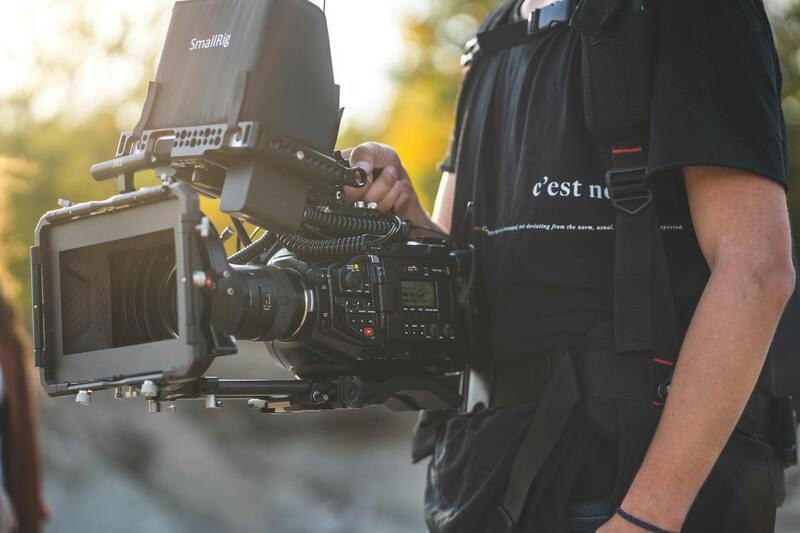
For post-production, editing suites and content management systems are utilized to prepare highlight reels, edit recordings, or add graphic overlays. Integrated streaming platforms often feature automation and cloud-based services, enabling smooth broadcasting and sharing across multiple platforms simultaneously.
Choosing a live event streaming firm with access to cutting-edge equipment and the latest technology guarantees high production standards, minimizes technical issues, and ensures the content resonates well with audiences both locally and globally. The integration of cameras, sound equipment, encoders, and network infrastructure forms a comprehensive ecosystem that supports various live event formats, from intimate gatherings to large-scale expositions.
Technology and Equipment Used by Live Event Streaming Companies
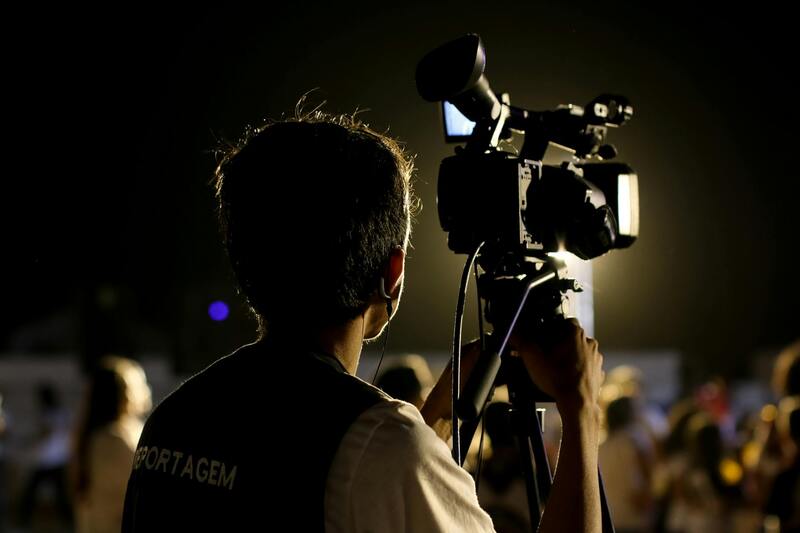
Successful live event streaming hinges on the deployment of state-of-the-art technology and equipment that ensures crystal-clear visuals, seamless audio, and reliable data transmission. Companies specializing in live streaming invest in high-definition cameras equipped with the latest sensor technology to capture every detail with precision. These cameras often feature pan-tilt-zoom (PTZ) capabilities, allowing operators to remotely control framing, focus, and movement, which is essential for dynamic coverage of live events.
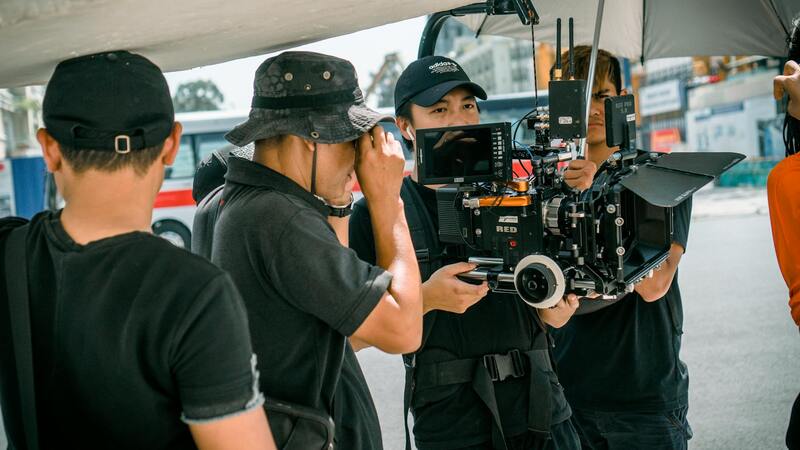
Audio quality is equally critical; therefore, professional-grade microphones—such as lavaliers, shotgun mics, and boundary microphones—are strategically positioned to capture clear, consistent sound. Specialized audio mixers are employed to manage multiple audio inputs, eliminate background noise, and ensure sound synchronization with visual feeds.
Encoding hardware is another vital component, converting raw video signals into digital formats compatible with various streaming platforms. Hardware encoders, in conjunction with software solutions, facilitate live transcoding, adaptive bitrate streaming, and real-time compression, reducing latency and buffering issues.
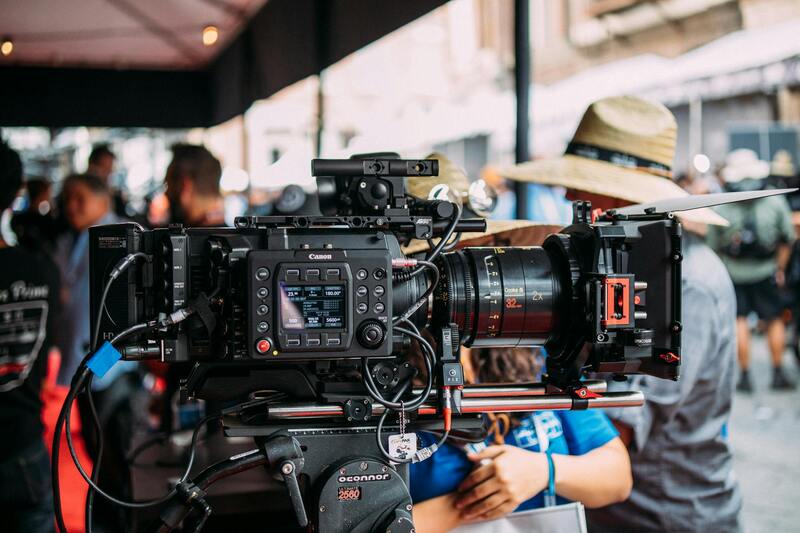
Reliable internet connectivity forms the core of successful streaming. Leading companies utilize dedicated bandwidth dedicated solely to broadcasting, complemented by redundant internet connections such as fiber optics and backup cellular networks. This setup prevents interruptions caused by network failures and minimizes latency, ensuring a smooth viewing experience regardless of external conditions.
Switching equipment like video switchers and production consoles plays a pivotal role in managing multiple camera feeds, inserting graphics or overlays, and adjusting live content dynamically. Additionally, integration with advanced streaming software allows real-time editing, multi-platform distribution, and incorporation of interactive elements like chat windows or live polls.
Incorporating cutting-edge streaming hardware and software technologies guarantees high production standards, minimizes technical glitches, and enhances viewer engagement. For large-scale events or productions requiring multi-angle coverage, multi-camera setups synchronized through centralized control systems are deployed to deliver professional-grade live streams that meet the expectations of diverse audiences.
Technology and Equipment Used by Live Event Streaming Companies
Successful live event streaming relies on a combination of advanced technology and high-quality equipment to ensure that viewers receive a seamless and engaging experience. Leading live event streaming companies invest in state-of-the-art hardware and software solutions designed to handle the complexities of real-time broadcasting, catering to a variety of event types—from corporate conferences to large-scale concerts.
At the core of professional live streaming setups are broadcast-grade cameras capable of capturing high-definition visuals with excellent low-light performance. These devices often include pan-tilt-zoom (PTZ) cameras for dynamic shot adjustments, multi-camera camera arrays for multi-angle perspectives, and traditional DSLR or mirrorless cameras for high-quality shots. Such diversity allows producers to choose the appropriate equipment based on the event's scale and production requirements.
In addition to cameras, video switchers or production consoles play a pivotal role in managing multiple feeds effectively. These devices facilitate live transitions, overlay graphics, incorporate pre-recorded segments, and enhance the overall presentation quality. Video servers enable smooth recording and playback, which is crucial for post-event analysis or creating highlight reels.
Audio quality is equally critical. Companies employ mixing consoles, high-fidelity microphones, and audio processors to deliver clear, balanced sound. For large venues, multiple wireless microphones and in-ear monitors enable performers and speakers to communicate effectively without feedback or interference.
On the software front, robust encoding solutions are necessary to convert raw footage into streamable formats compatible with multiple platforms. Often, companies utilize hardware encoders, software encoders, or a combination of both—depending on the event's complexity—to provide adaptive bitrate streaming. This approach optimizes the viewing experience across devices and network conditions by dynamically adjusting stream quality.
Network infrastructure is a fundamental element. Reliable, high-bandwidth internet connections, including fiber-optic lines, are implemented to minimize latency and prevent buffering. Redundant internet connections, such as backup cellular networks, are also pivotal for uninterrupted broadcasts, especially during critical moments of live events.
Additional components include streaming servers and content delivery networks (CDNs) that distribute the live feed efficiently to geographically dispersed audiences. These systems ensure that viewers experience minimal lag and high-quality visuals regardless of their location.
Ultimately, the integration of innovative hardware and software solutions, combined with experienced technical staff, allows live event streaming companies to deliver broadcast-standard streams, handle complex production elements, and adapt swiftly to unforeseen challenges. This technological mastery results in a professional, engaging experience for all viewers, no matter the event's scale or location.
Overview of Live Event Streaming
Live event streaming has revolutionized the way audiences experience events, providing real-time access from virtually anywhere. This technology enables organizations, event organizers, and content creators to showcase concerts, conferences, sports, and cultural events on a global scale, breaking geographical barriers. The process involves capturing video and audio signals, encoding them into digital formats, and broadcasting these signals through reliable delivery networks to viewers' devices, such as smartphones, tablets, and desktop computers. By offering high-quality streams directly from the event location, streaming companies allow audiences to participate virtually, increasing engagement and reach.
Effective live streaming demands a seamless integration of technology, expertise, and infrastructure. From initial planning to post-event analytics, the process encompasses several stages that ensure smooth transmission and viewer satisfaction. A proficient live event streaming company employs advanced hardware, software, and network solutions to deliver an immersive, lag-free viewing experience. Their role extends beyond mere broadcasting; they are responsible for managing the entire technical workflow, including equipment setup, signal routing, encoding, and content delivery through content delivery networks (CDNs). As a result, audiences witness events that are visually and audibly rich, reflecting the professionalism of the production team.
Key Services Offered by Live Event Streaming Companies
- Pre-Event Planning & Consultation: Assisting clients with technical setup, choosing suitable streaming platforms, and ensuring all equipment is properly configured.
- Production Management: Overseeing camera placement, audio quality, lighting, and staging to optimize the visual presentation.
- Real-Time Encoding & Transmission: Utilizing cutting-edge encoders and software to convert signals into streaming formats compatible with various devices and platforms.
- Platform Integration & Multi-Platform Streaming: Distributing live content across multiple channels, including social media, dedicated websites, and streaming platforms, to maximize reach.
- Technical Support & Troubleshooting: Providing on-site and remote assistance to address any unforeseen technical issues swiftly.
- Post-Event Analytics & Reporting: Offering insights into viewer engagement, stream quality metrics, and viewer demographics to support future event planning.
Benefits of Using a Professional Streaming Company
Partnering with a reputable live event streaming company ensures high production values and technical reliability. Their expertise guarantees smooth broadcasts, even during complex or large-scale events. Professional companies manage all technological aspects, freeing clients to focus on the content and audience engagement. High-quality streams foster greater viewer satisfaction, increase event visibility, and enhance brand reputation. Additionally, experienced providers implement redundant systems and backup solutions to prevent disruptions, offering peace of mind during critical moments. The integration of advanced hardware and software ensures a dynamic, responsive broadcast experience, with adaptive streaming that adjusts quality based on viewers’ network conditions.
Factors to Consider When Choosing a Live Streaming Provider
- Technical Expertise: The provider’s experience in managing live events similar in size and scope.
- Equipment Quality: Availability of professional-grade cameras, encoders, and streaming platforms.
- Network Infrastructure: Use of high-bandwidth connectivity, fiber-optic lines, and backup internet options.
- Platform Compatibility: Support for multiple streaming outlets, including social media and custom websites.
- Reputation & Client References: Past performance and client feedback demonstrating reliability.
- Support & Customer Service: 24/7 technical assistance and quick response times during live events.
- Cost & Value: Transparent pricing aligned with service scope, with detailed breakdowns of costs involved.
Importance of Local Presence in Miami
Having a live event streaming partner with a local presence in Miami is vital for several reasons. Local providers possess nuanced knowledge of regional venues, infrastructure, and logistical challenges that can impact the technical execution of a live broadcast. They are better positioned to coordinate on-site setup, troubleshoot promptly, and adapt to unforeseen circumstances. Furthermore, proximity allows for quicker deployment of additional equipment or personnel if required during the event, minimizing delays and ensuring the broadcast proceeds without interruption. Local providers are also familiar with regional regulations and permits, making the preparation process smoother. Leveraging local expertise ensures a tailored approach to each event, fostering seamless communication and swift problem-solving. This commitment to community presence enhances the overall quality and reliability of the streaming service, thus delivering a professional experience that meets the high standards of Miami's vibrant event scene.
Technology and Equipment Used by Live Event Streaming Companies
Achieving a high-quality live stream requires sophisticated technology and equipment, carefully selected by professional streaming companies to ensure seamless delivery. These providers leverage a combination of hardware and software solutions tailored to meet the specific needs of each event, whether small corporate meetings or large-scale concerts.
Central to live streaming operations are professional-grade cameras that deliver crisp, high-definition footage. These often include PTZ (pan-tilt-zoom) cameras for flexible shot composition and multiple camera setups for dynamic multi-angle coverage. High-quality microphones and audio mixers synchronize sound with visuals, providing clear audio that complements the visual content and engages viewers effectively.
Video switching equipment allows operators to seamlessly transition between camera feeds, adding overlays, graphics, and branding elements to enhance the broadcast's visual appeal. Encoders play a critical role by converting raw video signals into streaming-compatible formats while optimizing video quality and minimizing latency.
Networking infrastructure is equally vital; robust high-speed internet connections with dedicated upload bandwidth prevent interruptions and buffering issues during the live event. Many companies utilize bonded internet solutions or backup connections to ensure continuous streaming even if primary internet services experience disruptions.
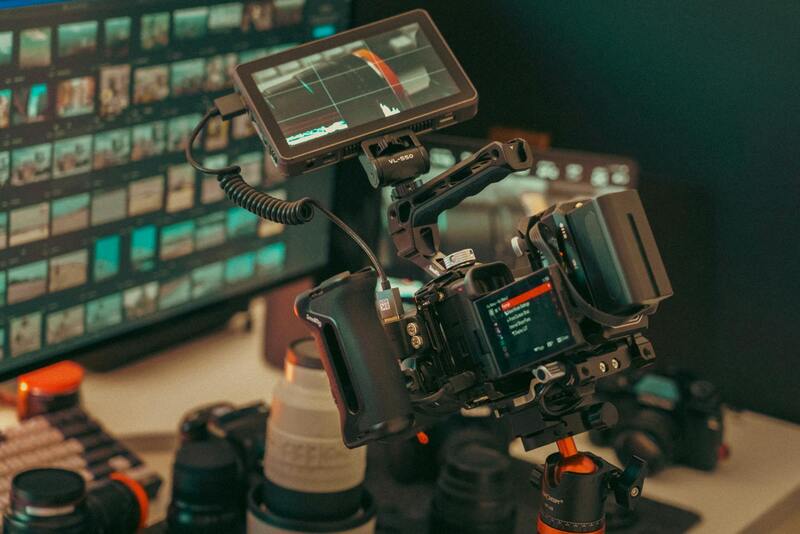
Software tools for remote production, monitoring, and audience interaction further enhance the live streaming experience. These include platforms for real-time chat, Q&A sessions, and live polling, which help maintain viewer engagement and foster interactivity.
Additional technology such as mobile streaming kits comes into play for on-site flexibility, allowing small teams to set up professional streams in diverse venues quickly. Equipment calibration and regular maintenance are essential to guarantee performance during critical moments, as technical fidelity directly impacts viewer perception and overall event success.
Understanding the technical specifications and capabilities of equipment used by a live event streaming company allows organizers to anticipate potential challenges and work collaboratively to achieve a flawless broadcast. This technical proficiency reflects a commitment to delivering not just a broadcast but a compelling digital experience for all viewers involved.
Technical Considerations and Best Practices for Effective Live Streaming
Achieving a seamless live event broadcast hinges significantly on selecting a live event streaming company that employs advanced technology and adheres to industry best practices. From initial planning to execution, these companies prioritize both the quality of the content delivery and the viewer experience, ensuring that every detail is meticulously managed.
Robust Infrastructure and Network Optimization
At the core of reliable live streaming is a stable and high-capacity internet infrastructure. Leading providers utilize dedicated, high-speed upload bandwidth with multiple redundancy layers to prevent interruptions. Bonded internet solutions combine multiple internet connections, such as fiber, LTE, and broadband, to maximize stability and bandwidth, effectively eliminating buffering and lag issues.
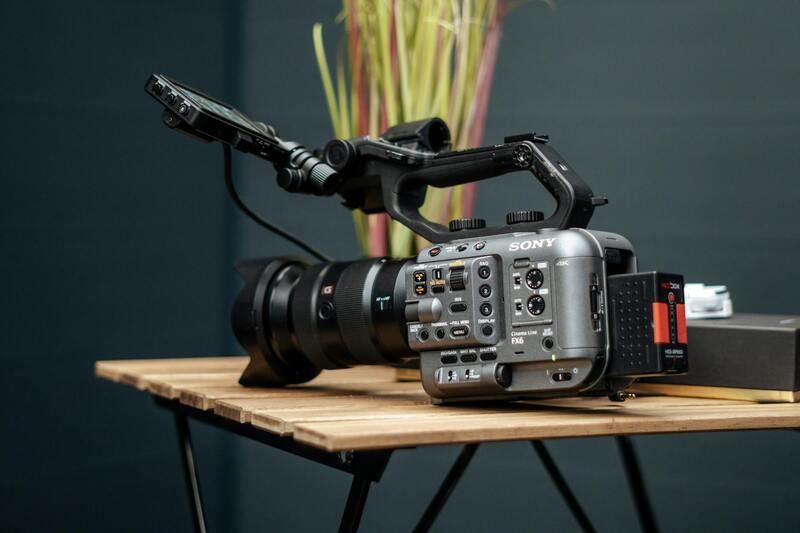
In addition to internet setup, professional companies utilize enterprise-grade encoders and transmission hardware that support multiple resolutions and adaptive bitrate streaming. This ensures optimal viewing experiences across a variety of devices and internet speeds, maintaining high video quality without sacrificing stability.
Equipment and Software Utilized
Modern live event streaming firms incorporate cutting-edge equipment including high-definition cameras, professional audio systems, and portable streaming kits for on-site flexibility. These are paired with sophisticated software solutions for remote production, real-time monitoring, and audience engagement tools.
The use of multi-camera setups allows dynamic coverage of the event, while live switches, overlays, and graphics engage viewers more effectively. Additionally, tools such as live chat, Q&A modules, and audience polling foster interaction, making remote viewers feel more connected to the event.
Technical Support and On-Site Expertise
Expert technicians oversee the entire broadcast process, ensuring all equipment functions correctly from setup through to final transmission. They perform pre-event inspections, real-time troubleshooting, and post-event analysis, which together maintain a high standard of quality.
Quality Assurance and Continuous Improvement
Leading live streaming providers implement rigorous quality assurance protocols, including equipment calibration, network testing, and simulation runs. This preparation minimizes issues during the live event and allows for adjustments on the fly to enhance viewer experience.
Conclusion
Thorough technical planning, state-of-the-art equipment, and proactive support are indispensable components of successful live event streaming. Partnering with a company that prioritizes these aspects guarantees a stable, high-quality broadcast capable of engaging audiences and effectively conveying the event’s message.