Overview of Event Streaming Production
Event streaming production has revolutionized the way organizations, corporations, and entertainment entities broadcast and share live content with audiences around the world. It involves the real-time capture, encoding, and transmission of live video and audio signals, enabling viewers to experience events as they happen, regardless of their geographic location. This process hinges on a sophisticated integration of various components that work seamlessly to deliver high-quality, uninterrupted streams.
Central to event streaming production are elements such as high-definition video capture devices, audio mixers, and streaming encoders. These tools ensure that the visual and sound quality meet professional standards, providing viewers with a compelling and immersive experience. Additionally, reliable internet connectivity and advanced content delivery networks (CDNs) are crucial for transmitting large data volumes efficiently across multiple platforms.
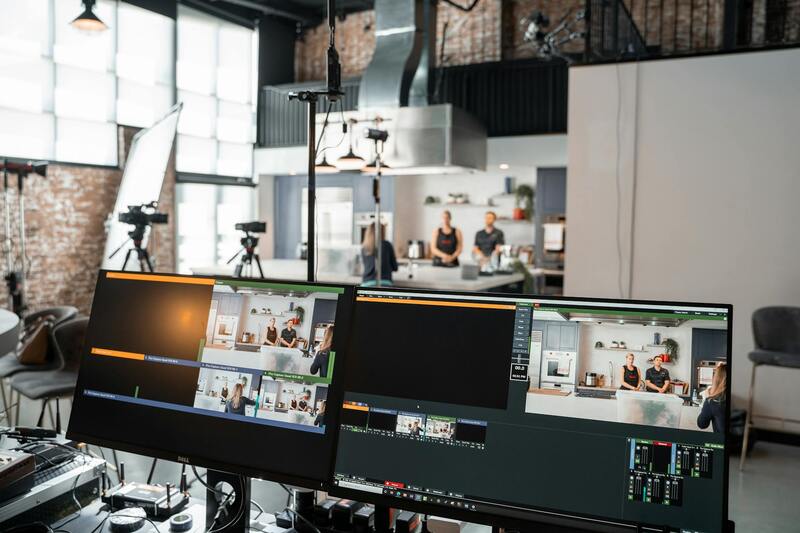
Unlike traditional event formats—such as in-person conferences or live broadcasts limited to a single venue—event streaming production enables content to reach global audiences without geographic constraints. This approach not only broadens the reach but also enhances engagement by allowing interactive elements like live chats, polls, and social media integration during the broadcast.
Another key distinction lies in the planning and technical complexity involved. Event streaming production requires meticulous coordination between technical crews, content creators, and distribution platforms to ensure seamless transmission. Pre-production activities include comprehensive testing of equipment, establishing reliable internet connections, and confirming all elements are set for the live event.
Furthermore, the real-time nature of event streaming demands robust contingency plans. Technical glitches, connectivity disruptions, or equipment failures must be swiftly managed to prevent interruptions. This necessitates a team skilled in troubleshooting, quality control, and rapid response, ensuring the live event proceeds smoothly and professionally at all times.
From a logistical perspective, event streaming can be adapted to various formats—from corporate conferences and product launches to concerts and cultural festivals—making it a versatile option for diverse event needs. Its dynamic capabilities and integration potential with social media platforms and interactive software make it an essential tool in contemporary event production, especially in vibrant markets like Miami where innovation and audience engagement are highly valued.
Key Technologies and Equipment for Event Streaming
Delivering professional-grade live streams requires a carefully selected set of technologies and equipment that can handle the demands of real-time broadcasting with high clarity and stability. Central to this setup are high-definition cameras capable of capturing multiple angles, providing viewers with an immersive experience that closely mimics in-person attendance. Modern streaming solutions often incorporate 4K resolution cameras to ensure the highest visual quality and detailed imagery, even on large screens or high-resolution devices.
In addition, reliable audio equipment, including wireless microphones and mixing consoles, is essential to present clear, crisp sound that ensures audience engagement. Sound quality significantly influences viewer satisfaction, making professional audio components a non-negotiable aspect of successful event streaming.
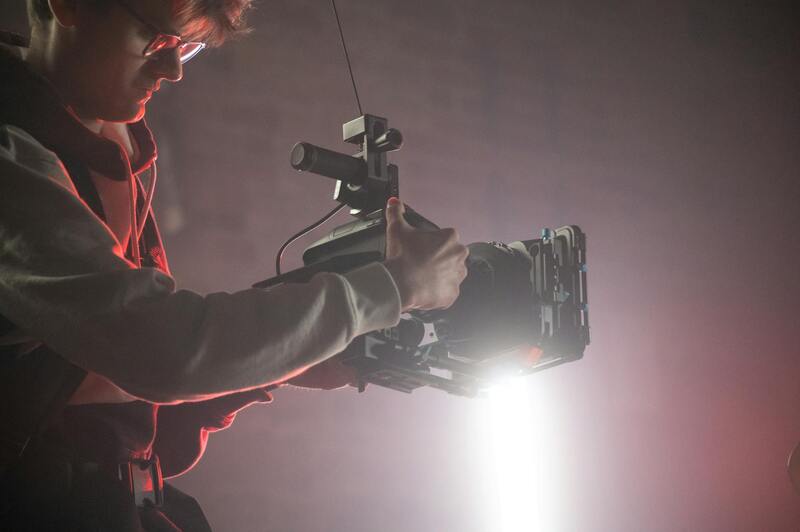
Advanced streaming hardware, such as encoder devices, convert the captured audio-visual content into data streams suitable for online broadcasting. Hardware encoders, whether hardware-based or software solutions integrated into broadcasting software, optimize transmission efficiency and ensure consistent stream quality.
To distribute the live content, a stable and high-bandwidth internet connection is indispensable. Fiber optic internet connections are preferred for their capacity to handle large data loads with minimal latency, reducing buffering and lag issues during broadcast. Redundant internet connections and failover systems are also integrated to maintain broadcast continuity in case of connectivity disruptions.
Streamer management software plays a crucial role, providing functionalities like scene switching, live graphic overlays, and real-time chat monitoring. These tools streamline on-site production workflows and enhance viewer interaction, especially when integrated with social media platforms. Moreover, mobile streaming solutions are increasingly adopted to facilitate on-the-go coverage and flexible camera positioning during dynamic events.
In conjunction with these fundamental components, innovative techniques such as live video switching, multi-camera feeds, and real-time graphics are employed to elevate the production quality. These technologies allow production teams to adapt to evolving event dynamics seamlessly, ensuring a polished broadcast experience for viewers tuned in via internet-enabled devices.
Key Technologies and Equipment for Event Streaming
Producing a seamless and engaging event stream hinges on selecting the right combination of advanced technologies and reliable equipment. Essential tools include high-definition cameras capable of capturing detailed visuals under various lighting conditions, ensuring viewers experience the event as vividly as those on-site. For dynamic events with multiple angles, multi-camera setups paired with professional video switchers enable smooth transitions and a more engaging narrative flow.
Encoding hardware or software solutions play a pivotal role in converting raw video signals into digital data streams optimized for internet transmission. Hardware encoders are dedicated devices designed for high performance and minimal latency, making them ideal for live broadcasts with strict quality requirements. Conversely, software encoders integrated within broadcasting platforms offer flexibility and ease of setup, suitable for smaller events or those with rapid production changes.
Reliable streaming platforms with robust server infrastructure are crucial for ensuring uninterrupted delivery to viewers. These platforms support adaptive streaming protocols, allowing the video quality to adjust based on viewers' internet speeds, thus reducing buffering issues. Content delivery networks (CDNs) distribute the streams efficiently across various geographic regions, maintaining low latency and high integrity of the broadcast.
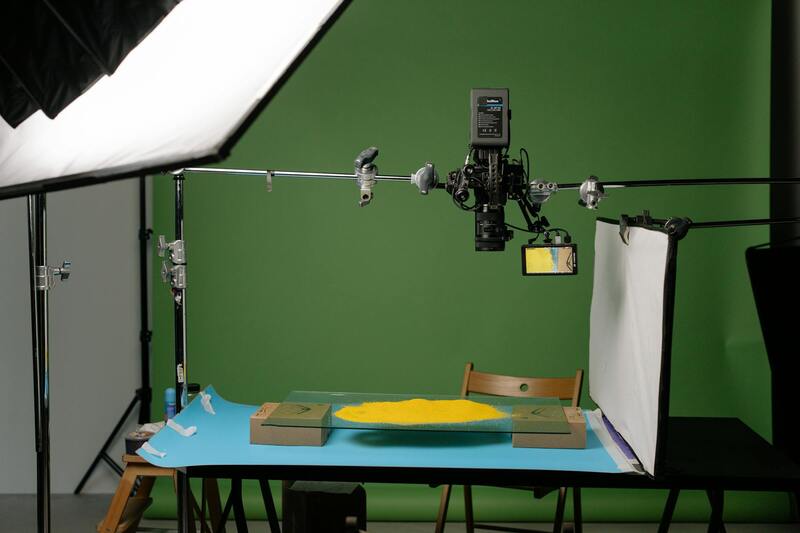
Audio equipment must also be prioritized, with professional microphones and sound mixers capturing clear audio and managing multiple audio feeds for different event sections or presentations. Syncing audio and video feeds precisely is vital for a cohesive viewing experience. Additionally, backup systems like secondary encoders and redundant internet connections ensure that technical issues do not interrupt the live stream, allowing for continuous broadcasting even under unforeseen conditions.
For real-time interaction and enhanced viewer engagement, streaming solutions incorporate features such as live chat overlay, real-time graphics, and audience polls. These elements foster a sense of participation and make virtual attendance more compelling. Mobile streaming solutions, including portable encoders and lightweight cameras, are also increasingly employed to extend coverage to outdoor locations or areas difficult to access with traditional equipment.
Integrating these tools with sophisticated control software allows production teams to manage the stream efficiently. This software facilitates scene switching, graphic overlays, and multi-source audio-video mixing, enabling a professional broadcast appearance. As technology continues to evolve, incorporating features like 4K resolution and virtual reality is becoming more commonplace to enrich the viewing experience for live audiences worldwide.
Legal and Technical Considerations in Miami
When organizing an event streaming production in Miami, understanding the regional technical infrastructure and compliance requirements is essential for achieving a seamless broadcast. Miami's vibrant landscape offers a mix of urban environments and outdoor venues, each presenting unique challenges and opportunities for high-quality streaming. Ensuring robust internet connectivity is crucial; prior site surveys can identify optimal locations for deploying dedicated fiber lines or secured wireless networks to minimize latency and prevent disruptions. Additionally, securing appropriate permits and adhering to local regulations pertaining to broadcast rights and content permissions helps streamline the process and avoids potential legal complications.
Technical considerations extend to data security measures, particularly when streaming sensitive or proprietary content. Implementing encryption protocols and secure login procedures protects the stream from unauthorized access and cyber threats. Furthermore, coordinating with local authorities and event venues ensures compliance with safety standards, power supply regulations, and environmental conditions that may impact equipment operation. Backup plans, including redundant hardware and alternative internet sources such as cellular bonding solutions, are vital for maintaining uninterrupted streaming, particularly in outdoor or less predictable settings.
Miami's diverse demographic and the technologically advanced audience demand high-quality visuals and sound. This necessitates the use of cutting-edge equipment capable of supporting 4K resolution, HDR imaging, and immersive audio experiences. Prior to the event, comprehensive technical rehearsals should simulate real streaming conditions, allowing the team to troubleshoot potential issues and optimize system performance. Attention to these legal and technical facets ensures a professional, reliable live streaming experience that effectively reaches the Miami audience and beyond.
On-Site Production and Execution
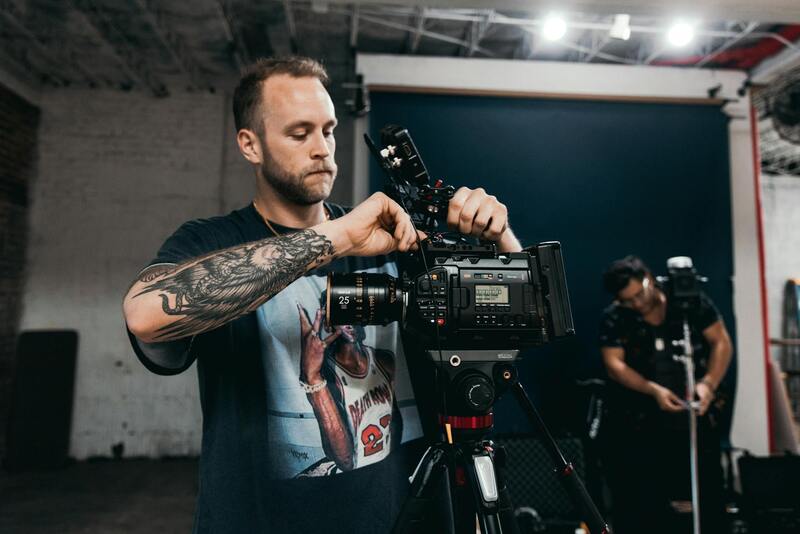
Executing an event stream in Miami demands meticulous coordination on-site, encompassing camera operations, audio management, lighting arrangements, and real-time supervision. High-quality camera work is vital for capturing the event from multiple angles, ensuring a comprehensive view that engages viewers both onsite and online. This involves utilizing professional-grade video cameras with stabilization features and remote operation capabilities, allowing camera operators to focus on framing and focus while maintaining smooth footage.
Audio quality underpins the overall viewer experience. On-site audio production requires strategically placed microphones, including lavalier, shotgun, and ambient mics, to capture clear speech and environmental sounds. A dedicated audio mixing console provides real-time adjustments, balancing voice levels and minimizing background noise, especially crucial when streaming live in bustling or acoustically challenging environments.
Lighting setup significantly influences the visual quality of the broadcast. Proper illumination ensures subjects are clearly visible and helps create visual depth and focus. For Miami events, leveraging daylight and programmable LED lighting fixtures allows for dynamic lighting scenes, adjusting for natural conditions or theatrical effects as necessary. The lighting plan should be designed to complement camera capabilities and the overall event aesthetic.
Real-time monitoring is essential to promptly identify and resolve technical issues. A dedicated production control room equipped with professional monitors, audio feedback systems, and communication devices facilitates seamless coordination among the production team. Monitoring feeds from multiple cameras, audio sources, and streaming platforms helps detect any glitches or synchronization issues, enabling immediate correction.
During the broadcast, technical staff continuously oversee the live feed, making adjustments to camera angles, audio levels, and visual effects in response to live cues. This on-the-fly adaptability ensures a polished and professional streaming experience, enhancing viewer engagement and satisfaction.
Legal and Technical Considerations in Miami
Executing a successful event streaming production in Miami necessitates adherence to several key legal and technical guidelines that ensure compliance, quality, and security. Proper licensing for copyrighted materials, including music, videos, and proprietary content, must be secured prior to broadcasting. This involves obtaining permissions from rights holders or licensing agencies to avoid potential disputes and ensure a smooth live stream.
Additionally, securing permits for the use of specific venues and technical equipment is vital. Miami's diverse event spaces often require coordinators to work closely with local authorities to meet safety standards and obtain necessary permissions for public streaming operations. This includes complying with noise ordinances, fire safety regulations, and venue-specific rules related to audiovisual setups.
Technical considerations extend to bandwidth management and network security. Utilizing dedicated fiber-optic internet connections or high-capacity wireless networks minimizes latency and prevents stream interruptions, which are crucial for maintaining a professional quality broadcast. Implementing robust cybersecurity measures, such as encrypted data transmission and secure login protocols, safeguards sensitive production assets and viewer information from potential cyber threats.
Broadcasting in Miami also involves mitigating environmental impacts, especially for outdoor or large-scale events. Equipment should be weather-resistant and positioned to avoid interference from natural elements like wind or rain. Backup power supplies and redundant streaming sources are essential to sustain the broadcast in case of technical failures, ensuring uninterrupted coverage.
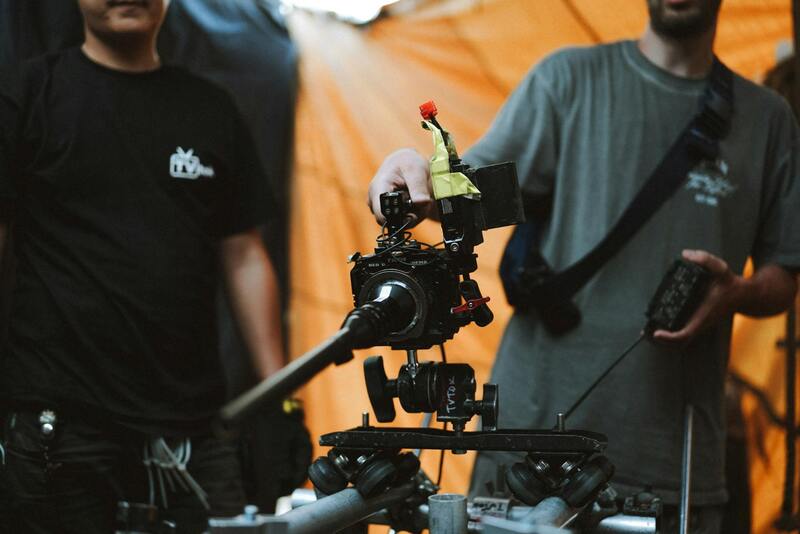
Furthermore, understanding the legal framework surrounding personal data collection and viewer analytics ensures that the streaming process aligns with local regulations and industry standards. This includes transparent privacy policies and compliance with data protection laws, which foster trust among viewers and clients alike.
Coordination with local authorities, service providers, and legal advisors forms the backbone of a compliant and technically sound streaming operation. This comprehensive approach reduces unforeseen disruptions, minimizes legal risks, and ultimately contributes to a professional and seamless event broadcast in the vibrant Miami landscape.
Legal and Technical Considerations in Miami
Executing a successful event streaming production in Miami requires a thorough understanding of the region's regulatory environment alongside adherence to established technical standards. The Florida state and Miami-Dade County have specific guidelines concerning audio-visual content, requiring compliance with licensing, permitting, and content rights management. Securing necessary permissions before the event helps prevent delays or interruptions during live broadcasts.
Copyright considerations play a pivotal role in preserving the integrity of streamed content. Ensuring that all visual, musical, and intellectual property used during an event is properly licensed and credited safeguards the production from potential disputes. This includes obtaining licenses for copyrighted music, images, and any proprietary technology or branding incorporated into the event.
Technical best practices also encompass utilizing high-quality streaming codecs, robust internet connectivity, and reliable hardware setups. Streamers should deploy multiple redundant data paths and backup systems to manage unexpected technical issues efficiently. Proper encoding hardware, such as professional-grade video encoders and switching equipment, ensures high-quality delivery, even in challenging network conditions.
Moreover, cybersecurity protocols should be tailored to protect streaming infrastructure and viewer data. Implementing end-to-end encryption, secure authentication methods, and firewall protections mitigates cyber threats. Staff training on data security best practices and adherence to Florida’s data privacy regulations further reinforce the digital safeguard measures.
Environmental factors unique to Miami, such as frequent outdoor events, necessitate specific technical adaptations. Weather-resistant equipment and strategic placement are essential for outdoor setups. Additionally, hot and humid conditions require the use of climate-controlled equipment enclosures to maintain optimal operation.
Coordination with local authorities and service providers ensures compliance with zoning laws, public safety standards, and traffic regulations during event setup and execution. These collaborations facilitate smooth logistics and access considerations, vital for large-scale or outdoor event productions.
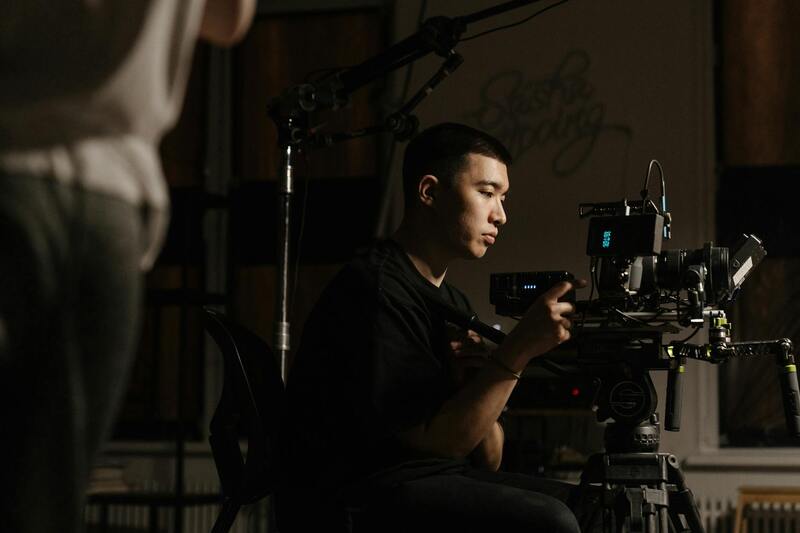 igure>
Ensuring Technical and Legal Compliance in Miami’s Event Streaming Production
To guarantee a seamless streaming experience that adheres to the necessary standards, it is essential to employ methods that conform with the established technical and legal frameworks relevant to Miami. This involves a combination of reliable hardware, secure data management practices, and adherence to local regulations that govern public and private events. Leveraging licensed vendors and certified technology providers ensures the deployment of compliant equipment and the integration of recognized safety protocols.

Technical Compliance Strategies
- Utilize accredited streaming hardware and software: Employ professional-grade encoding hardware, durable cameras, and certified switching equipment that meet industry standards for high-definition delivery.
- Implement secure network practices: Use enterprise-grade firewalls, VPNs, and encrypted data channels to safeguard the stream against unauthorized access and interference.
- Regular system audits: Schedule periodic evaluations of the entire streaming setup, ensuring all components function within legal and technical parameters.
- Maintain documentation: Keep detailed records of equipment specifications, software licenses, and compliance checks to support accountability and troubleshooting.
Legal and Regulatory Considerations
Miami’s diverse event landscape necessitates clear understanding and communication of legal frameworks. Event producers should collaborate closely with legal experts to ensure all activities observe federal, state, and local mandates. This includes securing necessary permits, adhering to zoning laws, and observing traffic management requirements, especially for outdoor or large-scale events.
- Permitting and licenses: Obtain all relevant permits from Miami’s city authorities for public gatherings, noise levels, and special effects.
- Intellectual property rights: Ensure proper licensing for copyrighted content, music, or performances streamed during the event.
- Privacy and data protection: Comply with Florida’s data privacy laws by implementing strict access controls, securing viewer data, and informing audiences about recording practices.
- Insurance and safety protocols: Possess appropriate liability coverage and follow safety standards mandated by local agencies to mitigate risks during set-up and broadcast.
Coordination with Local Authorities
Engaging with Miami’s public safety and regulatory bodies enhances the reliability and legality of the event stream. Establishing communication channels with police, emergency services, and city officials enables proactive management of potential disruptions and compliance issues. Moreover, collaborating with local Wi-Fi providers and internet service vendors facilitates optimal connectivity, vital for high-quality live streaming.
During outdoor productions, weather contingencies, power management, and crowd control are critical considerations. Equipment must be weather-resistant, powered via redundant sources, and positioned in accordance with local safety standards. Such measures help maintain the integrity of the broadcast while respecting the community’s safety and operational guidelines.
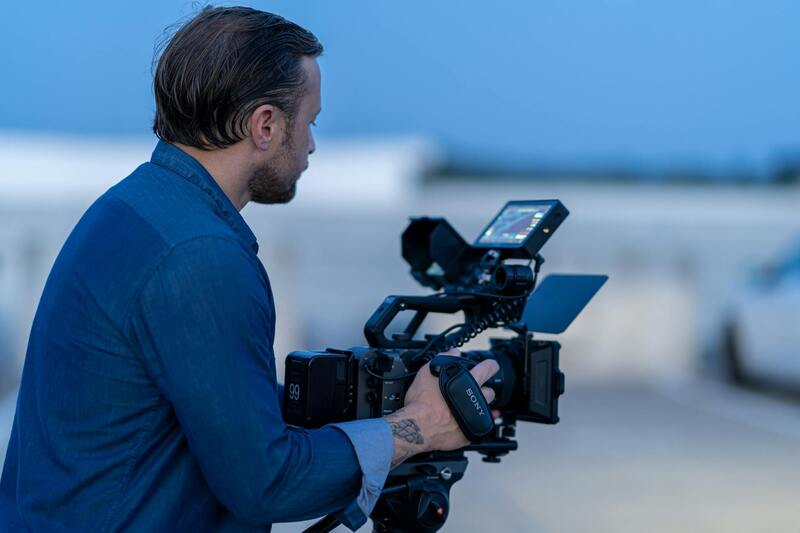
Final Verification and Compliance Checks
Before going live, conduct comprehensive testing to verify all technical and legal compliance elements. Final checks should include equipment performance, internet stability, data security measures, and legal documentation validation. Regular staff training focusing on protocols, cybersecurity, copyright laws, and emergency procedures ensures everyone involved is prepared to uphold Miami’s standards for professional event streaming.