Introduction to Live Event Video Streaming
Live event video streaming has revolutionized the way organizations and individuals broadcast their events, providing real-time access to audiences regardless of geographical boundaries. In Miami, a vibrant hub for conferences, festivals, sports, and cultural events, the demand for seamless live streaming solutions has surged dramatically. High-quality live streams ensure that remote viewers experience the event with clarity, engaging visuals, and uninterrupted broadcasts, fostering greater reach and impact.

Organizations that leverage professional live streaming services benefit from enhanced visibility, increased attendee participation, and the ability to market events effectively. Whether hosting a corporate conference, music festival, or local community gathering, providing a crisp, high-definition broadcast enhances credibility and attendee satisfaction. It also allows for multi-camera setup and professional commentary, which enriches the viewer experience.
The significance of mastering live event video streaming stems from its capacity to deliver dynamic content to various platforms simultaneously, creating a multi-channel distribution approach. This not only amplifies event exposure but also provides valuable metrics on viewer engagement, aiding in strategic planning for future events.
In Miami's competitive event landscape, the deployment of reliable streaming solutions underscores professionalism and a commitment to engaging audiences. Utilizing advanced technology ensures robustness, minimizes disruptions, and delivers excellent visual and audio quality that meet the expectations of a diverse viewer base.
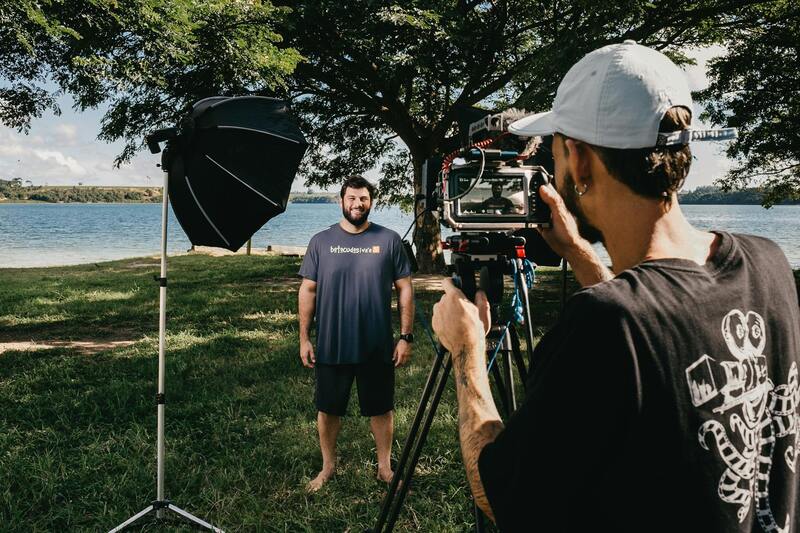
As event organizers aim to expand their reach and provide inclusive access, investing in optimized live streaming infrastructure becomes essential. From corporate webinars to large-scale public festivals, professional streaming makes it possible to connect with audiences across multiple devices—smartphones, tablets, computers—delivering flexible and accessible viewing options.
Furthermore, integrating live streaming with social media platforms enhances interactivity and real-time engagement, enabling audiences to share their experiences instantly. This synergy creates communities around events and significantly boosts promotional efforts across online channels.
In summary, live event video streaming stands as an indispensable tool in today’s digital-driven environment. It empowers Miami’s event hosts to transcend traditional boundaries, reaching broader audiences while elevating the overall event experience through superior broadcast quality and innovative engagement strategies.
Key Equipment and Technologies
Implementing successful live event video streaming requires an array of specialized hardware and software that work harmoniously to deliver high-quality broadcasts. Central to this setup are professional-grade cameras equipped with high-resolution sensors, optical zoom capabilities, and low-light performance features, ensuring clear visuals regardless of lighting conditions. For dynamic environments like Miami’s bustling venues, camera operators often utilize shoulder-mounted or robotic cameras for flexibility and precision, capturing multiple angles that enhance viewer immersion.
Encoders play a crucial role in converting raw video signals into compressed, streamable formats. Hardware encoders are preferred for their reliability and low latency, especially during large-scale events with high viewer counts. Software encoders, on the other hand, provide versatility and ease of customization, suitable for smaller or more agile productions.
Streaming platforms or content delivery networks (CDNs) serve as vital intermediaries, reliably distributing the live feed to audiences across various regions. These platforms offer features such as adaptive bitrate streaming, ensuring viewers receive optimal quality based on their internet speed, and security measures like encryption to protect broadcast content.
To enhance production efficiency, organizations also utilize video switchers and audio mixers, allowing seamless switching between camera feeds and balanced audio output. These components are essential for maintaining a professional broadcast appearance, especially during complex presentations or multi-guest events.
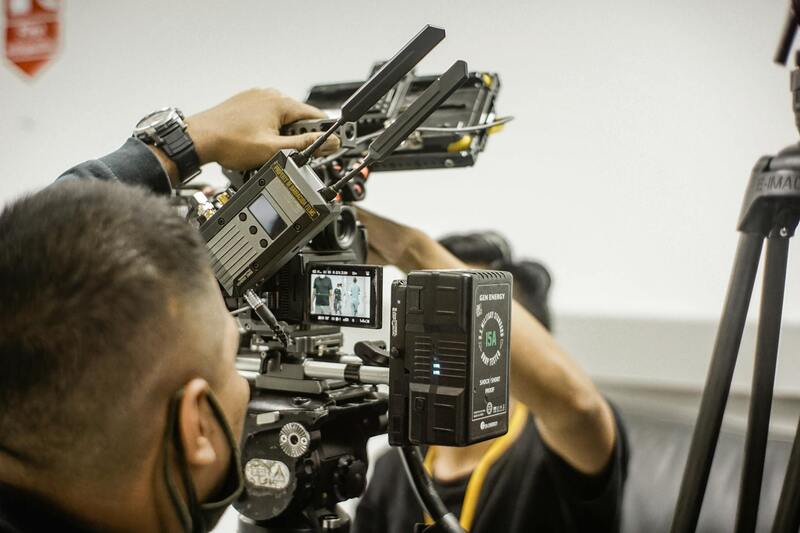
For Miami events, selecting durable, weather-resistant equipment is crucial, particularly for outdoor venues. The integration of reliable wireless technology ensures mobility and flexibility, enabling broadcasters to adapt quickly to changing event conditions while maintaining stable live feeds.
Choosing the Right Streaming Platform
Effective live streaming hinges on selecting a platform that aligns with the specific needs of the event—be it scale, audience engagement goals, or content type. Established streaming services designed for professional use offer features such as customizable branding, multi-camera support, and robust analytics. They also provide scalable infrastructure capable of handling large viewership spikes typical of major Miami events.
Platforms should support multi-device compatibility, ensuring seamless access on smartphones, tablets, and desktops. Additionally, integration with social media facilitates real-time interaction and broadens audience reach. Features like live chat, polls, and interactive overlays enhance viewer participation, fostering a dynamic viewing experience.
Security and data privacy are paramount; therefore, dependable platforms implement encryption and access controls to safeguard broadcast integrity and viewer information. Those with simplified content management systems enable organizers to schedule streams, update live content, and manage viewer access efficiently.
Production Planning and Coordination
A meticulously organized production plan underpins a successful live stream. This involves scheduling rehearsals, defining camera shots and transitions, and assigning roles to technical staff. Clear communication channels among producers, camera operators, and technical support teams ensure real-time coordination and quick troubleshooting.
Pre-event checks of all equipment—cameras, encoders, microphones, and streaming devices—mitigate potential disruptions. Backup systems should be in place for critical hardware, alongside contingency plans for network failures or equipment malfunctions.
Managing Connectivity and Bandwidth
Consistent, high-speed internet connectivity is vital for uninterrupted live streaming. Dedicated fiber optic or high-capacity broadband connections are preferred, with failover options ready in case of outages. Monitoring bandwidth utilization during the event allows technicians to optimize stream quality, adjusting bitrate settings dynamically for the best viewer experience.
Utilizing network bonding or link aggregation technologies can combine multiple internet sources, providing additional stability. For outdoor or remote locations in Miami, deploying mobile hotspot solutions or satellite internet may be necessary, with attention to latency and data caps.
Enhancing Viewer Engagement and Interactivity
Effective live event video streaming extends beyond the technical delivery of content; it encompasses actively engaging the audience to foster a memorable and interactive experience. Incorporating real-time features such as live chat, Q&A sessions, and social media integration allows viewers to participate directly during the event. These interactive elements not only increase viewer retention but also create a sense of community among the audience.
To facilitate seamless interaction, consider deploying these strategies:
- Live Chat Modules: Enable viewers to comment, ask questions, and share reactions in real time. Moderation tools ensure a positive environment and prevent disruptions.
- Polls and Surveys: Conduct instant polls to gauge audience opinions or preferences about specific segments of the event, leveraging viewer input to tailor the experience.
- Social Media Integration: Incorporate live social media feeds, hashtags, and sharing functionalities to broaden reach and encourage community participation beyond the streaming platform.
- Interactive Content: Use overlays, annotations, or real-time graphics to highlight key moments, sponsor messages, or call-to-action prompts during the broadcast.
- Multimedia Engagement: Integrate multimedia elements such as pre-recorded segments or augmented reality features that enhance storytelling and viewer immersion.

Additionally, providing accessible content through multi-language captions and sign language interpretation can expand your audience reach and ensure inclusivity. Real-time analytics tools further help organizers monitor viewer engagement levels, identify peak activity times, and adjust content delivery strategies accordingly.
Finally, post-event engagement remains crucial. Sharing on-demand recordings, highlights, and supplementary content keeps the audience connected and encourages future participation. Collecting feedback through surveys or comment sections allows organizers to refine future streams and deepen their understanding of viewer preferences.
Advanced Techniques for Ensuring a Flawless Live Stream
Implementing professional-grade live event video streaming involves an array of advanced methods to optimize quality and reliability. This includes utilizing redundant streaming pathways, such as deploying multiple internet connections or diverse content delivery network (CDN) routes, which help maintain continuous broadcast flow even if one source experiences issues. Adaptive bitrate streaming is essential; it dynamically adjusts video quality based on real-time network conditions, thereby reducing buffering and minimizing viewer frustration. This adaptability ensures a high-quality viewing experience regardless of fluctuating connectivity.

It is crucial to implement real-time monitoring tools to track stream health metrics, such as latency, jitter, packet loss, and buffer rates. These tools provide immediate feedback to technical teams, enabling swift corrective actions, such as switching to backup servers or adjusting encoding settings. Employing a dedicated technical support team, proficient in troubleshooting live streams, further enhances the likelihood of a seamless broadcast.
For high-stakes events, professionals often utilize cloud-based streaming infrastructure that offers scalability and flexibility. Cloud solutions simplify the process of managing large audiences and allow for rapid deployment of additional resources if needed. These cloud services also supply comprehensive reporting and analytics, providing valuable insights into stream performance and viewer engagement patterns.
Securing the Live Stream
Protecting your live event against unauthorized access and content theft demands rigorous security measures. Implementing encryption protocols, such as AES encryption for data transmission, safeguards the integrity of your stream. Password protection and geo-restriction settings help control access, ensuring only registered or authorized viewers can watch. Digital rights management (DRM) technologies can also be integrated to prevent unauthorized redistribution of streamed content.
Additionally, firewalls and secure network configurations are vital in preventing malicious attacks or interference during the live broadcast. Regular security audits, along with updating software and firmware to patch vulnerabilities, play a key role in maintaining a secure streaming environment. These practices contribute to a trustworthy experience for viewers, organizers, and stakeholders alike.
Effective Content Delivery and Multi-Platform Compatibility
To reach audiences where they are, deploying a multi-platform distribution strategy is essential. This involves streaming simultaneously to various devices and channels, including desktops, tablets, smartphones, and integrated smart TV applications. Ensuring compatibility across different operating systems and browsers guarantees a broader viewer reach and minimizes technical barriers to access.
Adaptive streaming technology also assists in optimizing the viewing experience across devices. For example, a viewer on a mobile device with limited bandwidth will receive a lower resolution stream, while viewers on high-speed connections can enjoy high-definition content. Embedding flexible player options that support multiple formats (HLS, DASH, RTMP) increases accessibility and ensures consistent playback regardless of the user’s technology landscape.

Finally, consider implementing integrated analytics tools that track viewer behavior across different platforms. These insights can inform future content strategies, identify popular segments, and guide improvements in stream quality and delivery methods to enhance overall engagement.
Implementing Backup and Redundancy Systems
To maintain a seamless live streaming experience, especially during high-profile events, integrating backup systems and redundancies is vital. This includes deploying secondary internet connections such as wired fiber optics and LTE/5G networks to automatically take over should the primary connection falter. Employing redundant streaming hardware, such as dual encoders and failover routers, ensures continuous signal transmission without interruption.
Further, utilizing cloud-based streaming solutions allows for dynamic load balancing and failover capabilities. These services can automatically redistribute bandwidth and streaming load across multiple servers, significantly reducing the risk of latency spikes or outages during peak moments.
Managing Connectivity and Bandwidth
Ensuring a smooth live event video streaming experience relies heavily on optimal network management. Different factors influence the quality of stream delivery, including internet reliability, bandwidth capacity, and network stability. Adequate planning involves assessing the expected viewer count and choosing suitable internet service providers to meet transmission demands.
One vital approach is incorporating multiple internet connections, commonly referred to as load balancing. For instance, combining a primary fiber optic connection with secondary LTE or 5G networks can significantly enhance streaming stability. During high-traffic moments or unexpected outages, the system automatically switches to a backup connection, preventing disruptions.
Bandwidth allocation also plays a critical role in maintaining high-quality streams. Streaming high-definition video requires substantial bandwidth, which varies depending on resolution, frame rate, and other encoding parameters. Adequately provisioning bandwidth ensures the live feed remains clear, free of buffering, and free from latency issues. Technology such as Quality of Service (QoS) settings can prioritize streaming data over less critical network traffic, further optimizing quality.
Effective network management includes continuous monitoring of connectivity metrics. This can involve real-time dashboards displaying upload speed, latency, jitter, and packet loss, allowing technical teams to respond swiftly to any irregularities. Implementing automatic failover protocols is also essential. These systems detect drops in connection quality and initiate seamless switching to backup networks, minimizing viewer impact.
Furthermore, the choice of hardware impacts overall network resilience. Deploying enterprise-grade routers and switches that support advanced failover and load balancing features guarantees a more robust setup. Testing the entire connectivity infrastructure well before the actual event is crucial to identify potential weaknesses and ensure all components work harmoniously under live conditions.
Pre-event network audits, combined with guided configuration and redundancy protocols, prepare the technical staff to address unexpected issues swiftly. Employing cloud-based monitoring tools enables remote oversight of multiple streaming nodes, offering additional layers of oversight and control.
By meticulously managing bandwidth and connection reliability, organizers can deliver a seamless live viewing experience. This proactive approach diminishes latency and buffering, enhancing overall viewer satisfaction and reinforcing the professionalism of the event broadcast.
Legal and Privacy Considerations
Ensuring Compliance with Regulations
Successfully executing a live event video stream requires meticulous attention to legal and privacy frameworks, which govern the capture, transmission, and distribution of content. Establishing adherence to applicable rules helps safeguard the event against potential disruptions or liabilities. It is essential to secure appropriate permissions from all content creators, performers, or speakers involved, confirming their consent for live broadcasting. Additionally, obtaining clear rights or licenses for any copyrighted material presented during the stream prevents intellectual property disputes.
Event organizers should develop comprehensive privacy policies outlining how viewer data is collected, stored, and utilized. Clearly communicating this information to the audience fosters transparency and builds trust. It is equally important to implement data protection measures, such as encrypted streams and secure access controls, particularly when handling sensitive information or personalized viewer interactions. Regular audits of compliance protocols and staff training emphasize the importance of respecting privacy rights while maintaining a professional broadcasting standard.

Handling Content Moderation and Rights Management
Live streams can accommodate a variety of content, but they also demand vigilant moderation to prevent unauthorized or inappropriate material from reaching viewers. Employing real-time moderation tools and designated personnel helps maintain content integrity and adherence to broadcasting standards. For events involving multiple contributors or user-generated content, establishing clear rights management procedures is crucial to ensure that all contributions are properly licensed and credited.
Technical solutions such as automated filtering systems or content recognition software support proactive moderation, enabling swift action against violations. Additionally, integrating secure login credentials and access restrictions controls who can participate or contribute during the event, thereby limiting unauthorized disruptions. Precise documentation of rights and permissions simplifies any future reference or dispute resolution, streamlining legal compliance for ongoing or recurring broadcasts.

Preparing for Unexpected Incidents
Resilience in live event streaming involves creating contingency plans for unforeseen issues such as technical failures or security breaches. Establishing protocols for quick response minimizes downtime and ensures continuous broadcasting. This includes maintaining backup equipment and redundant streaming pathways to switch seamlessly if primary systems encounter problems.
Moreover, deploying advanced security measures like firewalls, intrusion detection, and multi-factor authentication protects against cyber threats. Coordination with cybersecurity experts prep the team for rapid incident response, safeguarding both the content pipeline and viewer data. Extensive testing of all security and backup systems before the event enhances confidence in their efficacy, allowing organizers to address vulnerabilities proactively.
By integrating these legal and privacy considerations into the planning stages, event organizers can deliver high-quality live streams that respect audience rights, adhere to standards, and uphold the integrity of the event.
Post-Event Content Delivery and Analytics for Live Streamed Events
Ensuring the successful dissemination of your live event content extends beyond the live broadcast itself. After the event concludes, delivering on-demand content to your audience can significantly enhance engagement and provide valuable opportunities for content repurposing. Utilizing high-quality post-event content management platforms allows organizers to upload recorded streams securely, apply relevant metadata, and optimize video quality for various devices and networks. This process not only broadens the reach of the event but also preserves high-value content for future marketing and branding efforts.

Analyzing Engagement Metrics and Viewer Data
Gathering detailed analytics post-event provides critical insights into audience behavior and engagement levels. Metrics such as viewer count, watch time, audience retention, and interaction rates help organizers understand which segments of the content resonated most. These insights inform strategies for future events, allowing for targeted improvements in content delivery, scheduling, and interactive features. Advanced analytics platforms integrate seamlessly with streaming solutions, delivering real-time data during the event and comprehensive reports afterward, ensuring that organizers can evaluate performance and optimize their streaming approaches.
Tools for Effective Data Collection
- Integrated analytics dashboards within streaming platforms
- Third-party data analysis tools
- Audience feedback surveys and post-event questionnaires
Implementing a robust analytics strategy enables a data-driven approach to live event streaming, fostering continuous improvement and audience satisfaction.
Ensuring Data Security and Content Integrity
During data collection and content distribution, maintaining rigorous security protocols is essential. End-to-end encryption secures both live streams and stored content from unauthorized access. Additionally, employing secure authentication mechanisms ensures that only authorized personnel can access sensitive analytics and content repositories. For content integrity, digital watermarking and encryption tools verify the authenticity of the media files and prevent unauthorized reproduction or redistribution. These measures bolster confidence among stakeholders that the content remains protected throughout its lifecycle.
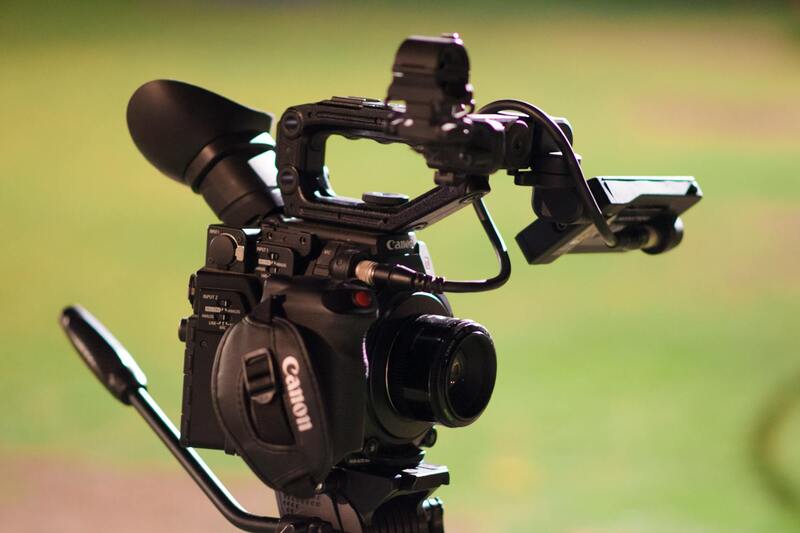
Archiving and Repurposing Content
Proper archiving practices facilitate easy retrieval and repurposing of event recordings. High-capacity storage solutions combined with organized metadata tagging allow content to be accessed efficiently for future use. Repurposing archived content into shorter clips, snippets, or promotional videos further extends the event’s value. This approach enables organizers to create marketing materials, educational content, or highlights that attract new audiences and extend engagement beyond the live event timeframe.
Compliance with Content Ownership and Licensing
Maintaining comprehensive records of content ownership and licensing agreements is paramount. Clear documentation ensures proper attribution and correct use of licensed materials, including music, images, or third-party footage incorporated into the stream. Ensuring compliance with copyright laws and licensing agreements not only protects the organizers but also reinforces their reputation for professionalism and respect for intellectual property rights. Proper licensing practices also facilitate smoother negotiations for future content use and distribution rights.