Understanding Live Stream Event Services
In today’s digital age, live streaming has become an essential component of event planning and management, especially in vibrant and dynamic cities like Miami. A trusted live stream event company specializes in delivering high-quality broadcasting solutions tailored to meet the unique needs of diverse events, ranging from corporate conferences and seminars to concerts, festivals, and social gatherings. These companies utilize advanced technologies and expert personnel to ensure seamless streaming experiences that engage audiences worldwide.
Miami, known for its lively culture and international significance, demands versatile live streaming services capable of handling various event formats and sizes. Whether it’s a large-scale concert at a Miami beach venue or an exclusive corporate webinar, a professional live stream event company provides comprehensive solutions to amplify your event’s reach.
The core offerings of a typical Miami-based live stream event company include comprehensive consultation services, state-of-the-art technical setup, expert content production, multi-platform streaming, real-time monitoring, and post-event analytics. These services are designed not only to broadcast your event live but also to enhance viewer engagement, ensure broadcast stability, and provide valuable insights afterward.
Technical Setup and Equipment
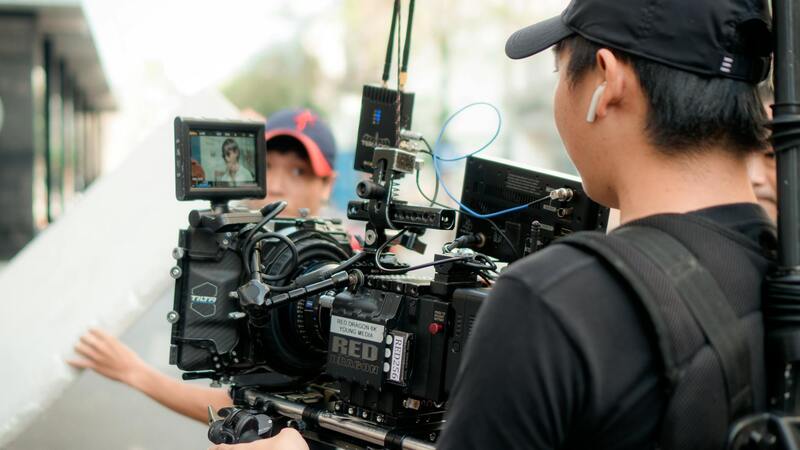
Successful live streaming hinges on state-of-the-art technical infrastructure tailored to each event’s unique demands. A professional live stream event company in Miami meticulously assesses venue layouts and lighting conditions to determine optimal camera placements and equipment configurations. This setup includes high-definition cameras capable of capturing multiple angles, professional-grade audio systems ensuring clear sound, and reliable encoding devices for seamless transmission.
Key components typically involve centralized control rooms equipped with live switchers, video mixers, and robust internet connectivity solutions such as bonded broadband and fiber optics. Redundant systems and backup power supplies are essential to prevent disruptions during the broadcast, especially for high-stakes corporate presentations or multi-day festivals.
The selection of equipment extends beyond cameras and audio. To deliver engaging and high-quality streams, companies often incorporate advanced stabilization rigs, drone footage, and 4K resolution capabilities for stunning visuals. Professional lighting setups are equally crucial to ensure subjects are clearly visible and to enhance overall production quality.
Content Production and Management
Content production is the backbone of a compelling live event broadcast. This process involves the strategic coordination of camera crews, directors, and on-screen talent to craft a cohesive visual narrative. Effective production teams in Miami understand the importance of storytelling, timing, and audience engagement to elevate the online viewing experience.
Pre-production planning includes creating shot lists, defining camera angles, and establishing visual themes aligned with the event’s purpose. During the live event, production managers oversee camera switching, graphics insertion, and real-time editing to highlight key moments. Skilled directors communicate seamlessly with technical staff to adapt to any unforeseen circumstances, ensuring a fluid and professional presentation.
Audience interaction features such as live chat overlays, real-time polls, and social media integration are often incorporated to foster engagement. These elements require precise management to balance viewer interaction with uninterrupted streaming.
Furthermore, post-production review involves editing highlight reels or snippets, adding overlays, and preparing content for on-demand viewing. Data management practices, including secure storage of footage and metadata tagging, facilitate efficient archiving and future marketing initiatives.
Technical Setup and Equipment
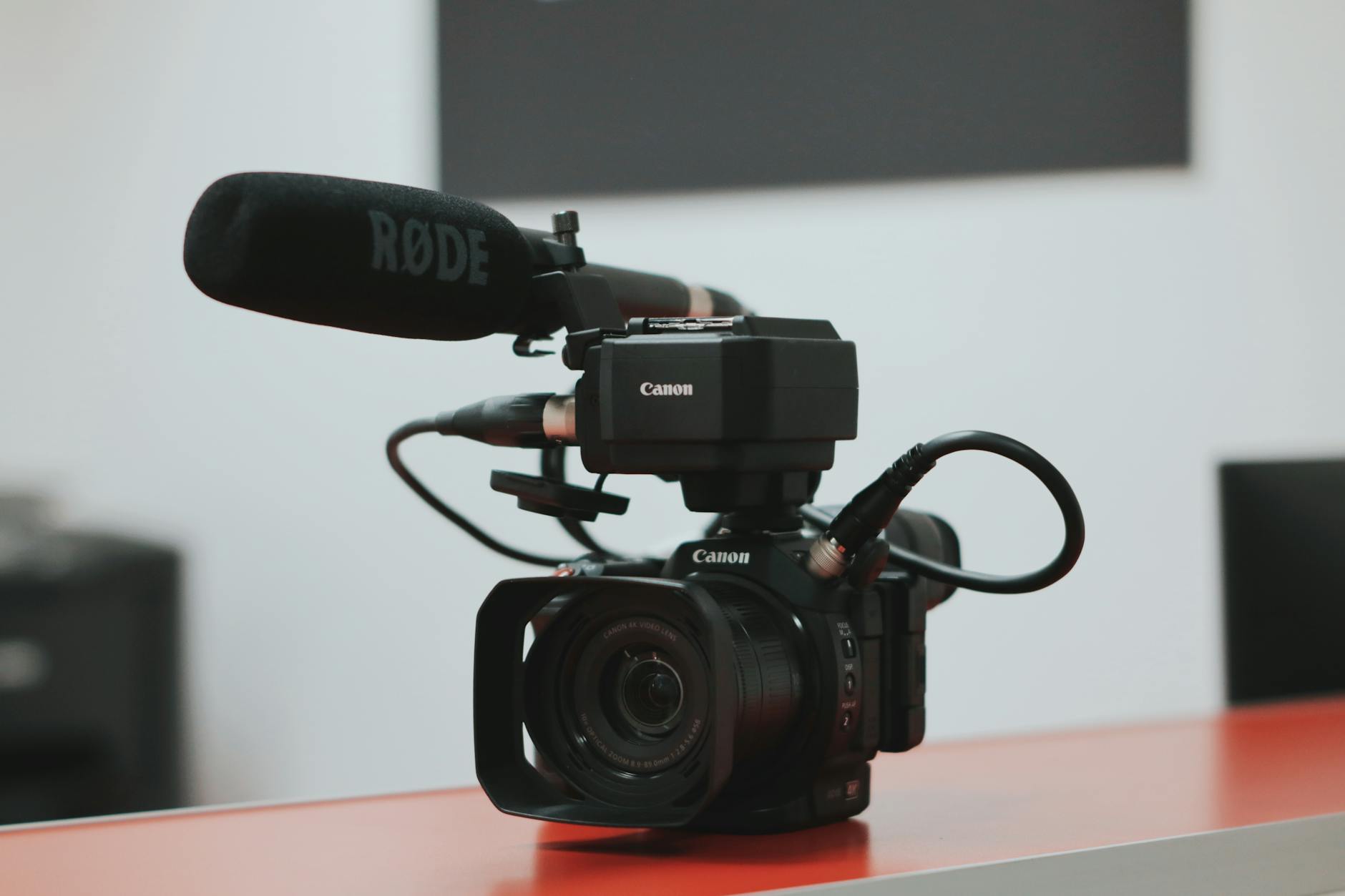
Executing a seamless live stream event demands a meticulous selection of reliable hardware and software components. The foundation of a high-quality broadcast begins with professional-grade cameras capable of capturing crisp, vibrant footage across various lighting conditions. These often include high-definition DSLR, camcorders, or PTZ (Pan-Tilt-Zoom) cameras that can be remotely operated to achieve dynamic shots from multiple angles.
Another critical element is the encoder, which compresses video signals for transmission over the internet. Hardware encoders offer robust performance with minimal latency, ensuring smooth streaming even during high-demand events. Cloud-based or software encoders are also popular choices, providing flexibility and scalability to adapt to different event sizes and requirements.
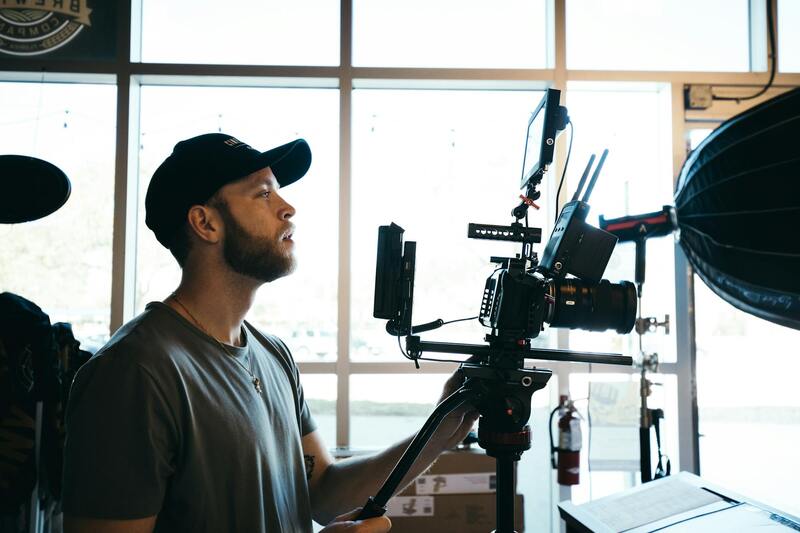
Stable internet connectivity is vital to maintaining uninterrupted streaming quality. Professionals typically rely on dedicated fiber optic connections or multiple internet sources with load balancing to prevent disruptions. Networking equipment, such as high-speed routers, switches, and firewall systems, are configured to prioritize streaming data and reduce latency.
Complementing the hardware setup is comprehensive audio equipment, including high-fidelity microphones, audio mixers, and digital interfaces. Crisp, clear sound enhances viewer engagement and ensures that speech, music, and ambient sounds are transmitted accurately.
Lighting equipment also plays a key role; properly lit environments prevent shadows and improve video clarity. LED panels, softboxes, and portable lighting kits are tailored to suit different event venues, whether indoor or outdoor.
Software solutions orchestrate the live streaming process, integrating video feeds, graphics, overlays, and multimodal content. Advanced platforms facilitate live switching, real-time editing, and multi-camera control, providing a professional broadcast output. Additionally, security measures such as encryption and secure login protocols safeguard the integrity of the stream and protect sensitive content.
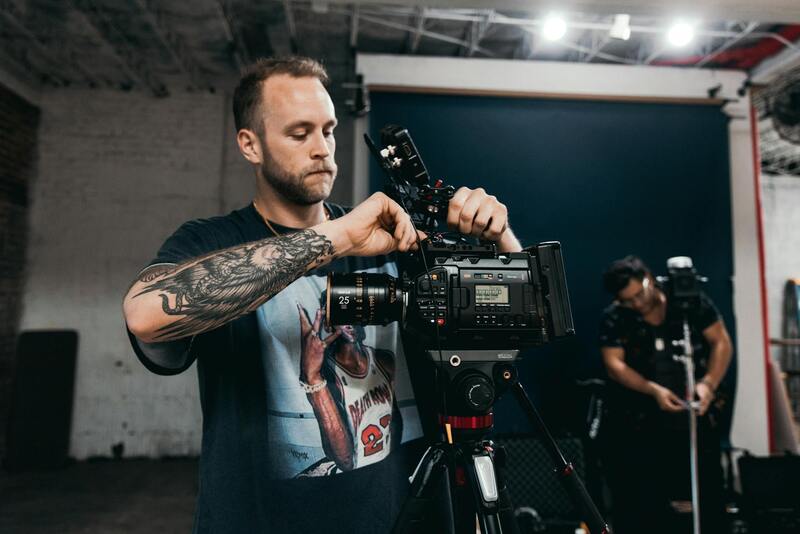
Ultimately, the combination of top-tier hardware and sophisticated software, coupled with a resilient network infrastructure, ensures a robust foundation for any live stream event. This setup allows content creators and event organizers to deliver visually compelling, technically flawless broadcasts that captivate audiences and uphold brand standards.
Technical Setup and Equipment
Implementing a professional live stream event hinges on a meticulously planned technical setup, which encompasses a diverse range of equipment designed to deliver high-quality video and audio. The backbone of any successful broadcast is the selection and arrangement of hardware optimized for live transmission. This setup typically involves multiple elements working in harmony to produce seamless content that resonates with viewers.
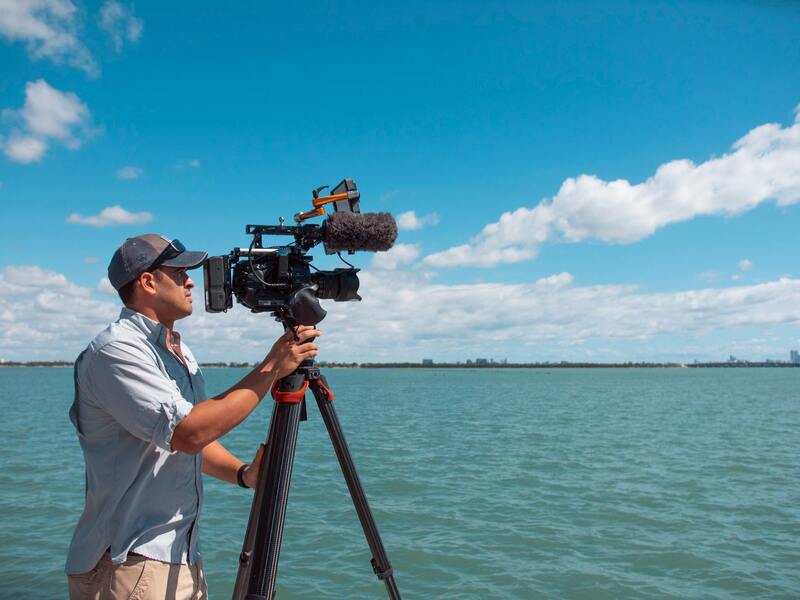
Top-tier cameras are essential, with options ranging from professional-grade camcorders to multi-camera rigs that allow for dynamic shots and smooth transitions. These cameras are mounted on tripods, jibs, or steadicams, ensuring stability and flexibility in capturing various angles. To maximize image quality, high-resolution lenses and proper lighting are critical, as poorly lit scenes can impair clarity and viewer experience.
Audio is equally crucial; clear sound transmission enhances engagement and ensures the message is effectively communicated. Condenser and dynamic microphones, paired with digital audio mixers, enable precise sound control, eliminate background noise, and provide balanced audio feeds. Wireless microphones are often employed for mobility and ease of use, especially in large venues or outdoor settings.
Lighting setups complement the visual infrastructure, with LED panels, softboxes, and portable lighting kits designed to illuminate subjects evenly and eliminate shadows. Proper lighting not only improves image clarity but also ensures consistent visual quality across different parts of the event venue, whether indoors or outdoors.
On the software front, live production tools integrate video feeds and manage content flow. Cutting-edge switching software allows producers to seamlessly alternate between multiple camera inputs, incorporate graphics, overlays, and other visual effects, thereby elevating the production quality. These platforms support real-time editing and multi-camera control, enabling a professional-grade broadcast that captivates audiences.
Security measures, including encrypted data streams and secure login protocols, are integrated into the setup to safeguard content integrity and prevent unauthorized access. When combined, these hardware and software elements create a resilient infrastructure capable of supporting complex live streaming operations, ensuring viewers receive a consistent, high-quality experience regardless of scale or complexity.

Ultimately, the synergy between premium equipment and sophisticated streaming platforms forms the foundation of a robust live broadcast setup. This combination guarantees that live events are transmitted smoothly, with exceptional visual and audio fidelity, reinforcing the professional image of the organizers and fostering a deeper connection with the audience.
Understanding Live Stream Event Services
Engaging a reputable live stream event company is essential for delivering a seamless and professional broadcast that meets the expectations of both organizers and viewers. These services encompass a comprehensive suite of solutions, including pre-event planning, technical setup, content management, and real-time support, ensuring that every aspect of the live broadcast operates flawlessly. A skilled live stream provider leverages cutting-edge technology, reliable equipment, and experienced personnel to guarantee high-quality audiovisual delivery, minimal downtime, and effective audience engagement. When selecting a live stream event company, it is crucial to evaluate their operational expertise, technological capabilities, and track record of managing similar scale events. Such partnerships not only enhance production value but also foster audience trust and satisfaction, reinforcing the credibility of the hosting organization.
Planning and Consultation
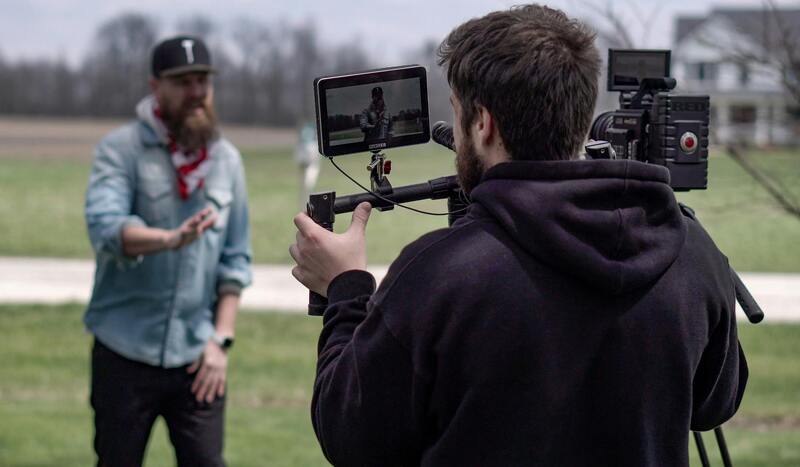
Successful live streaming begins with strategic planning and thorough consultation. A proficient live stream company collaborates with clients to understand the event's goals, target audience, and desired outcomes. This phase involves discussing key elements such as content format, preferred platforms, technical requirements, and logistical considerations. The consultation process helps identify potential challenges and develop tailored solutions that align with the event’s scope and objectives. In addition, the planning stage covers aspects like scheduling, talent coordination, and contingency procedures to mitigate technical disruptions. Establishing clear communication channels and setting expectations early on fosters a transparent working relationship, enabling the production team to prepare adequately and execute the event smoothly.
Technical Setup and Equipment
At the core of every successful live stream is a solid technical infrastructure. This involves deploying high-definition cameras, professional audio gear, and reliable streaming hardware capable of handling high data throughput. Modern live stream event companies utilize robust encoding devices that convert raw video signals into streams compatible with various distribution platforms. Redundant internet connections, such as bonded broadband or dedicated fiber optics, are often employed to guarantee continuous transmission, even in the event of network fluctuations. Advanced switching software is used to manage multiple camera feeds, insert graphics, and apply visual effects, elevating the broadcast quality. Adequate lighting setups are also critical to ensure clarity and consistency across different venue conditions. All these components are integrated into a cohesive system designed to minimize latency and maximize viewer engagement.
Content Production and Management
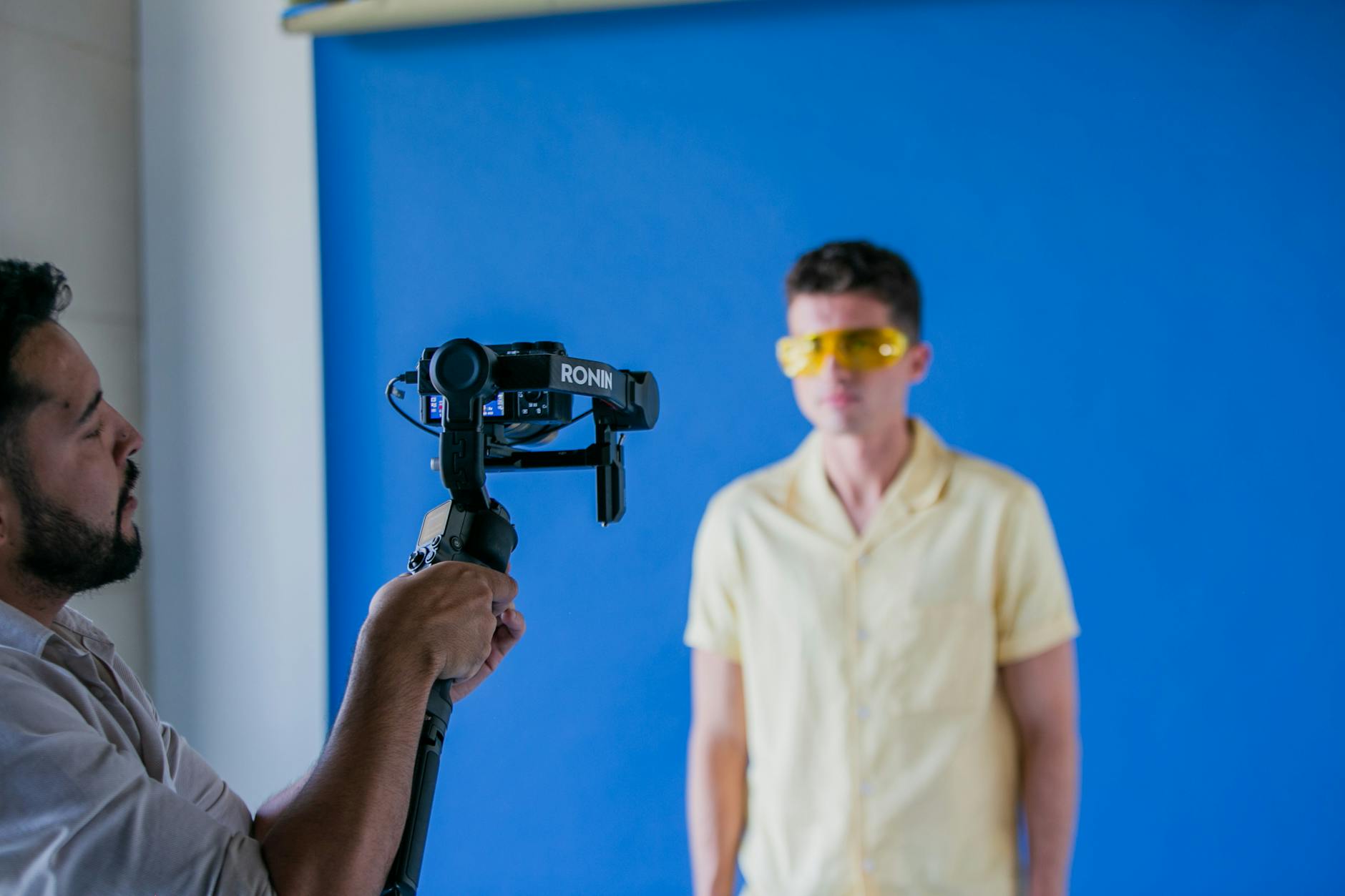
Effective content production is fundamental in delivering an engaging live stream. This involves meticulous coordination of multiple video feeds, graphics overlays, and audio channels. A dedicated production team manages live editing, ensuring seamless transitions, synchronized audio-visual elements, and real-time commentary. Additionally, managing content flow means scheduling segment transitions, incorporating interactive features such as polls or chat integrations, and monitoring audience response to adapt the broadcast dynamically. High-quality content management not only enhances viewer experience but also reinforces the professionalism of the event. Cloud-based production tools enable remote operators to oversee broadcast elements, allowing for flexibility and rapid adjustments. This stage demands technical expertise and creative finesse to produce a polished, compelling live presentation that resonates with viewers across diverse platforms.
Understanding Live Stream Event Services
Delivering a high-caliber live stream event requires an intricate combination of planning, technical expertise, and seamless execution. As specialists in live stream event services, companies like Miami Video Services offer comprehensive solutions tailored to meet the unique needs of each event, whether it is a corporate conference, music festival, or community gathering. These services start with an in-depth consultation to understand the scope, audience, and key objectives, shaping the technical approach and content strategy. Such partnerships ensure that every aspect of the stream aligns with the client’s vision while maintaining technical excellence.
Planning and Consultation
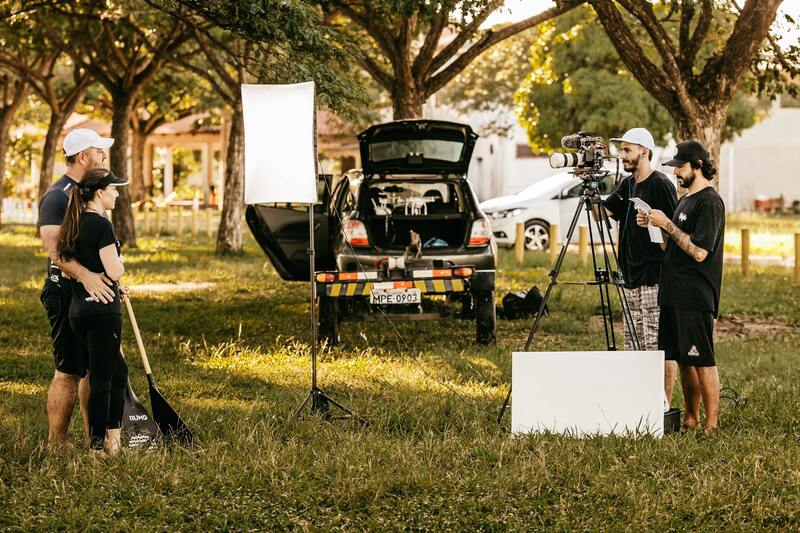
Successful live stream events rely on meticulous planning. During consultation phases, specialists conduct detailed assessments of the venue, expected audience size, and desired broadcast quality. They help determine optimal camera placements, signal routing, internet bandwidth requirements, and backup solutions to prevent disruptions. Clear communication and collaborative planning allow for an efficient deployment of resources, ensuring every technical element harmonizes with the event’s objectives. Strategic planning also entails developing contingency plans to accommodate unforeseen issues, such as network interruptions or equipment failures, thereby safeguarding the integrity of the broadcast.
Technical Setup and Equipment
The backbone of a professional live stream lies in the technical setup. This includes sourcing top-tier cameras capable of delivering crisp visuals, microphones for clear audio capture, and switching hardware to handle multiple video sources seamlessly. A robust, high-speed internet connection with dedicated bandwidth ensures stable streaming. Lighting setups are vital to achieve consistent image quality and highlight key moments or speakers. Additional equipment such as encoders, bandwidth management tools, and surge protectors further enhance reliability and performance. Integration of these components into a cohesive system minimizes latency and provides a smooth viewing experience for remote audiences.
Content Production and Management
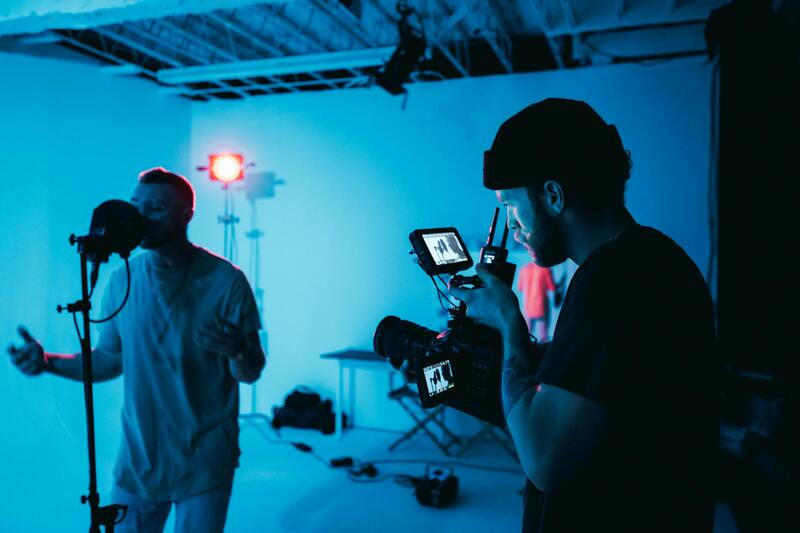
Once the technical foundation is in place, the focus shifts to content production. This involves live switching between camera feeds, managing graphics overlays, and coordinating audio channels to craft an engaging narrative. A professional production team oversees these elements in real-time, making smooth transitions, adding visual effects, and integrating interactive features like live chats or polls to boost viewer engagement. High-quality content management also entails scheduling segments, inserting pre-recorded videos or sponsor messages, and monitoring audience interactions for immediate adjustments. Cloud-based production tools facilitate remote management, allowing producers to operate seamlessly from anywhere and respond swiftly to live developments. The goal is to produce a polished, immersive broadcast that captivates viewers and reflects the event’s professionalism.
Streaming Platforms and Distribution
Choosing the appropriate streaming platform is a critical step in broad distribution. Companies like Miami Video Services provide guidance on platforms that best match the event’s audience and content type, whether it’s live on social media, corporate portals, or dedicated streaming sites. They handle the encoding, multi-platform streaming, and branding customization to ensure a consistent and engaging viewer experience across devices. Additionally, integrating analytics tools helps track viewer metrics, engagement levels, and geographical reach, providing valuable insights post-event. Proper platform selection and strategic distribution enhance exposure, maximize audience interaction, and ensure that the event’s impact extends beyond initial broadcasts, fostering ongoing community engagement and brand recognition.
Post-Event Services and Analytics
Effective post-event activities are crucial for maximizing the impact of your live stream. Recording the broadcast ensures you retain high-quality footage for future marketing, promotional use, or archival purposes. Post-event editing can enhance the overall presentation by trimming unnecessary segments, adding branding elements, and integrating highlights or behind-the-scenes content that appeals to your audience. Such edited versions serve as valuable assets for social media campaigns, website content, or future promotional materials.
Beyond content refinement, comprehensive engagement analysis plays a vital role in understanding audience behavior. Analytics tools integrated during the live stream provide detailed insights into viewer demographics, peak viewing times, geographic distribution, and interaction levels. These metrics help identify what resonated most with viewers and inform the strategy for upcoming events. For instance, understanding which segments generated the highest engagement allows for tailored content in future streams, enhancing viewer retention and satisfaction.
Reporting is equally important, providing stakeholders with clear, comprehensive summaries of key performance indicators. These reports often include data on viewer counts, audience engagement, social media interactions, and technical performance issues encountered during the broadcast. Such detailed analysis supports continuous improvement by highlighting strengths and pinpointing areas for technical or content-related adjustments.
Choosing the Right Miami Live Stream Company
Selecting a proficient live stream event company in Miami is fundamental to ensuring a seamless and professional broadcasting experience. When evaluating potential providers, consider their technical expertise, range of services, and their ability to customize solutions to match your event's specific goals. A reputable company will offer end-to-end support—from pre-event planning to post-event analysis—guaranteeing consistent quality at each stage.
It's also imperative to assess their experience with different event types, whether corporate conferences, sports tournaments, concerts, or community gatherings. An established Miami-based live stream company will demonstrate a track record of successful projects, backed by positive client feedback and case studies. Their familiarity with the latest streaming technologies and platforms ensures your broadcast benefits from high-definition video, reliable encoding, and adaptive streaming capabilities that cater to varying internet speeds and devices.
Furthermore, a top-tier provider should have a dedicated support team accessible during the event to troubleshoot issues swiftly, minimizing disruptions. They should also offer consultation services to tailor the streaming strategy, recommend optimal platform choices, and assist with content management workflows. This comprehensive approach ensures your event's broadcast reflects your organization’s professionalism, creativity, and commitment to engaging your audience effectively.
Understanding Live Stream Event Services
In the dynamic landscape of modern event marketing and communication, live stream event companies have become essential partners for organizations seeking to reach broader audiences. These specialized service providers facilitate real-time broadcasting of events, ensuring content is delivered seamlessly across multiple digital platforms. Comprehensive live stream services encompass a range of solutions from initial planning and technical setup to content management and post-event analytics.
Engaging a professional live stream event company guarantees that every aspect of your broadcast upholds the highest standards of quality and reliability. This includes high-definition video capture, professional sound engineering, multi-camera setups, and robust encoding processes. The goal is to deliver an engaging viewing experience that captures the essence and energy of your event while accommodating viewers on diverse devices and networks.
Planning and Consultation
Effective live streaming begins with thorough planning and expert consultation. Service providers collaborate closely with clients to understand the event’s objectives, target audience, and key messaging. This phase involves defining technical requirements, identifying suitable streaming platforms, and developing a comprehensive broadcast plan.
Consultants recommend optimal layouts for on-camera presentation, suggest suitable streaming encoders, and outline the necessary internet bandwidth requirements. They also advise on interactivity features such as live polls, Q&A sessions, and integration with social media to boost viewer engagement. Establishing clear communication channels and contingency plans during this phase ensures that the live stream proceeds smoothly without unforeseen disruptions.
Technical Setup and Equipment
The backbone of any successful live stream event is the technical setup, which includes professional-grade equipment tailored to match event size and complexity. High-definition cameras, audio mixers, professional microphones, and multi-view switching consoles are typically employed to produce a polished broadcast. Reliable internet connectivity—often facilitated via dedicated fiber optic lines—guarantees stable streaming conditions.
Additional hardware such as mobile streaming units or flypacks can be utilized for on-site flexibility, especially in outdoor or unconventional venues. The deployment of backup systems ensures continuous operation even in the event of equipment failure or network issues, maintaining a high standard of broadcast stability.
Content Production and Management
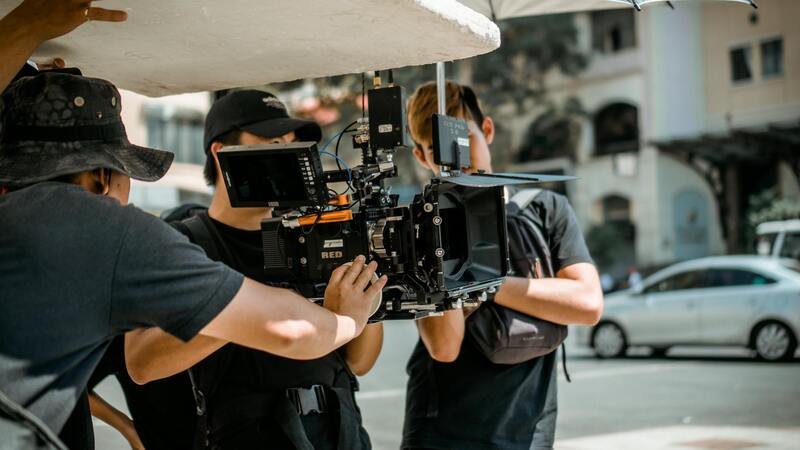
Managing content during a live event involves real-time coordination between camera operators, producers, and technical staff. Skilled production teams oversee the multi-camera feeds, graphic overlays, video switching, and audio levels to produce an engaging broadcast. They also handle picture-in-picture presentations, interviews, and multimedia integration to enrich the viewing experience.
Pre-event rehearsal sessions are critical for fine-tuning technical workflows and ensuring that on-camera talent and hosts are confident in their segments. Content management extends to live titling, branding, and incorporating multimedia elements that align with the organization’s messaging and visual identity.
Streaming Platforms and Distribution
Choosing the right distribution channels is key to maximizing audience reach. Top live stream event companies leverage popular platforms such as YouTube, Facebook, Vimeo, or specialized enterprise solutions depending on the event’s nature and target demographic. These platforms provide scalable streaming solutions that support high traffic volumes with minimal latency.
Cross-platform streaming, also known as simulcasting, increases visibility and engagement by broadcasting simultaneously across multiple channels. Custom embedding options and secure access controls can also be implemented to restrict viewership to specific audiences or members.
Real-Time Monitoring and Support
During the live event, continuous monitoring of streaming quality and viewer engagement metrics allows operators to promptly address any technical issues. Dedicated support teams are on standby to troubleshoot problems, adjust streaming parameters, or switch to backup feeds if necessary. This proactive approach minimizes disruptions and maintains a professional broadcast experience.
Interactive tools such as real-time chat moderation and viewer analytics help organizers gauge audience response and tailor ongoing content delivery accordingly. The ability to implement instant content adjustments enhances the overall impact of the event.
Post-Event Services and Analytics
After the live broadcast concludes, comprehensive post-event services include content archiving, on-demand video availability, and detailed analytics reporting. Insights derived from viewer data, engagement rates, and platform performance inform future event strategies and content optimization.
Feedback collection from attendees and stakeholders enables continuous improvement. Edited highlight reels, summaries, and follow-up communications extend the event’s reach beyond the live broadcast, strengthening ongoing engagement and brand visibility.