Overview of Webcasting Services
Webcasting has become an essential tool for delivering live content across digital platforms, connecting audiences in real time regardless of geographical barriers. This technology involves streaming audio and visual media directly over the internet to a remote audience, facilitating immediate engagement and interaction. As organizations increasingly rely on virtual events—from corporate meetings and product launches to educational seminars and community gatherings—selecting the right webcasting service is vital for ensuring smooth delivery and high-quality viewer experience.
The advantages of webcasting extend beyond mere broadcast capability. It offers cost-effective solutions for reaching larger audiences without the need for physical venues, reducing logistical expenses and environmental impact. Additionally, webcasting provides valuable data insights by tracking viewer engagement, which can inform future content strategies. For businesses, these services support brand promotion, customer outreach, and internal communication, making them an indispensable part of modern communication strategies.

Implementing a successful webcast requires more than just a good internet connection; it involves selecting appropriate platforms and ensuring compatibility with production equipment. The advancement of digital technology has democratized access to streaming solutions, with numerous free webcasting services emerging to serve diverse organizational needs. These platforms typically offer features such as customizable video players, chat functions, and analytics, making them valuable tools for entities looking to maximize their online outreach at minimal costs.
For organizations, especially those just starting out or operating with limited budgets, free webcasting services serve as a practical entry point. They enable content dissemination without the financial commitment associated with premium services. Nevertheless, choosing suitable services involves careful consideration of factors like maximum viewer capacity, video quality, ease of use, and available support. As organizations grow, these preliminary solutions often provide a foundation before transitioning to more advanced, paid platforms offering expanded capabilities.
Integration with Production Equipment and Platforms
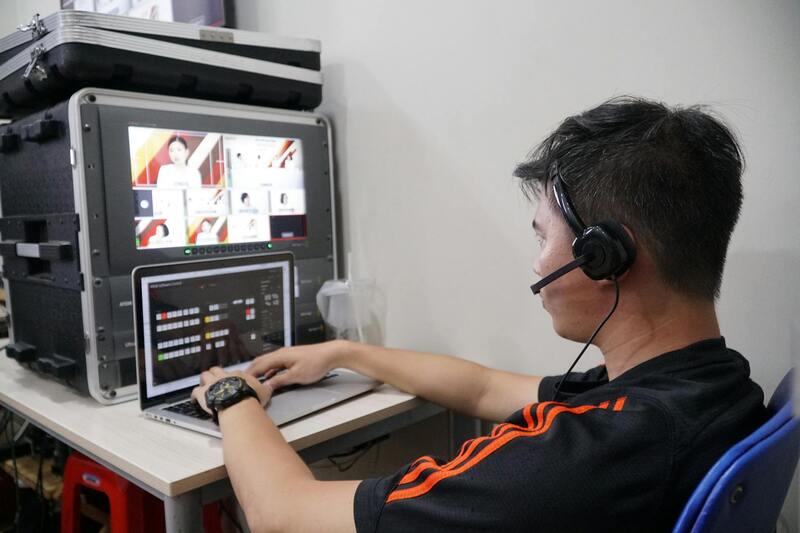
Effective webcasting hinges on seamless integration with existing production tools and platforms, ensuring broadcast quality and operational efficiency. Many free webcasting services support integration with popular devices such as webcams, smartphones, and professional cameras. Compatibility with streaming hardware, including encoders and switchers, is essential for organizations aiming for higher production value. Platforms offering open APIs or straightforward interfaces facilitate syncing with third-party software like live editing tools and scheduling systems, streamlining the production workflow and reducing setup times.

Additionally, most free services are compatible with major streaming platforms and content management systems, enabling organizations to embed live streams into their websites or social media channels effortlessly. While free options provide foundational capabilities, organizations requiring advanced integrations—such as multi-stream broadcasting or dynamic overlays—may need to explore paid solutions. Nevertheless, initial integration primarily involves checking that the selected webcasting service supports the organization’s existing equipment and software environment, ensuring a hassle-free streaming experience.
Legal and Security Considerations
When utilizing free webcasting services, attention should be given to legal and security features to safeguard content and audience data. These platforms often have their own terms of service which govern content rights, privacy policies, and compliance standards. Ensuring that the chosen service encrypts data transmissions protects against unauthorized access and eavesdropping during live streams.
Secure login procedures, user authentication, and access controls are typical features to look for, especially when streaming sensitive or proprietary content. Transparency about data collection and consent also plays a significant role in maintaining trust with viewers. For public events, integrating clear disclaimers and acceptable use policies into the broadcast can help prevent misuse or copyright infringements.

Furthermore, organizations should verify whether the service offers copyright protection measures, such as content monitoring or digital rights management (DRM), to prevent unauthorized redistribution. While free services may have limitations in these areas, choosing platforms with robust security protocols ensures the integrity of the broadcast and compliance with content ownership rights.
Maximizing Engagement with Free Webcasting
Engagement is critical to the success of any webcast. Free webcasting platforms often provide built-in features to enhance viewer interaction, such as live chat, polls, and Q&A sessions. Leveraging these tools encourages real-time participation, fostering a sense of community and connection with the audience.
Another effective strategy involves pre-event promotion through social media and email campaigns to maximize attendance. During the broadcast, incorporating multimedia elements such as slideshows, on-screen graphics, and multimedia overlays can maintain viewer interest. Post-broadcast, analyzing viewer data and feedback helps refine future streaming strategies, ensuring ongoing improvement and audience retention.
Optimizing the user experience by ensuring playback compatibility across devices—desktop, tablet, and mobile—is also essential for reaching a broader audience. Clear, concise communication and consistent branding throughout the webcast contribute to a professional appearance that enhances viewer trust and engagement.
Integration with Production Equipment and Platforms
Effective webcasting depends significantly on how well your streaming platform integrates with existing production equipment and digital platforms. Many free webcasting services support a range of hardware inputs, such as cameras, microphones, and encoders, ensuring that users can achieve professional-quality broadcasts without investing in costly equipment.
Compatibility with common streaming software and hardware solutions is crucial. Ideally, the chosen platform should seamlessly connect with popular tools like OBS Studio, Streamlabs, or vMix, which enable custom overlays, multiple camera angles, and audio mixing. These integrations allow producers to create a dynamic and engaging viewing experience, elevating the webcast beyond simple video streaming.
Moreover, integration with content management systems, social media platforms, and email marketing tools can streamline the distribution process. For instance, scheduling notifications and sharing live links across multiple platforms increases event reach and audience participation. Some free services also support dual streaming—simultaneously broadcasting to multiple destinations—broadening exposure without additional costs.
Ensuring technical compatibility involves verifying connection stability, bandwidth requirements, and system resource utilization. Conducting test runs before the live event is an essential step to troubleshoot potential issues and fine-tune the setup. When chosen carefully, platforms that support integration with high-quality production gear enable organizations to deliver broadcasted content that looks and sounds professional, fostering trust and credibility among viewers.

Legal and Security Considerations
Transparency about legal responsibilities and security features is critical when utilizing free webcasting services. While not explicitly referencing legal compliance, understanding how these platforms handle content rights and data privacy is essential for a smooth streaming experience.
Most reputable free streaming services implement content filters and copyright protection tools to prevent unauthorized redistribution. These measures help creators safeguard their material and maintain control over who can access and share their content. Features such as encryption, secure login processes, and access controls further ensure that content remains protected from unauthorized viewing or recording.
Data security should also be a top priority. Platforms often implement SSL encryption, secure server infrastructure, and regular security audits to protect user data and prevent breaches. When selecting a free webcasting service, organizations should review user agreements and privacy policies to understand how their data is stored and used.
Another aspect to consider involves moderation tools and reporting functionalities which help manage live chat and user interactions. Effective moderation prevents inappropriate comments and maintains a professional environment during broadcasts. By sticking to platforms with these security and moderation features, organizations can deliver a safe, reliable, and high-quality webcast experience that upholds brand integrity and respects audience privacy.

Legal and Security Considerations
When utilizing free webcasting services, ensuring the security of your content and viewer data is paramount. Many of these platforms incorporate advanced encryption protocols to safeguard live streams from unauthorized access and interception. Implementing SSL (Secure Sockets Layer) encryption creates a secure connection between the broadcasting source and viewers, protecting sensitive information from potential cybersecurity threats.
Furthermore, reputable free webcasting platforms often include access control features. Content creators can manage who can view their streams through login authentication, unique access links, or token-based verification systems. These tools help curate the audience and prevent unauthorized sharing of live content.
Data privacy policies are equally important. Platforms should comply with standard privacy practices, ensuring that user information—such as login credentials and engagement data—is stored securely and used responsibly. Regular security audits and updates are indicative of a platform's commitment to maintaining a safe broadcasting environment.

Another crucial aspect involves moderation tools that help manage interactions during live streams. Features like real-time comment filtering, user reporting, and automated moderation help maintain a respectful and professional broadcast atmosphere. These tools prevent disruptions, mitigate spam, and uphold the quality of the viewing experience.
Organizations should also familiarize themselves with platform-specific terms of service and content policies. Adhering strictly to these guidelines ensures that broadcasts remain compliant with platform standards and avoid disruptions due to content violations.
Maximizing Engagement with Free Webcasting
Creating an engaging live webcast requires more than just streaming content; it involves interactive features that foster viewer participation. Utilizing chat functions, live polls, and Q&A sessions within free webcasting platforms can significantly enhance viewer involvement. These tools enable real-time interaction, making the audience feel connected and valued.
Clear audio and high-quality visuals are vital for retaining viewer interest. Many free platforms support HD streaming and audio enhancements, which elevate the overall viewing experience. Incorporating multimedia elements such as slides, videos, and graphics can make broadcasts more dynamic and informative.
Promotion is essential. Sharing upcoming streams via social media, email campaigns, or embedded website links can increase viewer turnout. Leveraging platform’s built-in sharing tools and embedding options helps expand reach without additional costs.

Additionally, analyzing viewer metrics—such as viewer count, engagement levels, and feedback—can inform future content strategies. Most free platforms provide basic analytics to help content creators optimize their broadcasts and better understand audience preferences.
Limitations and Upgrades for Growth
While free webcasting services offer a valuable starting point, they often come with limitations. These may include restrictions on streaming duration, bandwidth, or the number of simultaneous viewers. Additionally, advanced customization options, branding controls, and higher quality streaming may not be available at no cost.
To support growth, many organizations consider upgrading to paid plans offered by the platform or integrating additional tools for customization and scalability. Premium features typically include increased storage, dedicated support, advanced analytics, and enhanced security measures.
Strategic planning for future expansion might involve combining free services with paid solutions or utilizing multiple platforms to reach broader audiences. Selecting a platform that offers flexible upgrade options ensures seamless scaling as your webcast needs evolve.
Legal and Security Considerations
When utilizing free webcasting services, understanding the frameworks that safeguard content and uphold platform integrity is essential. Content creators should familiarize themselves with the platform’s policies surrounding intellectual property and privacy to ensure that all shared materials comply with relevant guidelines. Many services implement automatic content filtering to prevent unauthorized distribution of copyrighted material, reducing the chance of content removal or account suspension. Security protocols are equally important to safeguard streams from malicious attacks such as hacking, unauthorized access, or data breaches. Encrypted streaming channels help protect viewer data and prevent interception of content during transmission. It’s advisable to verify the platform's encryption standards and data protection measures before broadcasting sensitive or proprietary information. In addition, securing personal or organizational accounts includes enabling two-factor authentication, regularly updating passwords, and managing user access permissions. These steps mitigate risks associated with unauthorized account access and ensure that streaming activities remain controlled. Furthermore, moderators or hosts should establish clear guidelines for viewer conduct to minimize disruptive interactions. Many platforms offer moderation tools, such as automatic spam filtering and comment moderation queues, which enhance the safety of live interactions. For broadcasters handling sensitive content or requiring high-security standards, considering additional layers of protection such as VPNs or dedicated secure streaming environments can be beneficial. This approach ensures that streaming workflows remain resilient against potential cyber threats while maintaining an optimal viewer experience. Lastly, compliance with regional broadcasting regulations, including those related to data privacy laws, is crucial. Staying informed about local requirements not only helps avoid possible issues but also demonstrates a commitment to responsible content management.
Integration with Production Equipment and Platforms
Effective integration of free webcasting services with production equipment and additional digital platforms enhances the overall quality and reach of live broadcasts. Compatibility with various hardware such as professional cameras, microphones, and streaming encoders is essential to ensure high-definition video and clear audio. Many platforms support standard protocols like RTMP (Real-Time Messaging Protocol), allowing seamless connectivity with popular broadcast hardware and software.
Additionally, integration with content management systems (CMS), social media networks, and email marketing tools can significantly expand the broadcast’s visibility. For instance, broadcasting simultaneous streams to multiple platforms like social media channels increases audience engagement and helps grow the viewer base organically. It’s advisable to choose services that offer multi-streaming capabilities (also known as simulcasting) without additional cost or complex setup.
Automation tools such as scheduling and live event management features streamline the broadcasting process, especially when handling multiple segments or sessions. Advanced integrations can also include real-time analytics for tracking viewer engagement metrics like peak concurrent viewers, geographic distribution, and average watch time. These insights inform future content strategies and help tailor live events to audience preferences.

For organizations seeking to optimize workflows, compatibility with streaming management software such as OBS Studio, Wirecast, or vMix is crucial. These tools provide enhanced control over production elements, including overlays, multi-camera switching, and real-time graphics. Ensuring that the chosen webcasting service aligns with these tools allows for a more polished and professional presentation.
Another critical aspect is network infrastructure. Reliable high-bandwidth internet connections, preferably wired Ethernet, reduce the risk of interruptions and ensure stable streams. Many services also offer adaptive bitrate streaming, which dynamically adjusts video quality based on network conditions, maintaining playback continuity even with fluctuating bandwidth.
Security Measures During Integration and Streaming
Security remains a priority during the integration process. Utilizing secure protocols such as HTTPS and RTMPS (secure RTMP) encrypts data transmitted during live broadcasts, safeguarding content from interception. Additionally, implementing access controls and password protections further restrict unauthorized viewing. Regularly updating firmware and software associated with streaming equipment helps patch vulnerabilities and maintain compatibility with evolving security standards.
Vetting third-party plugins and integrations for trusted developers reduces the risk of malicious code or vulnerabilities. Access logs and audit trails provide accountability, allowing organizers to monitor and respond swiftly to any suspicious activity during transmissions.

Legal and Security Considerations
When utilizing free webcasting services, it is essential to adopt robust security practices to protect content and viewer information. Many reputable platforms employ encryption protocols like HTTPS and RTMPS to ensure that live streams are transmitted securely, preventing data breaches and unauthorized access. These protocols encrypt data during transmission, securing sensitive content from interception by malicious entities.
Implementing access controls is another vital security measure. Password protection, token-based authentication, and restricted stream URLs limit access to authorized viewers, reducing the risk of content leakage. Additionally, configuring user permissions ensures only designated personnel can initiate or modify live streams, maintaining control over broadcast integrity.
Regular updates to streaming hardware, software, and platform plugins are critical, as they contain patches for known vulnerabilities. By staying current with updates, broadcasters minimize the likelihood of exploits that could compromise the entire streaming setup.
Audit trails and detailed logs offer valuable oversight, providing transparency into streaming activities. These logs can help identify suspicious activities or unauthorized access attempts in real-time, enabling quick response and mitigation measures. Many legitimate platforms also employ multi-factor authentication to further reinforce account security.

Understanding the limitations of free webcasting platforms is equally crucial. While these services often provide essential features at no cost, they may have constraints such as bandwidth caps, limited viewer capacities, or restrictions on branding and customization. As demand grows or if the broadcast requires advanced features like multi-camera switching, analytics, or monetization, transitioning to paid plans becomes a strategic consideration.
For organizations planning long-term or large-scale events, evaluating potential upgrades is advisable. Paid plans typically offer enhanced security, priority support, higher bandwidth allocations, and advanced streaming capabilities, which can significantly improve the quality and reliability of broadcasts.
Maintaining a focus on security and strategic planning ensures that free webcasting services serve as a reliable foundation. As content demands evolve, a proactive approach in adopting additional security layers and exploring upgrade options can facilitate seamless, professional-grade live streams that meet audience expectations and organizational goals.
Maximizing Engagement with Free Webcasting
Engagement remains a critical component of successful live broadcasting, especially when relying on free webcasting services. To effectively connect with viewers and foster interaction, content creators and organizations should leverage the interactive features available within these platforms. Tools such as live chat, Q&A modules, and real-time polls enable audiences to participate actively, creating a dynamic viewing experience that encourages longer watch times and repeat viewership.
To optimize engagement, broadcasters should focus on the following strategies:
- Audience Interaction: Incorporate interactive elements like live questions or polls during the stream. This not only keeps viewers attentive but also allows content creators to gather immediate feedback.
- Consistent Branding: Ensure that your broadcast maintains visual consistency with your organization's branding, including logos, color schemes, and overlays. Most free platforms offer basic customization options that can help reinforce brand recognition.
- Quality Content Delivery: Maintain high production standards within the platform's capabilities. Clear audio, stable video, and engaging presentation styles can significantly elevate viewer experience.
- Promotion and Outreach: Before going live, promote the event across social media channels and email lists. Providing viewers with a schedule or preview builds anticipation and maximizes participation.
- Utilize Analytics: Many platforms offer basic insights into viewer behavior, such as peak viewership times and geographical locations. Use this data to refine future broadcasts and tailor content to audience preferences.

In addition to these tactics, fostering a community atmosphere during broadcasts can lead to increased loyalty and word-of-mouth promotion. Encouraging viewers to share the stream and participate actively transforms a passive viewing experience into a collaborative event, thereby expanding reach organically without additional costs.
It is also important to moderate live interactions carefully. Implementing moderation tools or appointing a dedicated team member ensures that interactions remain professional and positive, safeguarding the broadcast environment and maintaining the organization's reputation.
Overall, maximizing engagement with free webcasting services involves a combination of interactive strategies, quality presentation, proactive promotion, and community building. While these tools are accessible at no cost, their effective use can significantly enhance the reach, impact, and perceived professionalism of your live streams.