Understanding Event Live Stream Services
Event live stream services have become integral to the execution and reach of modern events, offering an effective way to broadcast live content to a global audience through internet platforms. These services enable organizers to share key moments of corporate meetings, conferences, concerts, ceremonies, and community gatherings in real-time, creating opportunities for increased engagement and broader visibility. Particularly for events held in Miami, a vibrant hub for cultural, corporate, and entertainment activities, leveraging professional live streaming solutions is crucial for amplifying event impact and accessibility.
At the core, reliable event live stream services involve high-quality video transmission equipment, dedicated streaming platforms, and experienced technical support. Professional providers ensure that streams are smooth, high-definition, and resilient against common technical issues, such as connectivity disruptions or audio-visual mismatches. This seamless experience is vital for maintaining audience engagement and ensuring the content’s message is communicated effectively across various devices and internet speeds.
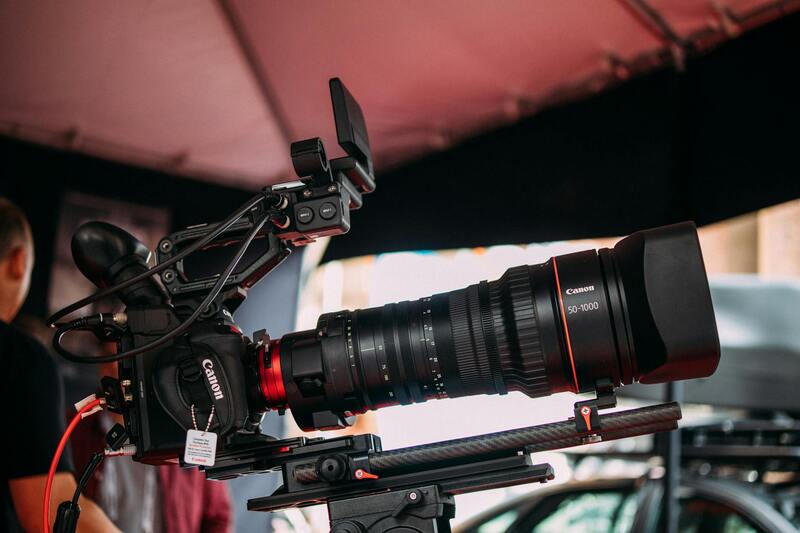
In the Miami region, the demand for such services reflects the city’s diverse event landscape — from large-scale festivals and sports events to corporate summits and educational symposiums. Live streaming allows organizers to extend their reach beyond physical attendance, offering viewers a chance to participate from anywhere, at any time. As digital engagement continues to grow, integrating live stream services into event planning has moved from optional to essential for successful execution and maximum impact.
Implementing robust live stream solutions involves strategic planning, selecting the right technology providers, and ensuring proper technical infrastructure. This includes stable internet connectivity, high-definition cameras, professional audio equipment, and reliable streaming platforms that support scalable audience sizes. Engaging with experienced service providers who understand the nuances of live event broadcasting in Miami ensures that the content delivery remains professional and compelling, ultimately enhancing the event’s reputation and legacy.

As the landscape of event hosting evolves, so does the importance of credible, high-quality live streaming services. For Miami’s bustling event scene, these services play a pivotal role in maximizing engagement, creating inclusive experiences for remote attendees, and expanding the reach beyond physical confines. Understanding the fundamentals of event live stream services provides a foundation for selecting the best solutions tailored to specific event needs, ensuring a successful and impactful broadcast every time.
Understanding Event Live Stream Services
As organizations and event planners seek to broaden their reach, the importance of reliable and high-quality event live stream services becomes evident. These services serve as a bridge, connecting remote audiences with live event experiences seamlessly. They encompass a range of solutions that facilitate real-time broadcasting, ensuring viewers receive crisp visuals and clear audio, no matter their location.
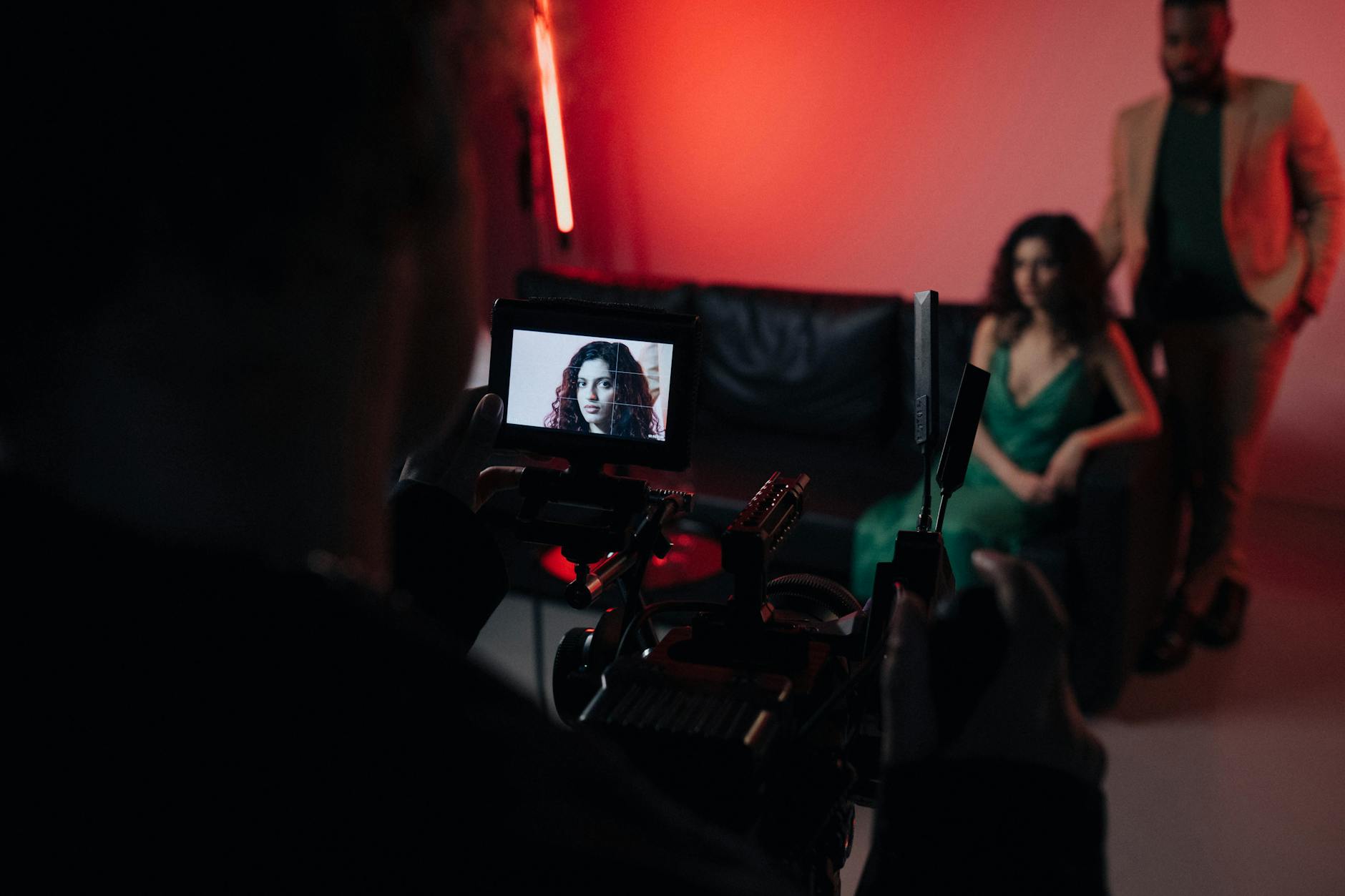
Integral to successful live streaming is a combination of advanced technology, skilled technical support, and strategic planning. Service providers focus on delivering extensive camera coverage, professional-grade audio, and resilient streaming platforms that accommodate fluctuating viewer numbers. In Miami’s vibrant event landscape, selecting a trusted live stream partner is crucial for maintaining professional standards and delivering engaging viewer experiences.
Effective live streaming encompasses several core components:
- High-Definition Video Transmission: Ensuring the broadcast is visually sharp and detailed, enhancing viewer engagement.
- Multi-Camera Setups: Offering various perspectives and dynamic angles to capture the event comprehensively.
- Reliable Internet Infrastructure: Establishing robust network connections to prevent streaming interruptions.
- Audio Clarity: Using professional microphones and sound equipment to deliver clear and balanced sound.
- Platform Integration: Compatibility with multiple streaming platforms for easy access and sharing.
- Technical Support: On-site expertise to manage equipment, troubleshoot issues, and ensure smooth transmission throughout the event.
Partnering with experienced service providers who understand the intricacies of live event broadcasting in Miami allows organizers to focus on content delivery while ensuring technical excellence. These providers also help tailor solutions to meet specific event needs, ranging from small corporate meetings to large-scale festivals or conferences.
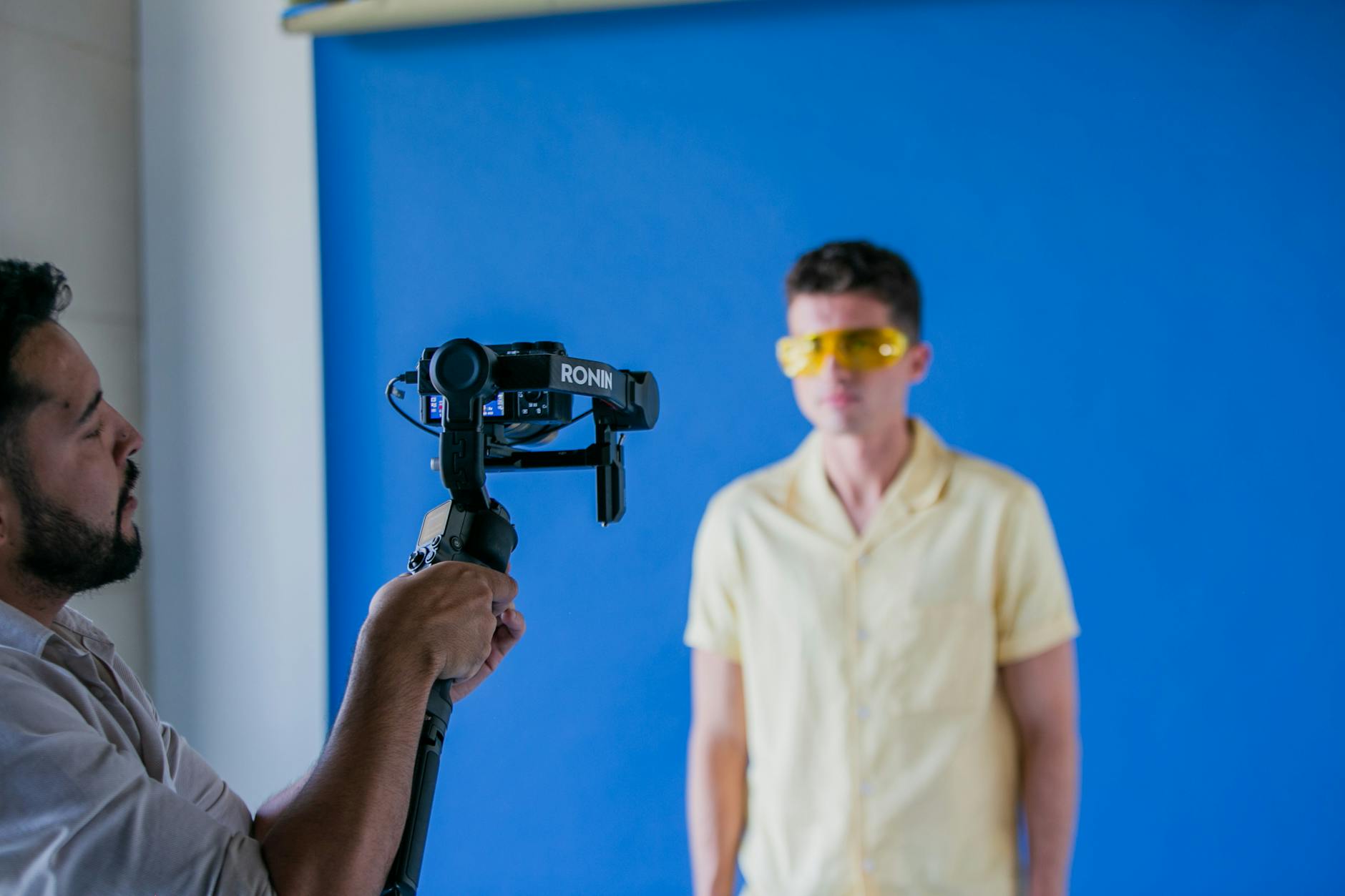
Choosing the right live streaming service involves assessing your event’s scale, audience expectations, and logistical requirements. For Miami-based events, local providers often possess valuable knowledge of the regional infrastructure and audience preferences, which translates into more tailored and effective streaming solutions.
Successful implementation of live streaming services hinges on thorough planning, high-quality equipment, and the collaboration of skilled technicians. When these elements align, the event can engage broader audiences, foster transparency and inclusivity, and amplify its overall impact. As the demand for digital engagement continues to rise, integrating top-tier live stream services remains essential for creating memorable and far-reaching event experiences.
Technical Requirements and Setup
Executing a successful live stream demands meticulous planning of technical requirements and setup to ensure seamless transmission. A foundational aspect involves high-quality video and audio equipment. This includes professional-grade cameras capable of capturing multiple angles, steady tripods or stabilization rigs, and clear audio sources such as lapel or shotgun microphones. The choice of encoding hardware or software plays a vital role in compressing the video feed efficiently without compromising quality, facilitating smooth streaming experiences.
Networking infrastructure constitutes a critical component of the setup. Dedicated, high-bandwidth internet connections are essential to handle the data load generated by a live broadcast. Redundant internet sources or backup connections are advisable to prevent interruptions due to connectivity issues. Additionally, network security measures such as firewalls and encryption help safeguard the stream against unauthorized access or interference.
Audio mixing consoles and surround sound systems may be utilized for events where audio fidelity is paramount. Moreover, adequate lighting enhances video clarity, especially in indoor settings. For larger venues, multiple cameras and switchers are employed to broadcast different angles, which are seamlessly switched during the event to keep the audience engaged. Achieving optimal broadcast quality also involves configuring streaming software that encodes and transmits the video feed effectively, supports multiple platform integrations, and offers real-time monitoring capabilities.
On-site technical support teams play a pivotal role by managing equipment setup, conducting tests ahead of the event, and troubleshooting any issues during the broadcast. Their expertise ensures all devices operate in harmony, minimizing the risk of technical glitches that could disrupt the viewer experience. Planning includes establishing ingress and egress points for cables, setting up power supplies, and ensuring all technical components synchronize for a cohesive live stream. Prior rehearsal sessions are invaluable for identifying potential challenges and making necessary adjustments in advance.
In summary, the setup phase encompasses a comprehensive array of equipment, robust network infrastructure, specialized software, and skilled personnel. Properly managing these elements guarantees a professional, uninterrupted live stream that maximizes audience reach and engagement, making all efforts invested worthwhile.
Technical Requirements and Setup
Implementing a professional live stream for your event demands meticulous attention to technical details. The foundation begins with high-quality hardware components, including reliable cameras capable of broadcasting in HD or higher resolutions to ensure clarity and visual appeal. Combining multiple camera angles can enrich the viewing experience, especially for large or complex events. A robust audio system, such as wireless microphones, mixers, and high-fidelity speakers, is essential to deliver crisp, clear sound to remote viewers, matching the onsite experience.
Equally important is establishing a strong and stable internet connection. Streaming at high quality requires upload speeds that can handle significant data throughput without interruptions. Fiber optic connections are preferred due to their speed and consistency, though high-capacity wireless solutions can serve as backups if properly configured. Network infrastructure should be tested extensively prior to the event to identify potential bottlenecks or issues.
Essential Equipment Checklist
- High-definition cameras with pan-tilt-zoom (PTZ) capabilities
- Video encoders to compress and transmit live feeds
- Professional audio equipment, including microphones and mixers
- Streaming software compatible with various platforms
- Reliable internet connectivity solutions
- Backup power supplies and surge protectors
- Monitoring devices for real-time quality checks
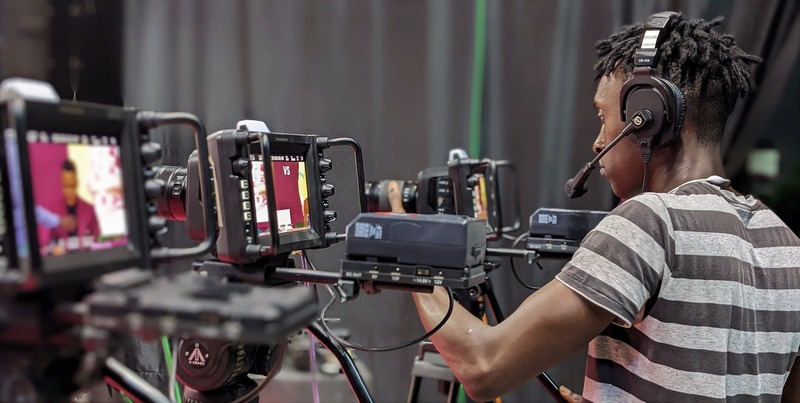
Each of these components must be integrated seamlessly, with synchronization between video and audio feeds managed through dedicated hardware or software. Pre-event rehearsals are critical to test the entire setup, identify potential points of failure, and conduct troubleshooting to resolve issues. Technical staff, including engineers and operators, should be present during the event to monitor signal integrity, troubleshoot live issues, and make adjustments as needed.
Configuring Streaming Software and Platforms
The choice of streaming software influences the flexibility and professionalism of the broadcast. Software solutions should support multi-platform streaming, enabling delivery across popular services such as Facebook Live, YouTube Live, and custom RTMP endpoints. Advanced features like multi-camera switching, graphic overlays, and real-time chat moderation enhance viewer engagement and provide a polished appearance.
In addition, stream management tools help monitor quality metrics like bitrate, latency, and viewer count, allowing operators to address potential issues proactively. Configurations should include automated recording functions, enabling content to be archived for later distribution or analysis.
Implementing Redundancies and Backup Plans
To mitigate risks associated with technical failures, redundancy strategies are essential. This can involve having backup internet connections, duplicate audio and video sources, and failover servers ready to take over in case primary systems fail. Clear operational protocols need to be established, detailing roles and responses in the event of disruptions. Regular testing of backup systems ensures they are functional and ready to deploy if necessary.
Understanding Event Live Stream Services
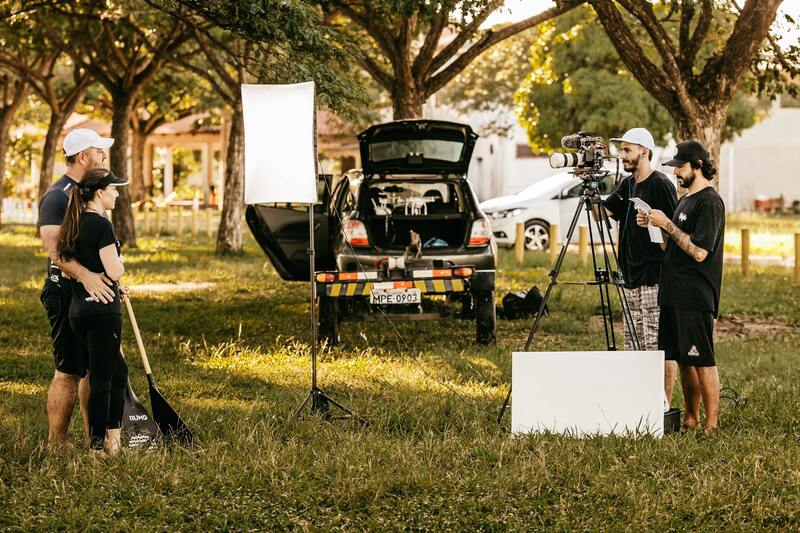
Event live stream services are specialized platforms that enable organizations, businesses, and individuals to broadcast live video content to remote audiences over the internet. These services facilitate real-time communication and engagement, making it possible to reach viewers across different geographic locations without the need for physical presence. Live streaming has evolved into a vital tool for various event types, including conferences, concerts, seminars, product launches, and community gatherings, offering transformative opportunities for audience interaction and content dissemination.
Modern event live stream services are designed with scalability and reliability in mind, ensuring seamless broadcasting regardless of event size or complexity. These platforms typically support multi-camera setups, high-definition video output, and multi-stream delivery to multiple platforms simultaneously. They also integrate functionalities such as live chat, viewer analytics, and interactive polls, which enhance viewer engagement and provide valuable insights for organizers.
Key Features of Event Live Streaming Platforms
Effective live streaming platforms share several core features that facilitate professional-quality broadcasts. These include:
- Multi-platform distribution: The ability to broadcast to various online channels like social media platforms, corporate websites, or custom streaming players simultaneously.
- High-definition video support: Ensures the content is crisp and clear, which is essential for maintaining viewer interest and providing a professional appearance.
- Real-time viewer engagement tools: Features such as live chat, Q&A, and polls foster interaction, making the event more dynamic and participative.
- Reliable bandwidth and adaptive streaming: Platforms dynamically adjust quality based on viewer internet speed, minimizing buffering and disruption.
- Analytics and reporting: Focused data collection on viewer behavior, engagement levels, and Geographic insights help refine future event strategies.
- Security and access control: Options such as password protection, geo-restrictions, and encrypted streams safeguard content integrity and control distribution.
Types of Events Suitable for Live Streaming
Numerous event formats benefit significantly from live streaming, particularly when targeting broad or remote audiences. These include:
- Corporate events: Annual general meetings, product launches, and training sessions can reach stakeholders worldwide without geographical limits.
- Conferences and seminars: Educational sessions and professional gatherings often attract international attendees who cannot be physically present.
- Entertainment events: Concerts, theater performances, and fan events can generate wider visibility and real-time interaction among viewers.
- Community and cultural festivals: These events can showcase local culture and traditions to a global audience, enhancing cultural exchange and participation.
- Sports tournaments: Live streaming of amateur and semi-pro sports enhances fan engagement and promotes local athletic programs.
Choosing the Right Live Stream Service in Miami
Selecting an appropriate live stream service requires evaluating several critical factors aligned with specific event needs. Here are some considerations for making the best selection within Miami's vibrant event ecosystem:
- Technical support and reliability: Ensure the service offers robust technical assistance during the event to handle potential technical issues promptly.
- Platform compatibility: The chosen platform should support the types of content you plan to broadcast and integrate seamlessly with your existing systems.
- Scalability: Verify that the service can accommodate the expected audience size and growth potential.
- Cost structure: Transparent pricing models with clear breakdowns of charges for bandwidth, platform usage, and additional features help manage budgets effectively.
- Customization options: Look for services offering branding, overlays, or interactive features to tailor the broadcast to your event branding and engagement goals.
- Local expertise: Partnering with a Miami-based provider ensures familiarity with local infrastructure, venues, and audience expectations, facilitating smoother event execution.
Technical Requirements and Setup
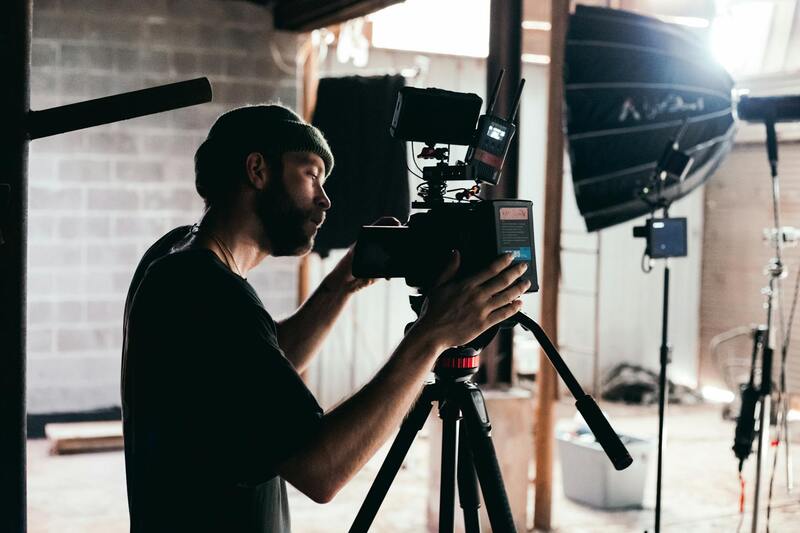
Implementing a successful live stream for an event in Miami demands meticulous planning around technical requirements. The foundation of a seamless broadcast hinges on high-quality equipment, reliable internet connections, and dedicated technical support. To achieve optimal results, event organizers should prioritize the following aspects:
- High-Resolution Cameras: Investing in professional-grade cameras ensures clear visuals, capturing all event details and maintaining viewer engagement. Multiple camera angles can add a dynamic touch to the broadcast, making viewers feel as if they are present.
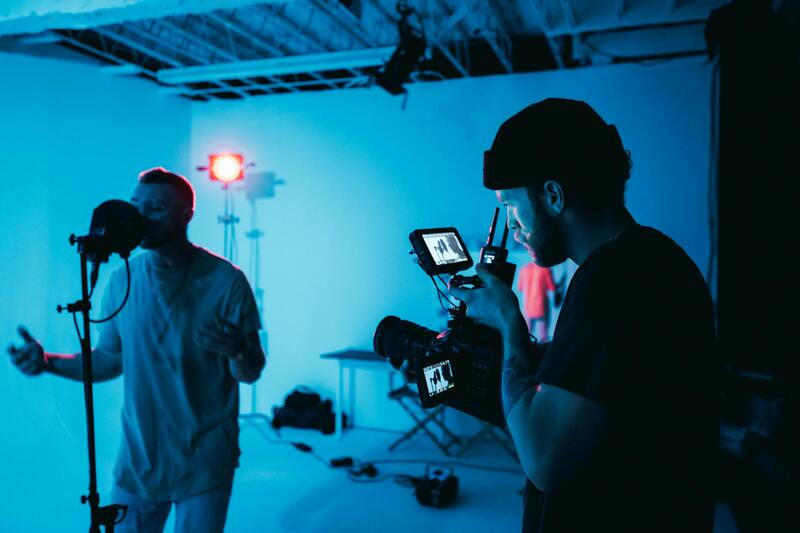
- Audio Equipment: Clear audio is crucial. Use directional microphones, mixers, and soundboards to capture live sound accurately. Incorporating wireless mics facilitates mobility and immersive sound experience.
- Reliable Internet Connectivity: A stable and high-bandwidth internet connection prevents interruptions. Where possible, utilize dedicated fiber optic lines or multiple internet sources with load balancing to ensure uninterrupted streaming.
- Encoding Hardware and Software: Choose professional encoding devices or software that efficiently compress video streams without sacrificing quality. Compatibility with streaming platforms is vital for smooth broadcasting.
- Backup Systems: Prepare redundant systems for cameras, internet, and power supplies. These backups mitigate potential technical failures that could disrupt the broadcast.
 igure>
Preparation also involves configuring the streaming platform, testing all connections beforehand, and training staff on emergency procedures. These proactive measures ensure that technical hitches are managed swiftly, maintaining a professional broadcast throughout the event.
For larger events, partnering with local Miami-based live stream service providers can streamline setup and troubleshooting. These professionals often have extensive experience with the area's venues, infrastructure, and audience expectations, making the technical setup process more efficient and reliable. They also provide on-site support, ensuring issues are addressed promptly, thus minimizing any potential disruptions to the live broadcast.
Understanding Event Live Stream Services
Event live stream services provide a comprehensive solution for broadcasting events in real-time through digital platforms. These services involve a combination of high-quality video capture, reliable internet infrastructure, encoding software or hardware, and streaming platforms that distribute content to viewers across various locations. Their primary goal is to ensure that audiences, whether onsite or remote, experience the event as seamlessly as possible, maintaining high visual and audio fidelity. This technology allows organizers to extend their event reach beyond physical constraints, making it accessible to a global audience. Ensuring the use of official and expertly managed streaming services guarantees a professional broadcast that aligns with the event's branding and quality expectations, fostering credibility and engaging viewers effectively.

Key Features of Event Live Streaming Platforms
- High-definition Video Quality: Platforms support 720p, 1080p, and even 4K streams, providing viewers with crystal-clear visuals that capture every detail of the event.
- Multiple Platform Integration: Support for popular streaming services such as YouTube, Facebook Live, Vimeo, and proprietary platforms ensures wide accessibility.
- Real-time Engagement: Features like live chat, polling, and Q&A sessions create interactive experiences, enhancing viewer participation.
- Reliable Connectivity and Redundancy: Advanced systems incorporate fail-safes, such as multiple internet sources and backup power, to prevent disruptions during broadcasts.
- Customization and Branding: Customized overlays, lower thirds, and branding elements make the stream uniquely tailored to the event’s identity.
- Security and Access Control: Secure streaming protocols and password protections safeguard content against unauthorized access.
Types of Events Suitable for Live Streaming
Many different occasions benefit from live broadcasting, including:
- Conferences and Business Seminars: Great for reaching international audiences, providing remote attendees with live keynote sessions, panels, and workshops.
- Concerts and Music Festivals: Allow fans worldwide to experience performances firsthand without geographical limitations.
- Sports Events: Capture every play and highlight in real-time, serving fans unable to attend in person.
- Religious Services: Facilitate participation of congregants from afar, especially during special or holiday events.
- Charity Events and Fundraisers: Expand fundraising opportunities by engaging a broader audience and encouraging online donations.
- Trade Shows and Exhibitions: Enable exhibitors and audiences to connect remotely with product launches, demonstrations, and booths.
Choosing the Right Live Stream Service in Miami
When selecting a live stream provider, it is essential to evaluate their experience, technical capabilities, and understanding of local venues. A reputable Miami-based provider can leverage local infrastructure expertise, ensuring smooth setup and efficient troubleshooting. Consider providers that offer comprehensive packages, including equipment rental, site surveys, on-site technical support, and post-event analytics. The provider's familiarity with Miami’s diverse venues—from conference centers to outdoor spaces—can significantly influence the success of the broadcast. Clear communication about service scope, deliverables, and contingency planning is vital to align expectations and guarantee a professional presentation.
Technical Requirements and Setup
Establishing a flawless live stream needs meticulous planning of technical components. Key elements include:
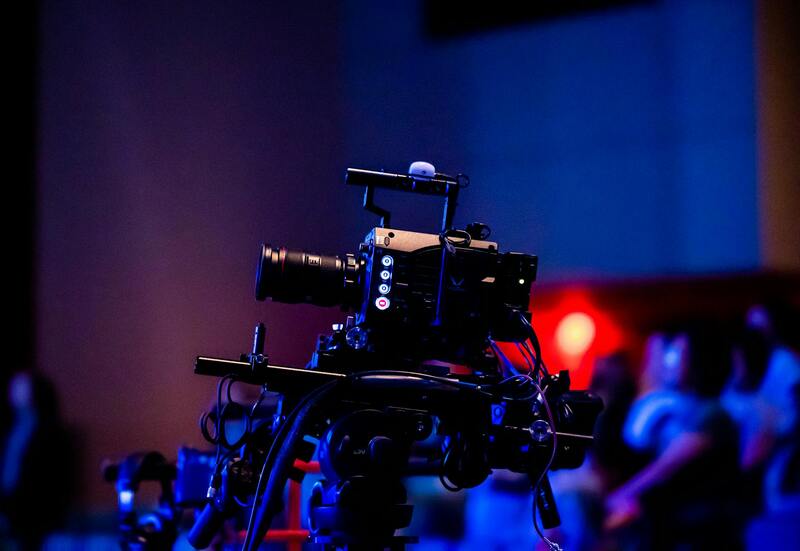
- Video Capture Equipment: Cameras with high-resolution capabilities and suitable lenses to cover the event scenery comprehensively.
- Audio Systems: Lavalier, shotgun, or boundary microphones ensure crisp sound quality, which is critical for audience engagement.
- Encoding Devices: Hardware or software encoders compress raw video and audio signals into a stream compatible with streaming platforms, balancing quality and bandwidth efficiency.
- Internet Connectivity: Dedicated fiber optic lines with sufficient bandwidth provide a stable connection, with backup internet sources as contingencies.
- Power Supply and Backup: Uninterruptible Power Supplies (UPS) and generator backups prevent outages.
- Monitoring and Control: Real-time monitoring tools for stream health, latency, and viewer engagement metrics inform necessary adjustments during the broadcast.
Pre-event testing is vital to identify potential issues, calibrate equipment, and train staff. Detailed setup protocols, coupled with emergency procedures, minimize risks of technical failures. For larger or complex events, onsite technical teams familiar with local venues provide critical support, ensuring that all equipment and connections operate seamlessly throughout the event.
Utilizing Official Live Stream Platforms and Services
To ensure a seamless and professional live streaming experience, it's essential to rely on reputable and tried-and-true methods. Licensed providers and industry-standard platforms offer structured solutions that cater to diverse event requirements, from intimate gatherings to large-scale conferences or concerts. These services typically include comprehensive support, ensuring that every aspect of the broadcast aligns with high standards of quality and reliability.
Secure Content Delivery Networks (CDNs)
Employing reputable Content Delivery Networks (CDNs) is fundamental for wide-reaching, high-quality live streams. CDNs distribute the video content across multiple servers strategically located around the region, minimizing latency and buffering for viewers regardless of their geographic location. Opting for well-known CDN providers guarantees professional data routing, supports high traffic volumes, and provides scalable solutions adaptable to fluctuating viewer numbers.
Professional Streaming Software and Hardware
Using licensed streaming software, such as industry-standard encoders, ensures optimal video compression, adaptive bitrate control, and compatibility with various streaming platforms. Combining these with certified hardware like professional-grade cameras, audio consoles, and reliable encoding devices safeguards the stability and clarity of the live broadcast. It is crucial to ensure all hardware receives regular maintenance and calibration, and that software licenses are current to access ongoing updates and support services.
Content Management and Access Control
Implementing controlled access points through official streaming portals or embedded secure players helps maintain the integrity of the stream. Features such as password protection, scheduled access, and participant authentication prevent unauthorized viewing and enhance overall security. For premium or private events, utilizing encrypted streams or dedicated login credentials provides an extra layer of confidentiality.
Monitoring and Technical Support
A dedicated technical team monitoring the live event ensures rapid response to any disruptions. Professional operators oversee stream quality, viewer engagement metrics, and network stability through specialized monitoring tools. Having a support team available on-site or remote during the event facilitates immediate troubleshooting, reducing potential downtime.
Compliance and Legal Considerations
Adhering to content licensing agreements, copyright regulations, and platform-specific usage guidelines ensures that the live stream remains compliant and free from legal complications. Using approved media sources, managing rights clearances in advance, and providing transparent viewer notices foster trustworthy broadcasts that uphold professional standards.
Documentation and Post-Stream Analysis
Maintaining detailed records of the streaming setup, configurations, and performance metrics aids in refining future broadcasts. Post-event analytics illuminate viewer engagement trends, technical issues, and areas for improvement, informing ongoing strategy adjustments.
By integrating verified, official methods and technological solutions, organizers can deliver engaging event live streams that meet industry standards, effectively reach audiences, and showcase a commitment to excellence.