Understanding Streaming Media in Miami
Streaming media has become an integral part of the entertainment and information landscape in Miami, a vibrant hub for media production, tourism, and cultural events. As digital consumption continues to surge, local production companies, media agencies, and content creators increasingly rely on live and on-demand streaming to reach audiences both within the city and globally. These services enable real-time broadcasts of events, concerts, sports, and educational content, fostering greater engagement and expanding the reach of Miami’s dynamic media scene.
The significance of streaming media in Miami extends beyond traditional broadcasts. With the rise of high-definition video and immersive formats, there is a growing demand for seamless, high-quality streaming solutions that enhance viewer experiences. Industry trends indicate a shift toward personalized content delivery, interactive streams, and integrated multimedia experiences that cater to diverse audience preferences. This evolving landscape requires local businesses to stay informed about the latest streaming technologies and industry developments.
Miami's unique geographic and demographic profile positions it as a prime location for streaming media innovation. The city’s diverse population, thriving tourism sector, and status as a center for arts and culture create opportunities for producing engaging content across various genres, from live festival broadcasts to corporate webinars. As more organizations recognize the benefits of streaming, the demand for professional, reliable streaming services tailored to Miami’s specific needs continues to rise.

This growth underscores a pressing need for understanding the fundamental aspects of streaming media technologies, best practices for content delivery, and strategic implementation that aligns with Miami’s unique market demands. Reliable streaming can act as a powerful tool for brand visibility, audience expansion, and revenue generation for local content producers, making it essential to grasp the current landscape of streaming media in Miami.
Popular Streaming Platforms and Technologies
In Miami, content creators and organizations rely on a variety of streaming platforms and technological solutions to deliver high-quality live and on-demand content. The selection of an appropriate platform depends on specific project requirements, audience size, and technical infrastructure. Notable platforms that are widely used include streaming services that facilitate real-time broadcasting for events, webinars, and entertainment productions. These platforms typically offer features such as adaptive bitrate streaming, multi-platform compatibility, chat and interactive capabilities, and detailed analytics for performance tracking.
Technologies supporting these platforms encompass encoding software, content delivery networks (CDNs), and hardware solutions such as streaming servers and cameras. Encoder options vary from hardware units to software-based encoders integrated into computers and mobile devices. CDNs play a vital role in distributing streams efficiently across geographical regions, ensuring minimal latency and buffer times for viewers across Miami and beyond. The integration of cloud-based solutions offers scalability, easing the management of streaming events with large audiences.

Live streaming tools that support multi-bitrate streaming are particularly advantageous in Miami due to the variability in internet speeds and device capabilities. By automatically adjusting quality based on the viewer’s bandwidth, these solutions improve user experience and engagement. Furthermore, platforms often include features such as monetization options, security protocols, and integration with social media channels, making them versatile options for diverse content dissemination.
Popular solutions include specialized services for live event broadcasting, for example, platforms designed to handle large, simultaneous viewers during major local festivals or citywide events. These tools incorporate robust infrastructure to sustain uninterrupted streams and provide real-time viewer interaction. For on-demand content, platforms with content management systems (CMS) facilitate easy access and organization of video libraries, enabling efficient content delivery tailored to user preferences.
Understanding Streaming Media in Miami
Miami's vibrant cultural landscape and bustling event scene make it a prime location for streaming media content. From live broadcasts of local festivals and sports events to on-demand access to movie premieres and music concerts, the demand for reliable streaming solutions continues to grow. Streaming media involves delivering audiovisual content over the internet, allowing audiences across Miami and beyond to access their favorite programs seamlessly on a variety of devices, including smartphones, tablets, desktops, and smart TVs.
In Miami, a city known for its diverse population and dynamic entertainment industry, efficient streaming services must address unique challenges such as high demand during major events and the need for high-quality video delivery in environments with varying internet speeds. Technological advancements have enabled content providers to use adaptive streaming techniques that modify the quality of streams in real-time, based on the viewer's connection. This capability ensures a consistent viewing experience, minimizing disruptions and buffering issues, which is especially critical during live broadcasts of events like Art Basel Miami or the Miami Open.
Accessibility is another essential factor in streaming media in Miami. With a significant population of tourists, expatriates, and international viewers, platforms often incorporate multilingual support and subtitles to cater to diverse audiences. Content delivery networks (CDNs) are instrumental in dispersing streams efficiently across geographic regions, reducing latency and load times for viewers local and distant. Cloud-based streaming solutions further enhance scalability, allowing broadcasters to accommodate large-scale audiences during peak times without compromising quality or stability.

Technological Infrastructure Supporting Streaming in Miami
Miami's robust internet infrastructure, including widespread fiber optic networks and 5G deployment, supports high-bandwidth streaming. This infrastructure ensures that even during large events, audiences experience minimal interruptions. Content providers leverage advanced video encoding and compression techniques to optimize quality without excessively taxing bandwidth, making streams more accessible across various devices and network conditions.
Streaming platforms in Miami often adopt multi-bitrate streaming protocols. These protocols dynamically adjust video quality based on individual user bandwidth, providing optimal viewing experiences regardless of location or device. Additionally, integration with social media platforms allows for real-time engagement and wider content dissemination, boosting audience interaction and participation.
Security measures such as Digital Rights Management (DRM), secure token authentication, and encrypted streams are also common. They protect copyrighted content and prevent unauthorized access, ensuring that content creators can monetize their productions effectively while maintaining control over distribution rights.
Implications for Content Creators and Broadcasters
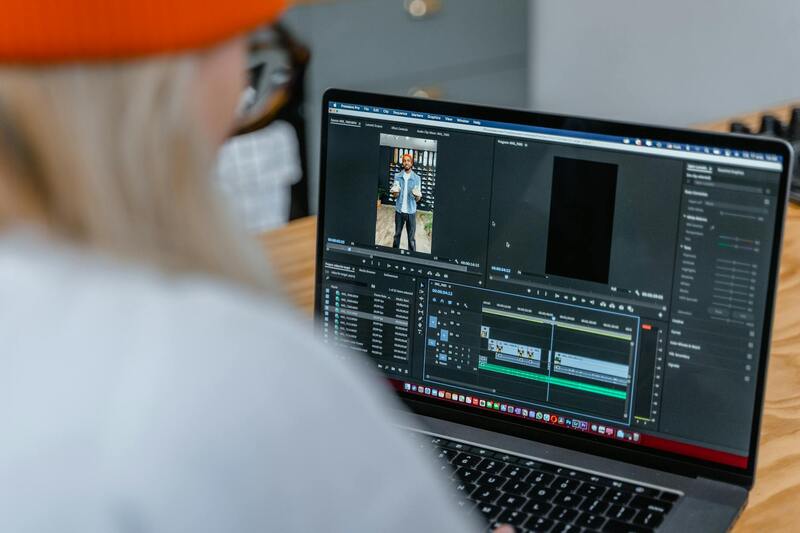
For content creators and broadcasters operating in Miami, understanding this technological landscape is crucial. Effective use of streaming media requires a strategic approach to selecting platforms, encoding settings, and content delivery methods. Combining high-quality production with sophisticated delivery techniques enables content providers to reach audiences both locally and globally with clarity and reliability.
Furthermore, analytics tools integrated into streaming platforms offer valuable insights into viewer behavior, preferences, and engagement levels. These insights help broadcasters tailor content offerings, optimize streaming performance, and maximize viewer retention, fostering long-term audience loyalty.
As Miami continues to grow as a hub for culture, sports, and entertainment, the importance of leveraging innovative streaming media solutions cannot be overstated. They play a vital role in amplifying the reach of local events and cultural phenomena, ensuring that Miami maintains its reputation as a city at the forefront of digital media consumption.
Understanding Streaming Media in Miami
Streaming media has become an integral part of Miami's vibrant digital landscape, serving industries ranging from entertainment and sports to corporate communications and cultural events. The city's diverse population and thriving business environment demand reliable and high-quality content delivery methods. Streaming media in Miami involves the use of advanced encoding techniques, content delivery networks (CDNs), and robust infrastructure to ensure that live and on-demand content reaches viewers seamlessly.
Effective streaming in Miami requires a comprehensive understanding of network capabilities, bandwidth optimization, and user access points. This ensures that content is delivered with minimal latency and optimal resolution, accommodating the city's high-profile events and substantial audience base. As a hub for international tourism, sports tournaments, and cultural festivals, Miami benefits greatly from sophisticated streaming solutions that bolster engagement and expand reach beyond physical venues.
Utilizing local data centers and strategically positioned CDN nodes across Miami enhances the speed and reliability of streams. This infrastructure supports the delivery of 4K and HDR content, providing viewers with immersive experiences that match or surpass traditional broadcast quality. Furthermore, integrating streaming with social media platforms amplifies exposure, while targeted advertising capabilities enable precise audience segmentation, increasing overall viewer engagement and monetization opportunities.

Popular Streaming Platforms and Technologies
Miami's content providers leverage a variety of streaming platforms and technological solutions to ensure optimal delivery and viewer satisfaction. These platforms typically support adaptive bitrate streaming, which dynamically adjusts video quality based on viewer internet speed, reducing buffering and improving playback continuity. Popular options include enterprise-level services that offer integration with content management systems (CMS), analytics tools, and security protocols.
Technologies such as HTTP Live Streaming (HLS) and Dynamic Adaptive Streaming over HTTP (DASH) are prevalent, facilitating cross-device compatibility and efficient bandwidth utilization. These protocols enable content to be delivered smoothly across desktops, smartphones, tablets, and connected TVs, ensuring accessibility for Miami’s diverse audience. Additionally, cloud-based streaming architectures allow for scalable, on-demand content distribution, accommodating sudden spikes in viewer traffic during major local events.
Secure streaming solutions employ encryption standards, digital rights management (DRM), and token authentication to protect valuable content and control access. For instance, integrating multi-platform encoding solutions ensures consistent quality while simplifying workflows. As Miami continues to expand its digital infrastructure, the deployment of hybrid streaming solutions combining traditional broadcast methods with IP-based streaming offers flexibility and resilience.

Setting Up a Streaming Workflow
Implementing a successful streaming workflow in Miami involves several key steps designed to optimize quality, reliability, and audience engagement. The process begins with content acquisition, where high-resolution video is captured using professional-grade equipment, ensuring that the footage is suitable for multi-platform distribution. Lighting, audio quality, and camera angles are meticulously managed to produce visually compelling content.
Next, content is encoded using high-efficiency codecs like H.264 or H.265. These codecs reduce file size while preserving image quality, facilitating faster upload and smoother streaming. Adaptive bitrate encoding is essential for dynamic network conditions, allowing streams to adjust automatically to viewer bandwidth, minimizing interruptions.
Once encoded, content is uploaded to a streaming server or cloud platform. The choice of a content delivery network (CDN) is critical; Miami-based providers or those with extensive global infrastructure ensure low latency and high availability. Content is then distributed via streaming protocols like HLS or DASH, reaching viewers across devices.
Monitoring tools track performance metrics and viewer behavior in real-time, enabling adjustments to improve stream stability and engagement. Post-broadcast analytics provide insights into viewer retention, geographic distribution, and device usage, informing future production strategies and marketing efforts. Throughout this workflow, maintaining security protocols such as SSL encryption and access controls ensures content protection and authorized viewership.
Understanding Streaming Media in Miami
Streaming media in Miami has become an essential component for delivering live and on-demand content to diverse audiences. This technology leverages advanced infrastructures and protocols to facilitate real-time broadcasting over the internet, accommodating various devices from desktop computers to mobile phones and smart TVs. In Miami, the vibrant digital landscape offers numerous opportunities for businesses, event organizers, and content creators to leverage streaming media for outreach, marketing, and engagement. The region's proximity to major data centers and internet hubs contributes to reduced latency and improved quality, ensuring viewers experience seamless delivery of content without interruptions. As the demand for high-quality video streams increases, understanding the core components and infrastructure involved in streaming media becomes pivotal for optimal delivery and viewer satisfaction.

Core Components of Streaming Media Infrastructure
- Content Acquisition: High-resolution video capturing using professional-grade cameras and audio equipment ensures the source quality is preserved for streaming.
- Encoding and Compression: Utilizing efficient codecs such as H.264 and H.265 reduces file sizes while maintaining integrity, enabling faster upload and delivery.
- Content Delivery Network (CDN): Strategically located servers within Miami and around the globe optimize distribution, reduce latency, and scale to handle large viewer volumes efficiently.
- Streaming Protocols: Protocols like HLS (HTTP Live Streaming) and DASH (Dynamic Adaptive Streaming over HTTP) adapt video quality to fluctuating network conditions, ensuring smooth playback across various devices.
- Monitoring and Analytics: Real-time performance tracking helps identify bottlenecks, optimize streams, and gather insights on viewer behavior for tailored content strategies.
Benefits of Local Infrastructure in Miami
The significant advantage of leveraging Miami-based streaming infrastructure includes minimized delays, high reliability, and tailored content management suited to local and regional audiences. This localized approach allows for rapid deployment, increased redundancy, and better support for live events such as concerts, conferences, or sports, which are prevalent in the Miami entertainment hub. Additionally, Miami's connectivity with Latin America and the Caribbean makes it an influential point for international broadcast and streaming initiatives. As the city continues to expand its digital footprint, investing in community-specific streaming setups ensures content reaches audiences effectively, fostering engagement and growth.

Understanding Streaming Media in Miami
Miami has emerged as a dynamic hub for streaming media, combining cutting-edge technology with a vibrant cultural scene. As the city continues to attract major events, live performances, and corporate broadcasts, understanding the core components of streaming media becomes essential for content creators and broadcasters aiming to reach their audiences effectively. Streaming media in Miami leverages a combination of hardware and software solutions designed to deliver seamless, high-quality video content to viewers regardless of their location or device. By integrating advanced encoding techniques, reliable content delivery networks (CDNs), and adaptive streaming protocols, providers can ensure consistent playback experiences even amidst high viewer demand and fluctuating network conditions.

The strategic South Florida location offers unique advantages, such as lower latency and optimized routing paths for local and regional audiences. Additionally, the diverse demographics of Miami foster a rich environment for localized content tailored to multicultural communities, making streaming media not only a technological feat but also a cultural connector. This environment encourages innovation in live broadcasting, on-demand content, and interactive streaming experiences, positioning Miami as a gateway for media companies targeting Latin American and Caribbean markets.
Popular Streaming Platforms and Technologies
Miami-based content creators and service providers typically utilize a range of dependable streaming platforms and emerging technologies to meet their needs. Major platforms include proprietary solutions designed for live event coverage, on-demand video hosting, and multi-device compatibility. These platforms support various streaming protocols, such as HTTP Live Streaming (HLS), Dynamic Adaptive Streaming over HTTP (DASH), and Real-Time Messaging Protocol (RTMP), which help optimize delivery based on network conditions and device capabilities.
- Content Delivery Networks (CDNs): Miami’s proximity to major global internet hubs facilitates rapid content distribution, reducing buffering times and enhancing viewer satisfaction.
- Cloud Streaming Services: Cloud solutions offer scalability and flexibility, essential for handling fluctuating audience sizes during high-profile events in Miami's entertainment scene.
- Encoding and Compression Technologies: High-efficiency codecs like H.265/HEVC and VP9 enable high-quality streams at lower bandwidths, critical for users in areas with varying internet speeds.
Setting Up a Streaming Workflow
Establishing a robust streaming workflow involves several key steps. Initially, content capture requires high-quality cameras and audio equipment that can operate in diverse environments, from studio setups to outdoor live events. Once captured, content must be encoded and compressed with the right settings to balance quality and file size. This process often involves dedicated hardware encoders or software-based solutions integrated into streaming software platforms.
Following encoding, content is uploaded or sent directly to streaming servers via secure connections. Optimization of the workflow includes using load balancers and redundant pathways to prevent service interruptions. Content delivery is then managed through a network of strategically placed CDNs, primarily in Miami, to ensure prompt delivery and minimal latency. Real-time analytics tools monitor stream health and viewer engagement, enabling rapid adjustments and troubleshooting as needed.
Legal and Licensing Considerations
While exploring streaming media options in Miami, it’s crucial to adhere to licensing and content rights regulations. Any media content broadcasted or shared online should have the necessary permissions, whether it involves copyrighted music, video clips, or proprietary graphics. Securing proper rights prevents disruptions and legal complications, especially when broadcasting live events featuring multiple stakeholders or international participants.
Implementing comprehensive content management and rights clearance processes strengthens the legal compliance of streaming operations. It also helps maintain professional standards, especially when delivering sensitive or brand-sensitive content to diverse audiences. When working with local artists, event organizers, or corporate clients, establishing clear licensing agreements upfront ensures smooth, uninterrupted streaming services that uphold industry best practices.
Understanding Streaming Media in Miami
Streaming media in Miami involves delivering audio and video content over the internet in real-time, enabling viewers to access live broadcasts and on-demand media with minimal delay. The city’s dynamic media landscape, combined with its strategic location and diverse audience, makes Miami an ideal hub for innovative streaming solutions. A comprehensive understanding of the infrastructure, encoding methods, and delivery protocols is essential for content providers aiming to optimize viewer experience and operational efficiency.
Technical Foundations of Streaming Media
At its core, streaming media relies on encoding digital signals into suitable formats for transmission. Common codecs like H.264 for video and AAC for audio compress content to ensure smoother delivery without compromising quality. Content is then segmented into small packets, allowing for adaptive streaming techniques that adjust quality dynamically based on the viewer's internet connection. This flexibility increases viewer engagement by reducing buffering times and preventing interruptions, especially during high-traffic events or live broadcasts.

Content Delivery Networks and Streaming Infrastructure
Miami’s strategic placement as a gateway to Latin America and the Caribbean, along with its robust networking infrastructure, makes it a prime location for deploying Content Delivery Networks (CDNs). CDNs distribute content across geographically dispersed servers, reducing latency and improving load times for viewers. Efficient CDN management is crucial for maintaining seamless streams during peak periods, such as major sports events, festivals, or corporate launches. Furthermore, implementing redundant pathways and load balancing ensures consistent service availability even under high demand or unexpected disruptions.
Monitoring and Optimization of Live Streams
Real-time analytics tools play a pivotal role in maintaining high standards for streaming media in Miami. These tools track stream health indicators, such as buffer rates, viewer count, engagement metrics, and geographic distribution. By analyzing this data, content providers can make immediate adjustments, like modifying bitrates or switching sources to optimize viewer experience. Continuous monitoring facilitates prompt troubleshooting, reducing downtime and fostering long-term viewer loyalty.
Visual Enhancements and Interactive Features
To elevate streaming quality, Miami-based broadcasters are increasingly integrating interactive features such as live chat, viewer polls, and augmented reality overlays. High-definition streams with adaptive bitrate streaming provide crisp visuals that meet audience expectations. Graphic overlays, lower-thirds, and branded elements enhance visual appeal and deliver important information efficiently. These enhancements, combined with seamless media delivery, help foster an engaging and professional viewing environment.
Conclusion
Mastering the technical and logistical aspects of streaming media in Miami involves a comprehensive understanding of encoding technologies, content delivery networks, and audience analytics. Implementing these elements ensures a robust streaming operation capable of delivering high-quality live and on-demand content that meets the expectations of today's digital audiences in Miami and beyond.
Advanced Techniques for High-Quality Streaming in Miami
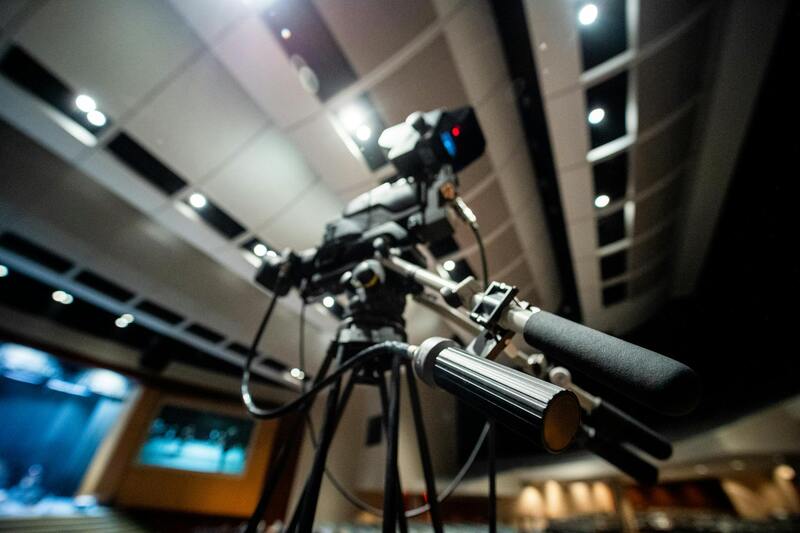
To maximize the impact of streaming miami content, it is essential to adopt advanced production techniques that enhance clarity, stability, and viewer engagement. Incorporating multi-camera setups, professional-grade audio, and real-time editing tools can significantly improve the viewer experience. For live events, seamless switching between multiple camera angles provides a dynamic and immersive viewing experience, drawing viewers deeper into the content.

Utilizing cloud-based encoding solutions allows content creators in Miami to maintain consistency and flexibility in their streaming workflows. These platforms facilitate the transition between different media formats and resolutions, ensuring that streams are optimized for a variety of devices and internet speeds. Integration with content delivery networks (CDNs) further enhances distribution efficiency, reducing latency and buffering issues for end-users.
Implementing Adaptive Bitrate Streaming
Adaptive bitrate streaming dynamically adjusts video quality based on viewer bandwidth, providing a smooth experience despite fluctuating network conditions. This technology is crucial for Miami-based streamers aiming to reach a broad audience with diverse internet capabilities. Proper configuration of encoding parameters and CDN settings ensures that viewers are presented with the highest possible quality without interruptions.
Quality Control and Testing Procedures
Prior to broadcasts, rigorous testing checks should be performed to verify equipment functionality, signal stability, and stream quality. This includes running beta streams, monitoring bitrates, and reviewing synchronization between audio and video. Continuous quality monitoring during live sessions allows for immediate intervention if issues arise, preserving viewer satisfaction and stream integrity.
Maximizing Audience Engagement in Miami Streaming Campaigns
Engagement strategies are vital for fostering a loyal audience base in the Miami streaming landscape. Incorporating interactive elements like real-time polls, Q&A sessions, and chat features keeps viewers actively involved, encouraging them to participate and share content organically. Additionally, leveraging social media platforms to promote upcoming streams and highlight key moments enhances audience interaction outside of the live environment.

Personalization plays a significant role in engagement. Collecting data on viewer preferences and behaviors helps tailor content recommendations, fostering a more customized viewing experience. Regularly scheduled content, behind-the-scenes footage, and exclusive previews can also cultivate a sense of community among viewers.
Developing a Consistent Streaming Schedule
Publishing content on a predictable timetable helps build anticipation and habituates audiences to tune in regularly. Consistency in timing and thematic focus builds brand identity and sets viewer expectations, making it easier to grow a dedicated following.
Leveraging Analytics for Better Content Strategy
Analyzing viewer metrics, such as watch time, engagement rates, and geographic location, provides actionable insights that refine content strategies. Data-driven decisions optimize scheduling, content types, and delivery methods, ensuring that Miami's streaming endeavors resonate effectively with their target audiences.