Understanding Live Event Streaming Rental Services
Live event streaming rental services play a crucial role in facilitating high-quality, real-time broadcasting of various events, including corporate meetings, concerts, sports competitions, and community gatherings. These services encompass a comprehensive set of equipment and technical support intended to ensure seamless transmission from the event site to a remote audience. By leveraging these rental solutions, organizers can significantly enhance their event's reach and engagement, allowing for real-time interaction with viewers across different locations.
At the core of live streaming rental services are essential components such as professional cameras, high-definition video encoders, audio equipment, and stable internet connectivity solutions. These tools are often provided as part of a package that includes technical staff, setup, and operation assistance to execute the stream efficiently. Rental providers typically offer tailored solutions based on the size and scope of the event, ensuring optimal equipment configuration and minimal technical issues during the broadcast.

Additional services often include multi-camera setups, switchers for managing multiple video feeds, graphics overlay, live subtitles, and cloud storage options for on-demand access post-event. These integrated solutions allow organizers to deliver a professional broadcast experience, fostering increased viewer participation and satisfaction. Renting this specialized equipment and service bundle is especially beneficial for organizations without in-house streaming expertise, providing access to advanced technology and experienced technicians to ensure a smooth event broadcast.
Choosing a rental provider should involve assessing their technical inventory, experience in hosting similar events, and their ability to deliver on time and within budget. Providers often offer consultation services to determine the most appropriate gear and streaming platform for each specific event, considering factors like audience size, venue constraints, and content complexity.
Benefits of Renting Live Streaming Equipment for Events
Utilizing rented live streaming equipment offers several advantages, including:
- Cost Efficiency: Avoiding large upfront investments by renting high-quality equipment suited to the event's needs.
- Access to Cutting-Edge Technology: Gaining support from providers that continually update their inventory with the latest streaming innovations.
- Expert Technical Support: Ensuring professional setup and troubleshooting during the event with skilled technicians.
- Scalability: Adjusting equipment and services based on event size and scope without long-term commitments.
- Focus on Content Creation: Allowing organizers to concentrate on content delivery while technicians handle technical logistics.
These benefits make live event streaming rental an attractive solution for organizations seeking to expand their event outreach efficiently and effectively.
Image Placeholder:
Understanding live event streaming rental services
Live event streaming rental services have become a crucial component in the organization and execution of modern events, providing a comprehensive solution that combines state-of-the-art technology with professional expertise. These services typically encompass a wide array of equipment, including high-definition cameras, encoders, audio systems, and robust internet connectivity solutions, all managed by experienced technicians who ensure seamless transmission from venue to online audiences. Engaging such a service begins with a consultation process where specialists evaluate the specific requirements of each event, considering factors like expected viewership, venue layout, and content complexity.

One of the primary advantages of utilizing live event streaming rental services is the access to sophisticated technology that might otherwise be inaccessible or cost-prohibitive. These providers keep their technology current with the latest innovations, ensuring that content quality remains high and viewers experience minimal disruptions. Their technical staff handle everything from initial setup to live troubleshooting, relieving event organizers from the stress of managing complex broadcast components during critical moments.
Furthermore, opting for rental services allows organizations to tailor their technical setup to the specific demands of each event. Whether hosting a corporate conference, a music concert, or a cultural festival, providers can customize equipment packages—scaling up or down as needed—without the long-term financial commitments typically associated with owning streaming equipment. This scalability ensures that organizers can budget effectively, allocate resources efficiently, and focus on delivering engaging content to their audience.
The technology employed in modern live event streaming includes multiple camera angles for a dynamic viewing experience, professional-grade audio systems for clear sound, and flexible streaming platforms that support interactive features like live chats and real-time polls. Additionally, backup solutions such as secondary internet connections and redundant encoding systems are often included to prevent any interruption during the event, guaranteeing a reliable transmission regardless of unforeseen technical issues.
Effective live streaming also depends on thorough pre-event planning. This process involves detailed technical assessments and rehearsals to ensure all equipment functions correctly and that the streaming workflow is smooth. Organizers and technical teams collaborate to establish a clear plan for camera placements, audio capture, interactivity segments, and contingency procedures. This meticulous preparation plays a significant role in delivering a polished viewing experience that meets both the event’s objectives and audience expectations.
The choice of a rental provider should be based on several key criteria. Their experience with similar events offers insights into their reliability and capability to handle specific requirements. The quality of their inventory, including the latest streaming hardware and software, impacts the overall production quality. Additionally, providers’ responsiveness and flexibility during the planning and execution stages can influence the success of the event. A provider that offers comprehensive support, from initial consultation through post-event wrap-up, ensures a seamless process that optimizes content reach and audience engagement.
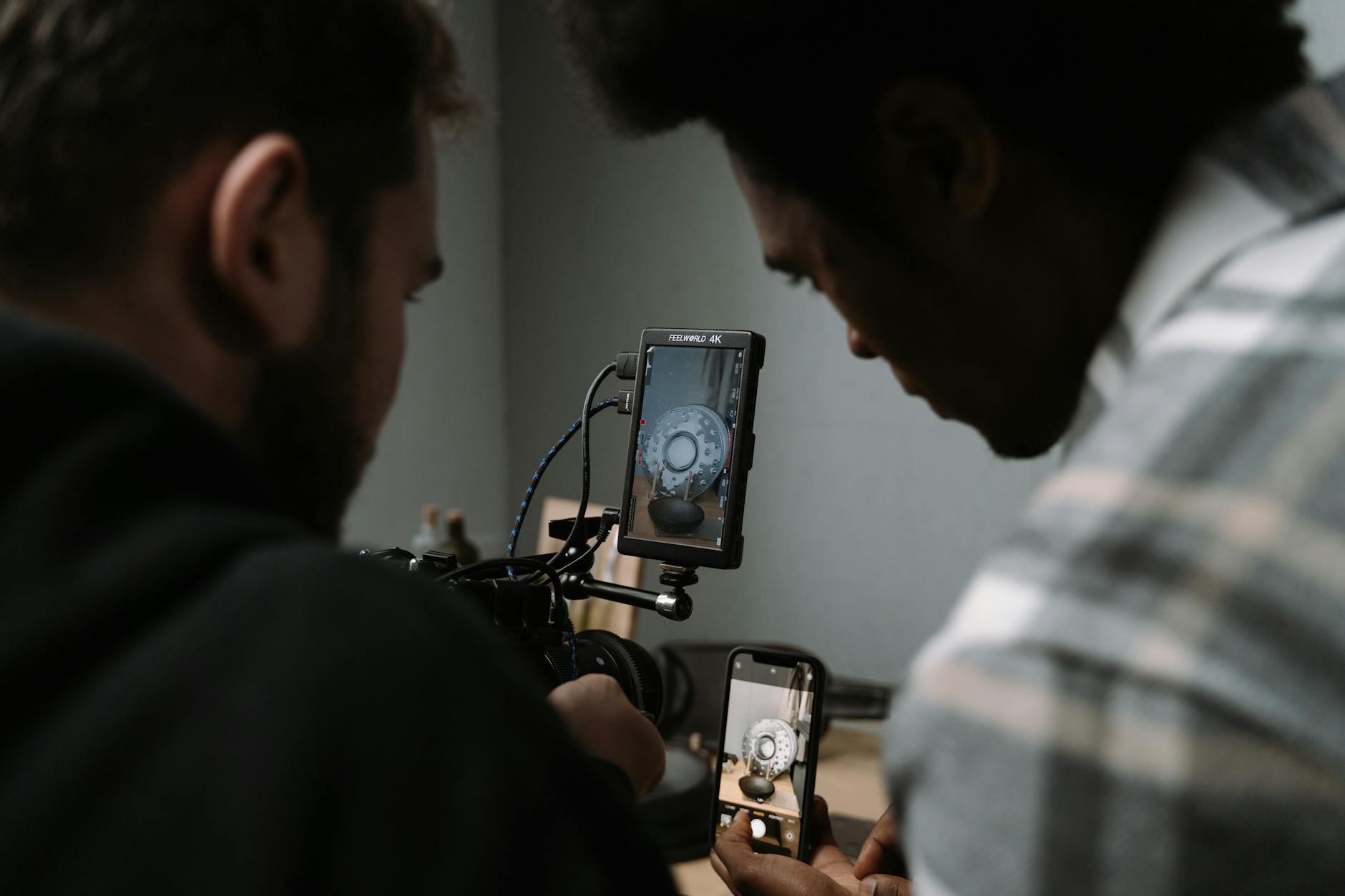
As live streaming technology continues to evolve, emerging trends such as 4K streaming, 360-degree video, and real-time analytics are becoming standard features offered by rental providers. These innovations enhance viewer engagement, provide deeper insights into audience behavior, and open new possibilities for immersive content. Staying abreast of these advancements and partnering with expert rental services enables organizations to leverage cutting-edge solutions, thereby expanding their reach and fostering stronger connections with their audience.
Understanding live event streaming rental services
Engaging audiences through live event streaming has become an essential component of modern event management. When organizations seek to broadcast their events online, leveraging specialized rental services ensures access to top-tier equipment and expert support. Live event streaming rental services provide a comprehensive solution, including high-quality cameras, professional audio systems, encoding hardware, switching equipment, and internet connectivity options suitable for the scale and scope of the event. These rental services typically cater to a wide variety of events such as corporate conferences, concerts, festivals, sports competitions, and community gatherings.
Partnering with a reputable rental provider offers many advantages, foremost among them being access to the latest technology without the need for significant upfront investment. Rental packages are customizable to match the specific requirements of each event, allowing organizers to select equipment such as 4K capable cameras, multi-camera switchers, live audio mixers, and streaming encoders. In addition, rental companies often include trained technical personnel to manage setup, operation, and troubleshooting during the event, ensuring a smooth and professional broadcast. This alleviates the logistical and technical burden on the event organizers, allowing them to focus on content delivery and audience engagement.
Choosing the right rental service involves evaluating several critical factors. Experience with similar types of events indicates a provider’s ability to handle unique challenges. A comprehensive inventory of the latest hardware guarantees high production quality. Customer support responsiveness and the flexibility of service offerings are crucial, especially when on-site adjustments are necessary. As live streaming technology advances, providers that incorporate emerging features like multi-camera feeds, real-time audience analytics, and adaptive bitrate streaming are often preferred for their ability to enhance viewer experience and engagement.
Many rental services offer turnkey solutions that include not only equipment but also consultation, pre-event testing, on-site technical support, and post-event content delivery. This holistic approach streamlines the entire streaming process, reducing potential downtime and ensuring that the event reaches the intended audience seamlessly. Moreover, partnerships with reliable internet service providers are frequently part of rental packages, guaranteeing stable and high-speed connectivity essential for uninterrupted broadcasting.
Types of equipment available for live streaming rentals
A wide array of professional-grade equipment is accessible for rent, tailored to meet the diverse demands of live event broadcasting. The core components typically include:
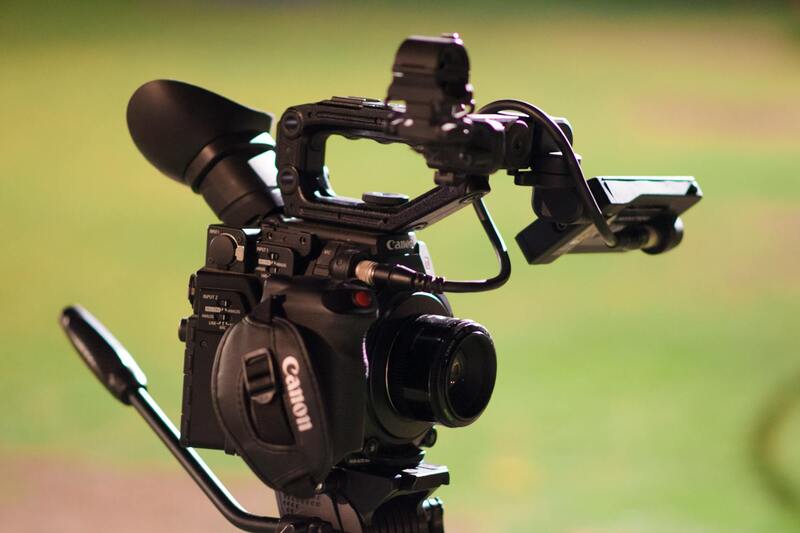
- Cameras: Ranging from fixed studio cameras to high-resolution PTZ (pan-tilt-zoom) cameras suitable for capturing dynamic event moments.
- Encoders: Hardware or software solutions that convert video signals into streams compatible with online platforms.
- Switchers: Devices that facilitate seamless transitions between multiple video sources, essential for multi-camera setups.
- Audio Equipment: Microphones, mixers, and wireless systems to ensure clear audio delivery.
- Networking Equipment: Routers, switches, and signal extenders to support robust internet connections.
- Monitoring and Control Devices: Equipment that allows operators to oversee and adjust live feeds in real time.
Each piece of equipment is chosen based on compatibility with the event scale, venue environment, and streaming target platforms. For instance, large-scale concerts may require multiple high-definition cameras and advanced switching systems, while smaller webinars might necessitate only a single camera and basic encoders. Rental providers often supply portable, easy-to-set-up options that allow quick deployment in various venue configurations.
Factors to consider when choosing a streaming rental provider
When selecting a provider for live event streaming equipment, it’s vital to assess their technical expertise and the quality of their inventory. Providers with a proven track record in handling a variety of events often demonstrate higher reliability and adaptability. Additionally, evaluating the scope of their support services—such as technical consultancy, on-site assistance, and post-event content management—is essential for a hassle-free experience.
Another key aspect is their ability to incorporate the latest technological advancements, including 4K streaming, remote camera operation, and interactive graphics. The provider’s responsiveness during the planning phase and their contingency planning capabilities ensure that unexpected issues are managed effectively. Clear communication, transparent pricing, and flexible rental terms also contribute to choosing a dependable partner capable of delivering consistent results tailored to your specific event goals.
Types of equipment available for live streaming rentals
When planning a live event streaming setup, understanding the variety of equipment available is crucial for ensuring a seamless broadcast. Rental providers typically offer a broad selection of professional-grade tools designed to accommodate different event sizes and complexities. The core components include high-definition cameras, which range from compact camcorders for smaller venues to multi-camera setups for large-scale productions. These cameras are often equipped with features like optical zoom, image stabilization, and remote control capabilities to facilitate dynamic filming.
In addition to cameras, streaming gear includes video switchers, which enable switching between multiple camera feeds seamlessly, adding professional polish to the live production. Encoder devices are vital as they convert raw video signals into formats suitable for streaming platforms, supporting various protocols to maximize compatibility. Encoders can be hardware-based or software-based, depending on the scale and requirements of the event.
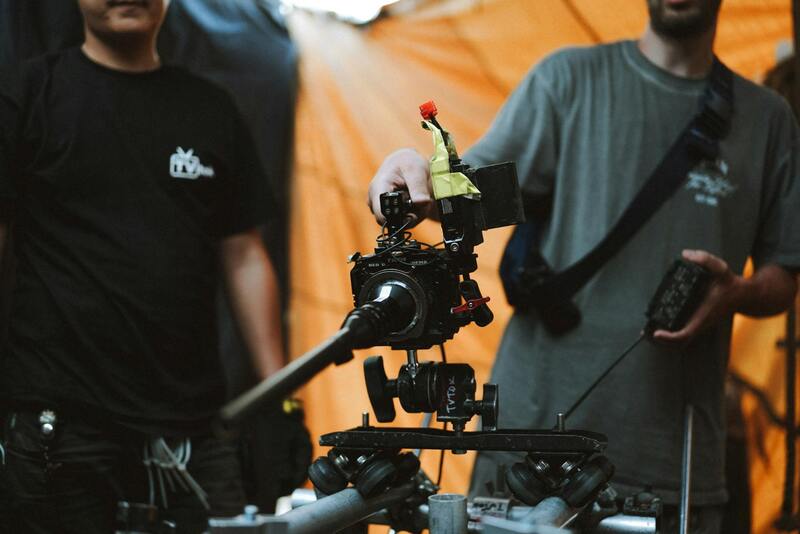
Audio equipment also plays a significant role, with rental providers offering mixers, microphones, and audio interfaces to ensure clear sound quality. Proper audio setup is essential to enhance viewer engagement and maintain the event’s professionalism. For larger events, specialized equipment like wireless microphones, in-ear monitors, and sound reinforcement systems may be necessary to address acoustics and audience size.
Lighting gear is another important aspect, especially when streaming in venues with variable ambient light conditions. Portable lighting kits and control systems help create a visually appealing broadcast, highlighting speakers and performers effectively.
Support systems such as teleprompters, video monitors, and streaming control panels are also frequently available. These tools assist live operators in managing the flow of content and ensuring synchronization across all streaming elements. Additionally, portable stabilization equipment like tripods, gimbals, and cranes facilitate smooth camera movements, crucial for maintaining a professional look.
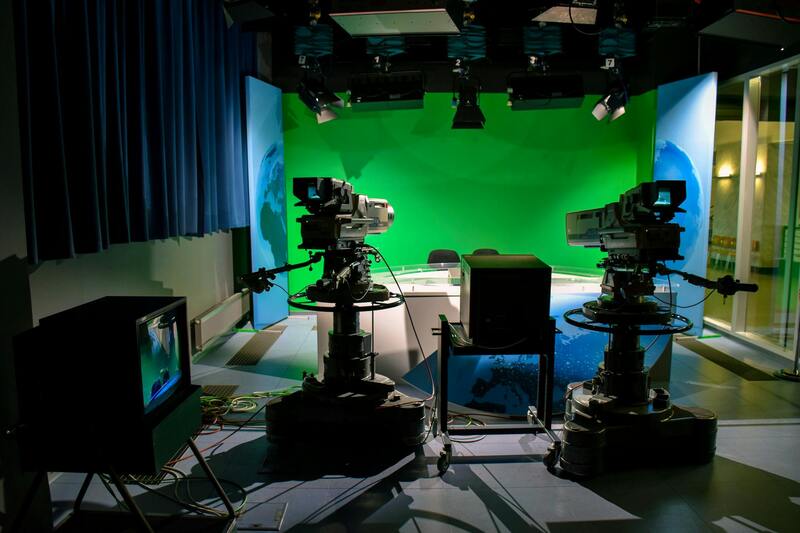
Understanding the capabilities and compatibility of these equipment types allows event organizers to customize their streaming setup effectively. Rental providers often offer packages tailored to specific event needs, providing an optimal balance between cost and quality. This variety ensures that regardless of venue size or event complexity, organizers can access high-quality tools that meet their technical demands efficiently.
Understanding live event streaming rental services
Live event streaming rental services encompass a comprehensive range of professional equipment and technical expertise tailored to facilitate seamless, high-quality broadcasts of events. These services are designed to support a diverse array of occasions, including conferences, concerts, corporate gatherings, sports events, and cultural festivals. By opting for a reputable rental provider such as Miami Video Services, event organizers gain access to advanced tools that ensure their content reaches audiences reliably and professionally. The rental process typically involves selecting the appropriate hardware and software configurations, which are then delivered, installed, and operated by experienced technicians. This approach minimizes technical issues, enhances production quality, and allows organizers to focus on the event itself. With the proliferation of digital content consumption, live streaming has become an essential component of event marketing and audience engagement strategies, making reliable rental services a crucial element for success.
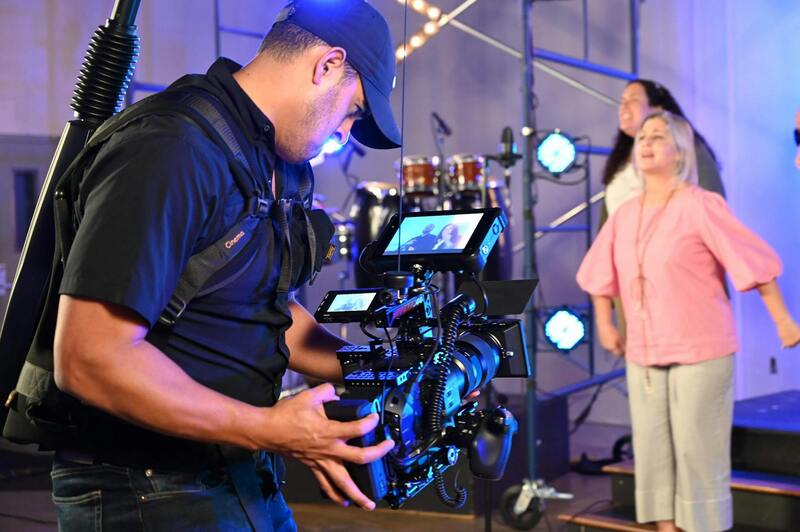
Choosing the right service provider involves evaluating their equipment inventory, technical support capabilities, and overall reputation within the industry. Providers like Miami Video Services often maintain a broad assortment of rental options, including encoders, video switchers, multiple camera setups, lighting, audio components, and network infrastructure. These offerings are complemented by comprehensive consultation services, which help achieve the desired production quality while adhering to the event’s scale and objectives. For organizations new to live streaming, expert consultation ensures the setup aligns with their goals, venue specifications, and audience reach expectations. When selecting a provider, it is essential to confirm their ability to deliver timely, reliable support throughout the event, including setup, operation, and post-broadcast processes. Skilled technicians assist in troubleshooting unforeseen issues, ensuring continuous streaming without interruptions. This reliability significantly enhances viewer experience and project credibility.
Benefits of renting live streaming equipment for events
- Access to cutting-edge, professional-grade equipment that guarantees high-quality broadcasts
- Cost-effective solution compared to purchasing and maintaining expensive gear
- Flexibility to adapt equipment configurations based on specific event requirements
- Expert technical support from experienced professionals during the entire event
- Reduced logistical burden with equipment delivery, setup, and teardown handled by rental providers
- Enhanced viewer engagement through superior audio-visual quality and smooth streaming experience
- Ability to incorporate advanced features such as multiple camera angles, live graphics, and real-time overlays
- Simplified management of complex live productions, allowing organizers to focus on content and coordination
Types of equipment available for live streaming rentals
- Video Encoders: Devices that convert camera feed into digital streams compatible with online platforms. They support various bitrates and resolutions to suit different audience sizes and internet speeds.
- Video Switchers: Control panels that allow seamless switching between multiple video sources in real time, facilitating professional presentations and dynamic broadcasts.
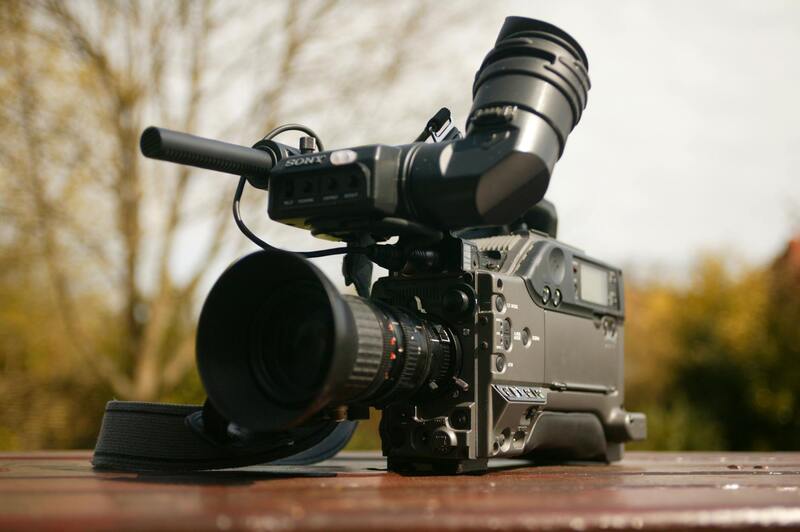
- Cameras: Ranging from portable HD cameras to high-end 4K broadcast cameras, critical for capturing high-quality footage for the stream.
- Audio Equipment: Microphones, audio mixers, interfaces, and speakers to ensure clear sound delivery, which is vital for audience engagement.
- Lighting Gear: Studio lighting, portable LED panels, and control systems to create visually appealing broadcasts, especially in venues with challenging lighting conditions.
- Network Infrastructure: Wired and wireless internet solutions, including dedicated routers and bandwidth management tools, to support stable, high-speed streaming without interruptions.
- Support and Monitoring Tools: Teleprompters, video monitors, streaming control panels, and backup systems that facilitate smooth operation and content management during live events.
- Stabilization Equipment: Tripods, gimbals, and cranes to provide steady footage, especially for mobile or outdoor settings.
Understanding the functionalities and compatibility of these devices enables event organizers to efficiently tailor their streaming setup. Many service providers offer pre-configured packages that bundle essential equipment and technical support tailored to different event scales, from small business seminars to large outdoor festivals. This approach allows clients to optimize quality and manage costs effectively. The versatility of rental options ensures that regardless of the venue size or technical complexity, event organizers have access to the necessary tools to produce professional-grade live streams. Proper planning and equipment selection lay a foundation for capturing high-quality content that resonates with audiences and enhances the overall event impact.
Understanding live event streaming rental services
Live event streaming rental services provide event organizers with access to state-of-the-art broadcasting equipment and technical support necessary to deliver high-quality live content. These services encompass a broad spectrum of hardware, software, and logistical assistance designed to streamline the entire live streaming process. Renting equipment ensures that organizers can leverage the latest technology without the substantial capital investment required for purchasing. Furthermore, reputable providers offer tailored packages that suit different event sizes, venues, and target audiences, allowing for custom configurations that meet specific needs.
Choosing a live event streaming rental service involves assessing the provider’s technical expertise, range of equipment, and support capabilities. Detailed consultations help clarify the scope of services, such as live video mixing, multi-camera setups, audio management, encoding solutions, and network infrastructure. The availability of on-site technical personnel ensures smooth operation and rapid troubleshooting, minimizing potential disruptions. Ultimately, these rental services empower organizers to produce professional broadcasts with engaging visuals and seamless delivery, regardless of venue or scale.
Benefits of renting live streaming equipment for events
- Cost Efficiency: Renting eliminates the need for significant upfront investment, offering access to advanced equipment on a temporary basis.
- Access to Cutting-Edge Technology: Rental providers regularly update their inventory, ensuring clients benefit from the latest innovations in streaming hardware and software.
- Flexibility and Scalability: Equipment packages can be customized to suit different event sizes, from intimate seminars to large festivals.
- Expert Technical Support: Professional assistance during setup, operation, and breakdown helps ensure live streams are broadcast flawlessly.
- Time-Efficiency: Renting streamlines logistics, avoiding delays associated with procurement and technical setup.
Types of equipment available for live streaming rentals
Providers offer a comprehensive range of equipment tailored for diverse streaming needs. Among the most common are:
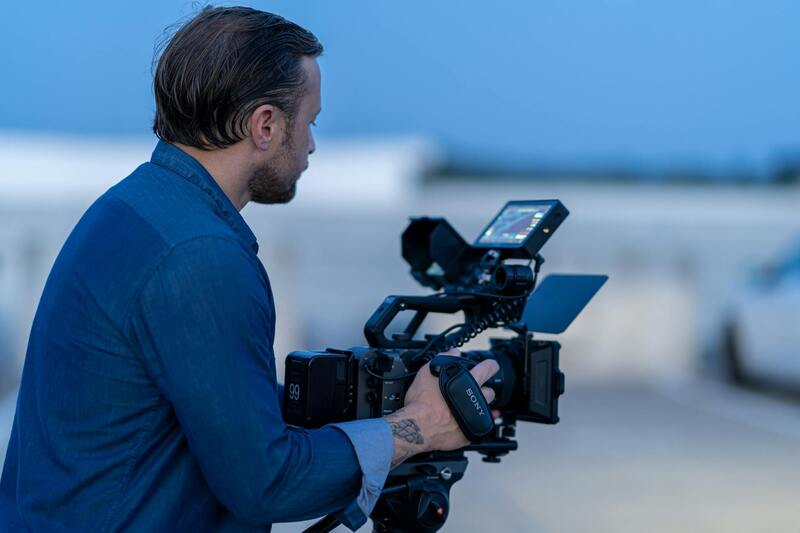
- Camera Systems: From basic camcorders to high-end multi-camera broadcast setups, equipment can be adapted to capture events from multiple angles.
- Audio Equipment: Microphones, audio mixers, and wireless systems ensure clear sound quality for live broadcasts.
- Video Switchers and Mixers: These devices enable seamless switching between camera feeds and integrating graphics or overlays.
- Encoding and Streaming Hardware: Professional encoders and servers convert video signals into web-compatible formats for reliable distribution.
- Lighting and Stabilization: Portable LED lights, gimbals, tripods, and cranes enhance visual quality and camera stability.
- Network Equipment: High-speed routers, dedicated bandwidth solutions, and wireless access points facilitate stable, uninterrupted streaming.
Factors to consider when choosing a streaming rental provider
When selecting a provider for live streaming rentals, several critical factors should guide the decision. These include:
- Reputation and Experience: Verify the provider’s track record with similar events and their familiarity with technical requirements.
- Equipment Quality and Range: Ensure the provider offers the latest technology and a comprehensive array of tools suited for your event.
- Technical Support and Staffing: Confirm the availability of on-site or remote technical experts to oversee the broadcast.
- Customization Options: Flexibility to tailor equipment packages and technical setups based on event-specific needs.
- Cost and Terms: Transparent pricing with clear terms regarding rental duration, damages, and additional services.
- Infrastructure Compatibility: Ability to integrate with existing venues, set up in challenging environments, and support remote audiences.
Planning and preparation for live streaming events in Miami
Effective planning forms the backbone of successful live stream deliveries. Prior to the event, a detailed technical plan should be developed, including site surveys to evaluate venue acoustics, lighting conditions, and available network infrastructure. Establishing an on-site team with clearly defined roles enhances coordination, from setting up equipment to managing content flow during the broadcast. Conducting test runs is critical, allowing adjustments to camera angles, audio levels, and streaming parameters to optimize quality. Additionally, contingency plans for potential technical issues — such as backup internet connections, redundant streaming hardware, and backup power supplies — are essential to ensure uninterrupted coverage. Real-time communication channels among crew members, including headsets or dedicated messaging apps, facilitate swift response to any on-the-spot developments. For Miami events, considering local factors such as outdoor ambient conditions or venue-specific limitations helps tailor the streaming setup for maximum efficiency and visual impact.
Understanding live event streaming rental services
Live event streaming rental services provide venues and organizers with comprehensive access to professional-grade equipment and technical expertise specifically tailored for broadcasting live events. These services typically encompass a full suite of hardware and software solutions, including high-definition cameras, audio mixing consoles, streaming encoders, and reliable internet connectivity options. The rental model allows clients to leverage top-tier technology without the substantial capital investment required for purchasing equipment outright. Instead, they benefit from flexible rental agreements that cater to short-term event needs or recurring engagements, facilitating seamless scalability according to the size and nature of each event.
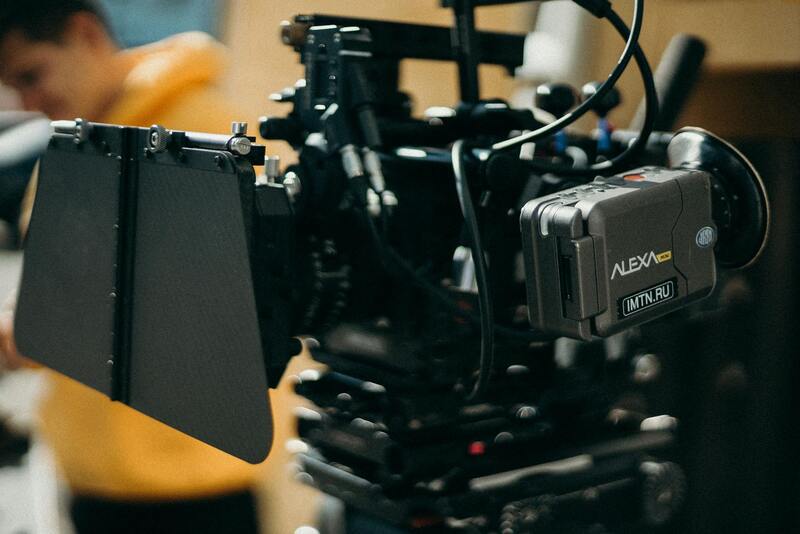
This approach also includes access to technical support from experienced professionals who oversee the setup, operation, and troubleshooting during the live stream. Such services are instrumental in delivering smooth, high-resolution streams that maintain consistent audio and video quality, minimize latency, and accommodate various audience sizes and viewing platforms. By choosing a reputable live event streaming rental provider, organizers can focus on the content and engagement aspects of the event, confident that the technical delivery is handled by specialists equipped with the latest industry standards and innovations.
Benefits of renting live streaming equipment for events
Opting for rental live streaming equipment offers numerous advantages, particularly for organizations that seek flexibility, cost-efficiency, and access to the latest technology. Among the primary benefits is the ability to adapt equipment configurations to suit each event’s specific requirements, whether it’s a small corporate presentation, a large conference, or an outdoor festival. Rental providers often update their inventory regularly, ensuring clients have access to cutting-edge gear, such as 4K cameras, seamless switching systems, and advanced compression software, that might otherwise be financially prohibitive to purchase.
Cost management is another significant benefit. Renting eliminates the sizable upfront investment and ongoing maintenance costs associated with ownership. Additionally, rental services often include on-site technical support and consultations, reducing the need for in-house technical expertise and resources. This arrangement also promotes peace of mind, as backup systems like redundant internet connections and power supplies are typically incorporated to prevent disruptions during live broadcasts.
Furthermore, rental agreements allow for greater operational flexibility, enabling organizers to scale equipment needs as the event scope evolves. With a well-structured rental plan, content can be broadcast across multiple platforms and devices, reaching broader audiences without concerns over hardware compatibility or streaming capacity limitations. In developing a professional-looking broadcast, these rented solutions help ensure production quality aligns with industry standards and audience expectations.
Types of equipment available for live streaming rentals
The range of equipment available for rent encompasses several core components essential for a seamless live broadcast:
- High-Definition Cameras: Ranging from handheld camcorders to professional broadcast cameras, these capture clear, sharp visuals suitable for large screens and online viewing platforms.
- Audio Equipment: Including wireless microphones, audio mixers, and speakers, ensuring crystal-clear sound and effective audience engagement both on-site and online.
- Streaming Encoders: Hardware or software solutions that compress and transmit video feeds to streaming servers, supporting various protocols like RTMP, HLS, or SRT.
- Video Switchers: Multi-input switchers facilitate real-time scene changes, overlays, and graphics to produce a polished broadcast.
- Lighting Equipment: Portable lighting kits improve visibility and visual quality, especially in outdoor or challenging indoor environments.
- Networking Infrastructure: Dedicated internet connections such as bonded broadband, cellular bonding systems, or satellite links provide reliable bandwidth for uninterrupted streaming.

Depending on the complexity of the event, rental providers also offer additional accessories like teleprompters, remote pan-tilt-zoom (PTZ) cameras, and recording devices, allowing for versatile production setups. Understanding the specific demands of an event helps in selecting the appropriate combination of equipment to achieve the desired broadcast quality and audience experience.
Factors to consider when choosing a streaming rental provider
Selecting the right partner for live event streaming rental involves several critical considerations that impact the overall quality and success of the broadcast. First, evaluate the provider’s technical competence and experience within the event industry, including their familiarity with your venue type and event scale. An extensive portfolio demonstrating successful live streams, particularly of similar events, indicates reliability and expertise.
Another key factor is the provider’s equipment inventory and technological capabilities. Ensure they offer current hardware and support different streaming protocols compatible with your target audience’s devices and platforms. The availability of advanced features such as multi-camera setups, real-time graphics, and interactive integrations can add significant value.
It is also vital to scrutinize the quality of technical support and customer service. A responsive team that offers test runs, on-site assistance, and 24/7 troubleshooting can prevent last-minute setbacks. Transparent pricing and clear contractual terms, including details on hazardous damages, overtime charges, and equipment replacement policies, help avoid unforeseen costs.
Lastly, consider the provider’s adaptability to your specific event needs, including their ability to customize equipment packages, coordinate logistics for outdoor or unusual venues, and support remote or hybrid broadcasting models. Partnering with a dependable rental service with a local presence ensures timely deliveries and on-demand assistance, critical factors for event success in Miami and surrounding areas.
Latest Trends and Innovations in Live Event Streaming Rental
Staying ahead in the live event streaming industry requires continuous adaptation to emerging technological advancements. High-definition streaming has transitioned from HD to 4K resolution, providing viewers with crisp, vibrant visuals that enhance engagement and viewer satisfaction. Renters now have access to 4K cameras, servers, and encoding equipment, ensuring broadcast quality rivals or surpasses traditional broadcast standards. This shift not only elevates the viewing experience but also demands sophisticated infrastructure capable of handling increased data loads.
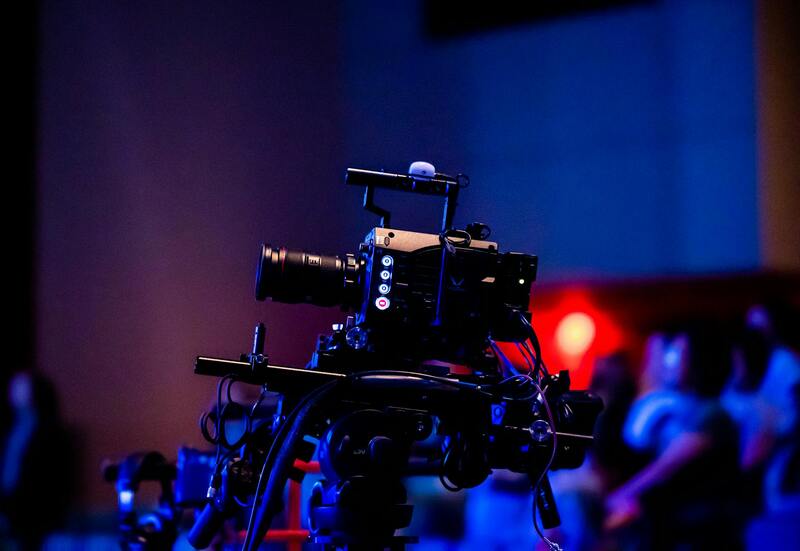
Remote production technology, also known as REMI (Remote Integration Model), has modernized event broadcasting by allowing technical control centers to operate off-site. This approach reduces the need for large crews on location and simplifies logistical challenges, making it a favored choice for both large-scale and niche events. Renters providing remote production capabilities can support high-quality streams with minimal on-site equipment, streamlining the process and reducing costs.
Another significant trend is the integration of interactive features into live streams. Innovations such as real-time chat, audience polling, and social media feeds enhance viewer participation. Rental providers now offer advanced streaming software and hardware that facilitate these interactive components, creating more dynamic and engaging broadcasts that resonate with modern audiences.
Cloud-based streaming solutions have also gained popularity due to their scalability and ease of access. Cloud platforms enable seamless content delivery, high reliability, and flexibility in managing multiple streams or performing over-the-air updates. These solutions allow event organizers to adapt quickly to changing circumstances and scale their broadcasts efficiently, particularly useful in unpredictable environments or outdoor venues.
Furthermore, the rise of 5G networks has opened new horizons for live streaming quality and stability. The ultra-fast data transfer rates and low latency of 5G enable smoother streams and support the increased bandwidth demands of high-resolution content and interactive features. As 5G becomes more widely available, rental providers are investing in compatible equipment and infrastructure to leverage these benefits for their clients.
Advancements in virtual and augmented reality (VR/AR) are also beginning to influence event streaming. While still emerging, these technologies offer immersive experiences for remote viewers, such as 360-degree viewing or virtual venue walkthroughs. Rental services that incorporate VR/AR equipment alongside traditional streaming gear can provide innovative offerings that distinguish their clients' events in competitive markets like Miami.
Finally, AI-driven analytics now allow organizers to gather detailed insights into viewer behaviors and engagement patterns. These tools, often integrated into streaming platforms, help optimize broadcast strategies and improve future event planning. Rental providers incorporating AI analytics into their offerings enable clients to measure success more effectively and tailor content to audience preferences.