Understanding Live Broadcast Production
Live broadcast production is a sophisticated process that involves the real-time capturing, editing, and dissemination of video content to a remote audience. This dynamic form of media delivery has become integral to a wide range of events, including corporate conferences, concerts, sports events, and community gatherings, especially within vibrant regions like Miami. The core objective of live broadcast production is to deliver high-quality, uninterrupted video streams that engage viewers and convey messages effectively without delay. This requires meticulous planning, advanced technology, and seamless coordination among various teams and equipment.
At its essence, live broadcast production encompasses several key components:
- Video Capture: Utilizing professional cameras and audio equipment to record the event from multiple angles.
- Production Control: Managing the video feeds, overlays, graphics, and transitions through a control room environment.
- Transmission: Ensuring the live feed is transmitted in real time via reliable streaming services or satellite links.
- Distribution: Delivering the live content to viewers across different platforms, such as social media, dedicated websites, or broadcast channels.
Effective live production also requires a clear workflow to synchronize these elements, maintain signal integrity, and troubleshoot potential issues on the spot. In Miami, a city renowned for its diverse media landscape and vibrant event scene, proficient live broadcast production plays a critical role in connecting audiences locally and globally.
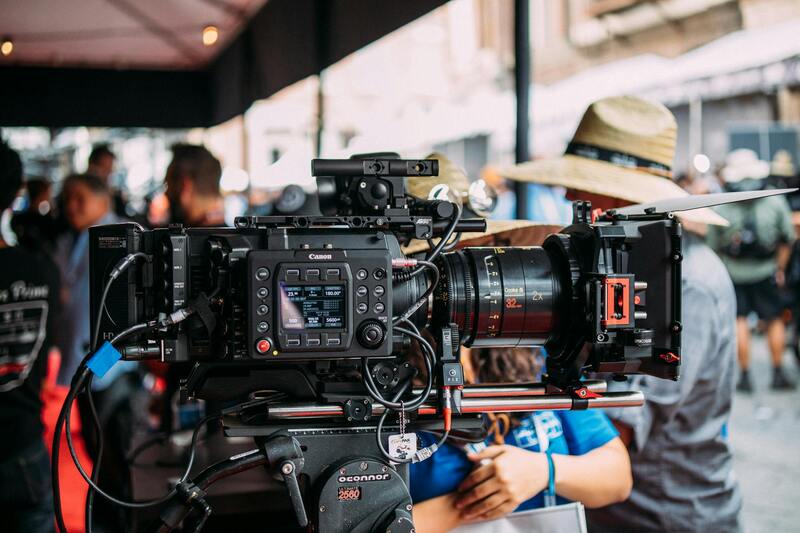
Understanding the workflow involves detailed pre-planning, skilled execution during the event, and strategic distribution afterward. This process ensures that the content is not only captured effectively but also reaches the intended audience with consistency and quality. As events become more complex and the demand for high-definition streaming increases, the importance of a structured approach to live broadcast production becomes even more critical.
Key Equipment and Technology
In the realm of live broadcast production, the choice of equipment and technology forms the backbone of a seamless and high-quality transmission. Miami-based production companies often leverage state-of-the-art tools to meet the diverse needs of their clients and events. Central to this setup are professional broadcast cameras, which provide crisp imaging and adaptability across different lighting conditions. These cameras are often equipped with high-resolution sensors, optical zoom, and accessories such as remote controls and stabilizers to capture dynamic scenes from various angles.
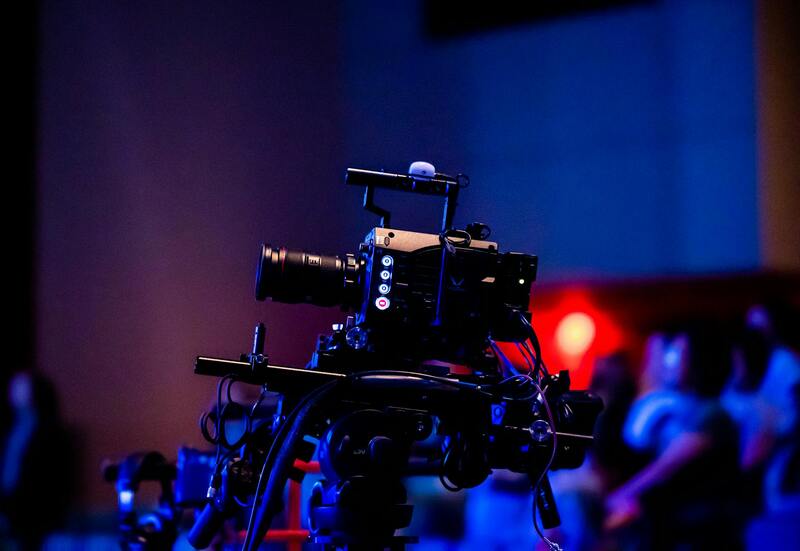
Audio quality is equally vital; thus, professional microphones—ranging from boom mics to wireless lapel systems—are employed to ensure clear sound reproduction. Advanced mixers are used to manage multiple audio sources simultaneously, preventing issues like feedback or uneven volume levels. In addition, intercom and communication systems facilitate real-time coordination among production crew members across different locations, enhancing responsiveness during live events.
Production switchers or video mixers allow real-time transitions between camera feeds, overlay graphics, and special effects, ensuring a professional experience for viewers. These switchers are often hardware-based but can also be software-driven, especially for smaller setups or remote productions. Reliable streaming hardware, such as encoders and servers, transform the live video into formats optimized for internet transmission, adhering to current standards like RTMP or SRT for stability and low latency.
Emerging trends in Miami include the integration of IP-based video systems, which facilitate higher flexibility and scalability. Cloud-based control systems are also increasingly adopted for remote management and collaboration. Additionally, innovative codec technologies, such as H.265, enable higher quality streaming at lower bitrates, accommodating viewers with varying bandwidths without compromising visual fidelity.
Complementing this hardware arsenal are software tools that assist in scheduling, monitoring, and troubleshooting streams. Secure storage solutions, backup feeds, and redundant systems are standard to prevent interruptions, especially during critical live broadcasting moments. Combined, these technologies empower Miami production crews to deliver compelling, high-definition live broadcasts that meet the growing demands of digital viewers and legacy broadcast channels.
Understanding Live Broadcast Production
Effective live broadcast production hinges on meticulous planning and execution, utilizing professional-grade equipment and advanced technology to deliver seamless streaming experiences. The fundamental goal is to capture, transmit, and present content in real time, ensuring high-quality delivery that engages viewers across various platforms. This process involves a combination of hardware, software, network infrastructure, and skilled personnel working in harmony to achieve broadcast excellence.
Key Equipment and Technology
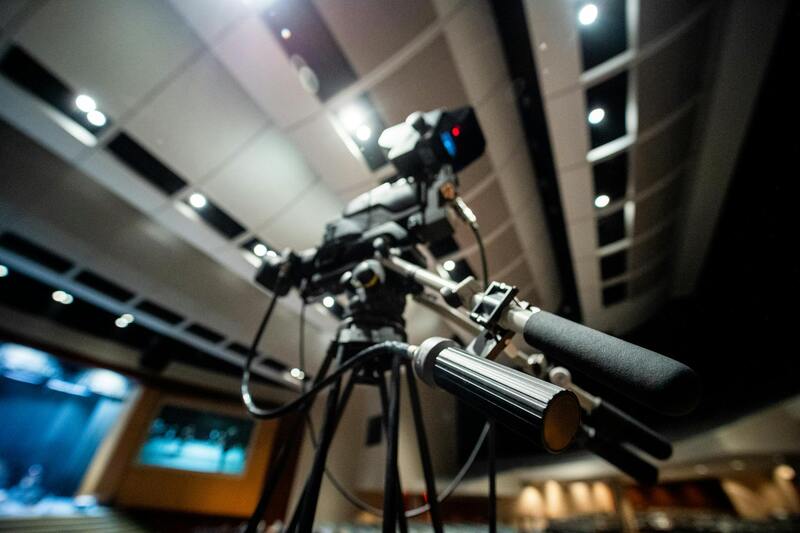
To produce professional live broadcasts, several core pieces of equipment are essential. Central to the production are multiple high-definition cameras capable of capturing various angles and movements, often operated by remote or on-site crew. Video switchers or mixers allow on-the-fly transitions between camera feeds, overlays, and special effects, delivering a polished viewing experience. These can be hardware-based systems for large productions or software solutions for more compact or remote setups.
Supporting this are reliable streaming hardware components such as encoders and servers. Encoders digitally convert raw video signals into internet-friendly formats, adhering to standards like RTMP (Real-Time Messaging Protocol) or SRT (Secure Reliable Transport) to minimize latency and ensure stream stability. Servers host and distribute the stream, often with redundancy systems to prevent interruptions during live events.
Emerging trends in Miami involve the adoption of IP-based video systems, which enable higher scalability and flexibility by transmitting video over standard IP networks. Cloud-based control systems are increasingly used for remote management, allowing producers to oversee streams from anywhere. Advanced codecs, such as H.265, optimize bandwidth usage without sacrificing image quality, making live streaming more accessible to audiences with diverse internet speeds.

Pre-Production Planning
Pre-production is a crucial phase that lays the foundation for a successful live event. Detailed planning includes scripting content, creating shot lists, and establishing technical workflows. Scheduling involves coordinating with talent, crew, and technical staff to ensure all resources are available and prepared. Technical rehearsals or run-throughs are conducted to identify potential issues and refine camera angles, lighting, and audio setups.
This process also encompasses securing permits, coordinating with venue providers, and preparing backup plans for equipment or connectivity failures. Effective pre-production management ensures that all elements are synchronized, minimizing the risk of disruptions during the live broadcast.
Production Process
During the live event, the production team executes the planned sequence while adapting to real-time circumstances. Camera operators monitor their feeds, directors coordinate with audio technicians, and production switchers execute transitions and overlays. Communication among crew is maintained via intercom systems, ensuring smooth operation and quick response to unforeseen situations. Lighting and sound are managed to maintain visual and audio clarity, complementing camera work to deliver a professional broadcast.
Broadcast Streaming and Distribution
Once captured, the live feed is encoded and transmitted via internet protocols suited for high-quality streaming. The distribution involves multiple platforms, including dedicated websites, social media channels, or third-party streaming services, expanding the reach of the broadcast. Techniques like multi-platform streaming leverage adaptive bitrate technologies, which automatically adjust the stream quality based on viewer internet speeds, providing a buffer-free experience across devices and locations.
Managing Challenges and Ensuring Quality
Live production is susceptible to technical issues such as signal loss, audio disturbances, or equipment failure. To mitigate these risks, redundancy systems such as backup encoders, secondary internet connections, and alternate feeds are implemented. Continuous monitoring of stream health allows teams to address issues promptly, maintaining a high standard of quality throughout the event. Proper training of technical staff, adherence to scheduled rehearsals, and real-time troubleshooting protocols are vital.
Legal and Safety Considerations
Ensuring compliance with copyright and content regulations is paramount when broadcasting. Proper licensing arrangements and permissions safeguard against intellectual property infringements. Additionally, safety protocols for crew and equipment are strictly followed, especially during setup and teardown phases, to prevent accidents. Clear safety procedures and compliance with local regulations contribute to a secure production environment.
Choosing a Miami Live Broadcast Production Partner
Selecting an experienced production team in Miami involves assessing their equipment capability, technical expertise, and reputation for quality. A reliable partner offers comprehensive services, from pre-production to distribution, ensuring the entire process is handled professionally. Local knowledge of Miami's venues and permitting requirements also streamlines the planning process, allowing for a smooth and successful live broadcast that meets all client expectations.
Execution of the Live Broadcast
Once all preparations are in place, the actual live broadcast requires meticulous execution by a dedicated team of professionals. Camera operators are responsible for capturing footage from various angles, ensuring that each shot aligns with the director’s vision. Skilled audio engineers continuously monitor sound levels, eliminating disturbances such as feedback or background noise, and adjusting audio feeds as needed to maintain clarity. The technical director oversees the switcher, seamlessly transitioning between camera feeds, video clips, graphics, and overlays to create a dynamic viewing experience. This role involves real-time decision-making and flawless coordination with the entire team.
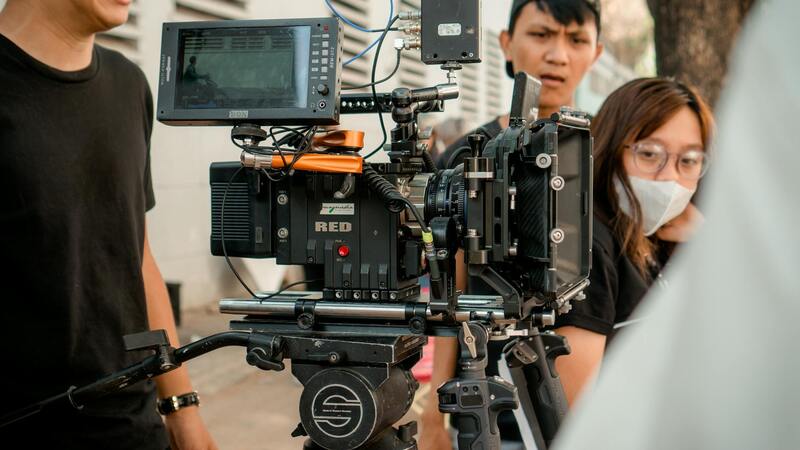
Managing live feeds from different sources demands precision. Multi-feed integration ensures smooth transitions, avoiding jarring cuts that could disrupt viewer engagement. To facilitate this, video switchers and streaming hardware allow instant switching and layering of content, providing a polished presentation. Effective communication systems, such as intercoms, enable team members to coordinate efficiently throughout the broadcast, addressing issues promptly and keeping the production running smoothly.
During the broadcast, the technical team continuously monitors signal integrity, video quality, and streaming stability. If a technical issue arises, the team must act swiftly, deploying backup systems or switching to alternate feeds to minimize disruption. The audio mixer, for instance, can adjust levels on the fly, troubleshooting issues like microphone malfunction or ambient noise. A well-orchestrated team maintains a laser focus on quality control, ensuring that every element of the broadcast meets professional standards.
Stream Management and Audience Engagement
Managing the online stream involves not only technical oversight but also real-time engagement with viewers. Overlaying graphics, live comments, and interactive features can enhance viewer participation and satisfaction. Leveraging multiple streaming platforms simultaneously broadens reach, while analytics tools provide insights into viewer activity, helping to tailor the content in real time for greater impact. Throughout the event, the production team remains vigilant, ready to adapt to changing circumstances and optimize the viewing experience.

Operational excellence during live broadcast production encompasses thorough coordination among technical personnel, creative staff, and client representatives. Regular communication ensures alignment on content flow, timing, and on-screen elements. The integration of graphics, captions, and supplemental media demands precision and timely delivery to maintain visual consistency. Consequently, a comprehensive understanding of the equipment, software, and workflow is essential for a successful live broadcast production from start to finish.
Managing Challenges and Ensuring Quality
Executing a seamless live broadcast requires meticulous management of potential challenges that can arise unexpectedly. Technical glitches such as signal interruptions, audio imbalances, or camera failures can jeopardize the viewing experience. To mitigate these issues, comprehensive contingency plans must be in place, including backup equipment, redundant streaming pathways, and real-time troubleshooting protocols.
Operator proficiency and streamlined communication are critical during the event. Designated technical coordinators monitor all systems continuously, swiftly addressing any anomalies that surface. This proactive approach minimizes delays and ensures the broadcast maintains a professional standard regardless of unforeseen difficulties.
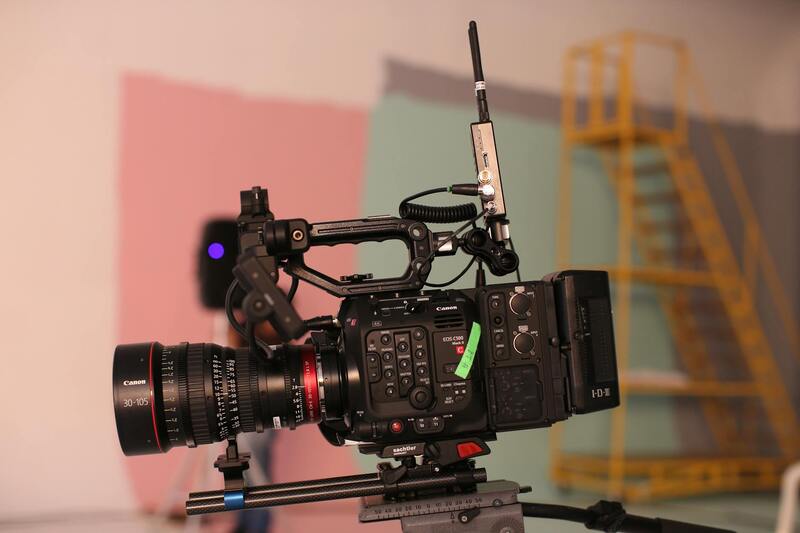
Visual and audio quality are at the core of a compelling live production. Maintaining consistent lighting, proper framing, and clear sound capture involves ongoing supervision by the technical team. Utilizing high-quality microphones, industrial-grade switches, and calibration tools helps achieve pristine audio fidelity. Meanwhile, utilizing advanced video encoders ensures that high-resolution visuals are transmitted efficiently across distribution channels.
Additionally, managing the broadcast environment entails controlling ambient factors that could interfere with production, such as ambient noise or unexpected interruptions. Ensuring that all personnel are trained on emergency procedures and technical protocols enhances the team's ability to respond swiftly and effectively when issues occur.
Legal and Safety Considerations
Adhering to established broadcast standards and safety procedures is paramount for a successful live production. This includes obtaining necessary permissions for copyrighted material, trademarks, and any logo placements to avoid conflicts. Ensuring proper consent and releases from talent and participants is essential, particularly when broadcasting sensitive or identifiable content.
Safety protocols cover a broad spectrum, from maintaining a secure physical environment for crew and talent to managing electrical safety around complex equipment. Proper cable management and grounding eliminate risks of trip hazards and electrical faults. Moreover, implementing disaster recovery strategies—such as backup power supplies and data storage—guards against data loss or broadcast interruption caused by power failures or hardware malfunctions.
Handling sensitive content responsibly also involves setting clear boundaries and guidelines for on-air behavior, as well as monitoring for inappropriate content or technical anomalies. All team members should be well-versed in regulatory compliance and safety standards to uphold professional integrity and protect all participants involved in the broadcast.
Managing Challenges and Ensuring Quality
Executing a seamless live broadcast hinges on meticulous management and proactive troubleshooting. During live events, unexpected technical issues such as signal disruptions, audio or visual glitches, or equipment failures can occur, jeopardizing the broadcast's professionalism. To mitigate such risks, it’s crucial to implement comprehensive contingency plans, including redundant systems for critical components like video feeds and audio channels. Having backup hardware, such as secondary cameras or audio mixers, ensures that production can swiftly adapt without noticeable interruptions. Beyond hardware considerations, real-time monitoring of all broadcast streams and technical feeds enables immediate detection of anomalies. Skilled technical directors should be staffed to oversee the production, ready to switch to backup sources or troubleshoot issues instantly. Knowledge of broadcast equipment and networking systems is vital for resolving problems efficiently. Moreover, strict adherence to timing plays a significant role in live production. Coordinating with talent, crew, and technical teams through detailed cues and run sheets facilitates smooth transitions. Clear communication channels, including headsets and designated signaling, keep everyone aligned, minimizing delays and reducing the occurrence of missteps. In addition, focus on audio clarity and visual quality is fundamental. Using high-quality microphones and ensuring proper lighting setup enhances overall broadcast presentation. Implementing live editing techniques, such as picture-in-picture or graphic overlays, can elevate content engagement and professionalism. Finally, post-event review is an essential aspect of continuous improvement. Analyzing the broadcast to identify issues, successful elements, and areas for enhancement informs future productions. This process helps refine equipment calibration, technical operation protocols, and team coordination, leading to higher standards in subsequent live streams.
Understanding Live Broadcast Production
High-quality live broadcast production is a multi-faceted process that demands meticulous planning, advanced technology, and precise execution. It involves the seamless integration of various technical components to deliver real-time content without interruptions. Effective management of this process ensures that the audience receives a smooth viewing experience, whether for corporate events, sports, concerts, or seminars. As the demand for live streaming continues to grow, understanding the key elements that contribute to successful production becomes essential.
Key Equipment and Technology
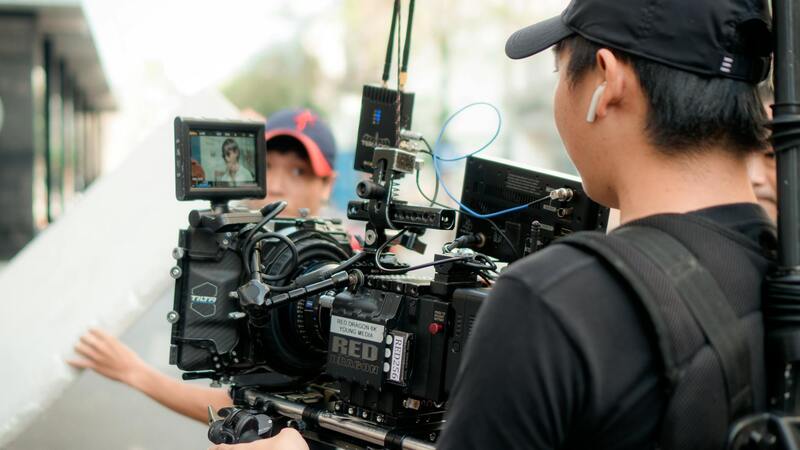
At the core of professional live broadcast production lies a comprehensive array of specialized equipment designed for reliability and superior performance. This includes high-definition cameras capable of capturing sharp visuals from multiple angles, video switchers that allow for dynamic scene changes, and scalable encoding systems for efficient streaming. Video processors and graphics generators are also critical, enabling real-time overlays, branding, and other visual enhancements that elevate the broadcast’s professionalism.
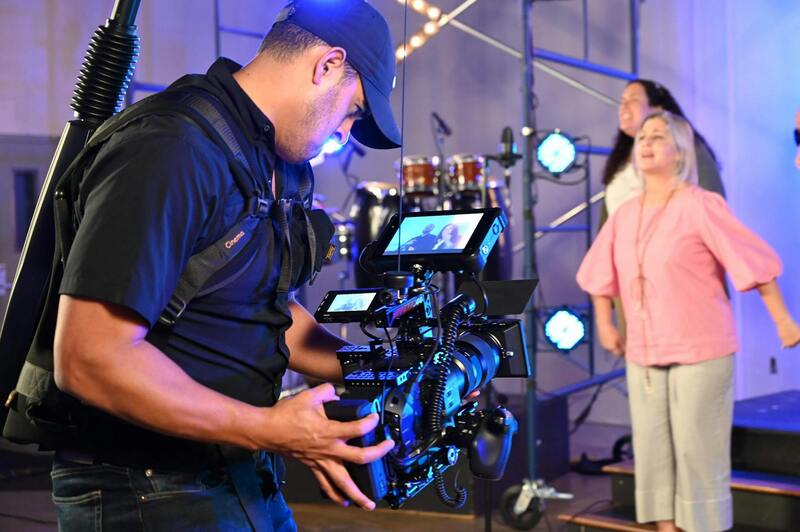
- Multiple HD or 4K cameras for comprehensive coverage
- Video switchers for seamless scene transitions
- Audio mixers and microphones with noise suppression
- Professional lighting setups for optimal visual clarity
- Reliable streaming encoders and content delivery networks (CDNs)
- Monitoring systems for real-time quality control
Pre-Production Planning
Successful live broadcasts hinge on detailed pre-production preparations. This phase involves creating comprehensive run sheets, scouting locations, and coordinating with talent and technical teams to define cues and timing. Content rights verification ensures that all media elements used in the broadcast are authorized, preventing potential legal or quality issues. Additionally, rehearsals are essential for testing equipment, signal flow, and choreography, helping to identify and resolve potential problems before the live event.
Production Process
During the actual broadcast, the production team manages camera operations, audio levels, and visual effects in real time. Skilled directors make critical decisions to switch between shots, incorporate graphics, and adjust audio to maintain engagement and clarity. Technical personnel continuously monitor signal quality, internet bandwidth, and system stability, ready to implement backup solutions if needed. Effective communication among crew members via headsets is vital for synchronized execution.
Broadcast Streaming and Distribution
Once the production elements are finalized, the focus shifts to streaming and distribution. Utilizing robust content delivery networks ensures smooth, uninterrupted streams across diverse platforms. Adaptive bitrate streaming adjusts quality based on viewer bandwidth, minimizing buffering. Metadata insertion, closed captioning, and DRM protections are incorporated to enhance accessibility and security. The use of cloud-based platforms can facilitate scalable distribution, reaching wider audiences with minimal latency.
Managing Challenges and Ensuring Quality
Addressing potential issues proactively is a fundamental aspect of live broadcast production. Continuous monitoring of audio and visual feeds enables quick detection of problems such as signal degradation or equipment malfunction. Maintaining redundancy through backup sources and communication channels minimizes disruptions. Implementing real-time analytics helps identify viewer engagement levels and technical performance, allowing adjustments to optimize the broadcast. Regularly updating technical procedures and training staff ensures that all team members are prepared to handle unforeseen situations effectively.
Choosing a Miami Live Broadcast Production Partner
Opting for a professional live broadcast production partner in Miami requires careful consideration to ensure that your event is executed flawlessly and reaches your audience effectively. A seasoned local provider brings extensive experience, access to cutting-edge technology, and a nuanced understanding of the regional broadcasting landscape. When evaluating potential partners, focus on their technical expertise, equipment inventory, and project portfolio.
Assessing Expertise and Experience
Identify production companies with a proven track record in live broadcast projects similar in scope and complexity to your event. Review case studies or testimonials that highlight their ability to manage events ranging from corporate conferences and sports events to entertainment festivals. An experienced team will demonstrate proficiency in handling multi-camera setups, live switching, audio mixing, and real-time graphics integration.
Evaluating Equipment and Technology
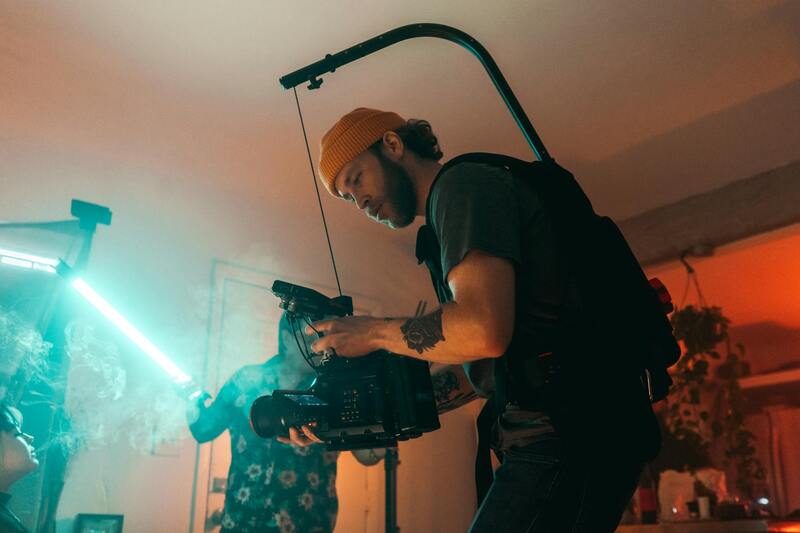
Ensure that the partner employs high-caliber, modern equipment including professional-grade cameras, switchers, audio consoles, and streaming hardware. Their technological infrastructure should support robust live encoding and streaming capabilities across multiple platforms simultaneously. Confirm that they utilize reliable content delivery networks (CDNs) and have backup systems such as redundant streams and power supplies to prevent disruptions.
Reviewing Past Projects and References
Request references from previous clients and review a portfolio of past projects. Effective partners will showcase diverse production experiences demonstrating adaptability and innovation. Discuss their approach to managing live event complexities, including on-the-fly problem resolution and quality control practices. Candidates with positive client feedback and a comprehensive understanding of your specific broadcast needs are ideal.
Understanding Service Offerings
Clarify the range of services included in their package, from pre-production planning and content design to on-site production and post-event analytics. A comprehensive provider can assist with content creation, technical rehearsals, live switching, and streaming management, ensuring a seamless flow throughout the event.
Cost and Contract Transparency
Discuss detailed pricing structures and contractual obligations upfront. Transparent agreements outlining scope, deliverables, timelines, and contingency plans foster a smooth working relationship. It is crucial to ensure that the partnership aligns with your budget constraints without compromising on quality.