Overview of Live Streaming for Events
Live streaming has revolutionized the way events are documented and experienced. In today's digital age, event organizers and attendees benefit from real-time content that bridges geographical gaps and enhances engagement. Specifically, in Miami—a city renowned for its vibrant cultural scene, corporate events, and social celebrations—the importance of professional live streaming services cannot be overstated. These services ensure high-quality, reliable broadcast feeds that capture the essence of every moment, whether it’s a corporate conference, a musical festival, or a community gathering.
Modern live streaming combines sophisticated videography with robust internet technology, offering seamless transmission of high-definition video and audio. This allows viewers to follow events in real-time from any location, making it an invaluable tool for reaching wider audiences and expanding event influence. For organizers, live streaming provides an opportunity to showcase their events to a global and local audience alike, creating new avenues for engagement, ticket sales, and brand exposure.
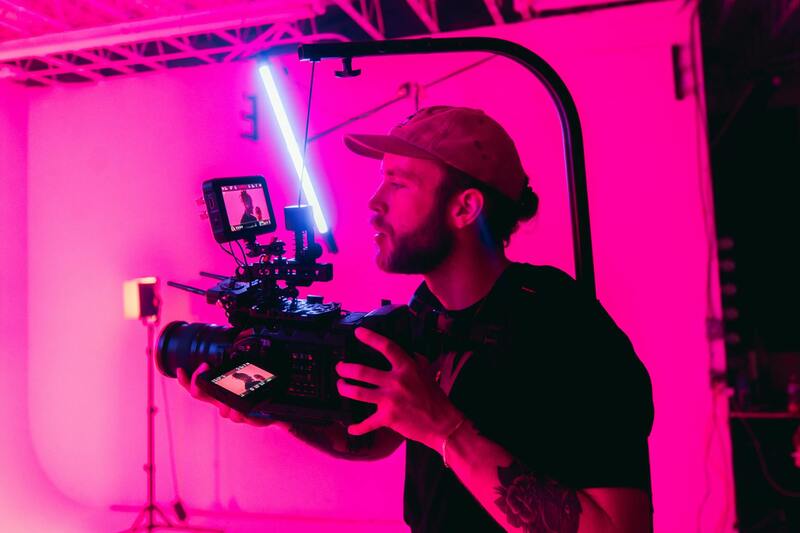
Additionally, live streaming serves as a vital resource for event documentation, enabling organizers to create content that can be repurposed for marketing, training, or archival purposes. The ability to broadcast in real-time, combined with professional videography techniques, ensures that every detail, from speeches and performances to scenic shots and audience interactions, is accurately presented. As Miami continues to be a hub for diverse events—ranging from art festivals to political rallies—the demand for expert live streaming services grows steadily, emphasizing its significance in contemporary event coverage.
This growing trend underscores the need for technical expertise, high-quality equipment, and strategic planning behind the scenes. The right approach to live streaming not only elevates the professionalism of an event but also amplifies its reach and impact. For those in Miami seeking reliable, high-quality live streaming solutions, partnering with experienced videographers ensures that every event is captured and broadcasted flawlessly, reaching audiences far beyond the event premises.
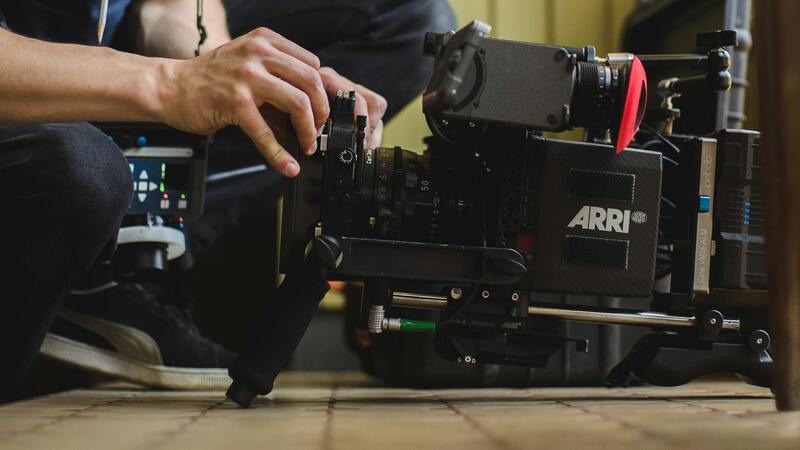
In essence, live streaming has become an integral part of event planning and execution, transforming traditional experiences into dynamic, accessible broadcasts. Whether for corporate, entertainment, or community events, leveraging professional videography services ensures that the content delivered is engaging, clear, and impactful. As technology continues to advance, the scope and quality of live streaming in Miami will only expand, setting new standards for what audiences expect from live event coverage.
Setting Up for Live Streaming
Effective live streaming of events requires meticulous preparation and technical precision. Before the event commences, a detailed plan must be established to ensure seamless broadcast delivery. This includes site assessment to determine optimal camera placements, power supply arrangements, and internet connectivity checks. Positioning of cameras should capture key focal points, whether they are speakers, performers, or scenic backdrops, providing versatile angles for a dynamic broadcast.
The deployment of professional-grade encoders is essential to convert raw video signals into a streamable format. These encoders are configured to match the specific requirements of the event, maximizing quality while minimizing latency. Additionally, audio sources must be carefully managed; employing high-quality microphones—such as lapel, shotgun, or boundary mics—ensures audio clarity regardless of ambient noise levels.
Backup systems are vital for uninterrupted streaming. This includes secondary internet connections, extra power sources, and spare equipment. In environments with potentially unstable connectivity, utilizing bonding technology, which combines multiple internet feeds, helps maintain a stable and high-quality stream. Monitoring tools should be in place during the event to track stream health, troubleshoot issues in real-time, and make necessary adjustments.
A comprehensive test run prior to the event allows technicians to identify and resolve potential problems. This rehearsal covers all equipment, internet stability, and streaming platform configurations, ensuring smooth execution. For Miami events, where environments can fluctuate—from indoor conference halls to outdoor festivals—adaptability in setup is crucial to handle varying conditions efficiently.
Overview of Live Streaming for Events
Implementing live streaming for events in the Miami area offers a powerful way to reach audiences beyond traditional physical attendance. Whether hosting corporate conferences, festivals, weddings, or community gatherings, seamless broadcast quality significantly enhances engagement and broadens visibility. A well-executed live stream ensures that remote viewers experience the event as if they were physically present, fostering greater connection and participation. As technology advances, the importance of selecting appropriate equipment, reliable internet connections, and professional operational techniques grows, enabling broadcasters to deliver HD quality streams with minimal latency. The integration of multi-camera setups, high-fidelity audio, and real-time switching elevates the production value and viewer satisfaction. For Miami-based events, where environments can vary from indoor venues to outdoor spaces, preparation and adaptability are key to successful streaming initiatives. Moreover, aligning with expert videographer services specializing in live streaming guarantees optimal results, using state-of-the-art tools and best practices tailored to specific event needs.
Choosing the Right Videography Equipment
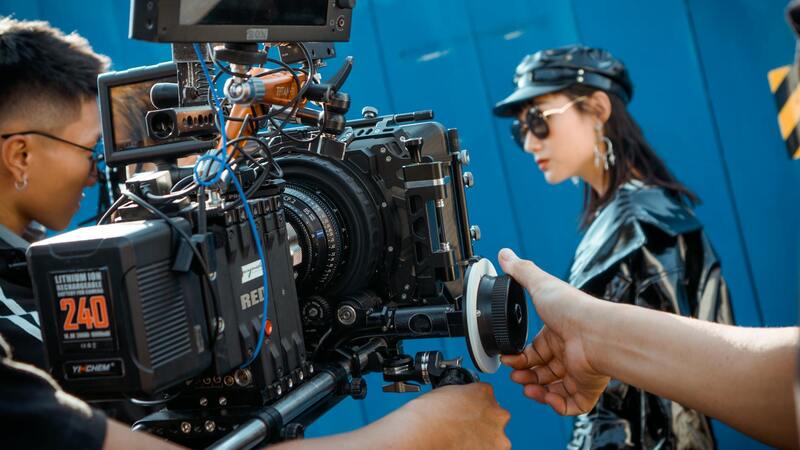
The foundation of a professional live stream begins with selecting the appropriate equipment. This involves a careful assessment of the event’s scale, venue characteristics, and audience expectations. High-definition cameras, such as PTZ (pan-tilt-zoom) models and camcorders with robust low-light performance, facilitate versatile coverage and clarity. Cameras should be strategically positioned to capture key angles, speaker interactions, and audience reactions, ensuring dynamic and engaging visuals that resonate with remote viewers.
Audio quality plays a critical role in live streaming effectiveness. Employing high-quality microphones—including wireless lapels for speakers, shotgun microphones for directional sound, and boundary mics for group settings—helps capture clear, natural audio. The use of external audio mixers ensures balanced sound levels and eliminates background noise, especially in acoustically challenging environments.
Stable internet connectivity is essential for uninterrupted streaming. Wired connections are preferred over Wi-Fi to minimize latency and packet loss. When wired options are impractical, utilizing bonding technology—combining multiple internet sources—can dramatically improve bandwidth and stability. Backup hardware, such as spare cameras, microphones, and portable power supplies, should be on hand to mitigate potential technical issues.
Additional equipment, like video switchers, encoders, and streaming controllers, streamline the live production process. Encoders convert high-quality video signals into digital streams compatible with various platforms, while switching software facilitates seamless transitions between camera feeds, graphics, and overlays. Proper cabling and mounting hardware ensure safety and operational efficiency, especially in outdoor or large-scale venues.
Networking and Infrastructure Considerations
Reliable internet connectivity is the backbone of successful live streaming. Bandwidth requirements vary depending on the video quality and the number of camera feeds, with HD streams typically requiring at least 10 Mbps upload speeds. In bustling Miami venues, networking infrastructure must be tested thoroughly beforehand, with contingency plans in place. Using dedicated internet lines exclusively for streaming minimizes interference from other venue activities. For outdoor or remote events, portable LTE or 5G hotspots can serve as supplementary feeds, supplied by bonding solutions to enhance stability.
Networking hardware such as routers with advanced Quality of Service (QoS) settings prioritize streaming data and reduce latency. Firewall and security policies should be configured to allow uninterrupted data flow. Additionally, network monitoring tools provide real-time insights into internet performance, enabling technicians to identify and resolve issues proactively during an event.
Ensuring Compliance and Privacy
When broadcasting live events, compliance with legal standards and privacy expectations is paramount. Proper planning includes obtaining necessary permissions for recording and streaming all event content, especially in cases involving copyrighted materials, proprietary visuals, or personal data. Clear notices about recording practices should be communicated to attendees, with signage or verbal announcements made at the outset. Secure handling of sensitive information, such as personal identifiers or proprietary content, is essential and guided by organizational policies.
Furthermore, selecting streaming platforms that adhere to recognized security standards, such as end-to-end encryption and controlled access, helps protect the broadcast from unauthorized viewing or piracy. Transparent communication with clients and attendees regarding streaming processes builds trust and ensures adherence to privacy protocols throughout the event lifecycle.
Choosing the Right Videography Equipment
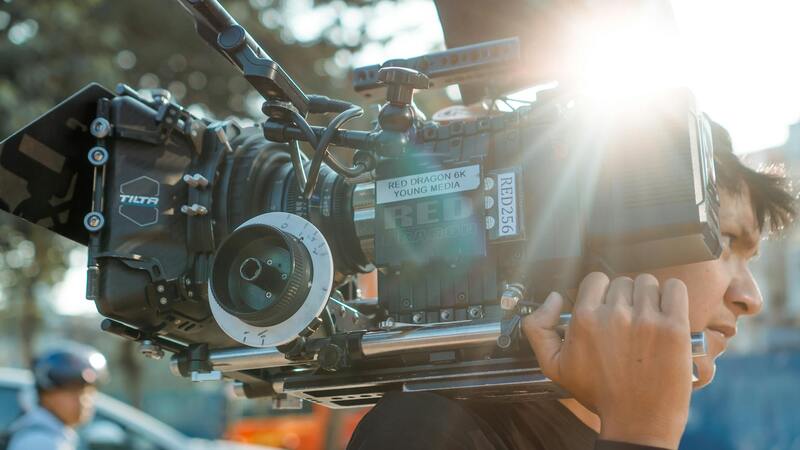
Effective live streaming of events relies heavily on selecting the appropriate videography equipment to ensure broadcast quality and reliability. Professional-grade cameras, such as 4K capable models, provide sharp, high-resolution visuals that meet industry standards and captivate viewers. These cameras often feature advanced sensors, optical zoom capabilities, and high dynamic range (HDR) support, allowing operators to adapt seamlessly to varying lighting conditions typical of live events.
In addition to cameras, high-quality audio equipment is crucial for delivering a clear and immersive experience. Lavalier microphones, shotgun mics, and audio mixers enable sound that complements the visuals, ensuring every spoken word or musical performance is captured accurately. When combined with wireless transmission units, these audio tools facilitate mobility and flexibility, especially in dynamic event settings.
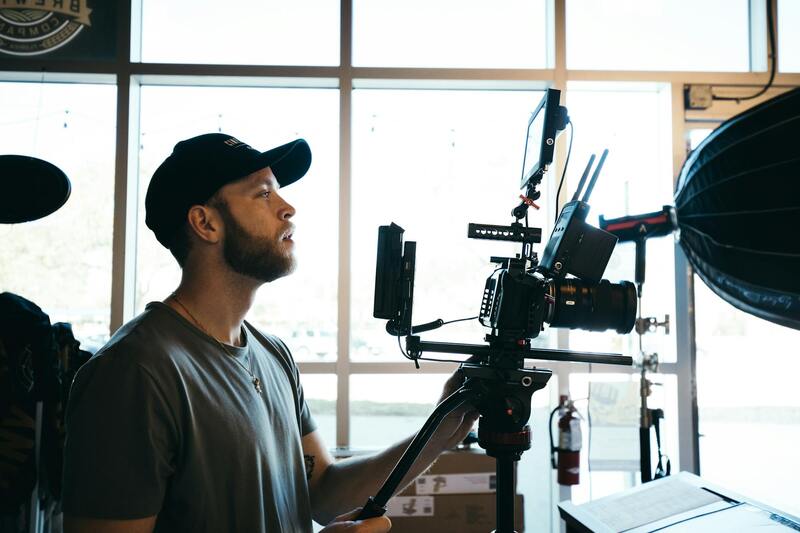
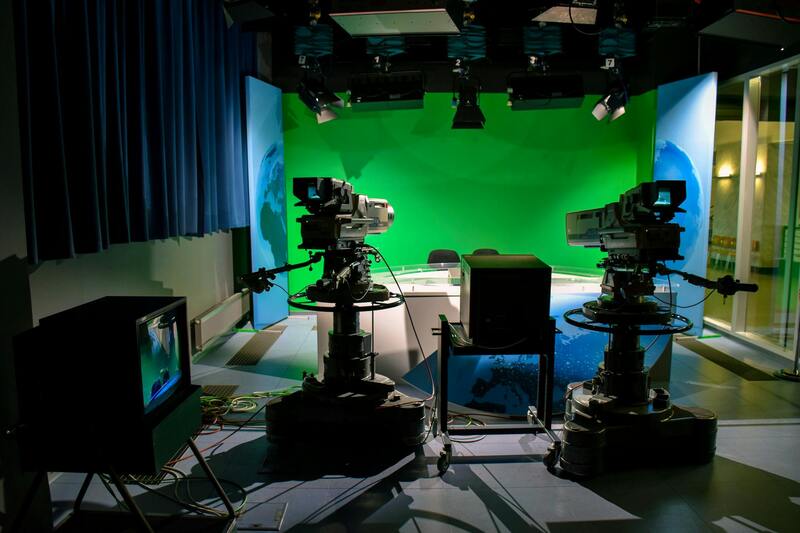
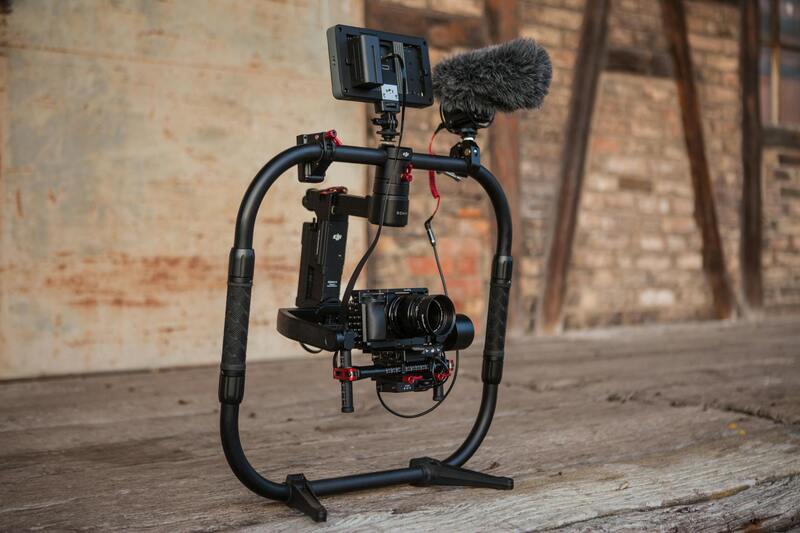
Stability of the video feed is vital. Gimbals and stabilizers are employed to smooth out camera movements, eliminating jitters that can distract viewers. For large-scale events, multiple camera setups with robotic pan-tilt-zoom (PTZ) systems offer the advantage of remote operation, reducing the need for multiple camera operators yet maintaining comprehensive coverage.
Ensuring the capturing devices are interconnected with reliable transmission links is equally important. SDI or HDMI cables should be used for high-quality, low-latency connections to streaming encoders or switchers. Wireless encoders, utilizing Wi-Fi or cellular networks, provide mobility but must be paired with robust network solutions to avoid signal interruptions. In recent years, the integration of bonding solutions—combining multiple data streams from LTE, 5G, or wired internet—has proven effective in maintaining a steady stream during events with unpredictable network conditions.
For content management and live feed switching, professional video switchers or stream management software are deployed. These tools facilitate seamless transitions between camera angles, overlays, and graphic inserts, enhancing production value. High-performance streaming servers or cloud-based services process and distribute the live feed out to viewers across selected platforms, ensuring minimal latency and high-quality transmission.
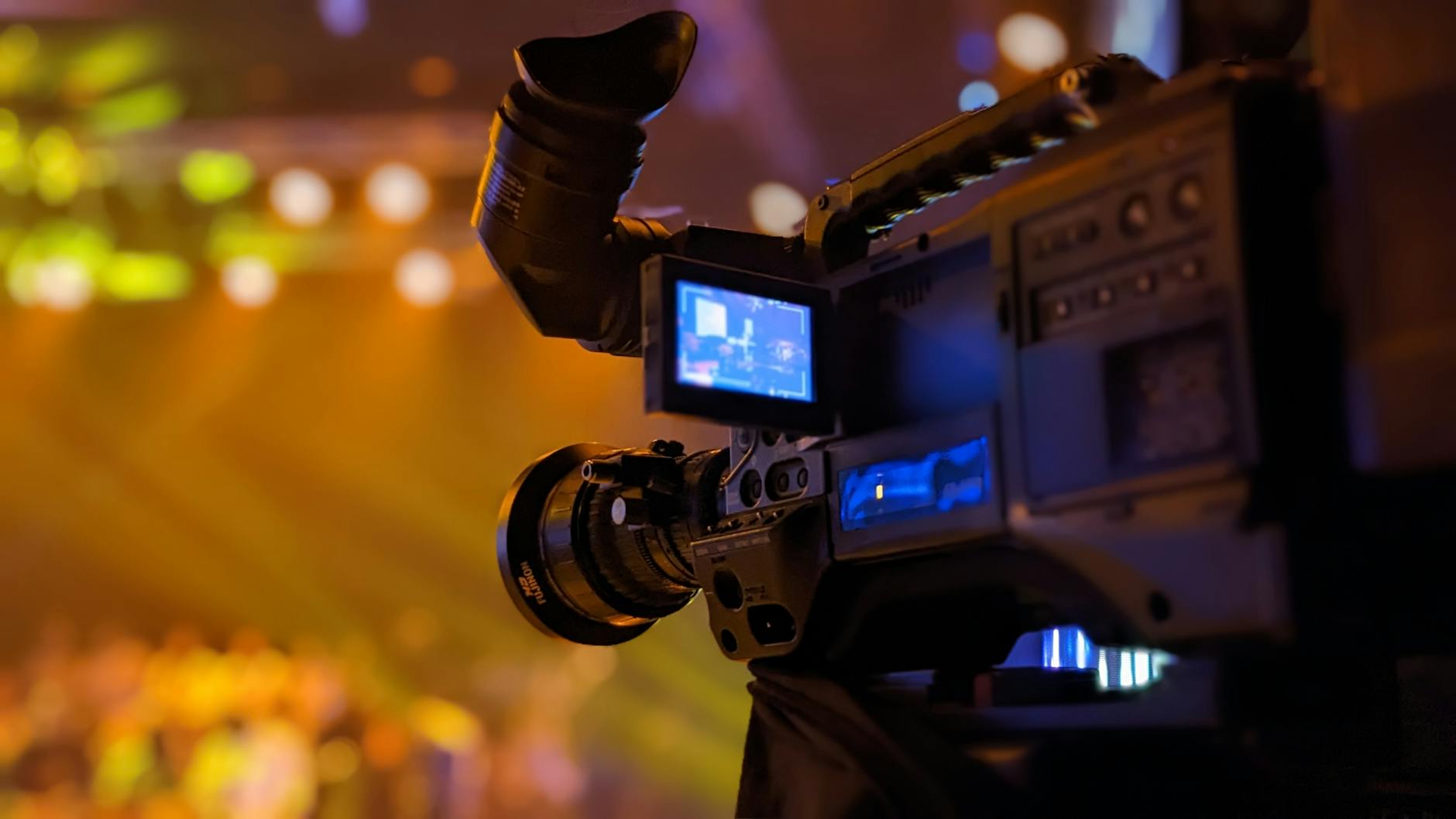
As technology advances, integrating multi-camera setups with remote control capabilities and high-efficiency encoding ensures that live streams are professional, engaging, and delivered without technical hitches. Proper equipment choice tailored to the specific nature of the event, audience size, and venue conditions makes a significant difference in the overall quality and success of live streaming efforts.
Implementing Effective Audio Solutions for Live Streaming
High-quality audio is crucial to complement the visual aspects of a live stream and ensure an immersive viewer experience. Reliable sound capture starts with professional-grade microphones suited to the environment and event type. For indoor events, shotgun mics and lavalier microphones provide clarity and mobility, while outdoor events benefit from directional microphones that minimize ambient noise. Utilizing audio mixers allows for real-time adjustments, balancing multiple audio sources seamlessly.
Integration of wireless audio transmitters offers flexibility in dynamic event settings, reducing cable clutter and enabling unobtrusive coverage. However, ensuring a stable wireless signal prevents audio dropouts, which can be disruptive to viewers. Advanced audio processing hardware can include noise suppression, echo cancellation, and equalization, maximizing sound fidelity during the live feed.
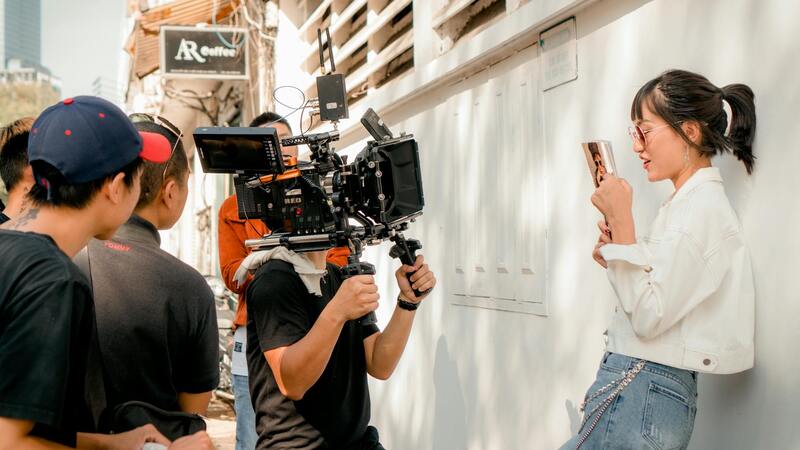
In addition, embedding audio directly into the video stream via professional mixing consoles guarantees synchronized sound and visuals. When paired with streaming encoders configured for high bitrate audio channels, the end product maintains professional standards across various platforms. Regular equipment testing and calibration prior to the event minimize the risk of technical issues and ensure the audience receives clear, intelligible sound, making the live stream more engaging and professional.
Managing Multiple Camera Feeds for Dynamic Live Content
Creating a compelling live event broadcast relies heavily on the ability to switch between multiple camera angles effortlessly. Deploying a multi-camera setup allows for varied perspectives, capturing different elements of the event—such as close-ups, wide shots, or audience reactions—that enrich the viewing experience.
Utilizing a video switcher or live production software offers real-time control over camera feeds, overlays, and graphics. This flexibility enables the production team to react swiftly to unfolding moments, emphasizing key sights or sounds, and maintaining viewer interest throughout the event. For larger or more complex productions, remote control and robotic camera systems can be integrated, providing operators with precise control over camera movements without physical proximity.
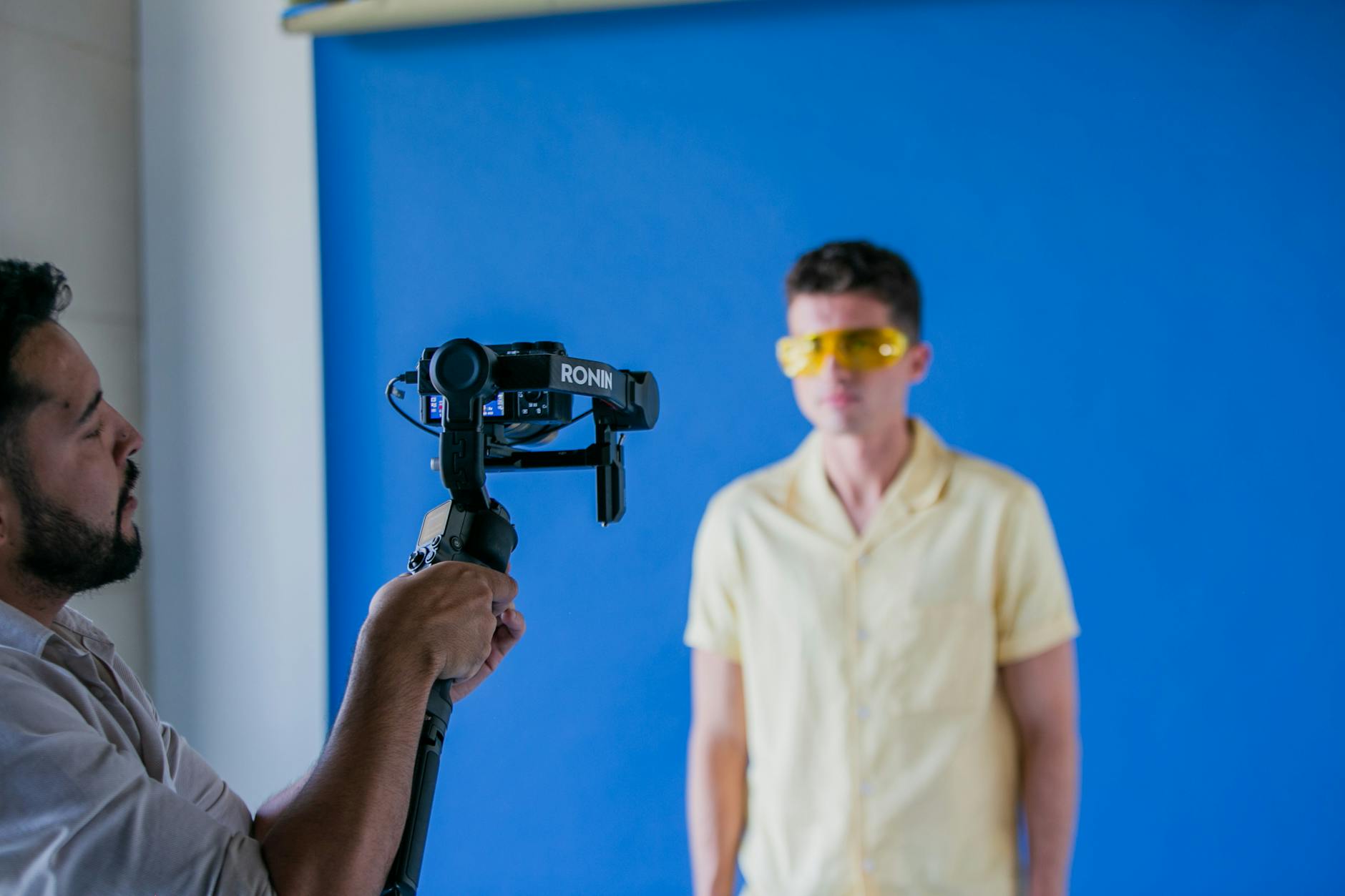
Integrating multiple camera sources with professional switchers ensures smooth transitions and maintains a polished look. High-quality video encoders compress the feed efficiently without sacrificing visual fidelity, facilitating a seamless broadcast across various online platforms. A well-structured multi-camera approach not only enhances storytelling but also elevates the production value, making the live stream a compelling experience for remote attendees.
Ensuring Reliable Internet Connectivity and Redundancy
A stable and high-speed internet connection forms the backbone of successful live streaming. Fiber optic connections are ideal due to their stability and bandwidth capabilities, but in scenarios where fiber isn't available, cellular bonding solutions play a vital role. Bonding multiple LTE or 5G connections combines their bandwidth, providing a unified, resilient internet source capable of handling high-bit-rate streams.
Implementing backup solutions such as secondary internet connections or mobile hotspot devices ensures that a loss of primary connectivity doesn't interrupt the broadcast. Network monitoring tools enable real-time assessment of signal strength and data flow, allowing technical teams to address issues proactively if network performance dips. For outdoor or large-scale events, setting up dedicated internet infrastructure or leasing temporary network services can significantly boost reliability.
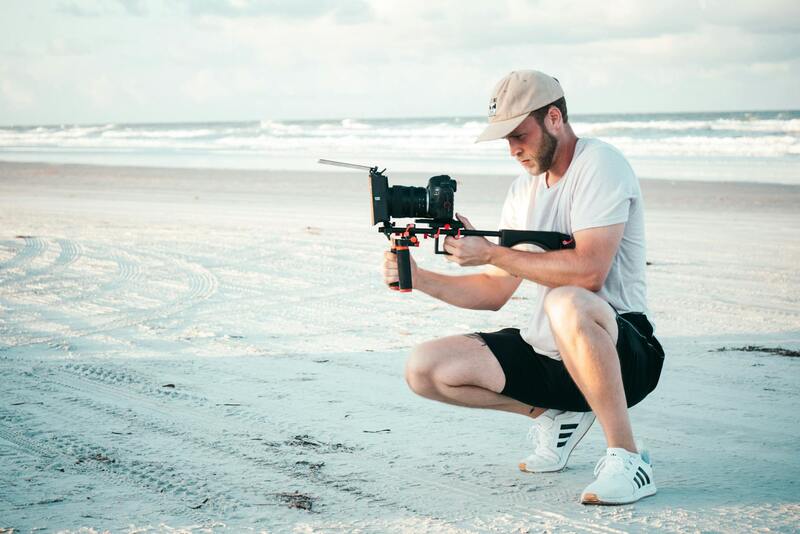
Incorporating hardware redundancies and implementing advanced network bonding techniques ensures continuous data flow, minimizes latency, and maintains high-quality output. This proactive approach to connectivity management reduces the risk of stream disruptions and guarantees a smooth, professional live broadcast that meets audience expectations.
Legal and Privacy Considerations
When planning to incorporate videographer live streaming into events, understanding the legal and privacy frameworks is essential to avoid potential complications. Securing the necessary permissions and informed consent from all participants or attendees involved in the broadcast is fundamental. This includes acquiring explicit consent from individuals whose images or voices will be captured and transmitted, especially in private settings or sensitive environments.
Event organizers should familiarize themselves with applicable local regulations governing broadcast rights and intellectual property. If content includes third-party media—such as copyrighted music or proprietary visuals—it is vital to obtain the necessary licenses or permissions to avoid infringing upon rights holders. Employing clearly worded notices or signage at events can inform attendees about live streaming activities, ensuring transparency and allowing individuals to opt-out if they prefer not to be recorded.
Data protection is another critical element in live streaming scenarios. Protecting personal information and sensitive content from unauthorized access demands robust cybersecurity measures. Using encrypted streaming protocols and secure login procedures helps safeguard transmitted data, upholding both professional standards and respecting participant privacy.
Proactively addressing these considerations ensures that live streaming efforts are compliant and respectful of individuals’ rights, fostering a trustworthy environment for both hosts and viewers.
 igure>
Effective Strategies for Enhancing Live Streaming Quality and Audience Engagement
To maximize the impact of live streaming events, it is essential to focus on both technical quality and viewer interaction. High-quality video and audio are foundational, as they directly influence viewer retention and overall satisfaction. Employing professional-grade equipment, such as high-definition cameras, external microphones, and reliable streaming encoders, ensures crisp visuals and clear sound. Proper lighting setup is equally important, illuminating the scene without creating glare or shadows, thereby maintaining visual clarity throughout the broadcast.
Equally important is the planning of camera angles and shot composition. Utilizing multiple cameras allows for dynamic switching between wide shots, close-ups, and audience reactions, creating a more immersive experience. Skilled videographers can anticipate moments that benefit from special camera work, such as speaker introductions, performances, or key interactions, ensuring the broadcast remains engaging from start to finish.

Audio quality can be enhanced by using directional microphones, windshields, and audio mixers. Synchronizing audio and video feeds correctly prevents discrepancies that can detract from the viewing experience. In addition to capturing live images and sounds, overlaying graphics, event branding, and real-time captions can add a layer of professionalism and provide valuable context for viewers.
Integrating Interactive Features to Boost Engagement
- Live Chat and Q&A: Facilitating real-time interaction allows viewers to participate actively, increasing their investment in the event.
- Polls and Surveys: Incorporating instant polls or feedback forms can make audiences feel involved and valued.
- Social Media Integration: Sharing highlights and encouraging sharing across platforms expand the event’s reach.
- Call-to-Action (CTA): Clear prompts for viewers to like, comment, or follow related pages help grow your online community.
Ensuring stable internet connectivity and backup connections minimizes disruptions during the broadcast. Additionally, leveraging content delivery networks (CDNs) can optimize streaming performance for viewers across different regions. Regular testing of all technical components before the actual event reduces the risk of unforeseen issues, enhancing overall professionalism.
Monitoring and Analytics for Continuous Improvement
Engaging with viewers doesn't end once the live stream concludes. Utilizing analytics tools to review viewer metrics, such as peak concurrent viewers, engagement rates, and drop-off points, provides insights into audience preferences. This data guides future content strategy, helping tailor live streams to meet audience expectations more effectively.
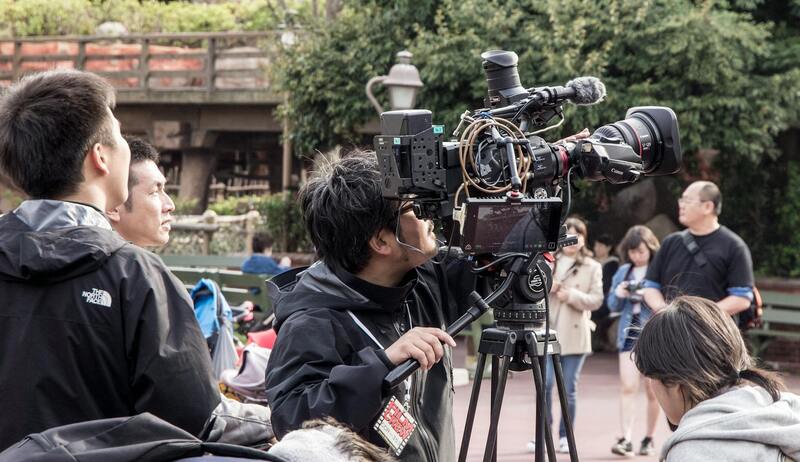
Optimizing technical setups and interactive elements based on data-driven insights ensures sustained viewer interest. Moreover, post-event recordings can be edited for promotional purposes or shared on-demand, extending the lifespan of the content and reaching wider audiences.
Ensuring Legal and Privacy Compliance in Live Streaming
As the popularity of live streaming continues to grow, so does the importance of adhering to established legal and privacy standards to protect both organizers and viewers. When planning to broadcast an event, it is essential to be informed about the necessary protocols related to content rights, consent, and data protection. This not only maintains the integrity of the broadcast but also fosters trust among your audience.
Securing permissions for all copyrighted materials, including music, videos, or images used during the event, ensures that there are no infringement issues that could disrupt the stream or result in penalties. This involves obtaining appropriate licenses or clearances from rights holders prior to the event. In cases where third-party content is included, providing proper attribution and ensuring usage aligns with licensing terms is critical.
Another vital aspect is obtaining consent from individuals appearing on camera, especially in scenarios involving private gatherings or sensitive content. Clear signage or verbal announcements can serve as notice to attendees that they may be recorded or streamed. Sometimes, explicit consent forms are necessary, especially for professional or commercial live streams. These forms should clearly outline how the recorded footage will be used, stored, and shared, ensuring compliance with privacy standards.
Data protection is equally important. Live stream organizers should implement measures to secure viewer information and prevent unauthorized access to stream feeds or viewer data. Employing secure servers, encrypted connections, and controlled access points minimizes potential risks. Furthermore, informing viewers about data collection practices through transparent privacy policies fosters accountability and adherence to best practices.
Including disclaimers or terms of service at the start of the stream can also clarify rights and responsibilities, further protecting all parties involved. By aligning with recognized standards and regulations, event organizers demonstrate a commitment to ethical streaming practices, which positively impacts reputation and viewer confidence.